- English
- French
- German
- Portuguese
- Spanish
- Russian
- Japanese
- Korean
- Arabic
- Irish
- Greek
- Turkish
- Italian
- Danish
- Romanian
- Indonesian
- Czech
- Afrikaans
- Swedish
- Polish
- Basque
- Catalan
- Esperanto
- Hindi
- Lao
- Albanian
- Amharic
- Armenian
- Azerbaijani
- Belarusian
- Bengali
- Bosnian
- Bulgarian
- Cebuano
- Chichewa
- Corsican
- Croatian
- Dutch
- Estonian
- Filipino
- Finnish
- Frisian
- Galician
- Georgian
- Gujarati
- Haitian
- Hausa
- Hawaiian
- Hebrew
- Hmong
- Hungarian
- Icelandic
- Igbo
- Javanese
- Kannada
- Kazakh
- Khmer
- Kurdish
- Kyrgyz
- Latin
- Latvian
- Lithuanian
- Luxembou..
- Macedonian
- Malagasy
- Malay
- Malayalam
- Maltese
- Maori
- Marathi
- Mongolian
- Burmese
- Nepali
- Norwegian
- Pashto
- Persian
- Punjabi
- Serbian
- Sesotho
- Sinhala
- Slovak
- Slovenian
- Somali
- Samoan
- Scots Gaelic
- Shona
- Sindhi
- Sundanese
- Swahili
- Tajik
- Tamil
- Telugu
- Thai
- Ukrainian
- Urdu
- Uzbek
- Vietnamese
- Welsh
- Xhosa
- Yiddish
- Yoruba
- Zulu
Due to complex supply chain dynamics and shifting customer tastes toward premium pet nutrition, the dried chicken jerky market for pets is undergoing an unparalleled transition in 2026. In order to successfully navigate this environment, B2B procurement professionals need to be aware of how supplier relationships and purchasing tactics are directly impacted by market dynamics. The way procurement teams assess possible partners and negotiate contracts is radically altered by the increased focus on organic certification, health-conscious products, and ethical sourcing methods.

New Procurement Patterns in the Dried Chicken Jerky Sector
The premium dog treat B2B procurement market mirrors larger trends toward sustainability, transparency, and quality control. When assessing suppliers, modern buying managers face a variety of difficult tasks, such as confirming the source of ingredients and guaranteeing adherence to changing legal requirements. Beyond standard price discussions, the market requires advanced techniques for supplier relationship management.
Demand for Health-Conscious Products
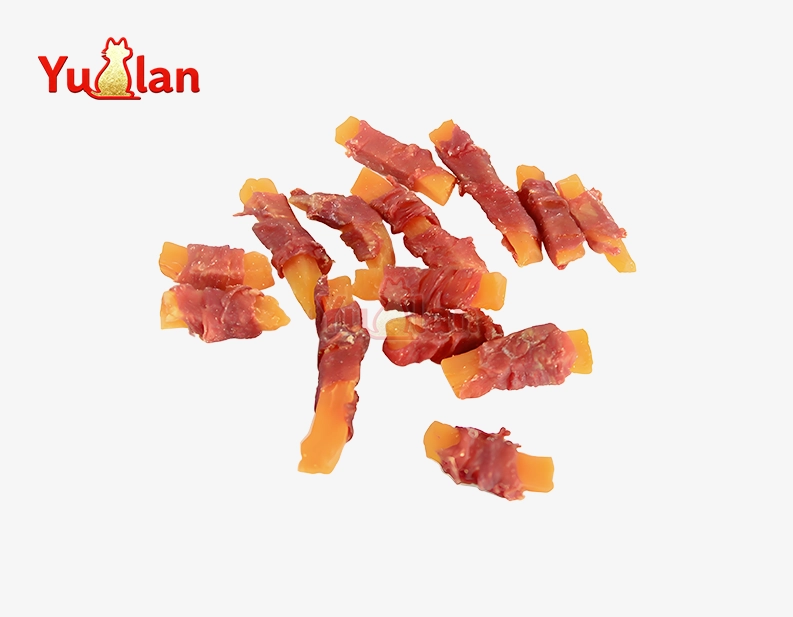
High-quality dried chicken jerky processed at a moderate temperature to preserve the natural meaty fragrance is in high demand as pet owners place a greater emphasis on nutritional value and ingredient transparency. These products meet dogs' natural carnivorous chewing instincts, soothe their teeth, and give them high-quality protein. In response, procurement teams set more stringent quality standards and collaborate with vendors who consistently uphold premium production standards.
Emphasis on Certification and Compliance
Many business-to-business purchasers now insist on organic certification, human-grade standards, and ethical sourcing credentials. Dried chicken jerky suppliers who keep thorough records of their production procedures, ingredient sourcing, and quality control procedures are given preference by businesses. Growing consumer awareness and regulatory scrutiny in the pet food sector are reflected in this trend.
Strategies for Purchasing at Wholesale
Companies may take savings from economies of scale while preserving inventory flexibility through strategic bulk purchasing efforts. Prominent distributors claim that long-term supplier relationships and volume agreements result in considerable cost reductions. Customized package options and private labeling alternatives that improve brand distinction in highly competitive markets are frequently part of these partnerships.

Understanding Product Quality and Differentiators in Dried Chicken Jerky
Nutritional makeup and manufacturing techniques set premium items apart from commodity equivalents, and quality metrics are the main deciding elements in procurement procedures. The capacity of suppliers to reliably supply goods that satisfy particular protein content, digestibility criteria, and palatability requirements is how modern buyers assess suppliers.
Benefits of a Nutritional Profile
Dried chicken jerky made from chicken has clear benefits over other protein sources, including better digestion and health-promoting amino acid profiles. While producing enticing textures that promote natural chewing behavior, the low-temperature baking method maintains vital nutrients. Because of these qualities, chicken jerky is especially appropriate for dogs with unique nutritional needs or delicate digestive systems.
Innovation in Manufacturing Procedures
Cutting-edge production methods that preserve ingredient quality while increasing shelf life have emerged as crucial differentiators in dried chicken jerky supplier assessment. Businesses that use vacuum packing and controlled temperature processing show their dedication to supply chain effectiveness and product quality. These developments optimize inventory control throughout distribution networks and lower the danger of spoiling.
Procedures for Quality Assurance
Procurement teams may feel confident in suppliers' capabilities thanks to thorough quality control procedures, including facility certifications, ingredient traceability, and batch testing. Prominent manufacturers perform frequent third-party audits to confirm adherence to industry standards and keep thorough records of their operations.
Strategic Supplier Evaluation and Selection Criteria
Beyond price, operational dependability, consistency in quality, and strategic alignment with procurement goals are all important aspects of an effective supplier evaluation. To guarantee long-term partnership success, contemporary evaluation frameworks include risk assessment, capacity planning, and innovation potential.
Value Analysis and Price Transparency
Beyond unit price, comprehensive cost analysis takes into account shipping, handling, and quality-related concerns when calculating the total cost of ownership. Suppliers who offer flexible conditions and thorough pricing breakdowns frequently build better bonds with procurement experts. Strategic inventory planning is made possible by volume-based pricing systems, which also keep costs competitive.
Logistics Proficiency and Delivery Dependability
When choosing a dried chicken jerky supplier, supply chain resilience has become crucial, with a focus on communication protocols, inventory control, and consistent delivery. Businesses give preference to partners that have strong logistical capabilities and keep backup plans in case of emergencies. Procurement selections are influenced by geographic proximity and the effectiveness of the distribution network, especially for orders with a tight deadline.
Opportunities for Personalization and Private Labeling
B2B clients looking for market distinction can benefit from suppliers with customized skills, such as packaging design, product formulation, and private labeling services. Through these collaborations, procurement teams may use established manufacturing experience and quality processes to create distinctive product offers.

Developments and Prospects for B2B Dried Chicken Jerky
Procurement procedures are changing as a result of sustainability goals and technology integration; data analytics are making it possible to estimate demand and track supplier performance more precisely. Digital platforms improve supply chain operations and market trends while streamlining order management.
Impact of Digital Transformation
Through automated ordering and inventory management systems, e-commerce platforms, and digital marketplaces streamline procurement procedures while increasing access to worldwide suppliers. Procurement teams may more effectively assess supplier possibilities and have greater control over purchase activities thanks to these tools.
Environmental Responsibility and Sustainability
Supplier selection is becoming more and more influenced by environmental factors, as buyers give preference to partners that exhibit a dedication to sustainable production methods and ethical ingredient sourcing. Businesses that put in place thorough ESG management systems have a competitive edge in procurement assessments.
Strategies for Market Resilience
Procurement teams must create flexible sourcing strategies that incorporate regional diversification and numerous supplier relationships due to ongoing supply chain risks. Long-term alliances with reliable suppliers offer stability while preserving the ability to adjust to changing market conditions and seize new possibilities.
For B2B professionals, the 2026 dried chicken jerky buying environment offers both possibilities and problems. Understanding market trends, thoroughly assessing suppliers, and forming strategic alliances that advance long-term corporate goals are all necessary for success. Technological advancements, ecological demands, and quality concerns continue to change procurement procedures while giving businesses that successfully adjust a competitive edge. In the dynamic pet food industry, strategic procurement methods that strike a balance between cost effectiveness and quality control allow for long-term success.
About Yunlan
With more than 20 years of management expertise in the pet supply sector, Yunlan specializes in providing complete supply chain solutions for high-end pet treats. Our activities, which are situated in Suyu District, Suqian City, Jiangsu Province, are supported by an established industrial ecosystem that facilitates effective production and distribution procedures.
Our product line includes premium chicken jerky made using cutting-edge low-temperature baking methods that maintain the nutritional value and natural tastes. In addition to giving dogs vital nutrients and gratifying their innate chewing urges, the manufacturing procedure preserves the genuine meaty fragrance. Continuous product innovation and customisation are made possible by our extensive R&D capabilities, which are backed by 65 awarded patents and almost 40 million RMB in cumulative investment.
We provide a wide range of customisation services, such as formula optimization to meet particular market demands, private labeling, and bespoke packaging. Throughout the supply chain, our logistical support maintains product quality while guaranteeing dependable delivery dates. A collaboration with Yunlan gives access to tested knowledge, adaptable shipping options, and committed customer assistance aimed at assisting company expansion goals in highly competitive markets.
Partner with Yunlan for Premium Dried Chicken Jerky Solutions
Yunlan extends an invitation to procurement experts to investigate our extensive supplier capabilities and customisation services for dried chicken jerky. To assist with well-informed purchase decisions, our skilled staff offers individualized consultations, competitive price structures, and sample programs. For more information about private labeling options, bulk savings, and developing strategic partnerships, email us at minghuixu6717@gmail.com. Visit yunlanpets.com to view our whole product selection and learn how our tested experience can satisfy your delivery and quality standards while streamlining your supply chain processes.
FAQs
Q1: When buying dried chicken jerky in quantity, what aspects should procurement teams focus on?
A: Crucial assessment factors include production procedures, supplier transparency, quality certificates, and delivery dependability. Purchasers should confirm human-grade standards, organic certifications, and thorough quality control procedures. Furthermore, assessing the financial stability, manufacturing capacity, and logistical skills of suppliers guarantees the formation of long-lasting partnerships.
Q2: How can businesses confirm that pet treats adhere to safety and health regulations?
A: Request comprehensive documentation, such as ingredient traceability reports, batch testing records, and facility certificates. Check third-party certificates from reputable organizations and, if feasible, conduct facility audits. Provide precise quality requirements and demand that vendors uphold thorough quality control procedures.
Q3: What are the usual lead times and delivery factors for orders of dried chicken jerky from overseas?
A: Depending on order volume, customization needs, and delivery options, typical lead times range from two to four weeks. Customs clearance and documentation processing take longer for orders sent from overseas. Supply chain continuity and delivery expectations may be managed by establishing clear communication procedures and keeping buffer inventories.
References
1. Pet Food Industry Association. "2026 B2B Procurement Trends in Premium Pet Treats." Annual Market Analysis Report, 2026.
2. Smith, J. and Williams, R. "Supply Chain Innovation in the Pet Food Sector: Quality and Sustainability Trends." Journal of Pet Industry Research, Vol. 45, 2026.
3. International Pet Food Manufacturers Council. "Quality Standards and Certification Trends in Dog Treat Manufacturing." Industry Standards Publication, 2026.
4. Chen, L. et al. "Nutritional Benefits of Low-Temperature Processing in Pet Food Production." Pet Nutrition Quarterly, Issue 3, 2026.
5. Global Pet Supply Chain Report. "B2B Procurement Strategies and Market Dynamics in the Pet Treat Industry." Market Research Publication, 2026.
6. Thompson, M. "Digital Transformation in Pet Food Procurement: Technology Adoption and Market Impact." Supply Chain Management Review, Volume 28, 2026.