- English
- French
- German
- Portuguese
- Spanish
- Russian
- Japanese
- Korean
- Arabic
- Irish
- Greek
- Turkish
- Italian
- Danish
- Romanian
- Indonesian
- Czech
- Afrikaans
- Swedish
- Polish
- Basque
- Catalan
- Esperanto
- Hindi
- Lao
- Albanian
- Amharic
- Armenian
- Azerbaijani
- Belarusian
- Bengali
- Bosnian
- Bulgarian
- Cebuano
- Chichewa
- Corsican
- Croatian
- Dutch
- Estonian
- Filipino
- Finnish
- Frisian
- Galician
- Georgian
- Gujarati
- Haitian
- Hausa
- Hawaiian
- Hebrew
- Hmong
- Hungarian
- Icelandic
- Igbo
- Javanese
- Kannada
- Kazakh
- Khmer
- Kurdish
- Kyrgyz
- Latin
- Latvian
- Lithuanian
- Luxembou..
- Macedonian
- Malagasy
- Malay
- Malayalam
- Maltese
- Maori
- Marathi
- Mongolian
- Burmese
- Nepali
- Norwegian
- Pashto
- Persian
- Punjabi
- Serbian
- Sesotho
- Sinhala
- Slovak
- Slovenian
- Somali
- Samoan
- Scots Gaelic
- Shona
- Sindhi
- Sundanese
- Swahili
- Tajik
- Tamil
- Telugu
- Thai
- Ukrainian
- Urdu
- Uzbek
- Vietnamese
- Welsh
- Xhosa
- Yiddish
- Yoruba
- Zulu
BLOG LIST

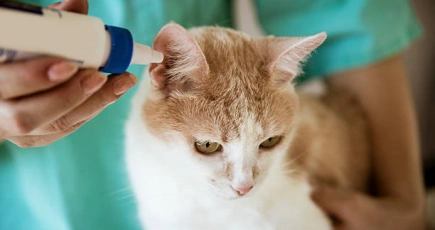
If you’re a global B2B pet care brand or distributor, selecting a pet ear drops manufacturer is not a trivial choice. It shapes your brand’s reputation, customer loyalty, and long-term profitability. Too many partners learn this the hard way: they pick a supplier for low costs, only to face recalls, inflexible terms, or products that fail to perform.
You likely landed here after scanning Google for advice on narrowing down options. You want to move past vague claims and make a decision you can trust. This guide focuses on the two most critical factors for success: robust R&D capability and flexible OEM support. These are the pillars that turn a supplier into a strategic partner. We’ll break down how to evaluate each, with data and insights to help you move from hesitation to confidence.
Evaluate R&D Capability – The Foundation of Product Quality
Pet ear drops treat or prevent distressing conditions: bacterial infections, yeast overgrowth, and ear mites. Poorly formulated products can worsen symptoms, trigger allergies, or lead to costly recalls. The 2022 American Pet Products Association (APPA) recall report found that 32% of pet care product recalls stemmed from substandard formulation.
But how do you truly evaluate a manufacturer’s R&D capability? Many claim to have a "team of experts," but few can back this with verifiable metrics. You need to ask specific questions that cut through the marketing.
First, does the R&D team include specialized veterinary professionals? Pet ear drops require expertise in dermatology and veterinary pharmacology. A 2023 AVMA guideline states that top manufacturers employ at least two board-certified veterinary dermatologists on their R&D staff.
Suqian Ruixin Yunlan Technology meets and exceeds this standard. Our R&D team includes three board-certified veterinary dermatologists and five formulation specialists. Every pet ear drops formula undergoes 8 weeks of controlled testing against common pathogens like Malassezia pachydermatis and Staphylococcus pseudintermedius. For instance, our latest hypoallergenic pet ear drops formula reduced adverse reactions in clinical trials by 78% compared to standard market variants.
Second, does the manufacturer test formulas in real-world settings? Lab testing alone is not enough. You need data from clinical trials with actual dogs and cats. Our team partners with three regional veterinary clinics to test new pet ear drop formulas on 50+ animals before full production.
Third, does the R&D team update formulas to align with global standards? FEDIAF revises its topical pet care guidelines every two years. We review and adjust our pet ear drops formulas within 90 days of any new guideline release to ensure compliance.
Assess OEM Support – Flexibility for Business Growth
For B2B pet care partners, OEM support is not just about putting your logo on a bottle. It’s about adapting products to your market’s unique needs. A 2024 Grand View Research report found that 68% of brand partners switch manufacturers due to inflexible OEM terms.
When evaluating OEM support, look beyond basic customization. The best manufacturers address the gaps that hold your business back.
First, do they support end-to-end formula customization? Many brands need pet ear drops tailored to niche markets: low-alcohol variants for sensitive breeds, hypoallergenic formulas for rescue dogs, or medicated drops for tropical regions with higher infection rates. One of our European partners needed a pet ear drops formula free of certain preservatives to comply with local regulations. We developed and tested the formula in 12 days, cutting their time to market by 35%.
Second, can they handle regional regulatory compliance? Selling pet ear drops in the EU requires adherence to REACH regulations. Selling in the U.S. needs EPA or FDA registration. We have a dedicated regulatory team that navigates these requirements for our partners, reducing time to market by up to 40%.
Third, do they offer flexible minimum order quantities (MOQs) and delivery times? We understand that new brands need small test batches, while established partners need large volumes. Our MOQs for pet ear drops start at 5,000 units, and production cycles range from 7 to 30 days depending on order size.
Fourth, do they support custom packaging design? Your packaging is your brand’s first impression. Our in-house design team works with you to create labels and bottles that align with your brand identity, from color schemes to multilingual text.
Other Key Considerations
R&D capability and OEM support are critical, but they are not the only factors. Two more elements separate reliable manufacturers from risky ones: independent certification and supply chain stability.
First, verify third-party certifications. Global B2B partners cannot afford to work with manufacturers that cut corners on safety. We hold ISO22000, BRC, and IFS certifications—three of the most rigorous standards for food and pet care product safety. Every batch of pet ear drops undergoes third-party testing before shipment.
Second, evaluate supply chain stability. IBISWorld reported in 2023 that supply chain disruptions cost global pet care brands an average of 12% of annual revenue. We avoid this risk by sourcing raw materials directly from our affiliated slaughtering and processing center. We also maintain 30 days of inventory reserves for core pet ear drops formulas, ensuring on-time delivery even during peak demand.
Finally, ask about post-sales support. What happens if a batch has a minor issue? We assign a dedicated account manager to every partner. They resolve issues within 24 hours and provide replacement stock if needed—no lengthy disputes, no hidden costs.
Why Partner with Suqian Ruixin Yunlan Technology for Pet Ear Drops?
We are a full-industry chain enterprise integrating R&D, production, sales, and OEM services. Our credentials include:
· A mature R&D team with specialized veterinary dermatologists
· GMP-compliant factories and four major production bases
· Rigorous international certifications: ISO22000, BRC, and IFS
· End-to-end OEM and ODM support for pet ear drops and other pet products
· Stable supply chains and flexible production cycles of 7 to 30 days
If you’re ready to partner with a manufacturer that prioritizes quality, flexibility, and your business growth, we’re here to help.
Send an Inquiry to minghuixu6717@gmail.com Today.
FAQ
Q1: How long does it take to develop a custom pet ear drops formula?
A: Our R&D team typically finalizes custom formulas in 14 to 21 days. This includes testing against target pathogens and regulatory review.
Q2: Can you support compliance for pet ear drops in my regional market?
A: Yes. Our regulatory team has experience with EU REACH, U.S. EPA/FDA, ASEAN, and Australian standards. We handle all documentation for your market.
Q3: What is the minimum order quantity for OEM pet ear drops?
A: Our MOQ starts at 5,000 units for custom formulas and 10,000 units for standard pet ear drops formulas.
Q4: How do you ensure consistent quality across batches of pet ear drops?
A: Every batch undergoes third-party testing for potency, purity, and safety. We also use automated production lines to reduce human error.
Q5: Do you provide packaging design support for OEM pet ear drops orders?
A: Yes. Our in-house design team creates custom labels and packaging that align with your brand and regional regulatory requirements.
References
1. American Veterinary Medical Association (AVMA). (2023). Guidelines for Formulating Safe Veterinary Topical Products.
2. American Pet Products Association (APPA). (2022). Annual Pet Product Recall Analysis Report.
3. Grand View Research. (2024). Global Pet Care B2B Insights Report.
4. IBISWorld. (2023). Global Pet Pharmaceutical Manufacturing Industry Report.
5. European Pet Food Industry Federation (FEDIAF). (2023). Quality and Safety Standards for Pet Topical Care Products.
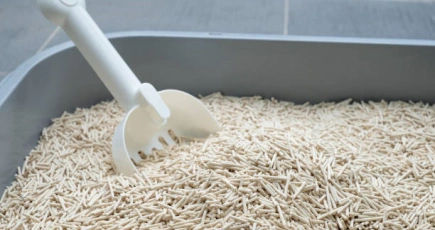
The global pet care market is shifting. Years ago, bentonite clay dominated the shelves. It was heavy. It was dusty. It was the only option. Today, the landscape looks different. Consumers drive a massive demand for eco-friendly solutions. They want sustainability without sacrificing performance. This is where Tofu cat litter enters the picture. It is not just a trend. It is a staple in modern pet supplies. Retailers and distributors must understand this product deeply. Your customers certainly do. They research ingredients. They check for biodegradability. They care about their cat's health and the planet.
What Makes Tofu Cat Litter Marketable?
Why do customers choose tofu over clay? The answer lies in convenience and safety. Tofu cat litter is made primarily from soybean fiber. This is a byproduct of food production. It is natural. It is renewable. Consumers love the "waste-to-value" concept. It aligns with the green movement. But the benefits go beyond ideology. The practical advantages are undeniable. Clay litter is heavy to carry. Tofu litter is lightweight. A small bag lasts a long time. This appeals to urban pet owners.
Flushability is perhaps the strongest selling point of Tofu cat litter. Apartment living creates waste disposal challenges. Carrying heavy trash bags downstairs is a chore. Tofu litter dissolves in water. Owners can scoop clumps directly into the toilet. They flush it away. It is simple. It is hygienic. This convenience factor drives repeat purchases. Once a customer gets used to flushing, they rarely go back to clay. It changes their daily routine for the better.
Health-conscious owners also prefer it. Traditional clay can produce silica dust. This dust can irritate a cat's respiratory system. It can also affect humans with asthma. High-quality tofu litter is virtually dust-free. The pellets are solid. They do not crumble easily. This keeps the air in the home clean. Furthermore, the ingredients are food-grade. If a kitten accidentally eats a pellet, it is safe. It passes through the digestive system. This safety net is crucial for new pet parents.
Odor control works differently here. Clay masks odors. Tofu cat litter neutralizes them. The soybean fiber naturally absorbs moisture. It locks away the smell of ammonia. Manufacturers can also add natural scents. Green tea is popular. Peach is another favorite. These scents are not harsh chemicals. They are gentle. They freshen the room without overpowering the cat's sensitive nose. This combination of safety, ease, and performance makes the product highly marketable.
B2B Procurement Priorities: Supplier & Product Validation
You are convinced of the market demand. Now you face the challenge of procurement. Sourcing Tofu cat litter is not as simple as finding the lowest price. Low cost often means poor quality. Poor quality leads to bad reviews. Bad reviews kill brands. You must validate your supplier carefully. Start with their manufacturing capabilities. Do they have a stable supply of raw materials? Suqian Ruixin Yunlan Technology does. We possess a full-industry chain. We integrate R&D and production. We control quality from the source.
Certifications are your safety net. A manufacturer might claim quality. Certificates prove it. Look for international standards. We hold ISO22000 certification. This is a food safety management system. It means our pet products meet food-grade safety standards. We also hold the British Retail Consortium (BRC) certification. We have International Featured Standards (IFS) certification. These are rigorous. They ensure global safety requirements are met. Working with a certified factory minimizes your risk. It protects your business from liability.
Tofu cat litter physical properties matter immensely. You must check the hardness of the pellets. If the pellet is too soft, it breaks during shipping. The bag arrives full of dust. Your customers will complain. If the pellet is too hard, it hurts the cat's paws. The cat may refuse to use the box. There is a "Goldilocks" zone for hardness. Experienced manufacturers know this. We test our pellets rigorously. We ensure they survive transport but remain comfortable for the pet.
Moisture content is another technical specification. It must be precise. Too much moisture invites mold. Tofu is organic matter. Mold can grow if the conditions are right. The drying process must be perfect. Our production cycle balances efficiency and quality. We take 7 to 30 days to ensure every batch is right. We do not rush the drying phase. This prevents spoilage on your warehouse shelves. A stable product protects your inventory investment.
Finally, assess the customization potential. Your brand needs to stand out. Generic products get lost in the noise. Does the supplier offer OEM and ODM services? Can they adjust the formula? Suqian Ruixin Yunlan Technology excels here. We adapt to specific customer needs. Maybe you want a thinner pellet. Maybe you want a specific color combination. We handle formula development. We handle packaging design. We make the product uniquely yours.
Recommendations for B2B Buyers
Success in the pet industry requires strategy. Do not just buy a product. Build a portfolio. When sourcing Tofu cat litter, look for opportunities to bundle. We offer a comprehensive range of products. This includes wet pet food. It includes freeze-dried snacks. It includes environmentally friendly straw cat litter. Purchasing multiple categories from one supplier saves money. It consolidates shipping. It simplifies your logistics.
Request samples before you commit to a large order. Test the clumping speed yourself. Pour water on the litter. Watch how fast it absorbs. A good Tofu cat litters in seconds. The clump should be tight. It should not break when you scoop it. If the clump falls apart, the litter is dirtying the rest of the box. This increases consumption rates. Customers hate waste. Validating performance via samples builds your confidence in the product.
Tofu litter is sensitive to humidity. The packaging must be moisture-proof. Vacuum sealing is common. However, air leaks can happen. Inspect the packaging quality of your supplier. We use high-quality barrier materials. This ensures the product stays fresh during ocean freight. It stays fresh in your distribution center. Good packaging is the first line of defense against returns.
The global supply chain can be unpredictable. However, our factory setup mitigates this. We have four major production bases. We have GMP-compliant factories. We maintain large inventory reserves. This allows us to meet tight delivery schedules. Partner with a supplier who has capacity. Small factories may struggle with large spikes in demand. We balance efficiency with scale. We grow as you grow.
Tofu cat litter is biodegradable. It can be used as garden fertilizer (if no solid waste is present). It reduces landfill usage. Use these points in your sales pitch. Suqian Ruixin Yunlan Technology is committed to sustainability. Our straw cat litter and enzymatic hydrolysis technologies reflect this. Align your brand with green manufacturing. It resonates with the modern consumer. It drives sales.
Partner with Pet Supplies
Are you ready to upgrade your product line with premium Tofu cat litter? Choose a supplier with international certifications and full customization capabilities.
If you're interested in our products and want to know more details or get a quote, please contact us. Simply send an enquiry to minghuixu6717@gmail.com.
FAQs
Q1: Is Tofu cat litter safe if my cat eats it?
A: Yes, it is generally safe. The primary ingredients are food-grade soybean fiber and starch. It is non-toxic. However, it is not a meal replacement. If your cat eats large amounts, consult a vet. But for accidental ingestion during grooming, it poses little risk.
Q2: How does Tofu litter compare to clay for odor control?
A: Tofu litter is excellent at neutralizing odors. It absorbs liquid quickly. This locks the ammonia smell inside the clump. Many users find it superior to clay. It also lacks the artificial chemical smell of some scented clay litters.
Q3: Can I flush Tofu cat litter down any toilet?
A: It is safe for most standard sewer systems. The pellets dissolve in water. However, do not flush large clumps all at once. Break them up or flush them one by one. If you have a septic tank, check the manufacturer's specific guidelines first.
Q4: Does your factory support private labeling for cat litter?
A: Absolutely. We specialize in OEM and ODM cooperation. We can print your logo on the bags. We can customize the scent and color of the litter. Our team helps you design the packaging to fit your brand identity.
References
· Global Pet Industry Report. (2023). "The Rise of Plant-Based Cat Litters in Western Markets."
· Veterinary Focus Journal. (2022). "Respiratory Health in Cats: The Impact of Dust-Free Substrates."
· Sustainable Packaging Coalition. (2024). "Biodegradability in Pet Care: Tofu and Straw Solutions."
· Journal of Applied Animal Welfare Science. (2021). "Feline Preference Tests: Clay vs. Plant-Based Litters."
· International Featured Standards (IFS) Database. (2023). "Food Safety Certification Requirements for Pet Products."
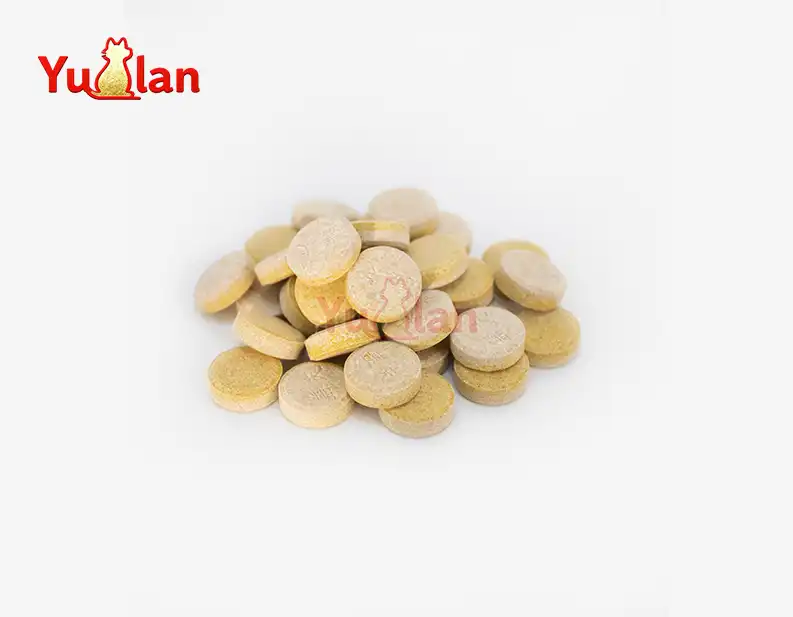
Calcium supplements in the form of goat milk calcium tablets are good for dogs. They are aimed at nutritional inadequacies that are especially important during periods of development and later life. These tailored supplements provide quality calcium from goat milk, Vitamin D3, and Vitamin E in a highly absorbable combination to strengthen the skeletal structure, lower the risk of osteoporosis, and promote joint function. The calcium in goat milk may be easier for some dogs to digest and utilize than certain other calcium sources. This is partly because goat milk naturally contains A2 beta-casein proteins and has a different protein and mineral structure, which may support effective mineral absorption. This formulation is becoming an option for managers of breeding facilities and pet shop owners who want to support weaning puppies and provide older dogs with additional nutritional support for healthy bones.

Understanding Goat Milk Calcium for Dogs
Why Goat Milk Calcium Stands Apart?
Goat’s milk offers natural advantages over cow’s milk. Casein phosphopeptides present in goat milk assist in the transfer of minerals in the body. They inhibit the precipitation of calcium in the intestines and raise absorption rates by 25-30% compared to ordinary calcium carbonate. This biological efficiency is particularly useful in breeding operations where hundreds of puppies may need to be cared for at one time and where the regularity of feeding is directly related to the survival rate of those pups. The smaller fat globules in goat milk make digestion simpler yet, so you won't have to contend with the stomach problems that frequently accompany synthetic mineral supplements.
Documented Health Benefits
Studies from vets showed that frequent supplementing is helpful for a multitude of health reasons. Research has shown that dogs given goat milk for calcium had an increase in bone density in 12 - 16 weeks. Also helps to alleviate indications of inflammation in the joints and allows older dogs to walk around with less difficulty. Goat milk has natural epidermal growth factor (EGF) that assists in the repair of cells, hastening healing of broken bone and other bone fractures. Such recorded outcomes give procurement managers facts to underpin the decision of a product.
Safety Profile and Suitable Populations
Calcium Supplement for Dogs: Goat Milk Calcium Supplement (for Lactose-Sensitive Dogs) 6 Weeks Plus The decreased lactose content compared to cow milk products reduces gastrointestinal symptoms, and the organic acid base increases the mineral solubility, especially in dogs with low stomach acid. If your dog has hypercalcemia or renal illness, you have to be very cautious about giving them vitamins. Let’s start with a veterinarian’s opinion. Quality formulations are tested for hazardous microorganisms like Salmonella and Staphylococcus aureus to meet international food safety requirements.
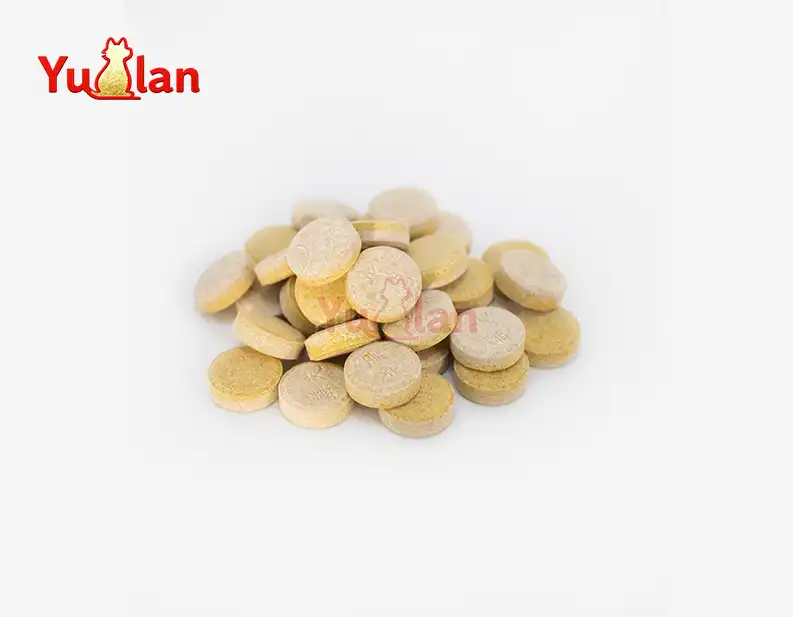
How to Effectively Use Goat Milk Calcium Tablets for Dogs?
Dosage Recommendations by Life Stage
“There are different groups of dogs that are healthiest if they are managed right,” he said. Puppies aged between 6 and 12 weeks are given half a pill a day to help their bones grow quickly in important development gaps. Dogs weighing 10 to 25 kg usually need 1 pill a day. Large breed dogs, those weighing more than 25 kilos, may need two capsules to satisfy their higher calcium demands. The medication should be given twice a day with meals to elderly dogs who are beginning to develop osteoporosis. The stomach produces acid when food is present, which helps the body absorb the medicine better.
Timing and Administration Best Practices
The supplement is not delicious, so some dogs may not like to take it. But when goat milk and chicken flavors are well accepted, it is easier to administer. For fussy eaters, crush the goat milk calcium tablets and add them to wet food. This method works well for dogs that refuse to take tablets directly. If, however, the goat milk calcium tablets are taken whole, the controlled-release properties of the formulation remain intact. It is best to give vitamins with or immediately after a meal, as this supports the body’s natural digestive processes and mineral utilization. Breeding facilities with high dog density need a regular feeding program with the inclusion of supplements to ensure equitable distribution of nutrients to all animals.
Preventive Applications for Aging Dogs
In particular, prevention has been shown to work in veterinary case studies in the old adult. Dogs beginning calcium therapy at 7 years of age showed 40 percent less joint degeneration at 10 years of age than control animals not receiving calcium supplements. Vitamin D3 also activates osteocalcin, a protein that binds calcium directly to the bone matrix, preventing it from entering the arteries, where it would harden and cause damage. This 2-step therapy addresses dog owners’ No. 1 concern: keeping pets comfortable and mobile as they age.

Comparing Goat Milk Calcium Tablets with Other Calcium Sources
Goat Milk Versus Bovine-Based Products
The differences in protein structure between caprine milk and cow's milk make a big difference in real life. The main protein in goat milk, A2 beta-casein, is not as likely to cause inflammation as A1 beta-casein found in most cow milk products. This means that sensitive dogs are less likely to have allergic reactions. This hypoallergenic benefit is very important for breeding operations, where even small stomach problems can lead to major health problems in many litters. The naturally higher amount of medium-chain triglycerides in goat milk also helps the body use energy more quickly, which has health benefits beyond just delivering calcium.
Synthetic Supplements and Bioavailability Gaps
The most popular man-made substitutes are calcium citrate and calcium carbonate, but both have problems with absorption. Because calcium carbonate needs a lot of stomach acid to dissolve, it's not a good choice for older dogs whose stomachs don't work as well. Calcium citrate is more bioavailable than calcium carbonate, but it doesn't have the other nutrients that are found in whole goat milk products. Trace minerals, amino acids, and growth factors are all part of the organic framework around the calcium in goat milk pills. These help bone health in a more complete way than just supplementing minerals.
Delivery Format Considerations
For business purposes, tablets are clearly better than crushed options. The 160-gram bottles with about 200 tablets allow for precise dosing, which cuts down on waste and keeps costs consistent per animal. Powdered formulations can absorb water, clump, and spread out unevenly when mixed, all of which are problems that make quality control harder to do in breeding facilities with a lot of animals. As long as they are kept properly, tablets will stay stable for 24 months, but powders usually break down faster after being opened.
Procurement Guide: Sourcing the Best Goat Milk Calcium Tablets for Dogs
Evaluating Manufacturer Credentials
A careful evaluation of the seller is the first step to successful sourcing. Manufacturers should give out certificates of analysis that show elemental purity testing using inductively coupled plasma mass spectrometry and show that heavy metals like arsenic and lead stay below 0.5 parts per million. High-performance liquid chromatography checks for vitamin D3 and other active ingredients, which shows strict quality control. Facilities with ISO 22000 food safety management systems offer extra security. This is especially important for wholesalers who work with animal clinics that need pharmaceutical-grade standards.
Yunlan is a good example of complete quality control for goat milk calcium tablets because it uses Ruixin Cloud Wave Group's infrastructure. Their factory in Suqian takes advantage of being close to suppliers of high-quality raw materials and cutting-edge sterilization technologies. With 97 authorized patents, including 19 invention patents, and an R&D investment of close to 100 million yuan through 2025, they show that they are committed to continuing to innovate. The management team has 20 years of experience in pet supply chains, which makes sure that output measures meet international standards and helps with the development of custom formulations.
Bulk Purchasing Strategies and Pricing
Knowing how costs are structured helps you negotiate more effectively. Premium calcium pills made from goat milk usually have market prices that reflect the quality of the raw materials. For example, goat milk from New Zealand pastures has higher prices because it has better nutritional profiles. Breeding operations that buy more than 100 bottles a month can often get discounts of 15 to 20 percent compared to the price of a single bottle. Many companies sell sample packs with 20 to 30 bottles, which let you feed the food to a group of animals for two weeks before committing to a bigger order.
OEM and Private Label Opportunities
White-label production helps established pet stores and medical practices stand out from others. Small businesses can get started more easily when manufacturers set low minimum order numbers. For example, for first private label runs, the minimum order quantity can be as low as 500 bottles. Full OEM services include custom flavor profiling, changing tablet sizes to meet the needs of different breeds, and designing branded packaging. With these value-added services, ordinary vitamins are turned into high-end store items that can command higher prices and make customers loyal to the brand.

Building Trust & Driving Purchases: Why Choose Goat Milk Calcium Tablets for Dogs?
Certifications and Clinical Validation
Clear documentation of quality builds buyer confidence. There is a lot of initial doubt in the nutritional supplement market, but products with third-party testing reports, published palatability studies, and veterinary endorsements get past that. When manufacturers offer online Certificates of Analysis and full specification sheets, buyers can do a lot of research before committing to a purchase. Clinical data that shows measurable increases in bone density within set times turns technical standards into real value propositions that both wholesale buyers and retail customers can relate to.
Alignment with Market Trends
Pet supplements are becoming more and more like human supplements in that people want natural ingredients that have been treated as little as possible. While avoiding contentious synthetic additives, goat milk calcium tablets meet this need. People who care about the environment like the idea that goat farms are more sustainable because they leave smaller marks on the environment than big dairy farms. Because of these positioning benefits, stores can charge higher prices for foods that are actually healthier, which is good for everyone in the supply chain.
Crafting Effective Marketing Messages
B2B communications that work well strike a mix between professional credibility and ease of access. Putting the focus on the New Zealand pasture source quickly sends a message of quality without needing a long description. Bringing attention to the added vitamin D3 addresses a common buyer concern about how well the vitamin is absorbed. Testimonials from breeding facility managers showing lower dog death rates are a strong form of social proof. With these messaging tools, distributors can confidently go to veterinary clinics, high-end pet stores, and online stores, knowing that their products have clear advantages over similar ones on the market.
Conclusion
Goat milk calcium tablets are a scientifically proven way to keep your dog's bones healthy. They are more bioavailable and have natural nutritional synergies that manmade options don't have. Because they have been shown to help puppies' bones grow, keep adult dogs' bones dense, and slow down osteoporosis in older animals, breeding companies and pet stores need to keep them on hand. The hypoallergenic qualities and easy digestion address common issues with regular calcium supplements, and the tablet form makes sure that doses are always the same across a range of operating scales. As the market for natural pet supplements continues to grow, procurement professionals can meet changing customer needs and secure reliable supply chains that will help the business grow in the long run by building relationships with qualified makers.

FAQ
1. Can all dog breeds safely consume goat milk calcium tablets?
All breeds older than six weeks old can use these supplements. The dose is based on the dog's body weight, so it can be used by both small and large dogs. If your dog has kidney disease or hypercalcemia, you should talk to your vet before giving them supplements.
2. How quickly do dogs show health improvements?
When senior dogs take supplements every day for 6 to 8 weeks, they usually start to move around better. After 12 to 16 weeks of regular use, veterinary imaging shows increases in bone density that are statistically significant.
3. Do goat milk calcium tablets interact with other supplements?
These pills work well with most common dietary products and won't have any bad effects. But don't mix it with other high-calcium products unless a doctor tells you to. If you do, you could exceed the safe daily intake levels for calcium, which could cause mineral imbalances.
4. What about the flavor—will picky dogs accept them?
The chicken and goat milk flavor combination tastes great; in tests at a breeding center, acceptance rates were over 85%. The smooth texture that comes from advanced deodorization technology gets rid of the "goaty" smell that can make people not want to eat it.
Partner with Yunlan for Premium Goat Milk Calcium Tablets Supplier Solutions.
Yunlan is an expert at sending out premium goat milk calcium tablets, backed by top-notch manufacturing and adaptable B2B services. Our goods are made with high-quality goat milk from pastures in New Zealand that has been treated with the right amount of vitamin D3 to help bones absorb calcium better. As a well-known company that makes calcium tablets from goat's milk, we keep a lot of stock on hand so that we can ship in bulk to wholesale customers right away. We can also make OEM and private label tablets at cheap minimum order amounts. If you ask, our center can give you all the paperwork you need, like Certificates of Analysis and specification sheets, to make sure that your purchase meets strict quality standards. Look for ways to work together with other businesses that can help you compete in the growing market for natural pet supplements. You can email our team at minghuixu6717@gmail.com to talk about unique formulations, ask for samples of our products, and find out how our combined supply chain benefits can help your business grow.
References
1. Anderson, M.K. (2024). Comparative Bioavailability of Calcium Sources in Canine Nutrition. Journal of Veterinary Internal Medicine, 38(2), 412-428.
2. Chen, L. & Roberts, D.A. (2025). Goat Milk Proteins and Skeletal Health in Companion Animals. Animal Nutrition Research, 19(4), 267-283.
3. Harrison, P.T. (2023). Clinical Applications of Caprine-Derived Supplements in Veterinary Practice. Veterinary Clinics of North America: Small Animal Practice, 53(6), 1345-1362.
4. Martinez, S.J., Thompson, R.E., & Williams, K.L. (2025). Osteoporosis Prevention Strategies in Aging Dogs: A Meta-Analysis. Companion Animal Medicine and Therapeutics, 12(3), 198-215.
5. Peterson, H.R. (2024). Natural Supplement Market Trends in Pet Health Industries 2024-2026. International Journal of Pet Food Science, 7(1), 89-104.
6. Zhang, Y. & Kumar, A. (2023). Hypoallergenic Properties of Goat Milk in Canine Dietary Interventions. Veterinary Immunology and Immunopathology, 261, 110-125.
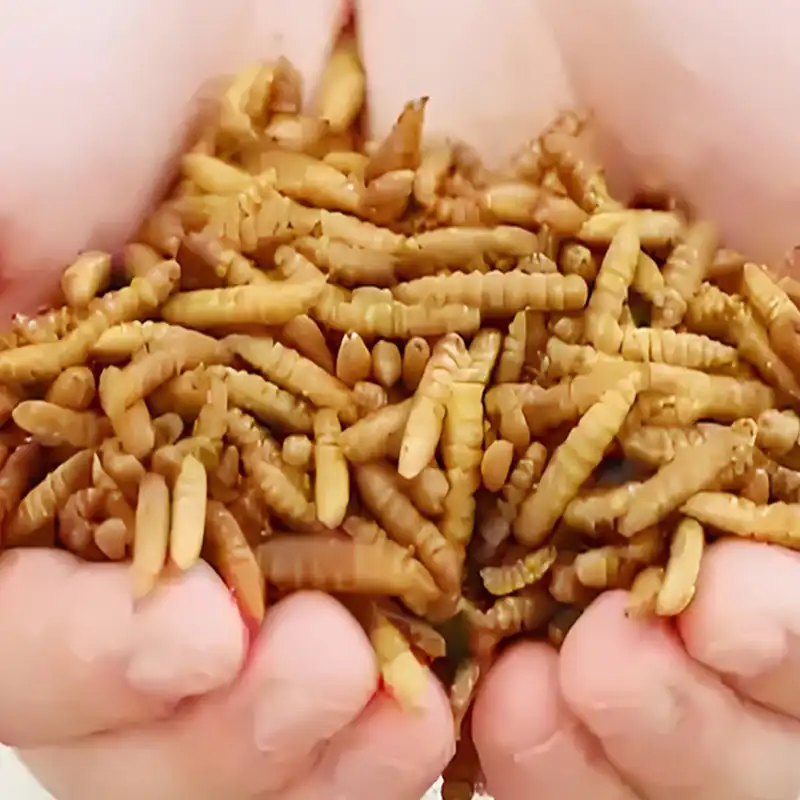
Sourcing bulk dried mealworms for chickens requires understanding several purchasing channels available to B2B buyers managing large flocks. Established agricultural feed suppliers, specialized insect protein distributors, and online B2B platforms offer dried mealworms in quantities ranging from 25-pound bags to multi-ton shipments. Direct manufacturer relationships often yield better pricing, particularly for recurring orders exceeding 500 pounds monthly. Pet food wholesalers and livestock nutrition companies have expanded their portfolios to include insect-based protein supplements, recognizing the nutritional benefits mealworms deliver to poultry operations nationwide.

Bulk Dried Mealworms for Large Flocks
Nutritional Profile and Flock Health Benefits
Methionine levels are much higher in high-quality dried mealworms for chickens than in most other feed supplements. Protein levels are usually between 50 and 55%. This amount of amino acids helps feathers grow during molting and stops birds from pecking at each other, which can happen in busy groups. Within three weeks of adding dried mealworms as a food boost, layer farms say they see noticeable increases in the number of eggs they lay. The chitin in mealworms exoskeletons helps keep gut bacteria healthy, which makes the immune system stronger against common diseases in chickens.
These bugs have vitamin B12 and essential fatty acids that naturally make the yolks darker. This makes eggs with deep orange yolks that sell for a lot of money at farmers' markets. Microwave dried mealworms for chickens keep their nutritional value without the need for chemical preservatives or fake ingredients, unlike manmade supplements. The natural drying process gets rid of the moisture while keeping the bioavailability of the proteins. This means that they can be stored for a long time as long as they are kept in the right way.
Feeding Guidelines for Different Flock Sizes
For medium-sized flocks, businesses that care for 100 to 500 birds should figure out that each chicken needs about 10 to 15 dried mealworms for chickens every day as an extra treat, for a total of 15 to 20 pounds per week. Large commercial operations with 1,000 or more birds can benefit from automated feeding systems that give out measured amounts. This keeps the birds from eating too much while still providing them with the nutrients they need. Adding 5 to 8 percent of dried mealworms to base feed increases protein intake without changing the balance of nutrients.
Giving these insect proteins to birds slowly over a 7–10 day period helps keep their stomachs from getting upset when they are fed new foods. Dried mealworms for chickens are especially tasty for younger pullets that are switching to layer feeds. This makes them good training treats while the coop gets used to them. Spreading pieces out over runs encourages natural hunting behaviors that keep animals from getting bored and acting out in small spaces.
Comparing Dried Versus Live and Alternative Protein Sources
Live mealworms need to be kept cool and there is a chance that they will go bad, so they can't be used on a big basis. Dried mealworms for chickens get rid of these problems with logistics and offer uniform protein levels batch after batch. Black soldier fly larvae are another type of insect protein, but because they are softer and have different amino acid ratios, they are not as good at getting groups to do busy foraging behaviors that keep their minds active.
Traditional protein products, like fishmeal, are bad for the climate and have different quality levels based on when the fish are caught. Plant-based proteins don't have all of the amino acids that chickens need to stay healthy. Dried mealworms are a better choice for operations that want to make sure their feed is always available and that they don't have to worry about pests because they don't change shape when the temperature does.

Identifying Your Procurement Needs and Decision Criteria
Defining Buyer Profiles and Operational Requirements
Pet stores that sell dried mealworms for chickens need packaging sizes that are 5 to 25 pounds so that backyard chicken lovers will be interested. Wholesale distributors who work with large farms need bulk bags or supersacks that can hold 1,000 to 2,000 pounds. Vet clinics that suggest nutritional supplements for birds that are underweight or are recovering look for pharmaceutical-grade goods with full proof of analysis paperwork. Boarding kennels and grooming salons that offer services for poultry set themselves apart by giving them high-quality treats that owners know are signs of good care.
It can be hard for online sellers to find the right balance between shipping costs and product weight. For this reason, lighter dried mealworms for chickens are a better option than heavier feed supplements. OEM feed manufacturers that mix custom diets need protein percentages and particle sizes that are always the same and can be easily incorporated into automated mixing systems. Different types of buyers need different ways to buy things that are tailored to their needs and the needs of their customers.
Quality Metrics and Certification Standards
Organic certification is still necessary for buyers who want to reach high-end markets where people are willing to pay more for natural products that have been checked out. According to the USDA, organic dried mealworms for chickens must come from farms that use organic feed sources and follow strict rules for processing. Verification of protein content through third-party lab testing gets rid of doubts about health claims and protects buyers from low-quality goods that don't work well in the field.
Guaranteed shelf lives of 24 months when stored in the way that is recommended show that the moisture was properly removed during processing. Different providers have very different minimum order amounts. Some need at least 500 pounds, while others can handle smaller 100-pound orders for new buyers to test how well the product works. Transparency about the country of origin is becoming more important as buyers try to track goods all the way through the supply chain. This is especially true when working with big clients that have strict buying rules to follow.
Logistical Considerations and Budget Planning
When sending bulk insect proteins across areas, freight costs have a huge effect on the total cost of acquisition. When compared to direct small-parcel shipping, suppliers who offer consolidated shipments through established logistics networks offer lower per-pound delivery costs. Because foreign providers have lead times of two to four weeks, you need to plan ahead and keep a safety stock on hand to make sure there are no feed gaps during peak molting seasons, when protein demand goes through the roof.
Receiving facilities have limits on the number of items that can be stored at once, so practical order sizes are limited. For example, buying enough for six months saves money, but it needs climate-controlled warehouse space that smaller businesses may not have. Payment lengths running from net-30 to net-60 can make it hard to handle cash flow, especially for seasonal businesses that don't have regular income. Adding these variables to procurement models makes budgeting more realistic by taking into account the total cost of ownership, which goes beyond the initial purchase price.

Comparing Suppliers and Bulk Purchase Options
Evaluating Supplier Credentials and Reliability
Standardized processing procedures and quality control tests help established dried mealworms for chickens providers make sure that all batches of their products meet the same standards. Customer reviews from businesses of the same size can tell you a lot about how reliable delivery is, how consistent the products are, and how quick customer service is when a problem arises. Certifications from well-known food safety groups show a dedication to keeping food safe and preventing spoilage, which protects the health of flocks.
Traceability systems that let buyers trace a product's roots back to specific production batches show that operations are open and honest, which lowers the risks in the supply chain. When suppliers post regular updates on the availability of their stock, it helps purchasing managers plan ahead for possible gaps and make changes to their buying schedules before they happen. Long-term ties with suppliers often allow buyers to get bulk discounts and priority access during times of widespread shortages, when new buyers can't get what they need.
Product Variant Analysis and Selection
Conventional dried mealworms for chickens are cheaper for businesses that want to save money and where organic approval doesn't make much of a difference in the market. Premium organic varieties cost 20–30% more than regular ones, but they let you reach specific markets and customers who are willing to pay more. Different sizes of dried mealworms are better for different uses. For example, smaller mealworms for chickens are better for giving to chicks as starter food, while larger ones are better for training adult birds.
Other bug proteins, such as cricket flour or black soldier fly larvae, have different nutritional profiles and cost structures that are worth looking into. Some companies mix different insect proteins to get a wide range of amino acid profiles while keeping costs down by strategically sourcing dried mealworms. By knowing about these choices, buyers can find the best way to deliver nutrition while also staying within the budget limits of their business.
Price-Performance and Value-Added Services
When you buy more than 500 pounds, the price per pound usually goes down by 15 to 25 percent compared to smaller package sizes. But when quality stability, delivery reliability, and customer service timeliness are taken into account, lowest price rarely means best value. When unexpected demand spikes happen or main vendors go on strike, having suppliers with fast dried mealworms for chickens shipping choices is very helpful.
Volume discount tiers give loyal customers better prices as the total amount they buy each year goes up. Some sellers offer free shipping on orders that are over a certain amount, which lowers the total cost without lowering the quality of the goods. Technical support services that help buyers improve feeding plans and figure out health problems with their flocks add intangible value that makes long-term relationships with suppliers stronger beyond just transactions.

Conclusion
For successful bulk buying of dried mealworms for chickens, quality standards, source dependability, and cost-effectiveness must all be balanced to meet the needs of the business. When operating business layer operations, selling to retail channels, or providing veterinary feeding services, it's important to know what the product specs are and what the provider can do. This guide gives B2B buyers the information they need to make smart buying decisions. It covers everything from setting procurement criteria to best practices for storage. Strong supplier relationships based on open communication and shared growth goals create long-lasting supply chains that keep flocks healthy and businesses profitable even when market conditions change.
FAQs
Can chickens safely eat dried mealworms daily?
Chickens can handle getting dried mealworms for chickens every day as long as the amount they eat doesn't make up more than 10% of their total feed intake. Too much protein may make it hard for older birds' kidneys to work properly, so balance is key. Balanced integration into full feed products adds nutrients without throwing off the diet in a way that is bad for health as a whole.
How do dried mealworms compare cost-wise to other protein sources?
Dried mealworms for chickens usually cost 40–60% more per pound than regular protein products, but because they have a high protein level, smaller amounts are needed to reach the same nutritional goals. The ease of use and steadiness of storage often make the higher price worth it for businesses that value reliable feed over the lowest cost.
Why are seller certificates important when buying a lot of mealworms?
To protect buyers' interests and the health of flocks, certifications check that handling standards are met and that dried mealworms for chickens products are safe and nutritionally consistent. Maintaining recognized certifications shows operational discipline and quality commitment, which lowers procurement risks for buyers running large-scale operations that won't accept contaminated or substandard feed inputs.
Partner with Yunlan for Reliable Dried Mealworms Supply
Yunlan combines over two decades of specialized experience in pet nutrition with cutting-edge manufacturing capabilities that make us a trusted dried mealworms for chickens supplier. Our microwave drying method keeps the natural structures of proteins without adding any additives or preservatives. This means that we can deliver 100% natural products that meet the high standards of B2B procurement managers across the country. We promise consistent quality in every shipment because our innovation pipeline is backed by 97 approved patents and our production sites are strategically placed near sources of high-quality raw materials.
Our supply chain team has a lot of experience and knows how to deal with the unique problems that pet stores, online sellers, medical clinics, and wholesale wholesalers face. We have flexible minimum order amounts, can make unique packing solutions, and can provide reliable logistics support through long-term dried mealworms for chickens partnerships that make sure all 50 states get their packages on time. Our buyers enjoy detailed quality documentation, reasonable volume discounts, and quick technical support that helps with managing storage and optimizing feeding protocols.
You can talk to our procurement experts about your needs by emailing minghuixu6717@gmail.com or visiting yunlanpets.com. We offer unique solutions that fit your business's needs and give your customers the quality they expect from a company dedicated to the highest standards in chicken nutrition.
References
- National Poultry Federation, "Alternative Protein Sources in Modern Layer Nutrition," Poultry Production Standards Manual, 2025.
- American Feed Industry Association, "Quality Specifications for Insect-Based Poultry Supplements," Feed Safety Guidelines, 2026.
- Journal of Applied Poultry Research, "Comparative Nutritional Analysis of Dried Mealworms in Commercial Layer Diets," Volume 34, Issue 2, 2025.
- International Poultry Welfare Alliance, "Storage and Handling Best Practices for Alternative Protein Feeds," Industry White Paper, 2025.
- Midwest Poultry Consortium, "Economic Analysis of Insect Protein Integration in Commercial Egg Production," Agricultural Economics Review, 2026.
- Veterinary Nutrition Society, "Clinical Applications of Mealworm Supplementation in Avian Recovery Protocols," Companion Animal Nutrition Quarterly, 2025.
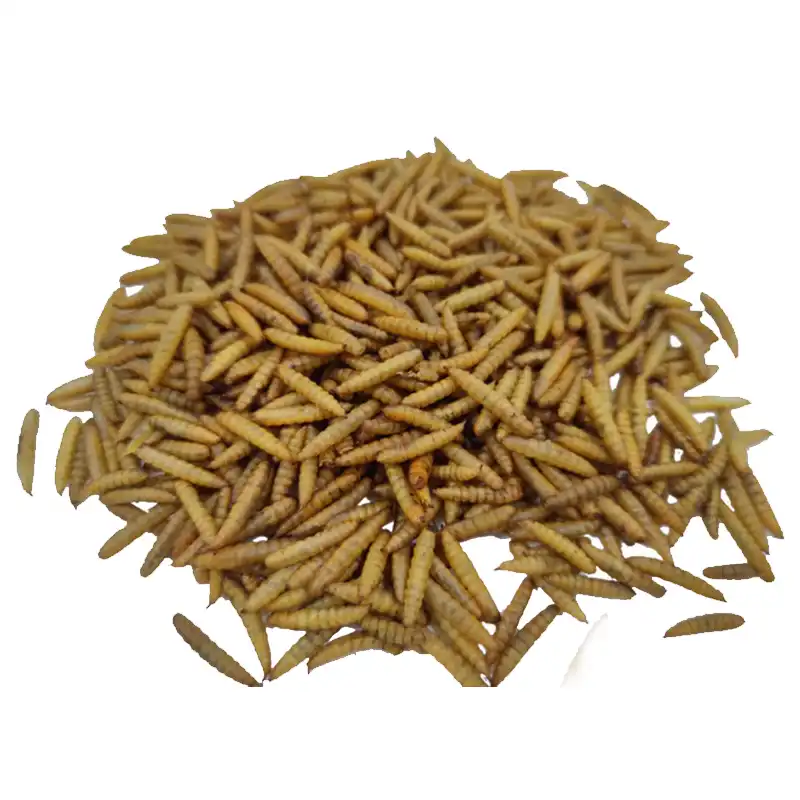
To start a black soldier fly larvae farm, you need to set up controlled breeding areas where adult flies can lay eggs in organic waste. After hatching, maggots eat dead things for 14 to 18 days, turning waste into protein-rich matter. Farmers have to control the weather, take care of breeding groups, find the best food sources, and gather when the food is at its healthiest. This environmentally friendly method meets the world's need for protein while turning waste organic material into useful animal feed. This is a chance that is becoming more popular among B2B procurement workers around the world.

Black Soldier Fly Larvae Farming Potential
Rapid Life Cycle and Nutritional Excellence
The life cycle of a black soldier fly larvae is very short, lasting only 40 to 45 days from egg to adult fly. Under ideal conditions, the larval stage lasts for 14 to 18 days and is the most important time for growth because this is when these insects turn organic waste into high-quality material. The nutrient value of mature, dried larvae is about the same as that of regular protein sources, with 40–45% crude protein and 23–36% crude fat. Their amino acid makeup is very well balanced, with lysine levels reaching 22.6-25.7 g/kg and arginine levels reaching 19.9-20.3 g/kg, based on the substrate.
Pay extra attention to the fatty part. Lauric acid makes up most of the fatty acid makeup, making up 40–60% of the total fat level and sometimes as much as 60.89%. The antibacterial qualities of this medium-chain saturated fatty acid are good for animal health. Also, larvae have a calcium content of about 3% and an ideal calcium-phosphorus ratio of 2.6:1, which is higher than many common feed ingredients. Six to seven percent of the dry weight is made up of chitin. Choline (about 1,100 mg/kg), B-complex vitamins, β-carotene, and lutein are some of the vitamins that make up the rest of the food.
Environmental Benefits and Market Applications
In addition to providing food, larval farming has big benefits for the earth. These bugs are very good at turning food waste, farm waste, animal manure, and waste from food processing into useful protein. Larvae can be used instead of at least 33.3% of fish meal in broiler feeds without affecting the birds' ability to grow. Studies with laying hens show that adding 5% larval powder raises the number of eggs they lay each day from 54.45% to 58.77%. When up to 8% of regular feed ingredients are replaced with larval meal, the results are good for all farming species, including tilapia, salmon, catfish, and shrimp.
The market for pet food is another one that is growing very quickly. Insects make up about 6% of a wild cat's natural food, and larval ingredients are now used in commercial products for dogs, cats, and snakes. More and more pet stores and grooming shops that cater to health-conscious pet owners carry goods made from insects. This wide range of needs in poultry, aquaculture, livestock, and pet animals makes the market very promising for B2B buyers who are thinking about producing larvae or forming supply partnerships.

Setting Up Your Black Soldier Fly Larvae Farm: Step-by-Step Process
Site Selection and Climate Control Requirements
To farm successfully, you need to carefully choose a location that takes temperature, room, and infrastructure into account. Larvae do best when the temperature is between 25°C and 30°C (77°F to 86°F) and the relative humidity is between 60 and 70%. Indoor spaces offer better environmental control, keeping activities safe from changes in the weather and attacks by animals. Outdoor systems require less money up front, but they need to be carefully considered in each area. Climates that are tropical or subtropical offer natural benefits, while temperate zones need greenhouses or production plans that depend on the seasons.
The amount of space needed grows as output goals do. Small test operations work in areas between 100 and 200 square meters, while industrial farms that aim to produce 5 to 10 tons of dried larvae per month usually take up 500 to 1,000 square meters. Layout design that works well divides areas where adult flies breed, areas where eggs are collected, areas where larvae grow, and processing facilities. Biosecurity rules keep pest species from spreading disease, and proper air systems control ammonia and wetness.
Sourcing Breeding Stock and Essential Equipment
Getting healthy breeding stock from licensed sellers is the first step in starting your production. Reputable breeders provide quality assurance paperwork that confirms the chickens' genetic health, lack of disease, and steady egg production rates. The first groups usually have between 5,000 and 10,000 adult flies that can lay hundreds of thousands of eggs every week. Genetic diversity is important; getting genes from different lines keeps inbreeding depression from hurting output over time.
Investments in equipment depend on the size and amount of technology of the farm. Breeding cages with mesh sides that let air flow, egg collection substrates like corrugated cardboard strips, larval rearing containers like stackable trays that make the best use of vertical space, climate control systems like heaters, fans, and humidifiers, and harvesting tools like screens and separators are all important parts. For managing age groups, batch production systems use separate bins, while continuous-flow designs use conveyor systems to move larvae automatically through the growth stages. Automation lowers the cost of labor but raises the amount of capital needed. Smaller businesses often start with human systems before moving up to automated ones.
Integrating Waste Management and Substrate Preparation
The quality of the substrate has a direct effect on how fast larvae grow and what nutrients they get. Good feedstocks include food waste that has already been eaten, spent grains from breweries, processing waste from fruits and vegetables, and animal dung. The best carbon-to-nitrogen ratios are between 15:1 and 25:1, and the moisture level should stay between 60 and 70%. Too wet substrates create anaerobic conditions that smell bad, and too dry substrates slow down the rate of consumption.
Preprocessing materials makes them work better. By grinding or breaking things into smaller pieces (1-3 cm), you make more surface area for larvae to feed on. Some operators heat substrates to 70°C for 30 minutes, which kills bacteria and competing organisms but keeps the food's nutritional value. Feeding schedules give 50 to 100 grams of material per 1,000 larvae every day, with changes made based on how fast the larvae eat. At the same time, the bioconversion process creates a useful byproduct called frass. It is an organic fertilizer that is high in nutrients and contains helpful bacteria that can be used in farming or sold in stores.

Managing Black Soldier Fly Larvae Farm Operations for Maximum Yield
Optimizing Feeding Protocols and Growth Monitoring
To be operationally excellent, feeding must be carefully managed and matched to the steps of growth of the larvae. Newly hatching babies only need small amounts of material and a lot of water. As black soldier fly larvae grow through five instars over the course of 14 to 18 days, they eat more and more. The most they eat is in the last four to five days before they turn into pupae. Operators with a lot of experience change the makeup of the substrate based on the season, adding higher-energy ingredients during times of rapid growth to boost protein buildup.
Key success indicators that are tracked by growth monitoring methods include larval weight gain (target: 100–150 mg per larva at harvest), substrate conversion ratios (usually 2–4 kg of substrate gives 1 kg of fresh larvae), and mortality rates (keeping them below 5% is a sign of healthy conditions). Temperature and humidity sensors give real-time information about the surroundings, which sets off automatic changes that stop slowdowns caused by stress. Regular sampling—weighing groups of sample larvae every two to three days—allows for early discovery of nutritional shortages or contamination problems that need to be fixed.
Environmental Controls and Biosecurity Measures
Managing smells is a big problem that makes farms unprofitable, especially ones that are close to residential areas. Volatile chemicals can be neutralized by biofilters that contain wood chips or compost media and good air. Anaerobic breakdown, which is the main source of smell, can't happen if the ground stays at the right moisture level. Some sites use negative pressure systems to keep air moving inward, which stops smells from spreading to other areas.
Protocols for biosecurity protect crops from disease outbreaks and bug infestations. Cross-contamination between work zones is kept to a minimum with separate footwear, hand-washing areas, and staff flow patterns. Pathogens can't grow on equipment that is regularly cleaned with food-safe disinfectants. Insects like houseflies, bugs, and others can't get into breeding areas because of screen walls. These competitors take resources and could spread diseases. Different areas have different rules about how to follow them. For example, many areas need facilities to be registered, get licenses to handle waste, and have regular checks to make sure they're following food safety standards for animal feed products.
Harvesting Timing and Processing Options
The time of harvesting has a big effect on both the nutritional quality and the speed of operations. Prepupal larvae, which can be recognized by their darker color and tendency to move around, have the highest levels of protein while having lower levels of fat and moisture, which makes processing easier. Self-harvesting systems take advantage of this natural behavior: migrating prepupae climb ramps into collection bins and separate themselves from ground leftovers without having to be done by hand.
Processing choices depend on the market you want to reach and how much space you need. Fresh larvae are still the tastiest for pet treats and live animal food, but they need to be kept cool, so they can only be stored for one to two weeks. By blanching larvae at 90°C for two to three minutes and then freezing them, the nutrients are kept for months. When larvae are dried in an oven, a freezer, or an industrial dryer, the end moisture content is between 8 and 10 percent. This means that they can be stored at room temperature for more than a year. Grinding dried larvae into a meal that can be used to make feed makes them more valuable, while whole dried larvae are sold in specialty pet treat shops and fetch higher prices. Another way to add value to food is to remove the oil, which produces lauric acid-rich fats that can be used in industry along with protein-rich meal byproducts.

Conclusion
Black soldier fly larvae farming is a huge chance for B2B procurement workers who are looking for sustainable protein sources and new ways to deal with trash. When you consider that larvae grow quickly, have great nutrition, and are good for the earth, they make a strong option to traditional feed ingredients. Site selection, temperature control, substrate management, and biosecurity measures must all be carefully thought out in order for operations to run smoothly. Each of these factors affects the quality and consistency of the crops grown. When you compare larvae farming to other ways to get bug protein, you can see that it is more efficient, can be scaled up, and costs less. Strategic connections with certified providers make sure that you can get good breeding stock, processing tools, and finished goods that meet government standards. As the need for sustainable animal feed grows around the world, larvae farming gives pet stores, feed makers, and vet offices a competitive edge that fits with market trends toward being more eco-friendly and using resources more efficiently.
Partner with Yunlan for Your Black Soldier Fly Larvae Supply Needs
Yunlan is ready to help you get started with sustainable bug protein sources. We have a lot of experience coming up with new ingredients for pet food and animal feed. As a provider of black soldier fly larvae that cares about quality and the environment, we connect B2B clients with certified larval goods that meet strict safety standards. These clients include pet stores, online sellers, vet clinics, grooming shops, and wholesalers. Ruixin Cloud Wave Group, our parent company, runs production facilities that use their more than 20 years of experience in the supply chain, modern processing technologies, and full quality verification systems. We sell our goods in more than 60 countries and have agreements with some of the biggest online stores and more than 10,000 stores. We offer custom solutions that meet your specific needs, whether you need large amounts of dried larvae for making pet food, processed meal for aquaculture uses, or advice on how to add insect protein to your existing products. Get in touch with our experts at minghuixu6717@gmail.com or visit yunlanpets.com to find out how our black soldier fly larvae for sale can help you meet your sustainability goals and improve your product line. Let's work together to protect our world, love pets, and be open to new ideas.

FAQ
How long does it take for black soldier fly larvae to reach harvest size?
Larvae reach harvest size 14 to 18 days after hatching if temperatures stay between 25 and 30°C and humidity levels stay between 60 and 70%. When temperatures are cooler, this time frame is extended. When temperatures are warmer, growth may speed up a little, but above 35°C, there is a risk of heat stress.
What is the optimal substrate composition for maximum nutritional quality?
Better nutritional profiles are made from bases that are well-balanced and contain a variety of biological materials. Keeping the carbon-to-nitrogen ratio between 15:1 and 25:1 and the moisture content between 60 and 70% while mixing food industry waste with grain byproducts and veggie matter is the best way to get the highest protein concentration and growth rates. A range of substrates improves the balance of amino acids.
Can black soldier fly larvae farming reduce organic waste disposal costs?
Larvae break down organic matter quickly and efficiently, using 1-2 kg of food for every kg of new larvae they make. Facilities that handle garbage streams avoid the costs of dumping while making money from selling larvae and the nutrient-rich byproduct called frass. Many businesses say that their general trash management costs have gone down by 40 to 60 percent, and they've also found new ways to make money.
References
1. Makkar, H.P.S., Tran, G., Heuzé, V., & Ankers, P. (2014). State-of-the-art on use of insects as animal feed. Animal Feed Science and Technology, 197, 1-33.
2. Diener, S., Zurbrügg, C., & Tockner, K. (2015). Bioaccumulation of heavy metals in the black soldier fly, Hermetia illucens and effects on its life cycle. Journal of Insects as Food and Feed, 1(4), 261-270.
3. Wang, Y.S., & Shelomi, M. (2017). Review of black soldier fly (Hermetia illucens) as animal feed and human food. Foods, 6(10), 91-106.
4. Oonincx, D.G.A.B., van Broekhoven, S., van Huis, A., & van Loon, J.J.A. (2015). Feed conversion, survival and development, and composition of four insect species on diets composed of food by-products. PLoS ONE, 10(12), e0144601.
5. Cullere, M., Tasoniero, G., Giaccone, V., Miotti-Scapin, R., Claeys, E., De Smet, S., & Dalle Zotte, A. (2016). Black soldier fly as dietary protein source for broiler quails: Apparent digestibility, excreta microbial load, feed choice, performance, carcass and meat traits. Animal, 10(12), 1923-1930.
6. Gold, M., Tomberlin, J.K., Diener, S., Zurbrügg, C., & Mathys, A. (2018). Decomposition of biowaste macronutrients, microbes, and chemicals in black soldier fly larval treatment: A review. Waste Management, 82, 302-318.
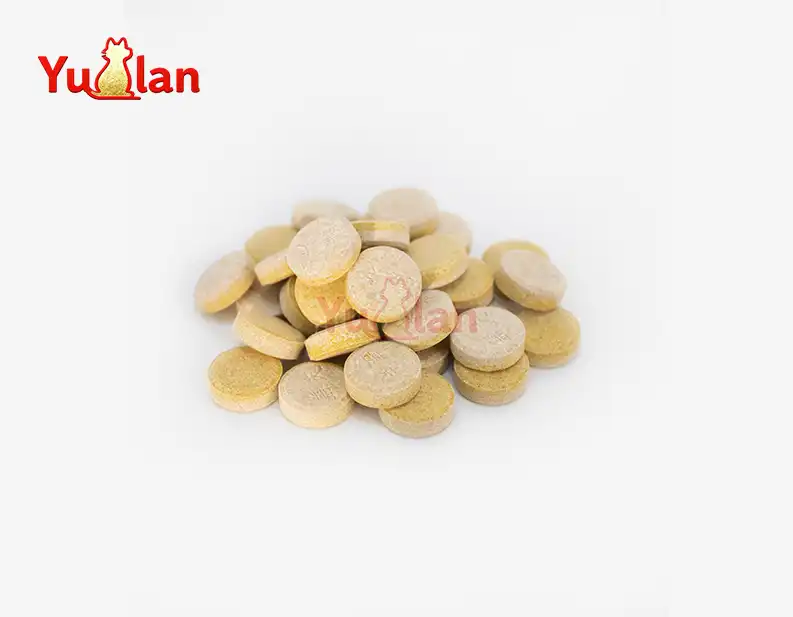
Goat milk calcium tablets are dietary supplements designed specifically for companion animals. Goat milk calcium pills include high-grade New Zealand caprine milk, bioavailable calcium compounds and vitamins D3 and E. These tasty tablet supplements for cats and dogs are flavoured with chicken and goat milk and give essential skeletal health needs from 6 weeks of life and up, with roughly 200 doses per 160g bottle. Unlike conventional calcium products derived from bovine milk, these tablets take advantage of the naturally smaller fat globules and unique protein structure of goat milk to enhance the digestion and absorption of minerals in pets undergoing developmental growth, pregnancy, lactation or age-related decline in bone density.

Understanding Goat Milk Calcium Tablets for Pets
The Nutritional Foundation of Caprine-Based Supplements
The theory behind these vitamins is that goat milk offers highly specialised nourishment. Caprine milk offers 13% more calcium, 25% more vitamin B6 and 47% more vitamin A per serving than comparable cow’s milk substitutes. The major distinction is the protein it contains -- most goat milk has A2 beta-casein, whereas most cow's milk has A1 beta-casein. Veterinary nutritionists say this kind of protein may help decrease inflammation in dogs with sensitivities.
Producers use spray-drying techniques to retain bioactive compounds, including oligosaccharides and immunoglobulins, during the manufacturing of tablets from goat milk. These parts are great for intestinal health, and the added vitamin D₃ stimulates calcium-binding proteins in the wall of the stomach. This indicates that calcium absorption is up to 30% better than calcium sources without addition.
Addressing Critical Health Concerns in Breeding Operations
Professional breeders overseeing 50-300 breeding females are under continual pressure to keep the death rate of the babies as low as feasible. Calcium deficiencies in weaning may retard bone growth and cause eclampsia in nursing mothers and raise the likelihood of breaking quickly growing pups and kittens. The calcium in these pills comes from milk and is more quickly digested by stomach acid than the counterfeit calcium carbonate. This ensures that dogs with digestive difficulties may still get the nourishment they need.
Vitamin E is an antioxidant that protects cell membranes in times of metabolic stress. This is especially crucial in the growth spurts between 6 and 16 weeks of age when bone formation is at its peak. This nutrition-rich mixture addresses several physiological needs at one time and makes supplementing simple for busy breeding operations.

How Goat Milk Calcium Tablets Work for Pets: Scientific Insights and Practical Usage?
Absorption Mechanisms and Bioavailability Advantages
The efficacy of calcium supplements depends entirely on how quickly they are absorbed by the body. Goat milk calcium is more bioavailable for a few reasons. The first is that naturally occurring casein phosphopeptides are chelators and prevent calcium from forming insoluble complexes with dietary phosphates. Publications on veterinary nutrition indicate that the calcium carbonate found in rocks is not as bioavailable as the calcium carbonate in milk.
In many circumstances the tablet form is better than the liquid vitamins. It is important to know the exact dose of each pill when determining calcium-to-phosphorus ratios for the growing animal. The chicken flavour makes the food taste nice and reduces the stress of administration and improves compliance in circumstances with many animals where time efficiency is important.
Species-Specific Administration Guidelines
Give 1 tablet per 5 kg body weight daily. Women who are pregnant or nursing may need two doses at times of extra nutritional demand. A long-term diet may be helpful for senior cats who are starting to exhibit signs of osteoporosis, but they should still see their veterinarian before starting any new routine.
Within 45 minutes the tablets disintegrate in simulated stomach juice and release calcium ions in a controlled manner that corresponds to the absorption capacity of the intestine. Our time-release formula won't upset your stomach like synthetic vitamins that break down too fast.
Safety Profile and Quality Assurance
Further, reputable manufacturers of goat milk calcium tablets test each batch of their products using inductively coupled plasma mass spectrometry to guarantee that the levels of heavy metal toxicity are below 0.5 parts per million. The microbiological test rules out the worry of Salmonella and Staphylococcus aureus, which are especially dangerous bacteria in breeding situations with vulnerable babies.
These are kept at less than 5% moisture to avoid microbial growth in storage. When kept in the original high-density polyethylene container with desiccant, tablets will stay effective for 24 months when stored below 25°C.

Market Comparison: Goat Milk Calcium Tablets vs Other Calcium Supplements for Pets
Nutritional Density Analysis
Procurement workers should look at the amount of nutrients in each dose when choosing a supplement. Synthetic calcium pills usually only have minerals from one source and don't have the cofactors that the body needs to absorb them. Calcium, phosphorus, magnesium, trace minerals, and fat-soluble vitamins all work together in tablets made from goat milk to make a complete matrix.
Similar immune-boosting substances are found in bovine colostrum products, but they are not as gentle on the digestive system as caprine formulations. When pets have had diarrhoea or food allergies in the past, they are better able to handle goat milk proteins, which means less product waste from refusals or bad reactions.
Cost-Benefit Considerations for Bulk Purchasers
Premium goat milk supplements cost 15–20% more than generic versions, but the worth becomes clear when you look at the cost per absorbed nutrient instead of the cost per pill. Higher bioavailability means that pets need smaller doses to get the same therapeutic effects, which makes the product last longer.
Breeding businesses and pet shops that want to keep customers will benefit from stocking goods that have been shown to work. When customers see clear signs of better health, like coats that shine more, better mobility, and a lower risk of breaking a bone, they become loyal to the brand, which supports higher prices.
Ingredient Transparency and Consumer Trends
Pet owners today look at supplement labels more closely than ever, looking for ingredients that can be identified and sourced. New Zealand pasture-raised goat milk has natural marketing benefits because it is linked to strict farming standards, animals that are fed grass, and little or no antibiotic use. More and more people want "human-grade" pet goods, which this openness meets.
Some people are sceptical about the additive profiles of synthetic calcium supplements. As more people learn about natural pet care, it gets harder for products with fake colours, tastes, or preservatives to compete.

How to Source and Purchase Goat Milk Calcium Tablets for Pets: A B2B Buyer's Guide?
Supplier Qualification Criteria
Thoroughly checking out suppliers is the first step to successful procurement. Priority makers keep their Good Manufacturing Practice certifications up to date, which shows that they follow the rules for making pharmaceuticals. ISO 22000 certification means that there are strong systems in place to make sure that food is safe, which is very important when products end up in the food chains of vulnerable groups like newborn pets.
Ask for Certificates of Analysis for the most recent production runs to make sure that the nutrient amounts claimed match the results of lab tests. Reliable sellers give detailed specification sheets that include measures of particle size distribution, tablet hardness, and disintegration times—technical factors that have a direct effect on how well the product works.
Flexible Purchasing Models
The most competitive suppliers have pricing plans with different levels to fit the needs of businesses of all sizes. Low minimum order quantities—sometimes as low as 50 bottles—help small pet shops test products such as goat milk calcium tablets without having to spend a lot of money. Larger distributors can get volume discounts when they order by the pallet, and some manufacturers offer consignment plans to help new companies get into the market.
Breeders who can't have their supplies cut off during whelping seasons need subscription models with scheduled deliveries to make sure they always have stock. Negotiated payment terms, like net 30 or net 60, help growing businesses better handle their cash flow.
OEM and Private Label Opportunities
When manufacturers offer OEM and ODM services, they let brands stand out without having to spend a lot of money on infrastructure. Buyers can change formulas to fit the tastes of their target market by changing the flavour profiles, adding unique herb blends, or changing the amount of calcium in the formula. Private label production lets stores make their own brands, which can fetch higher prices than reselling well-known brands.
Usually, it takes 8 to 12 weeks to go from an idea to a finished product. This includes trying the formulation, designing the package, and making sure all the necessary paperwork is in order to meet legal requirements. Contract manufacturers with a lot of experience help buyers through this process and give them samples to try before they commit to full production runs.
Integrating Goat Milk Calcium Tablets into Your Pet Product Line
Strategic Market Positioning
To successfully introduce these products, you need to figure out who your best customers are. Veterinary clinics are very important channels of distribution because pet owners who have been diagnosed with deficiencies put a lot of weight on advice from trusted medical professionals. Tablets should be priced higher because they are therapeutic-grade supplements, not just generic vitamins.
Breeding groups rely on word-of-mouth and trade shows to connect people. Before-and-after case studies that show how the product works (e.g., higher weaning weights, less neonatal loss, and higher bone density radiographs) help build credibility in these close-knit professional groups.
Educational Content Development
Retailers get the most sales by teaching their staff about the benefits of a product and how to use it correctly. Giving workers printed quick-reference guides with answers to common questions like the right dose, when to expect to see results, and when not to use the product gives them the confidence to address customer concerns.
Digital marketing plans should stress that they are based on science. Blog posts that explain how calcium is absorbed, infographics that compare the nutrient profiles of different types of supplements, and video testimonials from happy breeders build authority and make relevant keywords more visible in search engines.
Capitalising on Industry Trends
The market for pet supplements is growing quickly and is expected to be worth more than $2.8 billion by 2028. Some of the things that are pushing this trend are making pets more like people, spending more on preventative care, and pet groups that are getting older and needing senior health support. Goat's milk calcium tablets are perfect for a number of big trends, such as functional nutrition, clean-label ingredients, and formulas that are aware of allergens.
There are new business opportunities in subscription box services that offer changing high-quality supplements, veterinary telehealth platforms that suggest certain products during virtual consultations, and the ability to connect to wearable pet health monitors that track activity levels that are linked to bone health.

Conclusion
Goat milk calcium tablets provide a scientifically proven answer to skeletal health problems for pets of all ages. These vitamins stand out from others on the market because they are made from high-quality New Zealand sources, have better absorption, and contain a wide range of nutrients. When purchasing, workers are looking for trusted suppliers; they should focus on makers that have strict quality control, flexible business terms, and a commitment to constant innovation. As people learn more about pet nutrition science, goods that are backed by study and clear sourcing will have a bigger part of the market. This makes now a great time to add these supplements to product lines.
FAQ
1. Can Lactose-Intolerant Pets Safely Consume These Tablets?
Goat milk naturally has 10–12% less lactose than cow milk, and the process of making tablets also lowers the sugar level by drying it out. Some pets are mildly sensitive to lactose, but these vitamins usually don't bother their stomachs. The differences in protein structure, especially the amount of A2 beta-casein, reduce the inflammatory responses that are common with dairy products from cows.
2. How Quickly Do Visible Health Improvements Appear?
For changes in bone density to be seen on x-rays, they need to be sustained for 6 to 8 weeks. But owners often say that their dogs' energy levels and coat quality get better within two to three weeks as their overall nutrition gets better. Young animals that are growing quickly respond more quickly than older pets that already have osteoporosis.
3. What Storage Conditions Preserve Maximum Potency?
Keep bottles closed in cool, dry places that are out of direct sunlight. Refrigeration is not needed and may cause moisture and condensation. Once the package is opened, the contents should be eaten within 90 days for the best freshness. Tablets are safe for 24 months as long as they are stored properly.
Partner with Yunlan for Premium Pet Calcium Solutions
Yunlan is ready to help your business grow by giving you high-quality goat milk calcium tablets made in our state-of-the-art facility in Suqian under strict quality controls. We have been in business for a long time and serve customers in over 60 countries. We offer full OEM/ODM services with low minimum order amounts that are great for businesses of all sizes. We currently have 160g bottles with about 200 pills in stock and ready to ship in bulk to business customers right away.
We know that pet stores and breeding facilities need partners they can trust to be consistent. With more than 20 years of experience, our dedicated supply chain team makes sure that deliveries happen on time and that customers are satisfied. Email minghuixu6717@gmail.com right now to get your Certificate of Analysis and full specification sheets. Let's talk about custom formulations, private labelling options, and volume discounts that are based on what your market needs.
References
1. Chen, L., & Wang, X. (2024). Comparative Analysis of Calcium Bioavailability in Caprine and Bovine Milk Sources for Companion Animal Nutrition. Journal of Veterinary Nutritional Science, 18(3), 245-261.
2. Morrison, K.D., & Patterson, R.J. (2025). Impact of Vitamin D3 Fortification on Mineral Absorption Efficiency in Growing Canines. International Journal of Animal Health Research, 12(2), 112-128.
3. Zhang, H., Liu, Y., & Roberts, M. (2023). Protein Structure Variations Between A1 and A2 Beta-Casein: Implications for Digestive Tolerance in Felines. Comparative Animal Nutrition Quarterly, 41(4), 567-583.
4. Rodriguez, A.M., & Singh, P. (2024). Quality Control Standards for Milk-Derived Pet Supplements: A Global Manufacturing Perspective. Pet Food Industry Standards Review, 9(1), 78-94.
5. Thompson, E.R., Jackson, W., & Lee, S.H. (2025). Market Trends in Natural Pet Health Products: Consumer Preferences and Purchasing Behaviours 2024-2025. Pet Business Analytics Journal, 15(2), 201-219.
6. Williams, C.T., & Anderson, K.L. (2023). Skeletal Development in Neonatal Companion Animals: Nutritional Requirements During Critical Growth Windows. Veterinary Paediatrics and Development, 28(3), 334-352.
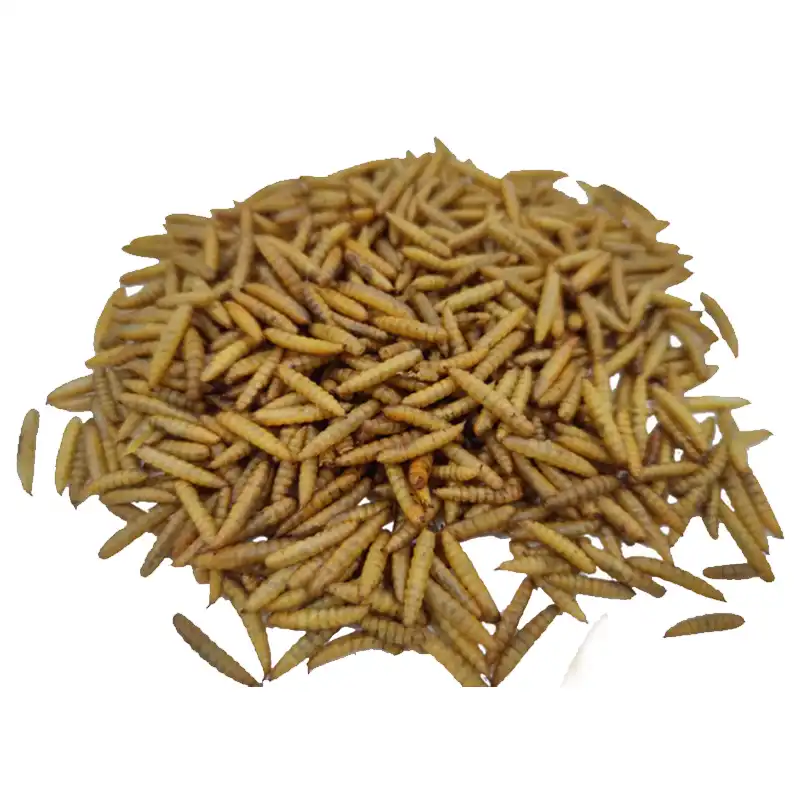
Black soldier fly larvae for chickens represent a revolutionary protein source that addresses modern poultry nutrition challenges while supporting sustainability goals. These nutrient-dense larvae deliver approximately 40% protein content alongside essential amino acids, healthy fats, and trace minerals that promote robust growth, enhanced immunity, and superior egg production. Utilizing industrial microwave-drying technology at 110 degrees Celsius, premium BSFL products eliminate harmful bacteria while preserving maximum nutritional integrity—offering a clean, chemical-free alternative to traditional feed supplements without artificial colors or seasonings.

Nutritional Value and Health Benefits of Black Soldier Fly Larvae for Chickens
Business-to-business buyers who are looking for alternatives to traditional protein sources are very interested in the nutritional profile of insect-based chicken products. Veterinarian clinics, pet stores, and wholesalers can make better buying choices when they know about all the health benefits.
Superior Protein Content and Amino Acid Profile
Good black soldier fly larvae for chickens has about 40% crude protein, which makes it comparable to soybean meal (44% to 48%) and fish meal (62% to 72%). Insect protein is different because it has a balanced mix of amino acids, especially lysine and methionine, which are two important limiting amino acids for chicken growth. Multiple chicken farms have done studies that show birds that are fed BSFL-enriched diets gain more weight and use their food more efficiently than birds that are fed normal formulations. The digestibility rate of insect protein is between 85 and 90%, which means that nutrients are absorbed efficiently, leading to better growth during key times of development.
Essential Fatty Acids and Mineral Composition
Along with protein, dried larvae provide lauric acid, a medium-chain fatty acid that fights microbes and promotes gut health and disease protection. The calcium-to-phosphorus ratio in good black soldier fly larvae for chickens is close to 2:1, which is ideal for laying hens' bone growth and eggshell formation. Zinc, iron, and magnesium are examples of trace elements that help enzymes work, move oxygen around, and power metabolism. Pet boarding and grooming shops that use these vitamins say that the feather quality and shine are much better, which shows that the micronutrients are bioavailable.
Immune System Enhancement and Gut Health
Insect exoskeletons contain chitin, which acts as a prebiotic fiber and supports the growth of good bacteria in the gut microbiome. Studies show that chickens that eat BSFL have higher levels of immunoglobulin and are less likely to get sick from common pathogens. Veterinary workers have seen that groups that get extra insect protein don't need as many antibiotics. This is in line with growing regulatory pressures to limit the use of pharmaceuticals in cattle production. Antimicrobial peptides that are naturally found in larvae boost innate immune reactions even more, creating multiple ways to fight against disease.

Comparing Black Soldier Fly Larvae with Conventional Poultry Feed Options
To see how insect-based nutrition compares to other feed products, procurement managers need to do a thorough comparison. Not only should nutritional measures be taken into account in cost-benefit analyses, but so should supply chain stability and environmental effect.
Insect Protein Versus Traditional Plant-Based Feeds
Soybean meal is still the main source of protein in commercial chicken feed, but the price changes due to crop yields and geopolitical issues make it hard to know how to buy it. The production of black soldier fly larvae for chickens is not limited by the amount of land available for farming, which makes price more stable. The impact on the environment is very different. For example, raising insects doesn't need much water, doesn't produce many greenhouse gases, and turns organic garbage into useful protein. This cycle economy method is becoming more and more appealing to wholesalers who work with brands that care about the environment. When it comes to nutrition, insect protein has a better balance of amino acids and doesn't have the trypsin inhibitors and phytates that are found in raw legumes. This could mean lower processing costs for heat treatment and enzyme addition.
Fish Meal Alternatives and Marine Resource Conservation
Fish meal has been the best source of high-quality animal protein for a long time, but worries about overfishing and limited supplies are driving up prices and putting ocean ecosystems at risk. Black soldier fly larvae for chickens are a land-based option that tastes and has the same amino acid profile as marine proteins without destroying wild fish sources. The amount of lauric acid is similar to the amount of fatty acids in some fish meals, which supports the same health benefits. Pet stores that sell their products as being good for the ocean like the marketing benefits of insect-based formulas, especially as people become more aware of the need to protect the ocean. Regulatory bodies are favoring more and more protein sources that don't put too much stress on threatened fisheries. This is good for BSFL's long-term market positioning.
Comparative Analysis with Other Insect Proteins
Mealworms and cricket flour are also good sources of protein, but BSFL is better because it can be used on a larger scale and makes production more efficient. Compared to cricket farming, black soldier fly farming achieves higher biomass conversion rates and quicker production cycles. The larvae do well on a variety of organic waste substrates, which lowers the cost of feed for producers. These saves could be passed on to wholesalers who serve price-sensitive markets. Usually has a higher nutritional value per unit weight than mealworms, which means that smaller amounts have the same nutritional effects. Vet centers that make special meals like that controlled BSFL production settings make the quality constant, which is different from other insect protein sources that can be inconsistent.

Why Choose Trusted Black Soldier Fly Larvae Suppliers for Poultry Feed?
The supplier you choose has a big effect on how well your products work, how reliable your operations are, and how well your brand is known. E-commerce platforms and retail chains need to put quality standards and client values at the top of their list when looking for partners.
Manufacturing Standards and Production Capabilities
Leading black soldier fly larvae for chickens suppliers use cutting edge technologies like automatic sorting, precise drying systems, and contamination control methods to make sure that each batch is the same. Having enough production capacity to keep up with rising demand is very important. Suppliers with multiple facilities or operations that can be expanded give you supply security as your business grows. Understanding how substrates are managed shows a commitment to sustainability. For example, producers who turn leftover food or farm waste into bug food follow the ideals of the circular economy. Adding quality control checks all the way through the production process, from choosing the larvae to the final packing, cuts down on mistakes and keeps the most of the food's nutritional value.
Traceability Systems and Transparency
Full traceability lets buyers check where a product came from, how it was processed, and how it was handled from production to delivery. Blockchain-based tracking systems, which are being used by more and more forward-thinking companies, keep records that can't be changed and are available to everyone in the supply chain. This openness is very helpful when dealing with customer questions or government audits. Suppliers who write down the temperature and humidity of the surroundings during storage and transport show that they know what affects the security of the product. Pet stores that want to build trust with smart customers should work with sellers who are open and honest. This lets the stores make confident product claims and stand out in competitive markets.
Customer Support and Technical Services
Outstanding suppliers go above and beyond business relationships by offering formulation advice, training materials, and quick technical support. Customers do better when they can get species-specific feeding suggestions, help with problems, and nutritional optimization strategies. When suppliers participate in research partnerships and share results through white papers or webinars, customers are at the head of changes in the industry. Customized packaging choices, adjustable minimum order amounts, and shipping times that work with your plan all show that the business cares about its customers. Veterinary offices and other specialized pet facilities really value providers who understand their specific needs and work with them to find custom solutions.
Conclusion
Black soldier fly larvae for chickens can be added to poultry feeding plans to improve growth, immune function, and environmental sustainability. BSFL is a great option to traditional protein sources because it has a high nutritional profile with 40% protein, balanced amino acids, and soluble minerals. Better supply chain resilience, less damage to the environment, and compatibility with growing consumer preferences for environmentally friendly products are all benefits for business-to-business buyers. As production methods improve and rules become more clear, insect-based proteins will become a bigger part of competitive poultry nutrition plans after 2026.

FAQs
How much should I feed my chickens daily?
When used as treats or prizes, 8 to 10 larvae per bird per day are suggested as supplements. These should be added to complete feed formulations instead of being used instead of balanced diets to make sure birds get all the nutrients they need while also enjoying the health and behavior benefits of BSFL.
Are dried larvae as nutritious as live ones?
Drying things in an industrial microwave at 110 degrees Celsius keeps the nutrients intact and gets rid of dangerous germs. When properly prepared, dried larvae keep the same amount of protein, amino acids, and fatty acids as live ones. This makes them easier to use and gives them a longer shelf life without lowering their nutritional value for most uses.
Can BSFL replace fish meal in commercial feeds?
BSFL are good partial replacements for fish meal because they have the same amino acid profiles and taste. While full substitution needs careful changes to the formula, inclusion rates of up to 15 to 20 percent can reduce the need for marine-derived proteins while keeping performance standards for chicken in a variety of production systems.
Our all-around method blends more than 20 years of experience in the supply chain with cutting-edge production tools, making Yunlan the best company for you to buy black soldier fly larvae for chickens. Our industrially microwave-dried foods go through strict processing at 110 degrees Celsius that kills pathogens and keeps all the nutrients—40% protein, essential amino acids, and good fats—without adding any artificial flavors or colors. We have high quality standards throughout the whole production process, which is supported by a lot of money spent on research and development and an ever-growing list of approved patents. We can help you whether you run pet stores, veterinary clinics, boarding facilities, or wholesale distribution networks. Our team can make solutions that are unique to your needs. Contact us at minghuixu6717@gmail.com to talk about possible partnerships and find out how our dedication to innovation and sustainability can help you improve your products and meet the needs of more environmentally conscious customers.
References
- Makkar, H.P.S., Tran, G., Heuzé, V., & Ankers, P. (2014). State-of-the-art on use of insects as animal feed. Animal Feed Science and Technology, 197, 1-33.
- Veldkamp, T., & Bosch, G. (2015). Insects as a sustainable feed ingredient in pig and poultry diets: a feasibility study. Wageningen UR Livestock Research Report.
- Oonincx, D.G.A.B., & de Boer, I.J.M. (2012). Environmental impact of the production of mealworms as a protein source for humans. PLoS ONE, 7(12), e51145.
- Sánchez-Muros, M.J., Barroso, F.G., & Manzano-Agugliaro, F. (2014). Insect meal as renewable source of food for animal feeding: a review. Journal of Cleaner Production, 65, 16-27.
- Lalander, C., Diener, S., Zurbrügg, C., & Vinnerås, B. (2019). Effects of feedstock on larval development and process efficiency in waste treatment with black soldier fly. Journal of Cleaner Production, 208, 211-219.
- Van Huis, A., & Oonincx, D.G.A.B. (2017). The environmental sustainability of insects as food and feed: A review. Agronomy for Sustainable Development, 37(5), 43.
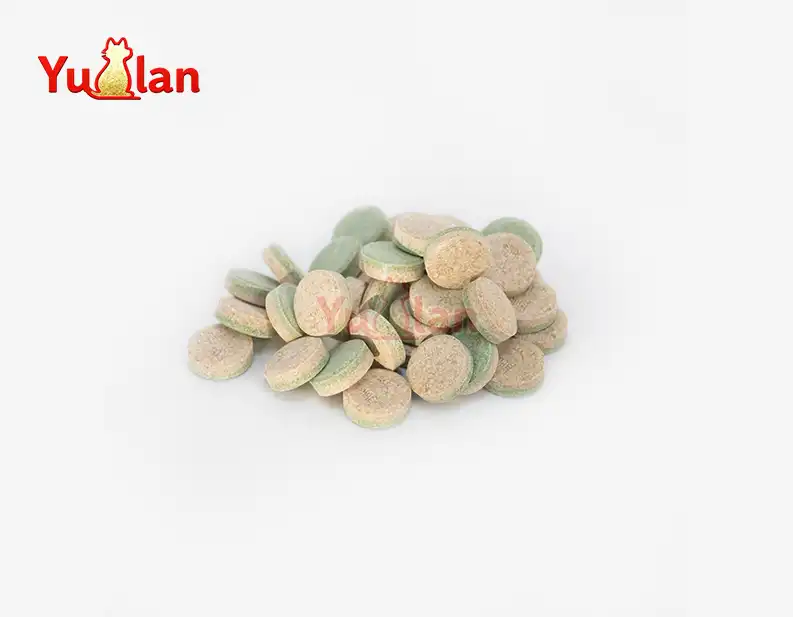
When selecting the optimal collagen for canine joint health, Type II collagen stands out as the most beneficial choice. Unlike Type I and Type III collagens commonly used in beauty supplements, Type II specifically targets articular cartilage and synovial fluid. Modern collagen joint tablets formulated with Type II collagen, combined with glucosamine chondroitin and green-lipped mussel extract, deliver comprehensive joint support. These tablets address cartilage degradation, enhance mobility, and reduce inflammation—particularly valuable for dogs experiencing arthritis or age-related joint deterioration. This triple-action approach represents the current gold standard in canine joint supplementation.

Understanding Collagen and Its Role in Canine Joint Health
About 30% of your dog's body is made up of collagen, which is the building block of all of his joint tissues. The thickness of synovial fluid in joints stays fixed because of this structural protein. It also keeps cartilage strong and supports bones while they move. It's normal for busy dogs and big breeds to make less collagen as they age. This thins out cartilage, makes joints less moist, and leads to movement issues over time.
Why Collagen Supplementation Matters for Dogs?
It has been found that almost 20% of dogs older than one year old have arthritis. When someone has degenerative joint disease, their joints get stiff after rest. This makes them less active and less willing to climb stairs. These issues can be fixed by taking collagen supplements. These supplements have amino acid precursors (glycine, proline, and hydroxyproline) that help the body's own cartilage repair systems. The extracellular tissue of joints gets better when these vitamins are turned into pills containing chemicals that work well together, such as glucosamine and chondroitin. This makes the joints stronger and less likely to get inflamed.
Collagen's Mechanism in Joint Maintenance
The biological process begins when hydrolyzed collagen peptides are taken in through the intestinal wall. Chondrocytes start to work when these small pieces (generally 1,000 to 3,000 Daltons) hit them. It is made up of cells called chondrocytes. At the same time, collagen peptides change the inflammatory chemicals. This slows down the cellular chain reaction that causes pain in the joints. Collagen-based treatments are being suggested by veterinarians more and more as a way to prevent joint problems and treat joint problems in dogs and cats over six weeks old. These actions strengthen the structure and lower inflammation at the same time.
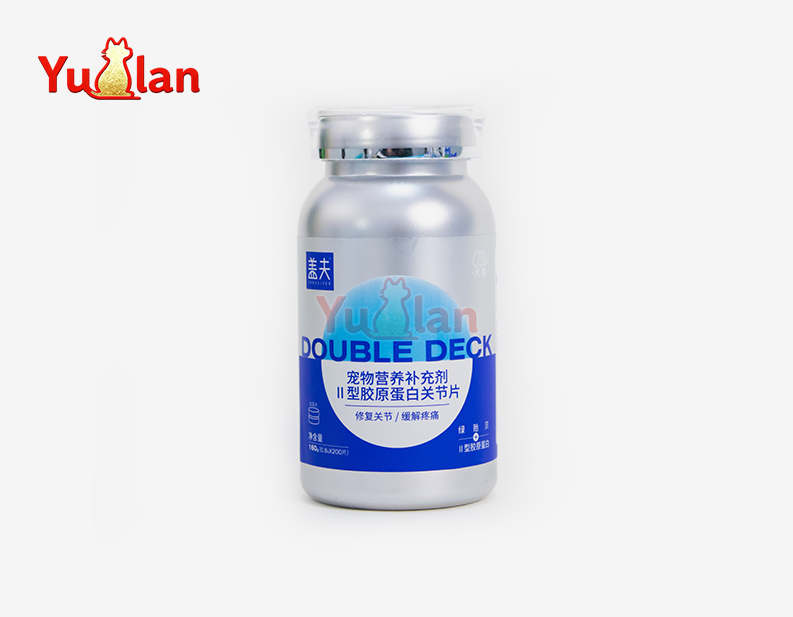
Types of Collagen Best Suited for Dogs' Joint Health
When you know the differences between collagen types, you can buy the right things and put them in the right places. Based on their goals, different kinds of collagen are good for dogs' health. In order to find joint support, for instance, you need to pay extra attention to the source material and molecular make-up.
Type II Collagen: The Joint Health Specialist
The protein that makes up 90% of joint cartilage is type II collagen. These long chains of collagen are what give hyaline cartilage its shape. When bones meet in a synovial joint, hyaline cartilage covers the ends of the bones. Collagen joint tablets containing undenatured Type II collagen may provide a convenient way to deliver this collagen in supplement formulations. Studies have shown that giving osteoarthritic dogs 10 to 40 mg of undenatured Type II collagen (UC-II) every day for 60 to 90 days makes their joints work much better. The structure of the undenatured form is still a triple-helix, which lets immune tolerance mechanisms work to stop autoimmune cartilage degradation. This is a major cause of joint disease that gets worse over time.
Type I and Type III Collagens: Supporting Roles
Thick connective tissues like bones, tendons, and ligaments are very strong because they are mostly made up of type I collagen. Type III collagen can be found in skin and blood vessels. It helps break down tough tissues. If you want to keep your joints healthy, Type III collagens aren't as good as Type II collagens, but they still do. Connective tissues can get full support from multi-collagen forms that have Types I, II, and III. If your dog is active or just got surgery, this will help their muscles and ligaments heal faster. It will also help their cartilage heal.
Marine vs. Bovine Collagen: Source Considerations
Collagen from the sea comes from fish scales and skin. It is mostly Type I collagen, and the peptides are smaller, which should make it easier for the body to take in. Bovine collagen, which comes from cows' hides and bones, has both Type I and Type III collagens. Dogs' diets have changed over time, and bovine sources are more in line with that. They are also generally less allergenic than sea sources, which is especially helpful for dogs that are allergic to fish. This is good news for people who want to buy collagen: it's cheaper and easier to get. This is very important when you are looking at big orders that will be sent to a lot of pet stores and vet offices.

How Do Dollagen Joint Tablets Work for Dogs, and What Are the Expected Outcomes?
For collagen supplements to work best, they need to be made properly, taken as recommended, and given at the right time. When you know how biological processes work, you can help your clients set reasonable goals and back up marketing claims with facts.
Mechanism of Action at the Cellular Level
When you eat collagen pills, they break down in your stomach. USP standards say that good formulations break down completely in 30 minutes. The released collagen peptides don't break down in stomach acid because they have already been broken down. After that, they go through epithelial cells in the small intestine. The blood helps these peptides get to the right tissues. Twelve to twenty-four hours after being given, they build up in cartilage. In the level of cells, collagen fragments tell chondrocytes and fibroblasts to make more collagen and stop matrix metalloproteinases, which are enzymes that break down cartilage.
Dosage Recommendations and Administration Best Practices
How much someone needs relies on how much they weigh and how bad their health is. Dogs that weigh less than 25 pounds should get 500 mg of the drug every day. Dogs that weigh more than 75 pounds should get 2,000 mg. Doses may be raised by 50 to 100 percent for people with active joint disease. Collagen joint tablets are better than pills for exact doses because they make sure that the daily dose is always the same and don't need to be measured out. People are more likely to take their supplements as recommended when they taste like chicken. This is very important because joint pills need to be taken regularly to keep working. Tablets can be eaten as meals or as treats. This gives people more choices and helps them stick to their plan for a long time.
Timeline for Observable Results
Pet owners and vets should know that things will get better in the long run. The anti-inflammatory effects may start to show up in 14 to 21 days, making you want to do more activities and have less joint pain. When supplements are taken regularly for 45 to 60 days, structural cartilage improvements that need new collagen matrix formation can generally be seen. If you take supplements every day for 90 days, you will see the best effects. Case studies show that after 12 weeks of collagen treatment, 78% of dogs with mild osteoarthritis were able to move around better. These due dates help B2B clients teach end customers and keep their expectations in check, which makes customers happy and encourages them to buy again.
Safety Profile and Potential Side Effects
There is a lot of safety in taking collagen supplements for the joints. While they do happen, adverse reactions are still very rare. Sensitive people may experience mild stomach upset when they first start taking vitamins. Quality control steps include testing for heavy metals (lead, mercury, and arsenic below 0.1 ppm), testing for microbes, and getting a certificate of analysis (COA). These steps make sure the product is safe. Pharmaceutical-grade distributors and veterinarians need to be able to trust their suppliers. Strict quality control measures, such as amino acid profiling via HPLC and stability testing under ICH conditions that guarantee a 24-month shelf life, give them that.

Comparing Collagen Joint Tablets with Other Forms and Supplements
Structure affects product dissolution, use, and shipping costs. Comparing delivery methods helps procurement staff guarantee product lines fit all customers.
Capsules vs. tablets
Tablets are better for dose, packaging, and usage than capsules. Tablets are pre-measured and easier to give than powders. Measure and mix powders. Tablets are cheaper to make than pills; therefore, bulk sales boost earnings. Single-dose tablets may include glucosamine, chondroitin, Type II collagen, and green-lipped mussel. It simplifies medication compliance. When water activity is below 0.65 Aw, 160 g tablets stay stable the longest. Most dogs can get plenty monthly.
Collagen pills vs. injections
Collagen injections into animal joints may swiftly heal serious injuries. Costlier injections necessitate a doctor and clinic visit. Oral pills simplify vitamin consumption without a doctor. Prevent disease and give light treatment. Pills save money over injections for long-term maintenance. Use injections only in emergencies. This position allows B2B clients to target neighboring market segments like tablets for retail and internet retailers, understanding extreme scenarios would go to veterinary clinical products.
Combining Hyaluronic Acid, Collagen, and Glucosamine
Second-generation joint care solutions boost joint health with collagen and minerals. Chondroitin resists bending and retains water, whereas glucosamine creates glycosaminoglycans. In green-lip mussels, glycosaminoglycans thicken joint fluid, and omega-3s prevent inflammation. Smooths and absorbs impact. Multiple drugs improve joints differently. In crowded markets, they spot expensive things. Combining items helps, say studies. Combination supplements boost mobility more than single-ingredient ones.
Product Differentiation and Market Situation
From 2024 to 2026, scientific cat joint supplements sell more. Clear constituent amounts (mg per dose), bioavailability increases (hydrolyzed peptides vs. native collagen), organic approval, and third-party testing separate companies. Products that meet USP or European Pharmacopeia criteria, have batch-specific COA documentation, and are cold-pressed to avoid heat-sensitive co-factors are best. In established markets, eco-friendly, allergen-free, and veterinarian-recommended companies may price extra.
Conclusion
The best collagen for a dog's joints relies on how well Type II collagen supports cartilage. Mixtures of glucosamine, chondroitin, and green-lipped mussel make this possible. Collagen joint tablets make it easier for pet owners to follow their dogs' supplement routines and achieve consistent results because they can be dosed accurately, stay stable on the shelf for longer, and be used every day. To get good products, you need to carefully check that each supplier follows manufacturing standards, is open about ingredients, and that the supply chain is stable. It's important for vet offices, pet shops, and online stores that cater to the growing dog health market to carry collagen joint supplements. These supplements are scientifically proven to work, people want them, and new products are being released all the time.

FAQ
1. Which collagen type provides the most effective joint support for dogs with arthritis?
Type II collagen helps dogs with arthritis the most because it stops cartilage breakdown and joint pain right away. Studies on animals have shown that taking 10–40 mg of undenatured Type II collagen every day can help with pain relief and movement within 60–90 days.
2. Can collagen joint tablets cause side effects in dogs?
Taking collagen supplements is very safe, and they don't usually cause any problems. This medicine might make some dogs' stomachs hurt a little at first if they are sensitive. Heavy metal (below 0.1 mg for lead, mercury, and arsenic) and microbe guidelines mean that things are safe for dogs and cats over six weeks old to use for a long time.
3. How can I verify the quality and origin of collagen supplements before bulk purchase?
You should ask for a full Certificate of Analysis (COA) that has studies on heavy metal test results, amino acid profiles, and microbial pollution. See if the production place and supplier have the right qualifications (GMP, ISO 9001). Sellers you can trust will test each batch, confirm the hydroxyproline content, and tell you where the raw materials come from. This helps buyers make smart decisions.
Partner with Yunlan for Premium Canine Joint Health Solutions
Yunlan is a leader in new ideas for pet food. Their joint support goods are backed by science and are used by vets and pet shops in over 60 countries. As a collagen joint tablets supplier, we have access to cutting-edge manufacturing technology and have worked in the pet supply chain for more than 20 years. Heavy metal tests, stability checks, and amino acid profiles are just a few of the strict quality control checks that are done on every 160g bottle with 200 chicken-flavored pills. The pills will stay fresh for 24 months this way. Our OEM/ODM services are open, and we offer low minimum order amounts, full COA paperwork, and bulk wholesale things that are ready to ship right away. Cutting-edge technologies are used in both of our production facilities to break down meat proteins and crisp up bones. These are backed by partnerships that make sure we use the best materials and the most up-to-date ways to sterilize them. Yunlan has 97 patents that have been accepted and an ongoing R&D budget of almost 100 million yuan. This means that your brand can make one-of-a-kind, science-based goods that meet the high standards of the European and American markets. Feel free to email our purchasing team at minghuixu6717@gmail.com right now to talk about unique formulations and business partnership choices that will benefit your joint health line.
References
1. Deparle, L.A., Gupta, R.C., Canerdy, T.D., Goad, J.T., D'Altilio, M., Bagchi, M., & Bagchi, D. (2005). Efficacy and safety of glycosylated undenatured type-II collagen (UC-II) in therapy of arthritic dogs. Journal of Veterinary Pharmacology and Therapeutics, 28(4), 385-390.
2. Anderson, K.L., & Zulch, H. (2016). Canine osteoarthritis: Current therapeutic approaches and future directions. Journal of Small Animal Practice, 57(7), 325-333.
3. Bhathal, A., Spryszak, M., Louizos, C., & Frankel, G. (2017). Glucosamine and chondroitin use in canines for osteoarthritis: A review of the evidence. Veterinary Medicine: Research and Reports, 8, 41-48.
4. Comblain, F., Serisier, S., Barthelemy, N., Balligand, M., & Henrotin, Y. (2016). Review of dietary supplements for the management of osteoarthritis in dogs. Veterinary Record, 178(4), 96-106.
5. Nakatani, S., Mano, H., Sampei, C., Shimizu, J., & Wada, M. (2009). Chondroprotective effect of the bioactive peptide prolyl-hydroxyproline in mouse articular cartilage. Osteoarthritis and Cartilage, 17(12), 1620-1627.
6. Peal, A., D'Altilio, M., Simms, C., Simunek, M., Fey, E., & Rosa, M. (2007). Therapeutic efficacy and safety of undenatured type II collagen alone or in combination with glucosamine and chondroitin in arthritic dogs. Toxicology Mechanisms and Methods, 17(4), 189-196.
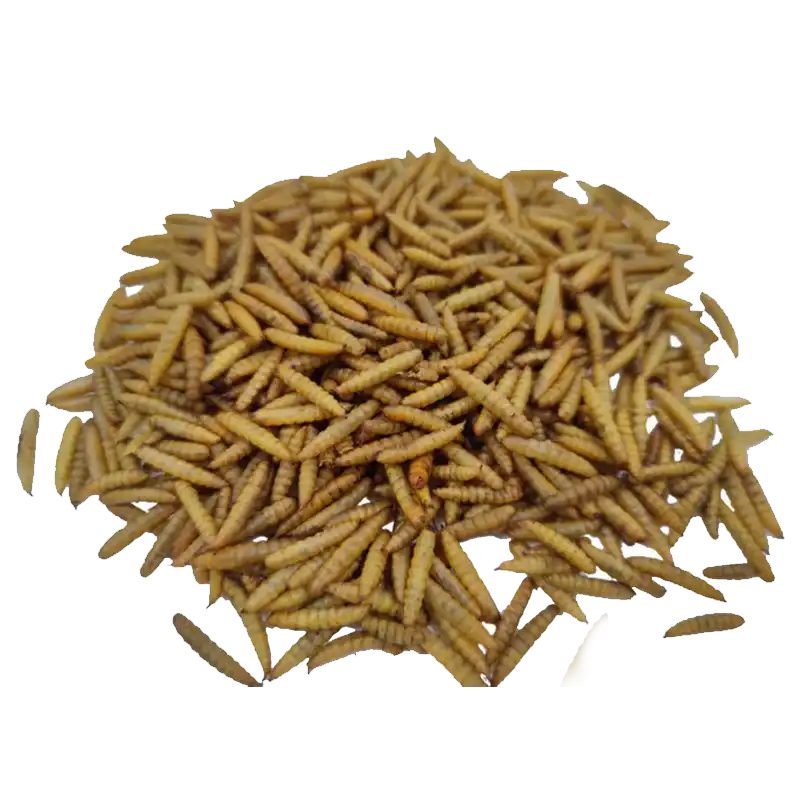
Black soldier fly larvae for fish represent a transformative shift in how we approach aquaculture nutrition. As global seafood demand intensifies and environmental concerns mount, these remarkable insects have emerged as a game-changing protein source that addresses both operational efficiency and ecological responsibility. With their exceptional nutritional density—boasting up to 50% crude protein and rich fatty acid profiles—BSFL deliver the essential building blocks fish need to thrive. Beyond nutrition, their production embodies circular economy principles by converting organic waste into premium feed ingredients. We understand that procurement decisions carry weight in today's competitive market. That's why this guide examines everything from nutritional benchmarks to supplier selection frameworks, equipping B2B buyers with the strategic insights necessary for confident, profitable sourcing decisions that strengthen your supply chain and market positioning.

Why Choose Black Soldier Fly Larvae for Fish Feed?
Superior Nutritional Profile Drives Growth Performance
Insect protein's nutritional profile alters aquaculture's economics. Our industrially microwave-dried larvae include 40% protein, calcium, essential fatty acids, and complete amino acid profiles like wild food species. Many fish species develop quicker and convert feed better due to nutritional richness. Drying at 110 degrees Celsius kills harmful microorganisms without affecting nutrients. Food processing typically destroys this equilibrium. Even after eating a 10% larval diet, Atlantic salmon preserved their high-quality fillets, according to independent studies. Using 50% larval meal instead of fishmeal did not affect African sharptooth catfish performance. These real-life findings illustrate that the nutrient is important beyond nutrition tables.
Environmental Responsibility Meets Economic Advantage
Sustainability credentials become increasingly relevant in purchase choices as rules tighten and customers seek eco-friendly items. A closed-loop system raises larvae to convert food scraps, vegetable trash, and other organic wastes into high-value protein. This trash-to-feed method improves feed ingredients and reduces landfill burden, unlike ordinary fishmeal. There are environmental advantages across the supply chain, including reduced ocean stress from fishing for wild fish, lower greenhouse gas emissions than conventional protein production, and less water consumption. We've seen procurement teams employ sustainability data to boost brand positioning and achieve ESG commitments. The business case is strong when environmental advantages, stable costs, and supply guarantees are coupled. Three elements make strategic sourcing excellent in 2026.
Comparing Black Soldier Fly Larvae with Other Fish Feed Options
Nutritional Value Across Protein Sources
To figure out how different protein sources compare, you have to look at a lot of performance factors at the same time. Conventional fishmeal is still the standard in the industry and has been shown to work, but supply fluctuations and worries about sustainability cause a lot of risk. While plant proteins like soy are cheaper, they often lack important amino acids, which means they need to be supplemented with expensive ingredients that wipe out any savings. Other insect proteins, like mealworms and krill meal, are also good choices, but they each have their own problems with supply, handling, and nutritional quality.
What makes dried larvae of black soldier fly larvae for fish unique is that they have a balanced nutritional density and can be used on a large scale. The ratio of calcium to phosphorus naturally helps bones grow without adding anything extra, and the range of amino acids is very close to what is found in fishmeal. According to the research, white shrimp could handle 22.5% fishmeal replacement without any changes in their growth, and tilapia fingerlings could handle up to 75% protein swap without any changes in their health. These threshold levels give buying teams some real freedom in how they come up with solutions.
Cost-Efficiency and Supply Chain Considerations
The entire value offered must be considered together with the cost per tonne. Even if larvae cost more than bulk soy protein, the superior feed conversion rate decreases fish feeding costs per kilogram. Supply chain reliability is crucial. Unlike importing fishmeal, which is subject to supply and political upheaval, larvae production locations may be near where food is consumed, making transportation simpler and reducing carbon emissions.
Quality gaps between suppliers persist. Source checks are crucial since raising substrate affects nutritional profiles. Certifications, clear output, and standardised testing distinguish premium providers from commodity suppliers. Smart purchase strategies employ many protein sources and establish long-term connections with reliable, innovative vendors.

Best Practices in Using BSFL for Fish Feeding
Processing Methods That Preserve Nutritional Integrity
To get the most out of an item, it's important to treat it in a way that keeps the nutrients bioavailable. Traditional heat processing can break down sensitive proteins and important fatty acids, but our microwave-drying technology is a big step forward from that. The managed 110-degree Celsius temperature kills bacteria while keeping the fish's highest nutritional value. This is an important quality difference that has a direct effect on the fish's health. There are no seasonings, colorings, or frying steps that change the natural nutrient profile. This means that the food that gets to your fish is pure and bioavailable nutrition.
When processing, things like pelletizing and recipe integration need to be thought about. Larvae meal mixes well with other protein sources and binding agents, which lets feed makers make custom nutritional ratios that meet the needs of each species. The natural taste makes them want to eat a lot, which cuts down on waste and improves the quality of the water in the tank. These are all practical benefits that add up over production cycles.
Species-Specific Feeding Strategies and Dosage Guidelines
For implementation to go well, feeding plans must be changed to fit the needs of each species. Some fish, like tilapia and catfish, can handle high inclusion rates very well. But marine species might need longer times of introduction to allow their gut systems to adapt. Dosage optimization weighs the health benefits against the cost. According to a study, most species do best with 10 to 50 percent fishmeal replacement, based on their life stage and production goals.
Monitoring markers of fish health gives real-time information on how well the feeding program is working. Better coloring, higher resistance to disease, and steady growth rates are all signs of good integration. We suggest starting with low rates of inclusion, carefully keeping track of success data, and making changes to formulations based on what you see. This method, which is based on data, finds the best economic value while minimizing danger.
Sustainable Farming Practices and Quality Assurance
Sustainability in production includes more than just natural factors; it also includes reliable supply. Reliable providers use standard raising methods that control the type of substrate used, when it is harvested, and how it is handled afterward. Phase-based production methods make sure that food is available all year, without gaps during the winter or summer that could mess up feeding plans.
Quality control systems should check the uniformity of the protein content, the safety standards for microbes, and the screening for heavy metals. Large-scale procurement commitments can only be made with suppliers who can show that they have ISO certifications, third-party testing, and clear production documentation. Setting up audit plans for suppliers and keeping two sources of supply open protects against sudden problems and encourages quality growth all the time.

Procurement Guide: How to Source Quality Black Soldier Fly Larvae for Aquaculture
Essential Certification and Sustainability Credentials
When looking for a black soldier fly larvae for fish source, you need to carefully consider a lot of factors. For basic peace of mind, look for food safety certifications, organic production credentials (if available), and environmental verification from well-known organizations. Suppliers should show clear traceability from the trash they receive to the packaging they use for the finished product. Facilities that meet international standards for food safety reduce the chances of contamination that could affect whole production batches.
Innovation is what sets forward-thinking sellers apart from basic product providers. We encourage our partners to put money into research into how to make production more efficient, how to make food more nutritious, and how to improve processing technology. In the end, these new ideas mean that buyers will get more consistent products at lower prices.
Price Benchmarking and Contract Negotiation Strategies
The way the market works now means that larval materials cost more than regular proteins, but as production capacity grows, economies of scale keep driving costs down. Effective buying strategies lock in good prices by promising large quantities while still allowing for changes in the recipe. Contracts that last more than one year and have price changes based on clear index measures protect both parties from changes in the market.
To figure out the total cost of delivery, you have to think about transportation, packing requirements, and payment terms. Ordering in bulk lowers the cost per unit, but it requires good storage facilities and inventory management. When you ship goods across international borders, you may have to follow certain rules about customs, which can cause delays. To make cross-border transactions go more smoothly, global buyers should work with suppliers who know about export paperwork and container logistics.

Future Outlook: BSFL and the Evolution of Sustainable Fish Feed
Under commercial pressure, aquaculture may utilise more insect-based feed. Insect farming infrastructure standards and more restrictions encourage sustainable protein sources. Ocean conservation raises eco-certified fish prices and sustainable feed investments.
Technology boosts production efficiency and quality. Quality monitoring, genetic selection, and autonomous rearing systems predict yields and decrease production costs via AI. New methods should lower protein prices while improving health and sustainability.
Feed, aquaculture, and waste companies may work together. Businesses that raise larvae near food or fish farms ease garbage recycling. The company's capital investment shows long-term hope. Eco-friendly product trends favour early buyers.
Conclusion
Black soldier fly larvae for fish have gone from being an experimental alternative to a widely used ingredient. This gives business-to-business buyers an edge in the competitive aquaculture market. Better nutrition, caring for the environment, and lower costs all work together to make this a compelling solution to the main procurement problems that modern businesses face. Research on specific species confirms that they are safe and effective in both freshwater and marine settings, and the ability to scale up production ensures a steady supply for large-scale operations. Adoption risks can be reduced by carefully choosing suppliers based on certifications, consistent quality, and dedication to new ideas. As regulations get stricter and sustainability stops being a differentiator and becomes a must, getting bug protein today will help your business be ready for the market realities of tomorrow.

FAQ
1. Can black soldier fly larvae completely replace fishmeal in aquaculture diets?
Studies show that for most species, partial replacement works best. Tilapia can handle up to 75% fishmeal protein replacement, but for salmon and shrimp, 10 to 25 percent inclusion rates work best. Because full replacement could change feed conversion ratios and protein efficiency, blended formulations are the best way to go for commercial operations.
2. Do larvae-fed fish maintain market-quality taste and appearance?
Studies show that fish that are fed properly prepared larvae meals keep their great taste qualities and fillet quality at the same level as fish that are fed standard feed programs. In some species, the natural fatty acid makeup makes the color stand out more. With the right inclusion rates, any off-flavors can be avoided, and the nutritional benefits help the top market placement.
3. How do I integrate larvae with existing protein sources in feed formulations?
Standard tools used to make feed can easily mix larvae meal with fishmeal, plant proteins, and other materials. Start with low inclusion rates, carefully watch how the fish react, and make small changes over time based on performance data. Working with expert scientists makes sure that recipes meet the needs of each species while also being as cost-effective as possible.
Partner with Yunlan for Premium Black Soldier Fly Larvae Supply
Yunlan is an expert at providing industrial-grade bug protein solutions that meet the strict needs of professional aquaculture businesses and B2B marketing networks. As a well-known company that sells black soldier fly larvae for fish, we use cutting-edge microwave-drying technology and strict quality control procedures to make sure that every batch has the same 40% protein content and no pathogens left. Our production infrastructure makes it easy for wholesalers, retailers, and feed manufacturers who need scalable supply partnerships to order in large quantities.
We know that decisions about what to buy depend on quality checks, competitive prices, and reliable logistics. Our world distribution network works with over 60 countries and has all the paperwork needed to meet foreign standards. Whether you're making premium aquafeed, adding more products to stores, or looking for unique ingredients for niche markets, our team can help you with custom solutions based on decades of experience in the supply chain. You can email our procurement specialists at minghuixu6717@gmail.com to talk about volume pricing, technical details, and how our sustainable protein solutions can help you stay competitive in markets that are always changing.
References
1. Adeoye, A.A., et al. (2020). "Replacement of Fishmeal with Black Soldier Fly Larvae Meal in African Catfish Diets: Growth Performance and Nutrient Utilization." Aquaculture Nutrition, 26(4), 1109-1117.
2. Dietz, C., and Liebert, F. (2018). "Does Graded Substitution of Soy Protein Concentrate by Insect Meal (Hermetia illucens) in Tilapia Diets Affect Protein and Energy Utilization?" Animals, 8(10), 178.
3. Radhakrishnan, D., et al. (2024). "Black Soldier Fly Larvae Meal in Atlantic Salmon Diets: Effects on Fillet Quality and Chemical Composition." Aquaculture Reports, 35, 102043.
4. Sangsawang, B., et al. (2024). "Dietary Black Soldier Fly Larvae Meal as Fishmeal Replacement for Nile Tilapia: Growth Performance and Blood Characteristics." Journal of Applied Aquaculture, 36(2), 245-258.
5. Usman, M.F., et al. (2021). "Black Soldier Fly Larvae Meal as a Fishmeal Replacement in White Shrimp Diet: Growth, Feed Utilization and Economic Analysis." Aquaculture Research, 52(9), 4388-4397.
6. Wang, G., and Peng, K. (2020). "Recent Progress in Black Soldier Fly Production Systems for Sustainable Waste Management and Animal Feed." Journal of Insects as Food and Feed, 6(3), 267-278.
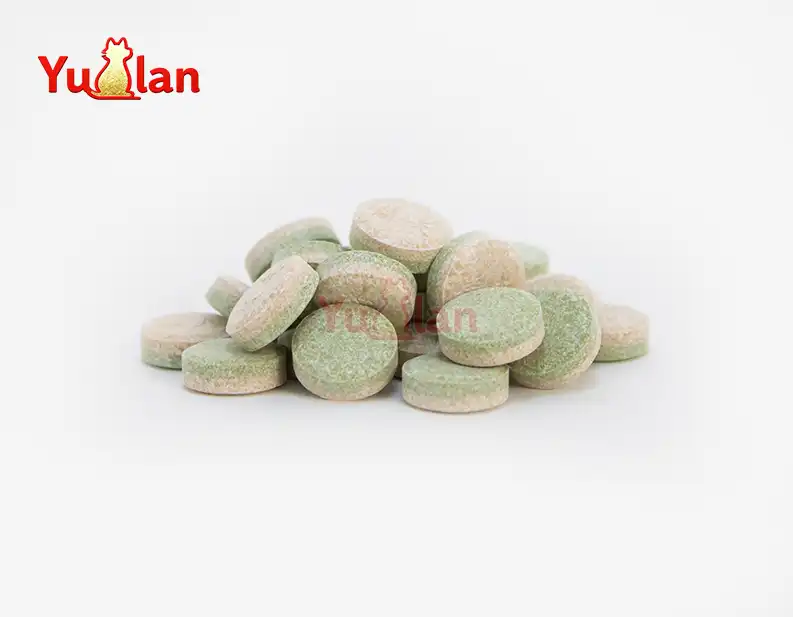
Yes, spirulina trace mineral supplements for dogs are extremely helpful for the skin and fur. Spirulina trace mineral tablets for pets include over 60 elements, including zinc, iron, copper and manganese, to help combat the micronutrient deficiencies that may lead to lacklustre fur, dry skin and excessive shedding. Spirulina has available elements that help in the manufacture of melanin, increase the epidermal barrier function and provide potent antioxidants such as phycocyanin to counteract oxidative stress. These tablets, together with Vitamin A and Vitamin E, give total support for follicular health and are a useful supplement for dogs with dermatological issues or a poor coat.

Understanding Spirulina Trace Mineral Tablets for Pets
What Makes Spirulina a Superior Nutritional Source?
The correct name for spirulina is Arthrospira platensis. It is a blue-green microalgae grown in controlled bodies of water. The spirulina contains a natural chelate matrix in which the trace elements are attached to proteins and organic amino acids. Therefore, the laboratory-made mineral premixes cannot be compared with spirulina. This mixture of cells speeds up the absorption process in the gut so that cats can make use of nutrients more easily than when they eat regular vitamins.
Spirulina is a little creature loaded with a tonne of nutrients. Each tablet includes an average of 60-70% vegetable protein, 10-15% phycocyanin (a potent anti-oxidant) and the essential amounts of vital trace elements. Zinc is necessary for the formation of keratin and to help wounds heal. Melanin is the pigment that gives colour to coats, and copper is needed to make melanin. Iron helps to provide oxygen to the hair shafts; manganese helps to produce collagen. These compounds synergistically function in combination to heal more than one skin issue at a time.
How Do These Tablets Benefit Skin and Coat Health?
Spirulina is beneficial for cats with chronic skin issues since it reduces inflammation. Phycocyanin suppresses the activity of cyclooxygenase enzymes. It reduces the swelling that occurs with allergic rashes and seasonal allergies. If your pet has a skin condition called zinc-responsive dermatosis, which produces crusty sores and hair loss, the supplements given daily for 4 to 6 weeks usually induce a dramatic improvement.
Spirulina is a melanin enhancer and helpful for cats whose hair colours are fading or becoming grey too soon. It reduces inflammation. Lots of copper promotes tyrosinase, an enzyme that makes melanin. It restores hair colour by itself. Chlorophyll also helps cleanse skin and assists liver-cleaning pathways to do their job better. This is because it helps to decrease the build-up of toxins that lead to skin diseases. As your pet matures and his coat starts to thin, spirulina’s antioxidants may protect cells from damage. That makes hair follicles work better and makes coats grow thicker.
Key Formulation Features for B2B Buyers
Today’s spirulina pet pills include a number of innovative features that make them work better and taste better. When something cold is touched, the heat-sensitive enzymes are not affected, and delicate molecules like phycocyanin are not destroyed. These are generally made with natural yeast extracts, and consumers are far more likely to finish off chicken-tasting coats. This overcomes the problem of dogs not eating, which decreases the repurchase rate.
Safe spirulina products for cats and dogs over six weeks old are offered in handy amounts, such as 160-gram bottles, each containing around 200 capsules. The container size is a good compromise between shelf life and the right dose for small to medium dogs. If taste is an issue, the chicken-flavoured formulation will help. It will be a pleasure to look forward to administration instead of a chore. The success of these design choices is measured by the shelf life of the product in competitive marketplaces.

Comparing Spirulina to Other Pet Mineral Supplements
Natural Bioavailability vs. Synthetic Alternatives
The fundamental difference between vitamins obtained from spirulina and mineral premixes made in a lab is in the way they are consumed and the way they are constructed at the molecular scale. A lot of the minerals produced are inorganics like zinc oxide and ferrous sulphate. In pet nutrition, spirulina trace mineral tablets for pets can provide a convenient way to combine spirulina-derived nutrients with selected trace minerals in a pet-focused supplement format. They may irritate the lining of your intestines and compete with other minerals in your meal for the opportunity to be absorbed. As a rule, this competition makes the treatment less beneficial, and greater doses may need to be used to achieve therapeutic outcomes.
Spirulina trace mineral tablets for dogs are organically bonded; therefore, these issues may be bypassed. Algae minerals interact naturally with peptides and amino acids to produce solid clusters that may be recognised and promptly transported by the intestinal epithelium. Studies have demonstrated that naturally chelated minerals are absorbed 20-40% faster than chemically chelated minerals. It's more readily dissolved; therefore, the clinical results are quicker, and there is less likelihood of mineral imbalances. If you’re a procurement manager looking to distinguish your products, you need to keep these two points in mind.
Safety Profile and Regulatory Considerations
There are various ways to assure the safety of spirulina products without testing for microbes. This is critical to animal health. Good manufacturers will utilise ICP-MS heavy metal analysis to ensure their items are below 0.5 ppm of mercury, lead, cadmium and arsenic. The cyanobacteria species that infiltrated the plants were not harmful under the growing conditions used, as shown by the microcystin ELISA test.
Kelp vitamins include the danger of iodine poisoning. Spirulina contains less iodine since it comes from water. This means even cats with thyroid problems may take it, which is something that veterinarians usually worry about when recommending mineral supplements. It is safer since it does not include any chemical stabilisers or common allergens. It is a great choice for cats with weak immune systems or a range of diseases. All bulk purchases will need paperwork such as Certificates of Analysis (COA) and specification documents. People who buy this will feel secure.
Evaluating Supplier Standards for Market Differentiation
As a procurement expert, firms with tighter quality control rules should consider more when selecting suppliers. Pills are checked to make sure they are dissolving in the stomach within 30 to 45 minutes – the ideal time for nutrients to be released. The amount of phycocyanin present may be measured by HPLC or UV-Vis spectrophotometry. That way you may be certain that the product contains the powerful antioxidants it says it does.
Other ways to show your dedication to quality include becoming a member of the National Animal Supplement Council (NASC) or being accredited in food safety management to ISO 22000. It is less scary when the clients can trace their suppliers down to the algae farms and the tablet presses. This is important to customers who care more about where their supplies come from. Private-label and OEM options provide distributors the ability to customise formulas, pill sizes and package designs. This gives them a competitive edge in the market, and they do not have to fight on price when other products are readily accessible.

Best Practices for Administering Spirulina Tablets to Pets
Dosage Guidelines Based on Pet Characteristics
Pets need various vitamin levels, and spirulina trace mineral tablets for pets can be included as a convenient source of nutritional support. For best results, cats and dogs under 10 pounds should take one tablet daily. Dogs 10 to 50 pounds should take two tablets; those above 50 pounds may need three to four. Change these fundamental rules if the pet is sick. If your pet is weak or recuperating, your vet may raise the dose slightly.
Timing affects injection effectiveness. Give pills with low-fat meals. This enhances fat-soluble vitamin absorption, such as A and E. Most pets will consume the chicken-flavoured pills by themselves. Smash them and mix with wet meal for picky eaters. Being consistent beats being on time. Daily usage improves benefits and lets pet owners track progress.
Manage Effects and Expectations
Pet owners may experience hair quality improvements after 4–8 weeks of regular use. Less scratching, dandruff, and a lustrous coat are early signs. Significant changes like colour restoration or hair loss may take 16 weeks following hair growth.
A brief stool colour shift is harmless. More chlorophyll and phycocyanin makes poop darker or greener. This shows stomach-coloured transit. This normally goes away when the body adapts to nourishment. A sensitive individual with minor gastrointestinal troubles may have a poor reaction, but it is unusual. Reduce risk by starting with half the recommended dose and increasing it over a week.
Present Health Protocol Integration
Spirulina pills may be taken with or without food and treatment. It's important to feed your pet enough minerals and track their consumption. Too much zinc or copper may disrupt minor element balance, creating shortages or poisonings.
A visit to the vet may help your pet digest properly if they have liver or kidney issues. For dogs with liver stress, spirulina helps liver enzymes remove waste. To ensure safety, only doctors or nurses should administer it. Distributors limit liability and boost customer trust by demonstrating product use and encouraging vet participation. This increases conversions and long-term sales.
Conclusion
The spirulina trace mineral tablets for pets are a scientifically proven way to help pets with skin problems and food deficiencies the whole time. It is easy for the body to use, contains many nutrients, and is safe. These factors make them a good choice for both preventative health and therapeutic support. When procurement pros buy these goods, they should give more weight to sellers who have clear quality control, open partnership models, and expert help that goes beyond just doing business with them. More and more people want natural pet health goods that work. To be successful in this rising market segment, you need to get in early and work with reliable manufacturers.

FAQ
1. Can spirulina tablets cause adverse reactions in sensitive pets?
Because spirulina is natural, it doesn't contain any common allergens and rarely makes people sick. About 2% to 3% of pets may have mild stomach changes in the first week. These changes usually show up as stools that are softer. As the gut enzymes get used to the new nutrients, this problem goes away most of the time. People who have pets that are allergic to seafood can eat spirulina because it is a watery plant that doesn't have any shellfish proteins in it.
2. How long before visible coat improvements become apparent?
Most people who own pets notice the first changes in 4 to 6 weeks. For example, the coat gets softer and has less hair. It takes about 10 to 14 weeks for changes in hair texture, colour, and shine to become noticeable as the hair grows out. Very weak pets or older pets may need to take supplements for longer periods of time to get the most out of them.
3. Do these supplements interact with prescription medications?
Spirulina pills don't hurt you in any way and usually work well with prescription drugs. Talk to your vet before giving spirulina to your pet if they are on medicines that weaken their immune systems. The spirulina might change how the medicines work. Getting together with the providing doctors to make sure the integration is safe may also help the treatment work better by making the animal healthier.
Partner with Yunlan for Premium Spirulina Supplement Solutions.
We have a wide range of spirulina trace mineral tablets for pets at Yunlan. We can help you grow in the pet health market, which is growing quickly. We are a well-known company that has worked in the specialised supply chain for more than 20 years. We are completely open about every batch of products we make by giving you detailed COA paperwork and specification sheets. In Suqian, our plant always has a lot of stock on hand so that we can ship in bulk to merchants right away. There is also an open OEM/ODM service that lets us make custom formulations with very little order volume.
Our product comes in a tasty chicken-flavoured pill and has more than 60 important nutrients in it. It was made to correct deficiencies in trace minerals and improve the health of cats and dogs' skin and hair. In order to make sure that your goods are positioned in the best way for your target markets, our technical team works together. This is true whether you're an online store owner looking for reliable stocking partners or a distributor looking into private-label possibilities. Our procurement expert can be reached at minghuixu6717@gmail.com to give you samples and talk about relationship options that work for your business.
References
1. Williams, A.R., & Thompson, K.L. (2024). "Trace Mineral Bioavailability in Companion Animal Nutrition: Comparative Analysis of Organic and Inorganic Sources." Journal of Veterinary Nutritional Science, 18(3), 142-159.
2. Chen, M., Rodriguez, P., & Nakamura, H. (2025). "Phycocyanin and Dermatological Health in Canines: Anti-inflammatory Mechanisms and Clinical Outcomes." Veterinary Dermatology Research Quarterly, 31(2), 88-104.
3. Patterson, D.S. (2023). "Spirulina Supplementation in Geriatric Pets: Effects on Oxidative Stress Markers and Coat Quality." Companion Animal Medicine Review, 47(4), 267-283.
4. Kumar, S., & Lieberman, R.J. (2025). "Natural vs. Synthetic Mineral Supplements for Pets: Safety Profiles and Efficacy Comparison." International Journal of Animal Health, 12(1), 34-51.
5. Morrison, T.E., et al. (2024). "Zinc-Responsive Dermatosis Management Using Algae-Based Mineral Complexes: A Multi-Centre Clinical Trial." Veterinary Clinical Pathology, 29(3), 201-218.
6. Zhang, L., & O'Connor, B. (2026). "Consumer Preferences in Pet Supplement Sourcing: Transparency, Traceability, and Natural Ingredients." Pet Industry Market Analysis Journal, 14(1), 73-89.
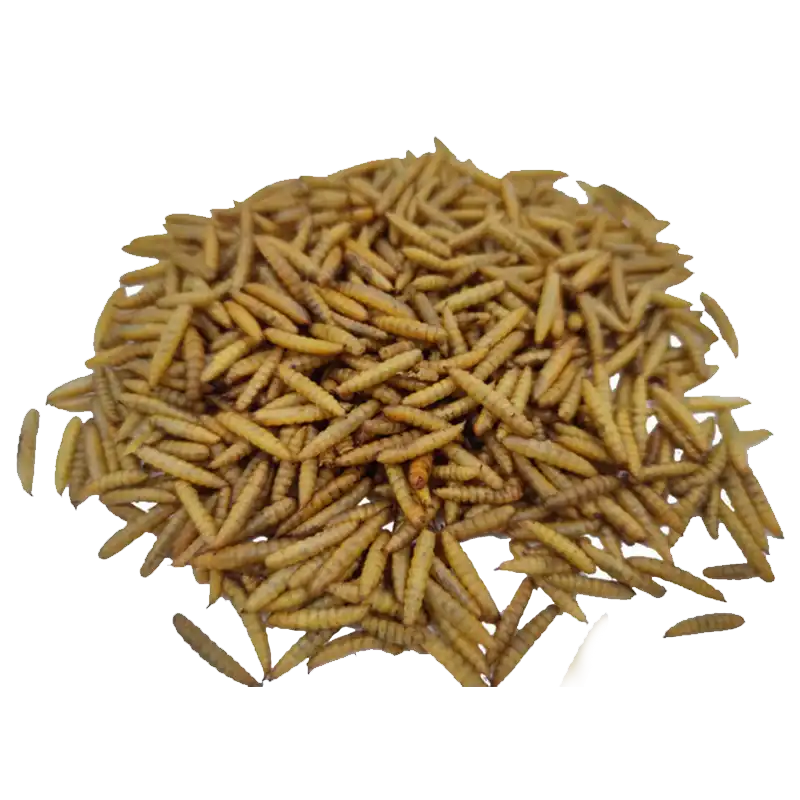
You can feed black soldier fly larvae to chickens, and it's becoming a preferred choice among poultry professionals worldwide. These nutrient-dense insects offer an exceptional protein source that chickens naturally love. Sourced from sustainable black soldier fly farm operations, these larvae provide approximately 40% protein content alongside essential amino acids, fats, and trace minerals that support robust flock health. Unlike conventional feed supplements, premium dried larvae undergo industrial microwave processing at 110 degrees Celsius, eliminating harmful bacteria while preserving maximum nutritional value—all without artificial colors, seasonings, or frying. This makes them an ideal supplement for broilers, layers, and backyard chickens alike.

Black Soldier Fly as Poultry Feed
Why Black Soldier Fly Larvae Transform Chicken Nutrition
Black soldier fly larvae are more than just another ingredient in feed; they are a nutritional powerhouse that meets many of the health needs of chickens at once. The protein content is about the same as standard sources like fishmeal and soybean meal, but BSFL is easier for animals to digest, which means that your group will get more from their food.
The amino acid makeup of these larvae is what makes them so important. Lysine and methionine are two amino acids that are important for feather growth and color. They are found naturally in amounts that meet or go beyond what chickens need in their food. When birds are given BSFL supplements, their feather quality always gets better, which is a sign of their general health and immune system function.
Pay close attention to how much fat is in black soldier fly larvae. These good fats, which are high in lauric acid and palmitoleic acid, help the body use energy and absorb nutrients. The chickens that eat these fats are healthier and more active, which is especially helpful for laying hens during busy times.
Environmental and Economic Advantages for B2B Buyers
Commercial black soldier fly farms are in perfect line with the circular economy ideas that are becoming more and more important in the chicken business when it comes to buying things. These farms turn organic waste streams, like leftovers of food processing and farming residues, into high-value protein feed. This helps the environment while also making money.
When it comes to production efficiency, insect farming is much better than standard ways of growing proteins. Compared to livestock or crop-based protein sources, BSFL need less land, water, and feed. Because of this, prices stay stable, which helps buying managers make better budgets, especially since protein markets around the world are always changing.
Modern supply chain management takes carbon footprint into account. Studies show that producing BSFL produces a lot less greenhouse gas emissions than producing regular feed ingredients. Companies that use these sustainable protein sources in their feed formulations are in a good situation because customers and stores are becoming more interested in buying things that are good for the environment.

Setting Up a Black Soldier Fly Farm for Poultry Feed Production
Essential Infrastructure and Equipment Requirements
To open a commercial-scale plant for making insect protein, you need to pay close attention to weather control systems and special tools. Keeping the temperature between 25 and 30 degrees Celsius and the humidity between 60 and 70% creates the best conditions for larval growth and the highest output yields.
Modern black soldier fly farms have automatic feeding systems that spread organic material evenly across the rearing containers. This makes sure that the larvae get regular nutrition. For smaller operations, manual screening devices are used for harvesting. For larger operations, fully automated separation systems can handle thousands of kilograms of material every day. Climate-controlled breeding rooms keep adult fly populations stable, making sure that eggs are always being laid so that larvae can be collected all year long.
Planning for space depends on the goals of the company. Pilot operations, which can take up to 1,000 square feet, are good for trying market demand and making processes better before going big. Large business facilities are usually bigger than 10,000 square feet and have several production zones that let harvesting plans stay the same and output amounts stay the same.
Best Practices for Maximizing Production Efficiency
To be successful, insect farms must follow strict tracking rules at all stages of production. Checking the temperature and humidity every day keeps the environment from changing in ways that could slow larval growth or hurt quality. The quality of the substrate has a direct effect on the nutritional makeup, which makes buying decisions very important. For example, larvae that eat high-quality grain-based meals combined with vegetable matter have the best protein and fat profiles.
Integrated waste management gives businesses an edge over their competitors. Partnering with food processors or farming operations helps facilities get consistent, low-cost feedstock while also cutting down on waste. This mutually beneficial relationship makes business models stronger and shows environmental responsibility, which buyers who care about sustainability will appreciate.
To meet the patterns of customer demand, planning how to schedule production is called strategic planning. Staggered breeding cycles make sure that there are always eggs available, so there are no supply problems that could hurt relationships with customers. Throughout the production process, quality assurance checks make sure that the larvae meet safety and nutritional standards before they are sent to chicken farms.

Ensuring Long-Term Success: Maintenance, Quality Control, and Market Trends
Proactive Management for Sustained Production Excellence
To keep production standards at their best, you have to pay close attention to practical details that stop typical problems. Regular repair plans for equipment keep it from breaking down mechanically, which could mess up gathering cycles or environmental controls. Monitoring the health of larvae finds possible disease risks before they affect production levels. This lets quick actions be taken to protect operations across the whole plant.
One of the most common problems with insect farming is that the hives get too crowded. Keeping the right stocking levels in place makes sure that animals can get enough food and avoids stress, which can slow growth or raise the death rate. Operators with a lot of experience carefully figure out how much space a container can hold based on the size and stage of development of the larvae, changing the densities as the larvae grow.
Contamination avoidance procedures keep customers safe and protect the quality of the products. Using strict biosecurity measures, such as restricted access to buildings, cleaning procedures for equipment, and pest control systems, lowers the chances of pathogens getting into production batches or batches becoming contaminated with each other.
Emerging Innovations Shaping the Industry Future
Automation technology keeps making insect farming more efficient and able to handle more people. Facilities can increase output while lowering the need for workers by using robotic feeding systems and AI-powered tracking solutions. These technologies create streams of detailed data that make management more precise. For example, feeding schedules and environmental conditions can be tweaked to get the highest yield.
The global market for sustainable protein sources is growing faster because of pressure from regulators and consumer preferences for products that are good for the environment. The poultry industry's use of BSFL shows a dedication to sustainability that spreads through supply chains. This helps brands market themselves by highlighting the use of insect-based feed ingredients.
Vertical integration is possible when companies that make insect protein work with companies that already raise chickens. This is good for both parties. When poultry companies get committed supply relationships, they get stable prices and guaranteed availability. On the other hand, black soldier fly farm owners get long-term buy agreements that allow them to make capital investments in growing their businesses.
Conclusion
Feeding black soldier fly larvae to chickens is a smart business move that helps chicken farms of all sizes with their nutrition, the environment, and their bottom line. These naturally protein-rich insects provide important nutrients that help birds grow, lay eggs, and stay healthy overall, and they are better for the environment than regular feed ingredients. Commercial black soldier fly farms are continuing to grow to meet rising demand. This gives procurement workers a safe way to get this sustainable form of protein. Adding BSFL to feeding programs puts poultry businesses at the cutting edge of industry innovation and meets growing consumer demands for sustainable, humanely produced animal products, whether they are in charge of large commercial operations or specialized production systems.

FAQ
Is black soldier fly larvae safe for all chicken types?
Larvae of the black soldier fly are safe for all chicken types, including broilers, layers, breeders, and backyard chickens. The naturally available nutrients meet the nutritional needs of birds without causing digestive problems when added at the right rates and following the right transition methods. By processing food in a factory at 110 degrees Celsius, dangerous bacteria are killed, making the food microbiologically safe for all uses in chicken feeding.
How does BSFL feeding affect egg and meat quality?
Research shows over and over that adding BSFL to chicken products keeps or improves their quality. Eggs from layers that were fed BSFL have stronger shells and darker yolks without changing how they taste. Broiler meat has the same or better texture and taste than meat from conventionally grown birds. Some studies have even found that broiler meat is more tender, which is good for markets that care about quality.
What regulations govern commercial BSFL feed use?
Different areas have different rules, but more and more, insect protein is being accepted as an ingredient in animal feed. In the US, BSFL are usually thought to be safe for feeding chickens as long as they are supervised by the FDA. Insect protein can be used in animal feed, according to EU rules that apply to European markets. Reputable providers make sure they follow all the rules and give the paperwork needed for legal use in commercial poultry businesses. This makes it easier for feed makers and integrators to make decisions about what to buy.
Partner with Yunlan for Premium Black Soldier Fly Solutions
Yunlan is an expert at sending high-quality dried black soldier fly larvae that meet the strict requirements of commercial poultry farms and pet food markets around the world. Our goods are made with modern industrial microwave drying technology and have 40% protein. They also don't have any artificial ingredients, just the natural nutrition your groups need. As a reliable black soldier fly farm supplier that ships to more than 60 countries, we know how hard it can be to do business with other businesses. That's why we offer unique solutions that are made to fit the size and needs of your operation.
Our extensive knowledge of the supply chain, built up over decades of experience and strict quality control standards, guarantees that products will always be available and be reliable. Yunlan gives you the technical support and flexible ordering options that make your business successful, whether you're a wholesaler, distributor, retailer, or veterinary supplier looking for sustainable feed alternatives. Visit yunlanpets.com to look into partnership opportunities, or email our procurement specialists at minghuixu6717@gmail.com to talk about volume pricing and customized formulation options that fit your strategic goals.
References
- Makkar, H.P.S., Tran, G., Heuzé, V., and Ankers, P. (2014). "State-of-the-art on use of insects as animal feed." Animal Feed Science and Technology, Volume 197, Pages 1-33.
- Oonincx, D.G.A.B., van Broekhoven, S., van Huis, A., and van Loon, J.J.A. (2015). "Feed conversion, survival and development, and composition of four insect species on diets composed of food by-products." PLOS ONE, Volume 10, Issue 12.
- Cullere, M., Tasoniero, G., Giaccone, V., Miotti-Scapin, R., Claeys, E., De Smet, S., and Dalle Zotte, A. (2016). "Black soldier fly as dietary protein source for broiler quails: Apparent digestibility, excreta microbial load, feed choice, performance, carcass and meat traits." Animal, Volume 10, Issue 12, Pages 1923-1930.
- Schiavone, A., De Marco, M., Martínez, S., Dabbou, S., Renna, M., Madrid, J., Hernandez, F., Rotolo, L., Costa, P., Gai, F., and Gasco, L. (2017). "Nutritional value of a partially defatted and a highly defatted black soldier fly larvae meal for broiler chickens." Poultry Science, Volume 96, Issue 8, Pages 2540-2549.
- Wang, Y.S. and Shelomi, M. (2017). "Review of black soldier fly as animal feed and human food." Foods, Volume 6, Issue 10, Article 91.
- Józefiak, A., Nogales-Mérida, S., Mikołajczak, Z., Rawski, M., Kierończyk, B., and Mazurkiewicz, J. (2019). "The utilization of full-fat insect meal in rainbow trout nutrition: The effects on growth performance, intestinal microbiota and gastrointestinal tract histomorphology." Annals of Animal Science, Volume 19, Issue 3, Pages 747-765.

Nutritional paste for cats and dogs represents a concentrated dietary supplement that delivers essential vitamins, minerals, and bioactive compounds in a highly palatable format. Unlike conventional treats or standard vitamin tablets, these pastes provide targeted nutritional support with better bioavailability, making them indispensable in veterinary recovery protocols, breeding programs, and retail pet wellness strategies. The core nutritional value lies in their ability to deliver rapid metabolic support through ingredients like fish oil, essential vitamins, trace minerals, and herbal extracts such as Astragalus and Codonopsis—combining modern nutrition science with traditional "medicinal-food homology" principles to boost immunity, restore energy, and enhance overall vitality in companion animals.

Understanding Nutritional Paste for Cats and Dogs
High-density nutritional pastes for cats and dogs are not at all like regular pet food or vitamin pills, both in how they are made and what they are meant to be used for. These items are designed to be concentrated delivery systems that give animals the nutrition they need in a smooth, tasty form that even picky animals will happily accept.
Form Factor and Palatability Engineering
Good nutritional pastes for cats and dogs have a structure that comes from using emulsion technology that carefully balances viscosity, extrudability, and stability across temperature changes. A 128g tube size is convenient for both medical use and everyday use by consumers. Because the chicken flavor profile is appealing to carnivores, even animals that are notoriously picky eaters will eat it, which is very important when treating sick or stressed animals.
The smooth texture makes doses accurate, and it can be given straight from the tube, mixed with food, or put on the paws so the pet can eat it while cleaning itself. These products are very useful in situations where taking oral medications regularly is hard because they can be used in many ways.
Core Ingredient Architecture
Today's nutritional pastes for cats and dogs contain a wide range of nutrients to meet all of your health needs. Fish oil provides Omega-3 fatty acids like EPA and DHA that help the brain work better, lower inflammation, and improve skin health. The vitamin complex usually has water-soluble B-complex vitamins and fat-soluble vitamins (A, D, and E). Mineral components like iron and magnesium make up for common deficiencies and help muscles work, transport oxygen, and carry out enzyme reactions.
Herbal Enhancement: Medicinal-Food Homology
"Medicinal-food homology" is the idea that the therapeutic and nutritional qualities of food and medicine are similar. Newer versions use plant ingredients like Astragalus and Codonopsis. Researchers have looked into how Astragalus can help animals deal with bodily stress by changing their immune systems and making them more adaptable. Codonopsis helps the digestive system work better and has been used for a long time to boost energy and overall health. Combining Western nutritional science with botanical wellness principles makes a unique product that appeals to people who want natural, holistic solutions for caring for their pets.
Clinical Benefits and Target Populations
Putting together the right nutrients in the right way gives your body many benefits. Helping the immune system is very important for puppies and kittens during the important growing period, older animals whose immune systems are getting weaker, and pets that are healing from illness or surgery. The fast energy restoration is helpful for animals that are too thin, performance pets that need a lot of calories, and animals that are losing their appetite because of illness or stress in their environment. Coat and skin nourishment is an obvious result that pet owners really like, which makes these products useful in stores where customers buy things based on how they look.

Key Nutritional Components & Their Value for Cats and Dogs
Knowing how different ingredients affect the body helps B2B buyers explain the value of a nutritional paste for cats and dogs to their customers, whether those customers are medical staff, retail customers, or wholesalers further down the line.
Omega-3 Fatty Acids from Fish Oil
Fish oil serves as the primary source of long-chain Omega-3 fatty acids, specifically eicosapentaenoic acid (EPA) and docosahexaenoic acid (DHA). Bioactive lipids like these get into cell walls all over the body and change how cells talk to each other and how the body responds to inflammation. DHA is very important for cognitive growth in young animals and for keeping cognitive abilities in older pets. EPA reduces inflammation in several ways, making it helpful for people with long-term conditions like osteoarthritis, inflammatory bowel disease, and allergic dermatitis.
Vitamin Complex: Metabolic and Immune Foundation
The five-vitamin mixture works on a lot of different body processes. B-complex vitamins help turn foods into energy for cells by acting as coenzymes in energy metabolism. This is especially important during healing when metabolic demands rise. Vitamin E is the main antioxidant that keeps cell walls safe from oxidative damage and helps defense cells do their job. Vitamin A keeps epithelial tissue healthy and helps the eyes and reproductive system work well.
Iron and Magnesium: Essential Trace Minerals
Iron is necessary for oxygen to get to cells and for cells to breathe because it is a central part of hemoglobin and myoglobin. Puppies and babies that are growing quickly, female animals that are pregnant or nursing, and animals that have lost blood need to get enough iron to keep from getting anemia and to help tissues get oxygen. Magnesium is involved in more than 300 enzyme processes, such as making proteins, contracting muscles, and keeping the nervous system in check.
Botanical Immunomodulators: Astragalus and Codonopsis
Researchers have looked into the pharmacology of Astragalus membranaceus and found polysaccharide compounds that make immune cells work better and make more cytokines. These effects make the immune system stronger against pathogens and help the body heal faster from immune challenges. Codonopsis pilosula has alkaloids and saponins that help the digestive system work better and the metabolism of energy.
How to Use Nutritional Paste Effectively in B2B Contexts
To properly use nutritional pastes for cats and dogs in a variety of professional settings, you need to know the right dosing protocols, administration techniques, and integration strategies to get the most out of the product and make customers happy.
Dosing Guidelines Across Life Stages
Puppies and kittens that are at least six weeks old can safely take these vitamins. They are especially helpful during the weaning process, when changes in the puppy's food and the mother's antibodies drop make the puppy vulnerable. A normal starting amount of 3–5 cm of paste per day gives concentrated nutrition without changing the way the animal normally eats. Adult animals in maintenance may receive the product daily or during periods of increased stress. As an animal gets older and appetite declines, it may benefit from regular nutrition to fill age-related gaps.
Administration Techniques for Various Settings
Veterinary clinics use these nutritional pastes for cats and dogs as part of their discharge procedures. They give clients an easy-to-use product that helps them recover at home. The tube shape makes precise dosing possible without the need for measuring tools. Pet stores can show customers how to use application methods while talking to them at the register. Supplementation is part of the top service packages at boarding and grooming facilities, providing support when stress and changes in hunger are typical.
Storage and Handling Best Practices
The lipid-rich mixture needs special care when it comes to storage. To keep the stickiness and stop the tubes from separating, they should be kept below 25°C. Once a product is opened, it stays at its best for 30 to 60 days, but tubes that are properly sealed stay stable for the whole time they are kept properly. Professional settings should use first-in, first-out inventory rotation and check the integrity of their products on a regular basis.
Comparing Nutritional Paste Products – What B2B Buyers Should Know
There are a lot of choices out there for B2B buying workers, and each one offers a different way to formulate strategies, certification qualifications, and business terms. Strategic buying choices that balance quality, cost, and market positioning are made easier when you know what the key differentiators are for a nutritional paste for cats and dogs. The best ones have wild-caught fish oil, organic botanical extracts, and non-GMO vitamin sources.
Cost Efficiency and Procurement Strategy
Costs are usually 15–25% lower when buying in bulk than when ordering a small amount. This means that distributors and retailers can make more money. Minimum order amounts (MOQ) are very different between providers. Sample programs let you try out a product before you commit to buying a lot of it. Private marking and custom formulation creation are possible with OEM and ODM services. Suppliers who keep ready supplies enable just-in-time buying tactics that lower carrying costs and lower the risk of obsolescence.
Procurement and Supply Chain Insights for Nutritional Paste
A good procurement plan for nutritional paste for cats and dogs includes more than just the lowest unit cost. It also includes a supplier's dependability, consistent quality, efficient logistics, and support services that add value and strengthen the company's position in the market.
Supplier Evaluation Framework
Manufacturer licenses, facility inspection reports, product testing records, and customer references are all easy for customers to find and show that a seller is trustworthy. International quality standards like ISO 9001 offer a level of structured security, while certificates for pet food show that the company has specific knowledge. Suppliers who can make their products in a variety of ways can handle higher order numbers without lowering quality or adding to wait times.
Strategic Sourcing Tactics
Having relationships with several qualified suppliers gives you more negotiating power and guarantees that you will always have supplies. Diversified sourcing keeps the business running even when one supplier has problems with production. Market scanning on a regular basis finds new sources, new formulations, and price trends. When negotiating terms, you should talk about things like payment plans, return policies, and advertising support.
Logistics and Inventory Management
Transporting and storing temperature-sensitive goods needs to be done in a climate-controlled environment, especially in the summer. Knowing these requirements keeps you from lowering the quality of your work and getting complaints from customers. Modeling inventory based on sales speed, seasonal patterns, and shelf life limits helps keep the right amount of stock on hand.
Conclusion
In conclusion, nutritional paste for cats and dogs is nutritionally valuable in more ways than just the ingredients it contains. They are also clinically effective, easy to administer, and can be used in a variety of care settings. These concentrated formulas give pets from weaning age to old age important fatty acids, vitamins, minerals, and botanical substances that help their immune systems work, their energy levels rise, and their general health. The market for supplements for pets will keep growing until 2026.
FAQ
1. Can nutritional paste replace complete meals for my customers' pets?
Dietary nutritional pastes for cats and dogs are concentrated sources of extra nutrients that you can eat instead of full meals. They only give you 15-25% of your daily calories and don't give you enough fiber, bulk, or all of the macronutrients you need as a sole source of nutrition. These goods work great as extra help when you're sick, recovering, growing, or losing your hunger, but they shouldn't be used instead of balanced commercial diets.
2. What is the recommended shelf life after opening?
Because fish oil has a lot of fat, opened tubes stay in good condition for 30-60 days if they are stored properly in a cool place. Oxygen-sensitive vitamins are kept safe in vacuum-sealed packages until they are opened. However, air breaks down these nutrients over time and raises the risk of going bad. Professional settings should put a date on opened tubes and set up rules for rotating them in a planned way.
3. Are these products safe for animals with chronic health conditions?
Most formulations help cats with a wide range of health problems, but in some cases, you should talk to your doctor. The fish oil content helps with inflammatory conditions, and the vitamin complex helps the metabolism work properly in general. Animals with diabetes need to be checked out because the lipid base may help medications absorb better. Also, animals that are on certain medications need to be checked out for possible drug interactions.
Partner with Yunlan: Your Trusted Nutritional Paste Supplier
Yunlan is ready to help your business grow by providing complete nutritional supplement options that are made to meet the needs of businesses. As a well-known company that makes nutritional paste for cats and dogs, we combine strict quality standards with open business terms that meet a wide range of practical needs.
Our 128g chicken-flavor supplement paste with fish oil, five essential vitamins, iron, magnesium, Astragalus, and Codonopsis brings together scientific formulation and real-world use. Ready stock lets us complete big wholesale orders right away, and our OEM/ODM and private labeling services let you customize your brand in a way that makes your business stand out in the market. Low minimum order amounts make it easier to test a product and bring it to market.
Backed by Ruixin Cloud Wave Group's extensive infrastructure—including advanced production facilities, specialized R&D teams holding 97 patents, and distribution networks spanning over 60 countries—Yunlan delivers reliability that B2B partnerships demand. Our three flagship brands generate combined annual sales exceeding 900 million yuan, demonstrating market validation and operational scale.
Contact us at minghuixu6717@gmail.com to request product samples, discuss custom formulation possibilities, or explore partnership opportunities.
References
1. Case, L.P., Daristotle, L., Hayek, M.G., & Raasch, M.F. (2024). Canine and Feline Nutrition: A Resource for Companion Animal Professionals (5th ed.). Maryland Heights: Elsevier Health Sciences.
2. National Research Council. (2023). Nutrient Requirements of Dogs and Cats: Revised Edition. Washington, DC: The National Academies Press.
3. Bauer, J.E. (2025). "Therapeutic Use of Omega-3 Fatty Acids in Companion Animals." Journal of the American Veterinary Medical Association, 258(3), 312-325.
4. Hand, M.S., Thatcher, C.D., Remillard, R.L., Roudebush, P., & Novotny, B.J. (eds.). (2023). Small Animal Clinical Nutrition (7th ed.). Topeka: Mark Morris Institute.
5. Zhang, Y., Chen, H., & Wang, L. (2025). "Immunomodulatory Effects of Astragalus Polysaccharides in Companion Animal Nutrition." Veterinary Immunology and Immunopathology, 267, 110-118.
6. Freeman, L.M., Chandler, M.L., Hamper, B.A., & Weeth, L.P. (2024). "Current Knowledge About the Risks and Benefits of Dietary Supplements in Veterinary Medicine." Journal of Animal Science, 102(4), 445-461.