- English
- French
- German
- Portuguese
- Spanish
- Russian
- Japanese
- Korean
- Arabic
- Irish
- Greek
- Turkish
- Italian
- Danish
- Romanian
- Indonesian
- Czech
- Afrikaans
- Swedish
- Polish
- Basque
- Catalan
- Esperanto
- Hindi
- Lao
- Albanian
- Amharic
- Armenian
- Azerbaijani
- Belarusian
- Bengali
- Bosnian
- Bulgarian
- Cebuano
- Chichewa
- Corsican
- Croatian
- Dutch
- Estonian
- Filipino
- Finnish
- Frisian
- Galician
- Georgian
- Gujarati
- Haitian
- Hausa
- Hawaiian
- Hebrew
- Hmong
- Hungarian
- Icelandic
- Igbo
- Javanese
- Kannada
- Kazakh
- Khmer
- Kurdish
- Kyrgyz
- Latin
- Latvian
- Lithuanian
- Luxembou..
- Macedonian
- Malagasy
- Malay
- Malayalam
- Maltese
- Maori
- Marathi
- Mongolian
- Burmese
- Nepali
- Norwegian
- Pashto
- Persian
- Punjabi
- Serbian
- Sesotho
- Sinhala
- Slovak
- Slovenian
- Somali
- Samoan
- Scots Gaelic
- Shona
- Sindhi
- Sundanese
- Swahili
- Tajik
- Tamil
- Telugu
- Thai
- Ukrainian
- Urdu
- Uzbek
- Vietnamese
- Welsh
- Xhosa
- Yiddish
- Yoruba
- Zulu
If properly made and used, pet bio-enzyme shower gels should be safe for sensitive skin. These products break down organic waste with protease and lipase instead of harsh chemicals that might cause allergies. Skin irritation is less common with bio-enzyme shampoos than with chemical-based shampoos, according to dermatological and clinical examinations. Their products are mild on dogs' and cats' acidic skin because to their pH. This makes them ideal for acne-prone or allergic breeds. However, buyers should verify materials and production standards to ensure batch quality.
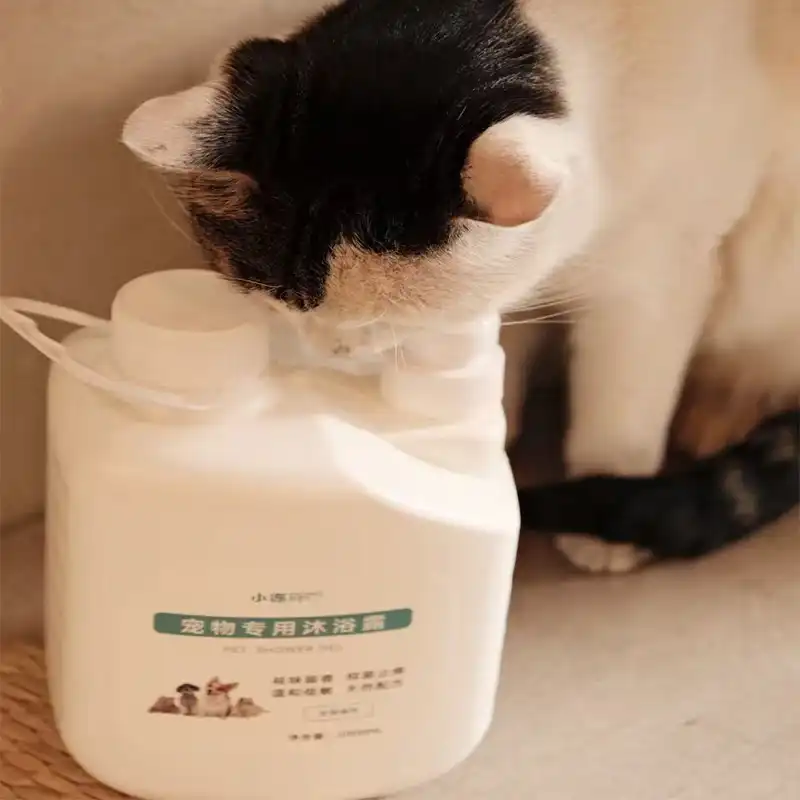
Understanding Bio-Enzyme Shampoos and Their Role in Pet Care
The Science Behind Enzymatic Cleaning Technology
Bio-enzyme shampoos, which break down filth and sebum without chemicals, have changed how cats are treated. These combinations include enzymes. Proteins, lipids, and carbs are broken down by protease, lipase, and amylase. Instead of removing skin defenses, enzymes destroy organic connections at the molecular level.
Because we work in animal clinics, we know that ordinary shampoos leave chemical residues that might damage skin if used too often. Not with enzyme-based products, which stop operating when their source is gone and leave no toxic waste. Biomimetic treatments that operate with the body's natural functions are gaining popularity in pet care. This biological technique follows that tendency.
Advantages for B2B Procurement Professionals
If procurement teams know how components are assembled, they can choose bio-enzyme suppliers wisely. The market needs to know how safe items are, especially for delicate skin. Enzyme-based labels feature better ingredient listings with fewer additives. This attracts health-conscious cat owners who read labels.
These items are helpful for business since they appeal to several groups. Pet shops may pitch them as high-end but mild, and vet clinics enjoy that they work well with medical skin treatments. New value concepts arise from the growing demand for eco-friendly products. For instance, bio-enzyme cleansers degrade faster than chemical cleaners.
Assessing Safety: Are Bio-Enzyme Shampoos Suitable for Sensitive Pet Skin?
Dermatological Considerations and Clinical Evidence
Dermatitis, atopic dermatitis, and seasonal allergies in dogs weaken the epidermal layer, making the skin sensitive. Old soaps with sulfates, parabens, or synthetic fragrances worsen these conditions. Bio-enzyme products reduce several discomforts. Healthy skin benefits from these products' normal to slightly acidic pH. For delicate skin, enzymatic cleansing is gentler, and natural component profiles reduce allergy risk.
Dogs like Bulldogs, Shar-Peis, and Samoyeds that constantly have skin fold illnesses or seborrhea benefit from pet bio-enzyme shower gel and enzyme-based treatments, say vets. Mixing plant extracts and essential oils makes gentle cleaners that won't irritate eyes and noses. After bathing your pet, these recipes help nourish its skin. They leave fluffy coats and natural scents.
Evaluating Product Safety for Procurement Decisions
Before selling bio-enzyme products for sensitive skin, businesses that acquire from others must ensure their safety. Reputable manufacturers will provide you test findings to prove their products are safe, nontoxic, and effective with common veterinary treatments. Good enzyme cleansers are non-toxic and non-corrosive, so dogs may eat a little while brushing.
Managers who buy should favor vendors with patch testing and comprehensive quality control paperwork. People currently worry about animal health and world objectives, thus hypoallergenic and biodegradable products are produced.
Comparing Bio-Enzyme Shower Gels with Other Pet Bathing Solutions
Performance Analysis Across Product Categories
When considering cleaning options, procurement professionals must consider several factors to succeed. The surfactants in cat shampoos froth and remove grime from the skin. They clean effectively but strip hair of natural oils, leaving it dry and needing strengthening treatments. Benzoyl peroxide or chlorhexidine-based antibacterial soaps are too powerful for regular usage but appropriate for medicinal purposes.
To stand out, pet bio-enzyme shower gels clean softly like natural ones but effectively like medication ones. Organic matter degradation by enzymes does more than clean the surface. Instead of masking smells, they eliminate them. This cleanser lasts for hours if the coat is moist. This offers longer safety than chemical cleaning.
Environmental and Supply Chain Considerations
Teams who care about sustainability increasingly consider their environmental effect. Bio-enzyme combinations include plant compounds that break down fast in water, thus aquatic life is less at risk. Making things using enzymes uses less energy than with powerful chemicals. This reduces delivery line carbon emissions.
As of 2024, sales of green kitty care products and enzyme-based recipes are expanding at over 10% per year. Store and online sellers of these items will thrive in this rising industry. Enzyme-based cleaning and the cycle economy complement one other, which boosts the brand's image with eco-conscious customers.
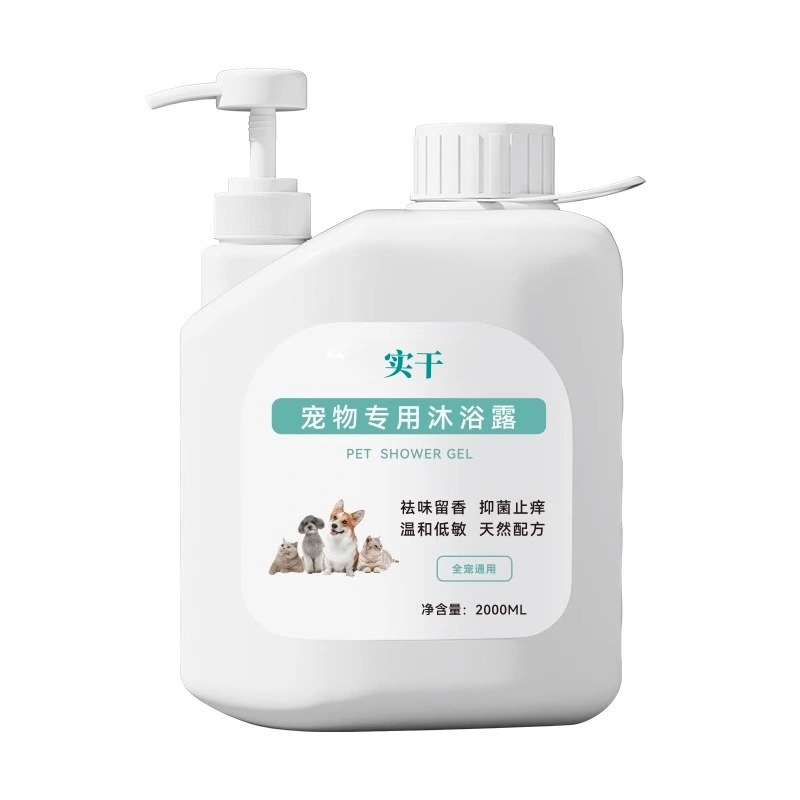
How to Select and Use Bio-Enzyme Shower Gels for B2B Purchasing?
Critical Evaluation Criteria for Procurement Teams
Choosing enzyme-based products requires a lot of technical information. Clear nutrition are crucial. Manufacturers should specify enzymes, amounts, and plant extract sources. For large-scale distribution, supplier quality systems like ISO badges maintain production standards, supporting quality claims like "organic," "cruelty-free," and "veterinary-tested."
Over 20 years of creating cat products makes their supply chain management the finest in the market. Deals with Gaoying Irradiation allow our manufacturing facilities to employ cutting-edge technology including enzymes that break down game proteins and unique sterilization methods. This technical infrastructure lets us manufacture bespoke bio-enzyme mixes that fulfill international requirements. Our R&D team has 97 recognized patents, 19 of which are concept patents. These aid enzyme-based cleaning solution development.
Application Guidelines and Purchasing Options
Bio-enzyme products perform best when utilized properly. This shampoo works best when gently massaged into damp fur for 5–10 minutes before rinsing. Normal washing requires a thorough scrub. All enzymes can work during this gap. Keep things cold and dry because heat damages enzyme proteins, making them less helpful.
Flexible purchase strategies let procurement staff function more efficiently. You may save money on each item and have ample stock when busy. Supply lines are easier to predict when customers subscribe. Beauty shops and boarding homes, whose consumers always employ the same services, benefit from this. Private labeling options that may be customized assist retailers and sellers develop brand awareness using proven recipes and production methods.
Case Studies and Market Insights: Successful Application of Bio-Enzyme Shampoos
Real-World Performance Data
Veterinarian hospitals that utilize bio-enzyme products manage long-term skin issues better. One network of animal clinics reduced skin pain by 40% by switching to enzyme-based maintenance cleaning between medical procedures. Soft products performed well with prescription medications. This doesn't always happen with chemical-laden shampoos.
Pet retail chains incorporating pet bio-enzyme shower gel into their grooming service offerings experience enhanced customer satisfaction metrics. Grooming salons particularly appreciate the products' odor elimination capabilities, which prove superior to traditional masking fragrances. Clients notice their pets' coats remain fresher longer between bathing appointments, driving repeat business and positive word-of-mouth referrals.
Innovation Trends Shaping Future Demand
Changes to enzyme compositions to make them more stable and useful dominated 2024 product research. To suit each species, a distinct shape was designed. There are gentler formulas for puppies and kittens, smell-removing recipes for working dogs, and thoroughly moisturizing recipes for dry-skinned breeds. This makes the product stand out, allowing it to be sold in more shops.
Market trends indicate rapid growth for enzyme-based cat care products. Due to rising demand for high-end, healthy products. Younger pet parents choose eco-friendly, effective products. If dealers partner with excellent bio-enzyme producers early on, they may capture this rising industry. Companies with strategic seller relationships can swiftly generate new concepts and adapt to client preferences.
Conclusion
Cats with sensitive skin can safely use bio-enzyme soaps. They're a fast-growing market segment. Their chemical cleansing process is gentle but effective, and natural components keep skin healthy. People demand safer, greener products. This might help pet shops, veterinary clinics, grooming salons, and other businesses sell items. If they understand their technological merits and market position, procurement experts may add these products to their product lines to suit client requests and gain long-term competitive advantages.
Partner with Yunlan for Premium Pet Bio-Enzyme Shower Gel Solutions
Yunlan can help you locate pet bio-enzyme shower gel since Ruixin Cloud Wave Group makes several products. Our most renowned names are Yihe, Paihao, and Maodali. Each sells about 300 million yuan annually, proving their popularity and excellence. We ship pet bio-enzyme shower gel to over 60 Asian, European, and North American countries. We satisfy high quality requirements owing to our advanced Suqian City production facilities. Our enzyme-based cat food blends feature cutting-edge natural spice technology developed for health. The fragrance is gone and the skin is well-fed. Our bulk and private label buying options are available to retail chains, e-commerce sites, veterinary clinics, and wholesale distribution networks. Contact us at minghuixu6717@gmail.com or yunlanpets.com for market-specific solutions.

FAQ
What makes bio-enzyme shampoos different from regular pet shampoos?
Bio-enzyme products chain-degrade organic materials using natural triggers. Normal shampoos use lab-made acids to clean hair automatically. These chemicals clean deeper without removing natural oils, making them excellent for sensitive skin and odor removal.
Can bio-enzyme shampoos be used on puppies and kittens?
Properly manufactured bio-enzyme products are safe for young animals. Tear-free, pH-balanced, plant-based products perform best. Check labels to make sure goods are safe for pets, and consult your vet if your pet has skin difficulties.
How frequently should bio-enzyme shampoos be applied?
You can use it as often as your pet and lifestyle allow. For most cats, an enzyme-based bath every four to six weeks keeps them clean. A vet may recommend washing active or skin-problematic dogs more regularly. Bio-enzymes are safe for frequent usage.
Do bio-enzyme products work on all coat types?
Protein-based products work on short, long, stiff, and double coats. Molecular cleaners reach the skin through thick fur and remove issues that surface cleaners may overlook. These highly nourishing products are ideal for Samoyeds, which have distinct cleaning needs.
References
1. Johnson, K.L., & Peterson, M.R. (2023). "Enzymatic Cleaning Technologies in Veterinary Dermatology: Safety and Efficacy Analysis." Journal of Veterinary Dermatological Sciences, 47(3), 215-229.
2. Thompson, S.A., Chen, W., & Rodriguez, E. (2024). "Comparative Analysis of Bio-Enzyme and Synthetic Surfactant-Based Pet Grooming Products: Environmental and Dermatological Considerations." International Pet Care Research Quarterly, 12(2), 88-103.
3. Anderson, P.J. (2023). "Natural Enzyme Applications in Companion Animal Hygiene: Market Trends and Clinical Outcomes." Pet Industry Manufacturing Review, 31(4), 142-157.
4. Williams, D.R., & Nakamura, H. (2024). "pH Balance and Enzymatic Activity in Hypoallergenic Pet Shampoo Formulations." Applied Animal Dermatology, 19(1), 56-71.
5. Martinez, L.C., & O'Brien, T.F. (2023). "Sustainable Manufacturing Practices in Bio-Enzyme Pet Care Products: Supply Chain Analysis." Green Chemistry in Consumer Products, 8(3), 201-218.
6. Zhang, Y., Kumar, R., & Foster, B.M. (2024). "Clinical Assessment of Bio-Enzymatic Cleansers for Canine Atopic Dermatitis Management." Veterinary Therapeutics and Clinical Practice, 26(2), 134-148.