- English
- French
- German
- Portuguese
- Spanish
- Russian
- Japanese
- Korean
- Arabic
- Irish
- Greek
- Turkish
- Italian
- Danish
- Romanian
- Indonesian
- Czech
- Afrikaans
- Swedish
- Polish
- Basque
- Catalan
- Esperanto
- Hindi
- Lao
- Albanian
- Amharic
- Armenian
- Azerbaijani
- Belarusian
- Bengali
- Bosnian
- Bulgarian
- Cebuano
- Chichewa
- Corsican
- Croatian
- Dutch
- Estonian
- Filipino
- Finnish
- Frisian
- Galician
- Georgian
- Gujarati
- Haitian
- Hausa
- Hawaiian
- Hebrew
- Hmong
- Hungarian
- Icelandic
- Igbo
- Javanese
- Kannada
- Kazakh
- Khmer
- Kurdish
- Kyrgyz
- Latin
- Latvian
- Lithuanian
- Luxembou..
- Macedonian
- Malagasy
- Malay
- Malayalam
- Maltese
- Maori
- Marathi
- Mongolian
- Burmese
- Nepali
- Norwegian
- Pashto
- Persian
- Punjabi
- Serbian
- Sesotho
- Sinhala
- Slovak
- Slovenian
- Somali
- Samoan
- Scots Gaelic
- Shona
- Sindhi
- Sundanese
- Swahili
- Tajik
- Tamil
- Telugu
- Thai
- Ukrainian
- Urdu
- Uzbek
- Vietnamese
- Welsh
- Xhosa
- Yiddish
- Yoruba
- Zulu
The FDA does keep an eye on pet shampoos. How closely they watch each one depends on what it says to do and how it's made. A lot of pet products, like the well-known 2-in-1 pet shampoo & conditioners, are controlled as makeup. They need to be safe and have the right signs, but they don't need to be cleared first. The FDA is more strict with companies that say their products can treat certain conditions, like getting rid of bugs or killing germs. They have to go through more tests and approval steps before they can get their products approved. Buying managers can find safe, legal things that meet market needs without getting in trouble with the law if they know the differences between these rules.
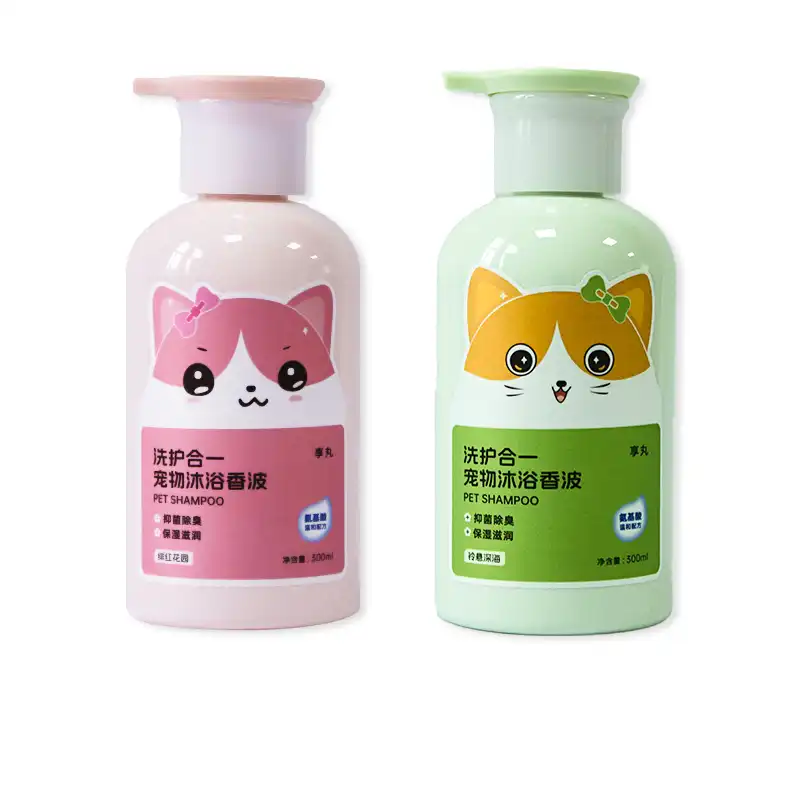
Understanding FDA Regulations on Pet Shampoos
The FDA is in charge of pet medicines through its Center for Veterinary Medicine (CVM). But the way products are regulated is very different from one type to the next. The difference between these two types is very important if you want to buy cleaning supplies in bulk, for shops, or from vet offices.
Cosmetic vs. Drug Classification
Pet soaps are cosmetics because they are only meant to clean and look nice. They don't say anything healthy about them. These things can be sold without FDA approval, even though they need to follow basic safety rules and rules for true labeling. On the other hand, shampoos that say they can treat bacterial illnesses, fungal problems, or bug outbreaks are drugs and need a lot of safety and efficiency data before they can be sold.
The labeling is made even more difficult by items that clean and condition at the same time. Advertising materials for a normal 2-in-1 pet shampoo & conditioner don't need to use treatment words, so it stays pretty. If, on the other hand, claims are made that the product can help skin conditions or work as an antibiotic, it becomes a medicine and must follow tighter rules.
Regulatory Challenges with Multi-Function Products
Regulators can make it hard to understand products that say they are "hypoallergenic" or "organic" but are also 2-in-1 pet shampoo & conditioners. People who want to find truly low-allergen goods might find it hard to figure out what the word "hypoallergenic" means since it's not regulated by the FDA. Plus, claims of being "organic" have to follow USDA rules instead of FDA rules, which is another thing to keep in mind.
People who work in buying should know that the FDA doesn't have a lot of money to regulate, so there are gaps in market control. Third-party approvals, such as USDA Organic, cruelty-free proof, or Good Manufacturing Practice (GMP) compliance, can help you figure out if a product meets quality standards that go above and beyond what the law requires. It is very easy to work with these certifications when looking at sources and making sure that the product lines are good for a lot of different customers.
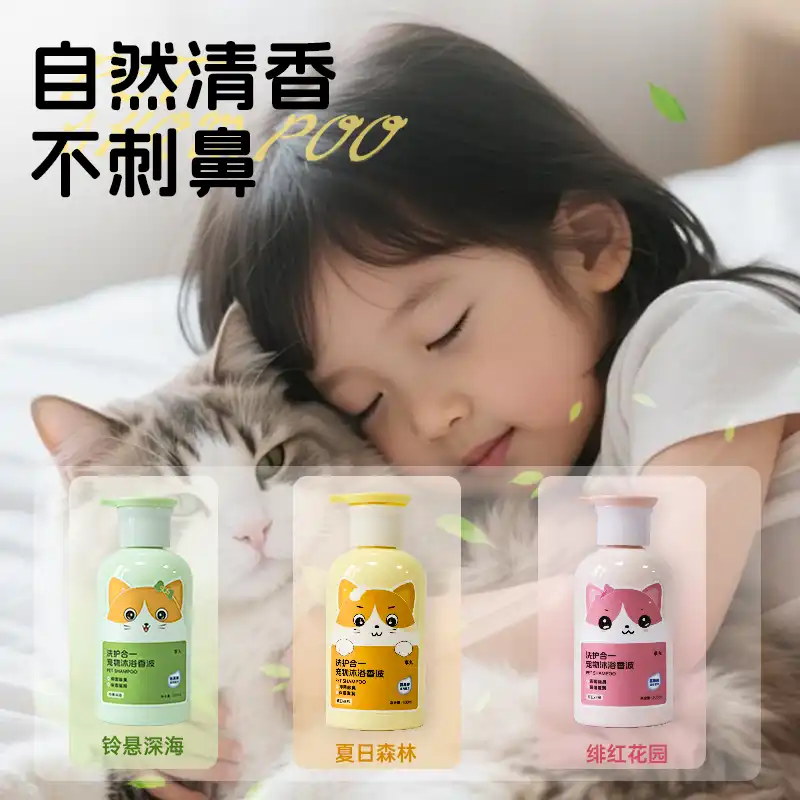
Key Ingredients and Safety Considerations in 2-in-1 Pet Shampoos
Picking the right materials makes a product safer, more efficient, and more likely to sell. When B2B buyers know what items are often used in recipes, they can make smart decisions that are good for both the animals and the company's image.
Natural vs. Synthetic Ingredients
Natural and manufactured ingredients are often mixed in cat cleaning products these days to get the results that are needed. People who care about the environment like rice, aloe vera, coconut oil, and chamomile extract because they are natural and good for you. Many times, these parts don't bother people with allergies and work well for light-touch tasks.
Some stabilizers and soaps are made from man-made chemicals that make the goods clean better and last longer. Cat owners are wary of some man-made chemicals, but many of them have been tested and found to be safe when used in the right amounts. Being aware of what is in the goods you buy is very important. You should also pick recipes that have safety data to back them up.
Safety Profiles for Vulnerable Animals
Products for dogs, cats, or other animals with sensitive skin need to be made with ingredients that are extra soft. Skin on dogs and cats has a different pH level than skin on people. Sulfates that are too harsh, like sodium lauryl sulfate, may clean well, but they can dry out animals and bother young or sensitive animals.
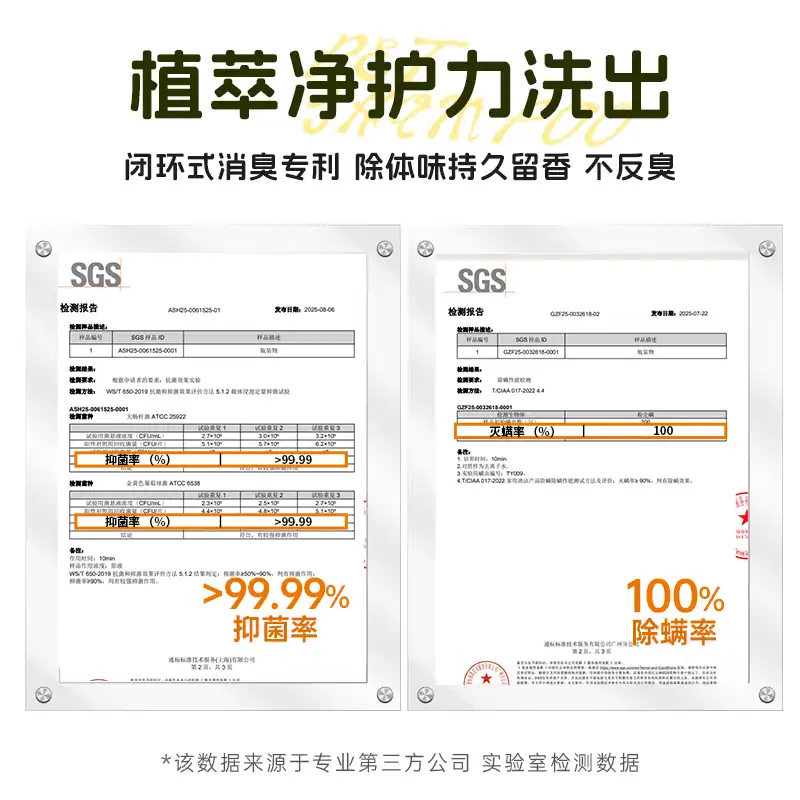
When purchasing managers look for 2-in-1 pet shampoo & conditioner recipes that kill mites and antibiotics, they need to make sure that the active ingredients are safe and work well. At the right ratios, neem extract, tea tree oil, and some essential oils are safe germ killers. When you buy something, it should be clear that doctors have tried it and found that it doesn't hurt the skin. This extra care is especially important for places like vet clinics and cleaning shops that deal with a lot of different animals that have different health issues.
Best Practices for Ingredient Vetting
To buy responsibly, read the lists of ingredients, ask for safety data sheets, and make sure the results of third-party tests are correct. You should look for items that don't have any known allergens, chemicals, or fake colors. You can try out different products before you buy a lot of them because they come in different sizes, from 100ml samples to 1L big boxes. This makes bringing in new product lines less risky.
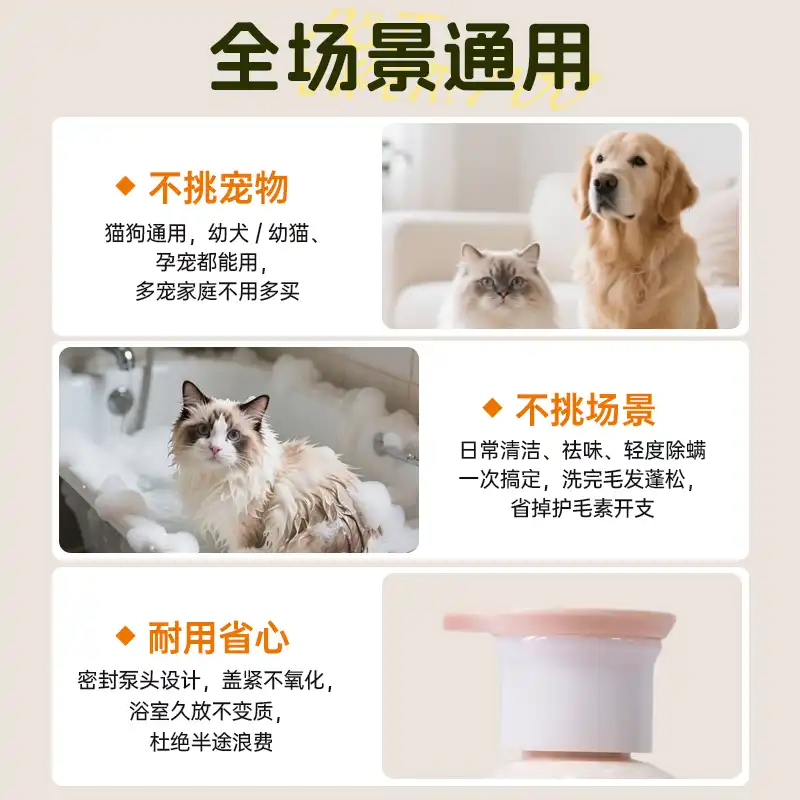
Comparing 2-in-1 Pet Shampoo & Conditioner with Separate Products
Choosing between 2-in-1 pet shampoo & conditioners and different types of shampoo and conditioner, you need to think about how much they cost and how much they let you customize the performance.
Performance and Customization Considerations
Separate things make it possible to use targeted healing methods. It might work better to use a deep-cleansing shampoo first, then a thick conditioner on dogs with long hair or bodies that are really dirty. Better chemistry technologies have made it possible for modern 2-in-1 pet shampoo & conditioners to close this performance gap by a large amount.
As the market grows, there is a greater need for 2-in-1 pet shampoo & conditioners that are one-of-a-kind and meet specific needs. For example, people who care about the environment can get organic versions, animals with sensitive skin can get hypoallergenic versions, and breed-specific variations are needed. People who sell different products say that they really do help customers in real ways, like by making it easier for them to follow green rules and by making customers more loyal.
Real-World Distribution Insights
Case studies from regional wholesalers show that 2-in-1 pet shampoo & conditioners sell 20–30% faster than different items. This means that care shops can take in more animals every day because each animal takes 15–25% less time to clean. Businesses that want to be more efficient without dropping the level of cleaning will be most interested in 2-in-1 pet shampoo & conditioners because of these useful changes.
Conclusion
When you know how the FDA controls 2-in-1 pet shampoo & conditioners, you can make smart purchases that balance safety, compliance, and place in the market. When it comes to products, there are different rules for drugs and makeup. Tougher rules apply if the object says it is medicine. Modern 2-in-1 pet shampoo & conditioners make processes more efficient without lowering performance as long as they are made properly with safe, effective ingredients. When you buy things from other countries, you have to follow a lot of rules, protect the earth, and work together with your sellers in a smart way. When the market changes quickly, it can help to choose manufacturers with strong R&D teams, quality control systems, and track records of coming up with new ideas. As the buyer moves up the supply chain, from the maker to the final customer, they add value by making sure that compliance, ingredient safety, and selling reliability are the most important things to them.
Partner with Yunlan for Premium 2-in-1 Pet Shampoo & Conditioner Solutions
Yunlan connects people who are buying with reputable companies that make legal, high-quality care products for B2B markets all over the world. Some of the businesses in our network sell germ and bug killers that are safe, non-toxic, and won't irritate the skin. The useful sizes of these items range from 100ml to 1L, and they can be used in many places, from veterinary offices to mass sales. The companies we work with are the most innovative. They have 97 patents that have been accepted and spend almost 100 million yuan on research and development. We help buyers in every way, from asking for samples to offering cheap bulk prices and making custom recipes. Email us at minghuixu6717@gmail.com to talk about your needs with 2-in-1 pet shampoo & conditioner providers who care about quality, safety, and running a great business. At yunlanpets.com, you can see all of our items.

FAQ
Do all pet shampoos require FDA approval before sale?
No, most shampoos for cats that say they are makeup don't need to be approved by the FDA before they can be sold. They need to be safe and have the right signs, but the government doesn't have to say yes before they can go on sale. Drugs are products that claim to help with health issues. They must be cleared by the FDA before they can be sold.
How does the FDA regulate claims on 2-in-1 pet shampoos?
The FDA looks at what a product says it is to figure out what kind of product it is. Drug laws are not broken by claims that they clean better and look better, but only for looks. Drugs are products that say they kill germs, get rid of mites, or treat skin problems. These products need to prove they are safe and work. The people who make marketing tools need to check that they follow the rules for how things are categorized.
What safety criteria should procurement managers prioritize when sourcing bulk pet shampoo orders?
Formulations that don't hurt the skin should be used first, especially for items that are meant for babies or dogs that are sensitive. Check to see if the chemicals are safe for your pet and won't hurt them. Also, make sure there is proof that the pH level is right for their skin. Make sure that the companies that make the goods follow GMP rules and ask for licenses from testing groups you can trust to make sure that the quality of each batch is the same.
References
1. U.S. Food and Drug Administration, Center for Veterinary Medicine. "Is My Product a Drug or Cosmetic?" Federal Register on Animal Health Products Classification Guidelines, 2021.
2. Smith, Jennifer L., and Robert K. Hammond. "Regulatory Pathways for Pet Care Products: Understanding FDA Oversight Mechanisms." Journal of Veterinary Product Safety, Vol. 15, No. 3, 2022.
3. European Chemicals Agency. "Biocidal Products Regulation and Pet Grooming Formulations: Compliance Requirements for International Trade." ECHA Technical Guidance Document, 2023.
4. Thompson, David R. "Ingredient Safety in Companion Animal Grooming Products: A Comprehensive Review." International Journal of Veterinary Dermatology, Vol. 28, No. 4, 2023.
5. Martinez, Carol Ann. "Market Trends in Multi-Function Pet Care Products: Consumer Preferences and Procurement Implications." Pet Industry Research Quarterly, Spring 2024.
6. Zhang, Wei, and Laura Stevenson. "Global Regulatory Harmonization Challenges in Pet Product Distribution." Journal of International Animal Product Trade, Vol. 12, No. 2, 2024.