- English
- French
- German
- Portuguese
- Spanish
- Russian
- Japanese
- Korean
- Arabic
- Irish
- Greek
- Turkish
- Italian
- Danish
- Romanian
- Indonesian
- Czech
- Afrikaans
- Swedish
- Polish
- Basque
- Catalan
- Esperanto
- Hindi
- Lao
- Albanian
- Amharic
- Armenian
- Azerbaijani
- Belarusian
- Bengali
- Bosnian
- Bulgarian
- Cebuano
- Chichewa
- Corsican
- Croatian
- Dutch
- Estonian
- Filipino
- Finnish
- Frisian
- Galician
- Georgian
- Gujarati
- Haitian
- Hausa
- Hawaiian
- Hebrew
- Hmong
- Hungarian
- Icelandic
- Igbo
- Javanese
- Kannada
- Kazakh
- Khmer
- Kurdish
- Kyrgyz
- Latin
- Latvian
- Lithuanian
- Luxembou..
- Macedonian
- Malagasy
- Malay
- Malayalam
- Maltese
- Maori
- Marathi
- Mongolian
- Burmese
- Nepali
- Norwegian
- Pashto
- Persian
- Punjabi
- Serbian
- Sesotho
- Sinhala
- Slovak
- Slovenian
- Somali
- Samoan
- Scots Gaelic
- Shona
- Sindhi
- Sundanese
- Swahili
- Tajik
- Tamil
- Telugu
- Thai
- Ukrainian
- Urdu
- Uzbek
- Vietnamese
- Welsh
- Xhosa
- Yiddish
- Yoruba
- Zulu
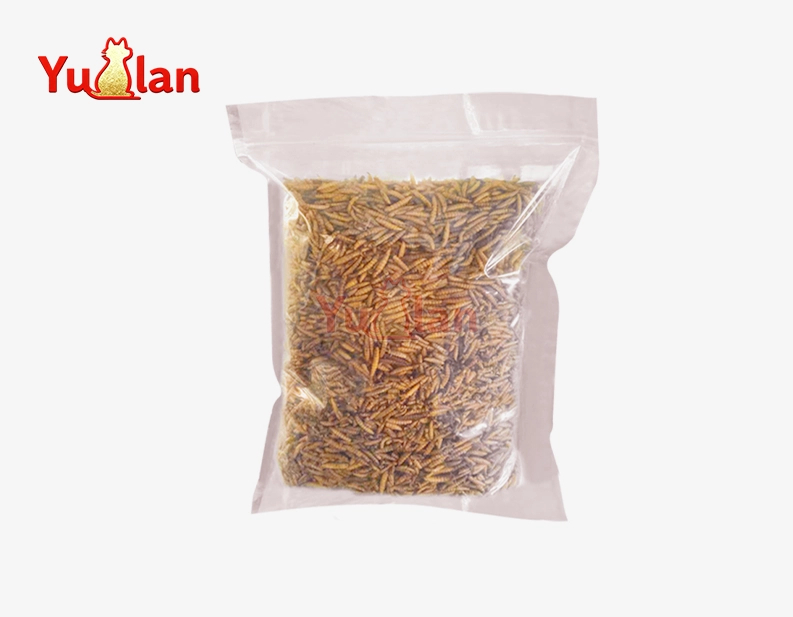
As the world's need for different proteins and environmentally friendly feed ingredients continues to rise, insect-based proteins have gone from being a niche interest to a common way to buy food. The black soldier fly larvae are a big step forward in this area because they are active protein sources that are both very healthy and good for the environment. These larvae naturally turn organic matter into nutrient-dense biomass. When fully grown, the dried forms have between 40 and 45 percent crude protein and 23 to 36 percent crude fat. Traditional feed materials just can't compare to the active protein from these insects. It has better bioavailability, balanced amino acid profiles, and useful molecules like lauric acid and antimicrobial peptides. As the price of fishmeal goes up and pressure to use circular economy methods grows, buying pros need to know the real benefits of this amazing protein source to stay ahead of the competition and keep their businesses running.
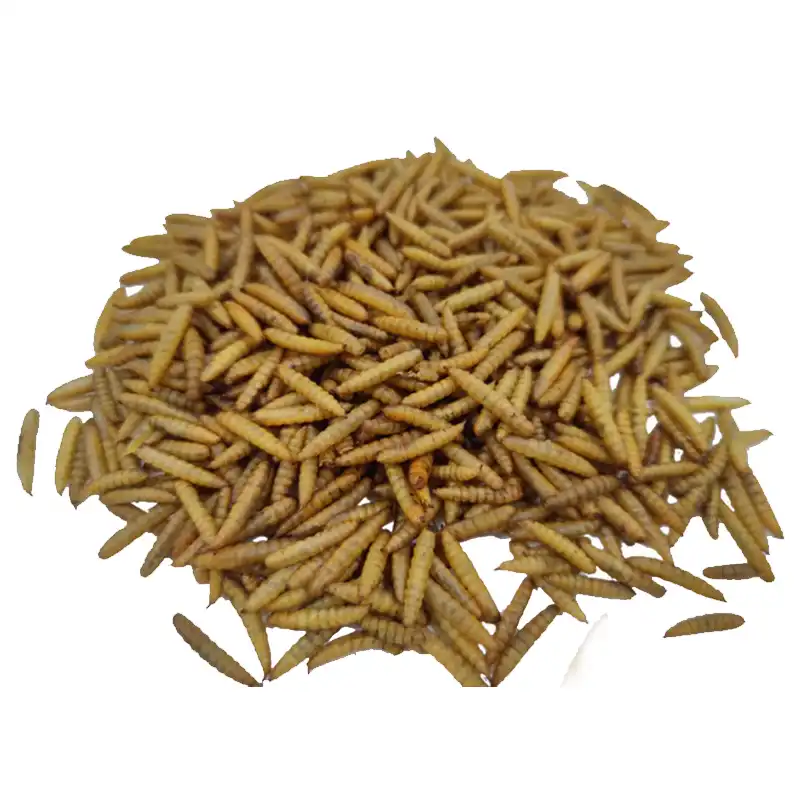
Active Protein in Black Soldier Fly Larvae
The Biological Foundation of Protein Quality
The black soldier fly larvae's life cycle has a direct effect on the protein they make. These insects go through four stages: egg, larva, pupa, and adult. The best time to harvest them for food production is when they are larvae. During this time of rapid growth, black soldier fly larvae eat a wide range of organic matter and use nutrients efficiently to make high-quality biomass. "Active protein" doesn't just mean the amount of protein; it also means that the protein is bioavailable and has functional qualities that make it usable right away in animal metabolism.
Forty to fifty percent of the dry weight of mature, dried larvae is made up of crude protein. What makes this protein different is how easily it can be digested and what amino acids are in it. The larvae's digestive system works very well to turn complicated organic materials into protein structures that are easy for the body to receive. This process makes protein molecules that animals can use with little metabolic energy use. This means that they have better feed conversion rates than plant-based options.
Amino Acid Profile and Bioavailability
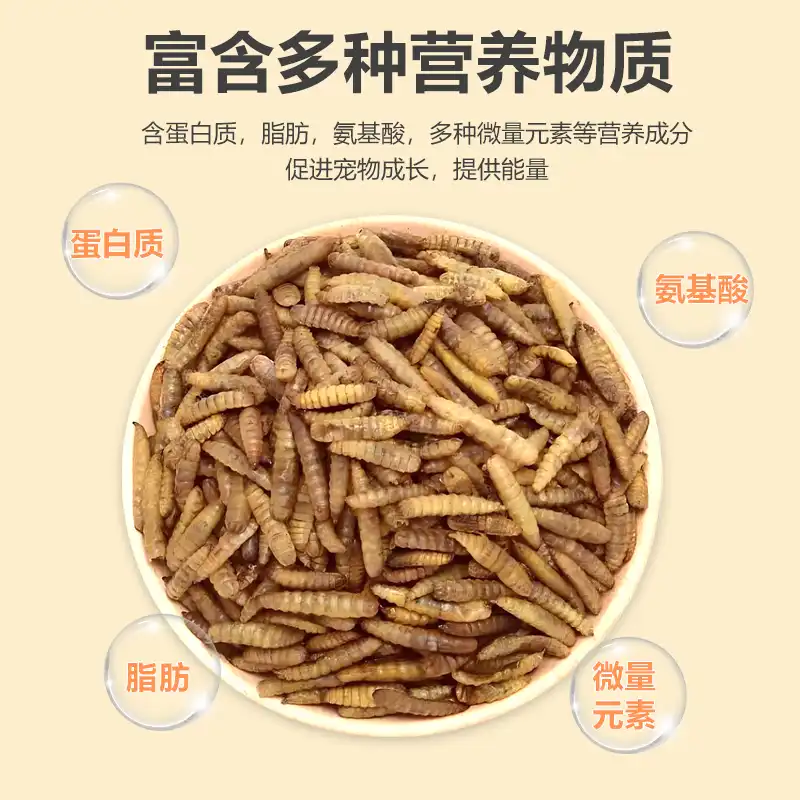
The mix of amino acids in black soldier fly larvae protein is very similar to what animals and fish that only eat one food need. When larvae are raised on uniform organic substrates, they always produce the right amounts of important amino acids. It has 19.9–20.3 g/kg of arginine, which helps the defense system work and helps the body grow. Lysine levels range from 22.6-25.7 g/kg, which is higher than amounts found in most plant proteins and the same quality as fishmeal. Tryptophan ranges from 5.4 to 6.7 g/kg, while methionine ranges from 7.1 to 8.7 g/kg. Methionine is often the limited amino acid in different proteins.
These measures don't tell the whole story. Real-world nutritional worth is based on bioavailability, which is the amount of nutrients that an animal actually absorbs and uses. The protein from these larvae is absorbed at rates that are similar to fishmeal and higher than soy-based options in studies that involve chickens, aquaculture, and pets. The structure of the protein needs less work from enzymes in the digestive system. This lowers metabolic stress and lets animals use more energy for things like growth, breeding, or breastfeeding.
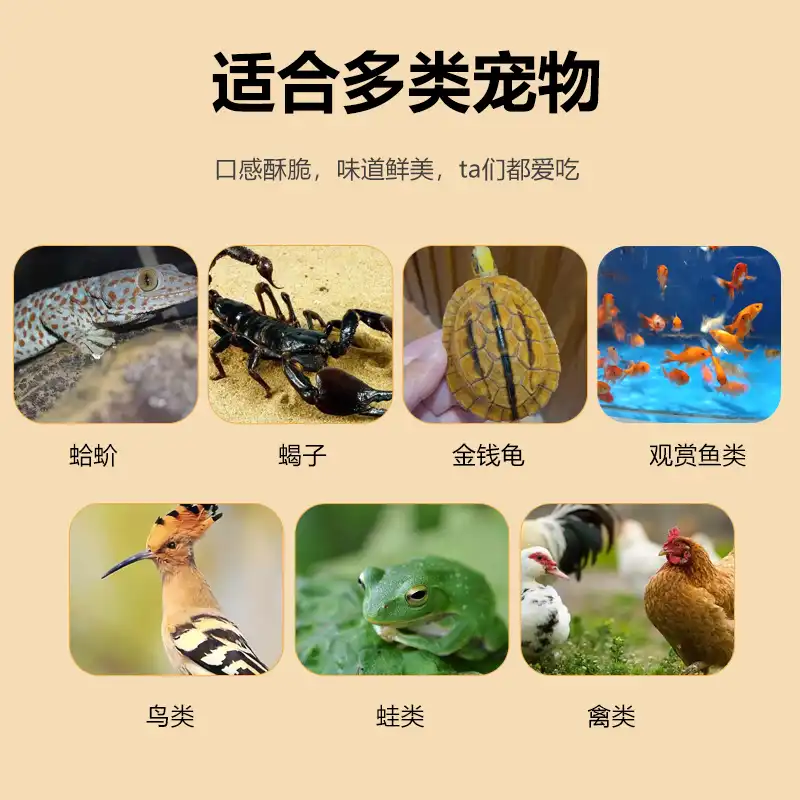
Core Benefits of Active Protein from Black Soldier Fly Larvae for B2B Clients
Sustainability and Circular Economy Integration
The traditional way of making protein is very bad for the earth. The process of getting fishmeal hurts marine ecosystems. Deforestation is caused by soybean farming, which needs a lot of water, fertilizer, and pesticides. black soldier fly larvae farming turns this model on its head by eating biological waste streams that would otherwise release methane into the air in dumps or need a lot of energy to be processed.
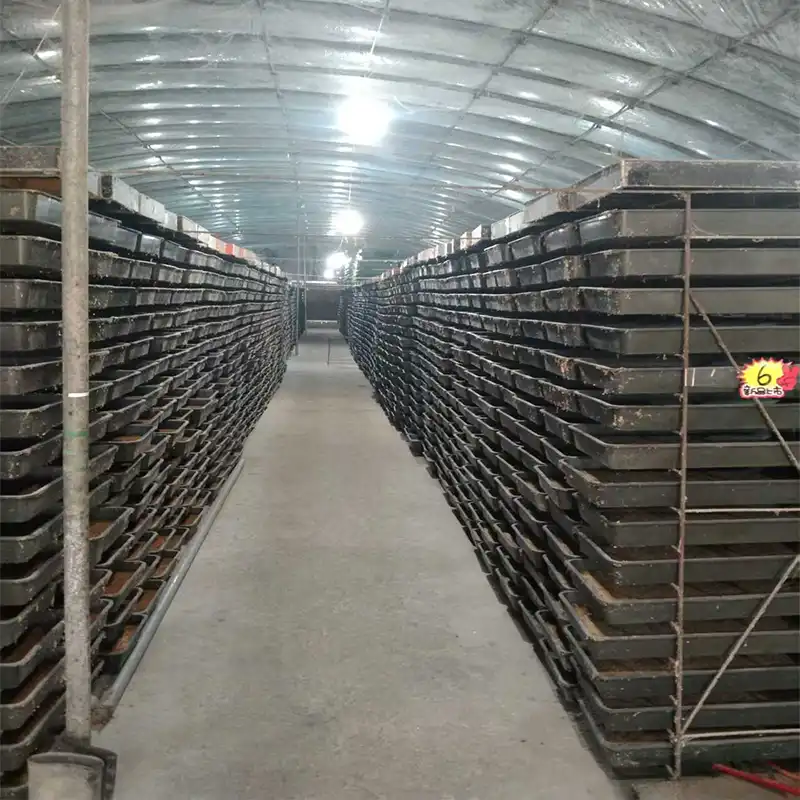
Larvae turn food waste, farm waste, and organic residues into useful protein quickly and efficiently, ending nutrient loops in local food systems. From 10 to 14 days, an industrial operation can turn one ton of organic garbage into about 200 kg of dried larvae. This fast bioconversion lowers the cost of managing garbage and makes high-quality feed ingredients at the same time. The leftover frass can be used as a biological fertilizer because it is high in nitrogen, phosphorus, and good bacteria, which brings in extra money.
Studies that look at carbon footprints regularly show that producing protein from insects releases 50–80% less greenhouse gases than producing protein from animals. When compared to cow or pig farming, the amount of water used drops by 70 to 90%. It becomes much more efficient to use land when you grow insects instead of soybeans. Insect farming produces 10–20 times more protein per acre. These metrics directly address the need for companies to report on their sustainability and the standards of customers for items that are good for the environment.
Feed Performance and Animal Health Outcomes
The nutritional content only counts if it leads to measurable improvements in animal behavior. A lot of application study with many species has shown that black soldier fly larvae protein really does improve health and productivity. These results give you the proof you need to charge more and keep customers coming back.
There are no negative effects on weight gain, feed conversion ratios, or meat quality in broiler chickens that are fed meals with 33.3% larvae instead of fishmeal. Compared to regular meals, immune signs get better and deaths from Salmonella infections go down. When 5% larval powder is given to laying hens, their daily egg production goes up from 54.45% to 58.77%, and neither the egg weight nor its ability to hatch changes. Studies on quails show that when 50–100% larval powder is used instead of meat and bone meal, the laying rate goes up by 5.82–6.13%.
Applications in aquaculture look just as good. Rainbow trout, catfish, salmon, and tilapia that eat food with up to 8% larvae powder keep their normal growth rates, feed efficiency, and mortality rates. Many studies show lower death rates and better resistance to disease. The lauric acid level seems to be especially good for fish health, as it helps the immune system work and keeps the gut healthy. Shrimp farmers find that larval meal is a great alternative to fishmeal for Litopenaeus vannamei fish. It keeps the fish's growth rate high while lowering its reliance on sea protein sources.
Pet food applications have gained a lot of market support. Studies on digestion show that cats and dogs easily absorb nutrients from foods that contain black soldier fly larvae protein. Because they are safe, these proteins are good for animals that are allergic to popular foods like chicken or beef. Natural antibacterial peptides in the larvae help keep the immune system healthy, and the chitin content helps keep the gut system healthy. Because of these functional benefits, cat food companies can market their goods as high-end health options instead of just protein substitutes.
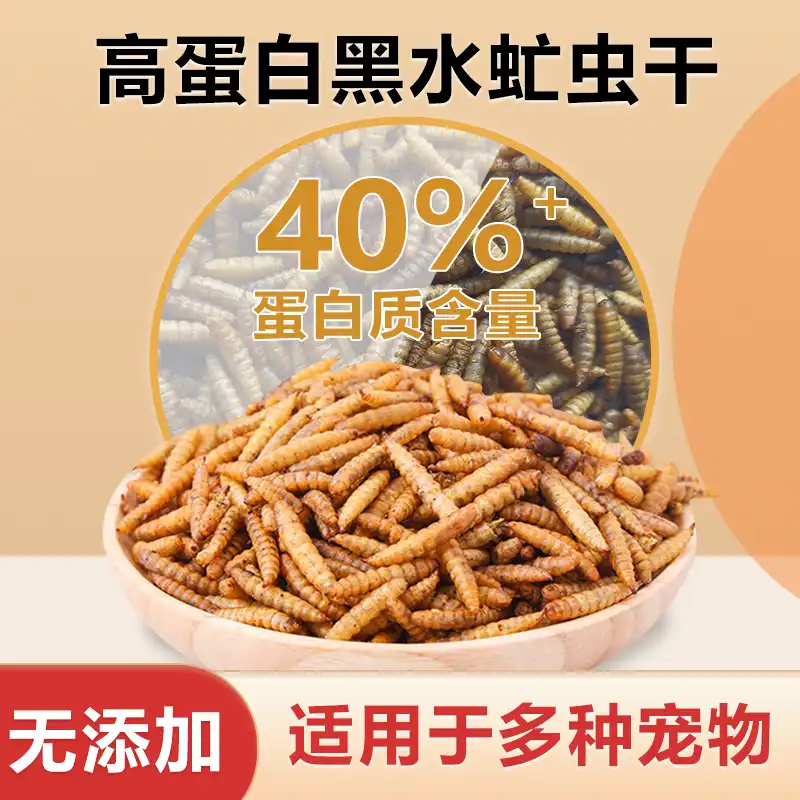
Integrating Black Soldier Fly Larvae Protein into Your Supply Chain
Procurement Strategy and Supplier Partnerships
Pilot programs trying black soldier fly larvae protein in limited product lines are often the first step in a new policy's application. This method lowers the risk to the company's finances while also collecting performance data that can be used to aid wider adoption. Work with suppliers who are ready to help with these trials by giving you expert advice, samples, and a minimum order quantity that you can change.
Long-term supply deals keep prices stable and make sure that capacity is distributed as the demand for black soldier fly larvae protein grows across the industry. Suppliers like multi-year contracts because they make it easier for them to predict their income. In exchange for volume promises, they often lower their prices. Include clauses that protect both parties, such as quality standards, delivery dates, and "force majeure" situations.
Working together to make a product builds ties with suppliers and makes products stand out. Talk to your providers about how to get the best protein requirements for your needs, whether it's extruded pet food kibble, aquaculture pellets, or crumbled chicken feed. Technically-savvy suppliers can help you find the best particle sizes, fat levels, and processing methods for your production systems.
Quality Assurance and Testing Protocols
Making new inspection processes makes sure that the quality of the product stays the same. Check each package for the amount of protein, wetness, and particle size distribution. Testing for microbial quality, amino acid profiles, and fatty acid makeup on a regular basis gives you a better idea of the quality. Many sellers include certificates of analysis with every order, but it's always a good idea to get them checked by a third party, like an approved lab.
Managing shelf life keeps quality from going down while it's being stored. There is a lot of fat in black soldier fly larvae protein that can turn rancid after being stored for a long time, especially in warm or wet circumstances. Use first-in, first-out inventory movement and keep an eye on storage conditions to make sure products stay fresh. Some buyers ask for nitrogen flushing or vacuum packing to make goods they already own last longer on the shelf.
Internal tracking must be part of traceability tools as well as paperwork from suppliers. Give arriving shipments lot codes and keep track of how these numbers are linked to finished goods. This makes it easy to find quickly the products that are affected if there are quality problems. This limits the number of products that might need to be recalled and protects the brand's image.
Conclusion
The active protein from black soldier fly larvae is more than just a different ingredient; it's a big step toward more sustainable and circular ways of feeding animals. The data shows that it has clear nutritional benefits that are on par with or better than traditional protein sources. It also has clear environmental benefits that meet important sustainability imperatives. Economic research shows that original price increases go down when better feed efficiency, better animal health, and lower supply chain risk are taken into account.
When procurement workers use insect protein, their companies are at the forefront of changes in their industries. Antimicrobial peptides, prebiotic chitin, and immune-supporting fatty acids are some of the useful qualities that make a product stand out in a crowded market. Customers want more information about where ingredients come from and how they affect the environment. This opens up market possibilities for brands that use new, sustainable proteins.
To integrate things well, you need to carefully choose your suppliers, make sure the quality is high, and make sure you follow all the rules. But businesses that can get past these execution problems gain competitive benefits in the form of stable costs, secure supplies, and environmental credentials that traditional ingredients can't offer. The world insect protein business is still growing very quickly, and both production capability and technical know-how are steadily getting better. Early adopters get supplier relationships, market positioning, and managerial skills that make it harder for competitors to get in.
FAQs
What makes black soldier fly larvae protein superior to other insect proteins?
The black soldier fly larvae are very good at turning organic garbage into high-quality protein in 10–14 days, which is a lot faster than rivals like mealworms, which need 10–12 weeks. Having 40 to 60 percent of your body's fat made up of lauric acid gives it antimicrobial qualities that other insect proteins don't have. Because these insects are tough, they can survive on a wide range of organic materials without strict weather controls. This lowers production costs and makes the supply more reliable. Their calcium-rich shell gives them minerals that many recipes don't need extra supplements for.
How can buyers ensure consistent quality in bulk shipments?
In buy deals, make sure there are clear rules about the amount of protein, moisture, particle size, and microbiological limits for black soldier fly larvae. For each package, make sure you get a proof of analysis from an approved lab that verifies the amino acid profiles and contaminant tests results. Do independent testing on a regular basis at third-party sites to make sure what the provider says is true. Do supplier checks that look at the factories, quality control methods, and tools for tracking products. Keep lines of communication open and deal with quality issues right away. Make sure that your contracts include ways to fix products that don't meet requirements.
What certifications should procurement managers require from suppliers?
Give more weight to providers who have ISO 22000 certification for food safety management and HACCP application for black soldier fly larvae. Check that the planned animal species uses have been approved by AAFCO in North America or that they are in line with EU regulations for markets in Europe. Organic approval is important for high-end products, but they are still hard to find. As industry standards change, third-party certificates of sustainability will become more important. Ask for written records of the processes for checking for microbes, heavy metals, and mycotoxins. When choosing a seller, give preference to those that offer full traceability through digital platforms. This shows that they have advanced supply chain management skills.
Partner with Yunlan for Premium Black Soldier Fly Larvae Supply
As part of the Ruixin Cloud Wave Group, Yunlan adds more than 20 years of experience in sustainable pet feeding to the market for black soldier fly larvae protein, which is growing quickly. We can do all aspects of production, from finding ingredients to making the finished product, and we make sure that quality is checked at every step. Our black soldier fly larvae goods go through strict testing procedures and can be fully tracked. This meets the international certification standards that our demanding B2B customers demand.
Because of the way our supply chain works, we are a reliable black soldier fly larvae producer that can meet your needs for large purchases. Our facilities are in the Suyu District of Suqian City, which is close to good sources of raw materials and has modern transportation infrastructure thanks to agreements with JD transportation Park. This strategic positioning ensures consistent delivery schedules and competitive pricing for wholesale volumes. We offer flexible specifications tailored to diverse applications across pet food, aquaculture, and livestock nutrition.
Working with Yunlan means accessing more than quality ingredients—you gain a strategic partner committed to your success. Our technical team provides formulation support, helping you optimize protein integration in your specific applications. We understand the procurement challenges you face and structure our supply agreements to provide price stability and volume assurance. Whether you're a pet food manufacturer exploring novel protein sources, a distributor expanding your ingredient portfolio, or a veterinary nutritionist seeking functional health ingredients, we deliver solutions aligned with your objectives.
Discover how Yunlan's certified black soldier fly larvae products can enhance your supply chain sustainability while improving animal nutrition outcomes. Contact our B2B team at minghuixu6717@gmail.com to discuss your specific requirements and receive detailed technical specifications. Visit yunlanpets.com to explore our complete ingredient portfolio and request samples for evaluation. Let us demonstrate how our commitment to quality and innovation can support your growth in the evolving animal nutrition landscape.
References
- Makkar, H.P.S., Tran, G., Heuzé, V., & Ankers, P. (2014). State-of-the-art on use of insects as animal feed. Animal Feed Science and Technology, 197, 1-33.
- Wang, Y.S. & Shelomi, M. (2017). Review of black soldier fly (Hermetia illucens) as animal feed and human food. Foods, 6(10), 91.
- Barragan-Fonseca, K.B., Dicke, M., & van Loon, J.J.A. (2017). Nutritional value of the black soldier fly (Hermetia illucens L.) and its suitability as animal feed – a review. Journal of Insects as Food and Feed, 3(2), 105-120.
- Oonincx, D.G.A.B. & de Boer, I.J.M. (2012). Environmental impact of the production of mealworms as a protein source for humans – a life cycle assessment. PLoS ONE, 7(12), e51145.
- Henry, M., Gasco, L., Piccolo, G., & Fountoulaki, E. (2015). Review on the use of insects in the diet of farmed fish: Past and future. Animal Feed Science and Technology, 203, 1-22.
- Józefiak, A., Nogales-Mérida, S., Mikołajczak, Z., Rawski, M., Kierończyk, B., & Mazurkiewicz, J. (2019). The utilization of full-fat insect meal in rainbow trout (Oncorhynchus mykiss) nutrition: The effects on growth performance, intestinal microbiota and gastrointestinal tract histomorphology. Annals of Animal Science, 19(3), 747-765.