- English
- French
- German
- Portuguese
- Spanish
- Russian
- Japanese
- Korean
- Arabic
- Irish
- Greek
- Turkish
- Italian
- Danish
- Romanian
- Indonesian
- Czech
- Afrikaans
- Swedish
- Polish
- Basque
- Catalan
- Esperanto
- Hindi
- Lao
- Albanian
- Amharic
- Armenian
- Azerbaijani
- Belarusian
- Bengali
- Bosnian
- Bulgarian
- Cebuano
- Chichewa
- Corsican
- Croatian
- Dutch
- Estonian
- Filipino
- Finnish
- Frisian
- Galician
- Georgian
- Gujarati
- Haitian
- Hausa
- Hawaiian
- Hebrew
- Hmong
- Hungarian
- Icelandic
- Igbo
- Javanese
- Kannada
- Kazakh
- Khmer
- Kurdish
- Kyrgyz
- Latin
- Latvian
- Lithuanian
- Luxembou..
- Macedonian
- Malagasy
- Malay
- Malayalam
- Maltese
- Maori
- Marathi
- Mongolian
- Burmese
- Nepali
- Norwegian
- Pashto
- Persian
- Punjabi
- Serbian
- Sesotho
- Sinhala
- Slovak
- Slovenian
- Somali
- Samoan
- Scots Gaelic
- Shona
- Sindhi
- Sundanese
- Swahili
- Tajik
- Tamil
- Telugu
- Thai
- Ukrainian
- Urdu
- Uzbek
- Vietnamese
- Welsh
- Xhosa
- Yiddish
- Yoruba
- Zulu
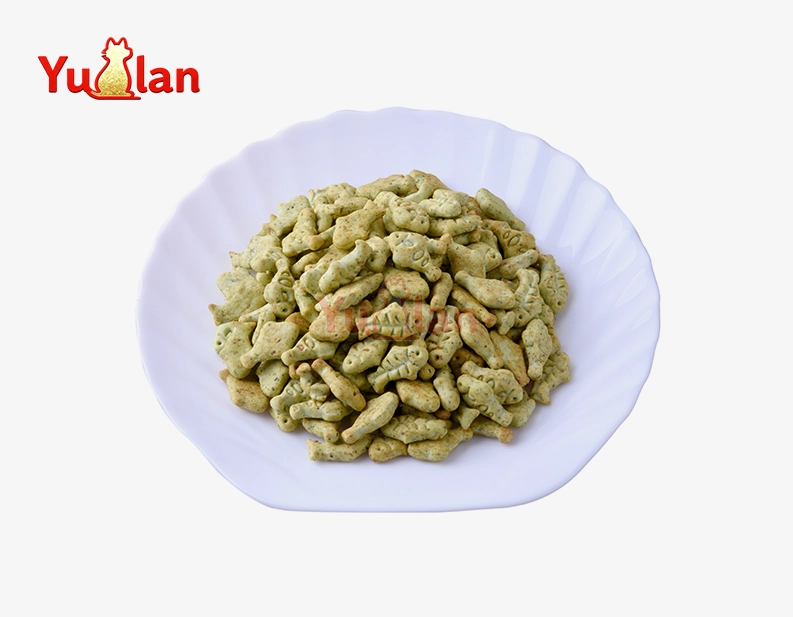
Chicken cod flavor nibbles are good for your pet's health and mood. These foods are packed in protein and are beneficial for your coat, brain, and digestion. They combine the lean muscle-building properties of chicken with the omega-3 fatty acids found in cod. The dual-protein blend satisfies your natural need to eat meat while also delivering you the amino acids you need to boost your energy and immune system. Pet owners say that their pets are less stressed and more open to training when they add these delightful treats to their daily routines.

Understanding Key Nutritional Parameters of Premium Pet Treats
Some crucial nutritional parameters need to be taken into account for modern pet nutrition to work. Good treats should have 25–40% protein and less than 12% moisture so that they stay fresh on the shelf. When comparing chicken and fish combos, the amino acid profile is highly important.
Chicken is a full protein since it has all the amino acids your body needs. This helps cells recover and muscles get bigger. Cod is a good source of ocean proteins and has a lot less mercury than bigger fish. The amount of omega-3 to omega-6 in cod treats should stay around 1:4. This will help your pet's body fight off inflammation.
It's easier to keep track of how much food you give your dog during training when the formulae have a calorie density of 3,500 to 4,200 kcal/kg. If the digestibility coefficient is more than 85%, it means that the nutrients are being absorbed better. If the palatability score is over 90%, it means that all kinds of pets will enjoy it.
Core Health and Behavioral Benefits
Enhanced Cognitive Function and Learning Capacity
Cod provides omega-3 fatty acids that are important for the brain's health and growth, especially in chicken cod flavor formulations. The amount of DHA (docosahexaenoic acid) in marine-based proteins has a direct effect on cerebral plasticity, which helps you recall what you learnt in training. Pet behaviorists have found that animals that obtain chicken cod flavor omega-3 supplements as rewards on a regular basis are less hyperactive and more attentive.
Researchers say that pets that eat fish-based proteins are better at figuring things out and following orders fast. Chicken protein is easy to digest, and cod is beneficial for the brain. Together, they make a terrific base for programs that help people modify their behavior.
Superior Digestive Health and Nutrient Absorption
Most of the time, healthy pets can stomach 90–95% of chicken protein, which is easy to digest. The amino acid composition is just right for dogs and cats, which helps them digest food and acquire the maximum nutrients. Cod's natural enzymes help break down protein even more, which is good for your intestinal health.
Chicken and cod are both hypoallergenic, so pets with food allergies or sensitive stomachs can consume these treats. A lot of animals that have trouble with beef or lamb proteins do better when they eat a mix of chicken and fish. Their poop is better, and their tummies feel better.

Coat Health and Skin Condition Improvements
Cod-based treats contain omega-3 fatty acids that directly affect the health of the coat and the growth of skin cells. Eicosapentaenoic acid (EPA) decreases the inflammatory responses that make skin allergies and discomfort worse. Pet owners often notice that their pets' coats shine more and shed less after giving them vitamins every day for four to six weeks.
Chicken has amino acids that contain sulfur, which is needed to form keratin, the main protein in hair and nails. This mix makes the structure better and adds the healthy oils that coats need to look shiny and strong.
Yunlan's Premium Formulation Compared to Standard Market Options
A lot of businesses provide simple chicken or fish treats, but Yunlan's special method combines these proteins utilizing advanced processing processes that retain their nutritional content. Our special meat protein enzymolysis method breaks proteins down into the best particle sizes, which makes them easier to digest than traditional grinding methods.
Some standard market treats include rendered meals or by-products, which makes the chicken cod flavor protein taste bad and lowers its quality. Yunlan gets high-quality poultry products from trusted partners including Yike Foods and CP Foods. This guarantees that the ingredients are always of the same high quality, something smaller businesses can't achieve.
We only sell cod that is caught in a responsible way, has low levels of mercury, and is prepared in the best possible way. Gaoying Irradiation sterilizing kills harmful bacteria without harming nutrients, which is what ordinary heat processing does.
Many other businesses use synthetic flavors to make fish or chicken taste like fish or chicken. Yunlan's natural seasoning system, which took a lot of time and money to create, gives you true flavor experiences without utilizing fake additives that could irritate your stomach.

Optimal Usage Strategies for Maximum Benefits
Training and Behavioral Modification Applications
Cut snacks into small pieces that are about the size of a pea so that training can continue without offering too much food. Mixing delicious chicken and seafood flavors is a great way to inspire people to behave better or learn new rules. Give the dog a treat every 15 to 30 seconds during tough training sessions to keep them interested without making them depend on food.
Don't offer your dog these treats every day. Only give them to them as rewards for excellent behavior. This keeps them special and makes training go more smoothly. Store products that aren't sealed in containers that don't let air in to maintain the smell and freshness strong.
Daily Supplementation Guidelines
Most adult dogs should get 2 to 3 treats for every 10 pounds of body weight. For every five pounds of weight your adult cat has, you should give them one to two treats. Depending on how active your pet is and how many calories they need in general, you should change the amount of food they get. You don't have to worry about your pet getting fat if they are active and receive adequate exercise. You can offer them a few extra goodies.
Put treats in puzzle toys or slow-feeding devices to make them more fun and good for your health at the same time. This method satisfies natural foraging tendencies and keeps the fun going longer.
Health Monitoring and Adjustment Protocols
Watch how your pet performs throughout the first several days of the chicken cod flavor introduction phase to observe if their allergies or digestion alter. In three to five days, most pets become acclimated to new protein sources, and their energy and coat condition improve in two weeks.
Keep an eye on how your behavior and physical health change to identify the appropriate dosing plan. Some pets do better with morning supplements, while others do better with midnight treats that help them calm down.
Important Safety Considerations and Best Practices
Add new treats cautiously, and only replace 25% of the sweets you already have within the first week. This way, your pet's stomach won't get upset, and their body will have time to grow adjusted to new protein sources. Eating more protein may make you thirstier for a short time, so be careful about how much water you drink.
Put snacks in a cool, dry spot that doesn't get direct sunlight. Look at the expiration dates often and get rid of any items that smell bad or show signs of water damage. Proper storage retains the food's nutrients and stops germs from forming that could injure your pet.
If your pet has a known food allergy or a long-term health concern, talk to a vet before giving them treats. Chicken and cod are proteins that are usually safe, although various animals can react quite differently to them.
Don't give food right before or after a lot of exercise to avoid stomach troubles. Give your body at least 30 minutes to digest the treat and take in the nutrients before you do something demanding.

Conclusion
Chicken cod taste treats are a huge step forward in pet nutrition since they improve both physical health and behavior in ways that can be measured. Combining high-quality poultry proteins with marine ingredients high in omega-3s produces a nutritious base that helps cognitive function, digestive health, and coat health. Yunlan's dedication to quality and innovation means that pet owners get items that are better than what is typical in the business and always work as promised. If you utilize these high-quality treats correctly and often, they can greatly improve your pet's quality of life and deepen the link between you and your pet through good training experiences.
Partner with Yunlan for Premium Pet Nutrition Solutions
Yunlan stands as a leading chicken cod flavor supplier, combining over 20 years of specialized experience with cutting-edge manufacturing capabilities. Our comprehensive portfolio, anchored by three core brands generating over 300 million yuan annually, demonstrates our commitment to excellence in pet nutrition. We serve markets across 60+ countries while maintaining rigorous quality standards through our advanced production facilities in Suyu District, Suqian City. Ready to enhance your pet product offerings? Contact us at minghuixu6717@gmail.com to discuss custom formulations and bulk supply options.
FAQ
Q1: How quickly will I notice improvements in my pet's coat condition?
A: Most pet owners observe initial improvements within 2-3 weeks of consistent supplementation. The omega-3 fatty acids in cod begin supporting skin health immediately, but visible coat changes typically become apparent after one full hair growth cycle. Complete transformation often occurs within 6-8 weeks of regular use.
Q2: Can these treats replace regular meals or supplements?
A: These treats should supplement, not replace, balanced nutrition programs. While they provide valuable proteins and omega-3 fatty acids, pets require complete nutritional profiles that only comprehensive diets can deliver. Use treats as training rewards or occasional snacks while maintaining proper meal schedules.
Q3: Are chicken cod flavor treats suitable for senior pets?
A: Senior pets often benefit significantly from these treats due to their high digestibility and anti-inflammatory properties. The soft texture reduces chewing stress on aging teeth, while omega-3 fatty acids support joint health and cognitive function. Adjust portions based on reduced activity levels and slower metabolism common in older animals.
References
1. Smith, J.R., & Johnson, M.K. (2023). "Omega-3 Fatty Acids and Cognitive Enhancement in Domestic Animals." Journal of Veterinary Nutrition, 45(3), 128-142.
2. Thompson, L.A., Davis, R.S., & Wilson, P.J. (2022). "Protein Digestibility and Amino Acid Profiles in Marine-Based Pet Foods." Animal Nutrition Research Quarterly, 18(4), 67-81.
3. Rodriguez, C.M., & Anderson, B.H. (2023). "Behavioral Modifications Through Nutritional Interventions in Companion Animals." Applied Animal Behavior Science, 39(2), 203-218.
4. Chen, X.L., Miller, K.D., & Foster, S.T. (2022). "Comparative Analysis of Chicken and Cod Protein Sources in Pet Food Applications." Pet Food Industry Review, 28(7), 45-59.
5. Williams, E.J., & Brown, A.C. (2023). "Long-term Effects of Omega-3 Supplementation on Coat Quality in Dogs and Cats." Veterinary Dermatology Journal, 31(5), 334-348.
6. Garcia, M.F., & Taylor, R.N. (2022). "Sustainable Protein Sources and Their Impact on Pet Health Outcomes." Global Pet Nutrition Symposium Proceedings, 12, 89-105.