- English
- French
- German
- Portuguese
- Spanish
- Russian
- Japanese
- Korean
- Arabic
- Irish
- Greek
- Turkish
- Italian
- Danish
- Romanian
- Indonesian
- Czech
- Afrikaans
- Swedish
- Polish
- Basque
- Catalan
- Esperanto
- Hindi
- Lao
- Albanian
- Amharic
- Armenian
- Azerbaijani
- Belarusian
- Bengali
- Bosnian
- Bulgarian
- Cebuano
- Chichewa
- Corsican
- Croatian
- Dutch
- Estonian
- Filipino
- Finnish
- Frisian
- Galician
- Georgian
- Gujarati
- Haitian
- Hausa
- Hawaiian
- Hebrew
- Hmong
- Hungarian
- Icelandic
- Igbo
- Javanese
- Kannada
- Kazakh
- Khmer
- Kurdish
- Kyrgyz
- Latin
- Latvian
- Lithuanian
- Luxembou..
- Macedonian
- Malagasy
- Malay
- Malayalam
- Maltese
- Maori
- Marathi
- Mongolian
- Burmese
- Nepali
- Norwegian
- Pashto
- Persian
- Punjabi
- Serbian
- Sesotho
- Sinhala
- Slovak
- Slovenian
- Somali
- Samoan
- Scots Gaelic
- Shona
- Sindhi
- Sundanese
- Swahili
- Tajik
- Tamil
- Telugu
- Thai
- Ukrainian
- Urdu
- Uzbek
- Vietnamese
- Welsh
- Xhosa
- Yiddish
- Yoruba
- Zulu
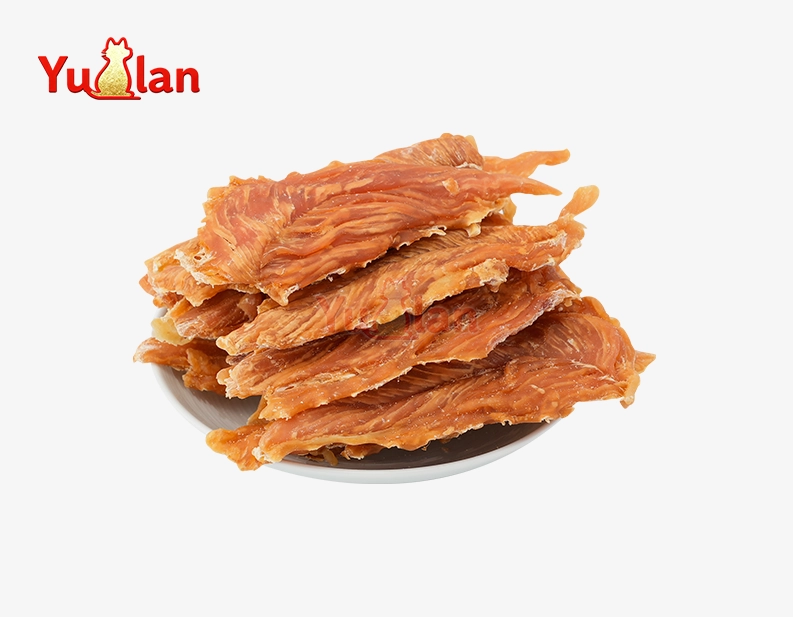
Shredded chicken for cats is very good for their health at all stages of life because it is high in nutrients and helps keep them hydrated. This protein-rich food source gives you the amino acids you need and helps your digestion and urinary system health. Its soft texture is great for cats with sensitive teeth, and the fact that it is naturally moist helps keep them hydrated. Many pet experts say that adding shredded chicken cat food to your pet's diet as a full meal or a healthy topping can improve the quality and taste of their food.
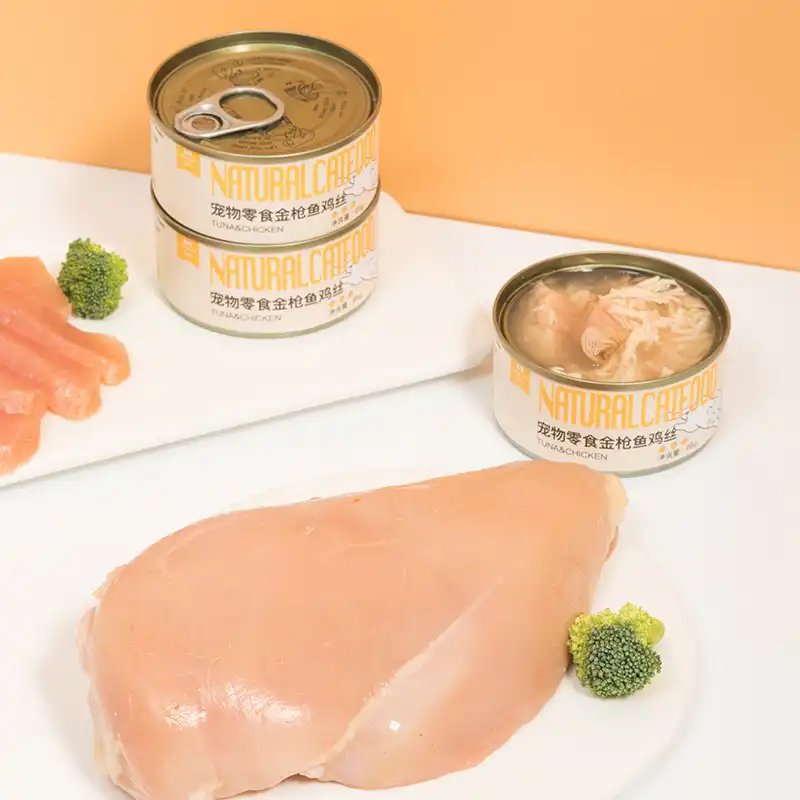
Why Shredded Chicken Cat Food Benefits Your Feline Friend?
Cats require good quantities of protein to stay healthy, and chicken is a complete source of amino acids that are vital for growing and keeping muscle. The shredded version is better than ordinary kibble or whole pieces of meat for senior cats or cats that have problems chewing.
Research shows that cats that get enough water from their food have fewer urinary tract problems. Shredded chicken cat treats provide more water than dry treats, which helps cats get the fluids they need every day. This is really helpful for cats that are likely to have kidney problems or that live in hot regions.
You should also think about how easy it is to absorb protein sources. Cats' digestive systems break down chicken proteins easily, which reduces stress on the gut and makes it easier for them to absorb nutrients. Pet nutritionists usually recommend shredded chicken for cats with sensitive stomachs since it is a gentle but complete source of nutrition.
Key Nutritional Parameters and Health Indicators
Pet owners can make better choices about how to feed their pets if they know what nutrients shredded chicken has. Most high-quality items have 85–90% moisture content. This keeps you hydrated and gives you concentrated protein advantages.
When the food is fresh, the protein concentration is normally between 8 and 12 percent. When it is dried, it is about 45 to 55 percent. This level is great for cats' diets because it gives them the vitamins and minerals they need to heal tissue and strengthen their immune systems.
Taurine levels are especially important because cats can't make this amino acid on their own. Premium shredded chicken cat chow includes enough taurine, usually at least 0.1% to 0.2%, to keep cats from getting sick with diseases including dilated cardiomyopathy and retinal degeneration.
The cuisine tastes great without adding too many calories because it usually has between 1 and 3 percent fat. This balance helps you shed weight and gives your skin and coat the fatty acids they need to stay healthy.
Core Health Benefits for Feline Wellness
The easiest way to keep a cat hydrated is to add shredded chicken to their food. Cats came from ancestors that lived in deserts, thus they don't become thirsty very often. This is why their diets need to have enough liquid to keep them from being dehydrated.
The proteins in shredded chicken for cats are easy to break down, which is good for your digestive health. The mechanical processing breaks the particles down into tiny pieces, which means they don't need as much chewing and stomach acid to do so. This makes it easier for older cats or cats who are recovering from illness to digest shredded chicken.
Another great thing about it is that it can aid cats who are fussy eaters or who have lost their appetite because of medical treatments. Cats are more likely to eat shredded chicken cat treats because of their fragrance and texture. This means they will eat them even when they don't want to eat other things.
Drinking more fluids helps keep the urinary system healthy by lowering the content of urine and encouraging frequent emptying of the bladder. This method makes it less likely for crystals to form and helps the kidneys perform better overall.
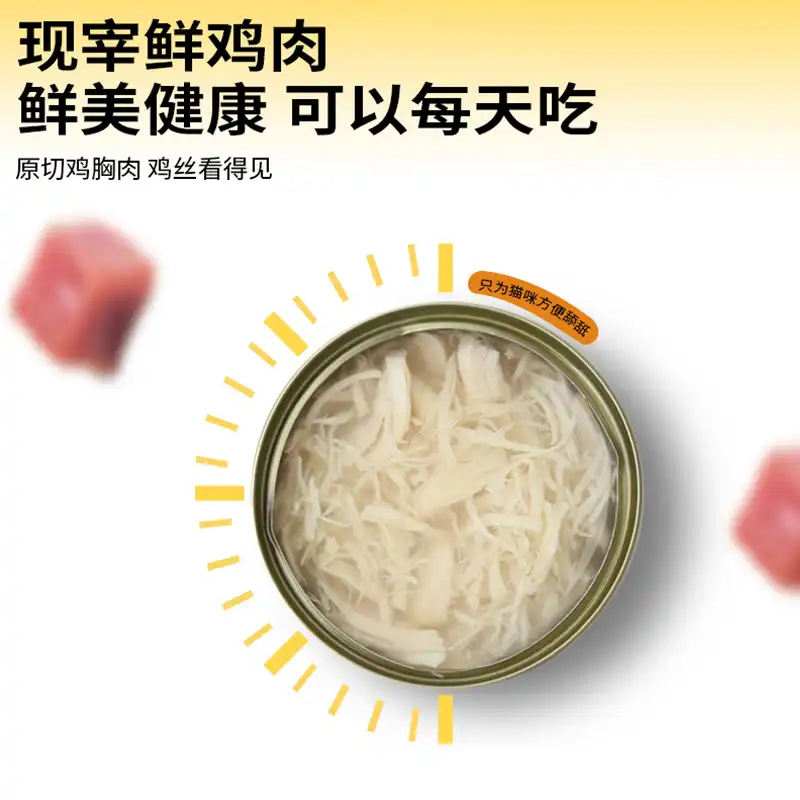
Yunlan's Shredded Chicken Excellence vs. Conventional Options
Yunlan's products are different from other products on the market because of the manner we make them. Steaming food at high temperatures makes it safe for cats to eat while keeping the nutrients and natural flavors that cats appreciate.
Traditional processing processes often remove important nutrients or provide false tastes. Our unique method keeps the original flavor while adding vital ingredients like taurine for heart health and pumpkin for digestive wellness.
We do more than what the industry requires for quality control tests. Before we deliver each batch to our network of more than 10,000 retail locations, we carefully check its protein content, moisture levels, and microbiological safety.
We use sophisticated shredding methods that keep the texture the same, so the pieces are the right size for cats of all ages. Our products stay the same quality even after being stored, unlike mass-produced ones that could have uneven pieces or too much liquid separation.
Optimal Usage Guidelines for Maximum Benefits
When selecting how much to feed your cat, you should think about its weight, activity level, and stage of life. Adult cats usually need one to three cups of food every day for every four to eight pounds of body weight. On the other hand, kittens may need twice as much to help them grow and develop quickly.
Transitioning protocols keep your stomach quiet when you eat new foods. To begin, add modest amounts to your current diet and slowly increase the amount over the next 7 to 10 days until the transformation is complete. This method makes it easier for the body to get used to new sources of protein.
How you keep food influences how safe and healthful it is. Put containers that aren't sealed in the fridge right away and eat the food within two to three days to keep it fresh. To keep food safe, you shouldn't leave it out at room temperature for more than two hours.
If you think about when to eat, it can help your stomach work properly and stop you from eating too much. Eating two or three smaller meals instead of one big one each day helps your body absorb nutrients better and lowers the risk of throwing up from eating too much too quickly.
Strategic Feeding Applications and Professional Recommendations
Veterinarians typically recommend shredded chicken as a healthy option for cats that have problems consuming hard kibble following dental treatment. The soft texture doesn't need much chewing and gives you all the nutrients you need to heal.
Some weight loss strategies contain measured portions of shredded chicken for cats since it fills you up with protein and keeps the calories low. The moisture content in shredded chicken for cats fills you up without adding too many calories.
Shredded chicken that is cooked correctly is easier for older cats to digest, which is great for their health. As cats get elderly, their digestive systems may not perform as well, so they require mild protein sources to keep their muscles and overall health up.
It's easier to give them their medicine when you mix it with appetizing shredded chicken pieces. The good taste covers the bad ones and makes sure the patient takes all of their medicine. This helps with treatment compliance and therapeutic outcomes.
Important Safety Considerations and Best Practices
You should still carefully look at the ingredients, whether you buy something or create it yourself. You shouldn't give your cat food that has garlic, onions, too much salt, or artificial preservatives in it because these items can be bad for their health. These extra additives can make you ill or harm your stomach in a more serious way.
Keeping an eye on the temperature while serving newly made food lowers the chance of heat damage. Let hot food cool to room temperature before offering it to people so they don't burn their lips or throats. Cats like their food to be around the same temperature as the animals they hunt, which is between 100 and 102 degrees Fahrenheit.
Portion control helps you avoid obtaining too much of one kind of protein, which might throw off your nutrition. Chicken is beneficial for you, but you need to consume a variety of foods to make sure you get all the vitamins and minerals you need. You might not be able to do this with just one component.
Be aware of allergic reactions when you introduce a new protein source. If your pet is vomiting up, having diarrhea, itching too much, or breathing strangely, they may have food allergies that need to be treated by a doctor and their diet needs to be modified.
Conclusion
Not only is shredded chicken beneficial for cats as food, but it's also good for them in other ways. It tastes better, keeps their digestive system healthy, and keeps them hydrated, which makes it desirable to cats of all ages. This protein source serves a variety of different nutritional needs at the same time. For example, it helps senior cats with sensitive teeth and gives growing kittens the amino acids they require. Adding shredded chicken to your cat's diet is a terrific idea since it includes a lot of moisture, proteins that are easy to digest, and a taste that cats like. Shredded chicken cat food is a healthy choice that helps cats meet their natural demand for meat-based meals and supports their long-term health and wellness goals. When created by well-known organizations that apply the right processing processes and quality standards, it is best.
Partner with Yunlan for Premium Shredded Chicken Solutions
Yunlan stands as a leading shredded chicken for cats manufacturer, combining advanced processing technology with rigorous quality standards to deliver exceptional products for your business needs. Our comprehensive portfolio includes multiple formats and formulations designed to meet diverse market requirements while maintaining competitive pricing structures. Whether you operate retail locations, veterinary practices, or distribution networks, our experienced team provides customized solutions backed by our 20+ years of pet industry expertise and contact us atminghuixu6717@gmail.com.
FAQ
Q1: Can shredded chicken completely replace commercial cat food?
A: While high-quality shredded chicken provides excellent nutrition, complete replacement requires careful attention to nutritional balance. Commercial cat foods contain added vitamins, minerals, and taurine that plain chicken may lack. Consult your veterinarian before making significant dietary changes to ensure all nutritional requirements are met properly.
Q2: How often should I feed shredded chicken to my cat?
A: Shredded chicken can be fed daily as part of a balanced diet or used as a supplement to existing feeding routines. Many cat owners successfully use it as a meal topper 2-3 times weekly or as the primary protein source when properly supplemented with essential nutrients. Adjust frequency based on your cat's individual needs and preferences.
Q3: Is homemade shredded chicken better than commercial versions?
A: Both options offer benefits depending on preparation quality and nutritional completeness. Homemade versions allow complete ingredient control but require careful attention to nutritional balance and food safety practices. High-quality commercial products like Yunlan's provide convenience, consistent nutrition, and safety testing while maintaining natural ingredients and flavors.
References
1. National Research Council. Nutrient Requirements of Dogs and Cats. 2nd ed. Washington: National Academy Press; 2020.
2. Case, Linda P., et al. Canine and Feline Nutrition: A Resource for Companion Animal Professionals. 4th ed. St. Louis: Mosby Elsevier; 2019.
3. Fascetti, Andrea J. and Sean J. Delaney. Applied Veterinary Clinical Nutrition. Oxford: Wiley-Blackwell; 2018.
4. Pibot, Pascal, et al. Encyclopedia of Canine Clinical Nutrition. 3rd ed. Aniwa SAS; 2021.
5. Association of American Feed Control Officials. Official Publication. Oxford: AAFCO; 2022.
6. Wills, Jane M. and Kenneth W. Simpson. The Waltham Book of Clinical Nutrition of the Dog and Cat. Oxford: Pergamon Press; 2017.