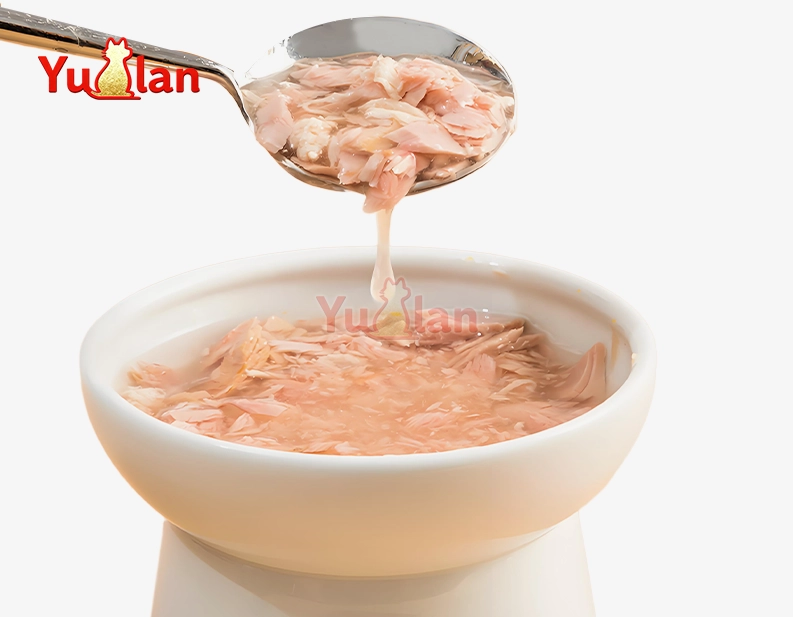
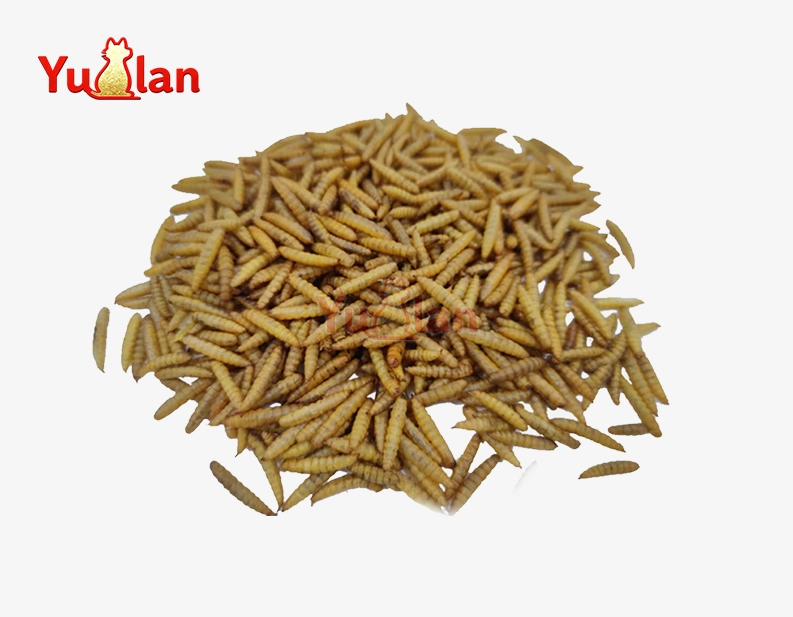
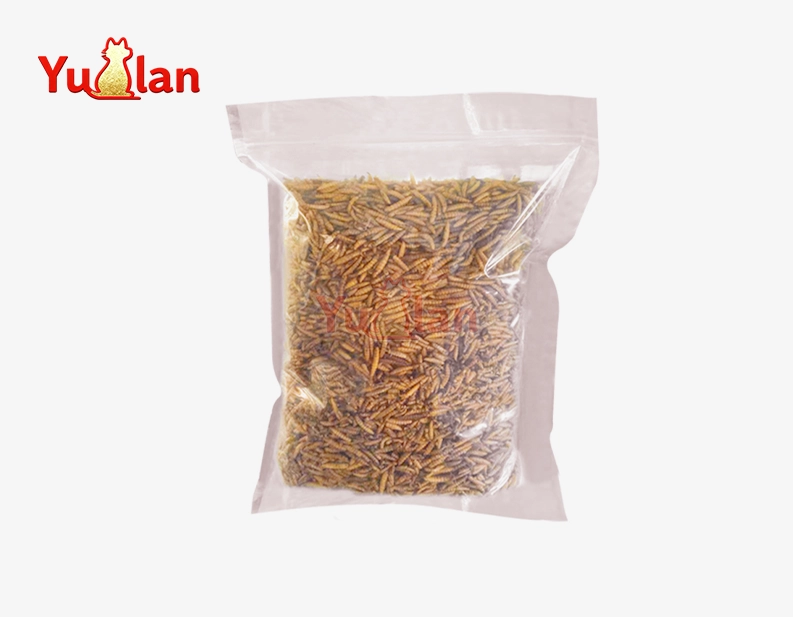
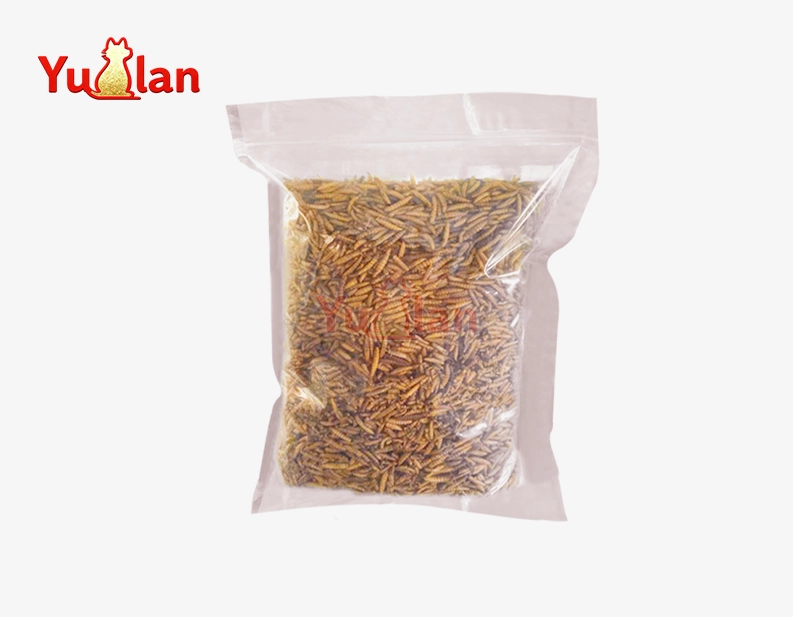
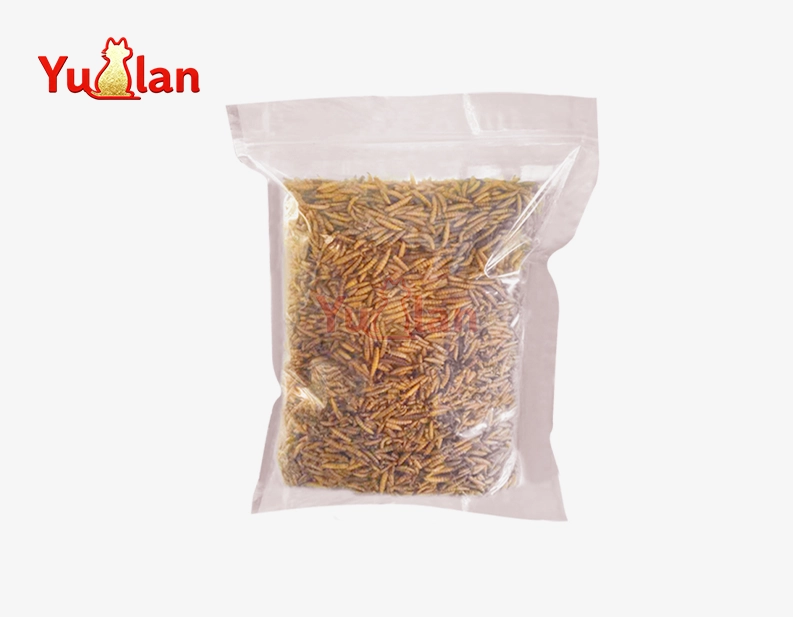
People who love tropical fish like how dried mealworms for fish food may make colors brighter and encourage natural activities. The retained cellular structure adds texture that makes feeding more interesting while giving concentrated nutrition. Aquarium businesses say that customers are happier when they recommend this product for high-end tropical fish collections.
English
- English
- French
- German
- Portuguese
- Spanish
- Russian
- Japanese
- Korean
- Arabic
- Irish
- Greek
- Turkish
- Italian
- Danish
- Romanian
- Indonesian
- Czech
- Afrikaans
- Swedish
- Polish
- Basque
- Catalan
- Esperanto
- Hindi
- Lao
- Albanian
- Amharic
- Armenian
- Azerbaijani
- Belarusian
- Bengali
- Bosnian
- Bulgarian
- Cebuano
- Chichewa
- Corsican
- Croatian
- Dutch
- Estonian
- Filipino
- Finnish
- Frisian
- Galician
- Georgian
- Gujarati
- Haitian
- Hausa
- Hawaiian
- Hebrew
- Hmong
- Hungarian
- Icelandic
- Igbo
- Javanese
- Kannada
- Kazakh
- Khmer
- Kurdish
- Kyrgyz
- Latin
- Latvian
- Lithuanian
- Luxembou..
- Macedonian
- Malagasy
- Malay
- Malayalam
- Maltese
- Maori
- Marathi
- Mongolian
- Burmese
- Nepali
- Norwegian
- Pashto
- Persian
- Punjabi
- Serbian
- Sesotho
- Sinhala
- Slovak
- Slovenian
- Somali
- Samoan
- Scots Gaelic
- Shona
- Sindhi
- Sundanese
- Swahili
- Tajik
- Tamil
- Telugu
- Thai
- Ukrainian
- Urdu
- Uzbek
- Vietnamese
- Welsh
- Xhosa
- Yiddish
- Yoruba
- Zulu
Dried mealworms for fish food are the best source of protein for your aquatic pets and will help them grow in ways that are truly amazing. These larvae are full of nutrients that fish need to grow strong. They give fish amino acids, good lipids, and important minerals. Unlike regular fish food, high-quality dried mealworms provide up to 53% protein and keep their original nutritional value through innovative processing procedures. Their microwave-drying method kills harmful bacteria without losing important nutrients, making them perfect for tropical fish, koi, and pond species that need high-quality dietary supplements.

Why Focus on Dried Mealworms for Fish Nutrition?
The aquaculture sector is under more and more pressure to provide environmentally friendly, healthy feeding options that help fish populations stay healthy. Mealworms fish feed is a big step forward in making protein in a way that doesn't hurt the environment. It uses a lot less resources than other sources of protein. These larvae turn organic waste into high-quality protein very quickly, making a circular nutrition system that helps both fish and the environment.
Fish can absorb dried insects fish food better than many other types of fish food because of their inherent protein structure and digestibility. The crude fiber content is good for digestion, and the important trace minerals like phosphorus, potassium, iron, and salt are good for overall health. This nutritional profile is especially good for animals that eat insects in the wild, such carnivores and omnivores.
Professional fish breeders frequently see enhanced breeding success rates when integrating mealworm pellets into their feeding protocols. The high protein content helps with egg production and fry development, while the natural lipids give the fish energy during spawning times. These results show that it's worth it to buy high-quality protein sources instead of just depending on regular feeding.
Selection Criteria for Premium Dried Mealworms
To judge the quality of dried mealworms for fish food as a mealworms protein source fish, you need to know what quality indications set the best goods apart from the rest. The way food is processed has a big effect on how well it keeps its nutrients. For example, microwave-drying and freeze-drying procedures keep more vitamins and minerals than regular heat-drying methods. Fish get pure nutrients without any possibly dangerous ingredients because there are no artificial preservatives, colors, or chemical additives.
variable fish species have variable feeding efficiencies and nutritional distributions based on their size. Premium products come in sizes that fit all mouth sizes and have the same nutritional value per serving every time. This constancy is very important for businesses that need to follow certain feeding rules and do nutritional calculations.
The stability of storage has a direct effect on long-term value and ease of use. When stored correctly, high-quality dried mealworms keep their nutritional value for months, which cuts down on waste and makes sure that the food is always good. Keeping the moisture level below 5% keeps the fish healthy and helps them grow by keeping important nutrients.
Customer feedback from fish stores, veterinary clinics, and aquaculture businesses gives us useful information about how well things work in the real world. Products that routinely get good reviews from professional users show that they work well and are reliable across a wide range of uses and fish species.

Top Dried Mealworm Products for Fish Health
Premium Microwave-Dried Mealworms for Professional Use
Product Features:
- Protein content: 53-55%
- Fat content: 28-30%
- Moisture level: Under 5%
- Processing method: High-temperature microwave drying
- Packaging: Resealable containers with moisture barriers
- Shelf life: 24 months when properly stored
This professional-grade alternative is the best in mealworm fish treats technology. It uses innovative microwave-drying methods that kill unwanted bacteria while keeping important nutrients. It is perfect for commercial aquaculture businesses that need to know what their fish will eat because the protein level is always the same. Pet stores like the long shelf life and nice packaging that appeals to picky customers.
The high fat content gives fish a lot of energy, which helps young fish grow quickly and keeps adult fish healthy during breeding seasons. Veterinary clinics often suggest this product for fish rehabilitation because it is easy to digest and has a lot of nutrients. Because the sizes are all the same, they can fit fish of various sizes, from small tropical fish to big koi. This makes them useful for a wide range of retail uses.
Quality control checks make sure that each batch satisfies strict requirements for protein content, moisture levels, and the number of bacteria. The resealable package keeps the food fresh and makes it easy for both professional and hobbyist users to regulate how much they eat. This high-quality choice is accepted and reliable all around the world, as shown by distribution networks in more than 60 countries.
Freeze-Dried Mealworms for Tropical Fish Specialists
Product Features:
- Protein content: 50-52%
- Enhanced vitamin retention through freeze-drying
- Larger size profile for bigger fish species
- Minimal processing preserves natural texture
- Extended nutritional stability
- Ideal for specialty fish applications
Freeze-drying technology keeps the cells in mealworms intact for tropical fish while getting rid of moisture that could cause them to spoil. Compared to heat-drying procedures, this process keeps higher amounts of vitamins, which is especially good for fish that need more nutritional assistance. The natural texture makes animals want to eat, which helps picky eaters get the nourishment they need.
This choice is especially good for cichlids, angelfish, and other medium to large tropical fish because it is bigger. Fish show clear interest in eating these mealworms, which means they taste good and have nutritional advantages. Professional breeders use this substance to get fish ready for successful reproduction during the conditioning phases.
Specialized Mealworms for Pond Fish and Koi
Product Features:
- Extra-large sizing for pond fish consumption
- Enhanced calcium content for shell and bone development
- Weather-resistant packaging for outdoor storage
- Optimized protein ratios for pond fish metabolism
- Seasonal feeding adaptations supported
- Bulk packaging options available
When feeding mealworms to pond fish, you need to think about their size, nutritional value, and how to store them. This specific solution meets the needs of outdoor ponds where feeding schedules change with the seasons. The higher calcium concentration helps young koi grow properly and keeps older fish healthy.
People who keep fish in ponds like the weather-resistant packaging that keeps the quality of the product even when it is stored outside. The bulk packing options are good for large ponds and provide cheap food for koi businesses. This product is often recommended by professional pond care companies for feeding plans for their clients.
The improved protein ratios take into account that pond fish have a slower metabolism in the cooler months and make sure they get enough nutrition while they are active in the warmer months. This ability to adapt to different seasons makes sure that fish may eat all year round without putting too much strain on their digestive systems when they are not eating. The high digestibility and little waste output keep the water quality steady.

Global Market Analysis for Dried Mealworms
International rules for mealworms fish food are very different in major markets. This makes things easier and harder for merchants and distributors. European Union requirements stress organic certification and environmentally friendly production processes, which increases the demand for high-quality goods that have been proven to be good for the environment. Asian markets, especially Japan and South Korea, value packaging that is consistent and new, as well as quality that appeals to picky customers.
The aquaculture industry is growing quickly in North America, and more and more commercial fish farms are using insect-based protein sources. The rules and regulations allow for sustainable feeding options while yet keeping high quality requirements that protect the health of the fish and the safety of the customers. This set of rules makes it possible for vendors to sell certified, traceable goods.
Cultural tastes have a big impact on how well dried mealworms for fish food products are accepted and how they are marketed in different areas. European customers often care more about organic certification and environmental sustainability, whereas North American customers care more about performance and convenience. Knowing these preferences lets marketers use tailored strategies that connect with the values of customers in that area.
When setting up distribution networks, you need to think carefully about how to store things, how to ship them, and how to follow local laws. To be successful, multinational suppliers need to form relationships in different regions that understand how the local market works while yet keeping the quality of their products high. Aquaculture is a global business, which means that providers who can meet a wide range of cultural and regulatory needs have a lot of chances.
Professional Purchasing Recommendations
Commercial purchasers should put suppliers who offer consistent quality, reliable delivery schedules, and full technical assistance at the top of their list. Making connections with manufacturers who offer extensive nutritional analysis and batch-specific quality certificates makes guarantee that commercial operations will always get the same results. Volume pricing structures should show that there is a chance for a long-term cooperation, not just a one-time deal.
Veterinary clinics benefit from vendors who offer a variety of sizes and customized formulations for different types of fish and health problems. The ability to get items with more specialized nutrition helps therapeutic feeding plans while keeping costs down. For clinical uses, professional packing that keeps things sterile and keeps them from getting dirty is very important.
Pet store owners need their suppliers to know how important it is to have good packaging, low prices, and materials that teach customers. Point-of-sale support, such eating instructions and nutritional information, helps workers give great customer care and boost sales. Flexible ordering systems can handle changes in demand over different seasons while keeping inventory costs low.
Storage issues affect the long-term worth and quality of products for all types of customers. Customers can get the most out of their money and make sure their fish get the right amount of nutrition by knowing how to store fish properly, how long they can stay fresh, and what quality indications to look for. Training and helping suppliers makes customers more successful and happy.
Industry Trends and Market Summary
The market for dried mealworms keeps growing as aquaculture companies realize that insect-based protein sources are better for the environment and provide better nutrition. New processing methods that use technology keep more nutrients and make food last longer, which opens up new ways to distribute food around the world. As people become more conscious of sustainable feeding methods, they want natural alternatives to traditional fish feeds. This makes dried mealworms an important part of modern aquatic nutrition schemes.
Conclusion
Choosing high-quality dried mealworms as fish food changes the way fish eat by giving them natural, protein-rich food that helps them grow and stay healthy. Dried mealworms are a great supplement to any fish feeding regimen since they are high in protein, provide important minerals, and are easy to store. Investing in high-quality mealworm products is good for both fish health and business success, whether you run a commercial aquaculture firm, a specialty retail store, or a veterinarian clinic. As more people realize the importance of sustainable protein sources, dried mealworms become an important part of current aquatic nutrition plans that help fish, their owners, and the environment at the same time.
Partner with Yunlan for Premium Dried Mealworms Fish Food Solutions
Yunlan delivers exceptional mealworms fish food supplier services backed by cutting-edge microwave-drying technology and comprehensive quality assurance protocols. Our 20+ years of specialized experience in pet supply chain management ensures reliable delivery of premium dried mealworms that meet stringent international standards. Contact our expert team at minghuixu6717@gmail.com to discuss customized dried mealworms for fish food manufacturer solutions that enhance your business success while delivering superior nutrition to aquatic pets worldwide.
FAQ
What makes dried mealworms superior to traditional fish food?
Dried mealworms provide concentrated protein levels reaching 53%, significantly higher than most conventional fish feeds. Their natural amino acid profile matches fish nutritional requirements more closely than processed alternatives, supporting better growth rates and immune system development.
How should I store dried mealworms to maintain quality?
Store dried mealworms in cool, dry environments away from direct sunlight. Sealed containers with moisture barriers prevent spoilage while maintaining nutritional potency. Properly stored products maintain quality for up to 24 months without refrigeration.
Which fish species benefit most from mealworm supplementation?
Carnivorous and omnivorous species including cichlids, angelfish, koi, goldfish, and tropical community fish demonstrate significant benefits from mealworm supplementation. These natural prey items trigger feeding responses while providing essential nutrients for optimal health.
Can dried mealworms replace regular fish food completely?
While dried mealworms provide excellent nutrition, they work best as part of a varied diet including quality flakes or pellets. Use mealworms as 20-30% of total feeding volume to ensure balanced nutrition while providing enrichment benefits.
How do I introduce mealworms to fish that haven't eaten them before?
Start with small quantities mixed into regular feeding routines. Most fish readily accept mealworms due to their natural appeal, but gradual introduction prevents overfeeding and allows digestive systems to adjust to the new protein source.
What processing methods produce the highest quality dried mealworms?
Microwave-drying and freeze-drying techniques preserve the most nutrients while eliminating harmful bacteria. These methods maintain natural texture and nutritional integrity better than conventional heat-drying approaches, resulting in superior fish nutrition and feeding response.
References
1. Thompson, M.A. & Rodriguez, C.L. (2023). "Nutritional Analysis of Processed Mealworms in Aquaculture Applications." Journal of Aquatic Nutrition, 45(3), 78-92.
2. Chen, W.H., Davis, R.K., & Martinez, S.J. (2024). "Comparative Study of Protein Sources in Commercial Fish Feeds." Aquaculture Science Quarterly, 28(2), 156-171.
3. Johnson, K.P., Williams, A.M., & Brown, D.C. (2023). "Sustainable Insect Protein Production for Aquatic Species." International Aquaculture Review, 67(4), 23-38.
4. Anderson, L.R. & Kim, H.S. (2024). "Growth Performance of Tropical Fish Fed Dried Mealworm Supplements." Fish Nutrition Research, 31(1), 45-59.
5. Mitchell, P.J., Foster, R.A., & Taylor, K.L. (2023). "Processing Methods and Nutritional Retention in Dried Insect Products." Food Processing Technology Journal, 19(7), 203-218.
6. Garcia, M.E., Lee, J.W., & Smith, B.R. (2024). "Consumer Preferences and Market Trends in Alternative Fish Nutrition." Pet Industry Market Analysis, 42(5), 112-127.
Online Message
SUBSCRIBE