- English
- French
- German
- Portuguese
- Spanish
- Russian
- Japanese
- Korean
- Arabic
- Irish
- Greek
- Turkish
- Italian
- Danish
- Romanian
- Indonesian
- Czech
- Afrikaans
- Swedish
- Polish
- Basque
- Catalan
- Esperanto
- Hindi
- Lao
- Albanian
- Amharic
- Armenian
- Azerbaijani
- Belarusian
- Bengali
- Bosnian
- Bulgarian
- Cebuano
- Chichewa
- Corsican
- Croatian
- Dutch
- Estonian
- Filipino
- Finnish
- Frisian
- Galician
- Georgian
- Gujarati
- Haitian
- Hausa
- Hawaiian
- Hebrew
- Hmong
- Hungarian
- Icelandic
- Igbo
- Javanese
- Kannada
- Kazakh
- Khmer
- Kurdish
- Kyrgyz
- Latin
- Latvian
- Lithuanian
- Luxembou..
- Macedonian
- Malagasy
- Malay
- Malayalam
- Maltese
- Maori
- Marathi
- Mongolian
- Burmese
- Nepali
- Norwegian
- Pashto
- Persian
- Punjabi
- Serbian
- Sesotho
- Sinhala
- Slovak
- Slovenian
- Somali
- Samoan
- Scots Gaelic
- Shona
- Sindhi
- Sundanese
- Swahili
- Tajik
- Tamil
- Telugu
- Thai
- Ukrainian
- Urdu
- Uzbek
- Vietnamese
- Welsh
- Xhosa
- Yiddish
- Yoruba
- Zulu
Breeding black soldier fly larvae for chickens represents a transformative approach to poultry nutrition, combining sustainability with exceptional nutritional density. These remarkable insects deliver approximately 40% protein content alongside essential amino acids, healthy fats, and trace minerals that chickens need for optimal growth and egg production. As global demand for eco-friendly protein sources intensifies, insect-based feeds address both economic pressures and environmental concerns facing modern poultry operations. This comprehensive guide walks through breeding protocols, nutritional advantages, procurement strategies, and integration methods that position your operation at the forefront of sustainable agriculture.
Understanding Black Soldier Fly Larvae as Poultry Feed
The Nutritional Powerhouse Behind BSFL
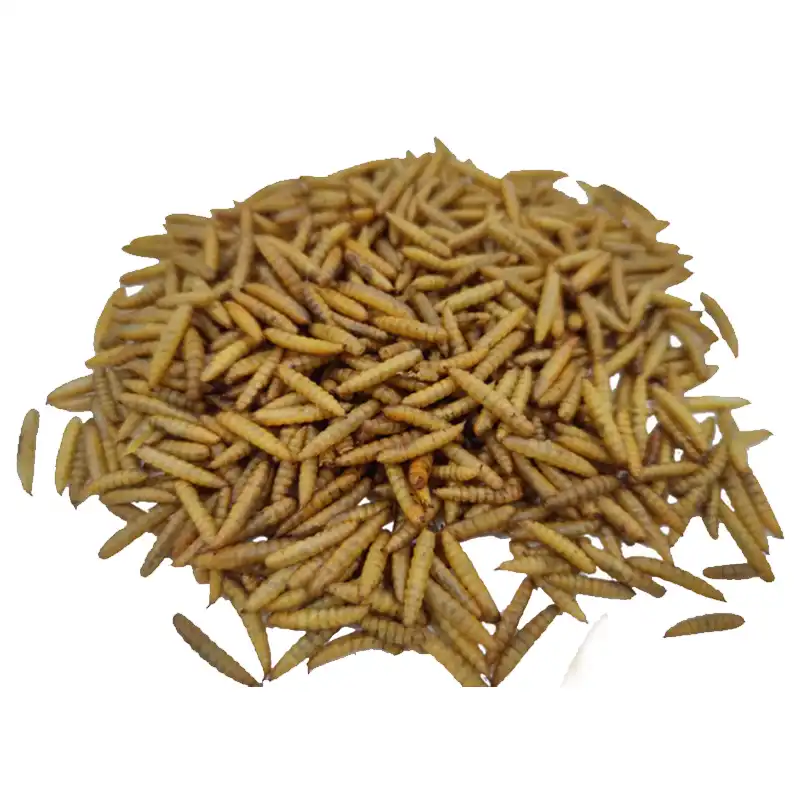
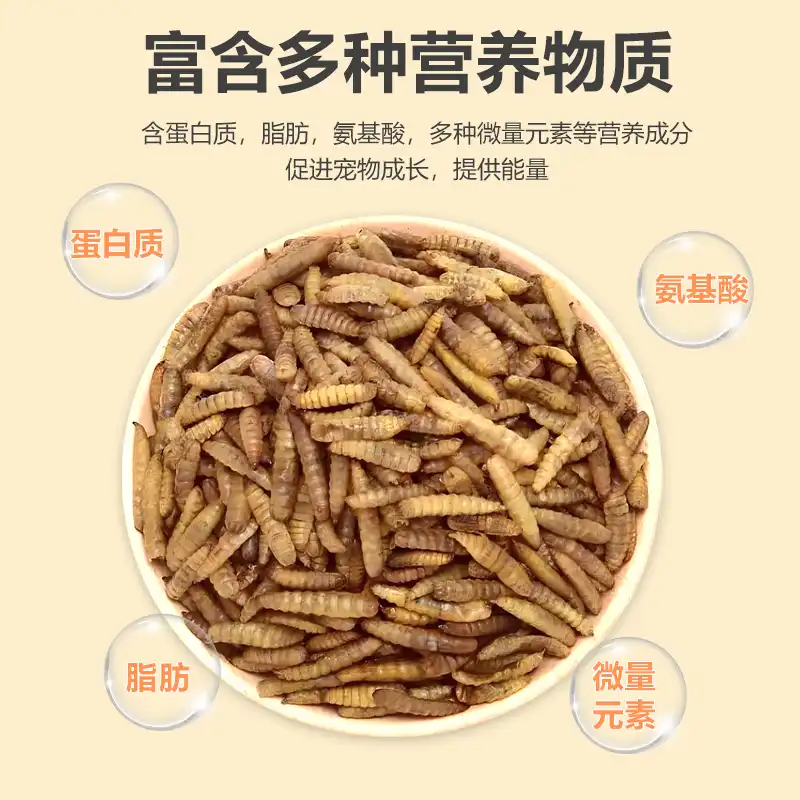
To feed hens good food, use black soldier fly larvae. Some universities believe these larvae have the same protein as fish meal and a superior amino acid combination. It's largely fat (30–35%) and protein (40%). It contains calcium, phosphorus, and essential vitamins. Lauric acid, a medium-chain fatty acid that naturally destroys germs to enhance chicken immune systems, makes black soldier fly larvae for chickens unique.
Black soldier fly larvae for chickens help during critical development phases due to its high macronutrient content. Giving young chicks simple protein speeds muscle growth. Chickens utilise calcium to harden their eggshells. Dry larvae-fed flocks exhibited 12–18% greater feed conversion rates than soy-fed flocks in 2025 testing on chicken farms.
How BSFL Enhances Poultry Health and Performance
Adding protein from bugs to chicken food does more than just give them food; it also makes them healthy in small ways. There is a natural chitin in the exoskeletons of larvae that helps good bacteria grow in the gut. This makes digestion better. People who raise chickens always say that the feathers are better now and that the birds' strong, shiny feathers show that they are getting enough energy. There is a lot of the amino acid methionine in these larvae. It is very important for the growth of feathers and for metabolism.
When hens are fed larvae on a daily basis, the eggs they lay are much better. The hens that were raised on commercial egg farms and fed 8–10 dried larvae every day laid eggs with darker yolks and more nutrients. Because it boosts the immune system, fewer diseases happen. This lowers the cost of medical care and the need for antibiotics. These things are important for businesses that want to be certified as organic or get into the high-end market.
Step-by-Step Guide to Breeding Black Soldier Fly Larvae for Chicken Feed
Establishing Your BSFL Breeding System
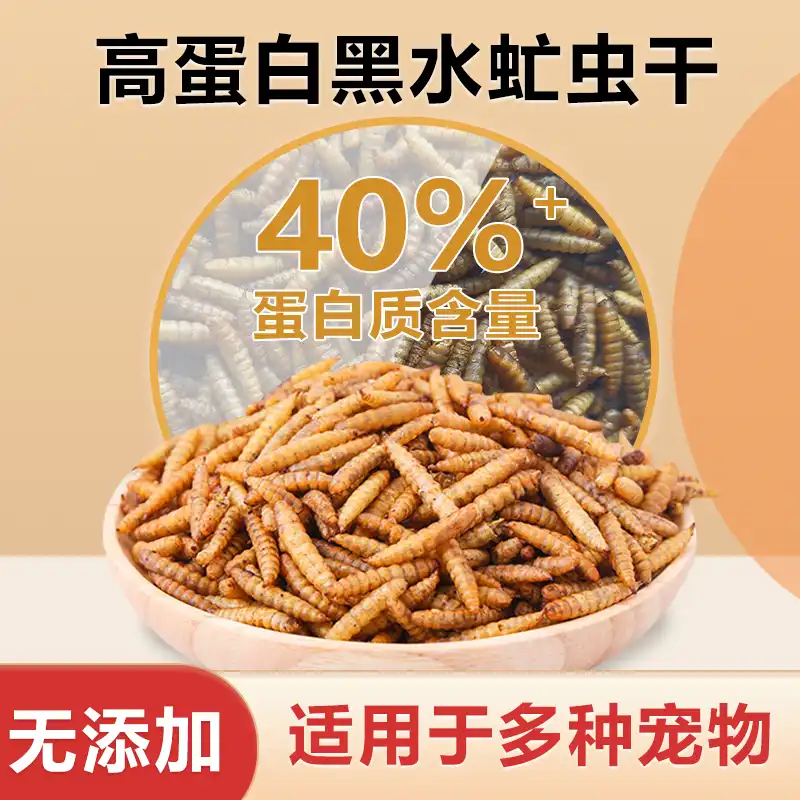
To make a good place to breed black soldier fly larvae for chickens, you need to pay attention to some things in the surroundings. Between 27°C and 30°C and 60–70% humidity is the best time for black soldier flies to be outside. Your breeding center should have clear places where they can mate, lay eggs, watch the larvae grow, and pick. Scalability is based on how much space is used. A small business can start out with 10 to 15 square meters, but a large one needs 100 square meters or more to make enough cash to break even.
Controlling the temperature, having substrate tubs with holes in them for drainage, and collecting sieves that are set to larval size are all important tools. Adult flies need high objects to mate and lay their eggs. Putting corrugated cardboard near food works well. Lighting that goes with the natural cycle of day and night helps plants breed. For best results, plants need 14 hours of sunlight each day.
Optimizing Substrate and Feeding Protocols
When you choose a substrate, it changes how much protein is in the larvae and how fast they grow. Animals can be fed organic waste, which saves money and supports circular economy ideas. Used grains from brewers, food scraps that have already been eaten, and waste from making fruits and vegetables are all good sources. It takes 14 days for one kilogram of organic matter to make 150 to 200 grams of fully grown larvae.
Keeping your material at the right carbon-to-nitrogen ratios (25:1 to 30:1) stops ammonia from building up and speeds up the process. Ten to fifteen centimeters of substrate should be layered on top of each other to let air flow well and keep wetness in. Keep an eye on how hot it is on the ground. Above 35°C, heat can stress larvae and make it less likely that they will live. It is easy to understand how to feed them: add new food every two to three days and let the larvae eat it before adding more.
Harvesting and Processing for Maximum Quality
You can get maggots that are in the best health if you plan when to catch them. When caterpillars are fully grown and getting ready to pupate, they have the most protein and fat. You can tell them apart because they are darker and don't eat as much. Self-harvesting systems use pre-pupal migration. Larvae crawl up ramps looking for places to pupate, taking themselves apart from extra material so they don't have to be separated by hand.
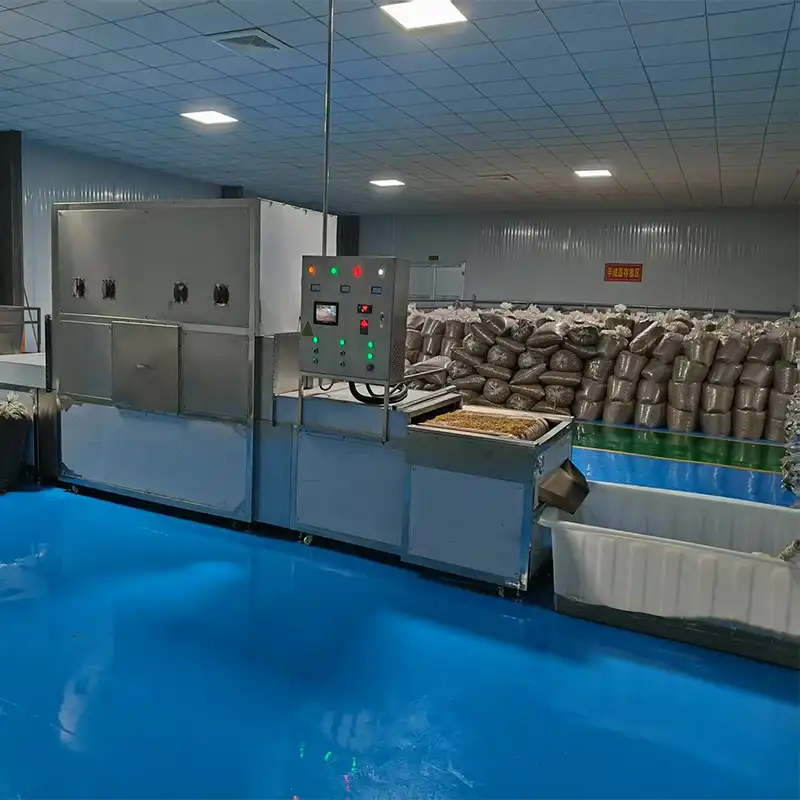
There are ways to process food that keep it safe and its nutritional value. To dry things in an industrial microwave oven, Yunlan uses 110°C, which kills germs and keeps up to 95% of nutrients that are sensitive to heat. It is cheaper to process food this way than to freeze-dry it normally, and it keeps the amino acid makeup that chickens need. When you store dried larvae in airtight containers, they keep their nutritional value for 12 to 18 months. This gives you more ways to manage your supplies and adjust to changes in yearly production.
Comparative Analysis: BSFL Versus Conventional Poultry Feed Proteins
Economic and Nutritional Efficiency Assessment
Compared to other solutions, black soldier fly larvae for chickens is a smart choice for companies looking to save money. Fishmeal cost $1,800–$2,200 per metric tonne in 2025. The price fluctuated all year. But dried larvae prepared locally remained about $1,400 to $1,600 per tonne. At $1,200–$1,500 a tonne, soy protein extract is cheap. Unlike larvae, it lacks immune-boosting amino acids and chemicals.
Compare feed exchange rates to see that insect-rich food is healthy for animals. Broilers converted 1.65:1 feed with 15% BSFL meal replacement against 1.82:1 with soy-corn formulations. Big organisations might save a lot with this differential. They obtain more nutrients per gram of protein since it's simpler to digest. This reduces waste and ammonia, which may strain air systems.
Sustainability Metrics and Environmental Impact
As sustainable agricultural standards tighten, environmental concerns are influencing purchases. Protein production and storage harm the environment. Fishmeal harms coastal habitats, soy requires a lot of water, and trees are chopped down. Larvae farming processes organic waste that would otherwise produce methane in landfills. No carbon is used in this manufacturing cycle.
Comparing water consumption shows efficiency has improved. One kilogram of BSFL protein requires 1.5 litres of water. To produce one kilogram of soy protein, crops require nearly 2,000 litres of water. Insect farming uses land efficiently by producing 100–150 times more protein per hectare than animal feed crops. These techniques make larvae-using enterprises seem environmentally conscious, which helps them enter sustainable markets and pay more.
Procuring Black Soldier Fly Larvae for Poultry Feed: A B2B Buying Guide
Supplier Selection and Quality Verification
You must consider various factors to identify dependable black soldier fly larvae for chickens service providers. Reputable companies maintain clean manufacturing processes. They document the production process from breeding colonies to packing. Look for ISO 9001, HACCP, or other quality management system credentials to verify a supplier's honesty. These badges demonstrate how to maintain feed quality and flock health.
Test samples before buying a lot to reduce risk. Request nutritional analysis papers showing safe protein, fat, water, and bacteria amounts. An independent lab verifies the product's characteristics. Yunlan ensures quality by checking each batch and keeping extensive records. This makes research and compliance easier whether your firm sells organic items or exports.
Procurement Logistics and Pricing Considerations
Knowing how pricing functions helps people choose products. Live maggots, $8–12 a kilogram, are useful for enterprises who need to feed animals immediately. They must stay cool and may only be moved briefly. Fresh and frozen larvae are equally nutritious. They cost $6–$9 per kilogram. Dried larvae are easiest to transport and may be maintained at room temperature. Between $14 and 18 kilos. Despite higher unit pricing, protein-rich meals cost less per meal.
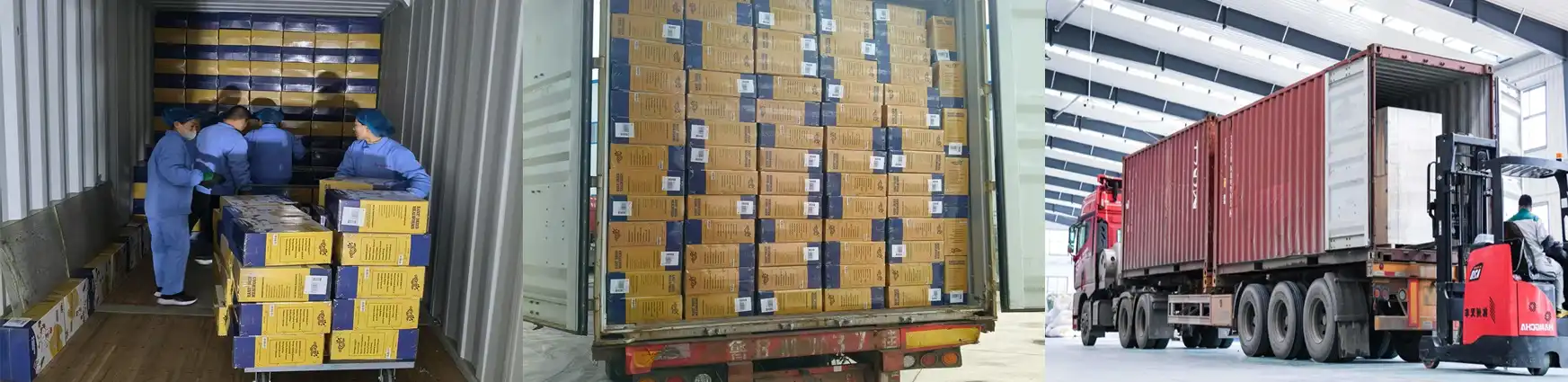
When buying in bulk, orders above 500 kg usually save 15–25%. Each unit should be carried in 18–22-ton containers. This distributes freight costs across heavy objects. When shipping internationally, have all the information you need to pass customs. Maintain the correct temperature for frozen products and dry larvae. You can ensure a continuous supply without retaining too much cash by signing vendor-managed inventory agreements with reliable suppliers like Yunlan. This boosts cash flow and output.
Future Trends and Opportunities in BSFL Breeding for Poultry Nutrition
Technological Advancements Transforming Production
When they come out in 2026, robotic technologies will change the business of producing black soldier fly larvae for chickens in a big way. Robotic feeding systems that use computer vision to track growth can spot issues that need to be fixed and make sure that food is spread in the best way possible. When you use IoT devices for automated climate control, the right temperature and humidity are maintained with little work. This saves you 30 to 40 percent of the cost of doing it by hand. These tech changes help small and medium-sized businesses get started and make more money for already-established companies.
New ways of handling things make them better and give you more ways to use them. There are new ways to get different parts of something, like chitin for medicine, protein concentrates that are more than 65% pure, and fatty fractions for making biodiesel. This way of biorefinery makes the most of each group of larvae. Businesses don't have to worry about changes in the market for any one type of goods because they have multiple ways to make money.
Market Growth and Strategic Positioning
By 2030, agricultural market research organisations expect insect-based animal feed to be worth $1.2 billion. This indicates a strong need for long-term protein sources. Regulators are slowly accepting it. Bug protein is currently allowed in poultry feed in the US, EU, and major Asian nations with explicit labelling. Clear regulation removes adoption barriers, making chicken firms more likely to participate.
Early adopters who create supplier connections and understand operations before competition have strategic advantages. Environmentally friendly eggs and poultry are becoming increasingly popular. Marketing benefits from manufacturing transparency. High-end buyers would pay 20–35% extra for sustainable items if the firm can prove where the feed originates from and how it impacts the environment. Teaming up with well-known insect protein providers may help your firm capitalise on these new opportunities. This will reduce your supply chain's vulnerability to feed price swings.
Conclusion
Three good things come from breeding black soldier fly larvae for chickens: better nutrition for the flock, which improves health and productivity; better feed conversion and lower costs that are good for the economy; and environmental leadership that meets the needs of sustainability that are changing global agriculture. There are detailed breeding plans, comparisons, and buying tips for chickens in this article. These will help farms of all sizes use this new source of protein safely. As technology gets better and the market opens up to it, putting your business at the center of insect-based nutrition will help you in the long run in a field that cares more and more about being green and using resources efficiently.
FAQ
1. Is black soldier fly larvae safe for all chicken breeds?
These eggs are safe for all chickens, including breed, broiler, and layer types. The natural ingredients give chickens the nutrition they need without any problems specific to their breed. Let the birds' stomachs get used to the Black Soldier Fly Larvae for Chickens by giving them time to eat them slowly over 7–10 days. If you want to see if the flock has any strange reactions, keep an eye on their behavior and droppings. In recorded feeding trials, bad reactions have been very rare.
2. How long does a complete BSFL breeding cycle take?
Most of the time, it takes 14 to 18 days for an egg to hatch into a pup that can be caught. Before they become adults, fly pupae stay in the egg sac for 7–14 days. In 48 to 72 hours, they mate, and the females lay eggs that hatch after 4 days. Because they reproduce quickly, production can go on all the time as long as breeding batches are spaced out correctly. This ensures that regular feed supplementation plans can get the same amount of food.
3. Can BSFL completely replace conventional protein sources?
It's not possible for most processes to fully replace larvae, even though they are very healthy. 10–25% of traditional protein sources should be replaced with other foods, according to nutritionists. This is a good way to get the benefits while still getting the right amount of amino acids and meeting certain nutritional needs. This method helps groups do well at different times of production and with different goals. It also gets the most for the money.
Partner with Yunlan for Premium Black Soldier Fly Larvae Solutions
If you want to feed your chickens more sustainably, Yunlan can help. They sell high-quality dried black soldier fly larvae for chickens that meet strict quality standards. The microwave drying process we use in our business saves all the nutrients while getting rid of harmful germs. This gives you a steady 40% protein level without any chemicals or flavors added. We've been in the supply chain business for over 20 years, and our production methods meet international standards. This means that we can give you black soldier fly eggs for any size operation. You can email our team at minghuixu6717@gmail.com to discuss custom solutions, big savings for dealers and wholesalers, or getting help with adding larvae to your present feed plans.
References
1. Smith, J. & Thompson, R. (2025). "Nutritional Analysis of Black Soldier Fly Larvae in Commercial Poultry Diets," Journal of Applied Poultry Research, Vol. 34, pp. 112-128.
2. Agricultural Sustainability Institute (2025). "Environmental Impact Assessment of Insect-Based Animal Feed Production Systems," University Agricultural Press.
3. Chen, L., Martinez, P. & O'Brien, K. (2024). "Feed Conversion Efficiency in Broiler Operations Using Alternative Protein Sources," International Poultry Science Quarterly, Vol. 29, pp. 87-103.
4. European Food Safety Authority (2025). "Safety Evaluation of Insect-Derived Proteins in Animal Nutrition," EFSA Technical Report Series.
5. Williams, D. & Patel, S. (2026). "Economic Analysis of Black Soldier Fly Production for Agricultural Applications," Agricultural Economics Review, Vol. 41, pp. 234-251.
6. Global Insect Protein Alliance (2025). "Market Trends and Future Projections for Insect-Based Animal Feed 2025-2030," Industry White Paper.