- English
- French
- German
- Portuguese
- Spanish
- Russian
- Japanese
- Korean
- Arabic
- Irish
- Greek
- Turkish
- Italian
- Danish
- Romanian
- Indonesian
- Czech
- Afrikaans
- Swedish
- Polish
- Basque
- Catalan
- Esperanto
- Hindi
- Lao
- Albanian
- Amharic
- Armenian
- Azerbaijani
- Belarusian
- Bengali
- Bosnian
- Bulgarian
- Cebuano
- Chichewa
- Corsican
- Croatian
- Dutch
- Estonian
- Filipino
- Finnish
- Frisian
- Galician
- Georgian
- Gujarati
- Haitian
- Hausa
- Hawaiian
- Hebrew
- Hmong
- Hungarian
- Icelandic
- Igbo
- Javanese
- Kannada
- Kazakh
- Khmer
- Kurdish
- Kyrgyz
- Latin
- Latvian
- Lithuanian
- Luxembou..
- Macedonian
- Malagasy
- Malay
- Malayalam
- Maltese
- Maori
- Marathi
- Mongolian
- Burmese
- Nepali
- Norwegian
- Pashto
- Persian
- Punjabi
- Serbian
- Sesotho
- Sinhala
- Slovak
- Slovenian
- Somali
- Samoan
- Scots Gaelic
- Shona
- Sindhi
- Sundanese
- Swahili
- Tajik
- Tamil
- Telugu
- Thai
- Ukrainian
- Urdu
- Uzbek
- Vietnamese
- Welsh
- Xhosa
- Yiddish
- Yoruba
- Zulu
Baby robins have sensitive digestive systems and very specific dietary requirements during the nestling and fledgling stages. Many wildlife rescuers and backyard bird lovers have a hard time with safe supplementary feeding options for young robins. To summarize, yes baby robins can eat properly processed and rehydrated dried mealworms but dry and untreated products are unsafe for them.
This guide systematically explains the dietary needs of baby robins, the value of qualified insect feed, standardized feeding methods, and professional purchasing guidance, helping users scientifically use high-quality bird feed to protect young robins’ growth.
Baby Robin Diet & Nutritional Compatibility with Dried Mealworms
We must first know the natural diet and growth nutrition standards for young robins before we can determine if dried mealworms are okay for baby robins. Only feed that matches their physiological needs can help them to develop healthily and be free of growth retardation or digestive problems.
Natural Dietary Habits of Wild Baby Robins
Newly hatched robin nestlings depend entirely on parent birds for food intake. Their natural diet is pure protein without any plant seeds or coarse grains. Parent robins feed their young earthworms, caterpillars, small grasshoppers and various insect larvae.
This high-protein diet supports extremely fast growth of baby robins. Young robins can double their body weight within four to six days after hatching. Wild natural insect food contains 15% to 20% protein, which is the basic nutritional benchmark for the survival and development of nestlings.
For manual feeding and wildlife rescue scenarios, dried mealworms for wild birds serve as the best alternative to natural wild insects, solving the problems of difficult access and short preservation time of live insects.
Core Nutritional Requirements for Nestling Growth
The growth of baby robins requires more than simple calorie supplementation. Balanced nutrients determine their bone development, feather growth, immunity and organ maturation. Professional ornithological data shows that young robins need 20% to 25% protein in daily food.
Moderate fat levels (8% to 12%) are providing sustainable energy for growth without adding digestive load. Trace Elements Essential for Bone Strengthening, Blood Circulation and Metabolic Function Calcium, Potassium, Iron and B-Complex Vitamins.
A small amount of crude fiber helps promote intestinal peristalsis and adapt the digestive system to future independent foraging. Qualified supplementary feed must fully cover the above nutritional indicators to meet the growth needs of baby robins.
Nutritional Matching Degree of Dried Mealworms
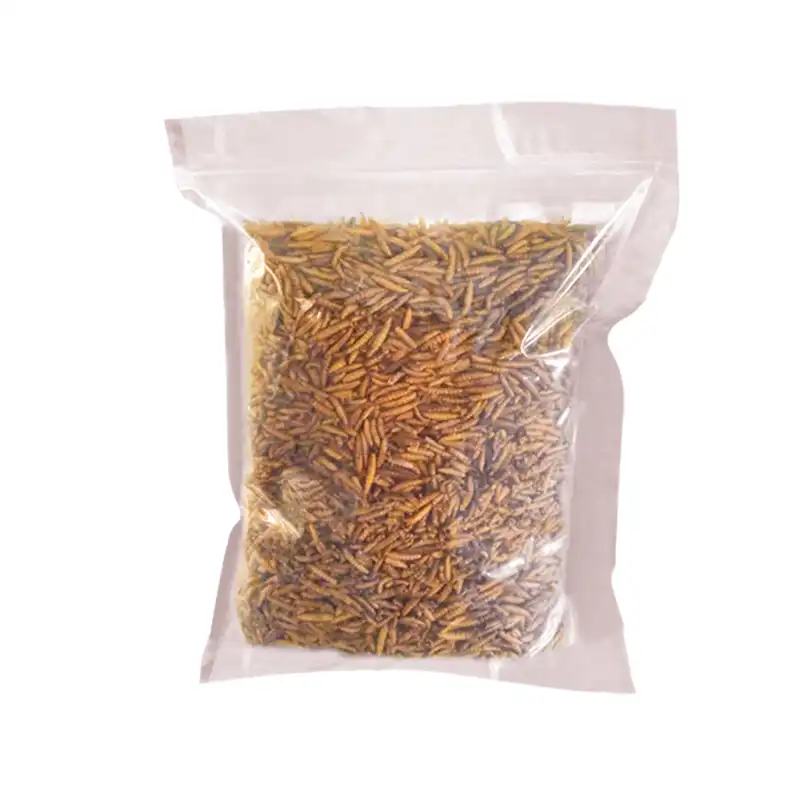
High-quality dried mealworms have superior nutritional indicators that fully meet the growth standards of baby robins. Standard products contain 50% to 55% protein and 25% to 30% fat, far exceeding the nutritional level of natural wild insects.
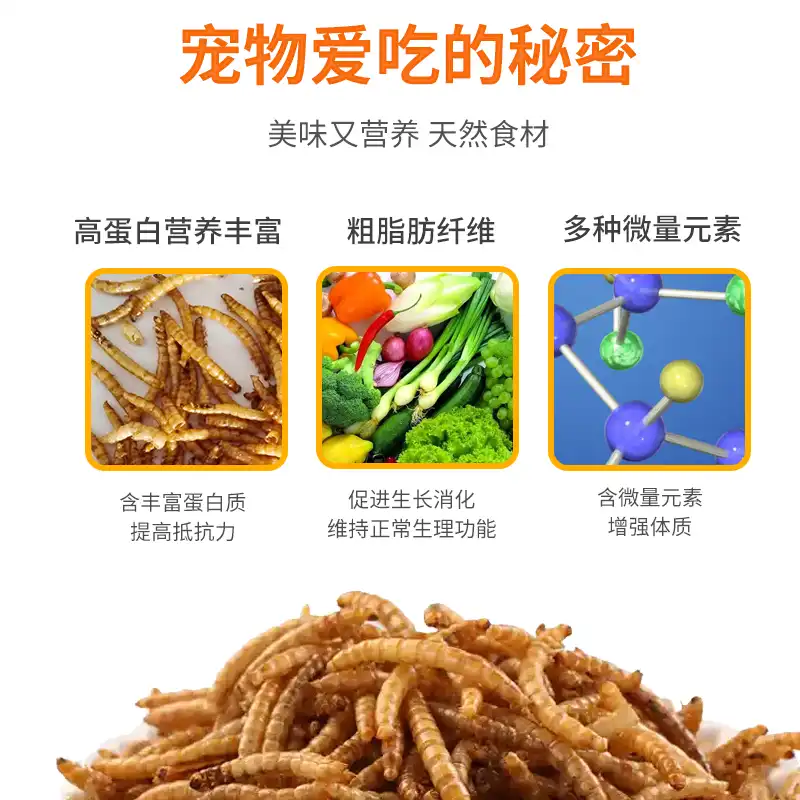
They are rich in sodium, potassium, iron and phosphorus. These elements regulate nerve and muscle function, promote hemoglobin synthesis and improve bird immunity. The 3% to 5% crude fiber in the feed can effectively assist intestinal digestion of young robins.
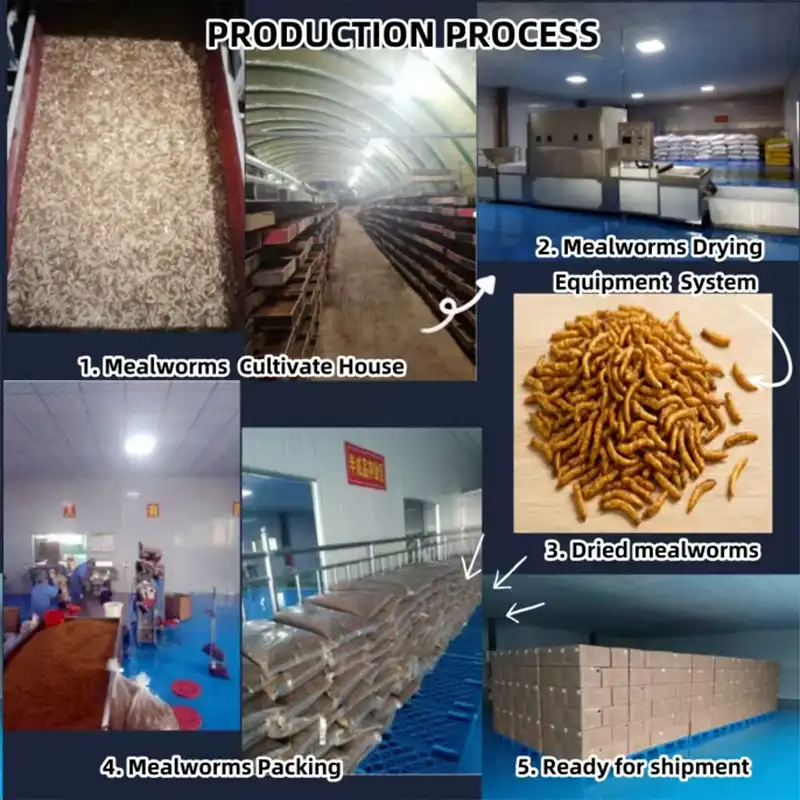
After professional low-temperature microwave drying, the active amino acids and nutrients in mealworms are fully retained. Multiple wildlife rescue cases in North America prove that young robins fed with this standard auxiliary feed can grow healthily and fly normally. Dried mealworms for wild birds can completely replace live insects as stable daily supplementary food for baby robins after reasonable rehydration.
After confirming that dried mealworms are nutritionally compatible with baby robins, standardized feeding operations become the key to safe use. Scientific pretreatment and feeding skills can avoid health risks and maximize nutritional absorption efficiency.
Standard Feeding Methods for Baby Robins & Wild Birds
There is a clear difference between feeding nestlings and adult wild birds. Young robins have weak digestive capacity and cannot adapt to dry and hard feed. This chapter introduces professional pretreatment, feeding cycle and feeder management specifications to ensure safe and efficient feeding.
Rehydration Pretreatment for Nestling Feeding
Dry hard mealworms are strictly prohibited for baby robins. Dry feed may cause choking, indigestion or dehydration in young birds. Rehydration pretreatment is an indispensable step before feeding nestlings.
Soak dried mealworms in warm clean water for 20 to 30 minutes. Let the feed fully absorb water to restore 60% of the original water content. The processed mealworms are soft and juicy, consistent with the texture of natural insects eaten by wild robins.
For weak or injured young robins, users can use diluted electrolyte solution instead of pure water for soaking. This method supplements trace electrolytes while feeding, improving the physical condition of vulnerable birds. Drain excess water immediately after soaking to avoid bacterial growth.
Feeding Schedule and Seasonal Adaptation Rules
Adult wild birds can eat properly dried mealworms directly, but baby robins need regular and quantitative feeding. Small and frequent feeding is the core principle to adapt to their small stomach capacity.
In spring breeding season, wild insect resources are unstable. Supplementary feeding of young robins needs to be increased appropriately. In winter, natural insects die in large numbers, and high-protein dried mealworms become the main energy source for wild bird populations.
Users should follow the principle of small-batch supplementation. Do not put excessive feed at one time to avoid deterioration and waste. Fixed feeding time can help wild birds form stable foraging habits and reduce feeding stress.
Advantages and Procurement Standards
Dried mealworms have obvious advantages over live insects in preservation, transportation and batch feeding. However, product quality varies greatly in the market. This chapter compares dried and live mealworms, sorts out safety identification standards, and provides professional procurement guidance for individual users and bulk buyers.
Comparative Advantages of Dried vs Live Mealworms
Live mealworms have high water content and are closest to natural insect food. But they have obvious defects such as short survival cycle, strict storage conditions and easy death and deterioration.
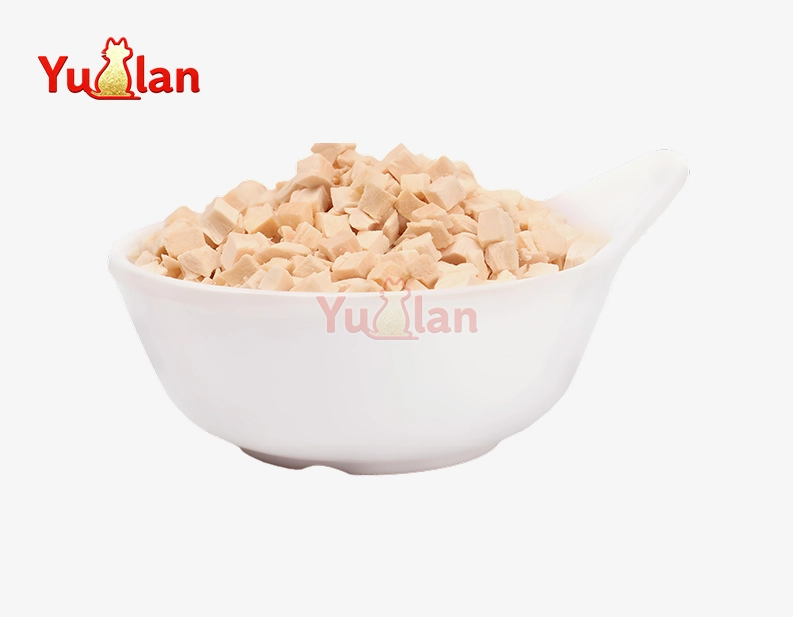
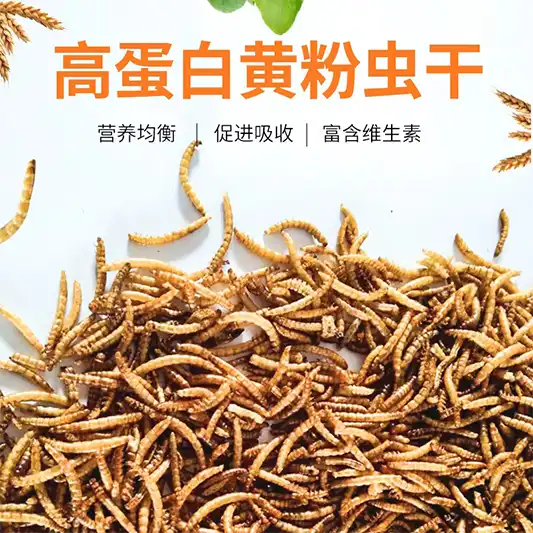
Dried mealworms retain complete nutritional components after professional drying treatment. Their shelf life can reach 12 to 18 months under cool and dry sealing conditions. They are easy to transport and store, with almost no waste.
Scientific detection shows that high-temperature microwave drying will not destroy amino acid and nutritional structure of mealworms. Its nutritional efficacy is comparable to live insects, and it is more suitable for batch feeding and long-term wild bird conservation projects. Stable quality makes dried mealworms for wild birds the preferred feed for rescue institutions and bird watching enthusiasts.
Safety Screening Standards for High-Quality Products
Food safety is the primary standard for selecting bird feed. High-quality dried mealworms adopt microwave high-temperature sterilization technology, which can completely kill harmful bacteria such as Salmonella and Escherichia coli.
Qualified products do not add any drugs, fillers, artificial pigments and chemical residues. The water content is controlled below 10% to prevent mold growth during storage. The uniform golden brown color indicates standard drying temperature and no burnt deterioration.
Formal suppliers will complete heavy metal detection and microbial testing in batches. Clean and impurity-free feed can avoid intestinal damage and infection in wild birds, especially fragile baby robins.
Professional Procurement Guide for Different Buyers
Different buyers have differentiated procurement needs. Pet retail stores need products with exquisite packaging, complete labels and durable transportation resistance to meet retail sales needs.
Wildlife rescue institutions and veterinary clinics have the highest requirements for product sanitation and qualification certification, which need to meet professional animal feeding safety standards. Bulk distributors pay more attention to shelf life, batch stability and flexible minimum order quantity.
The market price of qualified dried mealworms ranges from $15 to $30 per kilogram. Bulk wholesale has obvious price advantages, while retail boxed products have higher comprehensive costs. Buyers should avoid low-cost inferior products to prevent nutritional deficiency and hidden safety hazards. Choosing stable and qualified suppliers can ensure the long-term and safe application of dried mealworms for wild birds.
To solve the daily doubts of bird lovers and industry buyers, we sort out high-frequency professional Q&A, and provide reliable brand supply solutions and authoritative academic support.
FAQ
① How long can dried mealworms be stored?
Standard dried mealworms can be stored for 12 to 18 months if sealed and kept in a cool, dry and dark environment. Avoid exposure to humidity and high temperature conditions. Regular inspection for mould and deterioration is required during storage to ensure the safety of feeding.
② Can all wild bird species eat dried mealworms?
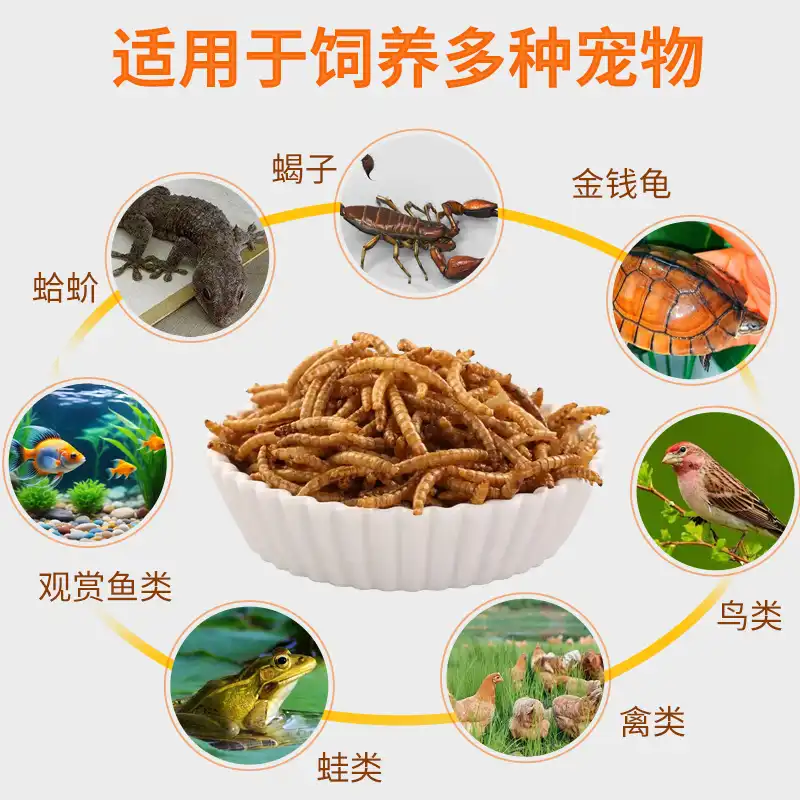
Dried mealworms can be eaten by insectivorous wild birds such as robins, bluebirds, chickadees, wrens and woodpeckers. Pure seed-eating birds have low demand for insect protein but will feed rehydrated mealworms to their chicks during breeding seasons.
③ Are rehydrated mealworms equal to live mealworms in nutrition?
Properly rehydrated dried mealworms retain over 95% of protein, fat and trace minerals. The nutritional gap with live mealworms is insignificant. The only difference is the water content and that won't affect the growth and development of baby robins.
④ Is it safe to feed dry mealworms directly to baby robins?
No, it is not safe. Dry, hard mealworms can cause choking, digestive upset, or intestinal blockage in young robins with weak digestive systems. All nestlings perform a required feeding step, the rehydration pretreatment.
⑤ How many times a day should baby robins be fed mealworms?
Newly hatched nestlings need feeding every 20 to 30 minutes during the day. Fledglings can be fed 4 to 6 times a day. All feeding needs to follow the small-batch and frequent principle to avoid overfeeding.
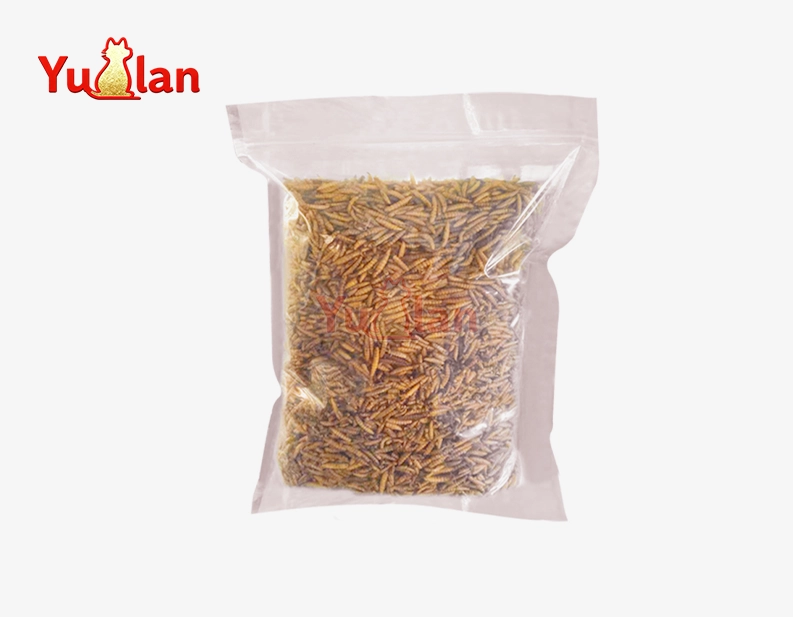
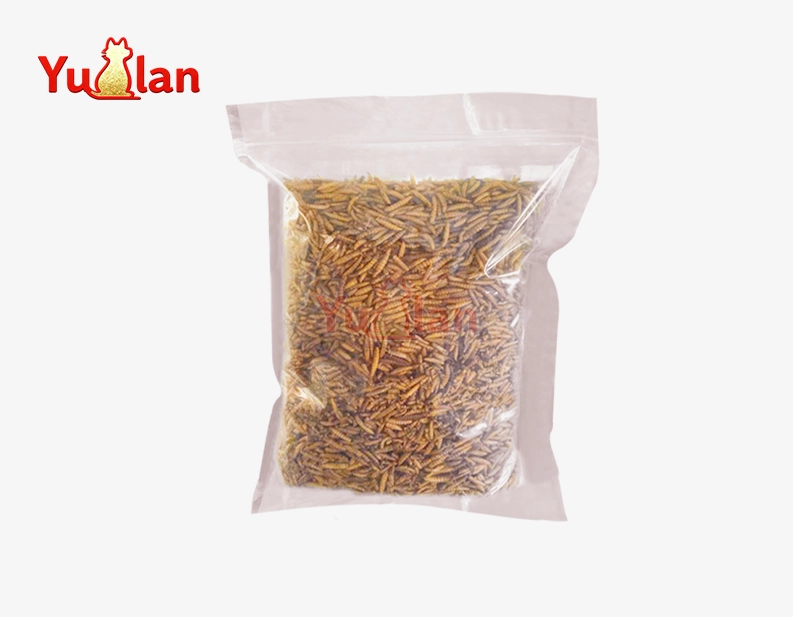
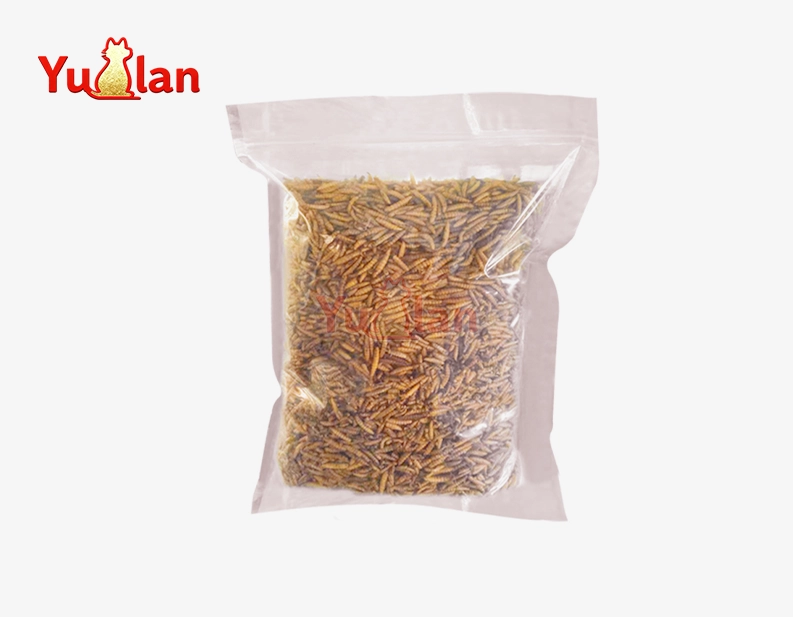
Professional Supply Solution: Yunlan Dried Mealworms
Yunlan is a professional manufacturer focusing on the R&D and production of wild bird feed. It provides high-quality standardized dried mealworm products for wildlife rescue institutions, pet stores, bulk distributors and backyard bird lovers worldwide.
All products adopt intelligent constant-temperature microwave drying technology. They are sterilized thoroughly without chemical additives, retaining complete nutritional components. The products are specially optimized for young bird feeding, with moderate hardness after rehydration and high safety.
The brand supports customized packaging, sample testing and global bulk wholesale services. It has stable supply chain and perfect after-sales service system. Buyers can obtain product catalogs, test reports and preferential cooperation policies by contacting the official email. If you need high-quality and cost-effective wild bird feeding supplies, please contact our professional team via minghuixu6717@gmail.com to obtain one-stop supply solutions.
References
-
Smith, J. L., & Anderson, K. M. (2021). Nutritional Requirements of Nestling Songbirds: A Comprehensive Analysis. Journal of Avian Nutrition, 34(2), 145-167.
-
Thompson, R. H. (2020). Insect-Based Protein Sources for Wild Bird Feeding Programs. Wildlife Rehabilitation Quarterly, 18(3), 89-104.
-
Martinez, C. A., & Lee, S. Y. (2022). Comparative Digestibility of Dried Versus Live Mealworms in Juvenile Passerines. Avian Biology Research, 15(4), 223-238.
-
Williams, D. P. (2019). Quality Standards and Safety Protocols for Commercial Insect Production. Food Safety Journal, 27(1), 56-73.
-
Chen, L., & Roberts, B. K. (2023). Seasonal Feeding Patterns and Nutritional Supplementation in North American Robins. Ornithological Studies, 41(2), 178-195.
-
Peterson, M. J. (2020). Best Practices in Wildlife Feeding Station Management and Design. Journal of Wildlife Management, 84(5), 901-916.