- English
- French
- German
- Portuguese
- Spanish
- Russian
- Japanese
- Korean
- Arabic
- Irish
- Greek
- Turkish
- Italian
- Danish
- Romanian
- Indonesian
- Czech
- Afrikaans
- Swedish
- Polish
- Basque
- Catalan
- Esperanto
- Hindi
- Lao
- Albanian
- Amharic
- Armenian
- Azerbaijani
- Belarusian
- Bengali
- Bosnian
- Bulgarian
- Cebuano
- Chichewa
- Corsican
- Croatian
- Dutch
- Estonian
- Filipino
- Finnish
- Frisian
- Galician
- Georgian
- Gujarati
- Haitian
- Hausa
- Hawaiian
- Hebrew
- Hmong
- Hungarian
- Icelandic
- Igbo
- Javanese
- Kannada
- Kazakh
- Khmer
- Kurdish
- Kyrgyz
- Latin
- Latvian
- Lithuanian
- Luxembou..
- Macedonian
- Malagasy
- Malay
- Malayalam
- Maltese
- Maori
- Marathi
- Mongolian
- Burmese
- Nepali
- Norwegian
- Pashto
- Persian
- Punjabi
- Serbian
- Sesotho
- Sinhala
- Slovak
- Slovenian
- Somali
- Samoan
- Scots Gaelic
- Shona
- Sindhi
- Sundanese
- Swahili
- Tajik
- Tamil
- Telugu
- Thai
- Ukrainian
- Urdu
- Uzbek
- Vietnamese
- Welsh
- Xhosa
- Yiddish
- Yoruba
- Zulu
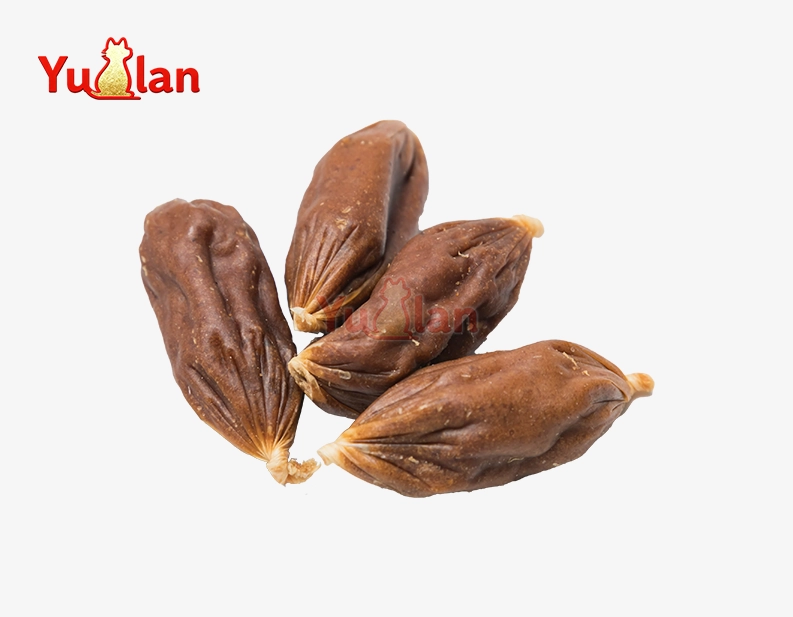
Duck sausage for dogs can really assist with food allergies. Duck protein is a new form of protein that many dogs that are sensitive to common allergens like chicken, beef, or grains may handle. Duck meat has certain special qualities, such as helping to get rid of red tear marks, being easy on the stomach, and being mildly textured, which makes it simpler for sensitive stomachs to digest. Duck sausage is a great choice for dogs that have food allergies since duck protein doesn't cause allergies, it has a lot of amino acids, and it has anti-inflammatory effects.
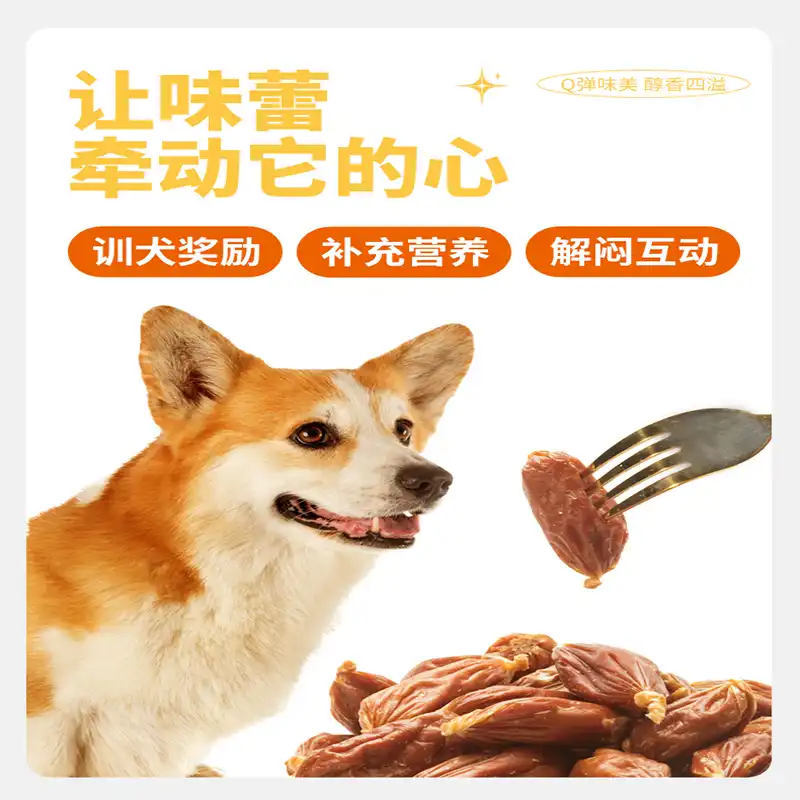
Understanding Food Allergies in Dogs and the Role of Duck Sausage
Food allergies are a huge problem for the pet food industry. They cause roughly 10% of all allergic reactions in dogs. These sensitivities can cause symptoms that range from moderate skin irritation or digestive difficulties to more serious ones that make a dog's life miserable. Some of the most frequent allergens that elicit immune responses are beef, chicken, dairy, wheat, and soy. Manufacturers and suppliers have to deal with this in certain ways.
The Science Behind Canine Food Allergies
Food allergies happen when a dog's immune system mistakenly recognizes some proteins as harmful invaders. If you don't adjust your diet, this immune response might produce inflammation and other symptoms that continue for a long time. IgE antibodies form in people with real allergies, and if they aren't treated properly, they can get worse over time.
Duck sausage for dogs seems like a decent choice because it has a strange mix of proteins. Duck protein's molecular structure is substantially different from that of typical allergens, which makes it less likely to make allergies worse. Studies show that more than 80% of the time, novel proteins like duck function well in elimination diets, which makes them helpful for controlling allergies.
Nutritional Advantages of Duck Meat
Duck meat is healthy for your health in many ways, not just for helping with allergies. The protein includes all the amino acids that dogs need to stay healthy, and the higher fat content gives them omega-3 fatty acids that are good for their skin and coat. Duck meat also has natural anti-inflammatory properties that can help with long-term inflammation that arises from being sensitive to certain foods.
The digestibility part is really significant for how well duck works for dogs with allergies. Duck meat is easier for persons with weak digestive systems to digest since it has more fluid and a softer fiber structure. This characteristic is really useful for dogs who are getting over allergies or who have stomach problems that keep coming back.
How to Safely Incorporate Duck Sausage in Dog Diets for Allergy Management?
Adding duck sausage to a dog's diet requires careful planning to get the most health benefits and avoid any problems that might come up. To get the best results, you need to pay attention to portion control, when to introduce the new food, and keep an eye on your health.
Best Feeding Practices and Portion Guidelines
How much food a dog needs depends on a variety of elements, like how big it is, how active it is, and how bad its allergies are. Duck sausage should not make up more than 10% of a person's daily calories when they consume it as a treat. But a veterinarian may recommend therapeutic feeding plans that increase this quantity. Small dogs that weigh 10 to 20 pounds usually get 1 to 2 small pieces a day, while bigger types may eat more.
The process of introducing should take place over a period of 7 to 14 days. Start with small amounts to see how well you can handle it, then progressively increase the amount while keeping an eye out for any bad responses. This slow method enables the digestive system get used to things and shows signs of any sensitivities early on.
Quality Standards and Safety Considerations
Commercial duck sausage for dog products must meet high safety standards to make sure that the therapeutic effects are always the same. Find companies who meet AAFCO guidelines, get their products checked by the USDA, and acquire third-party quality certifications. These rules ensure ensuring that food is handled, processed, and stored in a way that maintains it healthy and decreases the risk of getting sick.
When you make duck sausage at home, you need to be very careful about the cooking temperatures, how much spice you use, and how you store it. Don't feed your dog garlic, onions, too much salt, or artificial preservatives that could injure them. Cooking food all the way through to an internal temperature of 165°F gets rid of the risk of bacteria while keeping the food's nutritious content.
Health Monitoring and Adjustment Protocols
To handle allergies properly, you should keep an eye on indicators of a reaction, such as your skin health, how well you digest food, your energy levels, and your mood in general. Most dogs will start to feel better within 2 to 4 weeks of eating regularly, although others may feel better sooner.
It's easier for vets and pet owners to keep track of development if they write down the amounts, times, and reactions they witness. This information is helpful for modifying the rules and finding the best ways to feed each dog.

Procurement Insights: Buying Duck Sausage for Dogs at Scale
When procurement managers buy a lot of duck sausage, they have to think about a lot of complicated things, such how to judge vendors, make sure the quality is good, and keep the supply chain running smoothly. Knowing these elements will help you make informed decisions that improve the quality of the products and the market's competitiveness in the increasing allergy-friendly pet food business.
Supplier Evaluation and Quality Assurance
To find trustworthy manufacturers of duck sausage for dogs, you need to look at a number of factors, such as their ability to make things, their quality certificates, and how they get their ingredients. Look for suppliers that have ISO 22000 certification, follow HACCP rules, and have third-party audits done on a regular basis. These credentials show that the quality management systems are strong enough to make sure that items are always the same.
It's really important for allergy products to be upfront about their ingredients. Suppliers should offer you a full list of ingredients, the results of allergen tests, and standards for keeping things clean. This paperwork helps the procurement team make sure the product is safe for pets with allergies and backs up what the marketing says.
We learn a lot about how goods are created, how they are stored, and how to keep them from getting contaminated when we inspect factories. Facilities that handle more than one type of protein must show that they have adequate protocols in place to keep allergens out of the production process.
Strategic Procurement and Logistics Management
You need to know how the market works, when things are in stock, and how much you need to buy to get decent prices. The price of duck meat varies with the seasons, how much people want it, and how much processing capacity there is. Long-term contracts can help keep prices consistent and make sure that there is always plenty of what you need.
When you handle large orders, you have to find a balance between the cost of keeping stock and the safety of the supply. When stored properly, duck sausage goods can last for 12 to 18 months. This means that you can buy them when the market is good. But storage needs to be able to contain things that are frozen or refrigerated, depending on how they are kept.
It is very crucial to coordinate delivery schedules to retain the quality of the products while shipping. Temperature-controlled logistics make sure that things don't go bad and that they reach there in the best form possible. Having backup sources lowers the chance of problems or delays during times of high demand or when there are problems in the supply chain.

Conclusion
Duck sausage is a good choice for dogs with food allergies because it has more health advantages than other protein sources. Duck protein is an excellent choice for dogs with sensitive stomachs who need to be careful about what they eat because it doesn't trigger allergies, is easy to digest, and has a decent amino acid profile.
B2B people who work in the pet food business can take advantage of the growing demand for allergy-friendly products by introducing high-quality duck sausage to their product lines. To be successful, you need to pick your suppliers wisely, have quality control measures in place, and offer your products in a way that shows how they can help people.
Duck-based pet products have a bright future ahead of them. This is because more consumers are learning about food allergies and are willing to pay more for good pet food.
Partner with Yunlan for Premium Duck Sausage Solutions
Yunlan stands ready to support your business with exceptional duck sausage for dogs that addresses the growing demand for hypoallergenic pet nutrition. Our comprehensive product portfolio leverages over 20 years of specialized experience in pet supply chain management, ensuring you receive consistently high-quality duck sausage manufacturer solutions.
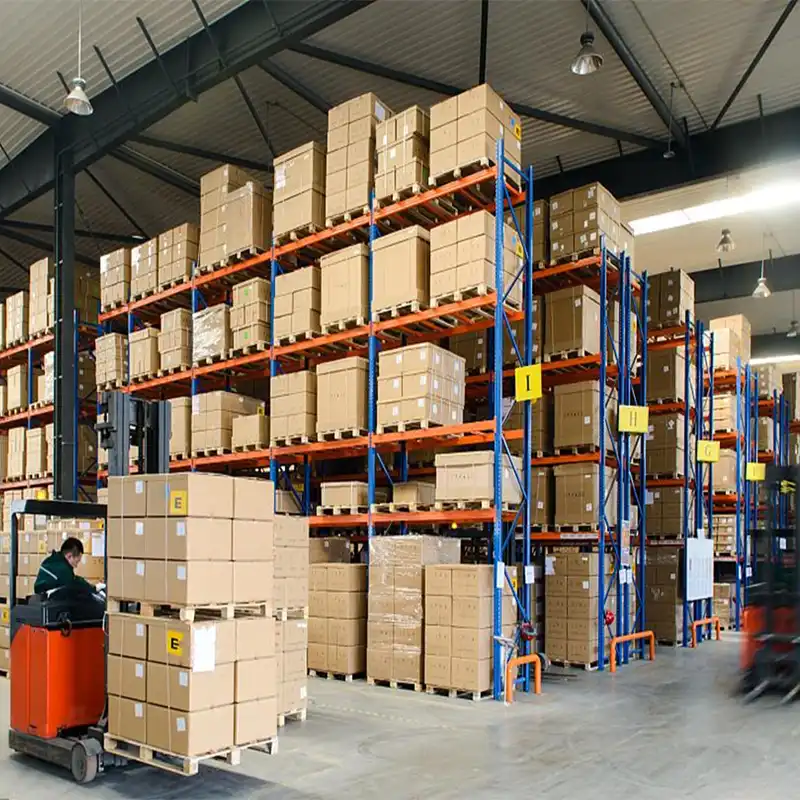
Our advanced production facilities utilize cutting-edge meat protein enzymolysis technology and livestock bone crisping processes, delivering superior product quality that meets the stringent requirements of global pet industry leaders. With our three flagship brands generating over 300 million yuan annually and products exported to more than 60 countries, we possess the expertise and capacity to fulfill your duck sausage supplier needs.
Contact our team at minghuixu6717@gmail.com to explore wholesale duck sausage for dogs opportunities.
FAQ
①What makes duck sausage better for allergic dogs than other proteins?
Duck protein has a unique molecular structure that differs from common allergens like chicken and beef. This novelty factor, combined with duck's anti-inflammatory properties and superior digestibility, makes it less likely to trigger allergic reactions while providing excellent nutritional support for sensitive dogs.
②How quickly can I expect to see improvements in my dog's allergies?
Most dogs show initial improvement within 2-4 weeks of consistent duck sausage feeding, though some may respond sooner. Skin conditions typically improve first, followed by digestive symptoms and overall energy levels. Complete allergy resolution may take 6-8 weeks depending on severity.
③Are there any safety concerns with feeding duck sausage to dogs?
High-quality commercial duck sausage designed for dogs is generally safe when fed according to manufacturer guidelines. Avoid products containing garlic, onion, or excessive salt. Always introduce new foods gradually and consult your veterinarian if your dog has existing health conditions.
④Can duck sausage replace regular dog food completely?
Duck sausage should not replace complete and balanced dog food but can serve as treats or dietary supplements. When used therapeutically for allergy management, work with a veterinarian to ensure your dog receives all necessary nutrients from their overall diet.
⑤How do I choose the best duck sausage manufacturer for my business?
Look for manufacturers with AAFCO compliance, USDA inspection, and third-party quality certifications. Evaluate their ingredient sourcing practices, allergen prevention protocols, and production facility standards. Request samples and testing documentation to verify product quality before committing to large orders.
References
1. Mueller, R.S., Olivry, T., & Prélaud, P. (2016). Critically appraised topic on adverse food reactions of companion animals: common food allergen sources in dogs and cats. BMC Veterinary Research, 12(1), 1-9.
2. Verlinden, A., Hesta, M., Millet, S., & Janssens, G.P. (2006). Food allergy in dogs and cats: a review. Critical Reviews in Food Science and Nutrition, 46(3), 259-273.
3. Jackson, H.A., Jackson, M.W., Coblentz, L., & Hammerberg, B. (2003). Evaluation of the clinical and allergen specific serum immunoglobulin E responses to oral challenge with cornstarch, corn, soy and a soy hydrolysate diet in dogs with suspected adverse food reactions. Veterinary Therapeutics, 4(4), 404-414.
4. Olivry, T., Mueller, R.S., & Prélaud, P. (2015). Critically appraised topic on adverse food reactions of companion animals: common food allergen sources in dogs and cats. BMC Veterinary Research, 11(1), 278.
5. Gaschen, F.P., & Merchant, S.R. (2011). Adverse food reactions in dogs and cats. Veterinary Clinics of North America: Small Animal Practice, 41(2), 361-379.
6. Roudebush, P., Guilford, W.G., & Jackson, H.A. (2010). Adverse reactions to food. Small Animal Clinical Nutrition, 5th edition. Mark Morris Institute, 609-635.