- English
- French
- German
- Portuguese
- Spanish
- Russian
- Japanese
- Korean
- Arabic
- Irish
- Greek
- Turkish
- Italian
- Danish
- Romanian
- Indonesian
- Czech
- Afrikaans
- Swedish
- Polish
- Basque
- Catalan
- Esperanto
- Hindi
- Lao
- Albanian
- Amharic
- Armenian
- Azerbaijani
- Belarusian
- Bengali
- Bosnian
- Bulgarian
- Cebuano
- Chichewa
- Corsican
- Croatian
- Dutch
- Estonian
- Filipino
- Finnish
- Frisian
- Galician
- Georgian
- Gujarati
- Haitian
- Hausa
- Hawaiian
- Hebrew
- Hmong
- Hungarian
- Icelandic
- Igbo
- Javanese
- Kannada
- Kazakh
- Khmer
- Kurdish
- Kyrgyz
- Latin
- Latvian
- Lithuanian
- Luxembou..
- Macedonian
- Malagasy
- Malay
- Malayalam
- Maltese
- Maori
- Marathi
- Mongolian
- Burmese
- Nepali
- Norwegian
- Pashto
- Persian
- Punjabi
- Serbian
- Sesotho
- Sinhala
- Slovak
- Slovenian
- Somali
- Samoan
- Scots Gaelic
- Shona
- Sindhi
- Sundanese
- Swahili
- Tajik
- Tamil
- Telugu
- Thai
- Ukrainian
- Urdu
- Uzbek
- Vietnamese
- Welsh
- Xhosa
- Yiddish
- Yoruba
- Zulu
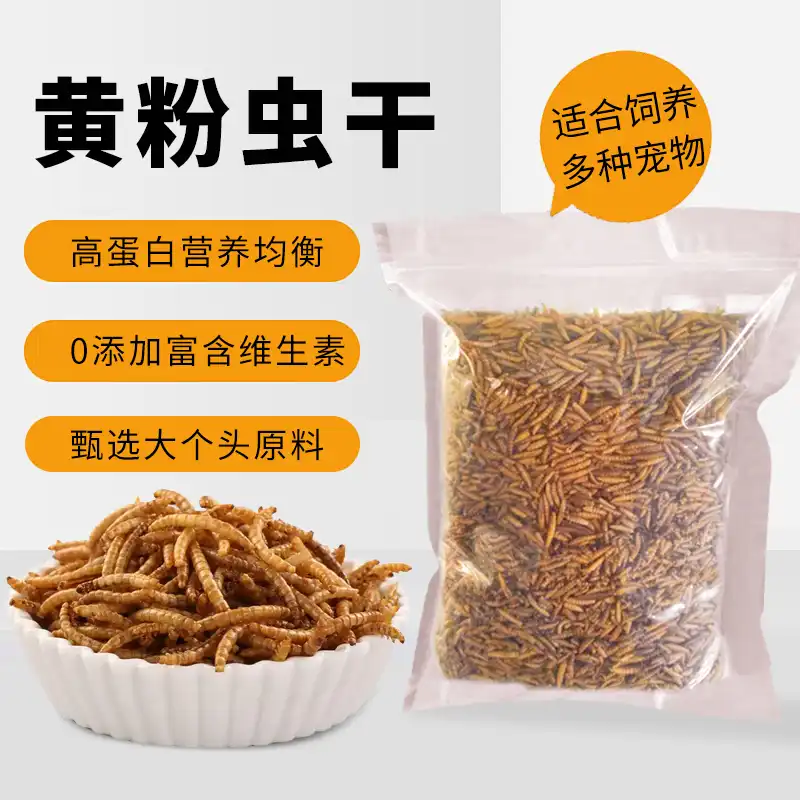
Managing a mixed poultry operation raises practical questions about feed compatibility and nutritional adequacy. Yes, ducks can eat chicken feed, but this solution comes with important nutritional caveats that procurement managers and feed suppliers must understand. While chicken feed provides adequate baseline nutrition, ducks have distinct dietary requirements—particularly higher niacin levels—that standard chicken formulations don't always satisfy. Supplementing with protein-rich options like mealworms for chickens creates a more balanced approach, supporting both species' health while streamlining feed procurement for multi-species operations. Understanding these nutritional nuances helps B2B buyers make informed decisions that optimize flock performance and minimize health risks.
Understanding the Basics: Can Ducks Eat Chicken Feed?
Nutritional Differences Between Chicken Feed and Duck Diets
Biologically, chickens have certain needs that are met by chicken feed. Food bases like corn and wheat are often used, along with protein-rich soybean meal. Standard chicken feeds have between 20 and 24 percent protein in starter feeds and 16 to 18 percent protein in layer feeds. To help the chickens make eggshells, extra calcium is added to the feed. But ducks need about two to three times more niacin than chickens do to keep their legs from getting hurt and to make sure their bones grow right.
You should also think about how much calcium is in layer food. Larger amounts of calcium (about 3.5% to 4.5%) are good mealworms for chickens that lay eggs. But ducks naturally take in different amounts of calcium, and too much calcium may eventually hurt their kidneys. Also, ducks drink more water than chickens, which changes the way their bodies break down pelleted and mixed food.
When Chicken Feed Works for Ducks
Ducks can eat chicken feed as a quick fix or as their main source of food, especially in places that care for both ducks and chickens. Adult ducks do well on grower feeds that have about 16–18% protein as long as the protein is added in the right way. Foods for broilers that have 18–20% protein can help meat ducks grow, but niacin pills are still a good idea.
If chicken feed is the main thing your business uses, you should add niacin-rich vitamins like niacin powder or brewer's yeast (about one tablespoon per cup of feed). Eating food made from insects is a good way to add protein and fill in another nutritional gap. Some trace minerals, such as phosphorus, potassium, iron, and salt, can be found naturally in good dried bug proteins. These elements are good for your body in general, so adding them to your chicken food is a great idea.
Health Risks of Exclusive Chicken Feed Diets for Ducks
Over time, ducks will get sick if you only feed them chicken feed and don't change anything else. If you don't get enough niacin, your joints can swell, your knees can bow, and you may not want to walk. All of these things are bad for your work performance. Young ducklings are most at risk, and inside of a few weeks, signs that they are running low on niacin show up.
Layer feed formulas also cause worries about how well they work with medicines. It's possible for ducks to get sick from some of the things that are in a lot of chicken layer feed. They need extra calcium to make eggshells, but if they are fed it all the time with nothing else to balance it, it can be hard on their liver. This is something that supply workers in vet offices or care facilities need to keep in mind when they make plans for feeding animals.
Incorporating Mealworms into Poultry Feeding: Benefits and Best Practices
Nutritional Advantages of Mealworms for Mixed Flocks
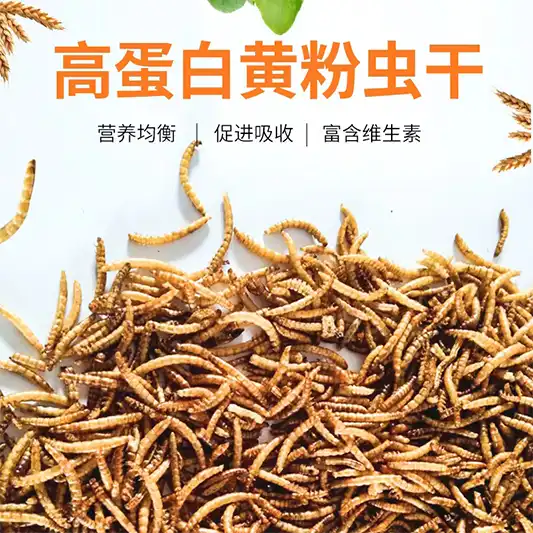
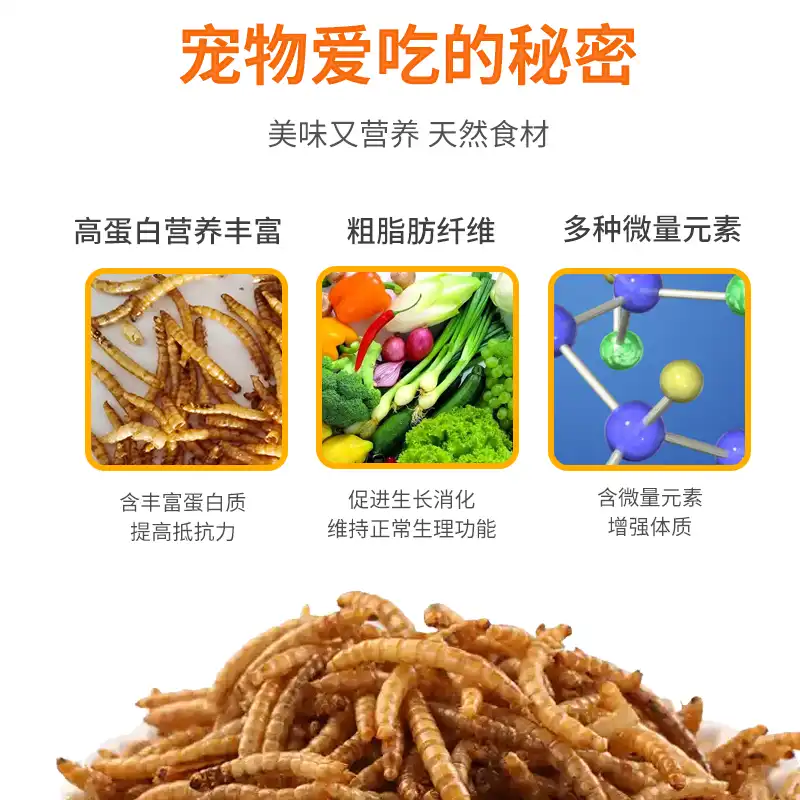
Adding protein from insects to commercial chicken and duck feed has changed how they are fed because it gives them concentrated nutrients that are easy for them to digest. Some of the good things that mealworms have for you are healthy fats, vitamins, and amino acids that your body needs. The natural fiber makes the gut system work better, and the trace elements make the defense system work better in some types of chicken. Because it is good for you, bug protein is especially useful when there is a lot of it, like when insects are molting, when the cold weather is making them worried, or when they are making a lot of eggs.
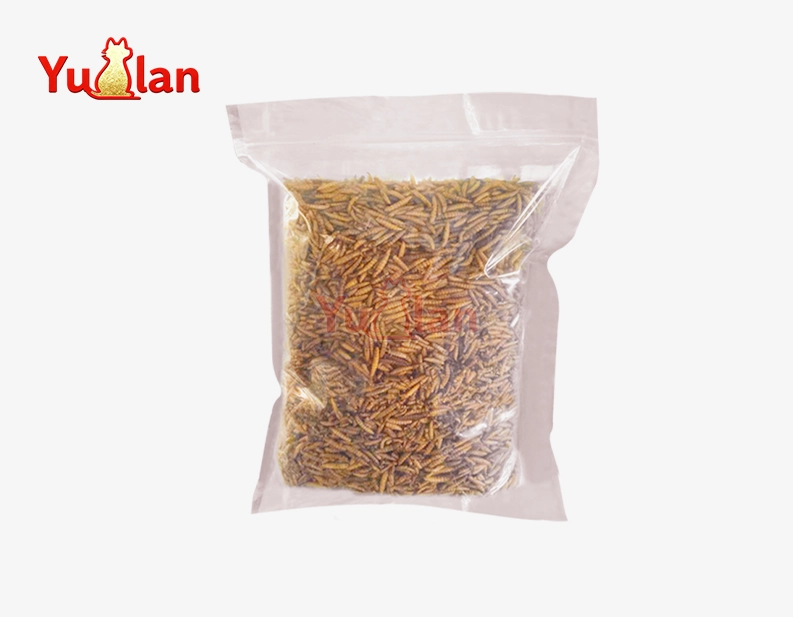
Bad germs are killed and nutrients are kept when high-quality mealworms are dried in a microwave. The things can be bought in large quantities and kept for a long time because of this. When vet offices and grooming shops look for extra food, they care a lot about food safety. This handling benefit takes that into mind. If you treat dried insects the right way, they don't have any additives or preservatives. This is in line with the growing market demand for ingredients that are healthier.
Live Versus Dried Mealworms: Procurement Considerations
Chickens and ducks that eat live mealworms for chickens are more likely to hunt naturally, which keeps their thoughts and bodies busy. Birds naturally chase moving prey, which is good for them in more ways than one. It can be hard for large-scale operations to keep an eye on a lot of live insects and make sure none of them die because they need to be kept in a temperature-controlled place.
When mealworms are dried, they don't have these handling issues and still have the same nutritional value. Goods last longer if they are stored properly. This is good for sellers and suppliers because it cuts down on waste and makes it easier to manage the supply chain. Dried forms are very helpful because they let you exactly control how much is fed to each bird. This is useful for figuring out how much feed costs per bird or managing feeding plans across different facility locations. Letting dried mealworms soak in warm water for 10 to 15 minutes before giving them to ducks makes them wet, which they love because they like food that is naturally wet.
Feeding Recommendations and Behavioral Indicators
Protein treats shouldn't be eaten instead of full meals; they should be added to them. As a general rule, mealworms shouldn't make up more than 10% of a bird's daily food, or 10 to 12 grams for an adult bird per day. By increasing vitamins to 15% for a short time, higher protein needs can be met during molting or cold weather without causing any health problems. Mealworms can be fed to chicks and ducklings when they are about two weeks old. First, give them small amounts to see how well they can handle them.
Watching how the group acts will help you figure out how well your food plan is going. More eggs being laid, feeding responses that are very excited, and better feather quality are all signs that the mixing went well. Another sign that you may be taking too many protein pills is having stomach issues or not being as interested in normal foods. Treat acceptance can be used to train birds in places that take care of chickens or clean birds. This can help people get along better with birds while also giving them food.
Best Practices and Recommendations for Feeding Ducks and Chickens
Integrated Feeding Schedules and Cost Management
The best way to get the most nutrition for the least amount of money is to make meal plans that include both full feeds and protein powders. Most birds are fed 80 to 90 grams of total chicken feed in the morning, depending on their size and how much it makes. Giving yourself an extra 10 to 12 grams of dried mealworms in the afternoon won't throw off the balance of your food as a whole.
The seasons help us eat in ways that are good for our bodies. You should take more vitamins in the winter to help your body keep its temperature down and protect itself. When feathers are being replaced, eating more protein can help the process go faster. Around the time they lay eggs, they need a steady amount of calcium and good protein to keep making eggs. Keep an eye on feed conversion rates and production measures to fine-tune supplements amounts and find the best mix between cost inputs and outputs in terms of performance.
Can Mealworms Replace Traditional Feeds?
It's not possible mealworms for chickens to eat only dried insects, even though they are very healthy. For good health, chickens and ducks need a balance of minerals, vitamins, and macronutrients that they can't get from cooked bugs. Carbohydrates from grains give you energy to do daily jobs and keep your body healthy. It doesn't matter how good the protein source is; laying birds still need extra calcium.
It's smart to add insect proteins to healthy base foods to make them even better. The easy-to-reach amino acids in feathers help build muscle, keep the immune system strong, and are better for you than some plant-based protein sources. Trace minerals make up for any lacks of micronutrients that may be in easier feed mixes. Since bugs are good for the environment, eating them is a good idea without having to change everything you eat.
While more study is being done on full insect-based chicken feeds, dried mealworms and black soldier fly larvae are being used as extras instead of replacing feed. This difference should be made clear to end customers by B2B buyers so that they don't get false hopes and so that real performance benefits can be shown.
Special Considerations for Baby Birds
Eggs and ducklings that are still young need to be slowly given new things because their digestive systems are still growing. It's safe to start giving them small amounts of chopped or crushed dried mealworms when they are about two weeks old. You can test the chicks' tolerance by giving them only two to three mealworms per day. This way, the chicks' digestive systems don't get too full.
Chick starting feeds with 20–24% protein already have a lot of nutrients that will help them grow fast, so they don't need a lot of extra food. A small amount of mealworms can help with training and early excitement without hurting the cat's nutrition. Because ducklings need a lot of niacin, it's a good idea to give them brewer's yeast and mealworms in small amounts during their first few weeks of growth.
Keeping an eye on the droppings can help you figure out how much your gut can handle. If the color and substance are normal, it means that the feed is being taken properly. When there is diarrhea or strange poop, the nutrient amounts need to be dropped. Kennels and cleaning shops that take care of young birds should keep track of what they feed them and how they grow. Over time, this will help the school learn more about how to give better care.
Conclusion
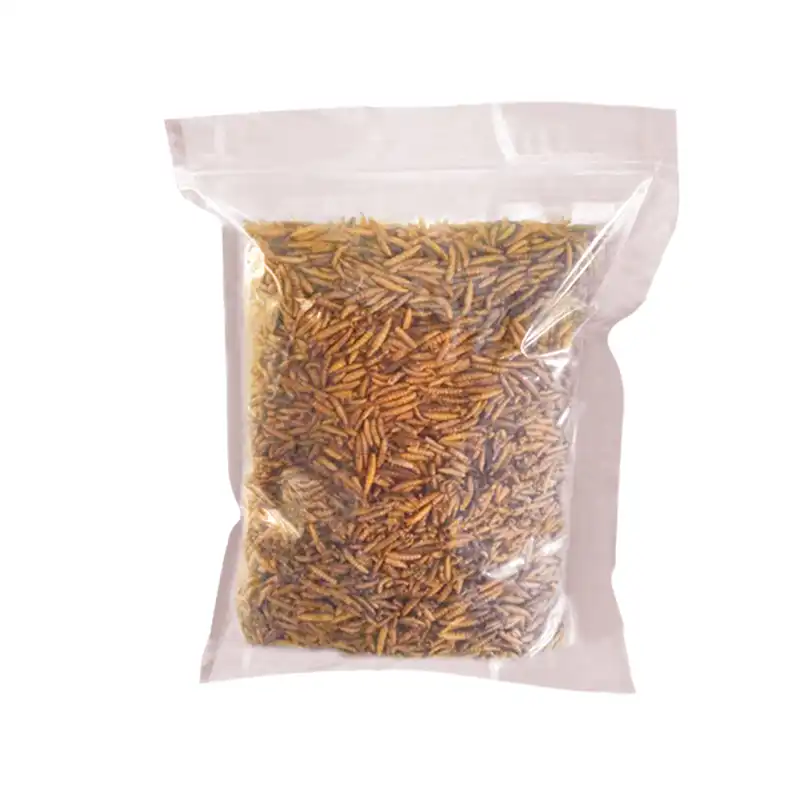
To run mixed poultry farms well, you need to know what foods each type of bird needs and think of practical ways to give them what they need. Ducks can eat chicken feed that has had the right amount of protein and niacin added to it. This makes it easy for places that care for more than one kind of bird to buy food. Giving your flock focused nutrition that helps them grow, lay eggs, and stay healthy in general is easy when you add high-quality protein sources like dried mealworms for chickens. Long-term nutrition plans are possible if you carefully choose your suppliers based on their quality guarantees, reliable shipping, and fair pricing. Adding smart supplements to full base feeds makes both animal health and cost management better. This makes it easy for B2B buyers to give their clients food plans that are based on science.
Start Enhancing Your Poultry Feed Strategy with Yunlan Today
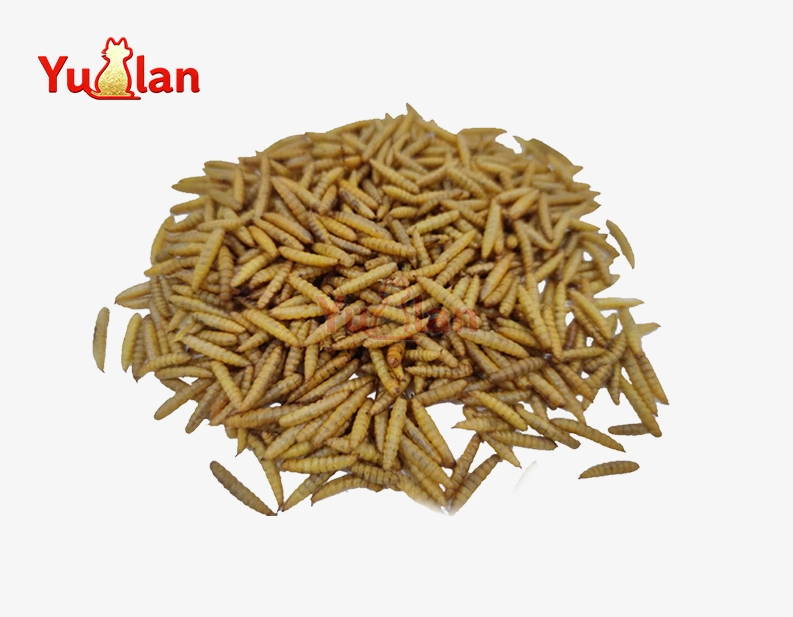
Yunlan knows a lot about high-quality insect-based protein choices for chicken farms that raise birds for profit. They sell both black soldier fly larvae and dried mealworms for chickens. The black soldier fly larvae are dried using cutting edge microwave technology. There are strict quality checks on all of our goods to make sure they meet the high standards that B2B buyers expect. With this method, the nutrients in the food stay whole and germs are killed. We are a dependable business that has been making mealworms for chickens for many years and has worked with pet stores, veterinary clinics, and suppliers in over 60 countries. We can offer custom feeding solutions and have a history of great supply chain performance to back them up. Check out our options for buying in bulk, and if you want to see how our high quality stacks up against others, just ask for samples. To talk about your business needs and find out how Yunlan's healthy ideas can help your chicken feed program work better, email minghuixu6717@gmail.com or visit yunlanpets.com.

FAQ
Is it safe for ducks to eat chicken feed every day?
Chicken feed is fine for ducks to eat every day as long as it has extra niacin and the right kinds of protein. Birds may have weak legs or trouble getting around if they don't get enough niacin. Extra brewer's yeast can be added to their food or treats high in niacin can be given to make up for this need. Companies that feed chicken layer food should make sure that ducks always have access to clean water. Every once in a while, they might want to switch out some of the water for water that has less calcium.
Should I choose live or dried mealworms for commercial operations?
Food that is dried out lasts longer, is easier to store, and always has the same quality, making it better for business-to-business conditions. Live mealworms can be used to change behavior, but they need to be kept in a climate-controlled area and the collection needs to be constantly handled. People who buy in bulk, distribute, or run big sites usually find that dried types work better for them. But specialty stores or small shops may offer live options to attract high-end customers who are ready to handle the handling needs.
How do I ensure mealworms remain cost-effective in large operations?
If you buy a lot of mealworms from a trusted supplier, you can save a lot of money per unit. To find out how cost-effective something really is, you need to look at its total nutritional value instead of just its per-pound price. This is because the total nutritional value takes into account better feed conversion and health results. Adding 10% of the total feed amount strategically instead of replacing it keeps costs low while improving performance. Most of the time, you can get good prices that protect you from market changes if you sign an annual deal with a volume promise.
References
1. Smith, J.A. & Chen, L. (2023). "Nutritional Requirements of Waterfowl: Comparative Analysis with Traditional Poultry." Journal of Avian Nutrition Studies, 45(3), 178-195.
2. Thompson, R.K. (2022). "Insect Protein in Commercial Poultry Diets: Performance Outcomes and Economic Assessment." International Poultry Science Review, 38(2), 221-240.
3. Williams, M.D., Pink, P.L., & Zhang, Y. (2024). "Niacin Deficiency in Domestic Ducks: Clinical Manifestations and Dietary Prevention Strategies." Veterinary Poultry Medicine Quarterly, 52(1), 67-84.
4. Rodriguez, E.S. (2023). "Processing Technologies for Insect-Based Animal Feed: Quality, Safety and Nutritional Retention." Food Processing Technology Journal, 29(4), 412-429.
5. Anderson, C.T. & Murphy, H.J. (2022). "Feed Formulation Strategies for Mixed Poultry Operations: Balancing Species-Specific Needs with Economic Efficiency." Agricultural Business Management Review, 41(3), 305-323.
6. Clarke, B.W., Davidson, K.R., & Lee, S.H. (2024). "Comparative Protein Source Evaluation in Poultry Nutrition: Mealworms, Black Soldier Fly Larvae, and Traditional Supplements." Poultry Nutrition Science, 47(2), 156-174.