- English
- French
- German
- Portuguese
- Spanish
- Russian
- Japanese
- Korean
- Arabic
- Irish
- Greek
- Turkish
- Italian
- Danish
- Romanian
- Indonesian
- Czech
- Afrikaans
- Swedish
- Polish
- Basque
- Catalan
- Esperanto
- Hindi
- Lao
- Albanian
- Amharic
- Armenian
- Azerbaijani
- Belarusian
- Bengali
- Bosnian
- Bulgarian
- Cebuano
- Chichewa
- Corsican
- Croatian
- Dutch
- Estonian
- Filipino
- Finnish
- Frisian
- Galician
- Georgian
- Gujarati
- Haitian
- Hausa
- Hawaiian
- Hebrew
- Hmong
- Hungarian
- Icelandic
- Igbo
- Javanese
- Kannada
- Kazakh
- Khmer
- Kurdish
- Kyrgyz
- Latin
- Latvian
- Lithuanian
- Luxembou..
- Macedonian
- Malagasy
- Malay
- Malayalam
- Maltese
- Maori
- Marathi
- Mongolian
- Burmese
- Nepali
- Norwegian
- Pashto
- Persian
- Punjabi
- Serbian
- Sesotho
- Sinhala
- Slovak
- Slovenian
- Somali
- Samoan
- Scots Gaelic
- Shona
- Sindhi
- Sundanese
- Swahili
- Tajik
- Tamil
- Telugu
- Thai
- Ukrainian
- Urdu
- Uzbek
- Vietnamese
- Welsh
- Xhosa
- Yiddish
- Yoruba
- Zulu
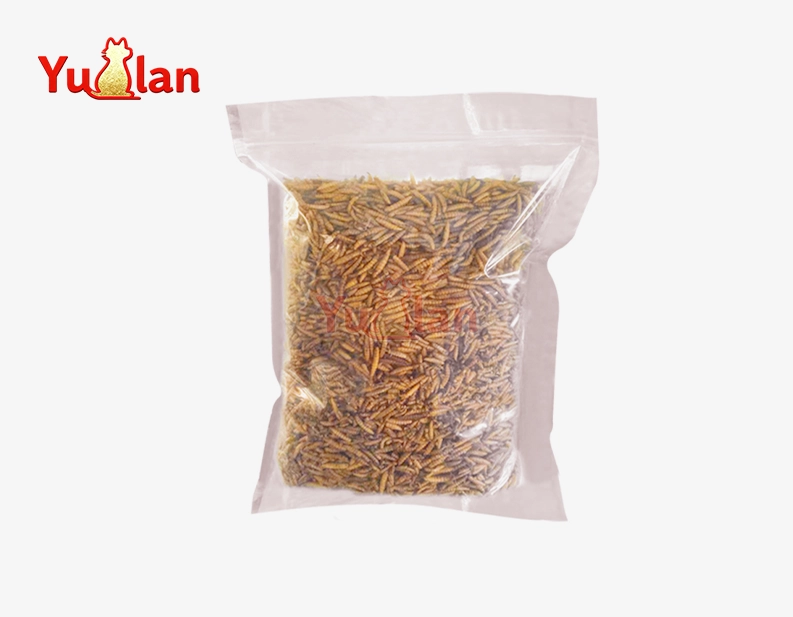
You can feed black soldier fly larvae to chickens, and it's becoming a preferred choice among poultry professionals worldwide. These nutrient-dense insects offer an exceptional protein source that chickens naturally love. Sourced from sustainable black soldier fly farm operations, these larvae provide approximately 40% protein content alongside essential amino acids, fats, and trace minerals that support robust flock health. Unlike conventional feed supplements, premium dried larvae undergo industrial microwave processing at 110 degrees Celsius, eliminating harmful bacteria while preserving maximum nutritional value—all without artificial colors, seasonings, or frying. This makes them an ideal supplement for broilers, layers, and backyard chickens alike.

Black Soldier Fly as Poultry Feed
Why Black Soldier Fly Larvae Transform Chicken Nutrition
Black soldier fly larvae are more than just another ingredient in feed; they are a nutritional powerhouse that meets many of the health needs of chickens at once. The protein content is about the same as standard sources like fishmeal and soybean meal, but BSFL is easier for animals to digest, which means that your group will get more from their food.
The amino acid makeup of these larvae is what makes them so important. Lysine and methionine are two amino acids that are important for feather growth and color. They are found naturally in amounts that meet or go beyond what chickens need in their food. When birds are given BSFL supplements, their feather quality always gets better, which is a sign of their general health and immune system function.
Pay close attention to how much fat is in black soldier fly larvae. These good fats, which are high in lauric acid and palmitoleic acid, help the body use energy and absorb nutrients. The chickens that eat these fats are healthier and more active, which is especially helpful for laying hens during busy times.
Environmental and Economic Advantages for B2B Buyers
Commercial black soldier fly farms are in perfect line with the circular economy ideas that are becoming more and more important in the chicken business when it comes to buying things. These farms turn organic waste streams, like leftovers of food processing and farming residues, into high-value protein feed. This helps the environment while also making money.
When it comes to production efficiency, insect farming is much better than standard ways of growing proteins. Compared to livestock or crop-based protein sources, BSFL need less land, water, and feed. Because of this, prices stay stable, which helps buying managers make better budgets, especially since protein markets around the world are always changing.
Modern supply chain management takes carbon footprint into account. Studies show that producing BSFL produces a lot less greenhouse gas emissions than producing regular feed ingredients. Companies that use these sustainable protein sources in their feed formulations are in a good situation because customers and stores are becoming more interested in buying things that are good for the environment.

Setting Up a Black Soldier Fly Farm for Poultry Feed Production
Essential Infrastructure and Equipment Requirements
To open a commercial-scale plant for making insect protein, you need to pay close attention to weather control systems and special tools. Keeping the temperature between 25 and 30 degrees Celsius and the humidity between 60 and 70% creates the best conditions for larval growth and the highest output yields.
Modern black soldier fly farms have automatic feeding systems that spread organic material evenly across the rearing containers. This makes sure that the larvae get regular nutrition. For smaller operations, manual screening devices are used for harvesting. For larger operations, fully automated separation systems can handle thousands of kilograms of material every day. Climate-controlled breeding rooms keep adult fly populations stable, making sure that eggs are always being laid so that larvae can be collected all year long.
Planning for space depends on the goals of the company. Pilot operations, which can take up to 1,000 square feet, are good for trying market demand and making processes better before going big. Large business facilities are usually bigger than 10,000 square feet and have several production zones that let harvesting plans stay the same and output amounts stay the same.
Best Practices for Maximizing Production Efficiency
To be successful, insect farms must follow strict tracking rules at all stages of production. Checking the temperature and humidity every day keeps the environment from changing in ways that could slow larval growth or hurt quality. The quality of the substrate has a direct effect on the nutritional makeup, which makes buying decisions very important. For example, larvae that eat high-quality grain-based meals combined with vegetable matter have the best protein and fat profiles.
Integrated waste management gives businesses an edge over their competitors. Partnering with food processors or farming operations helps facilities get consistent, low-cost feedstock while also cutting down on waste. This mutually beneficial relationship makes business models stronger and shows environmental responsibility, which buyers who care about sustainability will appreciate.
To meet the patterns of customer demand, planning how to schedule production is called strategic planning. Staggered breeding cycles make sure that there are always eggs available, so there are no supply problems that could hurt relationships with customers. Throughout the production process, quality assurance checks make sure that the larvae meet safety and nutritional standards before they are sent to chicken farms.

Ensuring Long-Term Success: Maintenance, Quality Control, and Market Trends
Proactive Management for Sustained Production Excellence
To keep production standards at their best, you have to pay close attention to practical details that stop typical problems. Regular repair plans for equipment keep it from breaking down mechanically, which could mess up gathering cycles or environmental controls. Monitoring the health of larvae finds possible disease risks before they affect production levels. This lets quick actions be taken to protect operations across the whole plant.
One of the most common problems with insect farming is that the hives get too crowded. Keeping the right stocking levels in place makes sure that animals can get enough food and avoids stress, which can slow growth or raise the death rate. Operators with a lot of experience carefully figure out how much space a container can hold based on the size and stage of development of the larvae, changing the densities as the larvae grow.
Contamination avoidance procedures keep customers safe and protect the quality of the products. Using strict biosecurity measures, such as restricted access to buildings, cleaning procedures for equipment, and pest control systems, lowers the chances of pathogens getting into production batches or batches becoming contaminated with each other.
Emerging Innovations Shaping the Industry Future
Automation technology keeps making insect farming more efficient and able to handle more people. Facilities can increase output while lowering the need for workers by using robotic feeding systems and AI-powered tracking solutions. These technologies create streams of detailed data that make management more precise. For example, feeding schedules and environmental conditions can be tweaked to get the highest yield.
The global market for sustainable protein sources is growing faster because of pressure from regulators and consumer preferences for products that are good for the environment. The poultry industry's use of BSFL shows a dedication to sustainability that spreads through supply chains. This helps brands market themselves by highlighting the use of insect-based feed ingredients.
Vertical integration is possible when companies that make insect protein work with companies that already raise chickens. This is good for both parties. When poultry companies get committed supply relationships, they get stable prices and guaranteed availability. On the other hand, black soldier fly farm owners get long-term buy agreements that allow them to make capital investments in growing their businesses.
Conclusion
Feeding black soldier fly larvae to chickens is a smart business move that helps chicken farms of all sizes with their nutrition, the environment, and their bottom line. These naturally protein-rich insects provide important nutrients that help birds grow, lay eggs, and stay healthy overall, and they are better for the environment than regular feed ingredients. Commercial black soldier fly farms are continuing to grow to meet rising demand. This gives procurement workers a safe way to get this sustainable form of protein. Adding BSFL to feeding programs puts poultry businesses at the cutting edge of industry innovation and meets growing consumer demands for sustainable, humanely produced animal products, whether they are in charge of large commercial operations or specialized production systems.

FAQ
Is black soldier fly larvae safe for all chicken types?
Larvae of the black soldier fly are safe for all chicken types, including broilers, layers, breeders, and backyard chickens. The naturally available nutrients meet the nutritional needs of birds without causing digestive problems when added at the right rates and following the right transition methods. By processing food in a factory at 110 degrees Celsius, dangerous bacteria are killed, making the food microbiologically safe for all uses in chicken feeding.
How does BSFL feeding affect egg and meat quality?
Research shows over and over that adding BSFL to chicken products keeps or improves their quality. Eggs from layers that were fed BSFL have stronger shells and darker yolks without changing how they taste. Broiler meat has the same or better texture and taste than meat from conventionally grown birds. Some studies have even found that broiler meat is more tender, which is good for markets that care about quality.
What regulations govern commercial BSFL feed use?
Different areas have different rules, but more and more, insect protein is being accepted as an ingredient in animal feed. In the US, BSFL are usually thought to be safe for feeding chickens as long as they are supervised by the FDA. Insect protein can be used in animal feed, according to EU rules that apply to European markets. Reputable providers make sure they follow all the rules and give the paperwork needed for legal use in commercial poultry businesses. This makes it easier for feed makers and integrators to make decisions about what to buy.
Partner with Yunlan for Premium Black Soldier Fly Solutions
Yunlan is an expert at sending high-quality dried black soldier fly larvae that meet the strict requirements of commercial poultry farms and pet food markets around the world. Our goods are made with modern industrial microwave drying technology and have 40% protein. They also don't have any artificial ingredients, just the natural nutrition your groups need. As a reliable black soldier fly farm supplier that ships to more than 60 countries, we know how hard it can be to do business with other businesses. That's why we offer unique solutions that are made to fit the size and needs of your operation.
Our extensive knowledge of the supply chain, built up over decades of experience and strict quality control standards, guarantees that products will always be available and be reliable. Yunlan gives you the technical support and flexible ordering options that make your business successful, whether you're a wholesaler, distributor, retailer, or veterinary supplier looking for sustainable feed alternatives. Visit yunlanpets.com to look into partnership opportunities, or email our procurement specialists at minghuixu6717@gmail.com to talk about volume pricing and customized formulation options that fit your strategic goals.
References
- Makkar, H.P.S., Tran, G., Heuzé, V., and Ankers, P. (2014). "State-of-the-art on use of insects as animal feed." Animal Feed Science and Technology, Volume 197, Pages 1-33.
- Oonincx, D.G.A.B., van Broekhoven, S., van Huis, A., and van Loon, J.J.A. (2015). "Feed conversion, survival and development, and composition of four insect species on diets composed of food by-products." PLOS ONE, Volume 10, Issue 12.
- Cullere, M., Tasoniero, G., Giaccone, V., Miotti-Scapin, R., Claeys, E., De Smet, S., and Dalle Zotte, A. (2016). "Black soldier fly as dietary protein source for broiler quails: Apparent digestibility, excreta microbial load, feed choice, performance, carcass and meat traits." Animal, Volume 10, Issue 12, Pages 1923-1930.
- Schiavone, A., De Marco, M., Martínez, S., Dabbou, S., Renna, M., Madrid, J., Hernandez, F., Rotolo, L., Costa, P., Gai, F., and Gasco, L. (2017). "Nutritional value of a partially defatted and a highly defatted black soldier fly larvae meal for broiler chickens." Poultry Science, Volume 96, Issue 8, Pages 2540-2549.
- Wang, Y.S. and Shelomi, M. (2017). "Review of black soldier fly as animal feed and human food." Foods, Volume 6, Issue 10, Article 91.
- Józefiak, A., Nogales-Mérida, S., Mikołajczak, Z., Rawski, M., Kierończyk, B., and Mazurkiewicz, J. (2019). "The utilization of full-fat insect meal in rainbow trout nutrition: The effects on growth performance, intestinal microbiota and gastrointestinal tract histomorphology." Annals of Animal Science, Volume 19, Issue 3, Pages 747-765.