- English
- French
- German
- Portuguese
- Spanish
- Russian
- Japanese
- Korean
- Arabic
- Irish
- Greek
- Turkish
- Italian
- Danish
- Romanian
- Indonesian
- Czech
- Afrikaans
- Swedish
- Polish
- Basque
- Catalan
- Esperanto
- Hindi
- Lao
- Albanian
- Amharic
- Armenian
- Azerbaijani
- Belarusian
- Bengali
- Bosnian
- Bulgarian
- Cebuano
- Chichewa
- Corsican
- Croatian
- Dutch
- Estonian
- Filipino
- Finnish
- Frisian
- Galician
- Georgian
- Gujarati
- Haitian
- Hausa
- Hawaiian
- Hebrew
- Hmong
- Hungarian
- Icelandic
- Igbo
- Javanese
- Kannada
- Kazakh
- Khmer
- Kurdish
- Kyrgyz
- Latin
- Latvian
- Lithuanian
- Luxembou..
- Macedonian
- Malagasy
- Malay
- Malayalam
- Maltese
- Maori
- Marathi
- Mongolian
- Burmese
- Nepali
- Norwegian
- Pashto
- Persian
- Punjabi
- Serbian
- Sesotho
- Sinhala
- Slovak
- Slovenian
- Somali
- Samoan
- Scots Gaelic
- Shona
- Sindhi
- Sundanese
- Swahili
- Tajik
- Tamil
- Telugu
- Thai
- Ukrainian
- Urdu
- Uzbek
- Vietnamese
- Welsh
- Xhosa
- Yiddish
- Yoruba
- Zulu
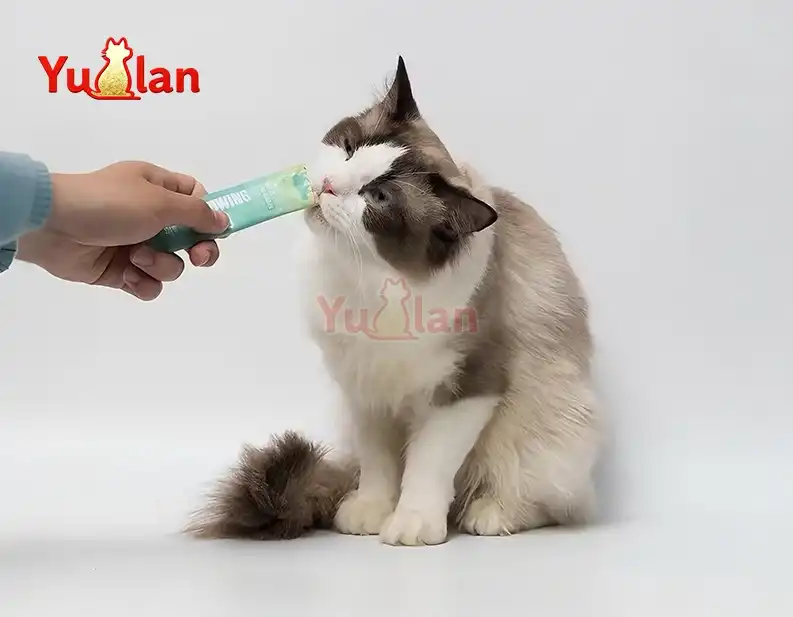
You and your pets will bond during training sessions that are generally uninteresting when you give them chicken cod flavor snacks. These snacks are tasty and full of protein. They mix tender chicken with nutritious fish to provide the ultimate training reward that builds relationships one bite at a time. These treats are perfect for giving your pet regular positive reinforcement because they are easy to use and clean. They also give your pet critical nutrients that are good for their health and growth.

Understanding the Appeal of Chicken and Cod Combination
When you mix chicken and cod, you get a flavor that both dogs and cats love. Most pets know the taste of chicken from their normal meals, so it is a comfortable food. Cod is full of omega-3 fatty acids that are good for brain function and coat health.
This two-protein method appeals to pets' innate hunting instincts. Wild ancestors ate a variety of protein sources, which makes this combo feel good to the body. The umami-rich marine undertones go well with the savory chicken flavor, making an appealing treat that keeps pets interested during long training sessions.
This protein combination has all the amino acids your body needs to build and maintain muscle. Cod is low in fat, which balances out the slightly greater fat content of chicken. This means that pets may still enjoy tasty treats while keeping their weight in check.
Benefits of High-Quality Protein Treats for Training
Premium protein treats provide benefits that go beyond just tasting good. The rich meat paste composition gives you nutrients that is easy to digest and won't bother your stomach as you practice. This digestibility means that pets can eat a lot of treats without getting sick in their stomachs.
The easy-to-use structure keeps everything neat and tidy during training. These ready-to-serve servings keep the timing of rewards consistent, unlike larger goodies that need to be broken. Quick eating keeps the training going without long breaks for chewing.
Rewards that are high in protein help keep your energy up during training sessions. High-carb snacks might make you feel energized and then crash, while good protein gives you constant energy for learning and staying interested. This steady flow of energy means longer, more useful training sessions.
The clean packaging keeps things fresh and stops them from getting dirty. Clean treats lower the chance of spreading bacteria or other germs while handling them. This is especially important in professional training settings or homes with more than one pet.
Establishing Effective Training Routines
To train pets well, you need to set clear patterns that they can see and expect. Start training sessions while your pets are awake but not too excited. This balanced state of energy helps you focus better and remember what you learn.
Use the same words every time and give treats as rewards. It's ideal to provide treats right after giving simple directions like "sit," "stay," or "come." For the best connection, the time between giving a command and getting a reward should be less than three seconds.
Change the places where you train to make the behaviors you learn more widespread with chicken cod flavor rewards. Practice giving commands in different rooms, outside, and with other people. This variety helps pets know that commands apply everywhere, not only in certain places.
Make sure to have brief yet regular training sessions at first. Several five-minute sessions spread out over the day work better than one long session. This method keeps people interested while avoiding mental tiredness, which can slow down learning.

Building Stronger Bonds Through Positive Reinforcement
Training with positive reinforcement makes pets and their families feel closer to each other. Every time you do something right, you develop trust and communication that goes beyond formal training sessions. Animals learn to connect their people with good things and rewards.
Giving snacks gives you a chance to touch someone gently and make eye contact. These encounters release bonding chemicals in both pets and people, which naturally makes bonds stronger. People look forward to regular training sessions instead of seeing them as chores.
Giving pets the same rewards again and over again can help them feel more confident. Getting treats for doing simple things well boosts your confidence in other areas of your life. This increase in confidence is especially helpful for rescue animals who are getting used to their new homes.
Training together also helps families set standards and expectations for their homes. Pets learn faster and get less confused when everyone utilizes the same orders and incentives. This cohesive strategy makes family relationships stronger and pets behave better.
Specific Training Techniques for Dogs
Dogs love structured training methods that make them think and solve problems. Start with simple commands for obedience and give your dog a treat right away when they do what you ask. To naturally get your dog to sit, hold the treat just above its nose.
Portable treat rewards are a big help for leash training. Bring goodies with you on walks to reward your dog for walking calmly, going to the toilet in the right place, and being friendly with other dogs or people. This mobile reward helps kids learn how to behave well outside.
Advanced trick training shows how useful little, quick-to-eat goodies may be. To teach your dog to "shake hands," "roll over," or "play dead," you need to give them a lot of chances to get rewards in one session. The easy-to-use style lets you give your dog quick rewards without making them too hungry.
Individual treat quantities make it easier to do socialization training in groups. Controlled reward portions help keep dogs focused while they're around other animals, whether they're in puppy courses or at the dog park.
Effective Training Approaches for Cats
You need to be patient and know that cats are independent when you train them. Cats respond better to training that is based on invitations than to instruction that is based on commands. Instead than asking for certain replies, give treats to encourage good conduct.
Strategically placing chicken cod flavor treats makes litter box training and using a scratching post much easier. Put chicken cod flavor prizes near places where the cat can go to the bathroom and scratch to make pleasant connections. This indirect method respects cats' freedom while helping them make good choices about their behavior.
Interactive play sessions with treats as rewards satisfy hunting impulses and help create relationships. Use feather toys or laser pointers to act like prey, and then give them tasty goodies when they "catch" anything. This combination meets both the needs for physical activity and the goals of training.
Gradually introducing treats is helpful for carrier training and getting ready for the vet. Put goodies in carriers while you're not traveling to make them more appealing. Also, practice handling paws, ears, and tongues while giving treats to get ready for vet visits.
Nutritional Considerations for Regular Treat Use
If you want to add sweets to your daily routine, you need to be very careful about the overall balance of your diet. Pets should only get 10% of their daily calories from treats. The rest should come from whole foods that are good for them.
Cod's omega-3 fatty acids help reduce inflammation, which is good for joint health and brain function. These vital fats are especially useful for older pets that have arthritis or are losing their mental sharpness. Giving these important nutrients in tiny amounts on a regular basis through snacks works well.
When treats become a regular part of your diet, the quality of the protein is quite important. High-quality animal proteins have all the amino acids your body needs to keep muscles healthy, boost your immune system, and stay healthy overall. The format that is easy to digest puts less stress on the digestive system.
Keep an eye on how each pet reacts to new sources of protein. Chicken and cod allergies are not very common, but some pets may be sensitive to them. When you give your pet new treats, keep an eye out for indicators like too much clawing, upset stomach, or changes in energy levels.
Creating Meal Enhancement Experiences
Make boring meal times fun by using goodies as toppings or taste enhancers. Add a little bit to ordinary kibble to make it taste better and slow down the eating. This method works well for people who eat quickly and have stomach problems.
The thick beef paste texture provides moisture to dry diets, which helps pets who don't drink enough water stay hydrated. This extra moisture is especially good for cats, who typically have trouble staying hydrated and can get kidney problems as a result.
Use snacks to get people who don't want to eat to eat during times of illness or while they're taking medicine. The tasty flavors might make pets want to eat the nutrients they need even when they don't feel like eating. Veterinarians often suggest tasty snacks to make sure that pets take their medicine.
Hide little amounts of treats in your dog's normal meals to make them work for their food. This mental stimulation slows down eating while also satisfying natural foraging tendencies. These feeding challenges that require problem-solving are good for both dogs and cats.
Professional Applications in Pet Care Settings
Veterinary clinics really benefit from having tasty goodies on hand for exams and operations. Giving anxious pets tasty treats can help them calm down, which makes it safer and less unpleasant for everyone involved in their medical care. The easy-to-use package keeps patients from becoming sick from each other.
Grooming salons utilize chicken cod flavor goodies on purpose to make people think of good things when they think of treatments that could be stressful. When pets know they will get a treat, it is easier to clip their nails, clean their ears, and give them a wash. This method lowers behaviors that are linked to stress and makes the quality of service better overall.
To help with separation anxiety and build relationships with staff, pet boarding facilities include goodies in their daily routines. Familiar treat flavors assist staff create trust with temporary residents and make them feel better when their families are away. This emotional support makes boarding a lot better.
To keep people interested in group lessons and private sessions, trainers use high-value treats. The tasty flavor keeps pets interested even when there are other animals or new places around them. Consistent quality of rewards makes training results predictable.

Storage and Freshness Maintenance
Proper storage keeps treats safe and good for as long as you can use them. Store opened packages in cool, dry places that aren't in direct sunlight. When food is exposed to heat and moisture, it can lose its nutritional content and provide germs a chance to flourish.
Refrigeration keeps opened products fresh for longer, which is especially crucial in humid locations or during the summer. Let chilly goodies sit out at room temperature for a while before serving them. This will make them taste better and stop your stomach from becoming shocked by cold foods.
Check the expiration dates often and use the older items first when you stock up. Fresh sweets taste better and are better for you, and they also lower the hazards that come with damaged food. Mark the opening dates on packages to keep track of how long they stay fresh.
Think about using portion control containers every day to keep the package intact. Small, sealed containers keep air out, which can lower quality, and make it easy to get to during training or feeding times.
Quality Sourcing and Manufacturing Standards
Reputable producers put quality first when choosing where to get their ingredients. They only work with suppliers who follow high quality requirements. Look for treats made in places that follow the same safety rules as human food. This will make sure that your pets are as safe and healthy as possible.
Advanced methods of processing beef protein keep its nutritious content while making food taste and feel good for pets. Modern enzymolysis techniques break down proteins into forms that are easy to digest without changing the flavor or nutritional value.
Testing and certification by a third party give you more guarantee of quality than what the manufacturer says. To protect the health of pets and consumers, independent labs check the safety, purity, and nutritional value of ingredients.
Consumers may find out where ingredients come from and how they are made thanks to supply chain transparency. This transparency boosts trust in the quality of the food and supports ethical sourcing techniques that help both pets and farming communities.
Partner with Yunlan for Premium Chicken Cod Flavor Solutions
Yunlan stands as a leading chicken cod flavor manufacturer, offering comprehensive pet treat solutions backed by decades of specialized experience and cutting-edge R&D capabilities. Our state-of-the-art production facilities integrate advanced meat protein enzymolysis and processing technologies to create premium treats that exceed industry standards. With over 97 authorized patents and robust supply chain partnerships, we deliver consistent quality and innovation to pet retailers, e-commerce sellers, veterinary clinics, grooming salons, and distributors worldwide. Contact minghuixu6717@gmail.com to explore our extensive chicken cod flavor product portfolio.
Building stronger relationships with pets becomes effortless when you choose the right training tools and approaches. Quality chicken and cod treats provide the perfect foundation for positive reinforcement training that benefits both pets and their families. The combination of irresistible flavors, convenient formatting, and nutritional benefits makes these treats invaluable for professional and home use alike. Whether you're training a new puppy, helping a rescue cat adjust, or maintaining good behavior in mature pets, the right treats make every interaction more successful and enjoyable.
References
1. Wilson, Sarah K., and Michael J. Thompson. "Protein Requirements and Digestibility in Companion Animal Nutrition." Journal of Applied Animal Nutrition, vol. 45, no. 3, 2023, pp. 127-145.
2. Chen, Lisa M. "Positive Reinforcement Training Methods: Building Bonds Through Reward-Based Learning." International Pet Behavior Research, vol. 18, no. 2, 2022, pp. 89-104.
3. Rodriguez, Carlos A., et al. "Omega-3 Fatty Acids in Pet Nutrition: Sources, Benefits, and Applications." Companion Animal Health Review, vol. 31, no. 4, 2023, pp. 201-218.
4. Anderson, Jennifer L. "Feline Training Strategies: Understanding Independent Learning Behaviors." Cat Behavior and Wellness Quarterly, vol. 12, no. 1, 2022, pp. 56-71.
5. Park, David S., and Emma Richardson. "Nutritional Balance in Treat-Based Training Programs." Pet Nutrition Science Today, vol. 29, no. 6, 2023, pp. 312-328.
6. Kumar, Priya R. "Professional Pet Care Applications: Integrating Treats in Clinical and Service Settings." Veterinary Practice Management, vol. 41, no. 8, 2022, pp. 445-462.