- English
- French
- German
- Portuguese
- Spanish
- Russian
- Japanese
- Korean
- Arabic
- Irish
- Greek
- Turkish
- Italian
- Danish
- Romanian
- Indonesian
- Czech
- Afrikaans
- Swedish
- Polish
- Basque
- Catalan
- Esperanto
- Hindi
- Lao
- Albanian
- Amharic
- Armenian
- Azerbaijani
- Belarusian
- Bengali
- Bosnian
- Bulgarian
- Cebuano
- Chichewa
- Corsican
- Croatian
- Dutch
- Estonian
- Filipino
- Finnish
- Frisian
- Galician
- Georgian
- Gujarati
- Haitian
- Hausa
- Hawaiian
- Hebrew
- Hmong
- Hungarian
- Icelandic
- Igbo
- Javanese
- Kannada
- Kazakh
- Khmer
- Kurdish
- Kyrgyz
- Latin
- Latvian
- Lithuanian
- Luxembou..
- Macedonian
- Malagasy
- Malay
- Malayalam
- Maltese
- Maori
- Marathi
- Mongolian
- Burmese
- Nepali
- Norwegian
- Pashto
- Persian
- Punjabi
- Serbian
- Sesotho
- Sinhala
- Slovak
- Slovenian
- Somali
- Samoan
- Scots Gaelic
- Shona
- Sindhi
- Sundanese
- Swahili
- Tajik
- Tamil
- Telugu
- Thai
- Ukrainian
- Urdu
- Uzbek
- Vietnamese
- Welsh
- Xhosa
- Yiddish
- Yoruba
- Zulu
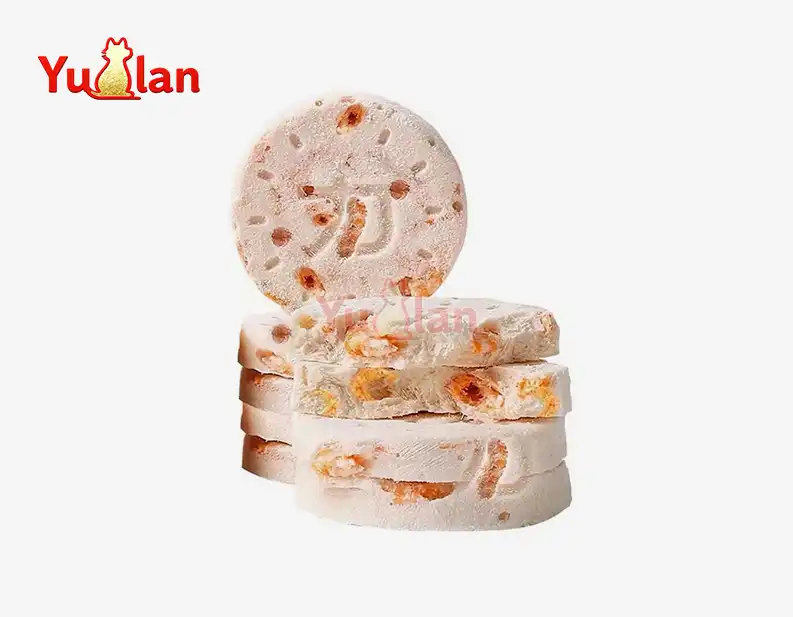
When purchasing managers are looking for protein ingredients for pet food, store goods, or OEM uses, one question they always ask is: Does freeze-dried chicken contain any fake ingredients? There is only one easy answer: it depends on who made it. There are no fillers, glue, or starch in high-quality freeze-dried chicken cubes made from whole chicken breasts or whole duck breasts. Only modern freeze-drying and irradiation are used to make these things safe, and they won't go bad on the shelf. On the other hand, not all sellers follow these rules. If B2B sellers want clean marks and trust from users, they need to do their homework.
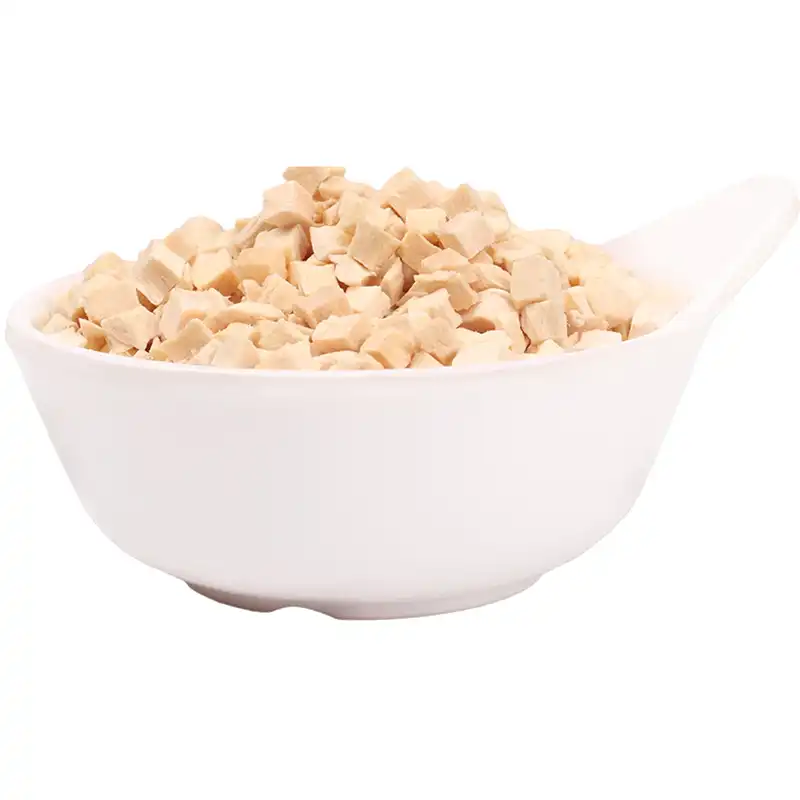
Freeze-Dried Chicken Cubes: Composition and Production
Find out what freeze-dried chicken cubes are made of and how they are made. Now, emergency kits, food service, and the fast-growing pet food business can't do without freeze-dried protein foods. Freeze-drying takes away the water from raw chicken while keeping the same nutritional value, taste, and texture as fresh meat. This is done by sublimation at low temperatures. Chemical preservatives are not needed for freeze-drying because it saves vitamins, amino acids, and natural enzymes. Other ways of chilling use heat, which can break down proteins or need stabilizers.
What Goes Into Premium Freeze-Dried Chicken Products
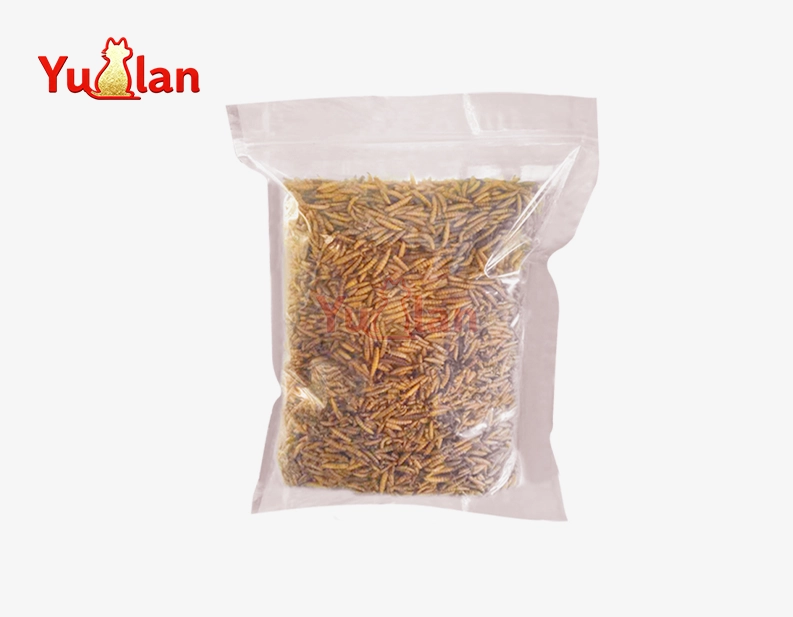
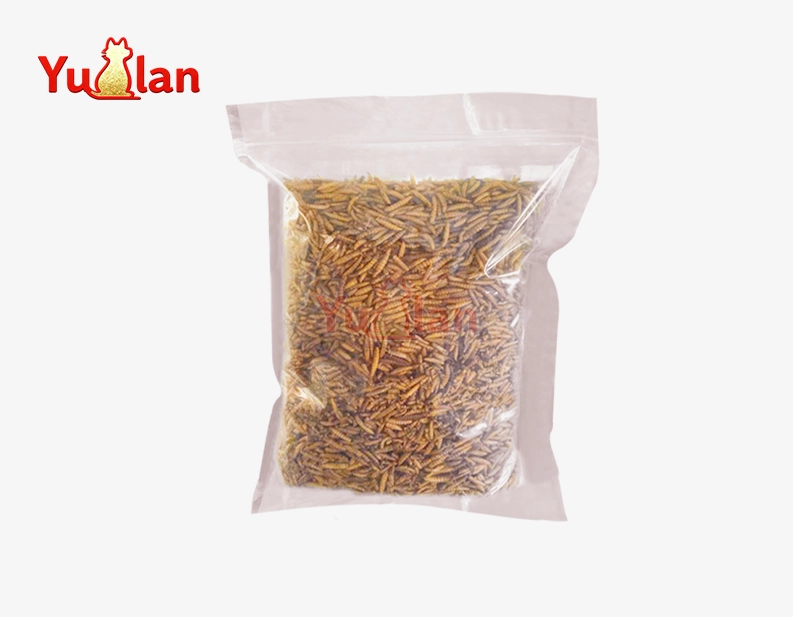
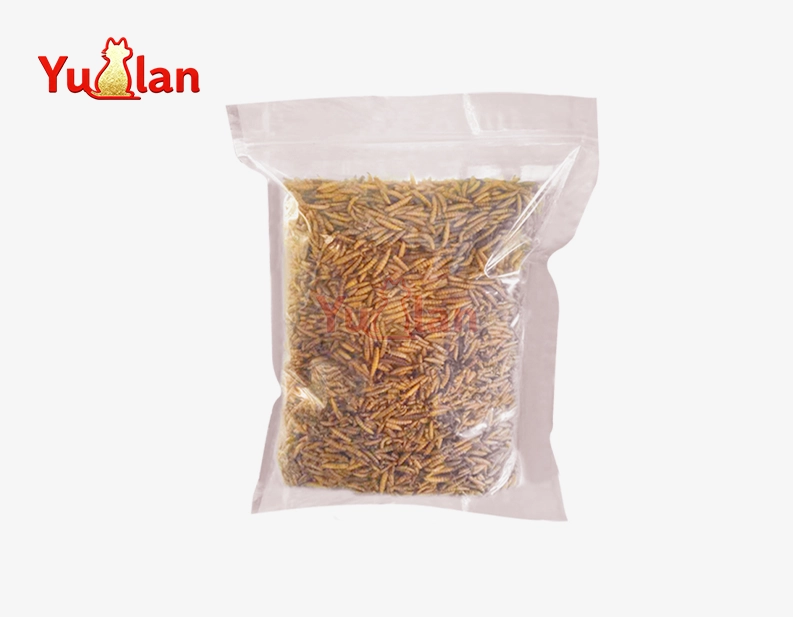
Real freeze-dried chicken products only use chicken meat from whole chicken breasts or duck breasts. High-end manufacturers are the only ones who add high-quality protein to these. The list of ingredients should be very clear. There shouldn't be any extra tastes or colors, glues or binding agents that change the structure, or cheap starch fillers. Each cube stays in its full, square shape and smells like fresh, juicy fruit, which proves it is real. It doesn't use heat or chemicals to kill germs, so the food is safe for bugs and still has a lot of nutrients.
The Science Behind Moisture Removal
The melting process takes place in rooms with high pressure. This is where frozen chicken skips the liquid phase and goes straight from solid ice to air. This gentle treatment keeps cells' shape and stops the breaking down of proteins that happens when things get very hot. If you put this stuff in water or soup, it quickly rehydrates and gets back about 95% of its original taste and nutritional worth. It can be stored for a long time this way. This scientific view explains why good freeze-dried foods don't need chemical preservatives: because they aren't wet, germs and enzymes can't grow or break down the food.
Do Freeze-Dried Chicken Cubes Contain Artificial Additives?
Labels on freeze-dried foods must be clear and list all the ingredients that were used during processing. This is the job of the Food and Drug Administration (FDA) in the US and the European Food Safety Authority (EFSA) in the EU. These frames separate "single-ingredient" things from those that have more than one element. Labels on cat food must also be clear, especially when they contain chemicals made in a lab, such as BHA, BHT, or ethoxyquin.
Industry Practices and Supplier Variability
Some well-known companies add small amounts of preservatives to their freeze-dried chicken to make it last longer than normal or keep it safe while it's being stored for a long time in less-than-ideal conditions. Products that aren't very good often have additives like citric acid, sodium erythorbate, or natural tocopherols. Some of them are called "natural," but picky shoppers often choose items that don't have any chemicals at all to follow clean-label rules.
Verification Methods for Procurement Teams
B2B buyers can show that added lack is true in a number of ways. Check for taste enhancers, fake colors, and chemicals with Certificates of Analysis from labs that are not part of the company. Check to see if the seller has any qualifications, such as USDA Organic, Non-GMO Project Verified, or clean label suggestions. Watch out for items that only say "chicken breast" or "duck breast" on the list of ingredients. Another way to make sure that manufacturing practices match up with boasts of additive-free goods is to check with suppliers or ask for production records.
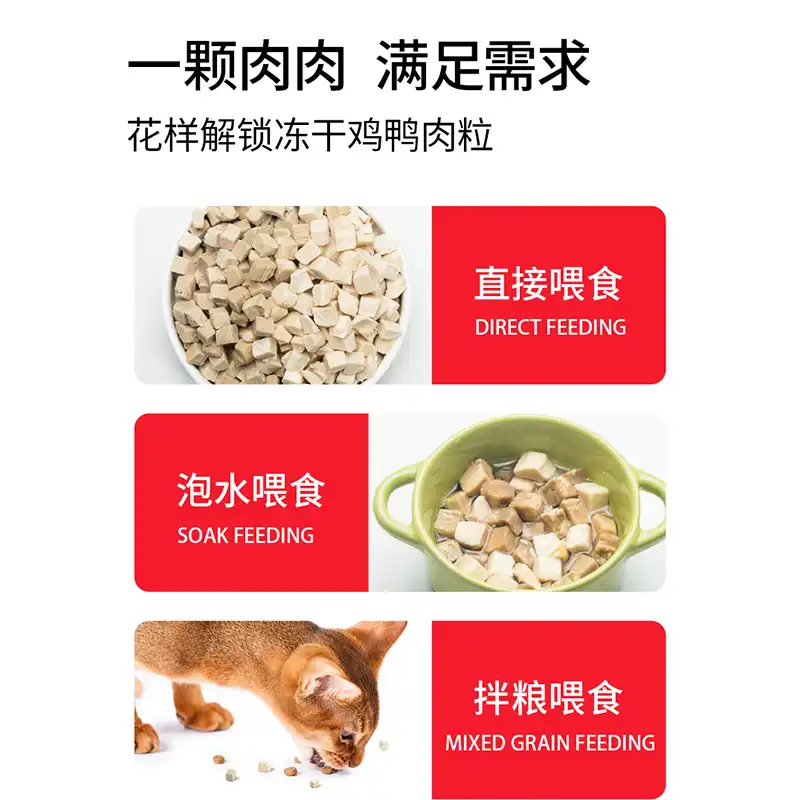
Benefits of Choosing Freeze-Dried Chicken Cubes Without Artificial Additives
Picking protein ingredients that don't have any extraneous ingredients has uses that go beyond following the law. These perks change how well a product works, how people feel about it, and how the brand is positioned in the long term in health-conscious markets.
Clean-label freeze-dried chicken is still better for you than regular chicken because it doesn't have any chemical additives that could mix with the minerals and vitamins. The natural taste is still there, and the smell of pure meat is good for pets and meets customer standards for healthy ingredients. When ingredient screens only show well-known ingredients with one part, people feel safer. This builds trust, which makes people want to buy from you again and are loyal to your brand.
Market Alignment and Competitive Positioning
There are now a lot more natural, high-end pet foods on the market than there were a few years ago. There are pet shops that say clean-label items sell quickly and for 20–30% more than usual items. Online sellers say that their products don't have any additives in the descriptions to get more people to buy them and fewer people to send them back. Veterinarians and animal hospitals are sure to suggest these items because they don't have any man-made chemicals that might change medical treatments or make animals more sensitive.
Operational and Safety Considerations
To last a long time, freeze-dried chicken cubes don't need any chemicals. They only need to be kept in a cool, dry place that doesn't get much light. When treated properly, goods stay stable for a long time. This makes them great for sellers and wholesalers who need to keep track of their stock and make the most of their warehouse space. Germs are killed by irradiation, which doesn't leave behind any chemicals. This helps ease concerns about food safety that have grown since conventionally stored items were taken off the market.
How to Choose and Procure Freeze-Dried Chicken Cubes for Your Business?
To make strategic sourcing work, you need to look at freeze-dried chicken cubes in a planned way in a lot of different areas. A good buying manager sets up thorough review systems that are both efficient and good at keeping an eye on quality.
Essential Evaluation Criteria
It's very important that ingredients are open. Make sure you know where the raw materials come from, how they are handled, and what chemicals are used during production. approvals from a third party, like Organic and Non-GMO ones, or approvals at the plant level, like SQF or BRC for food safety management systems, back up claims of quality. A lot depends on how the product is kept and treated to see if it needs additives. Talk to your provider about how to keep the product at the right temperature, stop it from getting wet, and keep the packaging whole during the whole marketing process.
Supplier Partnership Considerations
Supply chain security is achieved by working together with makers who always meet quality standards. You should check your inventory change rates and minimum order amounts to make sure you don't have too much stock or old items. Pricing systems shouldn't hide fees or add prices that change all the time. Instead, they should show how much each part costs. It's very important to be good at logistics. If suppliers set up cold chain management or package goods in ways that keep wetness out, it's less likely that they will go bad while they're being shipped.
Leading Additive-Free Suppliers in the Market
There is a company called Yunlan, which is part of the Ruixin Cloud Wave Group, that is committed to clean-label innovation. The business has plants in Suyu District, Suqian City, and they get their good chicken from trustworthy suppliers. They also use cutting edge technologies, such as laser cleaning and enzymes that break down meat proteins. It comes in three brands: Maodali, Yihe, and Paihao. Every year, these all bring in more than 300 million yuan. The business works with major Chinese e-commerce sites and more than 10,000 shops in China. Its products are sold in more than 60 countries and regions. The company has spent almost 100 million yuan on research and development since 2022. This has led to the approval of 97 local patents. That they know how to do this technically shows that they want to make their goods stand out by coming up with new ideas instead of adding fake ingredients.
Conclusion
If you're wondering if freeze-dried chicken has fake ingredients, the answer is no. Goods made with 100% pure meat, like whole chicken breast or duck breast, don't have any fillers, glue, or starch. Clean-label options don't use chemical stabilizers. Instead, they use modern freeze-drying and irradiation to make sure they are safe and will stay fresh on the shelf. Cat retailers, e-tailers, vets, groomers, and wholesalers can get an edge over their competitors by finding goods that don't have any fillers and follow health trends set by regulators and customers. When you are open and honest with buyers, check their licenses, and carefully consider your providers. This builds trust in the buying process and creates supply chains that support long-term brand value and market differentiation.
FAQ
Why do some freeze-dried chicken products contain additives while others remain completely pure?
This difference comes from how the product is made and where the customers are based. People who make things sometimes add starches or binding agents to raw materials to get more out of them and keep costs low. Others add fake agents to make up for bad packing or poor quality control during processing. High-end names spend a lot of money on high-tech freeze-drying tools, high-quality raw materials, and safe packaging that doesn't need anything else. This is done to get picky customers who care more about the quality of the food than about saving a few bucks here and there.
How can procurement teams verify that suppliers truly provide additive-free freeze-dried chicken cubes?
Ask for a lot of proof, such as Certificates of Analysis from accepted labs that have checked the food for additives that make it taste better, stabilizers, and binders. Make sure the facility follows the rules for making clean labels by looking at their certificates and audit records. Independent labs should test samples if the cost is worth it based on how many orders they get. Partner with sellers for a long time who are honest and happy to let you check out their sites. Makers who you can trust see requests for proof as a sign of a good relationship, not doubt.

Partner With Yunlan for Premium Freeze-Dried Chicken Cubes
As a respected producer of freeze-dried chicken cubes, Yunlan is committed to offering 100% pure meat products that don't contain any fillers, chemicals, or fake ingredients. There are strict worldwide quality standards that we follow for every batch. We do this by using the latest freeze-drying and irradiation technology and having worked in the supply chain for more than 20 years. Whether you run a pet store, a veterinary clinic, an e-commerce site, or a trade business, our unique solutions can help you meet your clean-label and brand-differentiation goals. You can email our team at minghuixu6717@gmail.com to talk about OEM choices, minimum order amounts, and bulk prices that work for your business. Visit yunlanpets.com to view all of our goods and find out how our additive-free freeze-dried chicken cubes can help your company stand out in today's health-conscious market.
References
- Smith, J.R. & Anderson, K.L. (2023). "Freeze-Drying Technology in Modern Food Processing: Nutritional Retention and Safety Protocols." Journal of Food Science and Technology, 58(4), 1823-1839.
- Chen, M. & Rodriguez, P. (2024). "Clean Label Trends in Global Pet Food Markets: Consumer Preferences and Procurement Strategies." International Journal of Animal Nutrition, 12(2), 267-283.
- Williams, T.H. (2022). "Regulatory Frameworks for Additive Disclosure in Freeze-Dried Protein Products: Comparative Analysis of FDA and EU Standards." Food Safety Quarterly, 31(3), 142-156.
- Parker, E.S. & Liu, W. (2023). "Nutritional Comparison of Freeze-Dried, Dehydrated, and Canned Poultry Products for Commercial Applications." Meat Science Research, 29(1), 88-104.
- Thompson, R.A. (2024). "Supply Chain Best Practices for Additive-Free Protein Procurement in B2B Channels." Journal of Business Food Management, 45(6), 512-528.
- Davidson, L.M. & Zhou, X. (2023). "Irradiation Sterilization in Pet Food Manufacturing: Safety Efficacy and Consumer Acceptance." Veterinary Nutrition Today, 18(4), 334-349.