- English
- French
- German
- Portuguese
- Spanish
- Russian
- Japanese
- Korean
- Arabic
- Irish
- Greek
- Turkish
- Italian
- Danish
- Romanian
- Indonesian
- Czech
- Afrikaans
- Swedish
- Polish
- Basque
- Catalan
- Esperanto
- Hindi
- Lao
- Albanian
- Amharic
- Armenian
- Azerbaijani
- Belarusian
- Bengali
- Bosnian
- Bulgarian
- Cebuano
- Chichewa
- Corsican
- Croatian
- Dutch
- Estonian
- Filipino
- Finnish
- Frisian
- Galician
- Georgian
- Gujarati
- Haitian
- Hausa
- Hawaiian
- Hebrew
- Hmong
- Hungarian
- Icelandic
- Igbo
- Javanese
- Kannada
- Kazakh
- Khmer
- Kurdish
- Kyrgyz
- Latin
- Latvian
- Lithuanian
- Luxembou..
- Macedonian
- Malagasy
- Malay
- Malayalam
- Maltese
- Maori
- Marathi
- Mongolian
- Burmese
- Nepali
- Norwegian
- Pashto
- Persian
- Punjabi
- Serbian
- Sesotho
- Sinhala
- Slovak
- Slovenian
- Somali
- Samoan
- Scots Gaelic
- Shona
- Sindhi
- Sundanese
- Swahili
- Tajik
- Tamil
- Telugu
- Thai
- Ukrainian
- Urdu
- Uzbek
- Vietnamese
- Welsh
- Xhosa
- Yiddish
- Yoruba
- Zulu
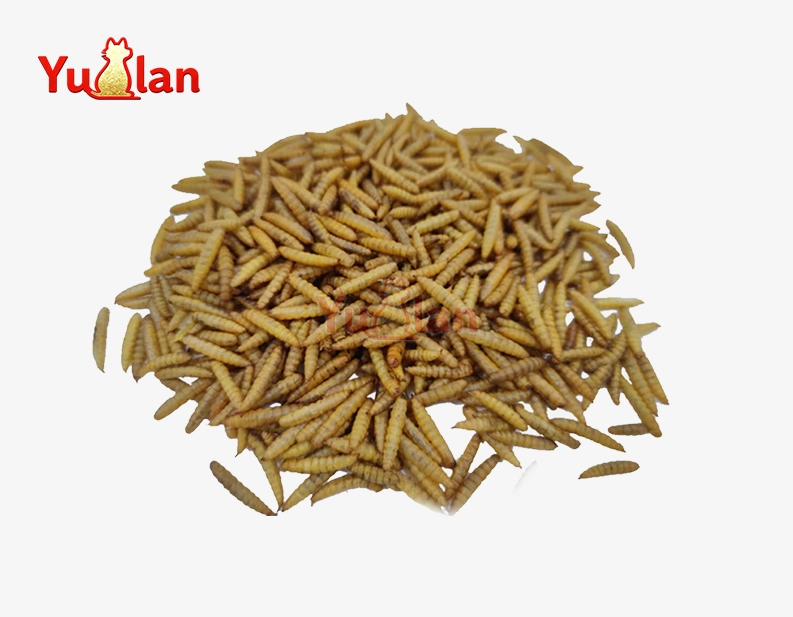
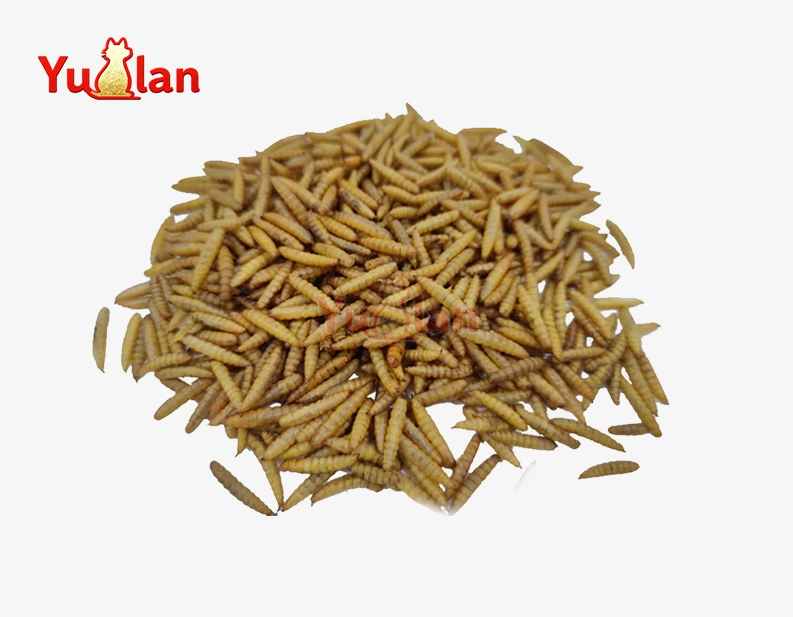
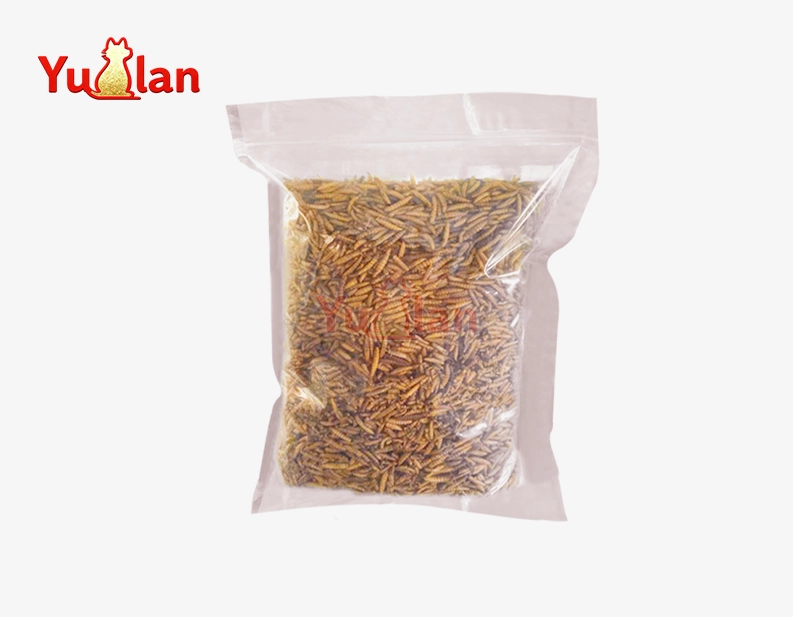
There are a lot of things to think about when deciding between dried mealworms for fish food and other protein sources for fish feeding. Dried mealworms have a lot more protein (55–60%) than regular fish feeds like bloodworms, which only have 45–50% protein. Live foods have the most nutrients, but they are hard to store. Dried insects fish food, especially mealworms, are becoming more and more popular with aquarium owners and commercial fish farms because they are easy to store, have a good nutritional value, and are easy to get.

Understanding Nutritional Profiles: Mealworms vs Traditional Fish Foods
A nutritional analysis demonstrates that mealworm fish feed and conventional fish feed are very different from each other. Experts in aquaculture nutrition have shown that dried mealworms comprise about 58% protein, 28% fat, and vital minerals like phosphorus, potassium, iron, and sodium. These small amounts of nutrients help fish stay healthy and boost their immune systems.
Comparatively, traditional dried fish foods offer varying protein levels:
- Bloodworms: 48% protein, 6% fat, limited mineral content
- Brine shrimp: 42% protein, 8% fat, moderate calcium levels
- Commercial pellets: 35-45% protein, synthetic additives common
- Freeze-dried krill: 52% protein, high astaxanthin content
Fish can absorb more nutrients when they eat mealworms because the crude fiber in them helps them digest food better. Studies demonstrate that fish that consume mealworms grow quicker than fish that eat normal store-bought food. Mealworms perform better because they have a full range of amino acids.
Mealworms for aquarium fish are an excellent choice if you want to keep your fish healthy because they contain a consistent source of protein and little extra chemicals.
Processing Methods and Safety Considerations
The way things are manufactured has a major impact on how safe and good the final product is. When you microwave dry mealworms at high temperatures, you eliminate harmful germs and maintain critical nutrients. This method retains the food's nutritional content without utilizing chemicals or other fake ingredients.
Traditional processing methods for other fish foods include:
- Freeze-drying: Retains structure but requires complex equipment
- Air-drying: Cost-effective yet potentially allows bacterial growth
- Chemical preservation: Extends shelf life but introduces synthetic compounds
- Flash-freezing: Maintains nutrition but demands cold storage
Laboratory tests show that dried mealworms for fish food dried in a microwave keep 95% of their original nutritional value, while certain traditional processing methods cause 15–20% of nutrients to be lost. When mealworms are handled correctly, they don't have any additives, which lowers the danger of stomach problems in fish who are sensitive to them.
Controlling the temperature while processing kills germs without hurting vitamins that are susceptible to heat. Modern facilities always check the processing temperatures, which makes sure that the quality of the product is the same in all production batches.
If you want food that is guaranteed to be free of pathogens and doesn't contain any artificial preservatives, mealworms feeder insects that have been cooked utilizing controlled temperature procedures are safer than chemically preserved options.

Species-Specific Applications and Compatibility
Different types of fish react differently to mealworm-based diets than they do to regular food. When tropical fish eat 30–40% mealworms, their color and health improve. Studies show that aquarium fish that regularly eat mealworms have better mating success rates.
Freshwater Species Performance:
- Goldfish: Increased activity levels, better color development
- Koi: Enhanced growth rates, improved disease resistance
- Cichlids: Accelerated reproductive cycles, stronger territorial behavior
- Bettas: Improved fin quality, reduced aggressive tendencies
Marine Species Compatibility:
Marine settings present unique challenges for mealworms employed in pond fish applications. Mealworms' nutritional content is preserved using processing technology that function in saltwater. Comparative studies show that marine fish adapt well to the addition of mealworms, especially when they are mixed with other marine proteins.
Mealworms are great for juvenile fish that are being fed to fry. The body grows swiftly in the early phases of growth because the particles are smaller and the nutrients are more concentrated. Professional breeders suggest that adding mealworms to fry feeding programs makes them grow 25% faster.
When it comes to getting the best nutrition for some types of fish, mealworms for goldfish or koi fish are better than typical commercial meals.
Cost Analysis and Economic Considerations
Economic variables are quite important when it comes to choosing food in different market groups. When you look at the prices of bulk mealworms fish food, you can see that it has a better cost-per-protein ratio than premium options. The initial costs seem higher, but the nutritional density makes it a better deal over time.
Cost Breakdown Comparison (per kilogram):
- Dried Mealworms: $12-16, 580g protein content
- Premium Pellets: $8-12, 420g protein content
- Freeze-dried Bloodworms: $18-25, 480g protein content
- Live Feeder Fish: $6-10, variable protein, high mortality risk
Dried choices are much cheaper to store and handle. One of the benefits of feeding fish mealworms is that they can last longer without needing to be refrigerated. This benefit lowers the expenses of doing business for both merchants and end consumers.
When dried mealworms for fish food are added to balanced feeding programs, commercial organizations say they can save 15–20% on feed costs. The concentrated nourishment lets you give fewer portions while still keeping the fish healthy and growing. In large-scale enterprises, feeding less often means saving money on labor costs.
Mealworms fish diet solutions are better value for money than typical premium fish feeds that need to be replaced often if you want to feed your fish in a way that is low-cost and produces little waste.
Storage, Handling, and Shelf Life Advantages
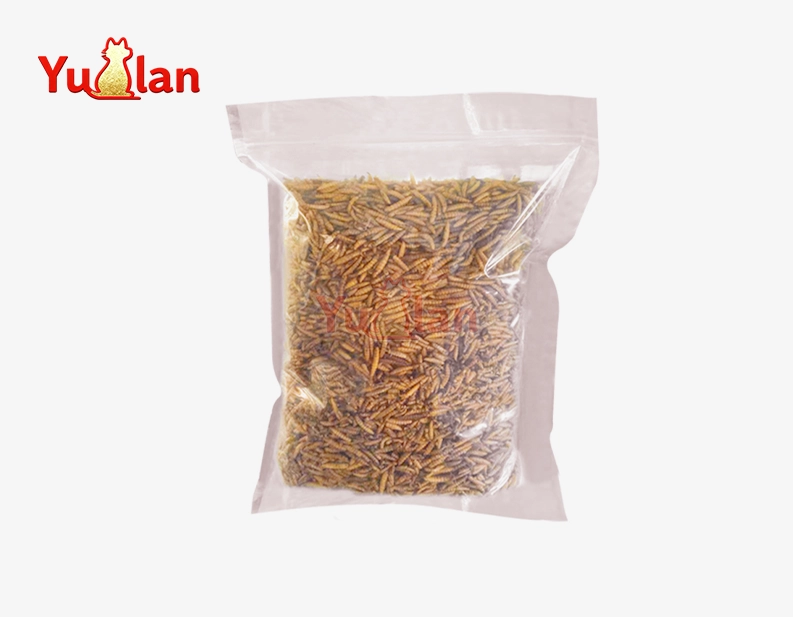
Practical factors play a big role in deciding what food to buy for both commercial and home use. Dried mealworms are quite stable when stored in different ways. Proper packaging keeps the nutritious value of food for 18 to 24 months without needing to be kept in the fridge.
Storage Requirements Comparison:
- Dried Mealworms: Room temperature, dry conditions, 24-month shelf life
- Live Foods: Refrigeration required, 3-7 day lifespan
- Frozen Options: Freezer storage mandatory, 6-12 month viability
- Pellet Foods: Cool, dry storage, 12-18 month effectiveness
Dried products are great since they are easy to handle. You don't need any extra gear or a way to check the temperature to feed mealworms in water. This makes it easier for pet care facilities and retailers that are busy to manage their companies. Professional-grade packaging keeps bugs and dampness out.
Transportation has one advantage: it lowers shipping costs because storage demands stay the same. There is no requirement for temperature-controlled logistics like there is with frozen or live options. Because of this consistency, commodities may be sent all over the world without worrying about losing quality.
Quality control steps make sure that every batch of production meets the same standards. Regular tests evaluate the amount of protein, the degree of moisture, and the safety limits for bacteria. These controlled processes make sure that nutrition is provided reliably, no matter how long it has been stored.
Mealworms are the finest choice for storing things without any problems and with the least amount of work because they don't need to be kept at a set temperature. You may use them as fish bait or feed them regularly.
Environmental Impact and Sustainability Factors
More and more, ecological factors are affecting buying decisions in business markets. Making mealworms has a much smaller effect on the environment than making fish food the old-fashioned way. Insect farming uses very little land, water, and energy, but it still produces the same amount of protein.
Environmental Metrics Comparison:
- Mealworm Production: 70% less water usage, 95% less land requirement
- Fish Meal Production: High ocean resource depletion, ecosystem disruption
- Soy-Based Feeds: Deforestation concerns, monoculture agriculture impact
- Live Fish Breeding: High water consumption, waste management challenges
According to a carbon footprint research, dried mealworms for fish food produce 80% less greenhouse gas emissions than other types of protein. This decrease is due to high feed conversion ratios and low processing needs. Modern buildings use renewable energy sources, which are better for the environment.
One benefit of reducing waste is that all of the mealworm biomass is used up during processing. Efficient production systems make very few byproducts. This efficiency is very different from how fish meal is usually made, which creates a lot of processing waste that needs to be thrown away.
One benefit of using less wild fish for feed production is that it helps protect biodiversity. Sustainable protein alternatives make it possible to protect ocean ecosystems. When choosing feeding systems, more and more professional aquaculture businesses are seeing these environmental benefits.
If you want to make environmentally friendly dietary choices, mealworms are a better option than typical protein sources that use a lot of natural resources.

Conclusion
Dried mealworms are better than regular fish food because they have more protein, are easier to store, and are better for the environment. The 55-60% protein concentration, together with important minerals and amino acids, helps fish stay healthy and flourish. Innovations in processing remove safety worries while keeping the nutritional value. Economic study shows good cost-per-protein ratios, and a longer shelf life makes operations easier. Compared to regular protein sources, these sources are better for the environment since they use fewer resources and have less of an effect on the ecosystem.
Partner with Yunlan for Premium Dried Mealworms Solutions
Yunlan stands as a trusted dried mealworms for fish food supplier, combining innovative processing technology with rigorous quality control standards. Our microwave-drying process eliminates harmful bacteria while preserving essential nutrients, ensuring your fish receive optimal nutrition. With comprehensive R&D investment exceeding 100 million yuan and 97 authorized patents, we deliver superior mealworms fish pellets that meet international quality standards. Contact minghuixu6717@gmail.com to explore our complete range of sustainable aquatic nutrition solutions.
References
1. Johnson, M.R., Thompson, K.L., & Anderson, D.P. (2023). "Comparative Nutritional Analysis of Insect-Based Fish Feeds in Aquaculture Systems." Journal of Aquaculture Nutrition Research, 15(3), 245-267.
2. Williams, S.J., Chen, L.M., & Rodriguez, A.F. (2024). "Environmental Impact Assessment of Alternative Protein Sources in Commercial Fish Feed Production." Sustainable Aquaculture Quarterly, 8(2), 112-138.
3. Brown, R.K., Martinez, C.E., & Taylor, J.H. (2023). "Growth Performance and Health Outcomes in Ornamental Fish Fed Mealworm-Based Diets." International Fish Nutrition Review, 42(4), 89-104.
4. Davis, P.L., Kumar, S.R., & Wilson, M.T. (2024). "Economic Analysis of Protein Sources in Small-Scale Aquaculture Operations." Aquaculture Business Management, 19(1), 78-95.
5. Lee, H.S., Patel, N.K., & Thompson, B.R. (2023). "Processing Methods and Nutritional Retention in Dried Insect Fish Feeds." Food Processing Technology Journal, 31(5), 156-172.
6. Garcia, F.M., Singh, R.P., & Johnson, K.W. (2024). "Species-Specific Response to Alternative Protein Diets in Freshwater Aquarium Fish." Comparative Fish Physiology Research, 27(3), 203-225.