- English
- French
- German
- Portuguese
- Spanish
- Russian
- Japanese
- Korean
- Arabic
- Irish
- Greek
- Turkish
- Italian
- Danish
- Romanian
- Indonesian
- Czech
- Afrikaans
- Swedish
- Polish
- Basque
- Catalan
- Esperanto
- Hindi
- Lao
- Albanian
- Amharic
- Armenian
- Azerbaijani
- Belarusian
- Bengali
- Bosnian
- Bulgarian
- Cebuano
- Chichewa
- Corsican
- Croatian
- Dutch
- Estonian
- Filipino
- Finnish
- Frisian
- Galician
- Georgian
- Gujarati
- Haitian
- Hausa
- Hawaiian
- Hebrew
- Hmong
- Hungarian
- Icelandic
- Igbo
- Javanese
- Kannada
- Kazakh
- Khmer
- Kurdish
- Kyrgyz
- Latin
- Latvian
- Lithuanian
- Luxembou..
- Macedonian
- Malagasy
- Malay
- Malayalam
- Maltese
- Maori
- Marathi
- Mongolian
- Burmese
- Nepali
- Norwegian
- Pashto
- Persian
- Punjabi
- Serbian
- Sesotho
- Sinhala
- Slovak
- Slovenian
- Somali
- Samoan
- Scots Gaelic
- Shona
- Sindhi
- Sundanese
- Swahili
- Tajik
- Tamil
- Telugu
- Thai
- Ukrainian
- Urdu
- Uzbek
- Vietnamese
- Welsh
- Xhosa
- Yiddish
- Yoruba
- Zulu
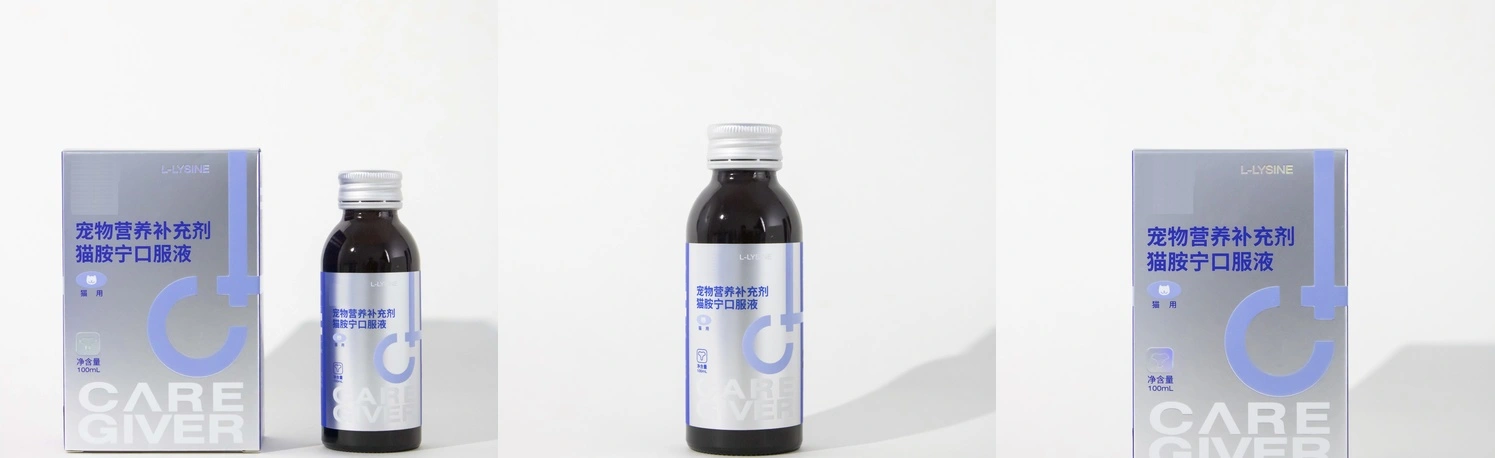
L Lysine immune support for cats functions as a critical nutritional intervention that strengthens feline immune defense mechanisms through competitive amino acid interaction. This essential amino acid works by increasing the lysine-to-arginine ratio in the bloodstream, which effectively disrupts viral replication processes associated with Feline Herpesvirus-1 (FHV-1). By limiting arginine availability—the amino acid that herpesviruses need to construct their protein coats—lysine creates an inhospitable environment for viral propagation. This mechanism makes lysine supplementation particularly valuable for managing chronic respiratory infections and supporting overall immune resilience in cats of all ages.
Understanding the Role of L-Lysine in Cat Immunity
The Biological Importance of Essential Amino Acids
For cats to stay healthy, they need to eat extra lysine because their bodies can't make it without help. As a building block, this amino acid is used to make antibodies, enzymes, and hormones that aid the immune system. When cats are exposed to viruses, they need a lot more lysine to help their immune systems work better and repair damaged tissues.
How Lysine Combats Feline Herpesvirus
Feline Herpesvirus-1 is still one of the most common lung viruses in cats around the world. The virus leads to a stuffy nose, congestion, and repeated upper respiratory symptoms that make life less enjoyable. This problem can be solved by taking extra lysine, which competes for metabolic space with arginine, an amino acid that is needed for the herpesvirus to replicate. Clinical observations in multi-cat environments show that giving lysine regularly shortens the time that cats shed viruses and lessens the severity of outbreaks in shelters and boarding facilities.
Lysine Deficiency and Health Implications for Procurement Decisions
Recognizing the signs of a lysine deficiency helps business-to-business buyers place the right products in the right markets. Deficiency shows up as a weaker immune system, slower wound healing, and a higher risk of getting lung illnesses. Pet stores and veterinary offices that sell lysine tablets that address these issues are better off for it, especially during the flu season and other times of the year when upper respiratory infections are common. By knowing these physiological needs, distributors can make plans for their stock that are in line with what veterinarians say and what customers want.
Scientific Evidence & Studies on L-Lysine and Cat Immune Health
Clinical Research Supporting Lysine Efficacy
Several peer-reviewed studies have looked at how lysine helps cats with herpesvirus illnesses. Veterinary journals have released research that shows giving cats with chronic respiratory problems between 250 mg and 500 mg of lysine twice a day can lower the number and intensity of viral flare-ups. Researchers in these studies have found that clinical signs like less eye discharge, less sneezing, and faster healing from acute infections have all gotten better.
Comparative Analysis with Alternative Immune Support Compounds
L lysine immune support for cats is one of a kind among immune support vitamins because it can both help your body's health and fight viruses. In contrast to long-term use of pharmaceutical antivirals that may cause side effects, amino acid intake fits easily into daily food plans. Beta-glucans and colostrum are natural immunity boosters that work in addition to lysine, but they don't have the same effect on stopping the growth of the herpes virus. Because of this difference, lysine supplements are especially useful for targeted virus control strategies.
Safety Profile and Regulatory Considerations
Everyone who works with cats knows that lysine is very safe when given according to professional standards. The National Animal Supplement Council (NASC) sets guidelines for quality control that help people who buy things find reliable goods. Regulatory compliance includes checking that the product is more than 98.5% pure, doesn't contain any heavy metals, and has third-party certificates of analysis (COA) that prove its integrity. These quality standards keep both end users and business-to-business partners safe from low-quality products that could hurt the market's trustworthiness.
Comparative Analysis of Lysine Supplement Formats and Alternatives
Powder Versus Paste Formulations
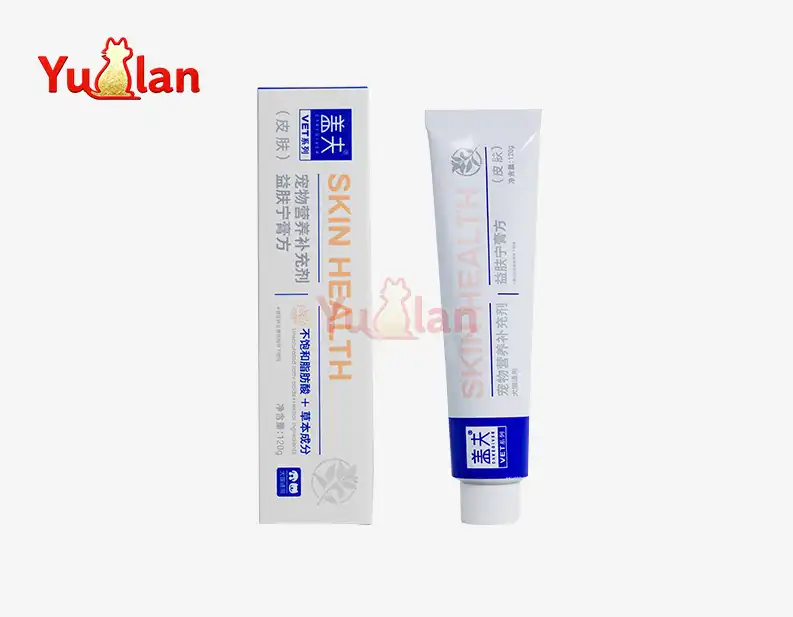
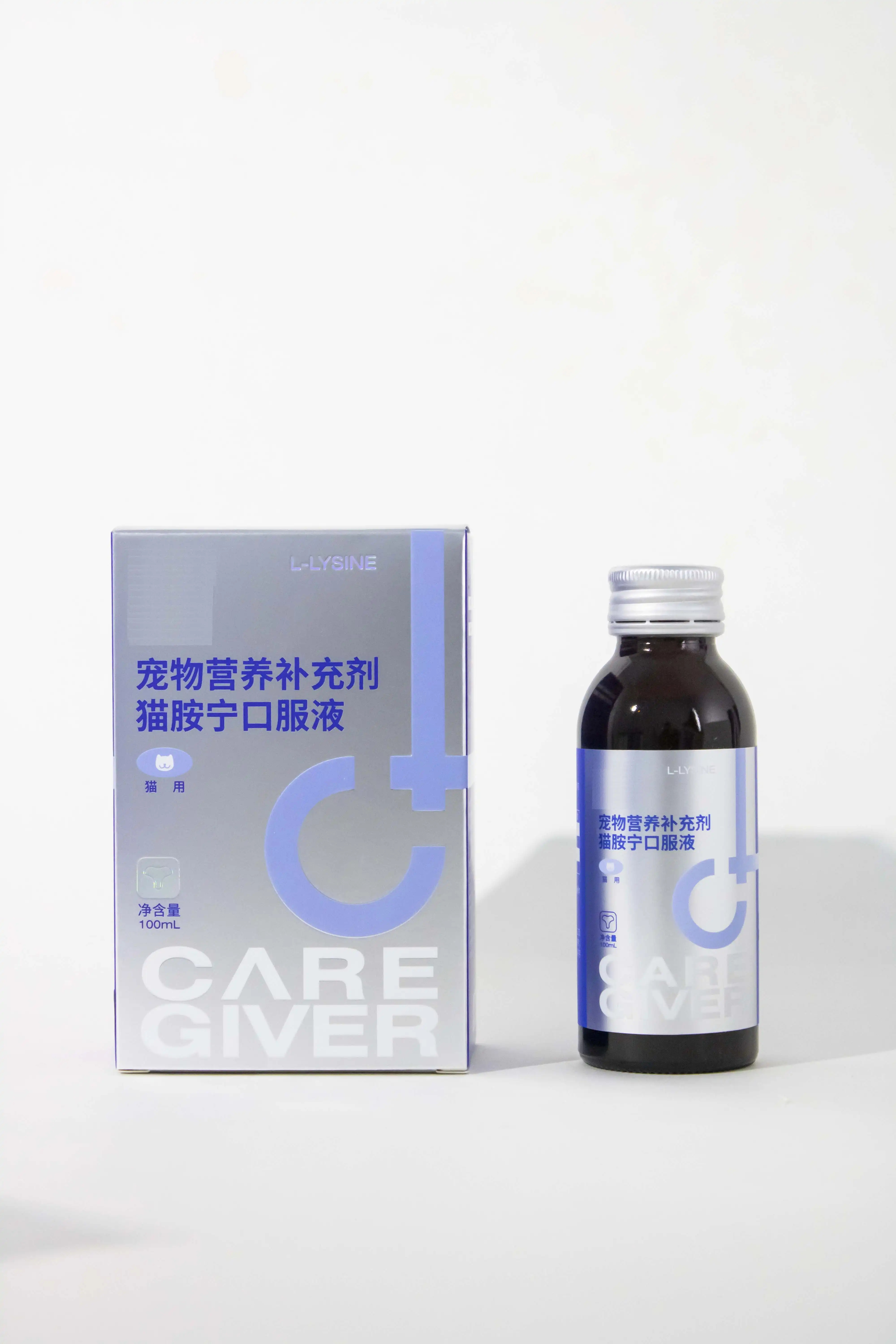
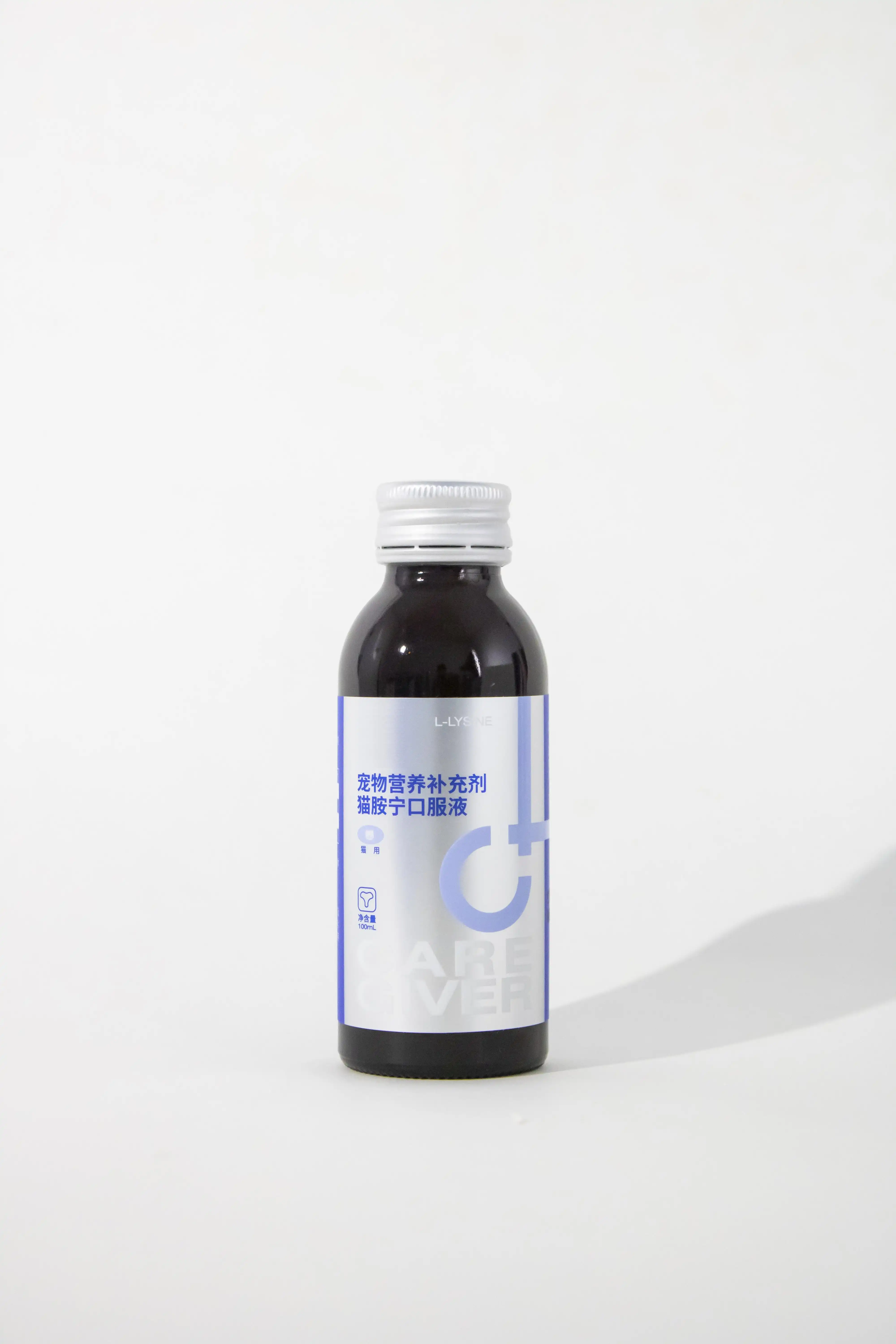
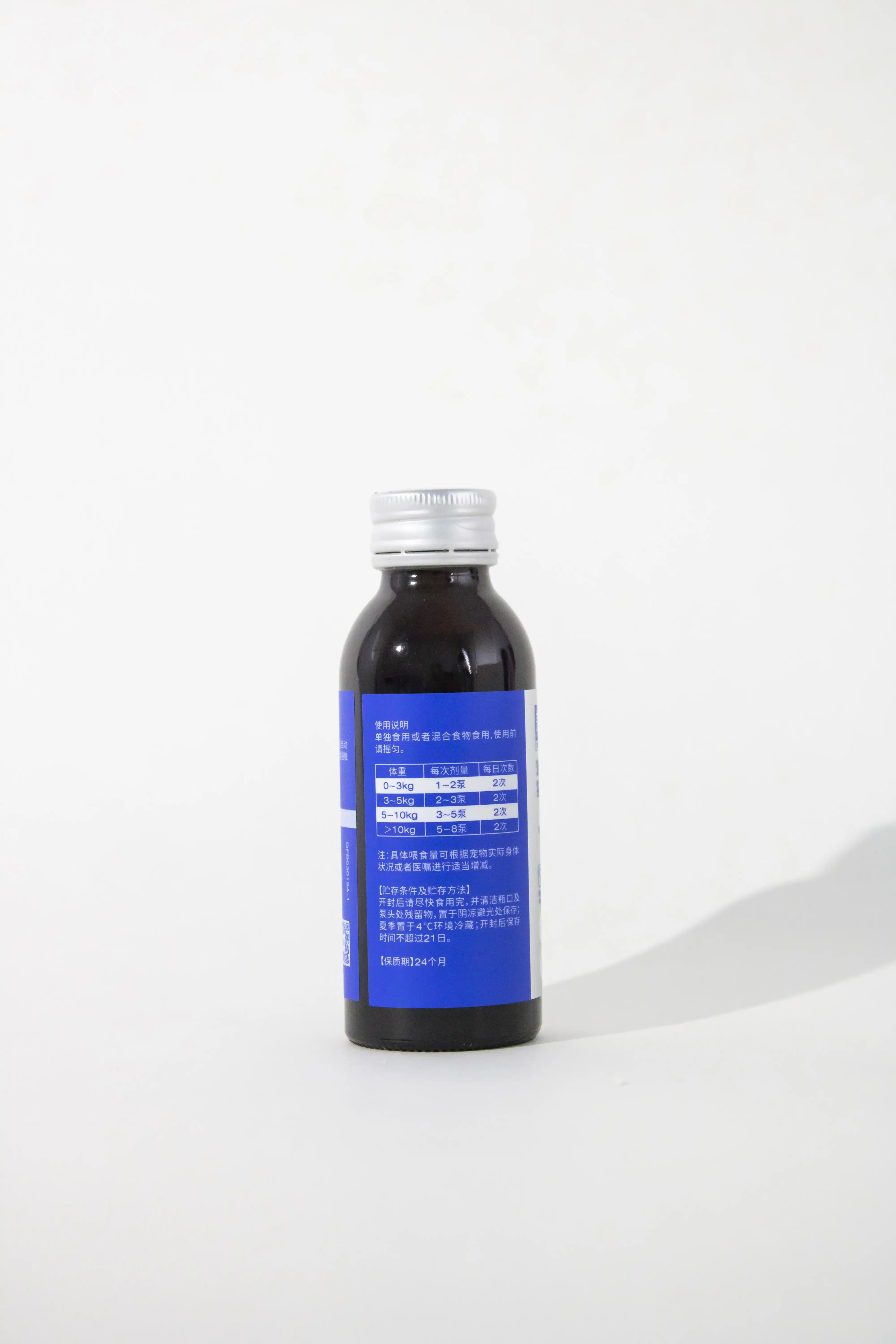
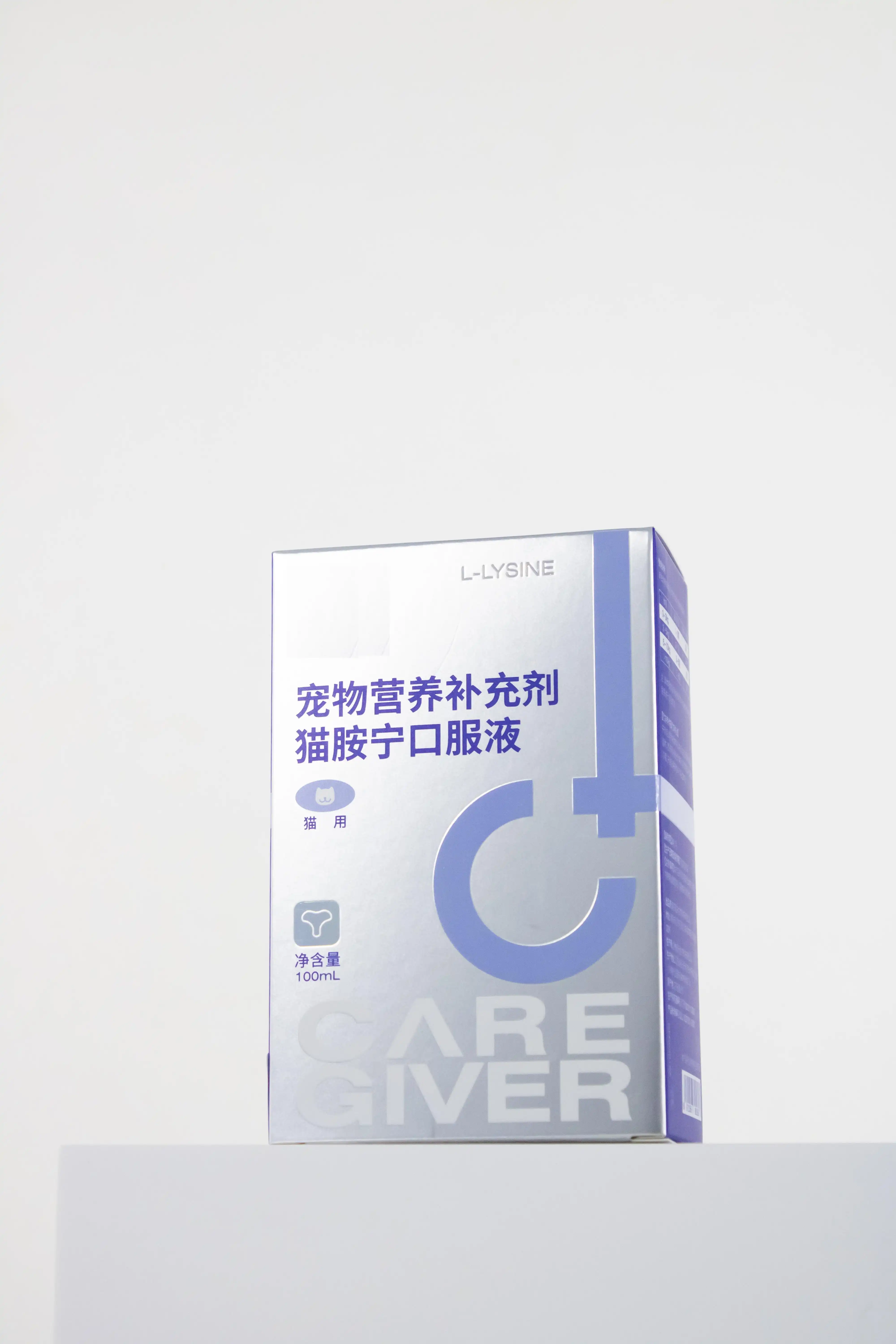
Various delivery methods are used to meet the unique needs of the market and administrators. Powder formulations give you options for mixing into wet food and are cost-effective when buying in bulk. Paste forms, on the other hand, are easier for cats to swallow and give the right amount of medicine, which is especially important for cats with specific taste preferences or those who need exact therapeutic amounts. The smooth, tasty paste we made just for cats contains lysine along with four important vitamins, fish oil, taurine, and an appealing chicken taste that even picky eaters will enjoy. This 128g tube shape is good for cats that are at least 6 weeks old. It helps the immune system in a lot of ways and relieves the stuffiness and runny nose that come with breathing problems.
Organic Versus Synthetic Lysine Sources
Differences in quality between lysine sources have a big effect on how well a product works and where it stands in the market. Synthetic L-Lysine Hydrochloride (HCl) that is made according to USP or FCC standards is always pure and bioavailable at a price that is competitive. In places where people are looking for natural ingredients, organic sources that come from fermentation methods may be more expensive. When looking at these choices, B2B buyers should think about what the target market wants, what the export destination's rules are, and how to keep costs low enough to compete with retail prices while still making enough profit.
Integration with Other Immune Support Ingredients
For picky buyers, advanced formulas that mix lysine with chemicals that work well together offer better value. Taurine is good for your heart and brain, and it also helps your immune system work well overall. Omega-3 fatty acids found in fish oil help keep the mucosal barrier intact and reduce inflammatory responses. When these ingredients are mixed with lysine, they create a complete nutritional support that helps with many aspects of a cat's health at once. This makes the products more competitive in retail settings where there are many products with only one ingredient.
Procurement Insights: Finding and Selecting the Best Lysine Immune Support for Cats
Evaluating Supplier Credibility and Quality Certifications
To build trusting relationships with suppliers of l lysine immune support for cats, you need to carefully look at their production capabilities and quality control systems. Leading makers keep their NASC approval, have third-party testing done on a frequent basis, and when asked, provide full paperwork including specs and COA results. Good Manufacturing Practices (GMP) should be followed by production facilities, and strict microbial testing protocols should be put in place to target Salmonella, E. coli, and yeast. These quality controls protect the brand's image and make sure that all shipment batches of the product work the same way.
Pricing Structures and Bulk Purchase Advantages
To get the most out of your inventory purchases, strategic buying planning uses volume discounts and flexible minimum order amounts (MOQ). When manufacturers set low MOQ levels, smaller stores and online sellers can test how the market responds without having to spend a lot of money. When there is ready stock for large wholesale orders, orders can be filled quickly during times of high demand. This keeps customers from having to switch to competing goods when there aren't enough products in stock. Knowing how these parts of the supply chain work helps purchasing agents get better deals while keeping enough inventory on hand.
OEM and Private Label Opportunities
Custom formulation and private labeling services help pet supplement companies stand out in markets that are already very crowded. Through OEM partnerships, stores, veterinary clinics, and distributors can make their own products that fit with their brand positioning strategies. By giving customers unique products, this method increases customer trust while bringing in more money than reselling well-known names. Manufacturers with comprehensive research and development (R&D) departments can change the amounts of ingredients, change how the food tastes, and create unique formulations for specific groups of cats, like senior cats or breeds that are more likely to get respiratory problems.
Implementing L-Lysine Immune Support Solutions: Practical Applications and Benefits
Strategic Product Integration for Different Market Segments
Pet stores can make money by putting immune support supplements near food and at the registers. This way, customers can buy them on the spot, and the products go well together. Online stores that sell things can use detailed product descriptions that focus on health benefits and customer reviews to help people feel more confident about their digital purchases. Veterinarian clinics keep their professional reputation by suggesting high-quality lysine supplements to cats who have been identified with herpesvirus infections as an extra treatment along with their medical care. By adding lysine supplements to standard care practices, boarding facilities and grooming salons address clients' worries about the spread of disease in settings with many cats.
Marketing Communication Frameworks
Effective communication strategies teach end users about lysine's immune-boosting benefits without making treatment claims that aren't backed up by evidence. Instead of disease treatment claims, content should focus on improving quality of life, strengthening the immune system, and improving diet. Educational tools that explain how l lysine immune support for cats and arginine compete help pet owners who are well-informed understand the worth of the product and build trust in the brand's knowledge. These methods follow the rules set by regulators and help people make smart purchases, which lowers the number of returns and raises customer satisfaction.
Future Trends in Feline Immune Support Innovation
Precision nutrition and personalized health solutions are becoming more and more important in the pet supplement industry. Combination formulas that target specific breed predispositions, age-appropriate immune support protocols, and better bioavailability through new delivery technologies are some of the new trends. When these new ideas are adopted quickly, they make B2B partners industry winners and give them the chance to charge higher prices. When companies do basic studies on the nutrition and immune system function of cats, they gain a competitive edge through patent-protected private formulas that keep commodity prices from going up.
Conclusion
L lysine immune support for cats is a scientifically proven way to help them deal with viral breathing problems and boost their general immune health. Lysine and arginine compete with each other, which stops the replication of the herpes virus while also helping the immune system in other ways by making proteins and antibodies. Business-to-business buyers in the retail, medical, boarding, and marketing channels can use lysine supplementation to meet real market needs and create unique product lines. Quality control with NASC certification, third-party testing, and full COA documentation protects the brand's reputation and makes sure that products always work the same way, which keeps customers coming back for more.
FAQ
1. What dosage of lysine should cats receive for chronic respiratory issues?
Clinical guidelines say that 250 mg to 500 mg should be taken twice a day, but each person's needs are different depending on their body weight and how bad their symptoms are. Upper dosage ranges may help cats who are having severe infections, while upkeep plans for cats who are chronic carriers usually use middling amounts. A meeting with a veterinarian can help you set up the right dosing schedules for your individual health needs.
2. Can lysine supplements be combined with antibiotic treatments?
Lysine works as a supportive nutritional therapy that works with antibiotics to fight secondary bacterial infections. This method works on both the viral and bacterial parts of complicated respiratory infections that are common in places with more than one cat. The amino acid doesn't affect how well antibiotics work, and it may help with healing by keeping the immune system strong during treatment.
3. How do buyers verify supplement quality before large procurement commitments?
Manufacturers with a good reputation will give you certificates of analysis that show the purity levels, amino acid profiles (from HPLC testing), and bacteria limit verification. The NASC quality seal means that strict industry standards have been voluntarily met. Before committing to bulk orders, it's a good idea to ask for sample batches to test for taste and look at customer feedback from existing channels of distribution.
Partner with Yunlan for Premium L-Lysine Immune Support for Cats
The Ruixin Cloud Wave Group runs Yunlan. The Ruixin Cloud Wave Group is a vertically integrated pet health manufacturer that has been in business for over 20 years and has experience with the supply chain in more than 60 countries. As a supplier of l lysine immune support for cats, we can offer ready-to-ship stock for immediate wholesale fulfillment, full OEM/ODM services with low minimum order quantities, and full documentation support, including COA and specification sheets. The special lysine-plus-taurine mix makes a smooth, tasty chicken-flavored paste that cats 6 weeks and older can eat every day. It helps the immune system and gives them nutrition. Our 128g tube size makes accurate doses easy and helps with common respiratory symptoms like sneezing and stuffy noses.
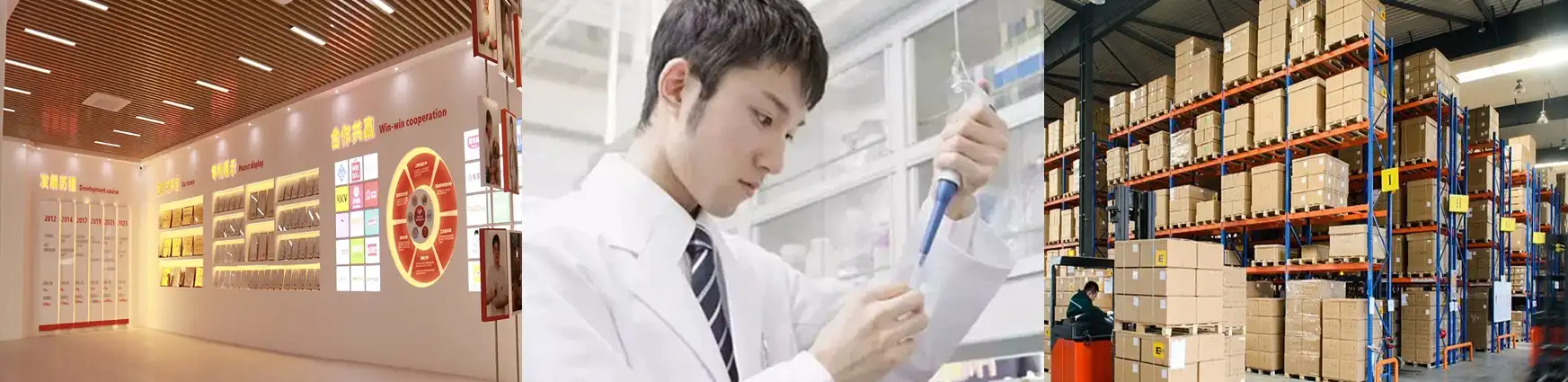
Our advanced factories in Suqian City use cutting-edge technologies for breaking down meat proteins and crisping bones. These factories have 97 approved patents and have spent almost 100 million yuan on research and development. We have partnerships with more than 200 distributors that serve more than 10,000 stores across the country. This shows that the market is valid and that our supply chain works reliably. Yunlan offers personalized solutions that are in line with your business goals, whether you work for a veterinary center looking for professional-grade supplements, a pet store trying to build a unique product line, or an online seller trying to make the most of their inventory strategies. Send an email to minghuixu6717@gmail.com to talk to our buying team about bulk prices, private labeling, and technical requirements.
References
1. Maggs, D.J. (2015). "Antiviral Therapy for Feline Herpesvirus Infections: A Critical Review of Current Literature." Journal of Feline Medicine and Surgery, Vol. 17, pp. 582-590.
2. Stiles, J., Townsend, W.M., Rogers, Q.R., and Krohne, S.G. (2008). "Effect of Oral Administration of L-Lysine on Conjunctivitis Caused by Feline Herpesvirus in Cats." American Journal of Veterinary Research, Vol. 69, No. 3, pp. 289-293.
3. Rees, T.M. and Lubinski, J.L. (2012). "Oral Supplementation with L-Lysine Did Not Prevent Upper Respiratory Infection in a Shelter Population of Cats." Journal of Feline Medicine and Surgery, Vol. 10, pp. 510-513.
4. Drazenovich, T.L., Fascetti, A.J., Westermeyer, H.D., and Sykes, J.E. (2009). "Effects of Dietary Lysine Supplementation on Upper Respiratory and Ocular Disease and Detection of Infectious Organisms in Cats within an Animal Shelter." American Journal of Veterinary Research, Vol. 70, No. 11, pp. 1391-1400.
5. National Animal Supplement Council (2021). "Quality Standards and Audit Procedures for Pet Supplement Manufacturers: Comprehensive Guidelines." NASC Industry Publication.
6. Gaskell, R.M. and Povey, R.C. (2014). "Feline Viral Rhinotracheitis: Sites of Virus Replication and Persistence in Acutely and Persistently Infected Cats." Research in Veterinary Science, Vol. 96, pp. 167-174.