- English
- French
- German
- Portuguese
- Spanish
- Russian
- Japanese
- Korean
- Arabic
- Irish
- Greek
- Turkish
- Italian
- Danish
- Romanian
- Indonesian
- Czech
- Afrikaans
- Swedish
- Polish
- Basque
- Catalan
- Esperanto
- Hindi
- Lao
- Albanian
- Amharic
- Armenian
- Azerbaijani
- Belarusian
- Bengali
- Bosnian
- Bulgarian
- Cebuano
- Chichewa
- Corsican
- Croatian
- Dutch
- Estonian
- Filipino
- Finnish
- Frisian
- Galician
- Georgian
- Gujarati
- Haitian
- Hausa
- Hawaiian
- Hebrew
- Hmong
- Hungarian
- Icelandic
- Igbo
- Javanese
- Kannada
- Kazakh
- Khmer
- Kurdish
- Kyrgyz
- Latin
- Latvian
- Lithuanian
- Luxembou..
- Macedonian
- Malagasy
- Malay
- Malayalam
- Maltese
- Maori
- Marathi
- Mongolian
- Burmese
- Nepali
- Norwegian
- Pashto
- Persian
- Punjabi
- Serbian
- Sesotho
- Sinhala
- Slovak
- Slovenian
- Somali
- Samoan
- Scots Gaelic
- Shona
- Sindhi
- Sundanese
- Swahili
- Tajik
- Tamil
- Telugu
- Thai
- Ukrainian
- Urdu
- Uzbek
- Vietnamese
- Welsh
- Xhosa
- Yiddish
- Yoruba
- Zulu
Fresh pet dog food is favored by most dog owners for its high nutritional value and great palatability, as it retains natural ingredients and complete nutrients that ordinary dry dog food cannot match. As a high-quality pet food option, fresh dog food with high moisture is extremely perishable after opening, and its safe edible period is strictly limited by storage methods and product types. Many pet owners and industry practitioners lack a clear and systematic understanding of its post opening shelf life, which easily leads to food spoilage, waste and even pet health risks. This article systematically sorts out the shelf life standards, key influencing factors, scientific storage methods and practical operation suggestions for fresh dog food after opening, to help users safely use and manage fresh dog food.
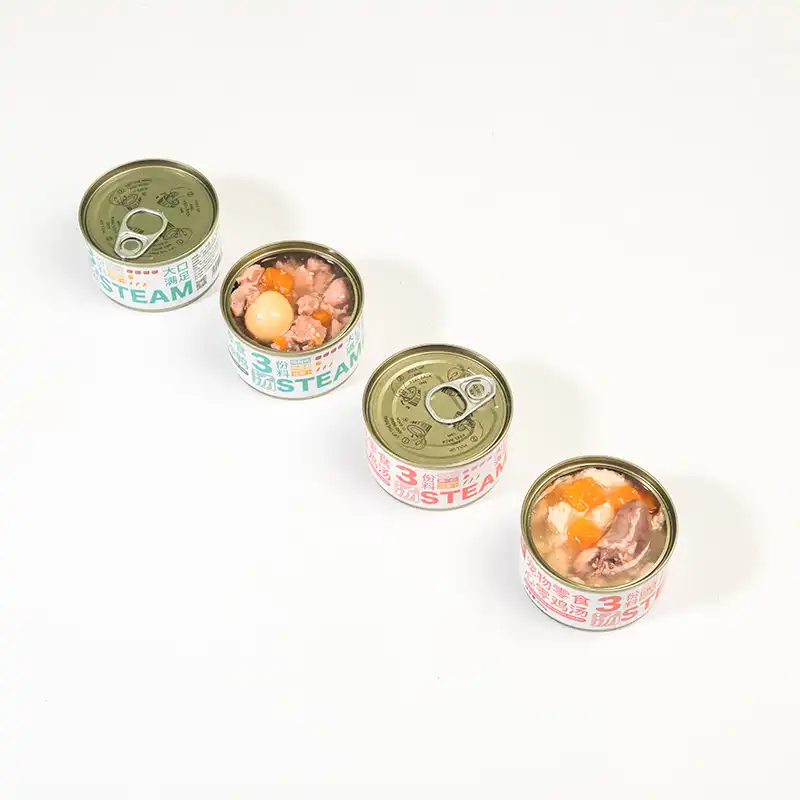
Fresh Pet Dog Food: Definition And Core Post Opening Shelf Life Standards
To accurately judge the usable period of fresh dog food after opening, it is necessary to first clarify the professional definition of fresh dog food and distinguish it from traditional dog food. This clear definition is the basic premise for mastering all subsequent storage and safety rules, and also helps users accurately distinguish different types of fresh dog food and their corresponding shelf life differences.
Basic definition and classification of fresh dog food
Fresh dog food is a high moisture pet diet that is completely different from conventional dry kibble and canned dog food, and it is one of the most popular upgraded pet food choices for modern dog families. Its internal moisture content is maintained between 60 percent and 80 percent, and it adopts low processing and whole food formula design. This design can maximally retain the original nutritional components of raw materials and improve dogs’ nutrient absorption efficiency.
In contrast, traditional dry dog food only contains 10 percent to 15 percent moisture. The low moisture environment can effectively inhibit bacterial reproduction, so it can be stored at room temperature for a long time without refrigeration. All fresh dog food products must be refrigerated or frozen immediately after production to delay spoilage. This product category includes four mainstream types: chilled ready to eat meals, raw frozen diets, gently cooked formulas and fresh frozen portioned meals. Different types of fresh dog food have completely different post opening shelf life and storage requirements, forming differentiated safety use standards for daily feeding and commercial pet food management.
Universal shelf life benchmarks for opened fresh dog food
After formal opening, the safe edible cycle of fresh dog food is mainly concentrated in three to seven days, and the specific time limit depends on product categories and stable low temperature storage conditions below 40°F. Among them, conventional refrigerated wet fresh dog food has the shortest shelf life, which can only maintain fresh quality and edible safety for three to five days after opening. The gently cooked and vacuum sealed fresh dog food has better sealing and stability, and the safe use period can be extended to seven days on the premise of intact packaging and constant refrigeration temperature.
For raw frozen fresh dog food, the shelf life is more stringent. After complete thawing, it must be eaten within two to three days, and secondary freezing is absolutely prohibited. Repeated freeze thaw cycles will destroy the cell structure of meat raw materials, lead to nutrient loss, and cause a large number of residual bacteria to multiply rapidly, greatly increasing the safety risk of pet feeding. A small number of high end fresh dog food with modified atmosphere packaging can extend the post opening shelf life to about ten days. This is a premium advantage of high-grade pet food, but this special standard is only applicable when the vacuum sealing state is not damaged and the refrigeration environment is always stable.
With a clear understanding of the basic shelf life standards of fresh dog food after opening, it is necessary to further explore the core factors that affect its fresh keeping cycle. These key variables are the fundamental reasons for the deviation between actual service life and theoretical shelf life of products, and are also the core basis for formulating scientific storage schemes.

Key Factors Affecting The Freshness Of Opened Fresh Dog Food
The shelf life marked on the product package is only a theoretical reference value. In actual use, multiple external and internal factors will jointly affect the spoilage speed of fresh dog food. Mastering these influencing factors can effectively avoid invalid storage, maximize the use cycle of products, and ensure the feeding safety of dogs.
Influence of storage temperature and air exposure
Storage temperature is the primary factor determining the freshness retention time of opened fresh dog food, and it is the core management index for pet food preservation. Bacteria and microorganisms in the environment will multiply exponentially when the temperature is higher than 40°F, which will rapidly accelerate the spoilage and deterioration of fresh dog food. Keeping the storage temperature stably between 35°F and 38°F can effectively inhibit microbial activity and maximize the safe use cycle of products.
Frequent temperature fluctuations will form condensed water in the packaging or storage containers, which will accelerate the oxidation and decay of food raw materials. In addition, air exposure is also an important cause of food deterioration. The fat components in fresh dog food will oxidize and deteriorate when contacting with air, resulting in rancid taste and nutrient decomposition. Good resealing operation after opening can effectively isolate air contact and delay the spoilage process, which is a basic rule for pet food daily maintenance.
Influence of ingredient formula and natural stabilizers
The internal ingredient ratio of fresh dog food directly determines its anti spoilage ability. Formulas with high proportion of animal protein and animal fat are more prone to deterioration, because high protein and high fat substances are easy to be decomposed by bacteria. In comparison, formulas with more vegetable and carbohydrate ingredients have better natural stability and slower spoilage speed.
The type and content of stabilizers added in the formula also play a key role in maintaining freshness. At present, high quality fresh dog food mostly uses natural stabilizers such as mixed tocopherols and rosemary extract. These natural additives can effectively delay nutrient oxidation and microbial reproduction without adding harmful synthetic preservatives, greatly improving the safety of this pet food. When purchasing fresh dog food, users and distributors can check the product preservative list to verify the actual fresh keeping ability of the product, so as to avoid being misled by exaggerated shelf life publicity.
After sorting out the influencing factors of freshness, targeted standardized storage operations are the key to maximize the shelf life of fresh dog food. Scientific refrigeration, thawing and label identification methods can effectively avoid unnecessary spoilage and ensure the safety and nutrition of products.

Scientific Storage And Management Methods For Opened Fresh Dog Food
Reasonable storage specifications run through the whole process from opening feeding to daily preservation. Standardized operation is not only suitable for family pet feeding scenarios, but also applicable to commercial scenarios such as pet stores and veterinary clinics, which can effectively reduce product waste and ensure feeding safety.
Standard refrigeration and container storage specifications
Stable low temperature refrigeration is the core of fresh dog food preservation after opening. Commercial refrigeration equipment used for product storage needs to maintain a constant temperature of 35°F to 38°F all the time, and be equipped with temperature recording functions to ensure compliance with pet food safety supervision standards.
Household refrigerators often have temperature fluctuations due to frequent door opening, which has little impact on small batch feeding, but will bring great hidden dangers to large batch inventory storage. After opening the product, it is best to transfer the remaining fresh dog food to airtight food grade glass or BPA free plastic containers. This operation can effectively isolate peculiar smell diffusion and cross contamination with other foods in the refrigerator. It is necessary to clean and disinfect the storage containers regularly with mild safe disinfectants to avoid residual food residues breeding bacteria and polluting subsequent stored products.
Standard thawing rules for frozen fresh dog food
The thawing mode of frozen fresh dog food directly affects food safety and nutritional stability, which is easily overlooked in daily pet food management. Thawing at room temperature is an incorrect operation. In this process, the outer layer of the food will enter the high risk temperature range of bacterial reproduction, while the inner layer is still in a frozen state, resulting in uneven thawing and rapid bacterial growth.
The safest thawing method is to place the frozen fresh dog food in the refrigerator in advance for slow thawing for 24 to 48 hours, and keep the whole process temperature below 40°F. It is worth noting that all thawed fresh dog food is not allowed to be frozen again. Freezing can only inhibit bacterial activity but cannot kill existing bacteria, and repeated freeze thaw cycles will damage protein molecular structure, resulting in decreased nutritional value and deteriorated taste.
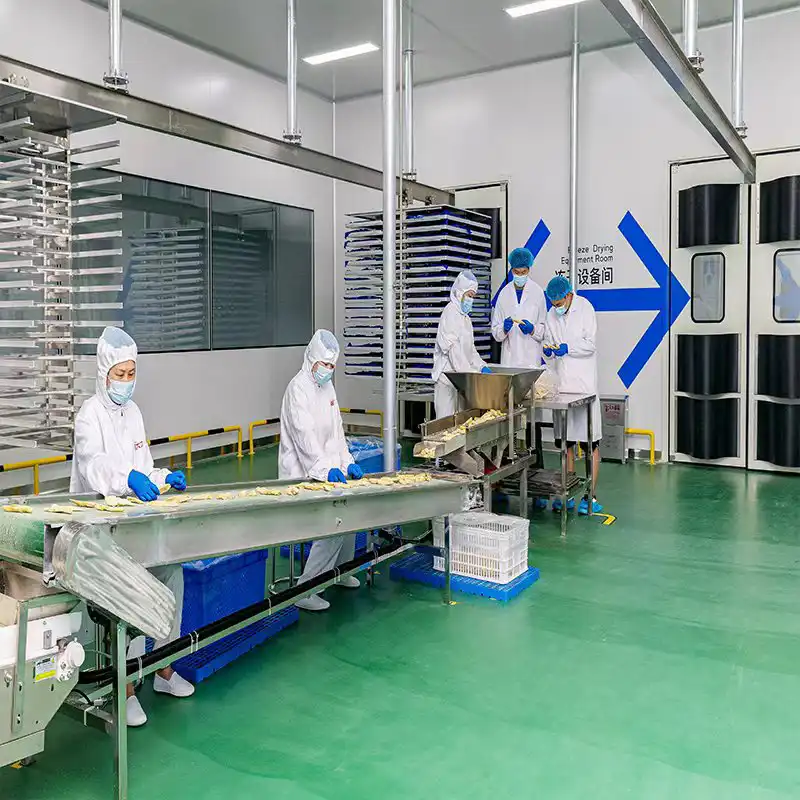
Accurate identification of product shelf life labels
Distinguishing different label definitions is an important part of fresh dog food safety management and standardized pet food use. The use by date on the package represents the manufacturer’s safety guarantee cycle, which is applicable to unopened products stored in a standard environment. Once the product is opened, the three to seven day post opening safety cycle will replace the original shelf life standard.
The best by date only represents the optimal taste and nutrition cycle of the product, not the safety deadline, but in order to avoid adverse feeding reactions and customer complaints, it is not recommended to use or sell products that exceed the best by date. In addition, different brands of fresh dog food have personalized storage instructions. High end products with modified atmosphere packaging have longer fresh keeping time on the premise of intact sealing, and users need to refer to the official instructions for targeted storage management.
For commercial practitioners such as pet retailers and veterinary institutions, on the basis of mastering storage skills, standardized inventory management and high-quality supplier cooperation can further reduce operating costs and improve service quality.
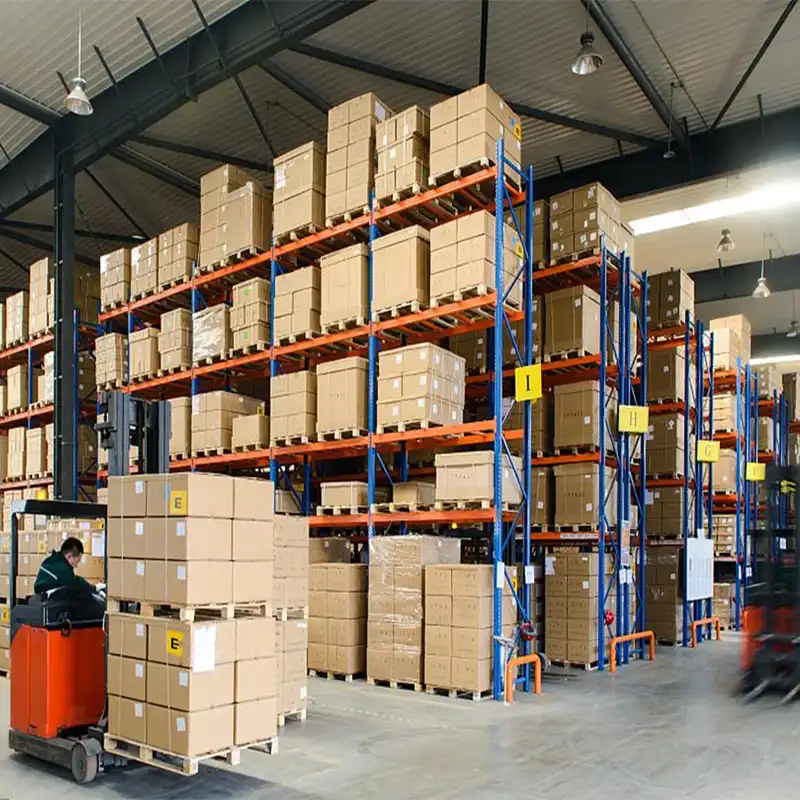
Commercial Inventory Management And Supplier Cooperation Guidance
The short post opening shelf life of fresh dog food puts forward higher requirements for commercial inventory operation. Scientific inventory management and reliable supplier resources can effectively reduce product spoilage waste and realize stable and profitable operation.
Efficient inventory management methods to reduce waste
All commercial sales and service institutions need to implement strict first in first out inventory management rules for fresh dog food to standardize pet food inventory operation. Train staff to mark the production and arrival time of new arrivals in a prominent position, and isolate new and old inventory to avoid confusion. Place the products with shorter remaining shelf life in the priority picking area to ensure preferential sales and use.
For high volume sales outlets, arrange special personnel to conduct inventory inspection every shift, timely screen out products approaching the expiration date, and formulate reasonable discount sales rules to recover product value and avoid full loss. At the same time, use professional inventory management software to connect sales data, realize intelligent prediction of product sales volume, formulate accurate purchasing plans, and reduce inventory backlog and spoilage risks.
High quality supplier selection standards
Excellent suppliers are the foundation of stable supply of high-quality fresh dog food and reliable pet food service. When selecting cooperative suppliers, enterprises should focus on inspecting their complete cold chain system, including backup refrigeration power supply, real-time temperature monitoring and early warning equipment, and GPS tracked refrigerated transportation vehicles. Suppliers must provide complete temperature monitoring logs to prove the compliance of product storage and transportation links.
In addition, high-quality suppliers will provide shelf life guarantee for delivered products, ensuring that the remaining shelf life of fresh dog food after arrival accounts for 60 percent to 75 percent of the total cycle, leaving sufficient sales and use time for merchants and avoiding hurried discount sales that affect profits.

FAQ
How quickly should fresh dog food be used after opening?
The safe use cycle of opened fresh dog food is 3 to 7 days under continuous standard refrigeration below 40°F, which is the core safety standard for daily pet food feeding. Specifically, conventional refrigerated fresh formulas are suitable for use within 3 to 5 days, thawed raw fresh dog food must be consumed within 2 to 3 days, and vacuum sealed gently cooked products can be used for up to 7 days.
After each feeding, the remaining food must be put back into the refrigerator in time. Any food with abnormal color, peculiar smell or mold growth should be discarded immediately regardless of the opening time.
Can I refreeze fresh dog food after thawing?
It is not allowed to refreeze thawed fresh dog food, which is a key taboo in pet food preservation. The thawing process will cause a large number of bacteria to multiply on the food surface, and secondary freezing can only suspend bacterial growth but cannot eliminate existing harmful microorganisms.
At the same time, repeated freeze thaw cycles will damage the protein structure of raw materials, resulting in reduced nutritional content and deteriorated taste, which will affect the feeding safety and feeding experience of dogs.
What are the signs that fresh dog food has spoiled?
Spoiled fresh dog food has obvious identifiable characteristics, which helps users quickly judge pet food quality and avoid unsafe feeding. In terms of color, red meat formulas will turn gray and poultry formulas will turn yellow, accompanied by fuzzy mold spots of different colors. In terms of smell, the natural mild meat flavor will disappear, replaced by sour, ammonia or rotten peculiar smell.
In terms of texture, the food will become sticky and slimy, or obvious separation of water and solid will appear. Once the above phenomena occur, the food has completely deteriorated and must be discarded immediately to protect dog health.
Conclusion
The post opening shelf life management of fresh dog food is a systematic work that integrates safety guarantee, storage specification and inventory operation, and it is an essential skill for both family feeding and commercial pet food operation. The 3 to 7 day safe use cycle is affected by storage temperature, air isolation, ingredient formula and preservative types.
Whether for family pet feeding or commercial pet service scenarios, abiding by standardized refrigeration and thawing rules, accurately identifying product shelf life labels, and implementing scientific inventory management can effectively avoid food spoilage and pet health risks. Choosing suppliers with perfect cold chain systems and professional quality control can further optimize product freshness and reduce operating waste. Standardized operation and scientific management are the key to ensure the long-term safe use of fresh dog food and stable development of related pet service industries.
If you are engaged in pet retail, veterinary service, online pet sales and other related industries, and need stable, safe and low waste fresh dog food supply support, our professional team can provide you with customized B2B solutions. We have mature production technology and perfect cold chain logistics system, which can effectively ensure the freshness and stability of pet food products after opening. You can send an email to minghuixu6717@gmail.com to apply for product samples, factory cold chain system inspection and exclusive bulk purchase preferential policies, so as to optimize your product supply and inventory management system.
References
Association of American Feed Control Officials. Guidelines for Safe Handling of Pet Foods with High Moisture Content. AAFCO Official Publication, 2023.
Food and Drug Administration Center for Veterinary Medicine. Compliance Policy Guide: Refrigerated Pet Food Distribution Requirements. FDA Compliance Manual, 2022.
Pet Food Institute. Fresh Pet Food Category Analysis: Shelf Life and Safety Protocols for Commercial Distribution. Industry White Paper, 2023.
European Pet Food Industry Federation. Cold Chain Management Standards for Fresh Pet Food Products in EU Markets. FEDIAF Technical Guidelines, 2023.
Journal of Animal Science and Technology. Impact of Storage Temperature on Nutritional Stability in Fresh Canine Diets. Research Article Vol. 45, 2022.
National Renderers Association. Preservation Systems in Minimally Processed Pet Foods: Natural versus Synthetic Approaches. Technical Bulletin Series, 2023.