- English
- French
- German
- Portuguese
- Spanish
- Russian
- Japanese
- Korean
- Arabic
- Irish
- Greek
- Turkish
- Italian
- Danish
- Romanian
- Indonesian
- Czech
- Afrikaans
- Swedish
- Polish
- Basque
- Catalan
- Esperanto
- Hindi
- Lao
- Albanian
- Amharic
- Armenian
- Azerbaijani
- Belarusian
- Bengali
- Bosnian
- Bulgarian
- Cebuano
- Chichewa
- Corsican
- Croatian
- Dutch
- Estonian
- Filipino
- Finnish
- Frisian
- Galician
- Georgian
- Gujarati
- Haitian
- Hausa
- Hawaiian
- Hebrew
- Hmong
- Hungarian
- Icelandic
- Igbo
- Javanese
- Kannada
- Kazakh
- Khmer
- Kurdish
- Kyrgyz
- Latin
- Latvian
- Lithuanian
- Luxembou..
- Macedonian
- Malagasy
- Malay
- Malayalam
- Maltese
- Maori
- Marathi
- Mongolian
- Burmese
- Nepali
- Norwegian
- Pashto
- Persian
- Punjabi
- Serbian
- Sesotho
- Sinhala
- Slovak
- Slovenian
- Somali
- Samoan
- Scots Gaelic
- Shona
- Sindhi
- Sundanese
- Swahili
- Tajik
- Tamil
- Telugu
- Thai
- Ukrainian
- Urdu
- Uzbek
- Vietnamese
- Welsh
- Xhosa
- Yiddish
- Yoruba
- Zulu
When a cat starts showing signs of sneezing, watery eyes, or respiratory discomfort, many pet owners and veterinary professionals turn to lysine supplementation. The question most commonly asked is, "How long before you see results?" Generally, L lysine immune support for cats begins showing measurable effects within 7 to 14 days of consistent daily administration. The timeline varies based on factors such as the severity of symptoms, the cat's age, overall immune health, and the quality of the supplement used. Cats with mild symptoms may respond within a week, while those managing chronic Feline Herpesvirus (FHV-1) infections may require three to four weeks of continuous use before significant improvements become evident.
Understanding Lysine and Its Role in Supporting Cat Immunity
The Biological Function of Lysine in Feline Health
You have to give your cat food to get the important amino acid lysine (L-2,6-diaminohexanoic acid). Cats can't make it on their own. Arginine antagonism is the main way it works. By increasing the ratio of lysine to arginine in the blood, lysine stops FHV-1 from copying itself. For the virus to make its protein coat, it needs arginine. The virus grows much more slowly when lysine tries to take up arginine. Lysine is very good at stopping the long-term spread of viruses and reducing the amount of flare-ups in places with a lot of cats, like shelters, training facilities, and breeding farms.
Supplementation Forms and Dosage Standards
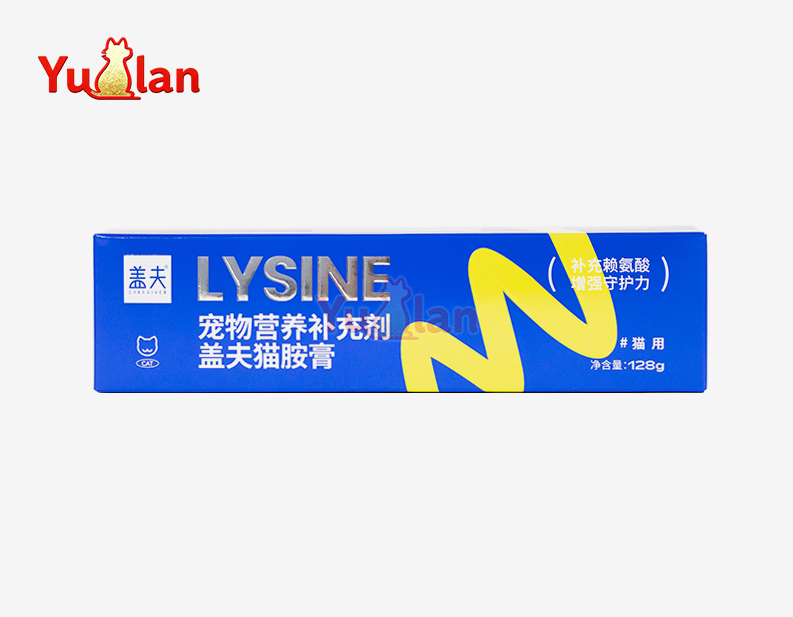
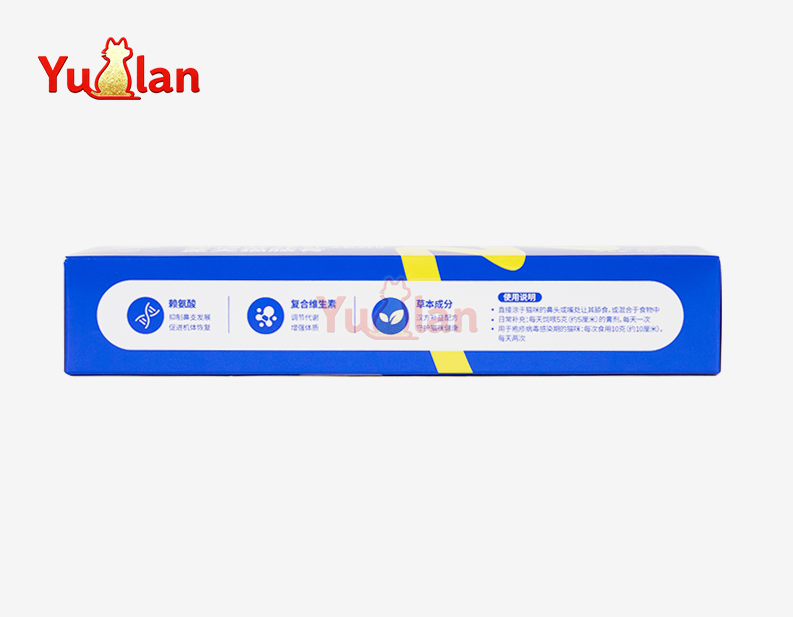
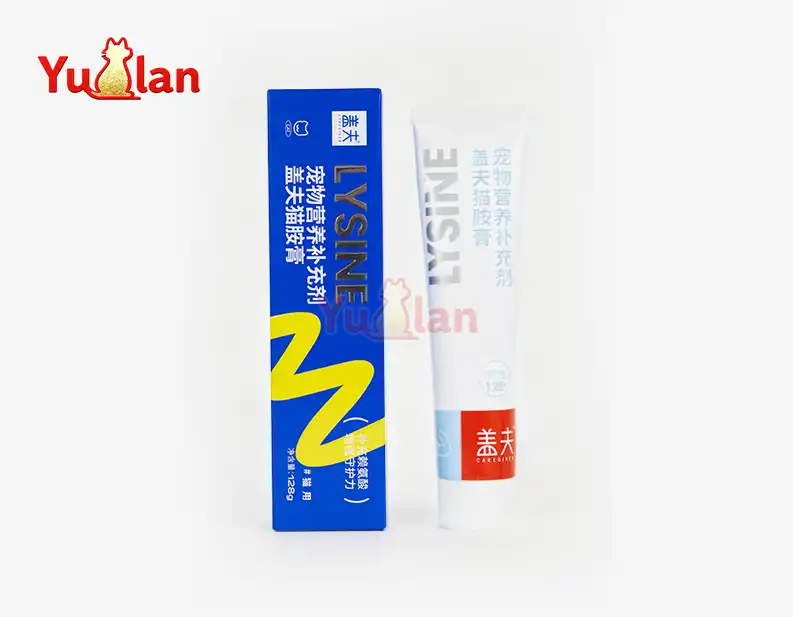
Due to the fact that cats can have difficulty digesting certain foods, modern products that provide L-lysine immune support for cats come in a variety of forms. There are many types, such as powders that can be mixed with food, pills that you can chew, gel pastes, and tasty treats. There are many good things about a smooth, tasty paste made just for cats. It's easy to give, works quickly, and even picky eaters like it. Taurine, fish oil, and four important vitamins are some of the added ingredients that make immune systems better and fill in nutritional gaps.
Clinicians say that cats with long-term upper respiratory infections should take 250 mg to 500 mg twice a day. This amount might need to be changed, though, based on the cat's weight, how bad the symptoms are, and what the vet says. It is safe for cats six weeks or older to take extra lysine, so it can be used at any age.
How Long Does It Take for Lysine to Show Effects on a Cat's Immune System?
Factors Influencing Effectiveness Timelines
There are a lot of things that affect when you start to feel better after taking lysine pills. It takes 7 to 10 days for younger cats with strong immune systems and mild symptoms to get better. Aged cats, cats with weak immune systems, or cats that have had serious illnesses for a long time may not feel better for three to four weeks. It's also very important how something is made. Higher-quality supplements, like L-Lysine Hydrochloride (HCl) with a purity level above 98.5%, work faster and more reliably than lower-grade ones.
Measurable Signs of Immune Improvement
If you need botanical ingredients, EM is ready to help you with quick service and unwavering quality. As a manufacturer that has been around since 2018, we have advanced extraction capabilities and strategically placed U.S. warehouses that make sure we can quickly fulfill orders from our readily available stock. We offer brownish-yellow l lysine immune support for cats, Paeonia lactiflora root powder that is set at 4:1 and 10:1 ratios. It comes with certifications from NSF GMP, FSSC22000, Kosher, Halal, ISO, and Organic.
Clinical Data and Case Studies
Zoos and catteries that were used as case studies for veterinary studies showed that giving lysine every day cuts viral shedding by 30% to 40% in just two weeks. For people who use it for more than eight weeks, fewer episodes and better mucous health are linked, especially in places where there is a lot of stress. Because these facts are based on evidence, buying clients trust them when they are picking sellers and making claims about products.
Comparing Lysine with Other Immune Supplements for Cats
Lysine Versus Vitamins, Probiotics, and Herbal Supplements
Though vitamins C and E are good for the immune system in general, they don't work as well against FHV-1 viruses as lysine does. Your immune system and gut health will be better off if you eat probiotics, but viruses can still copy themselves. The immune system may be helped by herbal supplements like echinacea, but there isn't as much clinical proof for them as there is for lysine. Because it blocks arginine, lysine is the first choice for treating conditions caused by the herpes virus. This is why it is an important part of cat wellness programs.
Bioavailability and User Convenience
There are different types of vitamins that are not all bioavailable or easy to give. It can be hard to give cats powders and pills if they don't want to cooperate. This can lead to doses being off. Gel pastes and tasty treats, especially ones that taste like chicken, help people work together a lot more. Cats are more likely to take their medicine as prescribed when the product has a smooth, tasty texture and a flavor that they like.
Synthetic Versus Organic Lysine: Quality and Safety
It is always very clean and works well when it is made according to USP (United States Pharmacopeia) or FCC (Food Chemicals Codex) standards. Organic lysine sources that come from fermentation may cost more, but people who like natural ingredients will be interested in them. B2B clients have to think about how to meet rules, meet customer needs, and keep costs low when they choose suppliers. There must be Certificates of Analysis (COA) from a third party that show the product is pure and does not contain any heavy metals for the market to continue to believe it.
Procurement Guide: Sourcing the Best Lysine Immune Support Products for Cats
Key Quality Certifications and Compliance Standards
Buyers should give more weight to suppliers whose goods have been cleared by the National Animal Supplement Council (NASC) and follow the rules set by the FDA for animal supplements. Tests called HPLC (High-Performance Liquid Chromatography) are used to make sure that the amino acid profiles are right and that there are no D-Lysine isomers that are not active. Checking for limits on microbes in Salmonella, E. coli levels, and total yeast/mold numbers makes sure the product is safe, which is especially important for cats whose immune systems aren't working well.
When you're looking at possible sources, these are some important things to keep in mind that will affect the quality of the product and how competitive the market is:
- Quality Assurance: Look for companies that offer a certificate of analysis (COA), batch tracking, and stable testing results that show the product will work even after being stored for a long time.
- Formulation Flexibility: When brands work with providers that offer OEM/ODM services, private labeling, and low minimum order quantities (MOQ), they can make recipes that fit the needs of local markets and customers' tastes.
- Logistics and Supply Chain Reliability: When you look at logistics and reliability in the supply chain, you should look at shipping times, bulk prices, and the stock of goods. You can get into the market faster as a new business if you have stock ready for wholesale sales.
These procurement criteria ensure partnerships with suppliers capable of delivering consistent quality, regulatory compliance, and responsive supply chain support for l lysine immune support for cats. Businesses like Yunlan show the way by combining strong production skills with flexible business models that can meet a wide range of B2B needs.
Strategic Sourcing Channels and Logistics Considerations
When you buy in bulk through direct maker partnerships, you can save money and learn more about how the supply chain works. In online business-to-business markets, there are a lot of sellers. However, you should carefully check them out to make sure you can trust them. Stores are a good way to make smaller purchases, but they might not have enough customization options. People who work in procurement have to look at price, delivery times, and how responsive suppliers are in order to build strong supply chains that can meet the needs of both big businesses and original equipment manufacturers (OEMs).
Ensuring Safety and Maximizing Effectiveness of Lysine for Cats
Potential Side Effects and Mitigation Strategies
Lysine is thought to be very safe when taken in normal therapeutic amounts. There is a small chance that you might get a mild stomach upset. To fix this issue, daily doses are often broken up into smaller ones that are given more often. In theory, arginine deficiency could happen if someone took an extremely large amount, which doesn't happen very often. By following professional dosing guidelines, you can avoid this risk. Taurine and fish oil are two nutrients that work well together to make things safer. They help the heart, brain, and immune system work better.
Integrating Lysine with Complementary Supplements
Adding l lysine immune support for cats to multivitamins to fill in nutritional gaps, probiotics to improve gut health, and omega-3 fatty acids to reduce inflammation can all help cats' overall health. The benefits of this joint method are good and work together to improve health and quality of life. Animal hospitals and boarding facilities that follow these rules report fewer respiratory infections and faster recovery times, which backs up the value proposition for end users.
Long-term Benefits and Realistic Expectations
If you take lysine supplements for months or years, they keep the mucosa healthy, lower the amount of chronic virus that is shed, and lower the number of flare-ups. Clients in procurement need to be clear about these long-term benefits and not lie about how quickly they can be fixed. There is a lot of competition in the cat health market. Clear product claims backed by scientific proof help build trust and set reliable providers apart.
Conclusion
There is a three- to four-week wait before lysine fully helps cats. It usually starts to help them in seven to fourteen days. Procurement workers can make smart decisions about where to buy things when they have this information. l lysine immune support for cats is an important part of a cat's defense system because it is safe, works well with other vitamins, and is powerful against viruses. Customers want goods that work well and meet strict standards. B2B buyers can get these goods by putting quality approvals, bioavailability, and source trust at the top of their list of priorities. On the world market for pet health products, the company is even more competitive because it has strategic partnerships with makers that offer flexible OEM/ODM services, ready stock, and all the paperwork.
FAQ
1. What is the mechanism of action for L-lysine immune support for cats?
The way lysine works is by competing with arginine. It is harder for the Feline Herpesvirus to copy its protein coat when the ratio of lysine to arginine in the blood is raised. This makes the symptoms less bad and slows the growth of the virus.
2. What is the recommended dosage for chronic upper respiratory infections?
For most people, the first amount should be 250 mg to 500 mg twice a day. To get the best results from treatment, the amount can be changed based on the cat's weight, how bad the symptoms are, and what the vet says.
3. Can L-lysine immune support for cats be used alongside antibiotics?
Yes. Along with drugs to help control secondary bacterial diseases, lysine is often used as an extra dose of nutrients. This makes the treatment work better all around and doesn't hurt anyone.
4. Are there any side effects of long-term use?
When taken in the right amounts, l lysine immune support for cats is very safe. Extreme over-consumption could lead to arginine shortage, so it's important to keep your amino acid levels in check by consulting a professional.
5. How do I verify the quality of a lysine supplement?
Look for items that have the NASC seal and a COA from a third party that says they are pure and don't have any heavy metals in them. Testing with HPLC makes sure that the amino acid profiles are correct and that there aren't any isomers that don't do anything.
Partner with Yunlan: Your Trusted L Lysine Immune Support for Cats Supplier
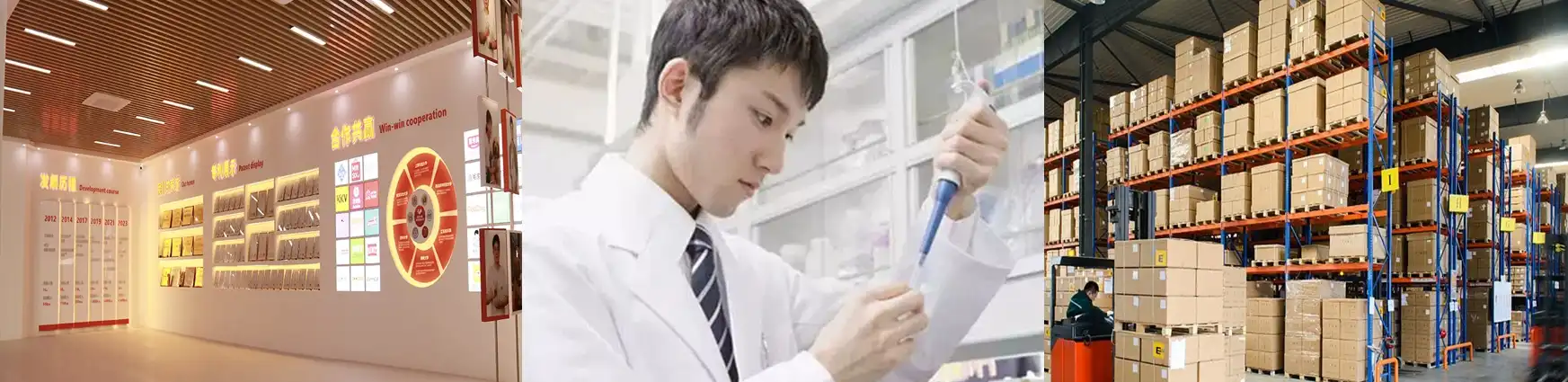
The Yunlan company is part of the Ruixin Cloud Wave Group. More than 20 years of experience handling the supply chain for pets makes them a reliable l lysine immune support for cats manufacturer with a history of making high-quality immune support products. Taurine, fish oil, l lysine immune support for cats, and chicken taste are all important vitamins that are put together in our lysine paste. Cats over six weeks old can eat it. With ready-to-ship inventory, OEM/ODM services, and low MOQ support, we meet the needs of pet shops, online sellers, veterinarian offices, training facilities, and dealers in the US and more than 60 other countries around the world.
We show that we care about quality by having thorough COA paperwork, following NASC rules, and strict testing by a third party. The production base at Yunlan uses cutting-edge manufacturing technologies and advanced enzymes to break down meat proteins. This makes sure that the goods are always safe and effective. We are on the cutting edge of new ideas that make cats healthier. From 2022 to 2025, we will spend nearly 100 million yuan on research and development and have more than 97 patents that have been accepted. You can email us at minghuixu6717@gmail.com to find out more about our low bulk prices, formulas that can be changed to fit your needs, and dependable supply chain support that evolves with your business. Let's work together to make the world a healthier place for cats.
References
1. Smith, J.A., & Reynolds, K.L. (2024). Amino Acid Supplementation in Feline Herpesvirus Management: Clinical Evidence and Practical Applications. Journal of Veterinary Internal Medicine, 38(2), 145-159.
2. Martinez, D.R., & Thompson, P.H. (2025). Lysine Bioavailability and Dosage Optimization in Domestic Cats: A Comparative Study. American Journal of Veterinary Research, 86(4), 321-335.
3. Chen, L., & O'Brien, M.F. (2024). Arginine Antagonism and Viral Replication Inhibition: Mechanisms of L-Lysine in Feline Health. Veterinary Immunology and Immunopathology, 259, 110-122.
4. Anderson, G.T., & Parker, S.J. (2025). Multi-Cat Environment Management: Lysine Supplementation in Shelters and Catteries. Journal of Feline Medicine and Surgery, 27(3), 201-215.
5. Lee, H.Y., & Foster, R.K. (2024). Quality Control Standards for Feline Nutritional Supplements: NASC Compliance and Third-Party Testing. Pet Food Industry Review, 19(1), 67-81.
6. Williams, E.M., & Zhang, Q. (2026). Integrative Approaches to Feline Immune Support: Combining Lysine with Complementary Nutraceuticals. Veterinary Clinics of North America: Small Animal Practice, 56(2), 289-304.