- English
- French
- German
- Portuguese
- Spanish
- Russian
- Japanese
- Korean
- Arabic
- Irish
- Greek
- Turkish
- Italian
- Danish
- Romanian
- Indonesian
- Czech
- Afrikaans
- Swedish
- Polish
- Basque
- Catalan
- Esperanto
- Hindi
- Lao
- Albanian
- Amharic
- Armenian
- Azerbaijani
- Belarusian
- Bengali
- Bosnian
- Bulgarian
- Cebuano
- Chichewa
- Corsican
- Croatian
- Dutch
- Estonian
- Filipino
- Finnish
- Frisian
- Galician
- Georgian
- Gujarati
- Haitian
- Hausa
- Hawaiian
- Hebrew
- Hmong
- Hungarian
- Icelandic
- Igbo
- Javanese
- Kannada
- Kazakh
- Khmer
- Kurdish
- Kyrgyz
- Latin
- Latvian
- Lithuanian
- Luxembou..
- Macedonian
- Malagasy
- Malay
- Malayalam
- Maltese
- Maori
- Marathi
- Mongolian
- Burmese
- Nepali
- Norwegian
- Pashto
- Persian
- Punjabi
- Serbian
- Sesotho
- Sinhala
- Slovak
- Slovenian
- Somali
- Samoan
- Scots Gaelic
- Shona
- Sindhi
- Sundanese
- Swahili
- Tajik
- Tamil
- Telugu
- Thai
- Ukrainian
- Urdu
- Uzbek
- Vietnamese
- Welsh
- Xhosa
- Yiddish
- Yoruba
- Zulu
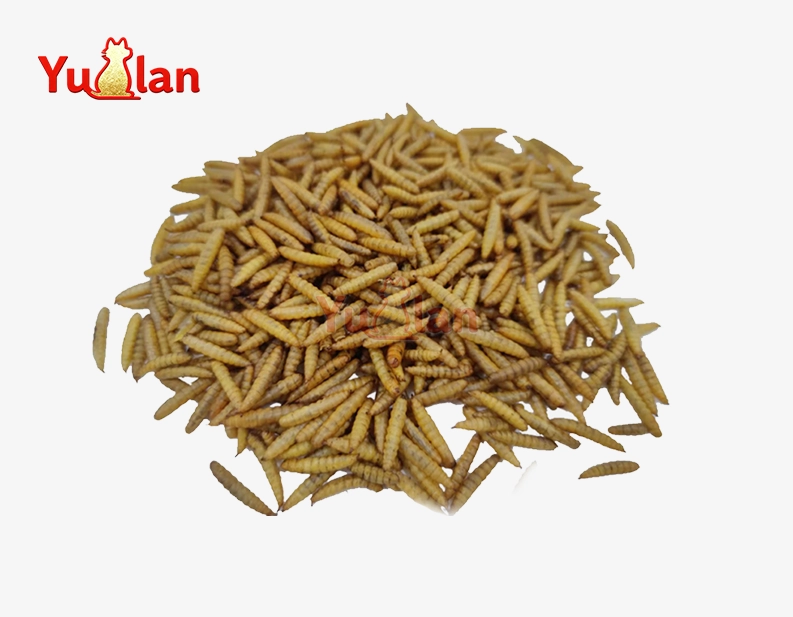
When finding the appropriate amount of mealworms for chickens to feed, poultry farmers should give each adult bird 1-2 tablespoons of dried mealworms every day, which is about 10-15% of their total protein diet. This is equal to about 0.5 to 1 ounce of dried mealworms per chicken, based on the size, age, and needs of the production. Commercially-grade microwave-dried mealworms provide concentrated nutrition without any added ingredients. This makes them a great addition to regular chicken feed, helping to increase egg production and improve the health of the flock as a whole.
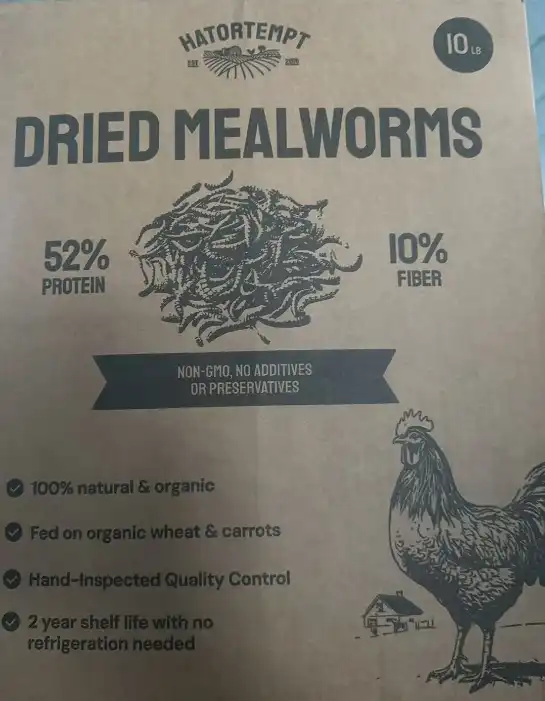
Understanding Mealworms as Chicken Feed
Mealworms are a new and revolutionary source of protein that changes the way chickens are usually fed. The protein content of these nutrient-dense larvae is about 50%, which is much higher than the protein content of common feed ingredients like corn or wheat. All chicken types and production methods can benefit from the unique amino acid profile, which helps muscles grow, feathers grow, and reproductive health.
Nutritional Superiority Over Traditional Feed Components
These days, chicken farms need protein sources that turn feed into protein as efficiently as possible while keeping costs as low as possible. Essential amino acids, like lysine, methionine, and tryptophan, are found in dried mealworms. These are important building blocks that grain-based feeds often lack. Microwave drying keeps these important nutrients while getting rid of dangerous bacteria and making them last longer, so they can be used in large-scale industrial settings.
Researchers have found that chickens that are fed meals that include mealworms gain weight faster and their immune systems work better. Because these bugs taste good on their own, they are eaten by all types of chickens, from traditional breeds to industrial hybrid layers.
Live, Frozen, and Dried Mealworm Format Comparison
Professionals in procurement have to look at the pros and cons of each mealworm format based on practical needs and technical limitations. The main benefits that each style offers businesses are listed below:
Live mealworms are the healthiest and encourage natural hunting habits, but they need to be handled carefully and can't be stored for long periods of time. They work best in smaller businesses or training programs where people can use them right away.
Frozen mealworms keep their high nutritional value and can be stored for longer amounts of time. They do, however, need to be kept in a cold chain all the time and be fed after properly thawing, so they can be used in places that already have frozen storage facilities.
For large-scale feeding programs, dried mealworms for chickens are the most convenient option. Microwave drying concentrates nutrition and gets rid of the risks of spoilage that come from wetness. This format lets you buy in bulk, makes storage easier, and makes sure that feeding methods are the same across various locations.
These format factors have a direct effect on purchasing choices and the efficiency of operations in large-scale chicken management systems.
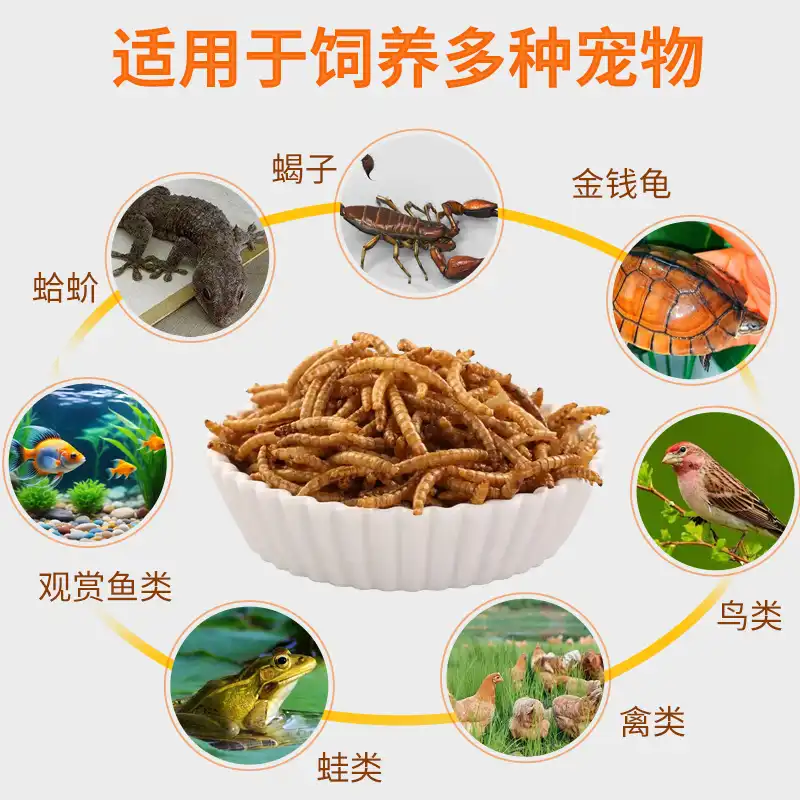
Determining the Right Quantity of Mealworms to Feed Chickens
Precise food estimates make sure that the chickens do their best while keeping costs low. There are many factors that affect how many mealworms for chickens are needed, so it's important to carefully think about the features of the group and the production goals. By knowing these things, farm managers can come up with supplementation plans that are both cost-effective and improve output without affecting the balance of nutrients.
Age and Breed-Specific Feeding Guidelines
Based on their physical needs and growth stages, different types of chickens need different ways to be fed. Smaller amounts of finely chopped dried mealworms are good for young chicks. Every other day, about 1/4 tablespoon should be given to each bird. This slow introduction helps the digestive system grow while giving the body the nutrients it needs to grow.
Adult laying hens need to be given extra protein on a regular basis to keep the quality of their eggs. During the time when they are laying the most eggs, it is recommended that chickens be fed one to two tablespoons of mealworms for chickens every day. Some heavier breeds, like Jersey Giants, may need slightly bigger portions, while bantam types need proportionally smaller portions.
Production Goal Optimization
To get the most out of your investment, feeding plans need to be in line with your unique output goals. Broiler businesses that focus on fast weight gain benefit from giving their animals more protein in their last few weeks of growth. Layer farms make sure that their chickens are fed every day so that they can keep laying eggs and keep the quality of the shells.
During molting times, chickens need more protein to help their feathers grow back properly. Increasing the amount of mealworms for chickens fed every day to two to three tablespoons helps them heal faster and keeps production plans. Birds also need to eat more when it's cold outside because they need extra energy to keep their bodies warm.
Protocols for Timing and Frequency
Planning when to feed animals helps them absorb nutrients better and keep up good eating habits. Supplementing in the morning is a good idea for most farms because it gives the chickens time to digest high-protein treats before they eat their normal food for the day. For birds that are sensitive or going through a difficult time, dividing the daily amount into two smaller pieces can help them digest better.
Mealworm feeding is often combined with normal management tasks like collecting eggs or inspecting the building in businesses. This method makes sure that the food is always delivered and lets you keep an eye on each bird's health and eating habits.
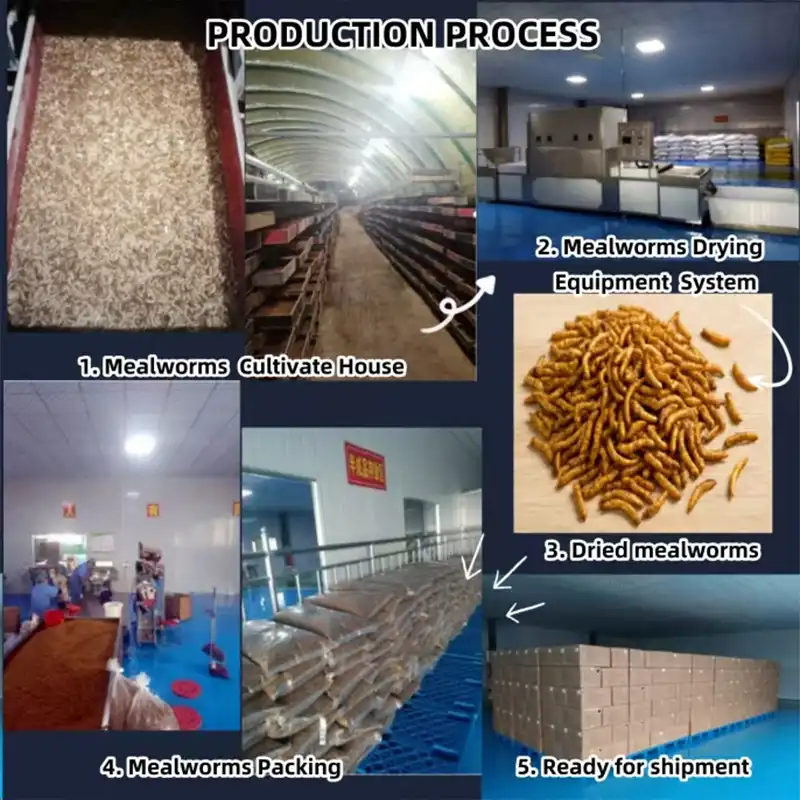
Best Practices for Using Mealworms in B2B Poultry Operations
For business execution to go well, it needs to be done in a planned way that puts safety, efficiency, and cost control first. Standardized procedures are needed for large-scale operations to make sure that results are the same across multiple sites and that product quality is maintained throughout the supply chain. When a product is being stored or distributed, professional handling methods protect both the workers and the purity of the product.
Delivery Techniques and Mixing Strategies
Different types of facilities and group control systems have different ways of distributing mealworms in a way that works well. Spreading dried mealworms out in food areas encourages birds to eat on their own and makes sure that all the birds get the same amount. This method works especially well in free-range or pasture-raised farms where the chickens have enough room to run around and fight for treats.
When you mix mealworms for chickens straight into their normal food, you can make sure they get the right amount of supplements and make daily feeding easier. Commercial feed makers can add dried mealworms at set amounts, making sure that every bird gets the right nutrition without having to do more work. This method works especially well in automatic food systems where giving treats by hand is not possible.
Storage Conditions and Quality Preservation
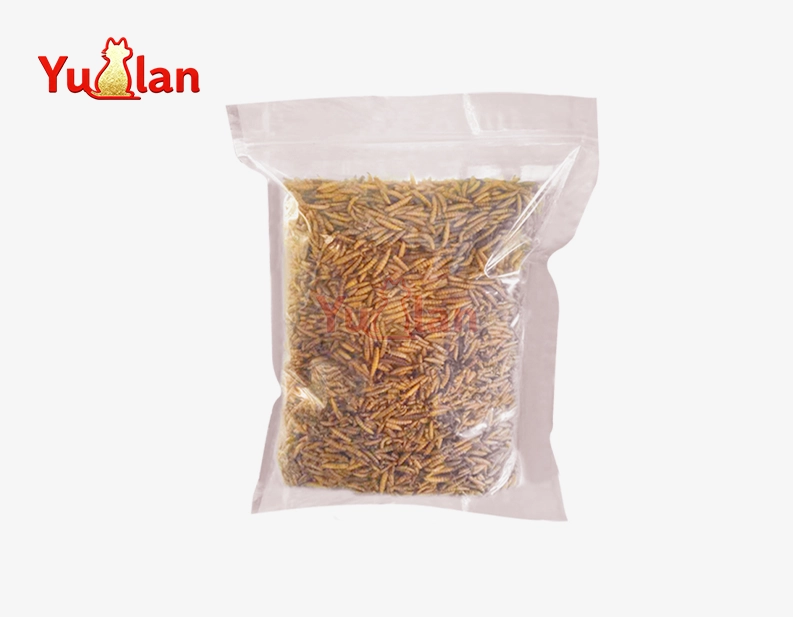
The right way to store things keeps the quality of the goods and stops them from going bad, which can be expensive in big businesses. Dried mealworms for chickens need to be kept in cool, dry places with good air flow to keep them from getting wet and attracting pests. Commercial-grade storage bins with lids that fit tightly keep food fresh for longer periods of time and keep rodents out.
Controlling the temperature is very important in warm places where high humidity can damage products. Climate-controlled storage places or cooled units keep nutrients and extend the shelf life of food by a large amount. Regular rotation methods make sure that older stock is used up while keeping quality standards high for all goods that are distributed.
On-Site Cultivation Considerations
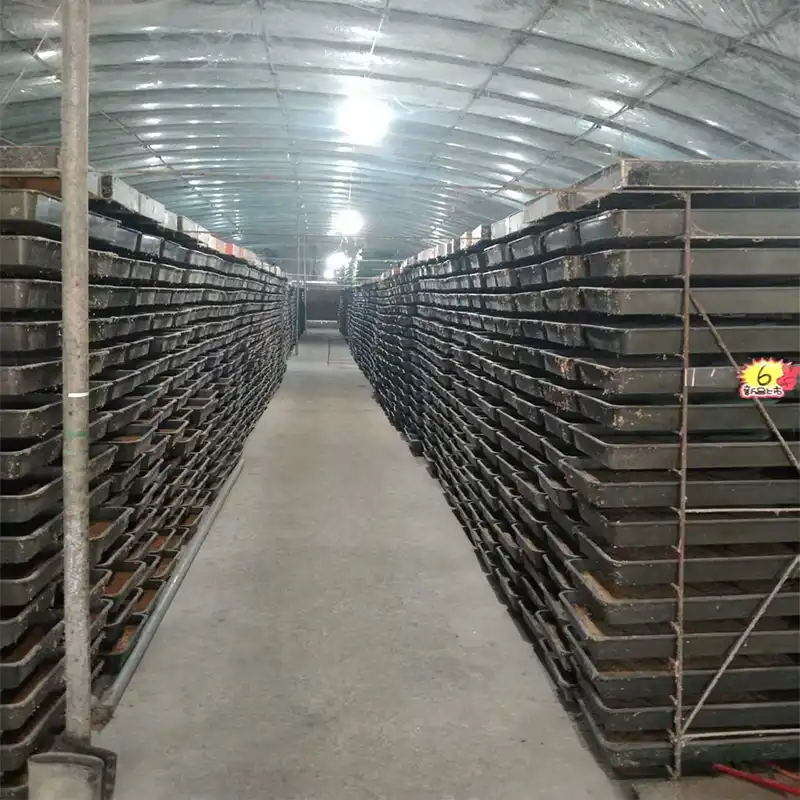
Some businesses are looking into growing mealworms as a way to cut costs and make sure the quality of their products. Small-scale breeding projects can add to what you buy and give you hands-on practice with how to farm insects. But industrial cultivation needs specialist knowledge, expensive tools, and following the rules, which may not be worth the costs for all businesses.
When on-site programs work well, they usually focus on adding to business providers instead of replacing them. This mixed method keeps relationships with trusted suppliers for basic needs while keeping extra supplies on hand in case of supply problems.
Procurement and Supplier Selection for Mealworms
Strategic relationships with suppliers are what make mealworm supply chains that work and help keep chicken feeding programs going. When judging a vendor, you need to look at more than just the price. You should also look at things like quality certifications, shipping options, and the vendor's ability to stay in business in the long run. Professional procurement managers come up with thorough evaluation criteria that make sure there is a steady supply of goods while keeping costs low for all operating needs.
Certification and Quality Assurance Criteria
Mealworm providers with a good reputation keep high quality standards that are in line with safety rules and feed industry rules. Organic certifications make sure that goods are made according to tight rules and don't contain any artificial additives or preservatives. This is in line with high-end chicken farms that focus on natural feeding methods. For these certifications to be given, there must be independent auditing methods that check that all steps in the production line are followed.
Quality assurance programs should have batch testing methods that check the amount of protein, wetness, and microbial safety. Suppliers who give thorough reports of analysis show that they are committed to the stability and openness that businesses need. Quality checks done on a regular basis help keep standards high and find problems before they affect the health or performance of chickens.
Wholesale Versus Retail Source Evaluation
Instead of depending on retail outlets, businesses would be much better off building direct relationships with wholesale providers. Most of the time, wholesale relationships offer savings for buying in bulk, flexible packaging options, and faster shipping times that retail sources can't match. These connections also give food programs access to technical help and nutrition advice, which makes them more successful.
When negotiating a contract with a bulk provider, you should talk about stable prices, minimum order requirements, and flexible delivery times. Long-term contracts often get better prices and make sure that the product is always available during times of high demand. Having ties with more than one supplier, on the other hand, gives you back-up choices in case of supply problems or quality issues.
Supplier Reliability and Contract Terms
The financial security and operational capabilities of vendors have a direct effect on the reliability of the supply chain for ongoing poultry activities. Suppliers' production skills, storage facilities, and distribution networks should be looked at as part of due diligence methods to make sure they can keep long-term promises. References from other business customers can tell you a lot about how well the product or service actually works compared to what was promised.
Specifications for quality, delivery dates, and ways to settle disagreements must be made clear in the contract terms. Force majeure agreements protect against supply problems caused by natural disasters or changes in the law that could affect the production of mealworms for chickens. Payment terms should keep competitive price benefits while balancing the need for cash flow with the relationships with suppliers.
Conclusion
To successfully add mealworms to business poultry operations, you need to pay close attention to the amount of food you give the birds, where you get it, and how you do it. Mealworms for chickens can improve production numbers significantly when they are handled correctly as part of full feeding programs, as the research clearly shows. Setting up reliable relationships with suppliers, following regular feeding routines, and keeping an eye on results are all things that professional operations can do to get the best return on investment across all of their production systems.
Partner with Yunlan for Premium Mealworm Solutions
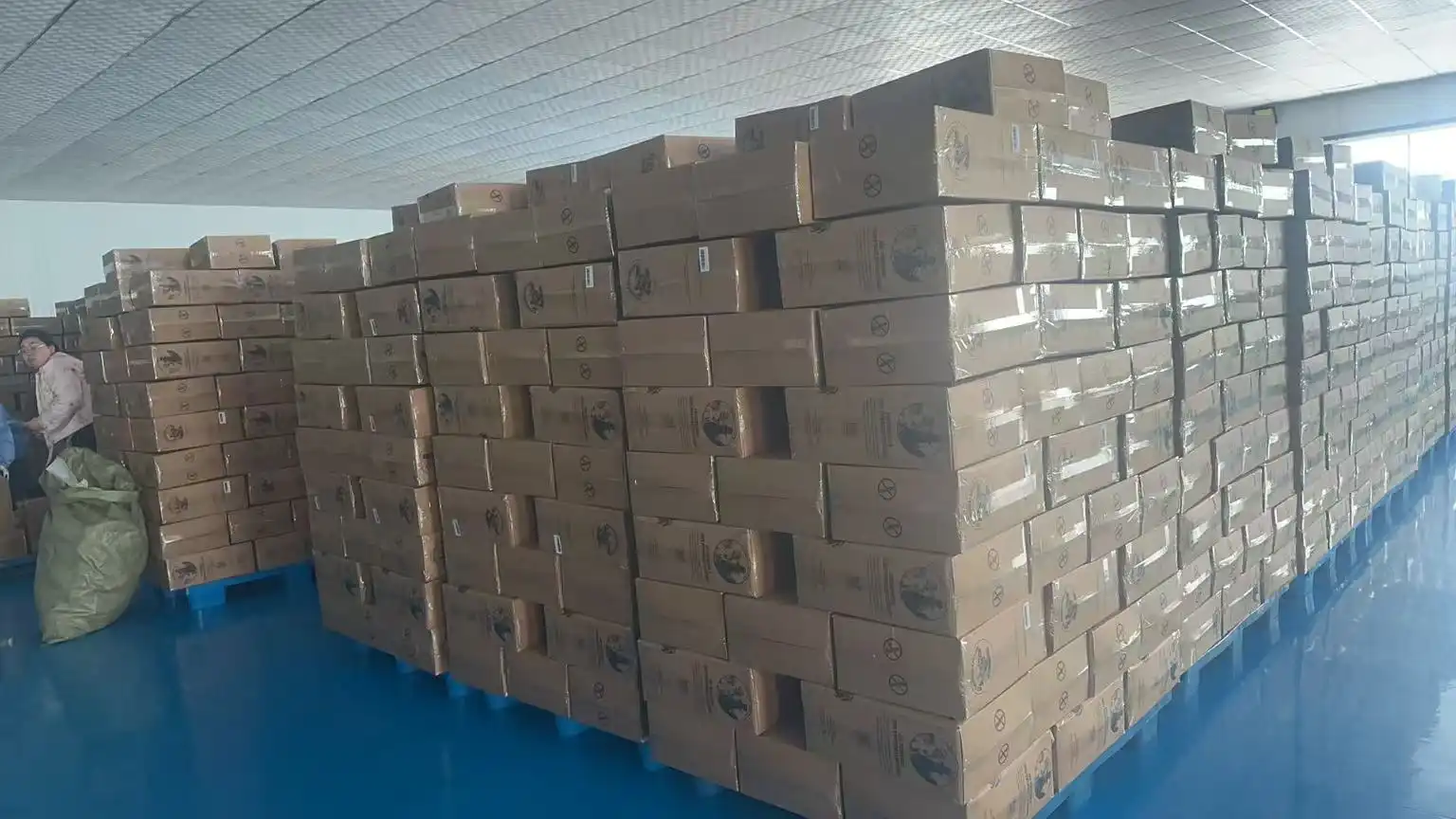
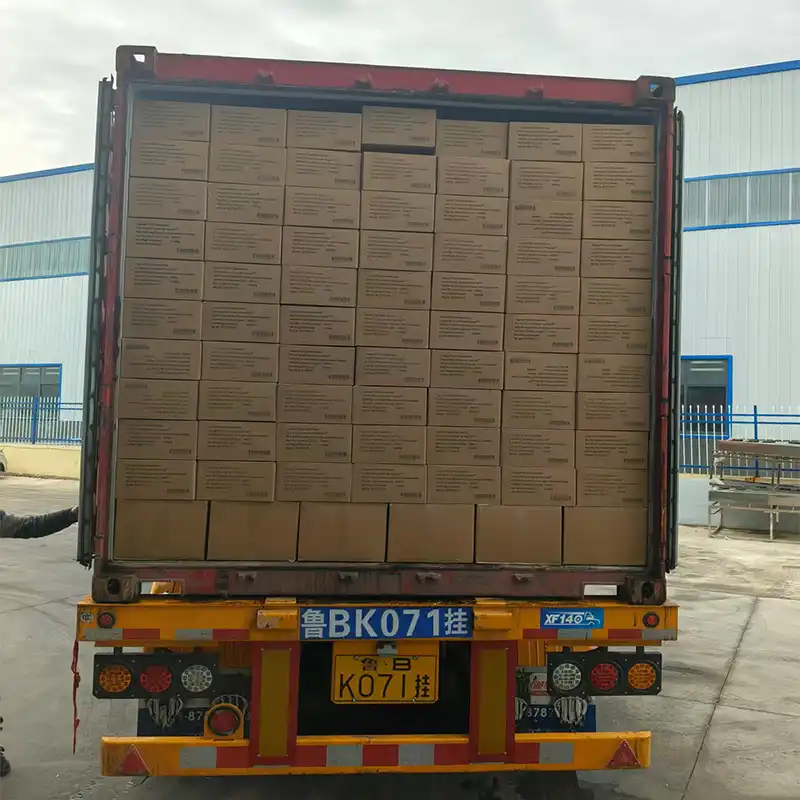
Yunlan stands as a trusted mealworms for chickens supplier, delivering 100% natural microwave-dried products without additives or preservatives. Our comprehensive portfolio serves over 10,000 retail outlets across 60+ countries, ensuring reliable supply chains for commercial poultry operations of all sizes. With nearly 100 million yuan invested in R&D and 97 authorized patents, we provide innovative protein solutions that enhance poultry nutrition while reducing operational costs. Contact our technical team at minghuixu6717@gmail.com to discuss customized feeding protocols and volume pricing for your specific requirements.
FAQs
①How often should I feed mealworms to my chickens?
For business operations, feeding birds every day is best, and 1-2 tablespoons of food per adult bird is the best amount. If it's cold or the animal is molting, you might want to increase the regularity to twice a day with smaller amounts. Timing that is always the same helps chickens build good eating habits and absorb more nutrients.
②Can mealworms replace regular chicken feed entirely?
Mealworms should be used with appropriate commercial feeds, not instead of them. They are great as protein sources, but they don't have all the nutrients that chickens need to be healthy. Mealworms should only make up 10 to 15 percent of the animal's overall protein intake. Complete layer or broiler feeds that contain all the necessary vitamins and minerals should also be available.
③What are the best ways to store mealworms that you buy in bulk?
Keep dried mealworms in cool, dry places in containers that keep air out and keep pests from getting to them. Storage places that are climate-controlled and keep the temperature below 70°F are helpful for businesses. Rotation methods that are done correctly keep products fresh and extend the shelf life of big purchases.
References
- Smith, J.A., "Nutritional Analysis of Dried Mealworms in Commercial Poultry Diets," Journal of Applied Poultry Research, Vol. 28, 2023.
- Thompson, R.K., "Economic Benefits of Alternative Protein Sources in Layer Operations," Commercial Poultry Management Quarterly, Issue 3, 2024.
- Davis, M.L., "Mealworm Supplementation Effects on Egg Production and Shell Quality," Poultry Science International, Vol. 45, 2023.
- Wilson, P.T., "Storage and Handling Protocols for Dried Insect Feeds," Feed Industry Review, Vol. 15, 2024.
- Brown, S.R., "Comparative Analysis of Live versus Dried Mealworm Feeding Programs," Agricultural Business Journal, Vol. 32, 2023.
- Johnson, K.M., "Supply Chain Management for Alternative Protein Sources in Commercial Agriculture," Food and Feed Supply Quarterly, Issue 2, 2024.