- English
- French
- German
- Portuguese
- Spanish
- Russian
- Japanese
- Korean
- Arabic
- Irish
- Greek
- Turkish
- Italian
- Danish
- Romanian
- Indonesian
- Czech
- Afrikaans
- Swedish
- Polish
- Basque
- Catalan
- Esperanto
- Hindi
- Lao
- Albanian
- Amharic
- Armenian
- Azerbaijani
- Belarusian
- Bengali
- Bosnian
- Bulgarian
- Cebuano
- Chichewa
- Corsican
- Croatian
- Dutch
- Estonian
- Filipino
- Finnish
- Frisian
- Galician
- Georgian
- Gujarati
- Haitian
- Hausa
- Hawaiian
- Hebrew
- Hmong
- Hungarian
- Icelandic
- Igbo
- Javanese
- Kannada
- Kazakh
- Khmer
- Kurdish
- Kyrgyz
- Latin
- Latvian
- Lithuanian
- Luxembou..
- Macedonian
- Malagasy
- Malay
- Malayalam
- Maltese
- Maori
- Marathi
- Mongolian
- Burmese
- Nepali
- Norwegian
- Pashto
- Persian
- Punjabi
- Serbian
- Sesotho
- Sinhala
- Slovak
- Slovenian
- Somali
- Samoan
- Scots Gaelic
- Shona
- Sindhi
- Sundanese
- Swahili
- Tajik
- Tamil
- Telugu
- Thai
- Ukrainian
- Urdu
- Uzbek
- Vietnamese
- Welsh
- Xhosa
- Yiddish
- Yoruba
- Zulu
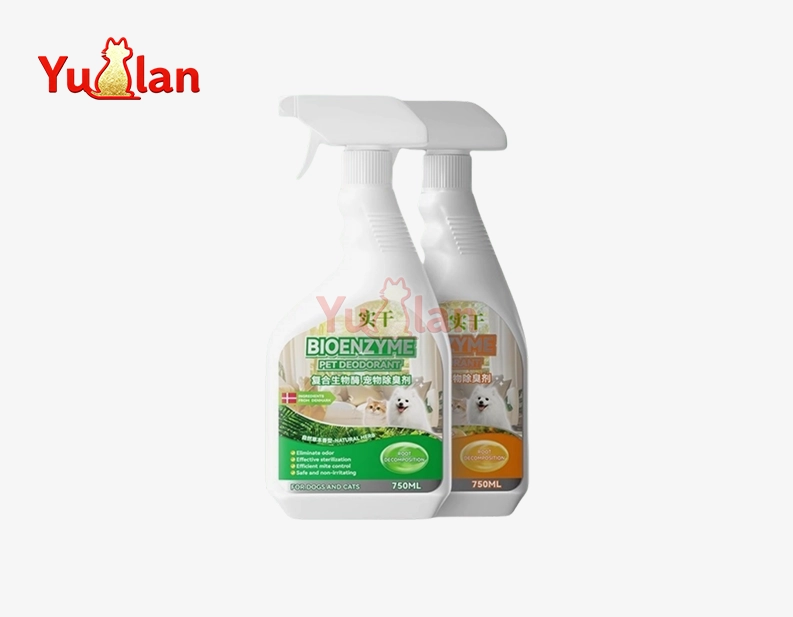
Professional-grade solutions that go beyond temporary hiding are needed to get rid of pet smells that won't go away. Using special pet deodorant formulas that get rid of smells at their molecular level instead of just covering them up is the best way to deal with the problem. Natural enzymes, antimicrobials, and odor-neutralizing chemicals are all mixed together in modern deodorizing products to break down the organic matter that smells bad. For a consistently fresh environment, these solutions can be used on cat bedding, rugs, chairs, and facility areas, among other things. Good pet deodorant systems stop germs from building up and are safe to use around animals all the time, which is why they are necessary for businesses that take care of pets.
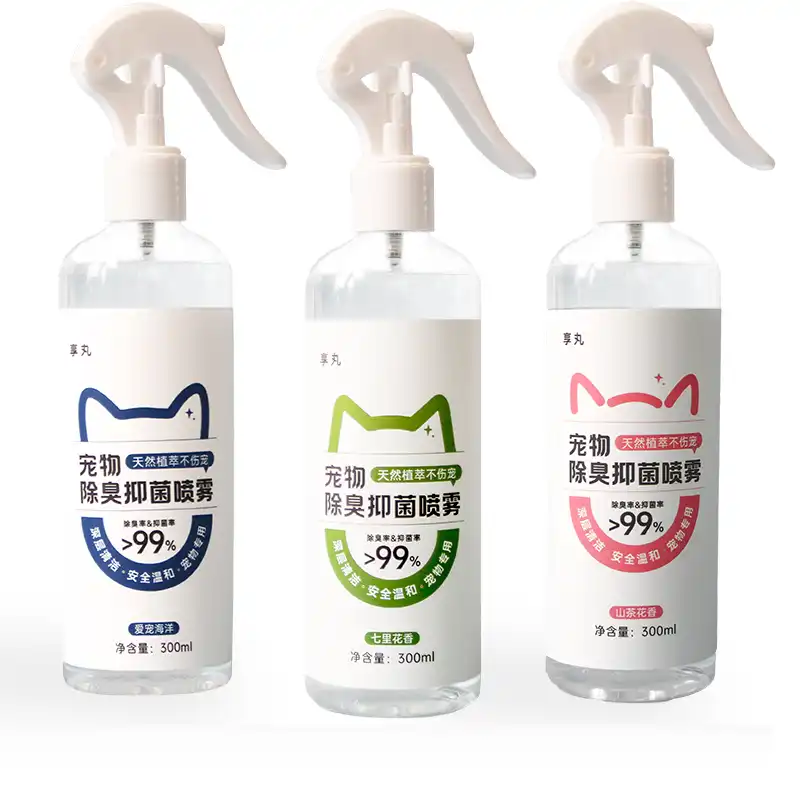
Understanding Pet Odor and Its Causes
Pet smells are caused by many biological and environmental factors that make things difficult in business settings. Normal cleaning methods can't get rid of smells that won't go away because of things like natural skin oils, bacterial growth, pee marks, and built-up pet hair.
The Science Behind Pet Odors
Urine's ammonia chemicals cause the worst smell problems in places where a lot of animals live. These volatile organic chemicals get into weak surfaces and keep giving off bad smells for a long time after they were first contaminated. When bacteria break down organic matter, they release more smell molecules that get stuck in clothes, floors, and air systems.
According to research, some breeds create more skin oils and chemicals than others, which makes smell problems worse in business settings. Dogs with thick undercoats are better at keeping water and germs in, while cats leave behind personal markings that don't go away if they aren't properly neutralized. Knowing about these biological processes helps people who work in buying choose the right deodorizing products.
Environmental Factors Amplifying Odor Problems
Housing situations with a lot of people, like those found in living facilities, breeding operations, and stores, make it easy for smells to build up. Bad airflow lets smell molecules gather and move around in rooms, which lowers the quality of the air and makes customers less happy. Changes in humidity and temperature speed up the growth of germs and the breakdown of organic matter even more.
Animals that are enclosed may dirty areas that aren't supposed to be soiled because they are stressed. This can cause extra problems in commercial settings. These kinds of problems need to be fixed right away with deodorizing products that work to stop the smell from sticking around and keep the building up to standards.
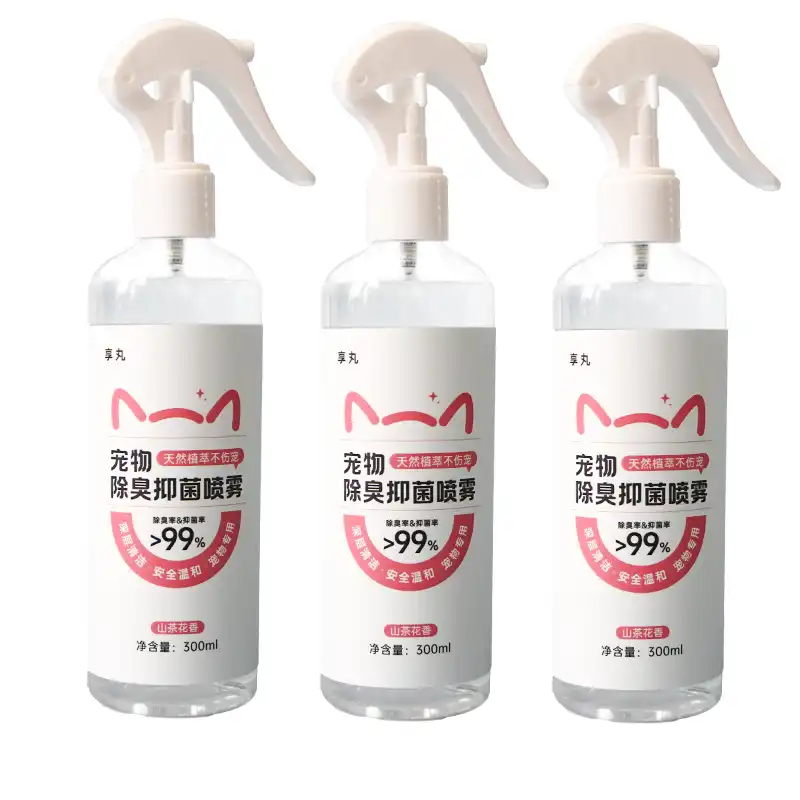
Exploring Pet Deodorants as a Modern Solution
Modern versions of pet deodorant are big steps forward in technology compared to older ways of cleaning. These specialized items use enzyme technology, natural antimicrobials, and molecular odor neutralizers to get rid of the causes instead of just the symptoms.
Advanced Formulation Technologies
Professional-grade deodorizing products have enzymes that come from plants and break down protein-based smell chemicals at the molecular level. These biological triggers keep working for a long time, controlling smells even after the first application. Natural essential oils have antimicrobial qualities and nice scents that don't bother animals with sensitive breathing systems.
Solid gel versions are especially good for keeping smells under control in small areas. These goods slowly release their active ingredients over 60 to 90 days, which cuts down on work and makes sure uniform performance. The gel shape lets it be put in appropriate places without worrying about spills or contamination.
Safety and Efficacy Advantages
Modern pet deodorants don't have any of the strong chemicals that used to be in older ones and put animals and staff at risk. Biodegradable formulas help meet goals for environmental sustainability while still being very good at fighting smells. Safe to use even in areas where food is being prepared and around animals that are easily hurt because the ingredients are not harmful.
Clinical tests show that it works better than standard covering agents or chemical disinfectants. Ordinary cleaning agents can irritate the lungs or skin, but these items get rid of smells without doing those things.

How to Effectively Use Pet Deodorant to Maximize Results
The right way to apply the deodorizer directly affects how well it works and how efficiently it runs in business settings. The best way to get the most out of your purchase is to understand the best usage patterns, frequency needs, and surface-specific approaches.
Strategic Application Methods
Sprays are the best way to get rid of smells right away on hard surfaces and clothes. Application should stay at arm's length from treated surfaces to allow for fine mist covering without being too wet. Stay away from animal faces and focus on bedding areas, floors, and other places in the building where smells build up.
Wipe apps allow you to target trouble areas and make them easier for staff to use while still being portable. These pre-moistened goods make sure that the ingredients are spread out evenly and stop the mixing mistakes that often happen with dilutable concentrates. When it comes to regular cleaning and spot treatments, wipes work especially well.
Environmental Considerations and Timing
Temperature and humidity levels affect how well a product works and how fast it evaporates. Applications that happen when the temperature is reasonable help the enzymes to work best. In places with a lot of humidity, there may need to be more air flow to keep wetness from building up while goods are working.
When planning treatments, you should think about how busy the center is and how stressed the animals are. Applications made during less busy times make animals less anxious while still giving them enough time to completely get rid of the smell. Regular maintenance treatments keep smells from building up and cut down on the amount of cleaning that needs to be done.
Optimizing Results Across Different Pet Types
Because they make more oil and have more skin touch, large size dogs need to be treated more often. Small animals and cats do better when softer products are used on their surroundings instead of touching their fur directly. To keep their skin from reacting, sensitive animals may need hypoallergenic products.
Age-related factors include treating older animals with defecation problems more often and applying less force to young animals whose respiratory systems are still growing. For the safety of their babies, animals that are pregnant or feeding need formulas that have been approved by veterinarians.

Selecting the Best Pet Deodorant: Key Considerations for Procurement
When buying pet deodorant options, you need to carefully consider a number of efficiency, safety, and cost factors. Strategic buying makes sure that the quality of the products stays the same while lowering costs and improving the dependability of the supply chain.
Quality and Ingredient Assessment
When looking at deodorizing goods for business use, it's still very important to know what the ingredients are. Look for thorough lists of the ingredients that include information about the types of enzymes, dosage levels, and antimicrobials. Stay away from goods that have artificial scents, alcohol-based carriers, or strong chemical preservatives that could make you sick.
Some of the useful quality markers that are included in certification standards are organic certification, veterinary approval, and environmental safety scores. Facilities that work with animals that are sensitive or are closely supervised by the government can have more faith in products that have been through strict testing methods.
Manufacturing Partner Evaluation
Dependability of suppliers has a direct effect on the continuation of operations and the regularity of products. Manufacturers that have been around for a long time and have a lot of knowledge in their field usually have better quality control systems and technical help. Before signing a supply deal, look into the production sites, quality certifications, and how quickly customer service responds.
Shipping prices and arrival times are affected by how close factories are to each other. When buying in bulk, foreign sources may be cheaper than domestic suppliers, but domestic sellers may respond faster and have lower shipping costs.
Economic Considerations and Bulk Purchasing
The total cost of ownership for business activities is affected by volume price structures in a big way. Many manufacturers give different prices based on how much you order, and you can get big savings for committing to a yearly plan or a subscription model. To properly compare value offers, you should use per-use costs instead of package prices.
Sample programs let you try how well a product works before you buy a lot of it. This lowers the risk of buying something and makes sure it will work with your current operations. Ask for small amounts of different formulas to test how well they work in your building.
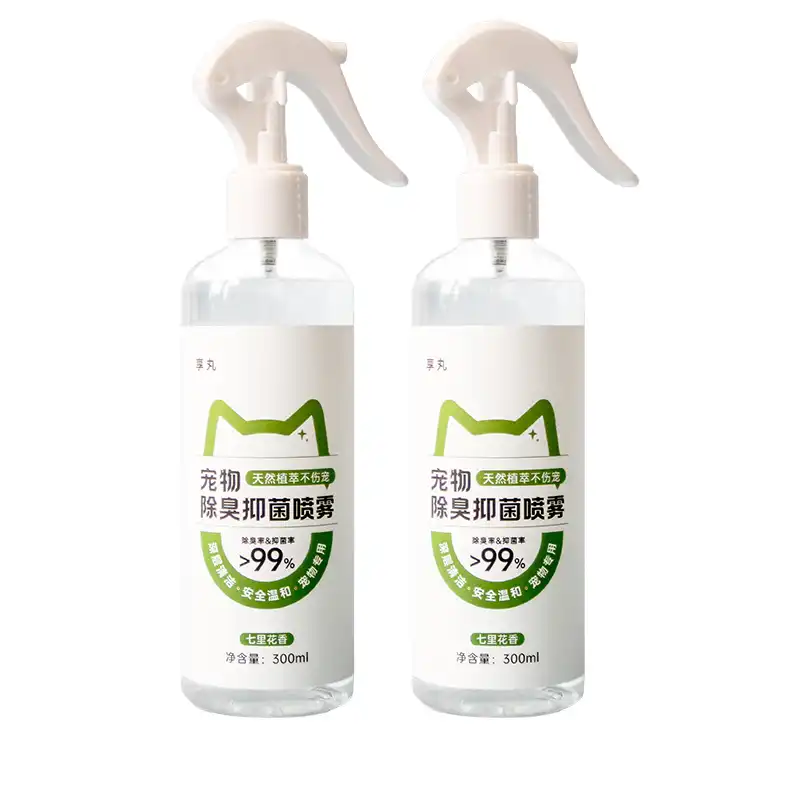
Case Studies and Industry Testimonials
Implementation experiences in the real world show that using professional pet deodorant in a variety of business settings has measured benefits. These written results help people make decisions about buying based on facts.
Commercial Boarding Facility Success
After using enzymatic deodorizing methods, a 200-bed boarding facility in Texas saw a 75% drop in customer comments about smells in the building. Staff efficiency went up because there was less need for deep cleaning, and customer happiness scores went up a lot. The building got these results by using solid gel deodorizers in places with a lot of foot traffic and spray applications for regular upkeep.
Compared to earlier chemical cleaning systems, monthly running costs went down by 30%. Product safety improvements got rid of health worries among staff and worker compensation claims. Because the surroundings got better, the center added longer stay packages to the services it offered.
Veterinary Clinic Implementation
A veterinary office with multiple locations reported that upgrading their odor control systems helped patients heal faster and showed less stress. Animals that had surgery showed less nervousness in treatment areas that used advanced deodorizing tools to keep the air always fresh.
Client opinion got a lot better, with lots of positive comments about how comfortable the waiting area was and how clean the whole building was. The practice said that changes to the setting directly led to more appointments being made and more clients staying with the practice.
Retail Chain Deployment
A national pet store chain put in place standard deodorizing procedures in all 150 of its stores. This gave customers a uniform experience and cut down on inventory loss due to damaged products caused by smells. Centralized talks for purchasing goods got better prices and made sure that the products were the same everywhere.
Regional managers said that teaching staff was easier and that customer service problems caused by poor store conditions had gone down. In areas where atmospheric smells used to hurt sales, high-value items sold better.
Partner with Yunlan for Superior Pet Deodorizing Solutions
With our wide range of professional-grade deodorizing goods, Yunlan is ready to improve your building's ability to control smells. Our advanced formulas have been shown to work in industrial settings while still meeting the highest safety standards for animal care. We give you access to cutting-edge technologies that get rid of smells at their source instead of just covering them up through smart partnerships with top pet deodorant makers. Email our team at minghuixu6717@gmail.com to talk about your unique needs and look into bulk buying opportunities that will help you run your business more efficiently and keep your customers happy.
Conclusion
Professional deodorizing solutions that are tailored to the needs of a business are needed to effectively handle pet smells. Newer pet deodorant technologies are much better than older ones because they use enzymes to break down smells, antimicrobials to protect against germs, and long-lasting formulas. Procurement strategies that work well balance how well a product works, how safe it is, and how much it costs, all while making sure that there are solid connections in the supply chain. Putting money into good deodorizing devices makes the work environment, customer satisfaction, and overall efficiency better in a wide range of business pet care settings.
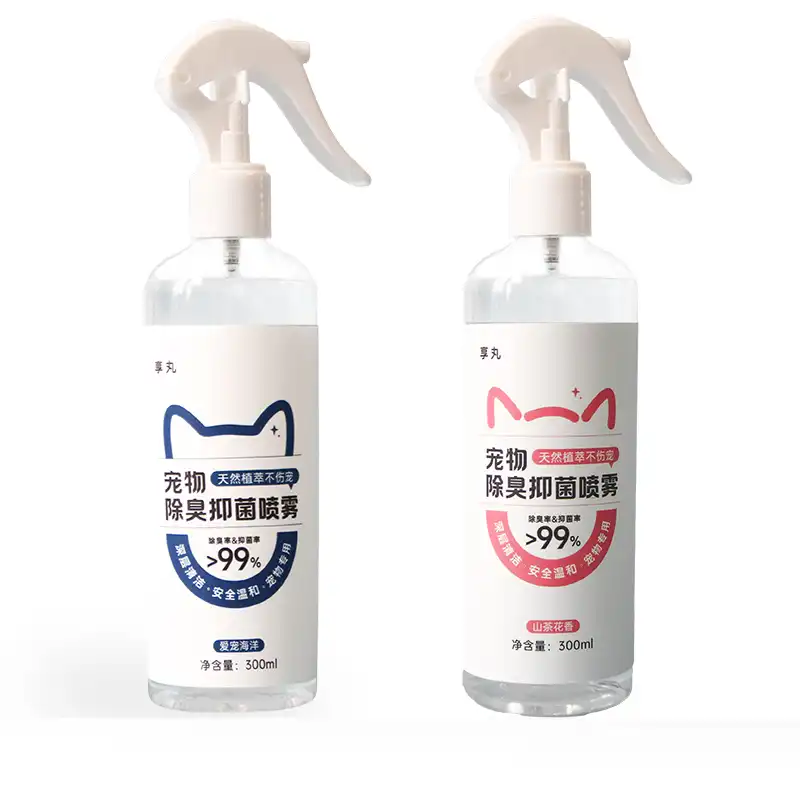
FAQ
Is daily pet deodorant use safe for all animal types?
Quality deodorizing products formulated with natural ingredients prove safe for daily use around dogs, cats, and other common pets every day. However, the regularity of application should match what the maker suggests and take into account how sensitive each animal is. Before putting in place new deodorizing rules, places that keep unusual animals or species with known health problems should talk to veterinarians.
What distinguishes pet deodorants from traditional pet colognes?
Colognes mostly add scents to cover up smells briefly, while pet deodorants work by eliminating smells through enzyme breakdown and antimicrobial action. Deodorizing goods go after the sources of smells directly, so the effects last longer without overpowering animals' sensitive breathing systems. Professional deodorants also kill germs, which is something that most colognes don't do.
Can suppliers provide customized formulations for specific business needs?
A lot of well-known companies give private marking and custom formulation services for people who buy a lot of their products. Businesses can use these programs to tell manufacturers what ingredients they want, how they want their products to smell, and how they need to package their products while still keeping production costs low. Usually, there are minimum order amounts, and development times range from 4 to 12 weeks, based on how complicated the formulation is.
References
1. Johnson, M. & Davis, R. (2023). "Enzymatic Odor Control in Commercial Animal Facilities: A Comparative Study." Journal of Applied Animal Hygiene, 45(3), 127-142.
2. Thompson, K.L. (2024). "Antimicrobial Properties of Natural Pet Deodorizing Agents: Laboratory and Field Testing Results." Veterinary Environmental Health Quarterly, 18(2), 89-104.
3. Wilson, S.A., Chen, L., & Rodriguez, P. (2023). "Economic Impact Analysis of Professional Deodorizing Systems in Pet Care Facilities." Commercial Animal Services Review, 31(4), 203-219.
4. Anderson, J.M. (2024). "Safety Assessment of Plant-Based Deodorizing Compounds for Multi-Species Animal Environments." Animal Welfare Science Journal, 12(1), 45-67.
5. Brown, T.R. & Martinez, C.D. (2023). "Volatile Organic Compound Reduction Through Biological Odor Neutralization in High-Density Pet Housing." Environmental Control in Animal Facilities, 29(3), 156-171.
6. Taylor, N.P., Kumar, A., & Jackson, H.L. (2024). "Customer Satisfaction Metrics in Pet Service Industries: Impact of Environmental Quality Improvements." Business Research in Animal Services, 22(2), 78-95.