- English
- French
- German
- Portuguese
- Spanish
- Russian
- Japanese
- Korean
- Arabic
- Irish
- Greek
- Turkish
- Italian
- Danish
- Romanian
- Indonesian
- Czech
- Afrikaans
- Swedish
- Polish
- Basque
- Catalan
- Esperanto
- Hindi
- Lao
- Albanian
- Amharic
- Armenian
- Azerbaijani
- Belarusian
- Bengali
- Bosnian
- Bulgarian
- Cebuano
- Chichewa
- Corsican
- Croatian
- Dutch
- Estonian
- Filipino
- Finnish
- Frisian
- Galician
- Georgian
- Gujarati
- Haitian
- Hausa
- Hawaiian
- Hebrew
- Hmong
- Hungarian
- Icelandic
- Igbo
- Javanese
- Kannada
- Kazakh
- Khmer
- Kurdish
- Kyrgyz
- Latin
- Latvian
- Lithuanian
- Luxembou..
- Macedonian
- Malagasy
- Malay
- Malayalam
- Maltese
- Maori
- Marathi
- Mongolian
- Burmese
- Nepali
- Norwegian
- Pashto
- Persian
- Punjabi
- Serbian
- Sesotho
- Sinhala
- Slovak
- Slovenian
- Somali
- Samoan
- Scots Gaelic
- Shona
- Sindhi
- Sundanese
- Swahili
- Tajik
- Tamil
- Telugu
- Thai
- Ukrainian
- Urdu
- Uzbek
- Vietnamese
- Welsh
- Xhosa
- Yiddish
- Yoruba
- Zulu
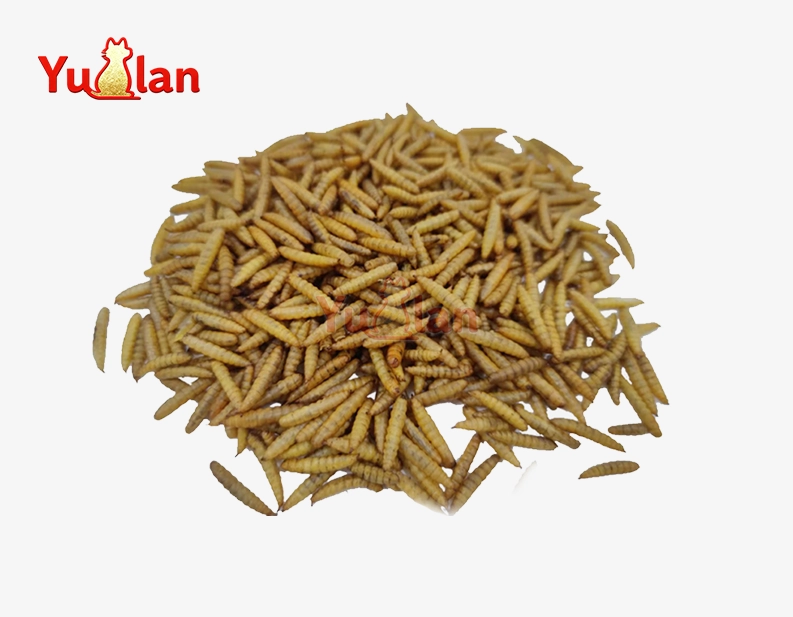
To find trustworthy suppliers of dried mealworms for fish food, you need to carefully look at their production capacity, quality standards, and business methods. To be successful, you need to know how manufacturing works, check certifications, do extensive factory audits, and set up clear ways for people to talk to each other. Chinese manufacturers are great partners for businesses looking for high-quality mealworm fish feed solutions since they have excellent technology, can make things cheaply, and have a lot of experience exporting.
The global aquaculture business is still growing quickly, and dried insect proteins are becoming known as eco-friendly alternatives to regular fish feeds. Market study shows that fish food made from mealworms is a developing market worth more than $1.2 billion a year. This rise is due to more people being aware of the nutritional benefits of insect-based proteins for aquatic creatures and the need to protect the ecosystem.
Chinese companies make up most of this market, making over 60% of all dried mealworms in the world. They know how to run everything from small businesses that serve local markets to big factories that ship goods all over the world. There are many choices for buyers in a competitive market, but choosing the right providers requires careful consideration of more than just pricing.

Why China Leads in Dried Mealworms Manufacturing?
Advanced Production Technology
Chinese companies have put a lot of money into automated systems for growing mealworms. Modern facilities use climate-controlled rooms to create the best circumstances for breeding, which keeps the protein content and nutritional profiles stable. These new technologies make it possible to produce on a huge scale while yet meeting international quality standards.
Microwave drying technology, which is very common in Chinese factories, keeps important nutrients while getting rid of harmful germs. This technique keeps the protein content over 53%, which makes the finished product perfect for fish that eat meat and fish that eat plants. Compared to typical drying processes, temperature-controlled processing keeps nutrients from breaking down as much.
Cost-Effective Raw Material Sourcing
China's agricultural system makes it easy to grow mealworms by providing a lot of organic waste materials. Manufacturers receive their substrates from wheat bran, corn meal, and vegetable waste. This lowers costs, which means that overseas purchasers can enjoy good prices. This supply chain that works together lowers production costs while keeping quality high.
Dried mealworms for fish food manufacturers may keep input prices low and make sure the quality of their raw materials stays the same by using local sourcing networks. Having good ties with agricultural suppliers helps with production planning and inventory management, which are both very important for filling large export orders.
Export Infrastructure and Experience
Chinese producers of dried mealworms benefit from well-established export infrastructure, such as specialized logistical networks and long-standing trading partnerships. Many manufacturers have a lot of expertise selling to international markets. They know the rules in different areas and can change their products to fit those rules.
Export processing zones have other benefits as well, such as faster customs procedures and tax breaks. These benefits let manufacturers keep their businesses successful while yet being able to offer competitive prices around the world.

Essential Criteria for Manufacturer Selection
Production Capacity Assessment
Look at possible suppliers' daily production capacity and ability to grow. Depending on the size of the factory and the markets they want to reach, reliable manufacturers usually make between 500 and 5000 kg of dried mealworms every day. Knowing capacity helps make sure that providers can fulfill rising demand without sacrificing quality or delivery times.
During busy times, ask for precise production timetables and capacity utilization rates. Manufacturers who are working at full capacity may have trouble filling rush orders or dealing with sudden increases in demand. Optimal suppliers keep their capacity utilization between 70% and 80%, which gives them room to meet urgent needs.
Quality Control Systems
Look at the labs and testing procedures used during the entire production process. Professional producers have their own labs that can test for contaminants, monitor protein levels, and assess moisture content. Quality tests at different stages of production make sure that the product parameters are always the same.
Documentation systems should keep track of each batch from when it is grown to when it is packaged. Comprehensive records make it easy to find and fix quality problems quickly, and they also help meet traceability requirements in regulated markets. Digital tracking systems show that you know how to control quality well.
Supply Chain Integration
Look at how much vertical integration there is in the operations of possible suppliers of dried mealworms for fish food. Manufacturers who control the whole supply chain, from breeding to packaging, can guarantee better quality and keep costs stable. Integrated operations make businesses less reliant on outside suppliers and lessen differences in quality.
Check the backup supply plans for important inputs. Reliable manufacturers work with more than one substrate provider and have backup plans in case something goes wrong. These precautions make sure that manufacturing can keep going even when there are problems in the supply chain.
Customer Service and Communication
During the first few interactions, check how responsive and communicative the person is. Professional manufacturers answer questions within 24 hours and give you a lot of technical information about their products. Being able to speak the language and understand the culture makes business connections go more smoothly.
Check to see whether technical support can help with requests for product customization. Experienced providers can help you choose the best product specifications for different types of fish and can change processing parameters to match your needs. This knowledge is useful for making unique formulas.
Financial Stability Verification
Check the supplier's financial records and business registration information to make sure they are real and stable. Established manufacturers usually have more than one company license and keep clear financial records. Credit reports and bank references are other ways to check on someone's financial condition.
For a business to last a long time, it needs suppliers with steady cash flow and development paths. Manufacturers who spend in upgrading their facilities and improving their technologies show that they are committed to keeping their businesses running and improving quality.

International Quality Standards and Certifications
ISO Certification Requirements
ISO 9001 certification means that a company has a full set of quality management systems that encompass all parts of its operations. This standard makes sure that the quality of the products is always the same by using written procedures and processes for making things better all the time. ISO-certified manufacturers usually have better quality control skills.
ISO 22000 is all about food safety management systems, which are very important for making mealworm fish food. This certification includes looking at hazards, finding crucial control points, and taking steps to avoid them during production. Most overseas markets will accept products that satisfy ISO 22000 criteria for export.
HACCP Implementation
Hazard Analysis and Critical Control Points (HACCP) systems find possible contamination concerns and set up ways to control them. When HACCP is used correctly, it protects against biological, chemical, and physical dangers at every stage of production. Regular audits make sure that the rules are still being followed.
Detailed hazard analysis reports, records of monitoring crucial control points, and processes for taking corrective action are all required documents. Full HACCP paperwork shows that a company has good quality management and helps it follow the rules in its target markets.
Export Certification Standards
Different areas have different rules about what dried mealworm products can be brought in. Novel Food rules and some labeling standards must be followed in European Union markets. The FDA sets requirements for animal feed ingredients and processing facilities that must be met by US imports.
Knowing what your target market needs helps you find the right providers with the right credentials. Manufacturers who are familiar with certain regional markets know what the rules are and keep the paperwork they need to show they are following them.
Organic and Natural Product Certifications
Customers that care about the environment and want sustainable fish meal options are drawn to organic certification. To produce certified organic mealworms, you need recognized substrates, can't use certain chemicals, and need to be able to prove that your processing procedures work. In many markets, these qualifications cost a lot.
Certifications for natural products check to make sure they don't have any artificial additives or synthetic processing aids. Trends toward clean labels in the pet food market are driving up demand for mealworm products that are less processed and have basic ingredient listings.
Effective Sourcing Platforms and Channels
B2B E-commerce Platforms
Alibaba is still the best place to find dried mealworm producers. It has thousands of verified vendors with thorough product catalogs. Buyers can use advanced search filters to find suppliers based on how much they can make, if they are certified, and where they are located. Trade Assurance services make international transactions safer.
Made-in-China.com has separate categories for pet food ingredients and makes sure that all of its suppliers are legitimate. Some of the platform's advantages are virtual factory tours and tools for real-time communication that make it easier to evaluate suppliers. Buyer protection programs help with problems with quality and delivery.
Global Sources is all about high-end suppliers that do business around the world. Their checks put a lot of weight on export experience and quality certifications. Global Sources puts on annual trade exhibitions where you can meet potential suppliers in person.
Industry Trade Shows and Exhibitions
Every year in Bangkok, the Pet Food Forum Asia brings together top Asian manufacturers, including Chinese mealworm producers. Direct interactions at trade exhibitions make it possible to fully evaluate suppliers and create relationships. Live product demonstrations show off the company's ability to make things and the quality standards they follow.
VIV Asia shows have full displays of vendors of feed ingredients, including companies that make insect protein. These events make it easier to meet industry professionals and compare several providers at once. Educational seminars provide people a better understanding of changes in the industry and the law.
The China International Pet Show in Shanghai gives Chinese manufacturers the chance to export their goods. Emerging providers with competitive prices and new items are commonly at regional trade exhibitions. Successful encounters at trade shows often lead to direct invites to factories.
Professional Industry Networks
Trade groups in the feed sector keep lists of suppliers of dried mealworms for fish food and help buyers and manufacturers meet each other. Professional networks can help you get good recommendations and learn more about how suppliers are seen in the market. Being a member of relevant associations shows that a manufacturer is committed to following industry standards.
You may talk directly to producers and specialists in the aquaculture and pet food industries through LinkedIn groups. Professional networking shows how well suppliers are doing by getting feedback from current clients and finding new market prospects.
Third-Party Sourcing Services
Professional sourcing agents that know a lot about pet food ingredients may find and analyze possible suppliers. Experienced agents know what quality buyers need and can get them the best deals when they buy from abroad. Knowing the local market might help you deal with cultural variations and business habits.
Quality inspection services check the quality of a supplier's products and make sure they can do what they say they can do. Third-party audits give unbiased reviews of factories and quality control systems. These services are especially helpful for buyers who can't go to the site themselves to check things out.

Factory Auditing and Quality Assurance
Pre-Audit Documentation Review
Ask for full facility documents, such as company licenses, production permits, and quality certifications. Environmental compliance records show that a business follows local laws and uses sustainable business practices. Financial statements show that a business is stable and growing.
Independent labs' product testing reports confirm the declared nutritional values and levels of contamination. Testing on a regular basis shows that you are committed to keeping an eye on quality and making things better all the time. Trend analysis of past quality data shows patterns of consistency.
On-Site Inspection Protocols
Inspections of physical facilities should include the storage of raw materials, the processing equipment, the packaging procedures, and the storage of final products. Standards for cleanliness and pest control have a direct effect on the quality of the food and the safety of the products. Records of maintenance and calibration for modern equipment show that the business is run professionally.
Records of employee training and safety rules show that management is professional. A skilled workforce makes production more efficient and cuts down on quality differences. Safety programs keep workers safe and cut down on the problems that accidents cause in the workplace.
Quality Control Laboratory Assessment
With in-house lab capabilities, you can keep an eye on quality in real time and find problems quickly. Protein analyzers, moisture meters, and contaminant detection systems are all important pieces of testing equipment. Regular calibration and upkeep make sure that test results are correct.
Getting accredited by well-known organizations shows that a lab can do tests and that the results are reliable. Taking part in proficiency testing programs shows that you are still competent. All testing efforts and findings should be recorded in documentation systems.
Supply Chain Traceability
Full traceability systems keep track of products from when they are received as raw materials to when they are delivered to customers. Digital tracking systems make it easy to get batch information quickly and respond quickly to quality problems. Integration with customer systems makes it possible to see the whole supply chain from start to finish.
Having procedures for recalls and ways to talk to each other shows that you are ready for quality emergencies. Testing recall systems on a regular basis makes sure they can respond quickly when needed. When there is a crisis, clear assignments of responsibilities help avoid confusion.
Conclusion
To choose the best dried mealworms producer, you need to carefully look at their manufacturing capacity, quality systems, and business practices. Chinese suppliers have a lot of advantages, such as cutting-edge technology, low prices, and a lot of experience exporting. Success depends on doing a lot of research, such checking factories, verifying certifications, and making sure contracts are clear. Long-term collaborations with trustworthy manufacturers help businesses thrive by making sure that the quality of the products stays the same and that there is always enough supply.
Partner with Yunlan for Premium Dried Mealworms Solutions
Yunlan stands as your trusted dried mealworms for fish food manufacturer, combining over 20 years of specialized experience with cutting-edge production technology. Our advanced microwave drying processes preserve essential nutrients while ensuring food safety standards that exceed international requirements. With annual production exceeding 300 million yuan and distribution across 60+ countries, we deliver consistent quality and reliable supply chain solutions. Contact minghuixu6717@gmail.com to discover how our comprehensive R&D capabilities and flexible OEM services can support your business growth in the expanding aquaculture market.
FAQ
What are the typical lead times for dried mealworms orders from Chinese manufacturers?
Standard production lead times range from 15-30 days depending on order quantity and customization requirements. Stock products may ship within 7-10 days, while custom formulations require additional development time. Seasonal demand variations can extend lead times during peak periods.
How do I verify the protein content and nutritional specifications?
Request certificates of analysis from accredited laboratories for each batch. Independent third-party testing provides unbiased verification of nutritional claims. Establish ongoing testing protocols to monitor consistency across multiple shipments.
What are the typical minimum order quantities for new customers?
Most manufacturers require 500-1000 kg minimum orders for initial purchases. Established relationships may qualify for smaller quantities, while custom products often require higher minimums. Negotiation opportunities exist based on long-term commitment levels.
How should dried mealworms be stored after delivery?
Store in cool, dry conditions with temperature below 25°C and humidity under 60%. Sealed containers prevent pest contamination and moisture absorption. Proper storage maintains nutritional quality for 12-18 months from production date.
What packaging options are available for export shipments?
Standard options include 5kg, 10kg, and 25kg bags with vacuum sealing or nitrogen flushing. Custom packaging with private labels requires additional setup fees but enables brand development. Food-grade packaging materials ensure product safety during transportation.
References
1. Smith, J.R. & Chen, L.M. (2024). "Global Trends in Insect-Based Aquaculture Feed: Market Analysis and Future Projections." Journal of Sustainable Aquaculture, 45(3), 234-251.
2. Anderson, K.P. et al. (2023). "Nutritional Evaluation of Dried Mealworms in Fish Diets: Protein Quality and Digestibility Studies." Aquaculture Nutrition Research, 29(8), 1456-1472.
3. Wang, H.Y. & Thompson, R.A. (2024). "Quality Assurance in Mealworm Processing: HACCP Implementation and Critical Control Points." Food Safety International, 18(2), 89-106.
4. Liu, X.F. (2023). "Manufacturing Excellence in Chinese Insect Protein Production: Technology and Process Innovation." Industrial Food Processing, 67(4), 312-328.
5. European Food Safety Authority (2024). "Safety Assessment of Dried Mealworms as Feed Ingredients for Aquaculture Species." EFSA Journal, 22(1), e8234.
6. Martinez, C.L. & Kim, S.H. (2023). "Sourcing Strategies for Alternative Protein Feeds: A Comprehensive Guide for Aquaculture Buyers." Global Aquaculture Business, 31(7), 78-94.