- English
- French
- German
- Portuguese
- Spanish
- Russian
- Japanese
- Korean
- Arabic
- Irish
- Greek
- Turkish
- Italian
- Danish
- Romanian
- Indonesian
- Czech
- Afrikaans
- Swedish
- Polish
- Basque
- Catalan
- Esperanto
- Hindi
- Lao
- Albanian
- Amharic
- Armenian
- Azerbaijani
- Belarusian
- Bengali
- Bosnian
- Bulgarian
- Cebuano
- Chichewa
- Corsican
- Croatian
- Dutch
- Estonian
- Filipino
- Finnish
- Frisian
- Galician
- Georgian
- Gujarati
- Haitian
- Hausa
- Hawaiian
- Hebrew
- Hmong
- Hungarian
- Icelandic
- Igbo
- Javanese
- Kannada
- Kazakh
- Khmer
- Kurdish
- Kyrgyz
- Latin
- Latvian
- Lithuanian
- Luxembou..
- Macedonian
- Malagasy
- Malay
- Malayalam
- Maltese
- Maori
- Marathi
- Mongolian
- Burmese
- Nepali
- Norwegian
- Pashto
- Persian
- Punjabi
- Serbian
- Sesotho
- Sinhala
- Slovak
- Slovenian
- Somali
- Samoan
- Scots Gaelic
- Shona
- Sindhi
- Sundanese
- Swahili
- Tajik
- Tamil
- Telugu
- Thai
- Ukrainian
- Urdu
- Uzbek
- Vietnamese
- Welsh
- Xhosa
- Yiddish
- Yoruba
- Zulu
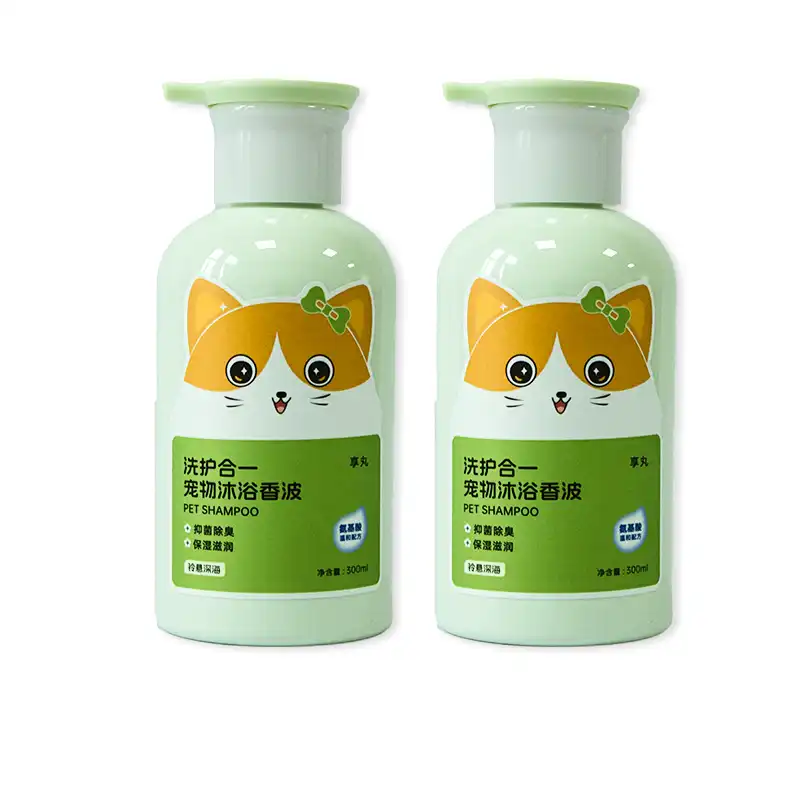
To safely store open bottles of pet shampoo, you need to keep the right temperature, make sure the seals don't let air in, and handle the bottles in a clean way to avoid contamination. The best way to store it is between 59°F and 77°F (15°C and 25°C), out of direct sunlight, and with the cap tightly closed after each use. These steps keep the shampoo's antibacterial and mite-killing qualities while also keeping its safe, non-toxic recipe that keeps pets' skin from getting irritated.
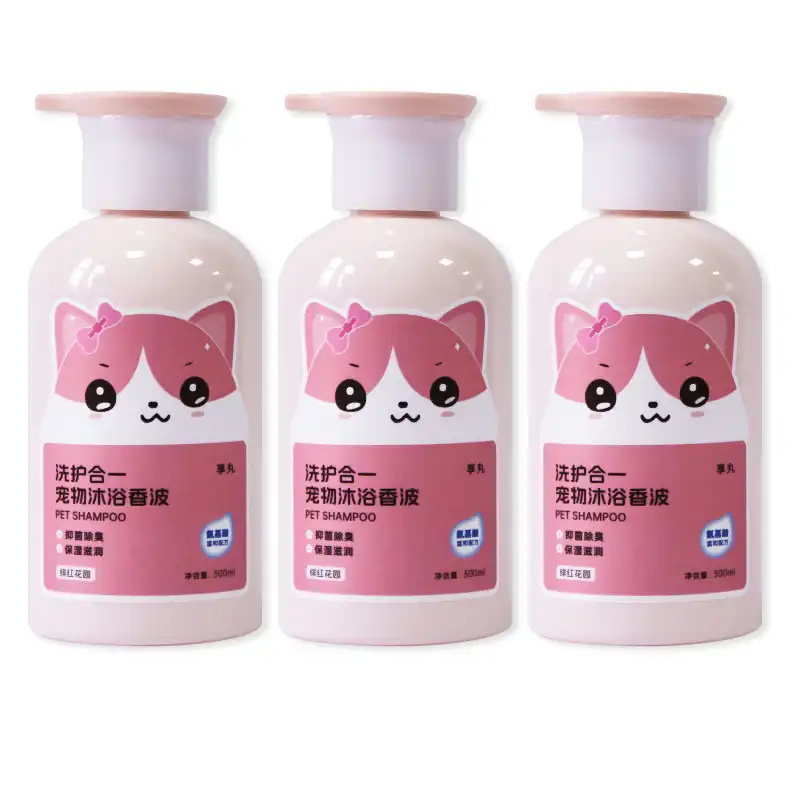
Understanding the Risks of Improper Storage of Open Pet Shampoo Bottles
Quality Degradation and Brand Reputation Impact
If you don't store opened pet cleaning products properly, you run a lot of risks that go beyond just losing the products. When carefully balanced cat care formulas are exposed to changing temperatures or too much wetness, their pH levels can change a lot. Natural, tear-free formulas that depend on plant-based nourishing factors to keep their gentle cleaning qualities are especially affected by this instability.
Another very important issue for B2B businesses is contamination. When open bottles are exposed to airborne bacteria or dust particles, microbes can grow and make the antibacterial product less effective. Studies show that cleaning products that have been tainted can hold dangerous germs within 72 hours of being exposed in the wrong way, which could lead to skin reactions or infections in animals that have been treated.
Financial Implications for B2B Operations
The financial effects of products going bad because of keeping affect many areas of a business. Customers often complain about broken goods, which can lead to more returns and possible liability problems. If cat grooming salons or veterinarian clinics store their products incorrectly and a product fails, they lose money and their professional image.
When product is kept incorrectly and loses its therapeutic qualities, it creates more problems for wholesale businesses. Medication meant to get rid of fleas and ticks can stop working if it is exposed to high temperatures, which means that whole packages are useless. These losses damage ties with distributors and the happiness of end users all along the supply chain.
Key Principles for Safe Storage of Open Pet Shampoo Bottles
Environmental Control Standards
Keeping the right temperature is the basis of good keeping rules for pet shampoo. For chemical stability, natural products with plant-based ingredients need to be kept at temperatures that stay between 59°F and 77°F. Humidity levels should stay below 60% to keep the product from breaking down because of water, which can change its thickness and efficiency.
Organic and medicinal formulas are especially at risk when they are exposed to light. The active chemicals that kill germs and get rid of mites can be broken down by UV light. To keep products' quality, storage places should either use opaque cases or make sure there is enough protection from natural and manmade light sources.
Packaging Integrity and Contamination Prevention
Using the right resealing methods is important to keep the quality of a product after it has been opened. Airtight caps, pump feeders, or other special seals keep air out of containers so that sensitive ingredients don't get oxidized. Natural products' plant-based hydrating factors are especially prone to oxidation, which can make them less effective at conditioning the skin.
Handling hygiene rules greatly lower the chance of contamination. Clean pouring tools, sanitized work surfaces, and good hand hygiene keep foreign germs from getting into the product and making it less safe and non-toxic. Cross-contamination between types of products should be avoided by using separate handling tools and storing them in different areas.
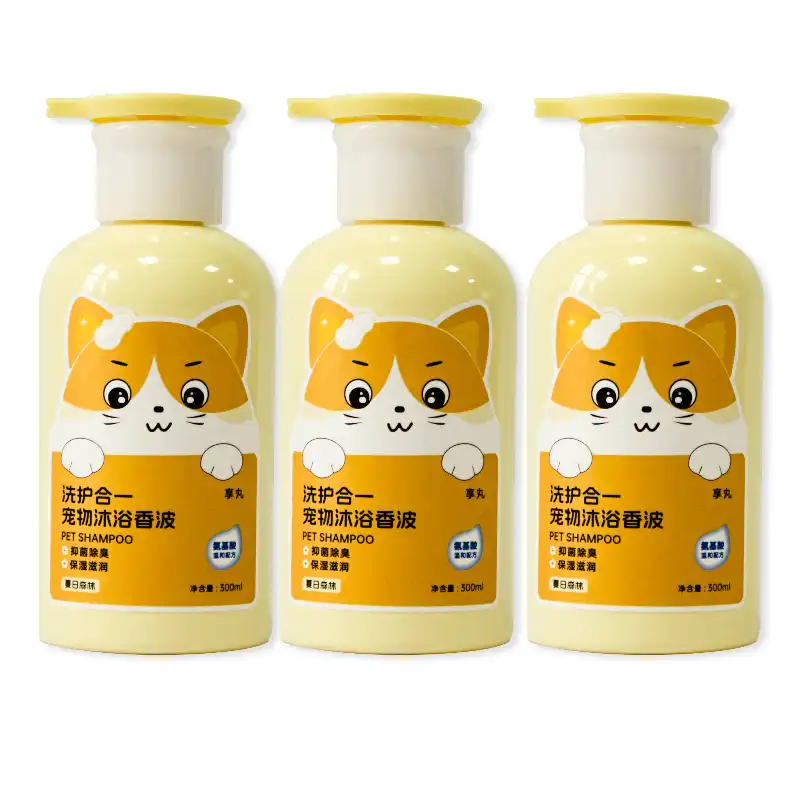
Practical Storage Solutions and Technologies for B2B Clients
Advanced Storage Infrastructure
Modern businesses that take care of pets can benefit from using storage systems made just for cosmetics and medicines. Temperature-controlled warehouses with tracking tools let you know right away when conditions fall outside of the ideal ranges. These methods keep valuable goods safe and make sure that products work the same way from storage to use.
When it comes to technology, professional storage solutions have these main benefits:
• Around the clock, automated climate control keeps the temperature and humidity at exact levels.
• Digital tracking systems keep an eye on the surroundings and let managers know when problems might happen.
• Inventory movement systems make sure that FIFO works right for goods that need to be shipped quickly.
• Specialized rack systems keep goods safe from damage and make the best use of room.
These high-tech options solve common storage issues that standard warehouses have in a good way. When compared to basic storage methods, professional storage infrastructure cuts the rate of product loss by up to 80% and makes sure that goods keep their promised properties throughout their shelf life.
Inventory Management Integration
Inventory management tools that are built on software let you keep track of a lot more than just counting your stock. Modern platforms connect to tracking equipment in storage so that you can see everything about the state of the products and how they are moving. With this connection, companies can find possible storage problems before they cause products to go bad.
Inventory software and automated dispensing systems work together to make the best use of stock movement while reducing the need for human interaction. These systems keep thorough records of when products were opened, how they were used, and how much time is left on the shelf. This lets replacements be planned ahead of time, so that spoiled products are not used.
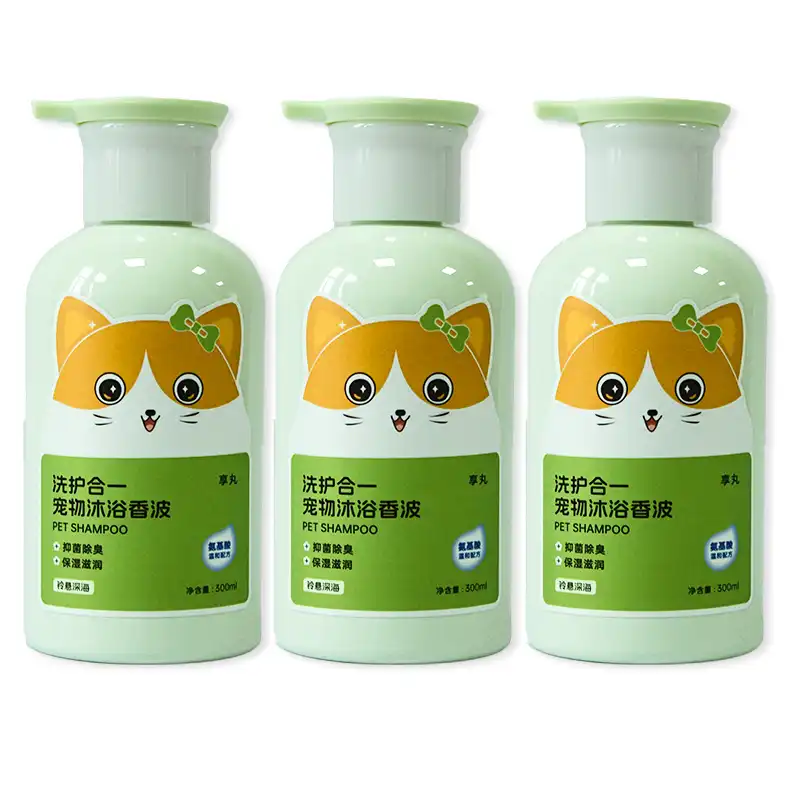
How Storage Practices Relate to Product Types and Usage Frequency
Formulation-Specific Requirements
Depending on their active ingredients and chemical makeup, different types of pet shampoo need different ways to be stored. Natural, tear-free products that use plant-based nourishing factors need to be handled more gently than manufactured options. Because these organic products are more likely to get contaminated and change temperatures, they need tighter environmental controls.
Companies that make medicated soaps with special antibacterial and mite-removal ingredients often have specific keeping instructions. For these goods to keep working as medicines, they might need to be kept cool or away from certain external factors. Businesses that carry a lot of different kinds of goods need to know these rules very well.
Usage Pattern Impact on Storage Decisions
Professional grooming shops and other places with a lot of foot traffic need different storage methods than wholesale operations with low turnover. Access to goods more often raises the risk of contamination but also speeds up the movement of stockpiles. Instead of big bulk storage boxes, these places would benefit from smaller bins that are restocked often.
Businesses can find the best way to store their goods based on how often they are used by choosing from 100ml to 1L containers. When containers aren't used very often, smaller ones reduce waste, while bigger ones save money when they're used a lot. When you match the size of the container to how fast it is being used, the goods stay open for less time, which means they are less likely to go bad.
Procurement and Supply Chain Recommendations for Pet Shampoo Storage
Supplier Selection and Partnership Development
By choosing providers with written storage and handling rules, you can be sure that the quality of the product will be maintained from production to delivery. Reputable makers give clear instructions on how to store their products and keep strict quality control standards across all of their delivery networks. These agreements lower the chance of getting tainted goods and make it clear who is responsible for problems with keeping.
Better inventory planning is possible when suppliers are clear about when products were manufactured, how they should be stored, and how long they are expected to last. Businesses should give more weight to sellers who give full product details and help their customers by teaching them the best ways to store things and offering ongoing advice.
Strategic Inventory Management
FIFO cycle systems are very important when you have to manage different types of products with different life lives. Pet shampoo shampoos made with natural ingredients usually don't last as long as shampoos made with manmade ingredients, so it's important to be careful about how you rotate your stock. Keeping track of batches correctly makes sure that older stock is used up before newer orders arrive. This cuts down on waste and keeps products fresh.
When planning to buy in bulk, you need to think about how to save money while also keeping store space and product shelf life in mind. Larger sales often get better prices, but they need good holding facilities and careful inventory management to keep the goods from going bad. Before agreeing to buy in bulk, businesses should look at how much space they have for keeping.
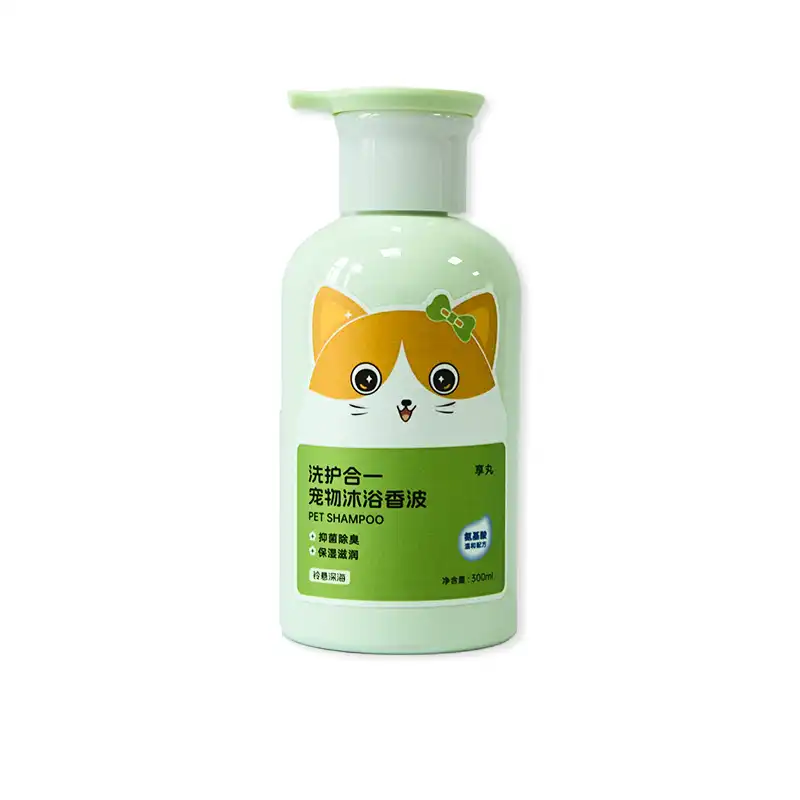
Conclusion
Properly storing open boxes of pet shampoo is essential for keeping the product working, making sure customers are happy, and keeping the business profitable. Customers expect antibacterial and mite-killing properties from quality pet care products. These properties can be kept when the right environmental controls, package security measures, and cleaning practices are put in place. Businesses that focus on storage best practices will be able to stay successful in the pet care business, which is very competitive, while also protecting their image and bottom line.
Partner with Yunlan for Superior Pet Care Storage Solutions
Yunlan offers complete pet care options that are backed by advanced production skills and strict quality control standards. Our formulas for killing germs and mites use plant-based nourishing factors to make safe, non-toxic goods that keep working even after being stored for a long time. With more than 20 years of experience managing the pet supply chain and an R&D budget of close to 100 million yuan, we know how important it is to follow the right storage rules to keep products in good shape.
Our goods come in handy sizes ranging from 100ml to 1L, which lets businesses handle their stock more efficiently based on how they're used and how much space they have. As a reliable pet shampoo provider, we give our partners thorough storage instructions and ongoing support to make sure they get the most out of their products and keep customers happy. You can email our team at minghuixu6717@gmail.com or visit yunlanpets.com to look at all of our products and find out how our knowledge can help your pet care business.
FAQ
How long can opened pet shampoo bottles be safely stored?
Quality pet care items that have been opened usually stay useful for 12 to 18 months if they are stored properly. Because they are made of organic ingredients, natural products that are made from plants may only last 6 to 12 months. Always follow the directions given by the maker and keep an eye out for changes in color, consistency, or smell that could mean the product is breaking down.
Do natural formulations require different storage conditions than synthetic alternatives?
Natural pet shampoo shampoos usually need stricter keeping conditions because they are made with organic ingredients. These goods react more strongly to changes in temperature, light, and contamination. They stay tear-free and don't irritate when stored in cooler, more stable places. They should also be kept out of direct sunlight and away from too much humidity.
What are the most common storage mistakes that compromise product quality?
Extreme temperatures, not properly resealing after use, and pollution from bad handling are all common mistakes that people make when they store things. A lot of businesses don't do FIFO recycling right, which means they use old goods. Also, keeping things in places with a lot of humidity or changes in temperature can quickly break down active ingredients and make therapies less effective.
References
1. American Veterinary Medical Association. "Guidelines for Veterinary Practice Storage and Handling of Pet Care Products." Journal of Veterinary Practice Management, 2023.
2. Pet Industry Distributors Association. "Best Practices for Pet Product Storage and Inventory Management in Commercial Settings." Industry Standards Publication, 2023.
3. Johnson, M.K., et al. "Stability and Efficacy of Natural Pet Shampoo Formulations Under Various Storage Conditions." International Journal of Veterinary Dermatology, 2023.
4. National Association of Professional Pet Groomers. "Storage and Handling Guidelines for Pet Grooming Products." Professional Standards Manual, 2023.
5. Thompson, R.L., and Peterson, S.A. "Microbial Growth Prevention in Opened Pet Care Products: Environmental Factors and Best Practices." Applied Veterinary Science Quarterly, 2023.
6. Wilson, D.H. "Supply Chain Management for Pet Care Products: Storage Infrastructure and Quality Assurance." Business of Pet Care Magazine, 2023.