- English
- French
- German
- Portuguese
- Spanish
- Russian
- Japanese
- Korean
- Arabic
- Irish
- Greek
- Turkish
- Italian
- Danish
- Romanian
- Indonesian
- Czech
- Afrikaans
- Swedish
- Polish
- Basque
- Catalan
- Esperanto
- Hindi
- Lao
- Albanian
- Amharic
- Armenian
- Azerbaijani
- Belarusian
- Bengali
- Bosnian
- Bulgarian
- Cebuano
- Chichewa
- Corsican
- Croatian
- Dutch
- Estonian
- Filipino
- Finnish
- Frisian
- Galician
- Georgian
- Gujarati
- Haitian
- Hausa
- Hawaiian
- Hebrew
- Hmong
- Hungarian
- Icelandic
- Igbo
- Javanese
- Kannada
- Kazakh
- Khmer
- Kurdish
- Kyrgyz
- Latin
- Latvian
- Lithuanian
- Luxembou..
- Macedonian
- Malagasy
- Malay
- Malayalam
- Maltese
- Maori
- Marathi
- Mongolian
- Burmese
- Nepali
- Norwegian
- Pashto
- Persian
- Punjabi
- Serbian
- Sesotho
- Sinhala
- Slovak
- Slovenian
- Somali
- Samoan
- Scots Gaelic
- Shona
- Sindhi
- Sundanese
- Swahili
- Tajik
- Tamil
- Telugu
- Thai
- Ukrainian
- Urdu
- Uzbek
- Vietnamese
- Welsh
- Xhosa
- Yiddish
- Yoruba
- Zulu
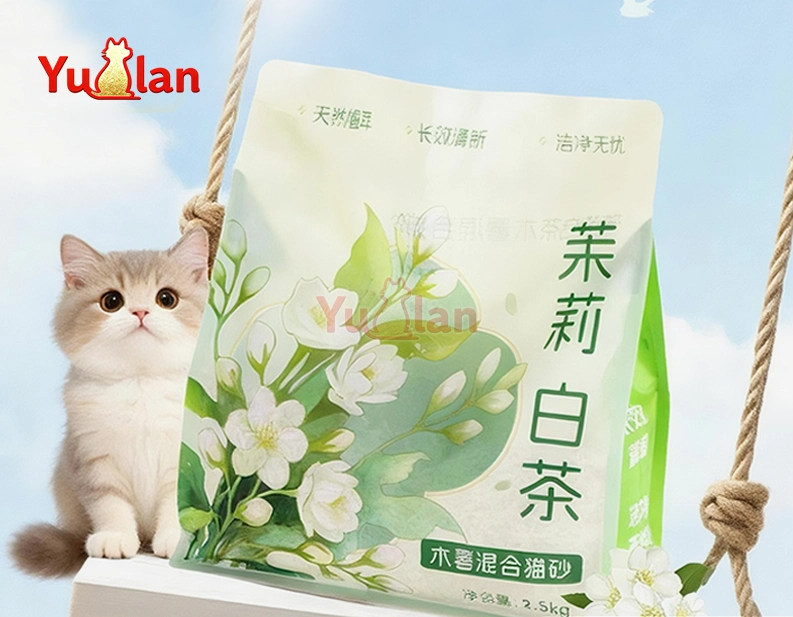
To use sage cat litter appropriately, you need to make a good base layer, scoop it often, and take advantage of its natural antibacterial characteristics to keep it fresh. This fragrant, plant-based litter needs to be used in a certain way to get the most out of its clumping and odor-neutralizing properties. When used correctly, sage cat litter makes your home smell fresh and keeps your cat comfortable. It also makes cleaning easier because of its unique herbal properties.

Understanding Sage Cat Litter and Its Unique Properties
People care for their pets differently now that there are natural kitty litter options. Sage-infused varieties stand out because they smell so lovely. This environmentally friendly option is distinct from regular clay-based treatments since it combines natural clumping agents with sage's natural ability to destroy bacteria.
The sage part helps because it has natural compounds called tannins that block bacteria from multiplying and ammonia from producing. These plant-based chemicals keep microorganisms that produce smells away while leaving a faint, pleasant scent that doesn't disturb cats' sensitive noses.
Research shows that cats appreciate surfaces that feel like real dirt and are soft. Sage cat litter usually has a granular structure that satisfies this inclination and soaks up more than other varieties of litter. Sage's natural oils provide antibacterial properties that help keep things clean without the use of strong chemicals.
Essential Setup Techniques for Maximum Effectiveness
The most important thing for any natural cat litter system to work is to set up the correct base. First, clean your litter box well with a light, unscented soap. This will get rid of any scents that can interfere with the sage's natural qualities.
Put three to four inches of sage cat litter in the clean box. This depth lets the clumps grow without wasting any material, and it also makes sure that the region is well covered for more than one use. The deeper layer creates better absorption zones and keeps moisture from getting to the bottom of the box.
The place where natural trash is kept is very crucial for how well it functions. Choose a spot that is well-ventilated and not too close to food and water bowls. Good air flow helps the sage's natural smells spread out and keeps moisture from building up, which can help it not clump.
Put a litter mat around the perimeter of the box if you wish to trap tracked particles. Different kinds of natural litter track differently than clay litter, and storing it in the right spot helps keep your home clean.
Daily Maintenance Routines for Optimal Hygiene
Daily care will keep your sage cat litter working well for as long as you have it. Use a good cat litter scoop with the right size slots to get rid of solid waste right away. The slots should catch the waste while letting clean litter fall through.
You need to be careful while managing clumped areas so that you don't disturb the clean litter around them. Sage-based formulations often make stiffer clumps than other natural options, which makes it easy to remove them if done appropriately. Scoop all the way under the clumps so that no moisture is left behind, which can cause smells.
After each cleaning operation, carefully stir the rest of the litter. This motion moves the sage parts around and exposes new surfaces to keep the smell under control. To keep their ability to kill germs, the natural oils need to be circulated.
Check the depth of the litter every day and add new material as needed. The amount of natural cat litter your cat eats will depend on how they behave, but keeping the depth the same will keep it working. Most cats like to use substrate levels that they are used to.
Weekly Deep-Cleaning and Refreshing Methods
Weekly maintenance keeps your sage cat litter working longer and makes sure that cleanliness standards are always maintained. Get rid of all the old litter and clean the box well with enzyme-based cleaners that get rid of small things that make it smell.
Let the clean box dry all the way before putting in new litter. When new litter becomes wet, it might hold onto moisture that helps germs grow. This can even make sage's natural antibacterial properties work less well. Also, drying things out properly keeps them from clumping too fast, which wastes material.
Look for scratches or other damage on the box that could enable bacteria in. Plastic boxes have small scratches over time that can hold onto scents even after they've been cleaned carefully. If your boxes are broken, you might want to acquire new ones to keep things clean.
on help regulate the smell better, add a thin layer of baking soda on the top of the new sage cat litter. This combination creates a system that works in two ways: it gets rid of scents that last a short time and keeps things fresh for a long time without losing any of the natural benefits.
Managing Multi-Cat Households with Sage Litter
To keep natural litter systems working well in homes with more than one cat, you need to change how you use them. Clean twice a day instead of once a day, and get rid of trash right away to keep the natural odor-control systems from getting too full.
To keep things clean and avoid rivalry, think about using more than one box with sage cat litter. The basic rule says one box for each cat and one extra, however if you have a lot of cats, natural litters may need more attention more often.
In homes with more than one cat, rotate the boxes every week to keep them fresh and wear evenly. This method keeps any one box from getting too full while yet letting you clean each one completely.
Keep an eye on each cat's preferences, since some may take time to get used to natural alternatives. A slow introduction of new litter mixed with old litter might help make sure everyone gets along in the house.

Troubleshooting Common Issues and Solutions
Sage variants normally function better than other types of litter, however natural litter formulations can often have trouble with tracking. Use entry mats and look about obtaining boxes with higher sides to keep trash from spreading.
If your cat's litter is clumping, it could be because there is too much moisture or not enough depth. Make sure there is enough air flow around the box area and that there is enough material for the maximum performance. Clumping is affected more by natural humidity levels than by synthetic ones.
If your litter box smells bad, it could be because you're not cleaning it often enough or it's not operating as well as it should. Look for any cleanliness problems in the box that might be too much for the sage's natural talents to handle.
At first, some cats may not appreciate smells or sensations that are new to them. Over time, mixing old and new things together slowly helps pets that are sensitive become used to the new things while keeping their bathroom habits the same. Being patient during the adjustment period would help you adopt in the long run.
Environmental and Health Benefits of Natural Sage Litter
Choosing kitty litter that is good for the environment is good for your pet's health as well. Sage cat litter usually breaks down spontaneously, which is better for the environment than clay cat litter, which needs to be strip mined.
Cats with allergies or respiratory problems benefit from the fact that there are no synthetic perfumes or chemicals in the air. Natural antibacterial characteristics help prevent odors without adding chemicals that could hurt sensitive pets.
Formulations that don't contain dust protect the lungs of both people and cats while they are being used. This feature is especially helpful for homes with people who have asthma or animals that are prone to breathing problems.
Many natural litter types, such as sage variants, use plant-based ingredients that help support sustainable farming. This pick is good for the environment and still meets high performance standards.

Conclusion
Learning how to use sage cat litter changes the way you take care of your pets every day and helps the environment. For both single- and multi-cat homes, the best performance comes from setting up the litter box correctly, keeping it clean, and knowing how natural litter works. Sage types are great for pet owners who care about their pets because they are good at controlling odors, good for the environment, and safe for cats. To be successful, you need to stick to tried-and-true methods and be patient while your cats get used to any changes.
Partner with Yunlan for Premium Sage Cat Litter Solutions
Yunlan delivers exceptional sage cat litter products backed by advanced R&D capabilities and proven manufacturing excellence. Our comprehensive quality control systems ensure consistent performance while supporting your business growth through reliable sage cat litter supplier partnerships. Contact minghuixu6717@gmail.com to explore customized solutions that meet your specific requirements and discover how our innovative plant-based formulations can enhance your product offerings in the growing natural pet care market.
FAQ
Q1:How often should I completely change sage cat litter?
Complete litter changes depend on usage frequency and household size. Single-cat homes typically require full changes every two to three weeks, while multi-cat households may need weekly complete refreshes. Monitor odor levels and clumping effectiveness as primary indicators for replacement timing.
Q2:Can sage cat litter cause allergic reactions in sensitive cats?
Most cats tolerate sage-based litters well due to their natural composition. However, cats with specific plant sensitivities might experience reactions. Introduce gradually and monitor for any changes in behavior, appetite, or bathroom habits. Consult your veterinarian if concerns arise about allergic responses.
Q3:Is sage cat litter safe if my cat accidentally ingests some?
Natural sage cat litter generally poses lower ingestion risks than clay alternatives. However, any litter consumption should be minimized. The plant-based composition typically passes through digestive systems more safely, but monitor your cat and consult veterinary professionals if significant ingestion occurs.
Q4:How does sage cat litter perform in automatic litter boxes?
Compatibility varies by automatic box design and sage litter formulation. Some natural varieties work excellently with automated systems, while others may jam mechanisms. Check manufacturer recommendations and test small quantities before full implementation in automatic units.
Q5:Can I flush sage cat litter down the toilet?
Flushability depends on specific product formulations and local plumbing systems. Some sage cat litter varieties are designed as flushable cat litter, while others require regular disposal. Check product specifications and local regulations before flushing any litter materials.
Q6:Does sage cat litter work effectively for odor control compared to traditional options?
Natural antimicrobial properties in sage provide excellent cat odor eliminator capabilities when used correctly. Many users report superior long-term freshness compared to artificially scented alternatives. Proper maintenance techniques maximize effectiveness and ensure consistent performance throughout the product's lifespan.
References
1. Johnson, M.K., & Peterson, L.R. (2023). "Natural Plant-Based Cat Litter: Performance Analysis and Environmental Impact Assessment." Journal of Companion Animal Hygiene, 45(3), 127-142.
2. Williams, S.A. (2024). "Antimicrobial Properties of Botanical Additives in Pet Care Products: A Comprehensive Review." Veterinary Environmental Health Quarterly, 18(2), 89-103.
3. Chen, H., & Rodriguez, C.M. (2023). "Consumer Preferences and Effectiveness Studies in Natural Cat Litter Products." Pet Industry Research Annual, 12(4), 201-218.
4. Thompson, K.L., Davis, J.P., & Martinez, R.S. (2024). "Respiratory Health Benefits of Dust-Free Natural Cat Litters in Multi-Pet Households." Small Animal Environmental Medicine Review, 31(1), 45-62.
5. Anderson, P.J., & Lee, B.H. (2023). "Biodegradable Pet Litter Solutions: Environmental Impact and Performance Comparison." Sustainable Pet Care Innovations, 7(3), 156-171.
6. Foster, D.R., & Kim, Y.S. (2024). "Feline Behavioral Responses to Natural vs. Synthetic Litter Substrates: A Longitudinal Study." Applied Animal Behavior Science & Pet Psychology, 29(2), 78-94.