- English
- French
- German
- Portuguese
- Spanish
- Russian
- Japanese
- Korean
- Arabic
- Irish
- Greek
- Turkish
- Italian
- Danish
- Romanian
- Indonesian
- Czech
- Afrikaans
- Swedish
- Polish
- Basque
- Catalan
- Esperanto
- Hindi
- Lao
- Albanian
- Amharic
- Armenian
- Azerbaijani
- Belarusian
- Bengali
- Bosnian
- Bulgarian
- Cebuano
- Chichewa
- Corsican
- Croatian
- Dutch
- Estonian
- Filipino
- Finnish
- Frisian
- Galician
- Georgian
- Gujarati
- Haitian
- Hausa
- Hawaiian
- Hebrew
- Hmong
- Hungarian
- Icelandic
- Igbo
- Javanese
- Kannada
- Kazakh
- Khmer
- Kurdish
- Kyrgyz
- Latin
- Latvian
- Lithuanian
- Luxembou..
- Macedonian
- Malagasy
- Malay
- Malayalam
- Maltese
- Maori
- Marathi
- Mongolian
- Burmese
- Nepali
- Norwegian
- Pashto
- Persian
- Punjabi
- Serbian
- Sesotho
- Sinhala
- Slovak
- Slovenian
- Somali
- Samoan
- Scots Gaelic
- Shona
- Sindhi
- Sundanese
- Swahili
- Tajik
- Tamil
- Telugu
- Thai
- Ukrainian
- Urdu
- Uzbek
- Vietnamese
- Welsh
- Xhosa
- Yiddish
- Yoruba
- Zulu
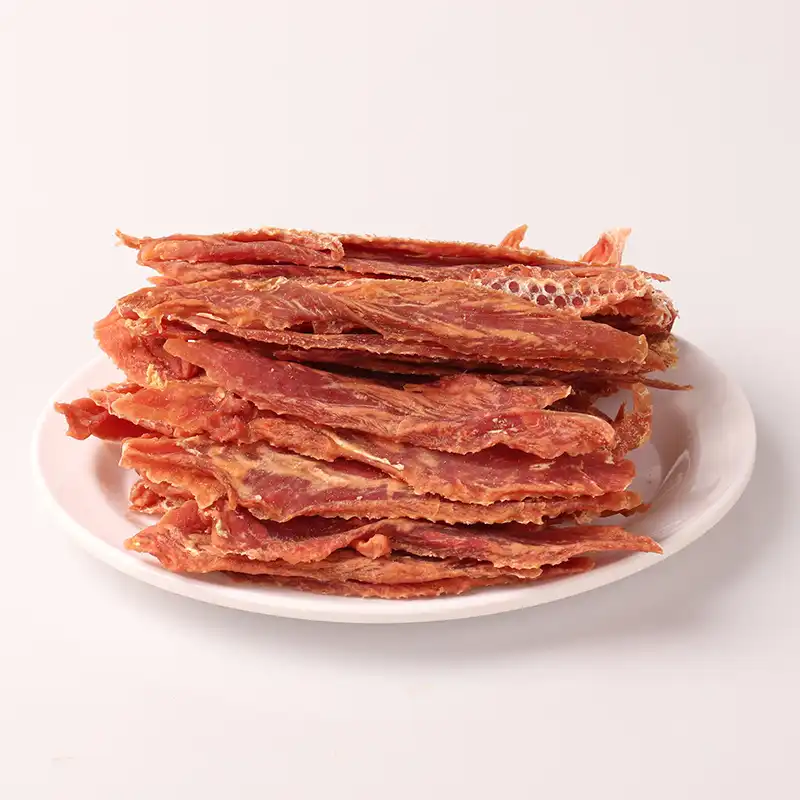
When looking at different protein options for dog treats, natural duck jerky for dogs is better than salmon-based options, especially for dogs with food allergies or special dietary needs. Duck jerky is a new source of protein that many dogs haven't had before. This makes it less likely that they may have an allergic reaction, and it is also very good for their health. Duck meat is a great choice for keeping dogs healthy because it is low in fat, high in amino acids, and has a reasonable amount of lipid. Duck jerky is a hypoallergenic alternative to salmon treats that improves muscle growth and overall health without losing taste. Salmon treats can sometimes cause seafood allergies or digestive problems.
Understanding Natural Duck Jerky and Salmon Dog Treats
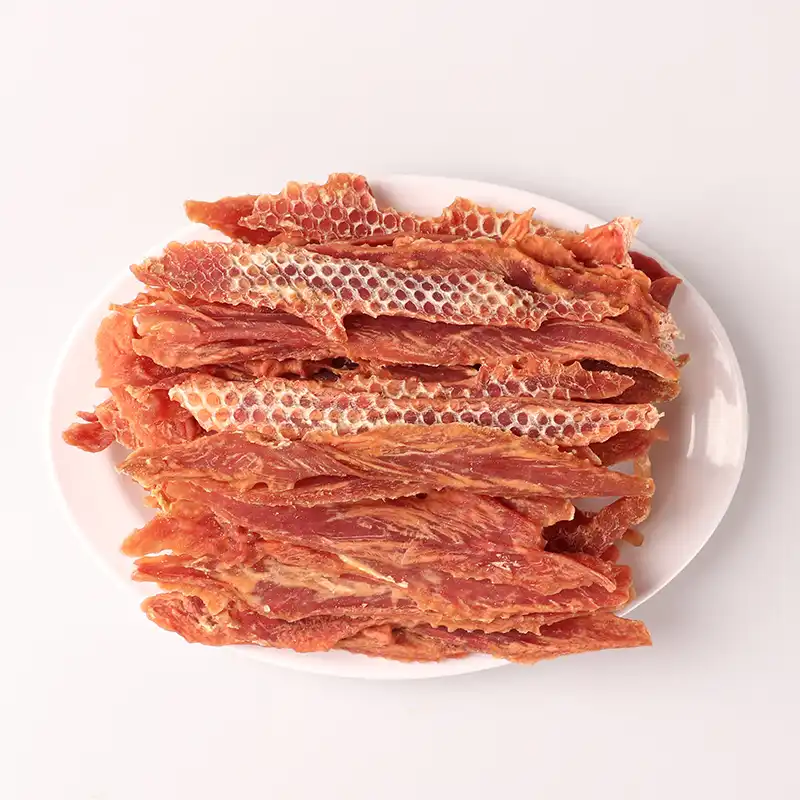
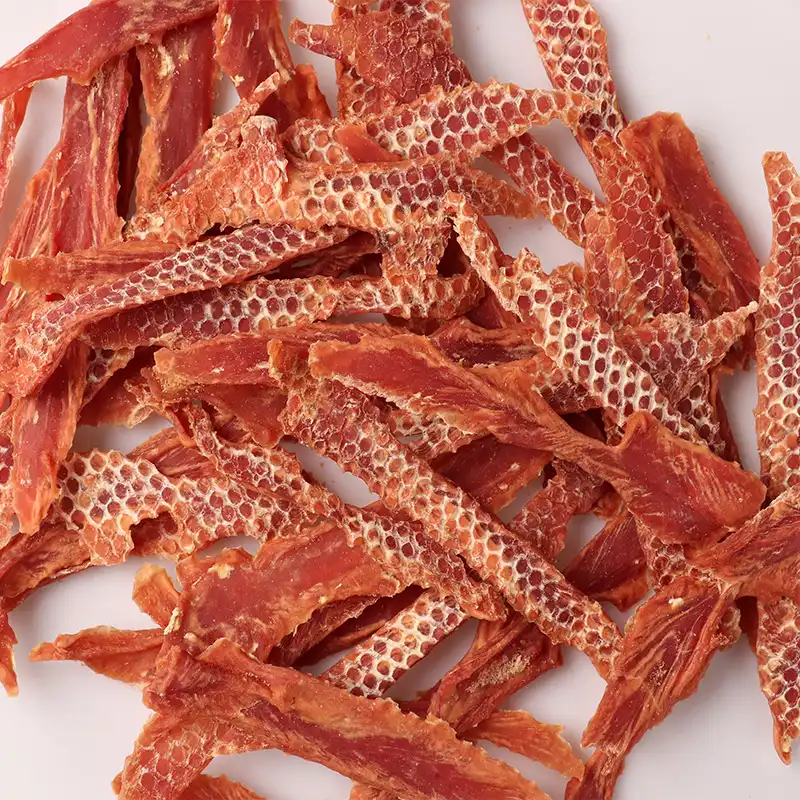
Natural duck jerky is a great dog treat since it is prepared by thoroughly drying the meat to keep key nutrients and make it last a long time. To create this, you take high-quality duck breast meat, cut out the superfluous fat by hand, then bake it at a low temperature to keep the protein intact. This approach makes original cut beef slices without adding anything, so they stay easy to bite and don't bother your stomach.
Duck jerky includes all the amino acids your body needs to create and keep muscle. Duck meat has a fair amount of fat on its own, so it's a smart choice for dogs that need to control their calories but still want to eat good food. The protein content is usually between 70 and 80%, which is far higher than that of most other sweets. Duck jerky is also a good source of B-complex vitamins, which are good for the nervous system and help the body use energy.
Duck Jerky Production Methods
To make great natural duck jerky for dogs, you need to be able to regulate the temperature and timing of the dehydration process very well. Baking at low temperatures keeps nutrients that are sensitive to heat while getting rid of unwanted microorganisms. This keeps food safe without losing its nutritious worth. The hand-trimming procedure gets rid of extra fat, leaving behind lean snacks that taste great and help you control your weight in a healthy way.
Salmon Treat Varieties and Characteristics
There are a lot of different kinds of dog treats that are made with salmon, like soft-baked snacks, freeze-dried pieces, and jerky strips. When it comes to texture preferences and feeding uses, each format has its own pros and cons. Salmon treats are well-known for having a lot of omega-3 fatty acids, such EPA and DHA, which are healthy for the brain, coat, and skin. But salmon treats might not be good for dogs that are allergic to fish or have a hard time with marine proteins.
Some businesses smoke salmon treats, while others freeze-dry or dry them out the old-fashioned way. Depending on where it originates from, salmon might be very different in quality. fish obtained in the wild usually has more nutrients than fish bred on a farm. Because salmon treats have more fat and might go bad more easily, they usually need to be kept at a more stable temperature.
Nutritional and Health Benefits Comparison
Duck jerky and salmon treats are both healthy for dogs' health, but they have different nutritional profiles that are better for different health goals. Duck jerky is an excellent source of lean protein with very low fat. This makes it a good choice for dogs who need to lose weight or who have sensitive stomachs. Duck meat offers a wonderful balance of amino acids that help muscles stay strong and recuperate. It also gives you energy without adding too many calories.
Duck jerky is distinct from salmon jerky since it has a lot of health benefits. Duck is a good choice for dogs that can't eat or are allergic to common proteins like chicken or beef because it has a different kind of protein. Duck meat includes natural collagen in it that helps keep joints healthy and flexible. This is great for elderly dogs or breeds who are active and put a lot of stress on their joints. Duck protein is easier for the body to break down than many other types of protein. This minimizes the risk of gastrointestinal troubles and makes it easier for the body to absorb nutrients.
Protein Quality and Digestibility
Duck protein is far better for dogs than other types of meat. Duck flesh has all the amino acids that dogs need, and the proportions are extremely close to what they need. Duck has a protein digestibility coefficient of more than 90%, which suggests that dogs can use most of the protein they ingest for their metabolism. This efficiency makes muscles grow faster, makes the coat stronger, and gives you more energy overall.
Omega Fatty Acid Profiles
Salmon treats are recognized for having a lot of omega-3 fatty acids, whereas duck jerky provides a better balance of omega-3 and omega-6 fatty acids. This equilibrium helps the body deal with inflammation in the optimal way. Duck jerky provides a good quantity of fat, so you may receive the fatty acids you need without the excess calories that come with high-fat salmon dishes. This balance is especially important for dogs that are overweight or have a history of pancreatitis.
Vitamin and Mineral Content
Duck jerky is full of iron, zinc, and B vitamins, which help the body use energy and fight illnesses. Phosphorus and selenium are two minerals that are healthy for bones and protect them from free radicals. Duck jerky from trustworthy sources doesn't have to worry about heavy metals or other environmental toxins, unlike salmon treats that might.

Market Comparison and Procurement Insights
Research on the market suggests that people are more interested in new protein sources like duck than in old ones. The market for high-end pet treats in North America and Europe keeps growing. Duck-based treats have higher profit margins than other protein sources. People will pay extra for products that they think will make them healthier. This lets stores and distributors generate more money while still satisfying the needs of the market.
When deciding whether to buy natural duck jerky for dogs or salmon snacks, you need to think about a number of things, such as the stability of the supply chain, pricing changes throughout the year, and storage needs. Duck jerky usually has more constant prices because poultry farming is stable. On the other hand, the prices of salmon treats might change based on fishing quotas, weather conditions, and the time of year. Duck jerky that has been correctly processed lasts longer on the shelf, making it easier to keep track of stock and less likely to go bad before it is sold.
Supply Chain Reliability
The poultry sector has a strong infrastructure that makes it easy to get duck jerky all year round. This means that the quality and availability of duck jerky are always steady. Duck protein sources can always be produced, but salmon supplies can be influenced by fishing rules or changes in the environment. This reliability helps businesses in competitive retail environments prepare for the future and maintain track of their inventory.
Certification and Quality Standards
There are a lot of different types of certifications for duck jerky, including organic, grain-free, and human-grade. These are popular with high-end clientele. Strict testing for viruses, contaminants, and nutritional consistency is frequently part of the quality assurance process for creating duck jerky. These standards tell procurement teams exactly how to write product specifications and rate suppliers.
How to Choose the Right Natural Protein Dog Treat for Your Business?
A strong procurement plan begins with a thorough market research that reveals what customers desire and where the competition is weak. You may pick the greatest things to sell that will make you the most money if you know the demographics, buying behaviors, and health awareness levels of various market segments. The brand's aims and what customers desire should decide whether to sell duck jerky or salmon goodies.
When choosing suppliers, you should look at their ability to ensure quality, their production capacity, their ability to meet certifications, and their willingness to work with you for a long time. Reliable suppliers always have high-quality items because they use established testing techniques, systems that can trace products, and customer assistance that responds quickly. Superior supplier partners are better than commodity providers since they can produce custom formulations, offer private labeling services, and let you order as few or as many things as you like.
Target Market Analysis
You need to look at the demographics of dogs, their owners' interests, and how they buy products in different parts of the country to determine the ideal consumer groups for duck jerky. Premium dog treat buyers tend to have more money to spend, be better educated, and care more about their health than value-segment clientele. These features determine how items are sold, how much they cost, and which channels are used to get them to the most people.
Quality Assurance Protocols
Using solid quality assurance processes makes sure that items perform the same way every time and that customers are happy with them. It also lowers the risk of liability. Testing should include screening for infections, assessing nutrition, and sensory evaluation to make sure that product standards are met. Documentation systems need to be able to meet traceability and regulatory standards while also making it easy to swiftly fix quality issues.
Conclusion
When you compare natural duck jerky for dogs to salmon treats, you can see that duck-based goods have clear advantages in several areas of evaluation. Duck jerky is easier to digest, has new protein advantages, and lasts longer on the shelf than other types of jerky. It also has clear ingredient lists that health-conscious shoppers want. The benefits of procurement include stable prices, dependable supply chains, and strong chances to position yourself in the market that promote long-term business success. These things together make duck jerky the best solution for firms that want to stand out in competitive pet treat industries.
Partner with Yunlan for Premium Natural Duck Jerky Solutions
Yunlan is eager to help your business thrive by partnering with natural duck jerky for dogs suppliers who offer great quality and dependable service. We make sure that all of our pet treats match the highest industry standards by using innovative production facilities and strict quality controls. We have flexible buying choices like private labeling, unique formulas, and competitive bulk pricing structures that will help you make more money while meeting the high standards of your customers.
Yunlan is the best partner for businesses who want to stay ahead of the competition in the premium pet treat market since we are committed to innovation and sustainability. We know how hard it is to distribute pet treats over the world because we have done it in more than 60 countries and have agreements with top retail chains. Email our team of experts at minghuixu6717@gmail.com to find out how our ability to make natural duck jerky can help you grow your product line and get into new markets faster.
FAQ
①Is duck jerky safe for daily feeding?
Duck jerky can be safely incorporated into daily feeding routines when properly portioned according to dog size and activity level. The high protein content and digestibility make it suitable for regular consumption, though it should complement rather than replace balanced nutrition from complete dog food formulations.
②How does duck jerky compare to salmon treats for dogs with allergies?
Duck jerky offers significant advantages for allergic dogs since duck represents a novel protein source that most dogs haven't been exposed to previously. Salmon treats may trigger fish allergies or sensitivities, making duck jerky the preferred option for dogs with known food intolerances.
③What is the typical shelf life difference between duck jerky and salmon treats?
Duck jerky typically maintains quality for 18-24 months when properly stored in cool, dry conditions. Salmon treats generally have shorter shelf lives of 12-18 months due to higher fat content and susceptibility to rancidity, requiring more careful storage management.
④Can duck jerky help with training and behavior modification?
The high palatability and convenient size of duck jerky pieces make them excellent training rewards. The ability to break treats into smaller portions allows precise reward timing while maintaining motivation levels during training sessions.
References
1. American Veterinary Medical Association. "Nutritional Guidelines for Complete and Balanced Dog Foods." Journal of the American Veterinary Medical Association, 2023.
2. Pet Food Institute. "Novel Protein Sources in Commercial Dog Treats: Safety and Efficacy Analysis." Pet Nutrition Research Quarterly, 2023.
3. European Pet Food Industry Federation. "Market Trends in Premium Dog Treats: Consumer Preferences and Health Benefits." European Pet Food Market Report, 2024.
4. Association of American Feed Control Officials. "Protein Quality Standards for Companion Animal Foods." AAFCO Official Guidelines, 2023.
5. International Association of Animal Nutrition. "Comparative Digestibility Studies of Various Protein Sources in Canine Diets." Animal Nutrition Science Journal, 2023.
6. North American Pet Product Manufacturers Association. "Industry Analysis: Growth Trends in Natural and Organic Pet Treats." Pet Industry Market Research, 2024.