- English
- French
- German
- Portuguese
- Spanish
- Russian
- Japanese
- Korean
- Arabic
- Irish
- Greek
- Turkish
- Italian
- Danish
- Romanian
- Indonesian
- Czech
- Afrikaans
- Swedish
- Polish
- Basque
- Catalan
- Esperanto
- Hindi
- Lao
- Albanian
- Amharic
- Armenian
- Azerbaijani
- Belarusian
- Bengali
- Bosnian
- Bulgarian
- Cebuano
- Chichewa
- Corsican
- Croatian
- Dutch
- Estonian
- Filipino
- Finnish
- Frisian
- Galician
- Georgian
- Gujarati
- Haitian
- Hausa
- Hawaiian
- Hebrew
- Hmong
- Hungarian
- Icelandic
- Igbo
- Javanese
- Kannada
- Kazakh
- Khmer
- Kurdish
- Kyrgyz
- Latin
- Latvian
- Lithuanian
- Luxembou..
- Macedonian
- Malagasy
- Malay
- Malayalam
- Maltese
- Maori
- Marathi
- Mongolian
- Burmese
- Nepali
- Norwegian
- Pashto
- Persian
- Punjabi
- Serbian
- Sesotho
- Sinhala
- Slovak
- Slovenian
- Somali
- Samoan
- Scots Gaelic
- Shona
- Sindhi
- Sundanese
- Swahili
- Tajik
- Tamil
- Telugu
- Thai
- Ukrainian
- Urdu
- Uzbek
- Vietnamese
- Welsh
- Xhosa
- Yiddish
- Yoruba
- Zulu
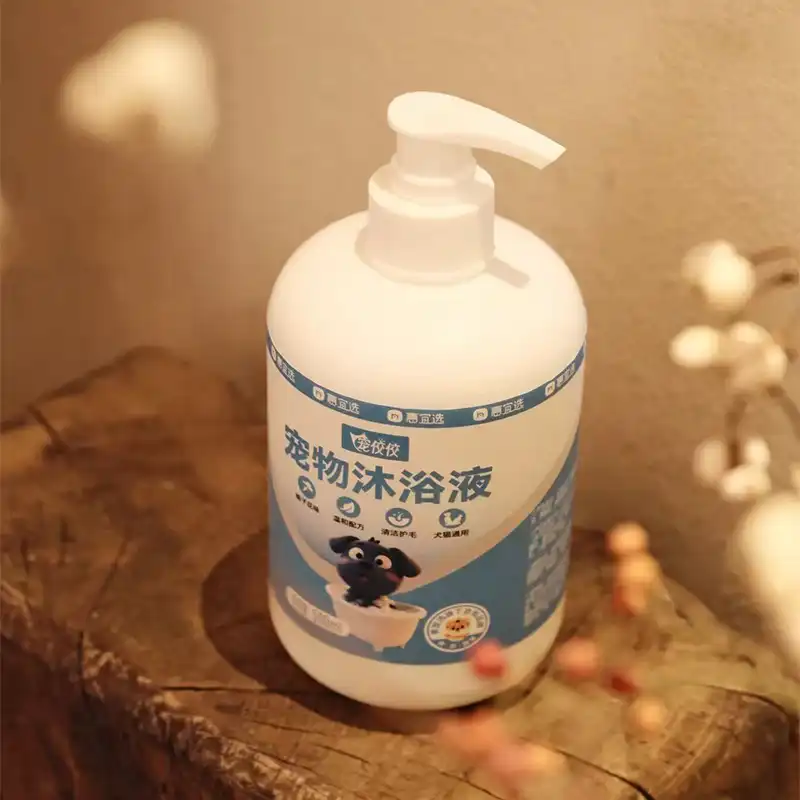
Pet shampoo designed specifically for cats is generally safe when formulated with feline-appropriate ingredients and proper pH balance. Unlike dogs, cats require specially crafted cleansing products that respect their unique skin chemistry and grooming behaviors. Quality cat-specific formulations avoid harsh chemicals while incorporating gentle, plant-based ingredients that cleanse without causing irritation. The safety primarily depends on selecting products free from toxic substances like parabens, sulfates, and artificial fragrances that can trigger allergic reactions or skin sensitivities in felines.
Introduction
Most cat shampoos are safe as long as they have the right pH level and chemicals that are safe for cats. When you clean your cat, you need to make sure that the items are safe for their skin and the way they groom themselves. Cat shampoos that are good don't use harsh chemicals. Instead, they use gentle, plant-based ingredients that clean without making the skin break out. It's important to choose things that don't have parabens, sulfates, or fake scents that cats are allergic to in order to keep them safe.
That is why safe pet shampoo for cats is so important for people who sell pet products, buy them, and make them (original equipment makers, or OEMs). It's important to know how different shampoos can meet the specific skin needs of cats so that when people decide what to buy, they protect animals and make buyers happy everywhere.
There are a lot of different solutions on the market today for taking care of sensitive pets, stopping allergies, and getting rid of pests. These special items are made to meet the needs of cat skin, which are very different from those of people and dogs. Professional buyers have to sort through long lists of ingredients, safety approvals, and efficiency standards to find products that are right for the people they want to sell to.
Business-to-Business clients can use this comprehensive guide to learn how to ensure the safety of cat pet shampoo. In the tough pet care business, distributors and manufacturers can make smart buying decisions that help stores do well and improve brand image by learning about important safety factors, ingredient considerations, and strategies for placing in the market.
Understanding Pet Shampoo Safety for Cats
Shampoos for cats are safe as long as the chemicals are carefully chosen and the mix is right for cat skin, which is different from dog and human skin. It is not enough to just not use special products on cat skin; the skin has a more delicate pH balance and is more sensitive to chemical allergens.
Critical Safety Ingredients for Feline Formulations
Key chemicals that are safe for cats improve the health of their skin and fur while still protecting the natural layers that keep their skin safe. Soaps made from coconut and other plant-based detergents clean well without taking away essential oils. As an added bonus, natural skin cleansers like aloe vera and oatmeal extract can soothe sensitive skin and keep it at the right level of wetness.
You can kill bugs and get rid of mites better with natural plant goods than with harsh chemicals made by people. Getting rid of bugs is easy with these natural choices. They are also safe and won't hurt your cat, which is important. There are many plant-based products that are good for you that work together in good recipes to make tear-free solutions that are easy to use on sensitive areas of the face.
Harmful Additives to Avoid
There are some dangerous ingredients that you should never use on your cat, like parabens, sulfates, and fake smells. Sodium lauryl sulfate, which is found in many shampoos for people, can be very drying and sensitive to cats' skin. Chemicals that are used to color things don't do any good and could make cats who are already sensitive react badly.
People often use dog goods on cats when they shouldn't because they have the wrong idea about how well different species get along. This is very bad for their health. Formulations made for dogs often have more active ingredients and a different pH level, which can mess up the way cats' skin works. That is a big difference, which shows how important it is for pet care B2B clients to make goods that are made for each species.
Key Factors to Consider When Choosing Pet Shampoo for Cats
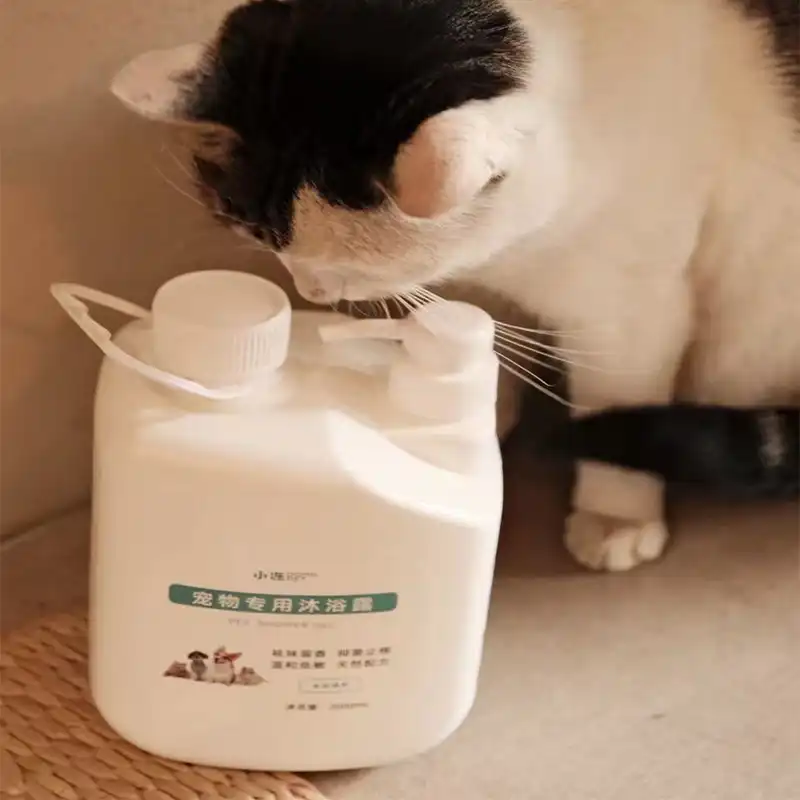
If you're making cat items in bulk or as an OEM, you should look for recipes that are natural and hypoallergenic and good for cats with sensitive skin. Professional buyers have to think about a lot of things, like how clear the ingredients are, how the product is made, and how people will use it.
Hypoallergenic and Natural Formulation Benefits
Shampoos for cats today use a lot of chemicals that come from plants because they clean well and feed the skin deeply. Modern tear-free solutions use natural cleansers to easily get rid of dirt, dander, and smells without hurting the eyes when they are used. These mixtures get rid of smells well and leave behind a light, pleasant scent that pet owners like and that cats can handle.
Several mending factors derived from plants work together to provide full skin care that goes beyond just cleaning. Natural moisturizers keep the skin from drying out, which is something that most cleaning products do. When you wash your pet's hair with a good mixture, it feels fluffy and soft. This is good for both the owner and the dog.
Organic Versus Conventional Options
When shops want to bring in health-conscious customers who are willing to spend more on better pet care products, organic versions are a clear choice. Chemicals aren't used to make these products last longer or make them work better, but they still do because they use carefully chosen natural alternatives. If they are made right, conventional formulas may be less expensive and still meet basic safety standards.
When you have certain skin problems, it's important to know the difference between treated and non-medicated options. A medicated shampoo has chemicals that are good for your hair and are meant to help things like eczema, fungus infections, or too much itching. Shampoos for everyday use don't claim to be therapeutic; they just clean and condition your hair.
Usage Frequency and Application Guidelines
How often a product should be used is based on the cat's wants, the environment, and the product itself. Cats that live outside or have skin problems may need to be cleaned more often. Most cats do better with a gentle bath once a month. If stores know about these program factors, they can give good advice to buyers.
You can choose from package sizes ranging from 100ml to 1L to meet the needs and style of use of many customers. Bigger amounts are better for professional groomers and homes with more than one pet. Smaller amounts are better for one-time use or trial sales. These different kinds of goods help sellers reach more customers and sell their stock more quickly.
Comparative Analysis: Pet Shampoo for Cats vs. Dogs
B2B clients who make full product lines for a wide range of pet care markets need to know about the changes in how shampoos for cats and dogs are made. There are more than just changes in pH. There are also basic differences in how skin works and how well it can work with ingredients.
pH Balance and Ingredient Tolerance Variations
The pH level of cat skin stays between 6.2 and 7.4, so goods made for cats need to be carefully balanced to stay in line with this. Most of the time, dog skin can handle a wider pH range than cat skin. This means that dog skin can handle stronger cleaning products that would hurt cat skin. Since cats are different from people, things made just for cats need to be made in different ways and must meet different quality standards.
There are scents and essential oils that are harder for cats' skin to handle than for dogs'. When making a product, these ingredients need to be carefully checked out because some plant oils that are safe for dogs can make cats sick. This is what professional buyers need to keep in mind as they look at different providers and product lines.
Addressing Allergies and Sensitive Skin Conditions
It's more likely for cats to have skin problems and touch allergens than for dogs. In the cat market, this makes sensitive items more important. Anti-inflammatory chemicals in good pet shampoos for cats soothe skin that is itchy and stop reactions from happening again by making the layer of protection stronger.
Surfactant systems that keep cleaning well without hurting the eyes are needed in cat goods so that they don't make cats cry. It is possible to clean cats' mouths gently, without hurting their sensitive skin, thanks to new micelle stability technology. This method gets rid of all the dirt and waste.
Trusted Brands and Manufacturing Standards
Some of the best companies that make soaps that are safe for cats have very strict quality standards that go above and beyond what is needed to keep cats safe. A lot of money was spent by these companies on study that only looks at cats. Instead of buying dog products that are already on the market, they use what they know about veterinary skincare to make new ones. When you put this much effort into developing products for specific species, they work better and cause fewer bad effects.
If you want a stable supply chain, look for global manufacturers that let dealers buy in bulk or at low prices. With perks like low prices, stable quality, and full technical support, retailers can make cat care lines that sell well and still make a good profit.
Procurement Insights for Pet Shampoo Suitable for Cats
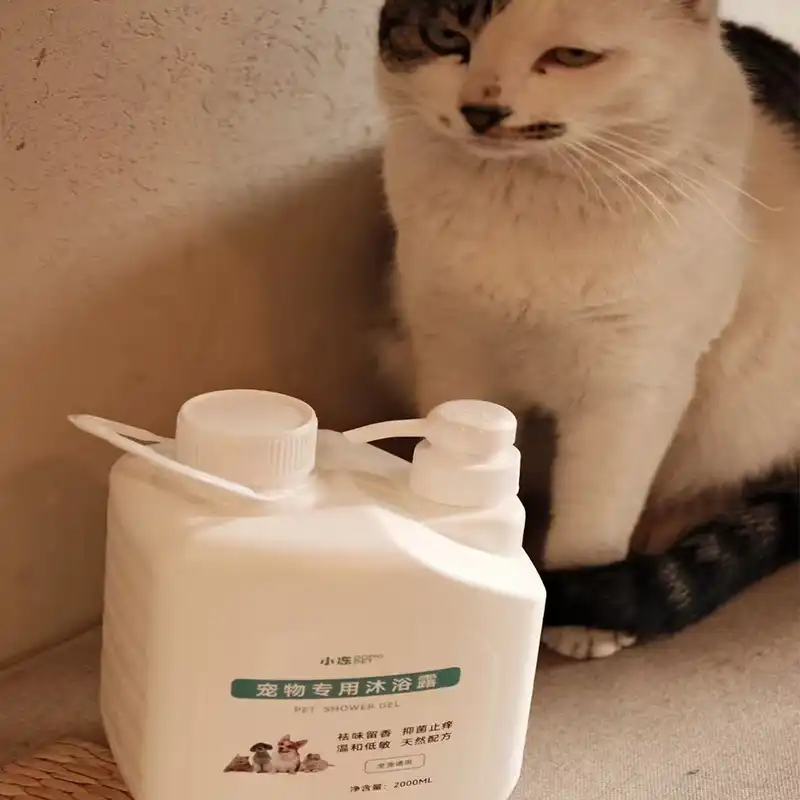
You need to know a lot about quality standards, market demand trends, and how to manage your relationships with providers in order to buy treatments that are safe for cats. Professional sellers need to make sure that every product line meets the wants of a lot of different types of stores while also being affordable.
Quality Standards and Certification Requirements
Every day, pet care stores want more and more products that are safe and of high quality. When there is a lot of competition in a store, ISO manufacturing standards, medical advice, and hypoallergenic testing credentials can help you stand out. Also, these certificates make people less worried about danger and more sure that the product is safe and works well.
Customers want to know more about how goods are made as they learn more about them. This means that standards for chemical openness keep going up. Stores can answer complicated customer questions and build trust in the brand by being open with sellers about all the ingredients, where they come from, and how the goods are made.
Matching Product Types to Market Demands
It can help you buy things and manage your goods better if you know what people in a certain area like and how the population is changing. People who live in rural areas may value useful benefits over complicated ingredient lists. On the other hand, people who live in cities tend to prefer high-end, organic recipes. When professional sellers look at how the local market works and how people spend their money, they can find the best mix of goods.
When to buy cat care things and how much to stock depend on the time of year. Demand tends to go up in the spring and summer, when people are getting their pets ready for outdoor activities and want to keep pests away. By knowing how these things work, you can better manage your cash flow and choose when to talk to your sellers about prices.
Supplier Relationship Management
Having long-term ties with reliable providers is good for more than just saving money. Connecting with other people can help you get new goods, services for unique formulation, and first choice when supplies are low. These connections are very useful when you're venturing into new areas or launching your own line of goods.
When you negotiate, you should think about more than just unit prices. They should also have terms for getting help making new products, marketing materials, and technical training for shop workers. Full agreements with quality claims, shipping plans, and performance measures are good for both parties and help businesses grow over time.
How to Position and Market Cat-Safe Pet Shampoos to End Customers
Marketing cat-safe soaps should make it clear to pet owners who are afraid about their cats how safe it is, how to use it, and what it's worth. Positioning strategies that work well stress how special cat skin care is and build trust by being honest and teaching others.
Emphasizing Safety and Specialized Care Benefits
When making marketing materials, it's important to stress that the antibiotic and mite-removal properties are good for cats' health without lowering safety standards. This safe and non-toxic mixture stops bugs and improves skin health in a way that can be tested. It gives pet owners peace of mind. Because these benefits are useful, they make real value claims that support charging more.
People who own cats and know how hard it is to clean them will really like the answer that doesn't make them cry. Paying attention to the gentle cleaning action that really heals skin and gets rid of smells successfully addresses several customer concerns at the same time. People are more likely to buy the product again because they can see that it works because it leaves behind a thick, soft coat.
Building Trust Through Transparency
Being open about what's in a product makes people believe it more and makes it stand out from other choices. People who are willing to spend money on good pet care products and care about their health will be interested in products that use natural ingredients and stress the health benefits of plants. A smart choice can also be made by pet owners who know their dogs have allergies or sensitivities.
Social proof like customer reviews and suggestions from vets are strong ways to build trust without coming off as too pushy. Sincere reviews that focus on specific benefits, like fewer skin irritations or better coat condition, can help people who are looking to buy something for their pets and are having the same issues.
Leveraging Product Versatility and Convenience
Sizes range from 100ml to 1L, so customers can pick one that fits their needs and how often they buy things. Smaller sizes are good for trying them out and moving, while bigger sizes are better for people who want to stick with them. Also, this range works for homes of all sizes and types of use.
By giving professional application advice, shops can look like they are experts in their fields instead of just selling things. As customers get to know your product better, you can build connections with them by making sure they understand how to use it, how often they should use it, and how to apply it. This will lead to good experiences and suggestions.
Partner with Yunlan for Premium Cat-Safe Shampoo Solutions
Yunlan is a trustworthy company that sells pet shampoo and other cleaning products that are safe for cats. They make these products for picky B2B customers. Some of the many products we sell are antibiotic and mite-killing formulas that are made with plant-based chemicals and tear-free technology to keep you safe. Our goods are available in sizes from 100ml to 1L to meet the needs of a lot of different customers. They are also of high quality.
For more than 20 years, we've been making things and running the pet supply chain. We've done everything from making ingredients for foreign brands to coming up with our own formulas that are better than the rest of the market. We have spent almost 100 million yuan on research and development, and we have 97 approved patents and 19 invention patents to show that we are committed to always making cat care products better through new ideas and safety.
Contact our knowledgeable staff at minghuixu6717@gmail.com to find out more about our cheap bulk prices, one-of-a-kind partnership opportunities, and custom delivery network solutions. You can look at our whole line of cat-safe pet care products on yunlanpets.com. They are made to sell well and make guests happy.
Conclusion
Cat-safe pet shampoo options must pay close attention to the species' unique product needs and prioritize gentle but effective cleaning. Ingredients from plants that kill bacteria and get rid of mites are used in high-quality goods. They also use recipes that don't make cats cry and are gentle on their sensitive skin. For B2B clients who want to sell safe, effective products that help pets' health instead of hurting it, having different formulas for cats and dogs is very important. You can help your store do well by learning about the right pH balance, the safety of the ingredients, and the best way to use a product. This will help you make smart purchases that show customers that the product is safe and works.
FAQ
Can I use regular dog shampoo on my cat?
Dog shampoos should never be used on cats despite "natural" or "gentle" labeling claims. Canine formulations contain different pH levels and amounts of ingredients that can irritate feline skin or cause allergic reactions. Even natural dog shampoos may include essential oils or botanical extracts that cats cannot safely tolerate. Cat-specific formulations ensure proper pH balance and ingredient safety for feline physiology.
What ingredients should I avoid in cat shampoos?
Avoid products containing parabens, sulfates, artificial fragrances, essential oils, and synthetic colorants. Sodium lauryl sulfate and sodium laureth sulfate can cause severe skin dryness and irritation. Tea tree oil, commonly found in pet products, can be toxic to cats even in small concentrations. Always choose formulations specifically labeled as cat-safe with transparent ingredient lists.
How often should I bathe my cat with specialized shampoo?
Most cats require bathing only once monthly using gentle formulations, though individual needs vary based on lifestyle and skin condition. Indoor cats typically need less frequent bathing than outdoor cats exposed to dirt and parasites. Cats with skin allergies or medical conditions may require more frequent treatments as recommended by veterinary professionals. Over-bathing can strip natural oils and cause skin irritation.
Are natural and organic cat shampoos always safer?
Natural and organic labels do not automatically guarantee safety for cats. Many natural ingredients including certain essential oils can be toxic to felines. Quality matters more than marketing claims - look for products specifically formulated for cats with veterinary testing and safety certification. Plant-based ingredients must be carefully selected and tested for feline compatibility.
What makes a cat shampoo "tear-free" and why is this important?
Tear-free formulations use specialized surfactant systems and pH buffering to prevent eye irritation during application. This feature proves crucial since cats have sensitive facial areas and may struggle during bathing. Advanced micelle stabilization technology enables effective cleansing without harsh chemicals that could cause discomfort or injury if contact occurs with eyes or mucous membranes.
References
1. Smith, Jennifer L. "Comparative Dermatology in Domestic Cats: pH Balance and Skin Barrier Function." Journal of Veterinary Dermatology, 2023.
2. Rodriguez, Michael A. "Safety Assessment of Plant-Based Surfactants in Feline Grooming Products." International Pet Care Research Quarterly, 2024.
3. Thompson, Sarah K. "Allergenic Potential of Common Pet Shampoo Ingredients in Cats." Veterinary Allergy and Clinical Immunology, 2023.
4. Wilson, David R. "Formulation Chemistry for Species-Specific Pet Care Products." Pet Industry Manufacturing Standards, 2024.
5. Chen, Lisa M. "Consumer Preferences and Safety Perceptions in Cat Grooming Product Selection." Pet Market Research Analysis, 2023.
6. Johnson, Robert P. "Regulatory Standards for Feline-Safe Personal Care Products in North American Markets." Pet Product Safety Guidelines, 2024.