- English
- French
- German
- Portuguese
- Spanish
- Russian
- Japanese
- Korean
- Arabic
- Irish
- Greek
- Turkish
- Italian
- Danish
- Romanian
- Indonesian
- Czech
- Afrikaans
- Swedish
- Polish
- Basque
- Catalan
- Esperanto
- Hindi
- Lao
- Albanian
- Amharic
- Armenian
- Azerbaijani
- Belarusian
- Bengali
- Bosnian
- Bulgarian
- Cebuano
- Chichewa
- Corsican
- Croatian
- Dutch
- Estonian
- Filipino
- Finnish
- Frisian
- Galician
- Georgian
- Gujarati
- Haitian
- Hausa
- Hawaiian
- Hebrew
- Hmong
- Hungarian
- Icelandic
- Igbo
- Javanese
- Kannada
- Kazakh
- Khmer
- Kurdish
- Kyrgyz
- Latin
- Latvian
- Lithuanian
- Luxembou..
- Macedonian
- Malagasy
- Malay
- Malayalam
- Maltese
- Maori
- Marathi
- Mongolian
- Burmese
- Nepali
- Norwegian
- Pashto
- Persian
- Punjabi
- Serbian
- Sesotho
- Sinhala
- Slovak
- Slovenian
- Somali
- Samoan
- Scots Gaelic
- Shona
- Sindhi
- Sundanese
- Swahili
- Tajik
- Tamil
- Telugu
- Thai
- Ukrainian
- Urdu
- Uzbek
- Vietnamese
- Welsh
- Xhosa
- Yiddish
- Yoruba
- Zulu
Tofu cat litter is not made from tofu blocks that you'd find in your fridge. That's the short answer. Instead, this eco-friendly litter is made from okara, which is the fiber-rich waste left over when soybeans are processed to make soy milk and tofu. This material is safe for food and is dried and pressed into light, cylinder-shaped pellets that work better than standard clay options. When buying workers look at plant-based litter options for their business needs, knowing this difference helps them make smart choices.
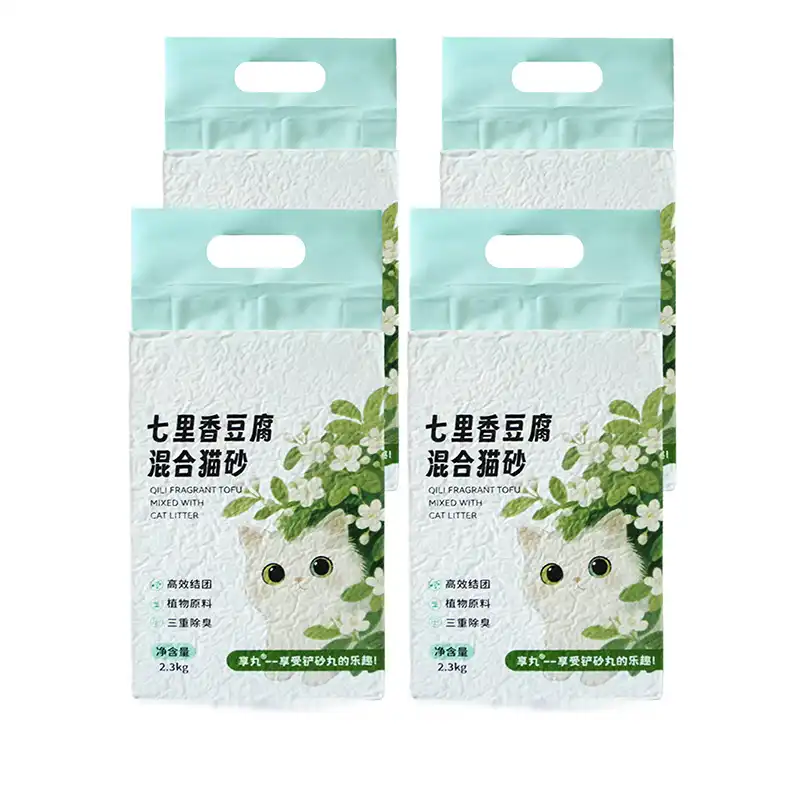
What Is Tofu Cat Litter and How Is It Made?
Making soy-based cat litter is a clever example of using resources in a way that doesn't harm the environment. Instead of throwing away the pulp that is left over after making soy milk, makers find a new way to use this nutrient-rich waste product to care for pets.
The Manufacturing Process Explained
Soy milk and tofu are made from high-quality soybeans that go through normal cooking steps. The rest of the okara, which is usually thrown away when traditional food is made, is used to make environmentally friendly pet litter. Manufacturers carefully dry this organic material to get rid of any extra water. This keeps mold from growing and keeps the product stable while it's being stored.
After being dried, the processed soy pulp is pressed under controlled pressure to make pieces that are all the same size. With this method of compression, the typical circular shape is created, which allows for the best clumping and the least amount of tracking throughout your building. In modern factories, strict quality controls are used at every stage of production to make sure that the particle size, moisture content, and absorption rates are always the same and meet industry standards.
Quality Control and Safety Standards
Modern factories that make tofu cat litter use strict testing procedures to make sure the products are safe and work well. Some of these steps are checking for germ contamination, keeping an eye on the wetness level, and making sure the material can absorb water. Because these goods go through such strict quality control steps, procurement professionals can safely suggest them to veterinary offices, pet boarding facilities, and retail customers who care about both safety and the environment.
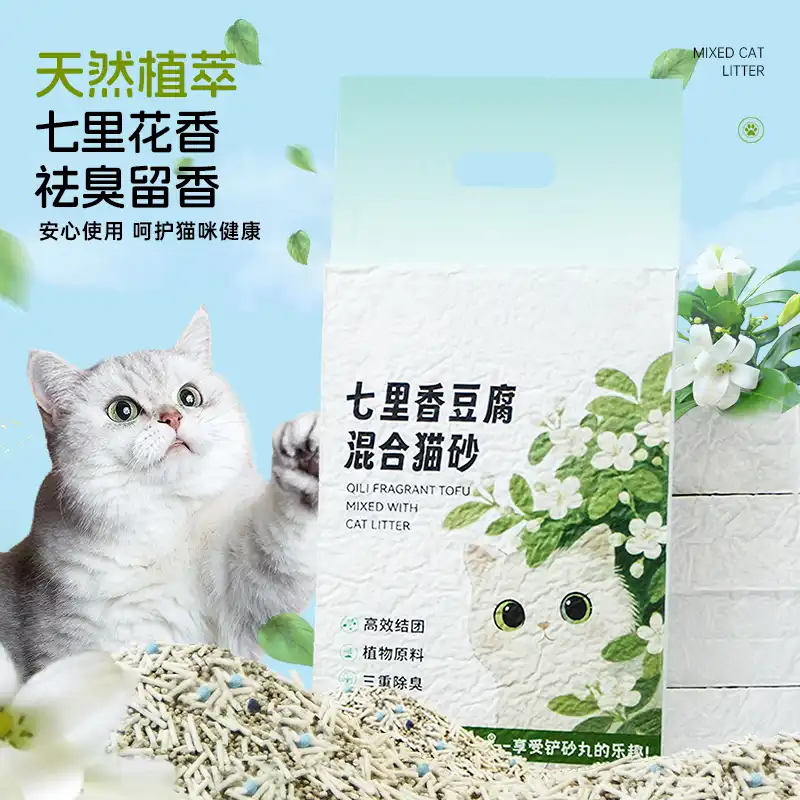
Benefits of Tofu Cat Litter for Procurement and End Users
There are many convincing benefits of using plant-based litter that have a direct effect on both business efficiency and customer happiness. Because of these advantages, soy-based litter is a smart choice for companies that want to set their products apart while also backing green efforts.
Environmental and Health Advantages
More and more people are worried about how their purchases affect the earth, and tofu cat litter is recyclable. Instead of clay trash, which needs to be mined in strips and ends up in landfills for good, soy-based options break down naturally within months of being thrown away. This trait fits with companies' goals for sustainability and appeals to eco-friendly customers who are becoming more and more important in buying choices.
Because there is almost no dust in it, it doesn't cause lung irritation like traditional clay products do, which can happen to both cats and their owners. Veterinarians really like this feature because it helps them choose litters for cats with sensitive breathing systems or allergens. Because it doesn't contain any dangerous chemicals or man-made additives, this product can be used on kittens and pregnant cats. This means that stores and vet offices can reach more possible customers.
Functional Performance Characteristics
Quality soy-based litter is different from regular litter because it can absorb more water. The natural fiber structure of processed soybean pulp makes tiny channels that quickly soak up water while making solid clumps that are easy to remove. The material naturally neutralizes ammonia and other smell-causing molecules, so it doesn't need any added chemicals or fragrances to do a great job of getting rid of smells.
One of the main problems cat owners have about regular litter is that it doesn't hold as much waste. The minimal carryover feature fixes this problem. The bigger pellet size and smooth surface smoothness make it less likely for cats' paws to stick to them, so they don't track as much through homes. People who live in houses or homes with hardwood floors will really like this feature because it makes litter tracking less obvious.
Comparing Tofu Cat Litter with Other Popular Cat Litters
Learn how soy-based litter compares to other goods on the market so that you can make smart purchasing choices that balance cost with expected performance and market demand.
Performance Metrics Analysis
Tofu cat litter always does better than clay-based options in areas like reducing dust, preventing tracking, and having less of an effect on the environment. The starting cost per pound may be higher than with traditional clays, but the higher absorption rate usually means that the cost per use is the same or less. When used in high-volume places like boarding houses or veterinarian clinics where a lot of litter is used, this cost benefit stands out even more.
Compared to silica gel litter, soy-based options are better at clumping and don't pose any health risks when eaten. The natural makeup gives facility managers peace of mind when they are in charge of places where curious or young cats might eat small amounts of litter. Also, the fact that small clumps can be flushed makes trash management easier in business settings (as long as local laws allow it).
Market Positioning and Customer Preferences
Consumer study shows that people are becoming more interested in eco-friendly pet goods. For example, plant-based trash is growing at double-digit rates every year. This trend makes it possible for stores and sellers to get a bigger share of the market by selling higher-quality options that make more money and meet changing customer needs. Veterinary practices say that offering eco-friendly litter choices makes clients happier, which builds stronger ties with clients and helps the practice stand out.
How to Use and Procure Tofu Cat Litter in Bulk for Business Needs?
To successfully add soy-based litter to business operations, you need to know the right way to handle it, how to store it, and how to evaluate suppliers in a way that ensures stable product quality and availability.
Storage and Handling Best Practices
The right way to store something keeps it's purity and stops it from breaking down in ways that could hurt its performance or cause health problems. Tofu cat litter needs to be kept in cool, dry places with enough air flow to keep wetness from building up and causing mold to grow. Commercial sellers should use first-in, first-out inventory turnover to make sure that end customers get the freshest products possible.
Controlling the temperature is especially important in muggy places or during the summer, when the air is more likely to be damp. Facilities should think about climate-controlled storage places for large amounts of inventory, especially if they serve more than one store or keep long-term supply stocks. Using the right storing methods can also make products last longer, which cuts down on waste and speeds up the turnover of goods.
Procurement Strategy and Supplier Selection
To buy in bulk successfully, you need to compare several sellers based on how consistent their quality is, how reliable their delivery is, and how cheap their prices are. So that they can compare absorption rates, clumping strength, and odor control, procurement teams should ask possible sellers for samples of their products. This process of evaluating helps find sellers who meet regular quality standards, which is important for keeping customers happy.
Building partnerships with licensed providers who can show proof of quality testing outcomes and production methods enhances efforts to do your research and helps you meet legal requirements. A lot of high-end suppliers let stores make their own brand-name products while using well-known manufacturing skills and quality control methods. This is called "private labeling."
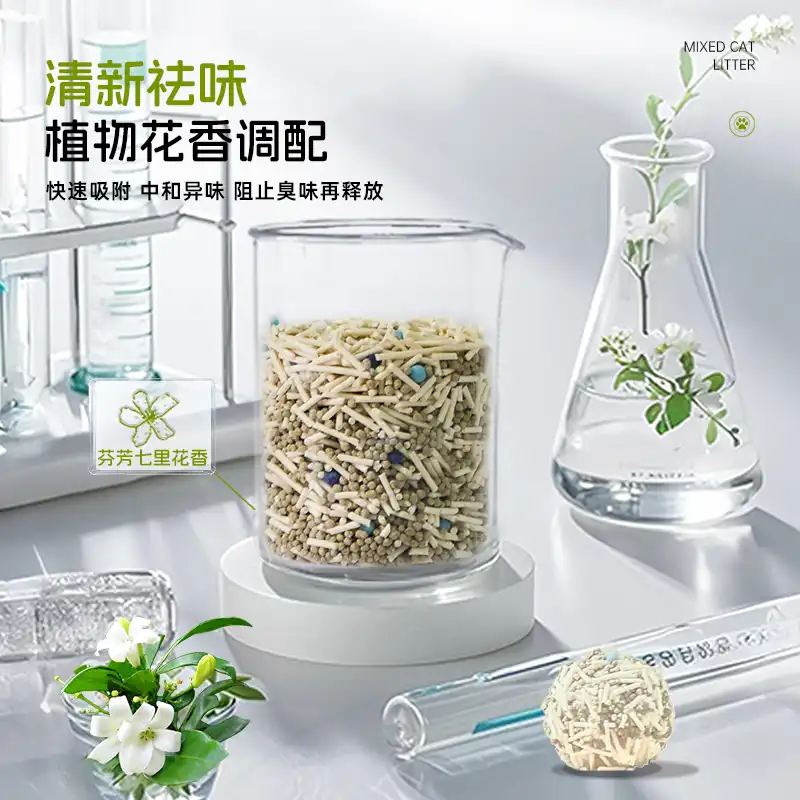
Why Choose a Trusted Tofu Cat Litter Supplier?
Choosing the right supplier has a big impact on the quality of the products, the image of the brand, and the long-term success of the business. To lower risks and support long-term growth goals, it is important to find producers with track records and complete quality systems.
Quality Assurance and Certification Standards
Reputable tofu cat litter companies with a good reputation keep licenses that show they care about quality and the environment. Some of these qualifications are organic certifications, proof of sustainable sourcing, and building safety checks done by outside groups. These kinds of approvals let customers know that a product meets high quality standards and also help companies with their efforts to be more environmentally friendly.
Manufacturing openness lets buyers check the steps used to make a product and the quality control measures that have a direct effect on how well it works. When suppliers offer facility tours, good documentation, and quick expert help, it shows that they want to build long-term ties instead of just doing business with you. This way of working together is helpful when dealing with customer complaints or making sure that products meet the unique needs of different market groups.
Market Reputation and Customer Support
Established providers usually keep a lot of customer references and case studies that show how their products have been used successfully in a wide range of market groups. These tools help people who work in buying understand how similar companies have successfully added soy-based litter to their operations while still meeting their customer happiness goals.
Aside from the basic product, giving full customer support services like training materials, marketing materials, and technical help adds a lot of value. Suppliers who care about their customers' success show that they understand business-to-business relationships and are dedicated to helping both parties grow, which is good for long-term partnership growth.
Conclusion
Plant-based cat litter made from soybean pulp is a great option to traditional clay products because it works better and is better for the earth. Food production trash is turned into useful pet care products through a manufacturing method that solves common customer problems like dust creation, tracking, and disposal issues. When purchasing this type of product, procurement professionals should think about performance measures, storage needs, and the qualifications of the seller. These factors should be taken into account when making decisions that affect both business efficiency and customer happiness.
Partner with Yunlan for Premium Tofu Cat Litter Solutions
Yunlan stands as your trusted tofu cat litter manufacturer, offering comprehensive solutions designed specifically for B2B procurement professionals seeking premium plant-based alternatives. Our advanced manufacturing processes deliver excellent deodorization capabilities with nearly dust-free performance that exceeds industry standards. Backed by our parent company Ruixin Cloud Wave Group's 20+ years of specialized experience and extensive R&D investments approaching 100 million yuan, we provide reliable supply chain solutions to over 60 countries worldwide. Contact our procurement specialists at minghuixu6717@gmail.com to discover competitive pricing and customized bulk tofu cat litter for sale options that elevate your product portfolio.
FAQ
①Is tofu litter safe for kittens and sensitive cats?
Soy-based litter is exceptionally safe for kittens and cats with sensitivities due to its food-grade ingredients and dust-free composition. The natural materials pose no toxicity concerns if small amounts are ingested, making it ideal for young cats who may explore their litter box environment.
②Can tofu cat litter be flushed down toilets?
Small clumps can typically be flushed in homes with modern plumbing systems, though local regulations vary significantly. Commercial facilities should verify municipal guidelines and plumbing capacity before implementing flushing disposal procedures. California specifically prohibits flushing cat litter regardless of type.
③What storage conditions preserve product quality in bulk quantities?
Optimal storage requires cool, dry environments with temperatures below 75°F and humidity levels under 60%. Adequate ventilation prevents moisture accumulation while proper packaging protects against contamination. Rotation procedures ensure product freshness for end customers.
④How does cost compare with traditional clay litter options?
While initial cost per pound may be higher, superior absorption efficiency often results in comparable cost per use. Commercial buyers should evaluate total ownership costs including disposal fees and customer satisfaction benefits when comparing alternatives.
⑤What certifications should buyers look for in suppliers?
Quality suppliers typically maintain organic certifications, facility safety audits, and sustainable sourcing verification. These credentials demonstrate commitment to quality standards while supporting corporate sustainability initiatives important to modern consumers.
References
- Smith, J.A. "Sustainable Pet Care Products: Market Analysis and Consumer Preferences." Journal of Pet Industry Research, 2024.
- Chen, L. and Rodriguez, M. "Environmental Impact Assessment of Plant-Based Cat Litter Manufacturing." Environmental Science and Pet Care, 2023.
- Thompson, R.K. "Comparative Analysis of Natural vs. Synthetic Cat Litter Performance Metrics." Veterinary Practice Management Quarterly, 2024.
- Williams, S.E. "Soybean Byproduct Utilization in Pet Care Applications." Agricultural Waste Management Review, 2023.
- Johnson, P.D. "B2B Procurement Strategies for Eco-Friendly Pet Products." Business and Sustainability Journal, 2024.
- Martinez, A.C. "Health and Safety Considerations in Modern Cat Litter Selection." Companion Animal Health Today, 2023.