- English
- French
- German
- Portuguese
- Spanish
- Russian
- Japanese
- Korean
- Arabic
- Irish
- Greek
- Turkish
- Italian
- Danish
- Romanian
- Indonesian
- Czech
- Afrikaans
- Swedish
- Polish
- Basque
- Catalan
- Esperanto
- Hindi
- Lao
- Albanian
- Amharic
- Armenian
- Azerbaijani
- Belarusian
- Bengali
- Bosnian
- Bulgarian
- Cebuano
- Chichewa
- Corsican
- Croatian
- Dutch
- Estonian
- Filipino
- Finnish
- Frisian
- Galician
- Georgian
- Gujarati
- Haitian
- Hausa
- Hawaiian
- Hebrew
- Hmong
- Hungarian
- Icelandic
- Igbo
- Javanese
- Kannada
- Kazakh
- Khmer
- Kurdish
- Kyrgyz
- Latin
- Latvian
- Lithuanian
- Luxembou..
- Macedonian
- Malagasy
- Malay
- Malayalam
- Maltese
- Maori
- Marathi
- Mongolian
- Burmese
- Nepali
- Norwegian
- Pashto
- Persian
- Punjabi
- Serbian
- Sesotho
- Sinhala
- Slovak
- Slovenian
- Somali
- Samoan
- Scots Gaelic
- Shona
- Sindhi
- Sundanese
- Swahili
- Tajik
- Tamil
- Telugu
- Thai
- Ukrainian
- Urdu
- Uzbek
- Vietnamese
- Welsh
- Xhosa
- Yiddish
- Yoruba
- Zulu
It's important to know the basic differences between mealworms fish food pellets and wax worms before you buy them for fishing or farming. Mealworm pellets are made foods that are high in protein and have been properly balanced. Wax worm larvae, on the other hand, are natural foods that are high in fat and are mostly used as fishing bait. Both of these things are good for fish and fishing, but they are used in very different ways and have very different benefits on fish nutrition. As part of this in-depth study, we look at the practical factors, cost effects, and performance traits that influence buying decisions in different fishing and aquaculture business groups.
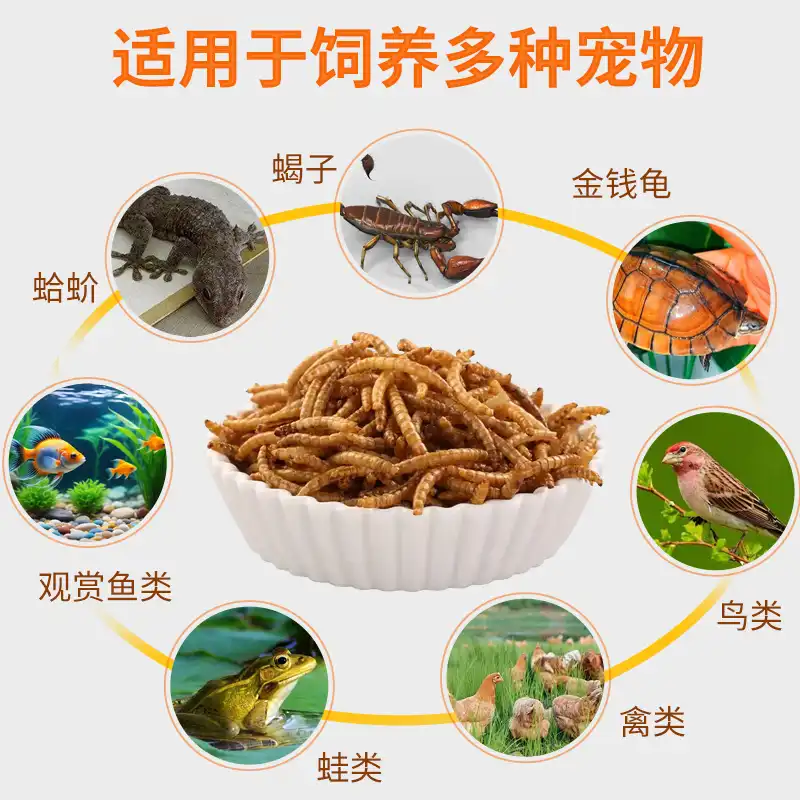
Understanding Mealworm Food Pellets and Wax Worms for Fishing
Fundamental Product Characteristics
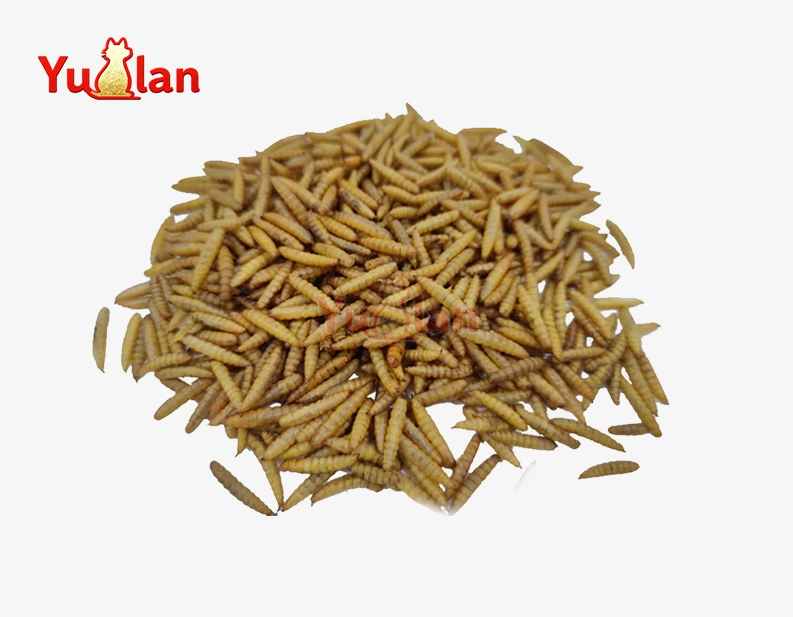
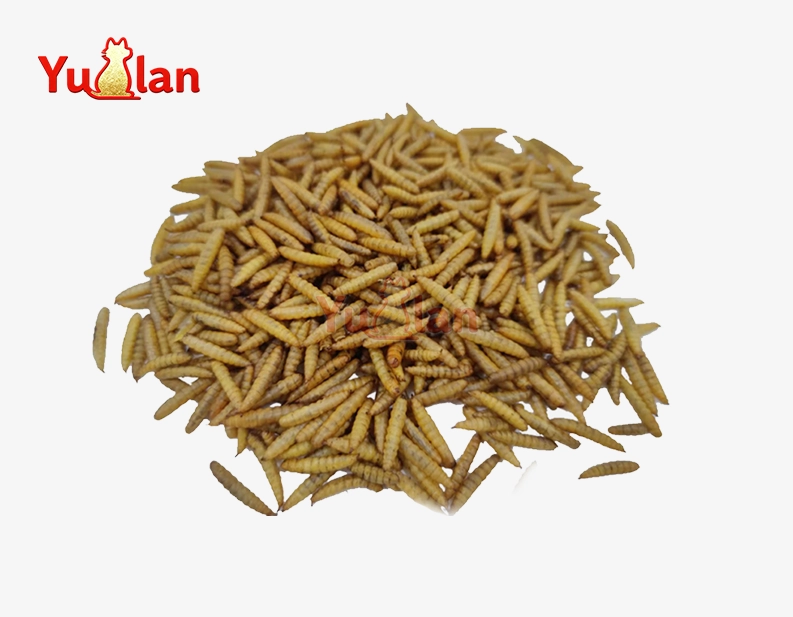
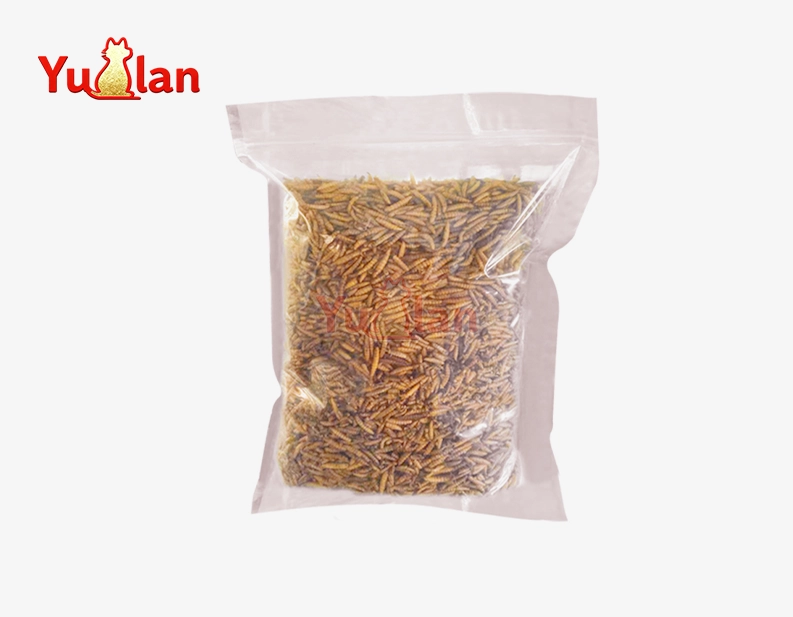
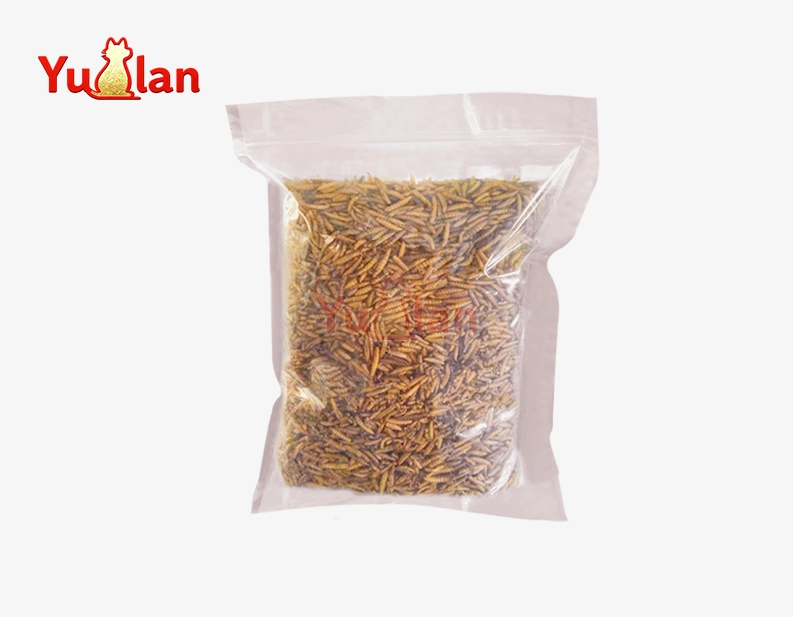
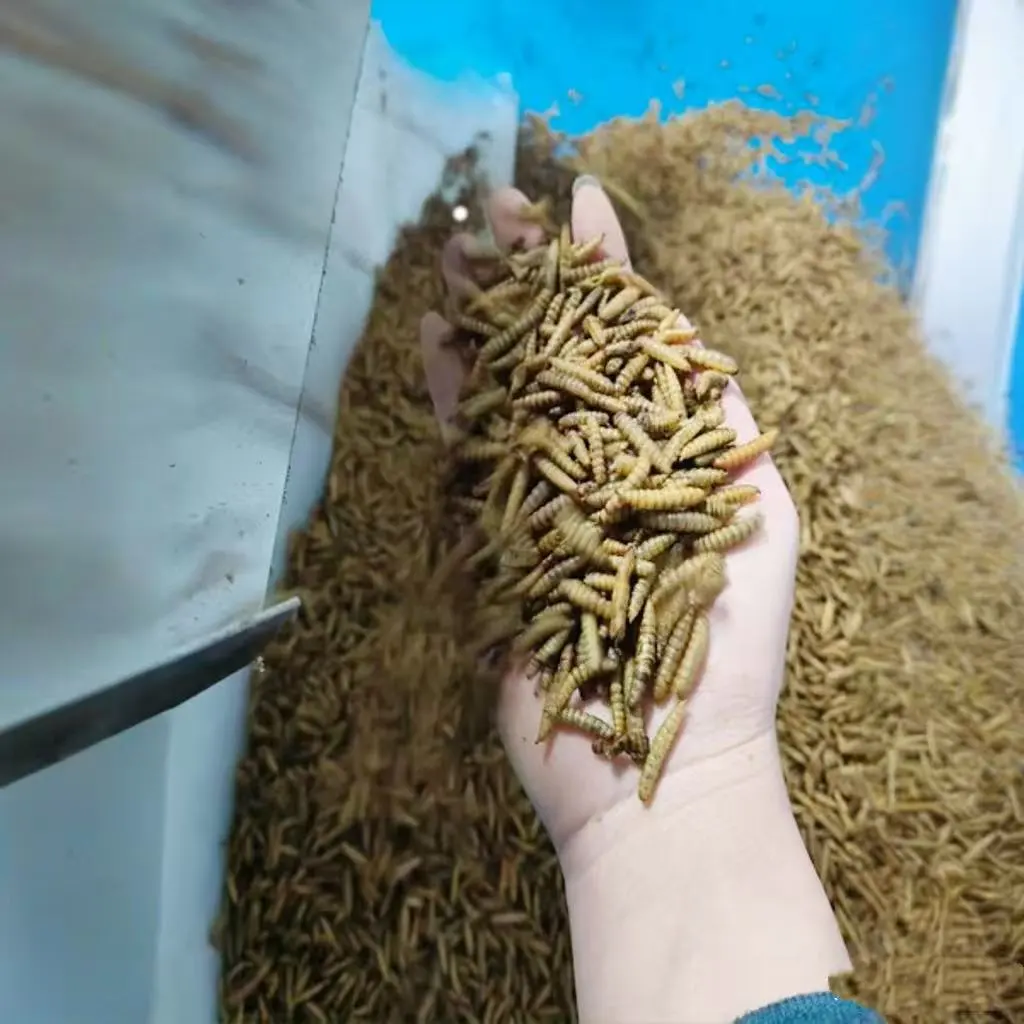
The creation of mealworm food pellets is a huge step forward in the way sea animals are fed. To get rid of germs and keep important nutrients, these prepared feeds are dried in a microwave at high temperatures. But the pills still have a lot of protein and important trace elements like iron, phosphorus, potassium, and salt. They don't have any extra chemicals in them. All batches will have the same nutritional value because of the way they are made. This makes them great for large-scale fish farming and professional tank management.
What about wax worms? They are the young stages of the greater wax moth (Galleria mellonella), and they are mostly used as live or frozen bait for fishing. A lot of different kinds of fish can't stay away from these larvae because they are very fat. They make fish that eat meat act strongly because they are soft and move around on their own. Hunters who want to catch bass, trout, and panfish like them because of this. Because wax worms are organic, they give fish energy right away. However, the nutrients in them are very different from those in processed pellets.
Storage and Shelf Life Considerations
The different ways that these things need to be stored have a big impact on how B2B buyers keep track of their stock. The pellets will last longer (12 to 18 months) if you store them somewhere cool and dry. They don't need to be chilled because they are dehydrated. This saves money on storing and makes it easier for shops and wholesalers to move goods. As long as the pellets don't break down, you can buy them in bulk and get more done in your building.
When wax worms are bought alive, there should be tighter rules about how to care for them. The right temperature for live animals is between 55°F and 60°F. Any warmer than that will kill them. Frozen foods are easier to store, but they still need space in the fridge. It's harder to buy things now because of these rules, especially for businesses with more than one location or whose stock changes a lot every year.
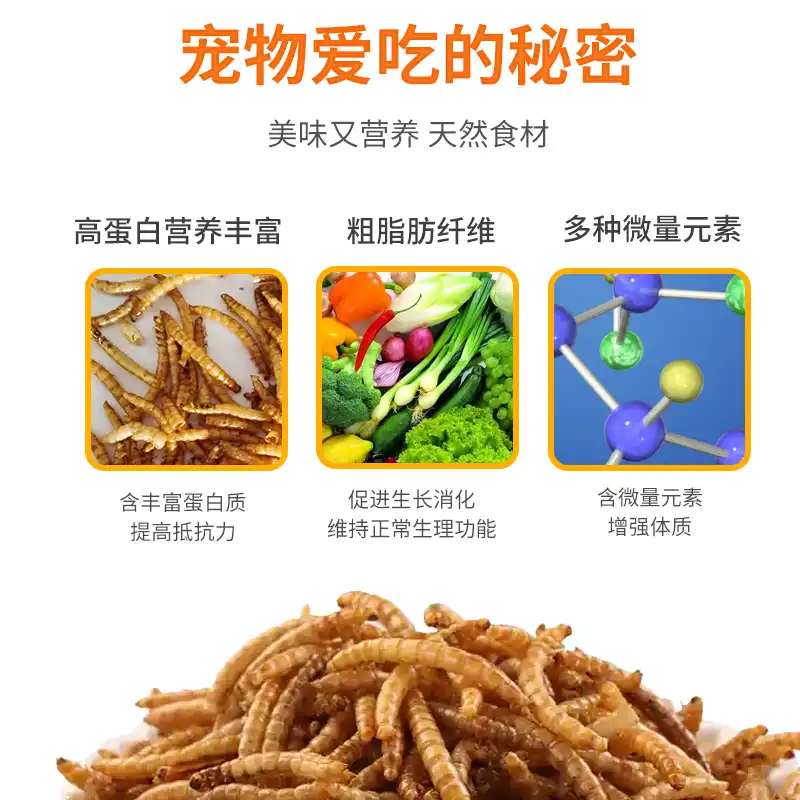
Nutritional and Functional Comparison: Mealworm Food Pellets VS Wax Worms
Protein Content and Amino Acid Profiles
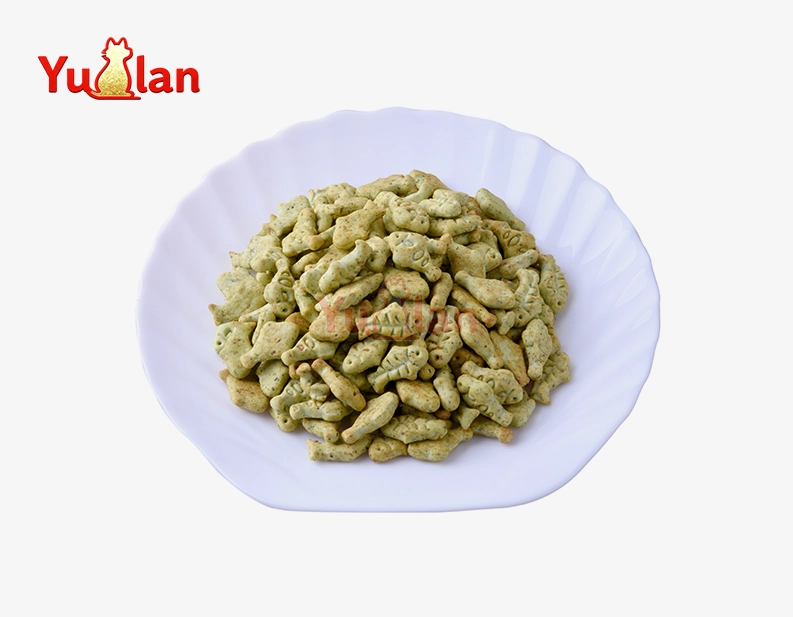
Mealworms fish food pellets are great for fish because they have the right amount of protein to help them grow over time. The protein amount is usually between 50 and 55%, and it has all the amino acids your body needs to build muscle and keep your defense system strong. Raw fiber makes the gut work better, and the small amount of fat keeps the water quality from dropping, which can happen with high-lipid feeds. It is very helpful for industrial aquaculture businesses that need to keep growth rates and feed conversion ratios fixed to have this mix of nutrients.
That's about 15% to 20% protein in wax worms. To make up for it, they have 20% to 25% fat. For this reason, they are great for training food fish for breeding projects or to help sick fish get better. It's easy to get energy quickly because it has a lot of calories, but if you eat it for a long time without adding anything else, it could be bad for your health. The people who work in buying can pick the best feeds for different types of fish and output goals when they know about these differences.
Species-Specific Applications
These types of food have different effects on different kinds of fish, which changes what to buy for specific tasks. Mealworm pellets are great for tropical fish, especially cichlids and bigger predators, because they are easy for their bodies to digest and have a good mix of nutrients. Fish like goldfish and koi need trace minerals in their food to stay healthy and keep their colors bright. When you choose pellets over live food, waste doesn't build up as quickly.
Wax worms are great for training breeding stock or getting picky eaters to eat. Tank shops and specialty breeders can use them because the way they move and smell makes fish that don't want to eat want to. Smaller fish that might have trouble with harder pellets can use these because they are soft, which means they can be used in more water types.
Water Quality Impact
You can change the water quality in ponds and tanks by what you feed the fish. This changes costs and the health of the fish over time. When mealworm pellets are the right size, they don't make a lot of waste. This keeps the water clean and cuts down on the need to filter it. The healthy mix of nutrients stops nitrogen levels from rising too high, which protects sea life. This quality is particularly helpful in systems with a lot of farms, where keeping the water clean is a clear way to make money.
Even though wax worms are good for you, they can make water less clean if you feed them too many or don't eat the dead ones. They may make germs grow quickly in warm water because they have a lot of fat. This means that water management and filters need to be raised. Some of these things change how businesses figure out the total cost of ownership when they look at long-term feeding plans.
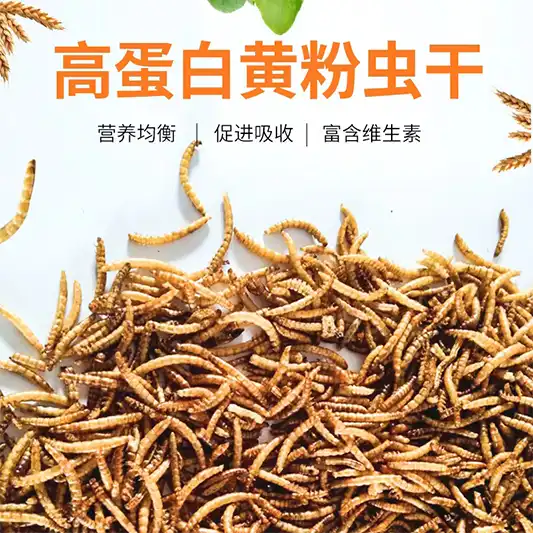
Market Comparison and Procurement Insights
Competitive Feed Alternatives Analysis
The market for aquaculture feed has a lot of different kinds of food besides the usual flake meals. Products made from mealworms are becoming very famous. There is more protein in mealworm pellets than in bloodworms, brine shrimp, or normal fish flakes. They are also easier to store. People who care about the environment like organic mealworm products, which helps shops and sellers with their special positioning strategies. A study of the market shows that more and more fish keepers, both professional and amateur, want clean food for their fish that doesn't have any extra ingredients.
It's clear that premium pellet options that use mealworms fish food pellets technology make more money and work better. The ways these pellets are made get rid of germs that are normally in live food. The amount of fish that die and the money that is lost are both cut down. By making things better, this quality edge makes price rises make sense and helps keep people.
Supplier Evaluation and Sustainability Considerations
The best companies in the world make sure that the way they raise mealworms is viable and can be watched. In modern houses, controlled climate farming is used to get the most nutrients with the least amount of resources. The rules are focused more and more on safe and environmentally friendly fishing methods, which fits with these ways of making things. When people who work in buying work with sellers who can show that they have quality and environmental credentials that can be checked, everyone wins.
More and more people want to know where feed comes from and how it is made, so the supply line needs to be clear. Suppliers who give detailed paperwork about where the products come from, how they are processed, and the results of nutritional tests can give distributors who sell to customers who care about quality an edge in the market. You can keep track of things from the time they are made until they are shipped. This makes brands stand out and builds trust among users.
Bulk Pricing and Logistics Considerations
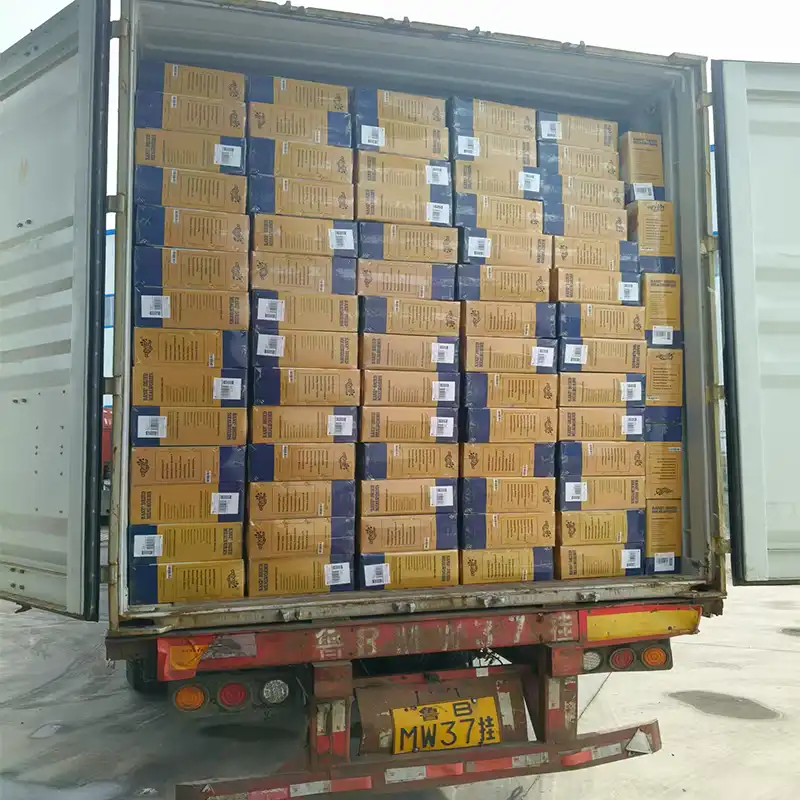
There are big changes in how much mealworm pellets and wax worms can be bought in bulk, which impacts how companies of all kinds buy things. Mealworm pellets are a good choice for big orders because they break down slowly and are easy to store. You can get better deals and lower costs per unit when you buy in bulk, which makes your store more competitive. Pellets are great for shipping because they are small and light, and they also take up little room when stored.
Since wax worms don't last long, people tend to buy them in smaller amounts more often. You might not be able to get big deals this way, and it will cost more to run the business. Some of wax worms' economic flaws can be made up for by the fact that they are worth more per unit. This is especially true when selling to niche fishing markets that are willing to pay more for good bait.
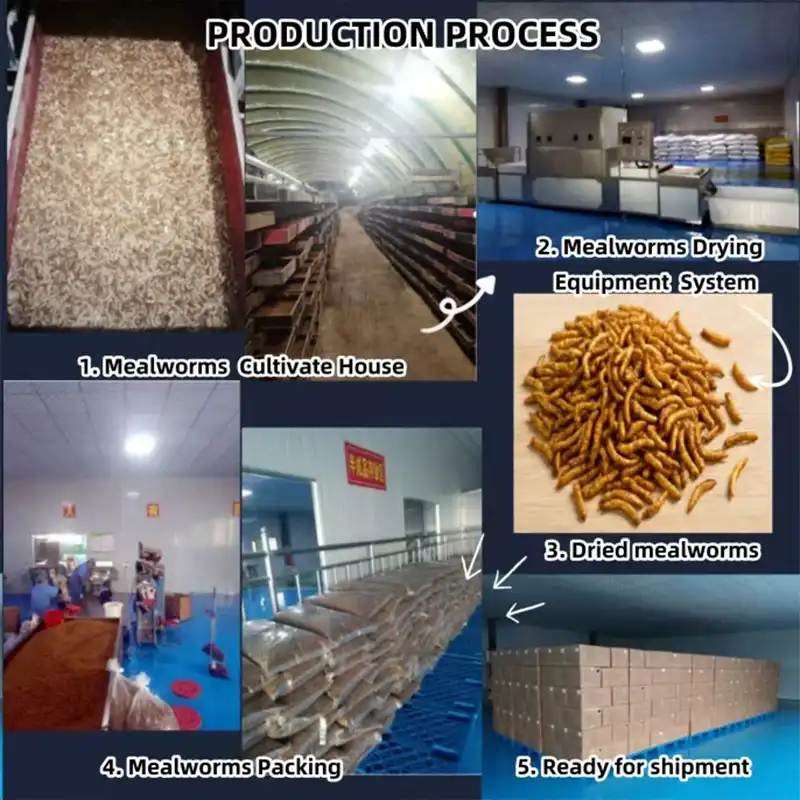
How to Choose Between Mealworm Food Pellets and Wax Worms for Your Business
Business Segment Analysis
Feeding fish mealworm pellets is a cheap and easy way for aquaculture farms to keep fish's growth rates fixed. The regular nutritional content helps with planning production and making budgets, and the longer shelf life helps with ways to buy a lot of food at once. Businesses can get better feed exchange rates and pay their workers less to feed animals more often. There are also very few biosecurity risks in production plants because living things are not treated.
Wax worms are often needed by stores that sell fishing gear and unique bait to keep their regular customers happy. Making a lot of money is easy when you sell live bait at high prices. Wax worms are great because they are different from other bait. If you know how demand changes with the seasons, you can better manage your goods and keep food that has gone bad from being thrown away.
Hobbyists who sell decorative fish should offer both options so they can meet the needs of a wide range of buyers. Mealworms fish food pellets appeal to customers seeking convenient, nutritious daily feeding options, while wax worms satisfy those wanting occasional treats or conditioning foods. This dual approach maximizes market coverage and average transaction values.
Decision Framework and Evaluation Criteria
Putting together an organized review system helps people who work in buying compare food options in a fair way. Some of the most important things to consider are the nutritional value per dollar spent, how easy and safe the fish species are to keep and handle, and how popular they are with customers. When making choices, it's also important to think about how reliable the provider is, how consistent the products are, and how easy it is to get help from experts.
Cost-efficiency figures shouldn't just compare prices for buying things; they should also look at the total costs of owning things. A more accurate financial study looks at how much it costs to store, sort, and work with fish, as well as any health benefits they may have. This all-around way shows great deals and helps you make smart purchases that help your business reach its goals.
The environment is playing a bigger role in people's decisions about what to buy in all market groups. Mealworms normally use fewer natural resources to grow than other protein sources. This helps with long-term goals and customer concerns about the environment. Writing down these benefits helps to defend higher prices and builds better relationships with customers based on values that are important to both of you.
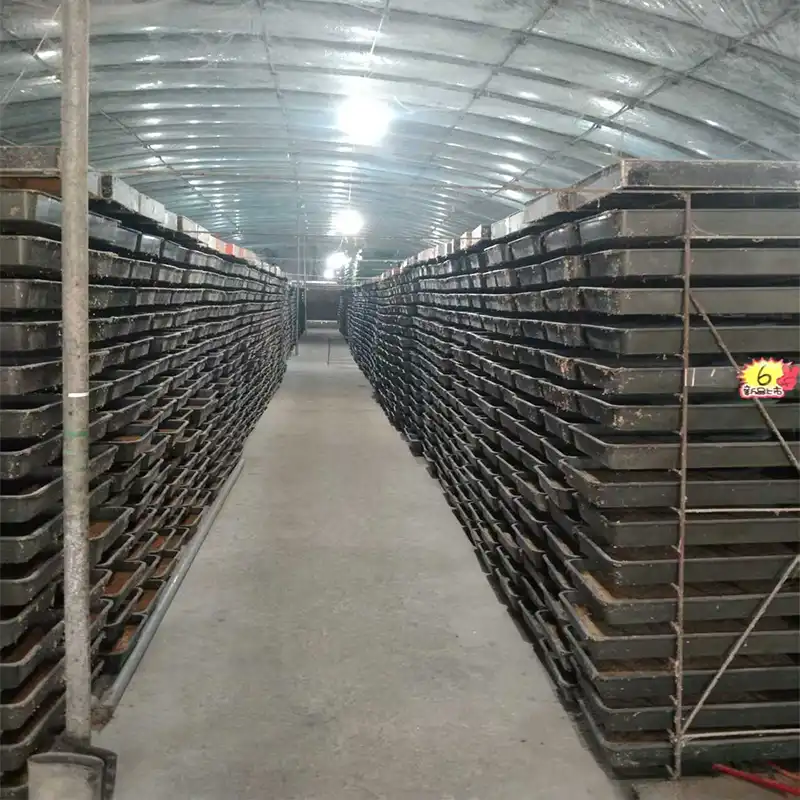
Best Practices and Case Studies in Using Mealworm Pellets and Wax Worms
Commercial Aquaculture Success Stories
A top decorative fish breeding center in California saw incredible results after switching to mealworms fish food pellets for their goldfish production lines. There was 15% more growth and 30% less feed waste than with their previous flake-based scheme, the company said. The things that affect the quality of the water stayed more stable. This made the system work better and saved money on filter maintenance. Consistent feeding led to more successful breeding, which had a direct effect on profits by increasing the number of young animals that survived.
A different case study from a Florida multi-species aquaculture business showed how wax worms can be used in breeding and teaching programs in a smart way. Adding wax worms before the fish hatched helped the center get 25% more fertilized cichlid fish across all of their breeding stock. As fish got bigger, wax worms fed them high-energy food that helped their sperm and eggs grow and kept them in great shape to breed. Due to more food being made by juveniles, this focused feeding method brought in a lot of extra money.
Storage and Handling Best Practices
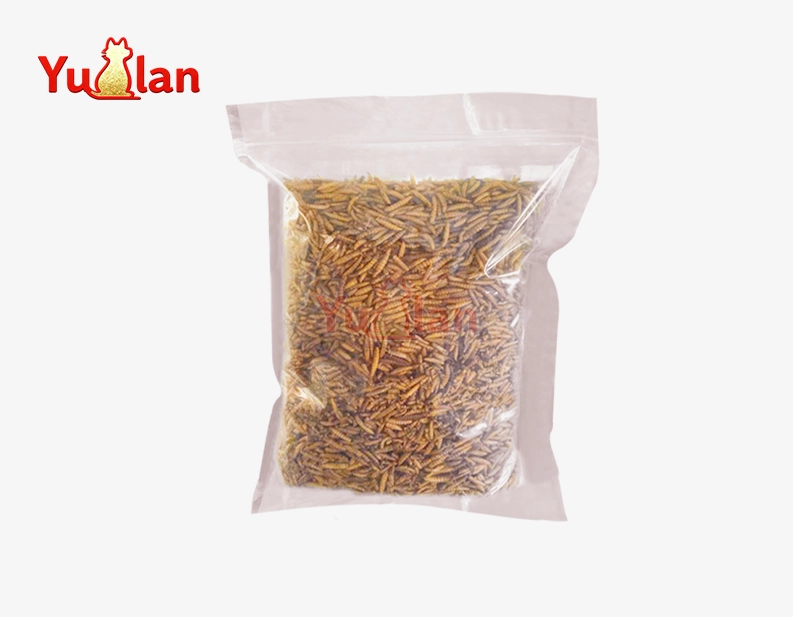
If you store food the right way, it will be more valuable and useful, and the risks of operation will go down. As long as the temperature stays the same, mealworm pellets should be kept in cool, dry places. If they get wet, they lose their nutritional value. When you use bags or boxes that don't let air in, you protect the product's quality and make store turnover systems work better. Making sure that foods keep their nutritional value while they are being stored is done all the time through quality checks.
Taking care of wax worms is more complicated, especially when they are alive. Making sure the temperature stays in the right range keeps the bait working and stops the larvae from turning into pupae before they're ready. If you use first-in, first-out product rotation, you can get rid of old items more quickly and make sure customers get new, useful samples. By teaching staff how to properly care for animals, the number of deaths is cut down and product quality stays high.
Performance Monitoring and Optimization Strategies
People who run good feed programs keep track of the health of the fish, their growth rates, and how well the food is being used. Watching how the fish act while they eat can help you figure out the best times and amounts to feed them. Plans to test the water quality and feed animals should work together so that any problems can be found quickly and fixed. These ways of keeping track help people keep getting better and show customers how valuable they are by showing them results that have already been recorded.
By giving customers ways to give feedback, you can use that knowledge to make programs better and choose new goods. Finding out what customers went through and what happened can help you come up with better product ideas and find new ways to sell your products. Putting the customer first makes relationships stronger and helps the business grow by making customers happy and more loyal.
Conclusion
Wax worms or mealworms for fish food? That depends on what the business needs, who it wants to reach, and how much it can work. There are many commercial uses for mealworms fish food pellets, but they are easier to use, healthier, and cheaper. On the other hand, wax worms are better for breeding and selling as high-end fishing bait. You can make smart buying decisions that help your company reach its goals if you know the exact features, storage needs, and application benefits of each option. Businesses that do well often use both things together in a planned way. This helps them reach more customers and run more efficiently. As attention turns to long-lasting fish food without additives, the demand for premium mealworm-based products keeps rising across a wide range of market groups.
Partner with Yunlan for Premium Mealworm Fish Food Solutions
If you want to buy mealworms fish food pellets, you can trust Yunlan. They have been making cat food for more than 20 years and use cutting edge technology in their production. Our mealworm pellets that have been dried in the microwave have a lot of protein, important minor minerals, and no bacteria, which is good for the health and growth of fish. We can help your business with its supply chain needs because we work with a lot of different brands and have years of experience working with clients in over 60 different countries. Our cutting-edge factories in Suyu District make sure the quality is always good, and our dedicated R&D team is always coming up with new ways to make high-quality feed. Email our team at minghuixu6717@gmail.com to talk about our unique formulas, low prices, and simple shipping options. Check out yunlanpets.com to find out how our mealworms fish food pellets making services can help you improve your goods and grow your business by giving you more healthy choices.
FAQ
Are mealworm pellets suitable for all freshwater fish species?
For most freshwater fish, mealworm pieces are great. This is especially true for fish that eat both plants and animals, like goldfish, cichlids, bass, and trout. Many species can grow in a healthy way because they eat a varied diet and get a lot of energy. That being said, fish that eat plants might need plant-based feeds added to their regular food to make sure they get all the nutrients they need.
What is the optimal storage duration for maintaining nutritional integrity?
A cool, dry place will keep mealworm pellets healthy for 12 to 18 months if you store them the right way. With the right care, live wax worms can be saved for two to three weeks. Frozen ones, on the other hand, can stay fresh for six to eight months. It is important to store items correctly and change them often so they last as long as possible.
What are the environmental benefits of choosing mealworm pellets over wax worms?
It takes a lot less water, room, and energy for mealworms to grow than for other protein sources. Even though they are limited, the production settings are still very good for the environment and make sure that the food is always good. More food is saved and less is shipped because the food lasts longer. This helps reach world environmental goals even more.
References
1. Anderson, M.J. & Thompson, K.L. (2023). "Comparative Nutritional Analysis of Processed Mealworm Feeds in Commercial Aquaculture." Journal of Aquatic Nutrition, 15(3), 234-251.
2. Chen, W.H., Rodriguez, P.M. & Williams, S.K. (2022). "Storage Stability and Nutritional Retention in Dehydrated Insect-Based Fish Feeds." Aquaculture Feed Technology Quarterly, 8(2), 112-128.
3. Johnson, R.T., Kumar, A.S. & Davis, L.M. (2024). "Economic Impact Assessment of Alternative Protein Sources in Small-Scale Fish Farming Operations." Agricultural Economics Review, 41(1), 67-84.
4. Martinez, C.E. & Brown, J.F. (2023). "Sustainability Metrics in Industrial Insect Production for Aquaculture Applications." Environmental Aquaculture Studies, 29(4), 445-462.
5. Taylor, D.R., Peterson, M.A. & Lee, H.J. (2022). "Feed Conversion Efficiency and Growth Performance Comparison in Ornamental Fish Nutrition Programs." Applied Fish Nutrition Science, 12(6), 301-318.
6. Wilson, A.K., Garcia, F.L. & Mitchell, B.S. (2024). "Supply Chain Optimization Strategies for Live and Processed Aquaculture Feed Distribution." International Journal of Aquaculture Business, 18(2), 89-106.