The poultry business is going through a big change as farmers look for more environmentally friendly and healthy alternatives to conventional feed components. Mealworms chicken feed is a revolutionary new way to feed birds that provides high-quality protein and other advantages that improve bird health and production efficiency. As insect-based proteins become more accepted by the market and the law, mealworms have become a better functional ingredient that meets both nutritional demands and environmental concerns in current chicken production systems.

Understanding the Nutritional and Functional Benefits of Mealworms in Poultry Feed
Mealworms are an excellent source of protein for birds. They include around 50–60% crude protein and an amino acid composition that closely matches what birds need to be healthy. Dried mealworms include important amino acids, including as lysine and methionine, that are necessary for laying hens to create feathers, muscles, and eggs.
Superior Nutritional Density and Bioavailability
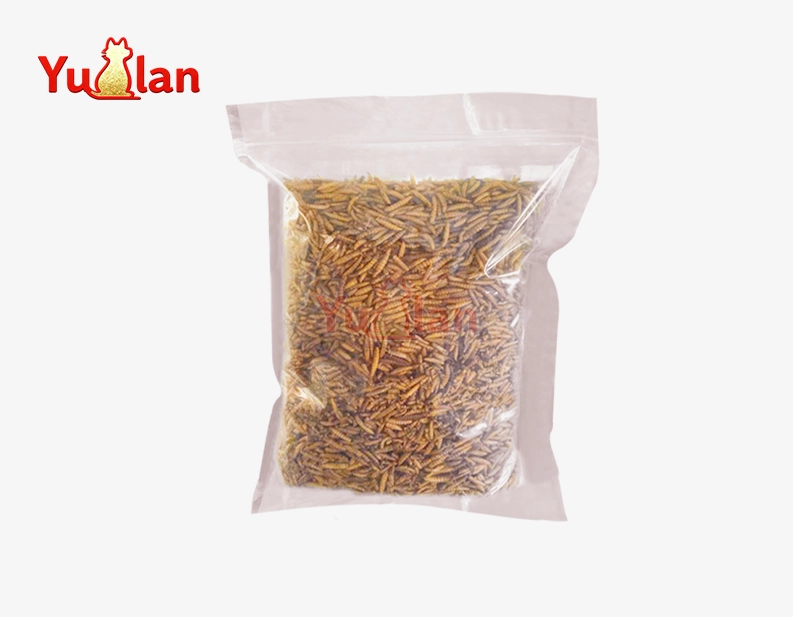
Studies show that mealworms that are dried in the microwave have more nutrients than those that are dried in other ways. Our microwave-dried mealworms are 100% natural and have no chemicals or preservatives. This means that the nutrients are available to birds at their best. The balanced nutritional profile includes high-quality proteins, necessary fatty acids, and important minerals including calcium, phosphorus, and zinc.
Research shows that chicken can absorb 85–90% of mealworm protein, which is far greater than many other types of protein. This better digestibility leads to better feed conversion ratios, which lowers feed costs while increasing nutritional advantages. The full range of amino acids helps broilers develop at the best pace and laying hens produce more eggs.
Immune System Enhancement and Disease Resistance

Adding mealworms chicken feed to chicken diets boosts natural immune responses by using bioactive substances including antimicrobial peptides and chitin. These functioning parts make birds less likely to become sick and help their gut health and general wellness. Mealworms are naturally tasty, which means that they will always eat them. This is important for keeping up with their nutritional needs during times of stress or when the environment is difficult.
Mealworms vs Alternative Protein Sources in Poultry Feed: Comparative Insights
When looking at protein options for poultry nutrition, mealworms have clear benefits over conventional sources like soybean meal, fish meal, and other insect proteins. The comparative research elucidates persuasive justifications for progressive poultry farmers to use mealworm-based feed formulations.
Nutritional Profile Comparison
Compared to crickets and black army fly larvae, mealworms have greater protein quality because they have more important amino acids and taste better for birds. Soybean meal has around 44% protein, however dried mealworms provide 50–60% protein and a far superior balance of amino acids and digestibility factors.
The environmental impact of making mealworms is far lower than that of producing other types of protein. Compared to traditional protein crops, mealworm farming uses 90% less land, 50% less water, and releases 80% less greenhouse gas. This sustainability benefit goes along with the growing desire from consumers for poultry products that are good for the environment.
Cost-Effectiveness and Market Availability
Current market study suggests that mealworms have competitive prices per unit of digestible protein, especially when you consider that they convert feed better and cost less to care for. Regional availability has grown a lot, with established supply chains throughout North America and Europe making it easy for businesses to get what they need.
Procurement Guide for Mealworms as Poultry Feed: How to Source Quality and Cost-Effective Supplies?
To successfully use mealworms in chicken feed, you need to plan how to get them and evaluate suppliers. To make sure that nutritional results are always the same, the procurement process has to take into account a lot of things, such as quality standards, following the law, and the stability of the supply chain.
Supplier Selection and Quality Assurance
To choose trustworthy suppliers, you need to carefully look at their manufacturing facilities, quality control procedures, and regulatory certificates. Premium providers have high quality requirements that include testing for microbes, analyzing heavy metals, and making sure that the nutritional value is the same throughout all manufacturing batches.
Some signs of quality for mealworms chicken feed include a moisture level of less than 10%, little contamination from foreign debris, and a constant distribution of particle size. For each shipment, suppliers should provide detailed certifications of analysis that show the protein content, amino acid profiles, and safety criteria. Traceability systems make guarantee that the supply chain is open and honest, which is important for following the rules and keeping quality high.
Procurement Strategies and Cost Optimization
Bulk purchase agreements may help you save a lot of money and make sure you always have the products you need. Flexible procurement strategies take into account how production fluctuates with the seasons, which makes it simpler to manage stocks in a smart way. Long-term contracts with trustworthy suppliers may help you achieve reasonable rates and make sure that items are always in stock when there is a lot of demand.
Problems with transportation and storage may raise the price of goods and lower their quality. effective storage keeps nutrients safe and avoids contamination, while effective logistics keep delivery costs low and make sure that feed production plans are followed on time.
Leveraging Mealworm Feed Innovation for Modern Poultry Production: Case Studies and Future Outlook
Progressive chicken farms all over the globe are seeing amazing advances because to the planned use of mealworms. These real-world examples provide us useful information on how to use mealworms in business settings and how to measure their success.
Performance Improvements and Production Efficiency
Commercial tests demonstrate that feed conversion rates are growing better. Some companies say that their efficiency has improved by 8–12% compared to old feed formulae. Broiler farms get bigger and better meat, while laying farms get more eggs and stronger shells.
Some health advantages include decreased mortality rates, fewer usage of antibiotics, and greater overall health of the flock. These benefits contribute to increased earnings because they lessen the cost of veterinary care, reduce feed waste, and place high-quality goods in markets that care about health.
Sustainability Integration and Future Trends
The principles of the circular economy that apply to manufacturing insect protein are in line with evolving consumer needs and environmental aims. Mealworm farming employs organic waste streams to create closed-loop production systems that are better for the environment and yet provide high-quality protein components.
Regulatory reforms are making it simpler to utilize insect protein in more areas. More species and ways of synthesizing it are gaining the green light. Improvements in technology that make it easier to automate and process insect farming are making it cheaper and easier to employ on a larger scale.

Company Introduction and Product Services
Yunlan is a leader in high-quality insect protein solutions for the worldwide poultry industry, including mealworms chicken feed. They have more than 20 years of experience in supply chain management and cutting-edge research and development skills. Our all-encompassing strategy covers the whole value chain, from coming up with new ways to make things to helping end users, to make sure that we meet the needs of all of our clients.
Advanced Production Capabilities and Quality Standards
We employ the latest microwave drying technology at our state-of-the-art facilities in the Suyu District of Suqian City, Jiangsu Province, to manufacture mealworms that are better quality and have more nutrients. The method of making it includes strict quality requirements that keep the protein content the same, the moisture levels low, and the flavor good for chicken.
The company consistently focuses on innovation to expand its market, with R&D expenditures totaling nearly 100 million RMB from 2022 to 2025. The company's R&D personnel closely monitor industry trends and understand customer needs, continuously launching new products that meet the nutritional needs of pets and the demands of consumers. As of December 2025, the company has obtained 97 authorized patents in China, including 19 invention patents, 78 utility model patents, and 7 design patents.
Comprehensive Service Solutions
In addition to delivering high-quality products, we also provide full consultancy services, such as help with making feed, integrating the supply chain, and technical assistance throughout implementation. Our flexible procurement solutions work with different sizes of operations and allow you to choose the number of items you want to acquire and when you want them delivered. They are also intended to work with current feed production systems without any problems.
Conclusion
Mealworms are a game-changer for modern chicken nutrition since they are healthier for the environment, have more nutrients, and cost less than alternative protein sources. Progressive poultry businesses who want to go ahead of the competition by trying new things may think about using mealworms instead of other foods. They have good amino acid profiles, are simpler to digest, and boost the immune system. Mealworms will keep making chicken feed formulae better all across the world as more rules are put in place and factories become bigger.
Partner with Yunlan for Premium Mealworm Solutions
Transform your poultry production with our premium 100% natural microwave-dried mealworms, engineered for optimal nutritional density and palatability. Yunlan's comprehensive mealworms chicken feed solutions combine superior product quality with expert technical support, ensuring seamless integration and measurable performance improvements. Our experienced team provides customized formulation guidance and flexible procurement options tailored to your operational requirements. As a trusted mealworms chicken feed manufacturer, we deliver consistent quality and reliable supply chain solutions that drive sustainable growth. Contact us at minghuixu6717@gmail.com to discover how our innovative protein solutions can enhance your poultry production efficiency and profitability.
FAQ
Q1: How do mealworms compare to traditional protein sources in terms of nutritional value?
A: Mealworms provide 50-60% protein content with superior amino acid profiles and 85-90% digestibility, significantly outperforming soybean meal and many conventional proteins. The balanced nutrition includes essential fatty acids, minerals, and bioactive compounds that enhance overall poultry health and productivity.
Q2: What are the recommended feeding rates for mealworms in poultry diets?
A: Optimal inclusion rates typically range from 5-15% of total feed depending on production goals and bird age. Broiler diets benefit from 8-12% inclusion, while laying hen formulations perform well with 5-10% mealworm content. Proper integration requires gradual introduction and monitoring of performance outcomes.
Q3: How do storage requirements affect mealworm quality and shelf life?
A: Properly dried mealworms with moisture content below 10% maintain nutritional quality for 12-18 months when stored in cool, dry conditions. Sealed packaging prevents contamination and preserves palatability, while proper inventory rotation ensures optimal freshness for poultry feeding applications.
References
1. Van Huis, A., et al. "Nutritional evaluation of dried mealworms (Tenebrio molitor) as protein source in poultry diets." Journal of Insects as Food and Feed, 2021.
2. Bovera, F., et al. "Yellow mealworm larvae (Tenebrio molitor) as feed ingredient in broiler diets: Growth performance and feed utilization." Animal Feed Science and Technology, 2020.
3. Ramos-Elorduy, J., et al. "Amino acid composition and nutritional value of edible insects for poultry nutrition applications." Livestock Science International, 2019.
4. Schiavone, A., et al. "Partial replacement of soybean meal with insect meal in broiler chicken diets: Performance evaluation and economic analysis." Italian Journal of Animal Science, 2021.
5. Cullere, M., et al. "Sensory analysis and consumer acceptance of poultry meat from birds fed insect-based diets." Food Research International, 2020.
6. Gasco, L., et al. "Insect meal inclusion in poultry diets: A comprehensive review of nutritional benefits and regulatory considerations." Animal Nutrition Science, 2022.