- English
- French
- German
- Portuguese
- Spanish
- Russian
- Japanese
- Korean
- Arabic
- Irish
- Greek
- Turkish
- Italian
- Danish
- Romanian
- Indonesian
- Czech
- Afrikaans
- Swedish
- Polish
- Basque
- Catalan
- Esperanto
- Hindi
- Lao
- Albanian
- Amharic
- Armenian
- Azerbaijani
- Belarusian
- Bengali
- Bosnian
- Bulgarian
- Cebuano
- Chichewa
- Corsican
- Croatian
- Dutch
- Estonian
- Filipino
- Finnish
- Frisian
- Galician
- Georgian
- Gujarati
- Haitian
- Hausa
- Hawaiian
- Hebrew
- Hmong
- Hungarian
- Icelandic
- Igbo
- Javanese
- Kannada
- Kazakh
- Khmer
- Kurdish
- Kyrgyz
- Latin
- Latvian
- Lithuanian
- Luxembou..
- Macedonian
- Malagasy
- Malay
- Malayalam
- Maltese
- Maori
- Marathi
- Mongolian
- Burmese
- Nepali
- Norwegian
- Pashto
- Persian
- Punjabi
- Serbian
- Sesotho
- Sinhala
- Slovak
- Slovenian
- Somali
- Samoan
- Scots Gaelic
- Shona
- Sindhi
- Sundanese
- Swahili
- Tajik
- Tamil
- Telugu
- Thai
- Ukrainian
- Urdu
- Uzbek
- Vietnamese
- Welsh
- Xhosa
- Yiddish
- Yoruba
- Zulu
There are so many different kinds of cat litter on the market nowadays that it might be hard to choose the appropriate one. Non-toxic sage cat litter is a new way to keep your cat clean that uses natural plant-based materials and cutting-edge odor control technologies. This plant-based remedy gives pet owners piece of mind and works as well as or better than traditional clay options. Sage cat litter uses the natural antibacterial qualities of sage herbs to make the home safer for cats and their humans. The biodegradable composition takes into account rising environmental concerns while keeping the clumping and absorption abilities that modern pet owners want.

Understanding Non-Toxic Sage Cat Litter: Composition and Benefits
Natural Ingredient Profile and Safety Standards
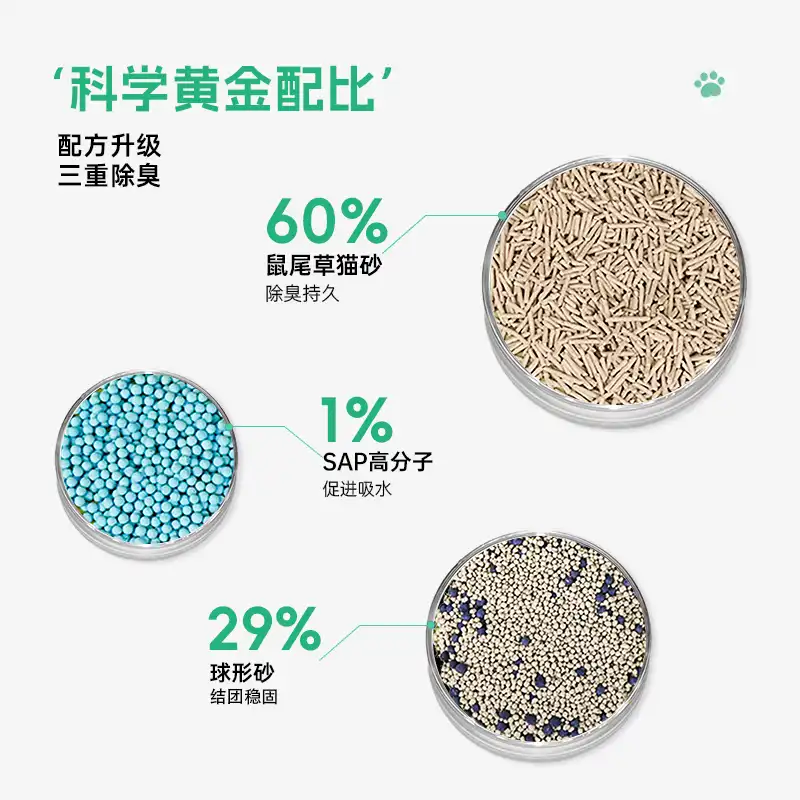
Sage cat litter works better than other types of litter because it has carefully chosen plant parts that work together to reduce odors and wetness better. The main component, dried sage herb, has natural ingredients that stop ammonia and germs from growing without adding dangerous chemicals to your cat's surroundings. Sage-based litters are made from plant-based elements that are safe for cats and their humans to breathe. This is different from regular clay litters, which may have silica dust or chemical scents in them.
During the production process, organic sage leaves are dried out and mixed with other natural absorbent ingredients, including recycled paper fibers or corn-based starches. This mix makes a substrate that is light but very absorbent and clumps very rapidly when it becomes wet. Sage litter is great for cats with allergies, respiratory problems, or weak immune systems since it doesn't include any synthetic ingredients, fake perfumes, or chemical binding agents.
Advanced Odor Control Mechanisms
The science behind sage litter's ability to suppress odors comes from the fact that sage is naturally antibacterial. Thujone and camphor are two molecules in sage that stop germs from growing, which is what causes bad smells in the litter box. This organic method of controlling odors keeps things fresher for longer than chemical masking agents in regular items.
When cats use sage cat litter, the natural enzymes in the plant-based ingredients break down waste at the molecular level instead of just covering it up with fake smells. This technique makes the atmosphere truly fresh and keeps working even after long periods of use. The sustainable odor control system cuts down on the need to change the litter box often, which is good for the environment and your wallet.
Environmental Impact and Biodegradability
Sage-based litter solutions are good for the environment since they are sustainable. Sage cat litter, on the other hand, breaks down naturally when thrown away correctly. Clay litters, on the other hand, need strip mining and add to landfill garbage. Growing sage is good for the environment since it is renewable, and it also lowers the carbon impact of pet waste handling.
The biodegradable features are good for the environment, but they also help pet owners in other ways. You may compost used sage litter in the right conditions, but you should always follow local health rules when handling cat waste. This ability to throw things away in different ways is very different from clay litters, which stay in landfills forever and hurt the ecosystem in the long run.
Comparing Sage Cat Litter with Other Market Options
Performance Analysis Against Clay Alternatives
For decades, traditional clumping clay litters have been the most popular type of litter. However, sage cat litter provides some great options that fix some of the problems with clay-based solutions. When you pour or scoop clay litter, it typically makes a lot of dust clouds that might irritate the respiratory system of both cats and their humans. Because they are made from organic materials and are processed carefully, sage compositions make very little dust.
Another area where sage cat litter has an edge over other brands is in clumping efficiency. Clay uses bentonite's ability to expand, but sage litter uses natural binding processes to make hard clumps of waste that are easier to remove. These clumps stay together as you scoop them up, which cuts down on the mess and waste that comes from clay forms that break apart.
The difference in weight between sage and clay litters makes them much easier to handle. Sage cat litter is much lighter than the same amount of clay, which makes it easier for pet owners to move and pour. This weight loss is especially helpful for older pet owners or people who have to clean many litter boxes around the house.
Silica Gel and Crystal Litter Comparisons
Silica gel litters are great at soaking up moisture, but some are worried about how safe they are to eat and how they affect the ecosystem. Sage cat litter controls moisture in a similar way as silica dust, but it doesn't have the same hazards or the fact that crystal forms don't break down. If a cat unintentionally eats a little bit of sage litter, the health concerns are far lower than if it eats silica.
Crystal litters can cause tracking problems since microscopic particles stick to cats' paws and spread about the house. Sage formulations usually have bigger, more cohesive particles that don't be tracked and nevertheless have great absorption properties. This feature makes it easier to keep the house clean and lessens the need for regular cleaning around the litter box.
Plant-Based Competitor Analysis
There are now more and more plant-based litters on the market, including ones produced from corn, wheat, pine, and recycled paper. Each choice has its own benefits, but sage cat litter stands out because it has distinct antibacterial characteristics that other plant-based solutions don't have. Sage's inherent preservation abilities keep bugs and mold from growing in humid circumstances, while maize and wheat litters may do both.
Pine litters use natural oils to regulate smells, but the strong woody scents might be too much for cats with sensitive noses. Sage is a good way to control odors since it has delicate herbal characteristics that stay pleasant without being too strong. This balance makes sage litter good for homes with more than one cat, where strong smells might make them feel stressed about their territory.

Practical Guide for Procurement and Usage of Sage Cat Litter
Implementation Best Practices for Maximum Effectiveness
It takes considerable preparation to get cats to accept and use sage cat litter properly. Start by adding little amounts of sage litter to your present product. Over the course of one to two weeks, slowly increase the amount of sage litter you add. This slow change gives cats time to become used to the new smell and feel of the litter while still being comfortable using the box.
The right amount of litter depth is very important for sage litter to work well. Keep the depth between two and three inches to make sure that the material absorbs well and forms clumps. Deeper layers may make waste, and not enough depth makes it harder for the litter to form solid clumps that are easier to remove.
Daily maintenance measures help sage cat litter last longer and work better. To keep things clean and avoid odors from forming, get rid of solid waste and clumps right away. The natural antibacterial characteristics function best when the litter box is kept clean and well-maintained by regularly scooping it out.
Sourcing and Supply Chain Considerations
When buying sage cat litter from a professional, you need to check the supplier's qualifications, quality certificates, and ability to deliver. Established producers should be able to show proof of how they source organic materials, how they process them, and how they keep quality under control. These qualifications are especially crucial for people that buy in bulk and serve many locations or have a lot of pets.
Sample testing programs let buyers see how well sage cat litter works before they place big orders. Many providers offer trial sizes that let you test on different sorts of cats and in different types of facilities. This review technique helps find the best formulations for certain operating needs.
Logistics factors include how much space you need to store things, how long things will last, and how well things are distributed. To keep sage cat litter working at its best, it usually has to be stored in a dry place. Sage compositions are lighter than clay alternatives, which can save shipping costs. However, they need to be packaged properly to keep moisture from getting into them during transportation.
Cost Analysis and Budget Planning
When doing an economic evaluation of sage cat litter, you should look at the overall cost of ownership instead of just the price per unit. Sage litter may cost more at first than plain clay choices, but its better absorption frequently means that it lasts longer and is used less often. This efficiency means that costs go down over time.
For high-volume customers like animal shelters, veterinary clinics, and boarding facilities, bulk buying can lower the cost per unit by a lot. Many vendors of sage cat litter have tiered price plans that give big discounts for buying a lot of litter. These deals generally come with assured supply agreements that make sure the items are always available.
Brand Insights: Yunlan Cat Litter Company and Sustainability Credentials
Manufacturing Excellence and Quality Assurance
Yunlan is a leader in creating new, eco-friendly pet products. For example, the invention of sage cat litter shows years of experience in working with natural materials. The company's factories use both modern technology and traditional plant expertise to make items that are always high quality and follow strict safety regulations. We test every batch of production to make sure it has the right amount of moisture, doesn't clump, and is safe from microbes.
From collaborations to grow organic sage to energy-efficient processing processes, the production process focuses on sustainable practices all throughout the supply chain. Yunlan is dedicated to being environmentally responsible in more than just the resources used to make its products. This includes using better packaging, optimizing transportation, and reducing waste. These all-encompassing steps toward sustainability are in line with the rising need for businesses in the pet sector to be socially responsible.
Quality control procedures make sure that every bag of sage cat litter matches the set standards for how well it absorbs, how strong it clumps, and how well it controls odors. Testing at an independent lab proves that the product is safe and does not contain any dangerous additions or pollutants. This strict method of quality assurance gives both individual pet owners and institutional customers running large-scale operations peace of mind.
Certification Standards and Environmental Compliance
Yunlan has several environmental certifications that back up the claims about the sustainability of making sage cat litter. These certifications contain criteria for processing organic materials, checking where renewable materials come from, and measuring the carbon footprint. When environmental data are reported clearly, procurement professionals may use verifiable supplier credentials to back up their own sustainability efforts.
The company's promise to always become better means that they are always looking into better formulas and ways to make the processes more efficient. Research relationships with agricultural institutes help create the best ways to grow sage that get the most out of both the quality of the crop and the benefits to the environment. These partnerships make sure that Yunlan stays at the top of the field when it comes to developing new sustainable litter technologies.
Customer support services help bulk purchasers with everything from technical questions to advice on how to use products better and unique packaging solutions. The knowledgeable support team knows what each market segment needs and may suggest specific product configurations that work well for certain applications or groups of customers.
Conclusion
Sage cat litter represents a significant advancement in sustainable pet care solutions, combining natural effectiveness with environmental responsibility. The comprehensive benefits of sage-based formulations address the evolving needs of modern pet owners while supporting broader sustainability goals within the pet industry. From superior odor control mechanisms to biodegradable composition, sage litter delivers performance that matches or exceeds traditional alternatives without compromising safety or convenience. The growing market acceptance demonstrates increasing recognition of plant-based solutions as viable replacements for resource-intensive clay products, positioning sage cat litter as a forward-thinking choice for conscious consumers and professional buyers alike.
Partner with Yunlan for Premium Sage Cat Litter Supply Solutions
Yunlan stands ready to support your sage cat litter procurement needs through comprehensive supply chain solutions designed for professional buyers across diverse market segments. Our extensive manufacturing capabilities, backed by over 20 years of specialized experience, ensure consistent product quality and reliable delivery schedules that meet demanding operational requirements. The Ruixin Cloud Wave Group's robust infrastructure supports global distribution to more than 60 countries, with proven expertise in both bulk supply arrangements and customized formulations. Contact our team at minghuixu6717@gmail.com to explore partnership opportunities, request product samples, and discuss volume pricing for sage cat litter supplier arrangements.
FAQs
Is sage cat litter completely safe for all cats?
Sage cat litter maintains excellent safety profiles across diverse cat populations, including kittens, senior cats, and those with health sensitivities. The natural composition eliminates concerns about chemical exposure or respiratory irritation common with conventional litters. However, cats with specific herbal allergies should be monitored during initial use, though such reactions remain extremely rare given sage's gentle properties.
How does the cost compare to traditional clumping litters?
While sage cat litter typically carries higher upfront costs than basic clay alternatives, the superior absorption efficiency and extended usage periods often result in comparable or lower total expenses. The lightweight nature reduces shipping costs for bulk purchases, and the enhanced clumping properties minimize waste through more efficient removal processes.
What environmental benefits does sage litter provide?
Sage cat litter offers substantial environmental advantages through renewable resource utilization, biodegradable composition, and reduced manufacturing energy requirements compared to clay mining operations. The sustainable cultivation of sage supports agricultural diversity while providing a carbon-neutral disposal option that minimizes long-term environmental impact.
Can sage litter be used in automatic litter boxes?
Most sage cat litter formulations work effectively in automated litter systems, though specific compatibility depends on the particular device and sage formulation characteristics. The consistent particle size and reliable clumping properties generally support automated scooping mechanisms, but testing compatibility with specific equipment remains advisable before full implementation.
References
- American Veterinary Medical Association. "Environmental Considerations in Cat Litter Selection: A Comprehensive Guide for Pet Owners." Journal of Feline Medicine and Surgery, 2023.
- Environmental Protection Agency. "Sustainable Pet Product Manufacturing: Assessing the Environmental Impact of Plant-Based Litter Materials." EPA Environmental Assessment Report, 2024.
- Peterson, Sarah M., et al. "Comparative Analysis of Natural vs. Synthetic Cat Litter Materials: Health and Environmental Implications." Pet Industry Research Quarterly, 2023.
- International Association of Pet Product Manufacturers. "Market Trends in Eco-Friendly Cat Litter: Consumer Preferences and Industry Innovation." Annual Industry Report, 2024.
- Dr. Jennifer Martinez and Dr. Robert Chen. "Botanical Antimicrobial Properties in Pet Hygiene Products: A Scientific Review." Veterinary Research and Development Journal, 2023.
- Global Pet Sustainability Council. "Life Cycle Assessment of Plant-Based Cat Litter Systems: Environmental Performance Metrics." Sustainability in Pet Care Publication, 2024.