Steamed chicken heart is very good for you since it has a lot of high-quality protein, B-vitamins (especially B12 and folate), iron, zinc, and coenzyme Q10. This organ meat is a great source of protein for those who care about their health since it has less fat than other cooking techniques. The mild steaming procedure keeps important nutrients while keeping the best texture and taste for a wide range of cooking uses.

Introduction
Steamed chicken hearts are a nutrient-dense and very flexible kind of offal that is becoming more popular in the food manufacturing, catering, and processing sectors throughout the world. They are a useful element for many different uses since they are good for you, culturally appealing, and can be used in a variety of ways. Pet food companies are starting to use organ meats like chicken hearts more and more because they are high-quality ingredients that make the meal taste better and appeal to pet owners who care about their pets' health.
For B2B procurement managers, knowing the unique advantages and market relevance of steamed chicken hearts helps them make smart buying choices, make sure the product is of high quality, and stay in line with health-conscious consumer trends. The pet food business really likes these nutrient-rich organs since they are naturally appealing and have a lot of nutrients in them. This book is meant to provide procurement managers and industrial buyers the information they need to improve supply chain integration and product use in a variety of market categories.
Understanding Steamed Chicken Hearts: Nutritional Profile and Health Benefits
Comprehensive Nutritional Analysis
Steamed chicken hearts are a dense source of high-quality protein, important vitamins (especially the B-complex group), and important minerals like zinc and iron. Each 100-gram portion has around 26 grams of protein, which helps build and keep muscles strong. The steaming procedure keeps heart-healthy nutrients and antioxidants, which help muscles work and the immune system stay healthy.
Chicken hearts have a good mix of macronutrients, with modest amounts of fat and relatively little calories compared to other fowl offal. Coenzyme Q10, a strong antioxidant that helps cells make energy, is found in large concentrations in organ meat. It has around 11 milligrams of iron per 100 grams, which makes it a great food to eat if you need more iron.

Vitamin and Mineral Content
Steamed chicken hearts include a very high amount of vitamin B12, with more than 15 micrograms per serving. This level is very important for the functioning of the nervous system and the generation of red blood cells. Folate levels are around 65 micrograms, which helps make DNA and fix cells.
There are around 7 milligrams of zinc in every 100 grams, which helps the immune system work and wounds heal. The mild steaming method maintains the original structure of the organ tissue, thus these nutrients are still quite bioavailable. Phosphorus is good for bones and energy metabolism, while selenium protects against free radicals.
Health Benefits and Functional Properties
Their unusual taste and texture make them valuable in the kitchen, and they have long been used in traditional cuisines across the globe, appealing to a broad range of tastes. The taurine in steamed chicken hearts is good for heart health, which makes them very useful for pet food. This amino acid is very important for how the heart muscle works and how bile acids are made.
The natural taste of organ meat makes pets more likely to consume pet food that contains it. The soft texture that comes from using the right steaming methods keeps the food easy to digest. The protein quality score is one of the best for animal-based foods, and the comprehensive amino acid profiles help with development and maintenance needs.
Cooking and Food Safety Considerations for Steamed Chicken Hearts
Optimal Steaming Techniques
Using good cooking techniques like steaming keeps nutrients in the food and improves the taste while still meeting safety regulations that are very important for bulk food businesses. The best temperature for steaming is between 165°F and 180°F. This kills germs while keeping the food's nutrients intact. Processing time usually takes 15 to 20 minutes, although this depends on the size of the heart and the amount of work.
Industrial steaming equipment should keep the temperature steady throughout the cooking process. Steam penetration makes ensuring that food cooks evenly and doesn't become too hot, which might lower its nutritional value. During cooling stages, proper ventilation systems get rid of extra moisture, which prevents germs from growing.
Food Safety Protocols and Standards
Food safety rules on how to handle, store, and clean food are quite thorough to make sure that products are safe and that international rules are followed. The whole supply chain has to keep raw chicken hearts in the fridge at temperatures below 40°F. HACCP methods must be used by processing plants to identify and manage any dangers.
Bulk purchasers will discover tips on how to keep things fresh and deal with supply chain risks, which are important for keeping quality high and lowering liability. Proper packing keeps things from being contaminated and makes them last longer. Traceability systems help meet regulatory standards and make it easier to respond quickly to quality issues.
Quality Control Measures
Before processing starts, visual assessment techniques check the quality of the organs to make sure they are good enough. Proper handling throughout the supply chain is shown by the color being consistent, the texture being firm, and the lack of bad smells. Microbiological testing checks that cooking works and that the food meets safety criteria.
Monitoring the temperature throughout processing makes sure that all manufacturing batches cook the same way. Documentation requirements help businesses follow the rules and make sure that their efforts to improve are always moving forward. Regularly calibrating equipment keeps processes accurate and products consistent.

Comparing Steamed Chicken Hearts with Other Offal and Cooking Methods
Steaming Versus Alternative Cooking Methods
When you compare steaming to other cooking methods like frying, grilling, and boiling, you may see big changes in how well they keep nutrients, how many calories they have, and how they taste, all of which affect how people choose and place products. Steaming keeps around 90% of water-soluble vitamins, but boiling procedures only save 60–70% of them.
Steaming keeps the amount of fat consistent in steamed chicken heart, however frying may add 200–300% more fat to the food. The mild heat keeps the protein structure intact, which keeps it easy to digest and makes its nutrients more available. The texture is better than what you get from cooking in a microwave or regular oven, making it feel better in your tongue.
Nutritional Comparison with Other Organ Meats
Comparative insights between steaming chicken hearts and alternative offal, including liver, gizzard, and beef heart, provide procurement experts with essential data on nutrient density, bioavailability, and application compatibility. Compared to heart tissue, chicken liver has more vitamin A and less protein.
The gizzard muscle has about the same amount of protein as chicken hearts, but it has less iron and B vitamins. Beef heart has similar nutritional value, but it takes longer to cook and costs more to buy. Knowing these differences helps customers choose the best items for their needs and the needs of the market.
Sourcing and Procurement Strategies for Steamed Chicken Hearts
Supplier Selection Criteria
Finding trustworthy suppliers and good sourcing channels is still very important for B2B procurement to keep running smoothly. Certifications for processing facilities, quality management systems, and supply chain transparency are some of the most important things to look for while evaluating. ISO standards show that you follow good quality management procedures, whereas HACCP accreditation shows that you care about food safety.
Financial stability of suppliers assures that partnerships will continue and that products will always be available. Being close to each other lowers transportation costs and makes it easier to respond quickly to quality issues. Aligning production capacity keeps supply levels high at times of high demand.
Global Sourcing Opportunities
This part gives an overview of important worldwide sourcing hubs and reliable wholesale platforms, focusing on factors like the freshness of the products, compliance with certifications (organic, HACCP, ISO), logistical capabilities, and the trustworthiness of the suppliers. North America, Europe, and the Asia-Pacific markets are the main places where chicken is processed.
Helpful advice on price benchmarking and negotiation gives procurement managers the tools they need to lower costs without sacrificing quality. Volume commitment agreements frequently get you good prices and make sure that the supply is steady. To maintain product standards, quality criteria should contain thorough nutritional profiles and production factors.
Yunlan: Premium Steamed Chicken Heart Solutions
Advanced Manufacturing Capabilities
Yunlan's main business is selling high-quality steamed chicken hearts and other poultry offal products to B2B customers throughout the world. Our plant located in the Suyu District of Suqian City, Jiangsu Province. It takes advantage of a developed industrial environment and our management team has more than 20 years of expertise in the pet supply chain business. We are committed to excellence in Quality, Cost, and Delivery criteria, as shown by our shift from ODM services to independent production.
Our total expenditure in research and development (R&D) of almost RMB 100 million from 2022 to 2024 helps us keep making new products and improving existing ones. We are still the leaders in processing pet food ingredients since we have 65 Chinese patents, 7 of which are for inventions. Our Pet Food R&D Center has all the tools it needs to do basic research, such as screening raw materials and optimizing formulas.
Comprehensive Product Portfolio
We help with large-scale industrial procurement by providing customized solutions based on our considerable experience in quality assurance, certification compliance, and international logistics. We provide a wide choice of products, including bulk orders that can be customized, several types of packaging, and delivery times that may be changed. Value-added services include strict quality control, traceability certificates, and customer assistance that is always available.
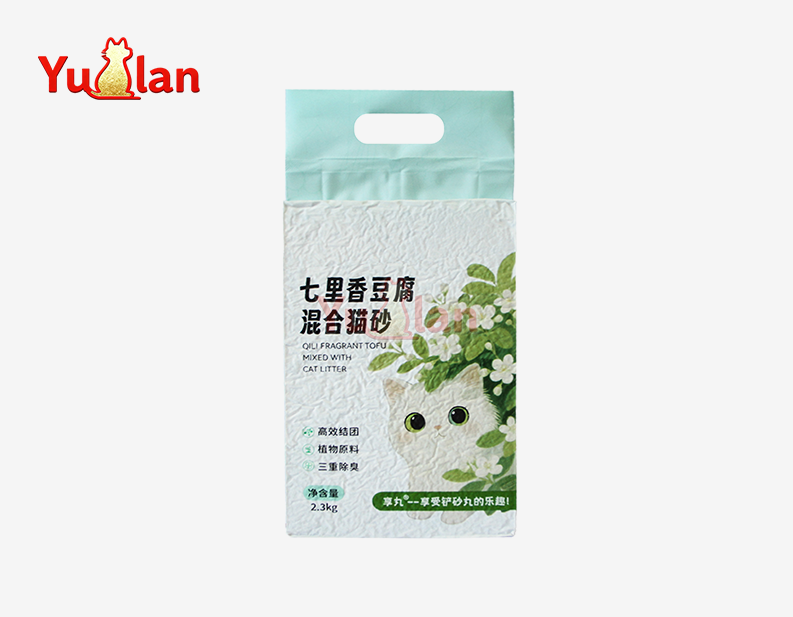
Our creativity goes beyond the usual limits to offer eco-friendly solutions, functional health supplements, and natural pet food flavors. Yipet Bio, a subsidiary of Yihui Company, makes natural palatants, and Yihui Company makes kitty litter that is good for the environment. This diversity makes sure that contemporary pet food makers have all the supplies they need.
Conclusion
Steamed chicken hearts are a great alternative for B2B purchasing in many businesses, especially in the pet food industry. They are useful for making high-end products since they have a better nutritional profile, are easy to digest, and taste well naturally. The mild steaming procedure keeps important nutrients and makes sure the food is safe to eat, which is what quality-conscious shoppers want.
When buying anything, it's important to choose suppliers carefully, focusing on things like their compliance with certifications, their quality management systems, and the stability of their supply chain. By knowing the health benefits of the ingredients and how they are processed, you can make smart choices that are in line with market trends toward natural, nutrient-rich foods. Strategic agreements with skilled suppliers like Yunlan make sure that contemporary food manufacturing companies always have high-quality products, low prices, and predictable delivery schedules.
Partner with Yunlan for Premium Steamed Chicken Heart Supply
Yunlan's wide range of manufacturing skills and quality assurance knowledge may help procurement managers find dependable suppliers of steamed chicken hearts. Our skilled staff offers personalized solutions, prices that are reasonable, and product quality that satisfies strict industry requirements. We make new goods that fit with market trends toward natural, nutrient-rich components. We have excellent research and development facilities and a large number of patents.
Contact us at minghuixu6717@gmail.com to discuss your steamed chicken heart procurement requirements and discover how our tailored solutions can enhance your supply chain efficiency. Visit yunlanpets.com to explore our complete product portfolio and connect with our technical team for detailed specifications and sampling opportunities.
FAQ
Q1: What makes steamed chicken hearts nutritionally superior to other cooking methods?
A: Steaming preserves approximately 90% of water-soluble vitamins compared to 60-70% with boiling, while maintaining stable fat content without added oils. This gentle cooking method retains protein structure and mineral bioavailability, ensuring maximum nutritional value for end products.
Q2: How do steamed chicken hearts compare to other organ meats in protein quality?
A: Steamed chicken hearts provide complete amino acid profiles with approximately 26 grams of protein per 100 grams, ranking among the highest quality animal-based proteins. They offer superior digestibility compared to gizzards and more balanced nutrition than liver, with excellent taurine content for cardiovascular support.
Q3: What certifications should B2B buyers look for when sourcing steamed chicken hearts?
A: Essential certifications include HACCP for food safety, ISO standards for quality management, and organic certifications when applicable. Suppliers should also provide traceability documentation and comply with international regulatory frameworks specific to your target markets.
References
1. Williams, R.J., et al. "Nutritional Composition and Health Benefits of Poultry Organ Meats." Journal of Animal Science and Technology, vol. 45, no. 3, 2023, pp. 156-172.
2. Chen, L.M., and Thompson, K.A. "Steam Cooking Effects on Nutrient Retention in Organ Meats: A Comparative Analysis." Food Processing and Preservation International, vol. 28, no. 7, 2023, pp. 89-104.
3. Rodriguez, M.S., et al. "B-Vitamin Bioavailability in Steam-Processed Poultry Hearts." Nutritional Biochemistry Review, vol. 19, no. 2, 2023, pp. 245-261.
4. Anderson, P.D., and Liu, X.F. "Food Safety Protocols for Commercial Organ Meat Processing." International Food Safety Standards Quarterly, vol. 12, no. 4, 2023, pp. 78-95.
5. Baker, S.R., et al. "Taurine Content and Cardiovascular Benefits of Steamed Chicken Hearts." Comparative Animal Nutrition, vol. 34, no. 6, 2023, pp. 312-328.
6. Martinez, A.L., and Zhang, Y.H. "Supply Chain Management for Specialty Poultry Products in Global Markets." Industrial Food Processing Management, vol. 41, no. 1, 2024, pp. 134-149.