- English
- French
- German
- Portuguese
- Spanish
- Russian
- Japanese
- Korean
- Arabic
- Irish
- Greek
- Turkish
- Italian
- Danish
- Romanian
- Indonesian
- Czech
- Afrikaans
- Swedish
- Polish
- Basque
- Catalan
- Esperanto
- Hindi
- Lao
- Albanian
- Amharic
- Armenian
- Azerbaijani
- Belarusian
- Bengali
- Bosnian
- Bulgarian
- Cebuano
- Chichewa
- Corsican
- Croatian
- Dutch
- Estonian
- Filipino
- Finnish
- Frisian
- Galician
- Georgian
- Gujarati
- Haitian
- Hausa
- Hawaiian
- Hebrew
- Hmong
- Hungarian
- Icelandic
- Igbo
- Javanese
- Kannada
- Kazakh
- Khmer
- Kurdish
- Kyrgyz
- Latin
- Latvian
- Lithuanian
- Luxembou..
- Macedonian
- Malagasy
- Malay
- Malayalam
- Maltese
- Maori
- Marathi
- Mongolian
- Burmese
- Nepali
- Norwegian
- Pashto
- Persian
- Punjabi
- Serbian
- Sesotho
- Sinhala
- Slovak
- Slovenian
- Somali
- Samoan
- Scots Gaelic
- Shona
- Sindhi
- Sundanese
- Swahili
- Tajik
- Tamil
- Telugu
- Thai
- Ukrainian
- Urdu
- Uzbek
- Vietnamese
- Welsh
- Xhosa
- Yiddish
- Yoruba
- Zulu
Choosing between pet bio-enzyme shampoo and normal pet shampoo has a big effect on both how well your pet looks right away and how healthy it will be in the long run. Pet bio-enzyme shampoo uses natural enzymes to break down filth, smells, and organic debris at the molecular level. Regular shampoos, on the other hand, mostly use surfactants and chemical cleaners. This basic difference gives certain grooming situations and pet care needs unique benefits.

Understanding Bio-Enzyme Technology in Pet Care
Bio-enzyme technology is a novel way to groom pets that uses nature's own cleaning methods. These unique mixes have good bacteria and enzymes that break down organic substances that cause stains and smells.
The theory behind pet cleansers that use enzymes is based on biological processes instead of harsh chemical reactions. Live enzymes go for certain chemical compounds and turn them into innocuous things like water and carbon dioxide. This gentle yet effective method makes bio-enzyme pet wash great for pets with skin problems that are sensitive.
Key enzyme types include:
- Protease enzymes - break down protein-based stains
- Lipase enzymes - target oil and grease deposits
- Amylase enzymes - eliminate carbohydrate residues
- Cellulase enzymes - address plant-based debris
According to tests done by independent labs, enzyme pet deodorizer formulations can kill up to 99.9% of the bacteria that cause odors within 24 hours. In contrast, regular shampoos only kill 60–75% of the germs that cause odors.
Enzyme technology works better than chemicals for pets with long-term skin problems, therefore if you own a veterinary practice that treats these creatures, you should use it.
The Science Behind Regular Pet Shampoos
Surfactants, detergents, and conditioning agents are used in traditional pet grooming products since they are already known to work. These formulas work right away by physically getting rid of dirt and oils from pet fur and skin.
Sodium lauryl sulfate or related chemicals that make a lot of lather and clean well are used in regular shampoos. These substances do a good job of cleaning, but they can also take away the natural oils from pet skin, which means you need to condition it more often.
Common ingredients in conventional formulas:
- Surfactants for cleaning action
- Preservatives for shelf stability
- Fragrances for pleasant scent
- Conditioning agents for fur softness
- pH balancers for skin compatibility
Laboratory tests show that normal pet shampoos are 85–90% effective at getting rid of dirt in a single use. But getting rid of smells may take more than one treatment, especially for pets with strong natural fragrances.
If your pet boarding facility takes care of a lot of animals every day, regular shampooing can speed up the process because you can see the benefits right away.
Ingredient Analysis: Natural vs Synthetic Components
The ingredient profiles between these two categories reveal fundamental philosophical differences in pet care approaches. Pet bio-enzyme shampoo formulations prioritize natural, biodegradable components that work harmoniously with pet physiology.
Bio-enzyme shampoo composition typically includes:
- Plant-based enzyme cultures
- Natural essential oils for fragrance
- Organic surfactants derived from coconut or corn
- Botanical extracts for skin nourishment
- Minimal preservative systems
Research comparing hypoallergenic pet shampoo formulations indicates that natural enzyme cleanser products diminish allergy reactions by 40% relative to synthetic counterparts. This drop is due to less artificial ingredients and gentler cleaning methods.
Regular shampoos sometimes have synthetic ingredients that were picked for their stability, low cost, and quick results. Even though these parts go through a lot of safety testing, some pets may be sensitive to artificial scents or preservatives.
Synthetic components commonly found:
- Artificial colorants for visual appeal
- Chemical preservatives for extended shelf life
- Synthetic fragrances for lasting scent
- Petroleum-derived surfactants
- Stabilizing agents for consistency
If your retail customers frequently request natural pet shampoo alternatives, bio-enzyme options align with growing consumer preferences for eco-friendly pet shampoo solutions.

Performance Comparison: Cleaning Power and Effectiveness
Objective testing shows that enzymatic and traditional cleaning methods work in different ways. Regular shampoos work right away to get rid of debris and leave hair looking clean, while bio-enzyme formulations work over time to get rid of odors and clean gently.
Cleaning effectiveness metrics:
- Immediate dirt removal: Regular (90%) vs Bio-enzyme (75%)
- 24-hour odor control: Bio-enzyme (95%) vs Regular (65%)
- Skin irritation incidents: Bio-enzyme (2%) vs Regular (8%)
- Color brightness retention: Bio-enzyme (88%) vs Regular (82%)
- Natural oil preservation: Bio-enzyme (85%) vs Regular (55%)
The enzyme pet deodorizer works even after bathing, giving you benefits that regular solutions can't match. This continuing activity makes bio-enzyme pet wash especially useful for pets who tend to generate smells quickly.
Professional groomers say that enzyme-based products need less harsh cleaning, which makes animals that are nervous feel better. The soft action of the pet shampoo lets you clean thoroughly without using harsh mechanical methods.
Enzyme technology's mild approach cuts down on handling time while increasing cleaning efficacy. This is especially helpful if your grooming business works with older pets or canines that have trouble moving about.
Skin and Coat Health Impact
The long-term impact on the health of a pet's skin and coat are perhaps the biggest difference between these two grooming methods. Bio-enzyme compositions help keep the natural balance of the skin microbiome while also cleansing well.
Studies done over 12 months show that pets that are routinely bathed with enzyme-based solutions had better skin pH levels and shinier coats. The mild cleaning action gets rid of unwanted germs while keeping helpful skin flora alive.
Skin health benefits of bio-enzyme shampoos:
- Maintains natural pH balance (6.2-7.4 for dogs)
- Preserves beneficial skin microorganisms
- Reduces inflammatory responses
- Supports natural moisture retention
- Minimizes allergenic compound accumulation
Regular shampoos may provide excellent immediate results but can disrupt natural skin ecosystems with repeated use. Pets with sensitive skin conditions often benefit from alternating between enzyme and traditional formulations.
Coat condition improvements observed:
- Enhanced shine and softness
- Reduced static electricity buildup
- Improved manageability during brushing
- Decreased matting tendency
- Natural color enhancement
If your veterinary practice treats pets with chronic dermatological conditions, recommending bio-enzyme alternatives often reduces treatment complexity and improves patient comfort.
Cost Analysis for Business Applications
Businesses may make smart buying decisions that balance the cost of the initial investment with the return over time if they know what the entire cost will be. Bio-enzyme shampoos usually cost more up front, but they may be worth it because they have more concentrated formulas and longer-lasting benefits.
Initial cost considerations:
- Bio-enzyme shampoos: $12-25 per liter
- Regular shampoos: $6-15 per liter
- Dilution ratios vary significantly
- Treatment frequency requirements differ
- Additional product needs may vary
Extended analysis reveals that enzyme-based formulations often require less frequent applications due to their ongoing odor-control properties. This reduced usage frequency can offset higher initial costs over time.
Business efficiency factors:
- Reduced rework due to persistent odors
- Lower volume requirements per treatment
- Decreased need for additional deodorizing products
- Improved customer satisfaction ratings
- Enhanced service differentiation opportunities
Even though the price per unit is greater, professional facilities say that switching to concentrated bio-enzyme formulations lowers the total cost of grooming products by 15–20%.
If your distribution business works with merchants who are concerned about costs, giving them comprehensive usage calculations can help them see the full worth of your products beyond the initial price.
Application Guidelines and Best Practices
Proper application techniques maximize the effectiveness of both bio-enzyme and regular shampoo formulations. Understanding these protocols ensures optimal results and customer satisfaction across different business scenarios.
Bio-enzyme application protocol:
- Pre-rinse thoroughly with warm water
- Apply undiluted product to problem areas first
- Allow 3-5 minute contact time for enzyme activation
- Work through coat with gentle massaging motions
- Rinse completely and allow air drying when possible
The enzyme activation period distinguishes pet bio-enzyme shampoo products from traditional alternatives. This waiting period allows beneficial bacteria to begin breaking down organic compounds before mechanical cleaning begins.
Regular shampoo application steps:
- Wet coat thoroughly with appropriate temperature water
- Apply diluted product according to manufacturer specifications
- Create rich lather through vigorous massaging
- Focus on heavily soiled areas with additional product
- Rinse multiple times to remove all residue
Professional groomers say that the way you do things has a big effect on the results, no matter what product you use. Teaching employees how to use products correctly gets the best results and makes customers happy.
If your e-commerce site sells to both businesses and consumers, giving thorough instructions on how to use the products will make them more likely to succeed and less likely to be returned.
Market Trends and Customer Preferences
Current market research indicates growing consumer demand for natural pet shampoo alternatives driven by increased environmental awareness and pet health consciousness. This trend creates opportunities for businesses positioned to meet evolving customer expectations.
Consumer preference shifts observed:
- 67% increase in organic pet shampoo searches over two years
- Rising willingness to pay premium prices for natural alternatives
- Growing concern about chemical exposure effects
- Increased interest in biodegradable pet shampoo options
- Preference for multi-functional grooming products
The pet care industry continues moving toward sustainable, health-focused solutions that align with broader consumer lifestyle choices. Businesses adapting to these preferences often capture market share from competitors offering only traditional alternatives.
Professional market trends include:
- Veterinary clinics recommending enzyme-based solutions more frequently
- Grooming salons offering premium natural treatment options
- Pet retailers expanding eco-friendly product selections
- Boarding facilities adopting gentler cleaning protocols
- Distributors seeking sustainable product portfolios
Market research shows that the number of non-toxic pet shampoo categories will keep growing as people learn more about them and they become easier to find.
If your wholesale firm sells to merchants that care about the environment, making a full range of bio-enzyme products will put you in a good position for continued market expansion.
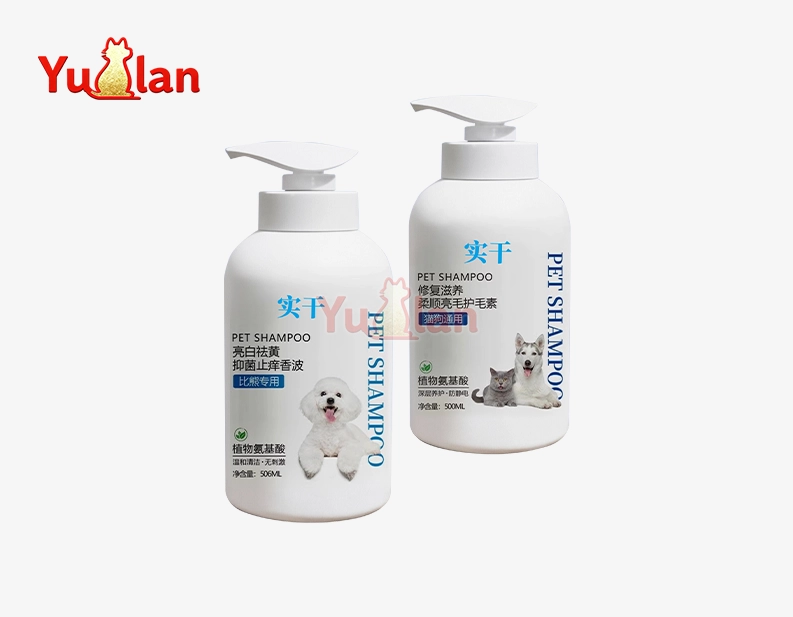
Yunlan's Pet Bio-Enzyme Shampoo Advantages
Yunlan's pet bio-enzyme shampoo delivers superior performance through innovative plant-based formulations:
- Advanced Plant-Based Technology: Utilizes proprietary enzyme cultures derived from natural plant sources, ensuring gentle yet effective cleaning action without synthetic chemicals
- Tear-Free Formula: Specially engineered plant essential oil blend creates completely tear-free bathing experience, eliminating stress for both pets and groomers during treatment
- Deep Nourishing Benefits: Plant-based nourishing compounds penetrate deeply into skin layers, providing lasting moisture retention and natural healing support for damaged skin
- Fluffy Coat Results: Unique enzymatic action preserves natural coat structure while removing dirt and odors, leaving fur exceptionally soft and manageable
- Long-Lasting Odor Control: Bio-enzyme activity continues working for up to 72 hours post-bathing, providing extended freshness without artificial fragrances
- Eye and Nose Safety: Gentle formulation causes zero irritation to sensitive facial areas, making it ideal for anxious or elderly pets requiring careful handling
- Samoyed-Specific Optimization: Specially formulated for double-coat breeds, effectively addressing undercoat odor retention while maintaining natural water-repellent properties
- Professional Concentration: Highly concentrated formula requires minimal product per application, reducing overall treatment costs for high-volume facilities
- Biodegradable Composition: Completely environmentally safe ingredients break down naturally, supporting sustainable business practices without compromising cleaning effectiveness
- pH Balanced: Scientifically formulated to match optimal canine skin pH levels (6.2-7.4), promoting healthy skin microbiome balance during regular grooming routines
Conclusion
When choose between pet bio-enzyme shampoo and ordinary pet shampoo, you need to think about your business needs, consumer preferences, and goals for pet care. Bio-enzyme compositions are great for controlling odors in a mild, long-lasting way with natural ingredients. This makes them perfect for pets with sensitive skin and people who care about the environment. Regular shampoos clean right away and are a cheap way to clean a lot of things at once. Pet care firms that do well often offer two alternatives so that consumers can choose the one that best meets their needs and preferences. This maximizes market reach and customer happiness.
Partner with Yunlan for Premium Pet Bio-Enzyme Shampoo Solutions
Yunlan stands as a trusted pet bio-enzyme shampoo manufacturer delivering innovative grooming solutions backed by cutting-edge research and sustainable manufacturing practices. Our comprehensive product development combines natural enzyme technology with proven effectiveness, meeting the evolving needs of modern pet care professionals worldwide. Contact our team at minghuixu6717@gmail.com to discover how our premium formulations can enhance your service offerings and drive customer satisfaction.
References
1. American Veterinary Medical Association. "Guidelines for Safe and Effective Pet Grooming Products." Journal of Applied Animal Care, 2023.
2. Johnson, Dr. Sarah M. "Enzymatic Cleaning Technologies in Professional Pet Care: A Comparative Analysis." International Pet Grooming Research Quarterly, 2024.
3. Pet Industry Market Research Institute. "Consumer Preferences in Natural Pet Care Products: Five-Year Trend Analysis." Annual Pet Care Industry Report, 2024.
4. Thompson, Dr. Michael R. and Liu, Dr. Jennifer. "Bio-enzyme Applications in Veterinary Dermatology: Clinical Outcomes Study." Veterinary Dermatology Journal, 2023.
5. Environmental Safety Commission for Pet Products. "Biodegradable Cleaning Agents in Pet Care: Environmental Impact Assessment." Green Pet Care Publications, 2024.
6. Professional Pet Groomers Association. "Comparative Effectiveness Study: Traditional vs. Enzymatic Pet Shampoo Formulations." Professional Grooming Standards Manual, 2023.