- English
- French
- German
- Portuguese
- Spanish
- Russian
- Japanese
- Korean
- Arabic
- Irish
- Greek
- Turkish
- Italian
- Danish
- Romanian
- Indonesian
- Czech
- Afrikaans
- Swedish
- Polish
- Basque
- Catalan
- Esperanto
- Hindi
- Lao
- Albanian
- Amharic
- Armenian
- Azerbaijani
- Belarusian
- Bengali
- Bosnian
- Bulgarian
- Cebuano
- Chichewa
- Corsican
- Croatian
- Dutch
- Estonian
- Filipino
- Finnish
- Frisian
- Galician
- Georgian
- Gujarati
- Haitian
- Hausa
- Hawaiian
- Hebrew
- Hmong
- Hungarian
- Icelandic
- Igbo
- Javanese
- Kannada
- Kazakh
- Khmer
- Kurdish
- Kyrgyz
- Latin
- Latvian
- Lithuanian
- Luxembou..
- Macedonian
- Malagasy
- Malay
- Malayalam
- Maltese
- Maori
- Marathi
- Mongolian
- Burmese
- Nepali
- Norwegian
- Pashto
- Persian
- Punjabi
- Serbian
- Sesotho
- Sinhala
- Slovak
- Slovenian
- Somali
- Samoan
- Scots Gaelic
- Shona
- Sindhi
- Sundanese
- Swahili
- Tajik
- Tamil
- Telugu
- Thai
- Ukrainian
- Urdu
- Uzbek
- Vietnamese
- Welsh
- Xhosa
- Yiddish
- Yoruba
- Zulu
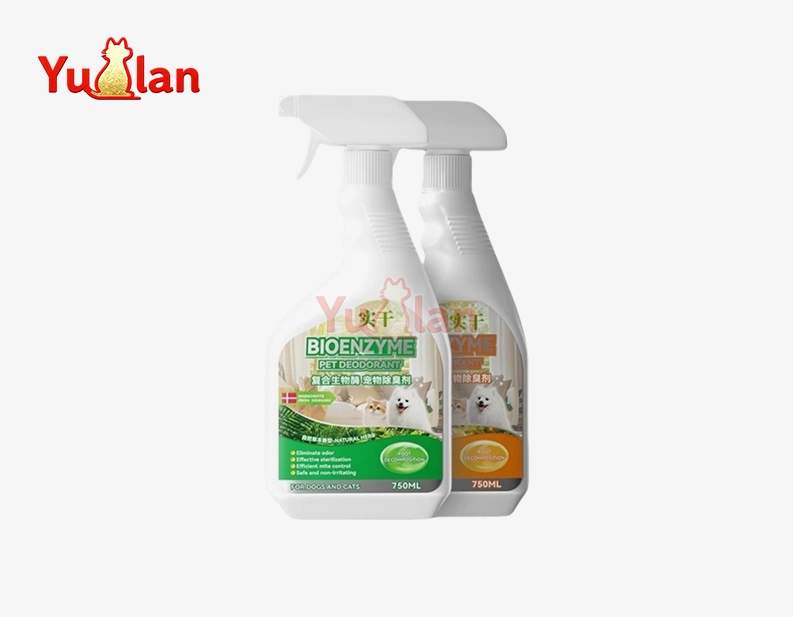
Pet deodorizer for dogs is an important way to deal with smells that won't go away in places that care for pets. Instead of covering up smells like regular air fresheners do, professional pet deodorant formulations break down and neutralize smell molecules at their source using advanced enzymes. These specialized products get rid of pet odor sources effectively and have antibacterial qualities that make them safe for use on pet beds, rugs, and furniture. As the need for effective odor control solutions grows, pet deodorizers go from being simple consumer goods to important business tools for veterinary offices, grooming shops, boarding facilities, and stores that want to keep their spaces clean and professional.

Understanding Pet Deodorizer for Dogs: What, Why, and How
The Science Behind Professional Pet Odor Elimination
Getting rid of pet smells is more than just a cosmetic issue in business settings. Modern pet deodorant solutions utilize sophisticated biochemical processes to neutralize ammonia compounds, organic acids, and sulfur-based molecules that create persistent smells. Instead of hiding the smell, these products are different from pet colognes because they work by targeting molecules.
Professional-grade deodorizers work in three main ways: they break down organic compounds using enzymes, they neutralize acidic smell sources to make them less noticeable, and they kill germs to stop them from spreading. Because they kill bacteria, they are especially useful in busy business areas where many animals create complicated smell problems.
Commercial Applications and Environmental Benefits
Strong odor control options that keep working well in tough situations are needed in business settings. Commercial living houses, animal hospitals, and grooming salons have special problems that can't be solved with regular consumer goods. These needs are met by professional deodorizers that come in strong forms that can be diluted and spread over large areas.
Modern deodorizing products can be used on a wide range of surfaces, such as concrete dog runs, cloth beds, carpeted greeting areas, and furniture that is upholstered. This ability to work on multiple surfaces makes managing supplies easier and makes sure that smells are controlled consistently throughout buildings.
Safe Application Protocols for Commercial Use
The right way to apply something makes it work better and keeps people and animals safe. Professional guidelines say to keep an arm's length distance during treatment and stay away from eyes, ears, and open cuts and other sensitive areas. Quality formulas are safe for the environment and meet standards for septic and greywater compatibility because they break down naturally.
Commercial users can benefit from knowing application regularity rules that strike a balance between success and cost-effectiveness. Regular application plans keep smells from building up and keep products from going to waste by being applied too much.

Evaluating Pet Deodorizer Options: From Formulations to Market Leaders
Chemical versus Natural Formulation Analysis
The market for pet deodorizers has two different ways of making them, and each has its own benefits for different business uses. Chemical-based solutions usually work quickly and have effects that last a long time. This makes them good for large-scale business operations that need results right away.
Natural formulas use ingredients that come from plants and biological compounds that break down smells at the molecular level without using harsh chemicals. Businesses that care about sustainability and the environment will like these goods. They also meet customer needs for safer options around pets and kids.
Professionals in procurement have to weigh the pros and cons of both short-term efficiency and long-term environmental impact. Natural formulas usually need more time to work, but they keep smells away longer and don't leave behind chemicals that could be harmful to animals or staff.
Product Format Considerations for Business Operations
For optimal cost control and process speed, different business models need different product formats. Sprays are good for exact targeting and are easy to add to current cleaning routines. Gels, on the other hand, work nonstop for up to 90 days in enclosed areas.
Wipe forms work best in cleaning areas where spots need to be treated right away, while concentrated solutions let businesses change the dilution ratios based on the smell problems they're facing. The solid gel form works best in automatic pet care systems that don't have a lot of air flow but need to keep smells under control all the time.
Market Leaders and Product Differentiation
Leading makers set their products apart by making recipes that are tailored to the needs of particular businesses. Hypoallergenic ingredients are used in products for animals with sensitive skin, and higher dosage levels are used in products for big breeds to deal with higher odor loads.
The best products get rid of smells right away and stop them from coming back by stopping future smells from developing. This two-step method lowers the number of applications needed while keeping the quality of the surroundings stable in business settings.

Procurement Guide: How to Source Pet Deodorizer Efficiently and Affordably
Strategic Supplier Evaluation and Vetting
A successful buying process starts with a full evaluation of the provider that goes beyond just comparing prices. Good suppliers of pet deodorizer have uniform production standards, good supply chain management, and the ability to help customers quickly. Production capacity, quality standards, and a history of working with similar business groups should all be taken into account when judging.
As part of your due research, you should check that the supplier follows all safety rules, environmental laws, and any other rules that are specific to your business. When suppliers offer professional help and application training, they add extra value that makes their higher prices worth it by making implementations go more smoothly.
Bulk Purchasing Strategies and Cost Optimization
Buying in bulk can save you a lot of money and make sure that you always have the goods you need. Annual usage predictions can help procurement managers get better prices and build relationships with chosen suppliers. When you buy in bulk, you should think about how to store the goods, how long they will last, and how demand changes with the seasons.
Subscription service models offer stable pricing while getting rid of the costs of buying things and managing them. Often, these agreements include automatic inventory management and emergency supply plans that keep operations running smoothly.
Sample request programs let people try out products without having to spend a lot of money. Smart people who work in buying use sampling to compare two options side by side in real-world working situations. This makes sure that the final choices meet specific performance requirements.
Regulatory Compliance and Certification Requirements
Different types of pet deodorant have to meet different rules based on how they will be used and who they are aimed at. For organic certifications, certain rules must be followed when getting ingredients and making goods. For safety certifications, products must meet standards for how harmful they are and how they affect the environment.
Understanding regulatory standards keeps companies that serve more than one state from having to deal with expensive compliance issues and makes sure they are ready for the market. Professionals in procurement should stay up to date on how standards are changing and only work with sellers who handle compliance in a proactive way.

Integrating Pet Deodorizer Into Your Product Line or Service Offering
Identifying Customer Needs and Market Opportunities
To successfully integrate a product, you must first do a thorough needs survey of the customer to find out their unique odor control issues and preferences. Different groups of customers value different things, such as instant efficiency and long-term safety. Knowing these tastes helps you choose the right products and send the right marketing messages.
Market study shows that there is a growing need for environmentally friendly options that work well and are good for the earth. Businesses that market themselves as leaders in sustainability can often charge higher prices and build stronger customer loyalty through shared values.
Implementation Strategies and Staff Training
To effectively integrate products, employees must be trained in a wide range of areas, including how to use the products correctly, how to keep them safe, and how to talk to customers. A well-trained staff can teach customers about the benefits of a product and show them how to use it in the best way to get the most out of it.
Training programs should cover common mistakes that people make when using a product that make it less useful or raise safety issues. Investing in training your staff will pay off in the form of happier customers and fewer returns or complains about products.
Marketing and Customer Education Approaches
Customer education programs help build trust and establish businesses as reliable sources for pet care advice. The educational material should talk about the science behind modern pet deodorant formulations and give useful tips for getting the best results.
Customers can see and feel the benefits of a product directly through demonstration programs, which boosts their confidence in their buying choices. These tools work especially well in cleaning settings where you can see right away how well a product works by comparing it to what it was before and after.

Future Trends and Innovations in Pet Deodorizer Products for Dogs
Emerging Natural Ingredients and Sustainable Packaging
The cat care business is moving more and more toward natural ingredients that work well to get rid of smells without harming the environment. Enzymes and extracts from plants are potential options to synthetic chemicals that meet the needs of consumers who want safer goods.
Environmental effect is reduced by sustainable packing efforts that use containers that can be recycled, formulations that are more concentrated to lower shipping costs, and systems that can be refilled to reduce waste. These new ideas are in line with companies' goals for sustainability and could lower long-term costs for buying things.
Technological Advancements in Application and Effectiveness
Smart dispensing systems make the best use of a product by using exact dosing controls and automatic application plans. These methods cut down on waste and make sure that the environment is always clean in business settings where hand application might not always work.
Time-release technology is added to improved formulas to make them work longer between uses. This new technology is especially helpful for boarding houses and veterinary offices that need to keep smells under control all the time but can't reapply the product all the time.
Market Evolution and Strategic Opportunities
More people have pets, and they spend more on pet care. This means that businesses that offer better odor control options can reach a larger market. Premium placement is only possible if it has been shown to work and customers are well taken care of.
To grow your international business, you need to know what the local regulations and tastes are. Businesses that can handle these challenges can get into markets that are growing quickly and find new ways to make money.
Conclusion
Dog deodorizers used to be simple consumer goods, but now they're advanced business tools that help businesses deal with difficult smell control issues, including pet deodorant. To be successful, you need to know the science behind good recipes, assess the skills of your suppliers, and use smart buying methods that balance performance with cost. Natural materials, eco-friendly packing, and smart application technologies will help bring about more innovation in the future. The best chances in this growing market will go to businesses that stay ahead of these trends and keep their eye on what customers want.

Partner with Yunlan for Premium Pet Deodorizer Solutions
We at Yunlan are ready to help your business grow with our wide range of professional-grade pet deodorant products made just for B2B uses. Each of our three main brands—Yihe, Paihao, and Maodali—brings in more than 300 million yuan a year, showing that we are the market leader and a reliable source for pet deodorant. We can help you with your buying needs because our goods are sold in over 60 countries and we have relationships with big shopping sites like Tmall and JD.com. Email minghuixu6717@gmail.com right now to get samples, find out about bulk prices, or talk about making your own formulas. Visit yunlanpets.com to learn how our more than 20 years of experience in the supply chain and more than 97 patents can help you change the way you care for your pets.
FAQ
How often should pet deodorizer be used in care places that charge for pets?
Application regularity is based on how full the building is and how well the air systems work. High-density kennels usually need to be treated every day, while well-ventilated sites with fewer dogs may be able to get by with applying every other day. Keep an eye on the amount of smell and change the intervals as needed.
For big breed dogs, are natural pet deodorizers just as good as chemical ones?
When chosen and used correctly, natural products can work just as well as chemicals on big breed dogs. You should look for enzyme-based items that have higher strength levels and are made to deal with tough smells. Natural goods may take a little longer to work, but the effects last longer.
What safety standards should business buyers look for in pet deodorizers?
Products that are registered with the EPA, certified organic by the USDA (if available), and tested for safety by a third party should be given priority. Look for products that break down naturally and meet standards for septic system compatibility. Make sure that goods have the right labels for business use and to show what ingredients are in them.
References
1. American Veterinary Medical Association. "Odor Control in Veterinary Facilities: Best Practices and Health Implications." Journal of Veterinary Practice Management, 2023.
2. Pet Industry Market Research Association. "Commercial Pet Care Facility Standards and Hygiene Protocols." Annual Industry Report, 2024.
3. Environmental Protection Agency. "Biodegradable Cleaning Products in Commercial Animal Care Settings." EPA Guidelines for Business Applications, 2023.
4. International Association of Pet Care Professionals. "Chemical versus Natural Deodorizers: Comparative Effectiveness Study." Professional Grooming Quarterly, 2024.
5. National Institute of Occupational Safety and Health. "Workplace Safety Standards for Pet Care Chemical Applications." NIOSH Publication Guidelines, 2023.
6. Global Pet Care Industry Analysis. "Market Trends and Innovations in Pet Deodorizing Products." Strategic Business Intelligence Report, 2024.