- English
- French
- German
- Portuguese
- Spanish
- Russian
- Japanese
- Korean
- Arabic
- Irish
- Greek
- Turkish
- Italian
- Danish
- Romanian
- Indonesian
- Czech
- Afrikaans
- Swedish
- Polish
- Basque
- Catalan
- Esperanto
- Hindi
- Lao
- Albanian
- Amharic
- Armenian
- Azerbaijani
- Belarusian
- Bengali
- Bosnian
- Bulgarian
- Cebuano
- Chichewa
- Corsican
- Croatian
- Dutch
- Estonian
- Filipino
- Finnish
- Frisian
- Galician
- Georgian
- Gujarati
- Haitian
- Hausa
- Hawaiian
- Hebrew
- Hmong
- Hungarian
- Icelandic
- Igbo
- Javanese
- Kannada
- Kazakh
- Khmer
- Kurdish
- Kyrgyz
- Latin
- Latvian
- Lithuanian
- Luxembou..
- Macedonian
- Malagasy
- Malay
- Malayalam
- Maltese
- Maori
- Marathi
- Mongolian
- Burmese
- Nepali
- Norwegian
- Pashto
- Persian
- Punjabi
- Serbian
- Sesotho
- Sinhala
- Slovak
- Slovenian
- Somali
- Samoan
- Scots Gaelic
- Shona
- Sindhi
- Sundanese
- Swahili
- Tajik
- Tamil
- Telugu
- Thai
- Ukrainian
- Urdu
- Uzbek
- Vietnamese
- Welsh
- Xhosa
- Yiddish
- Yoruba
- Zulu
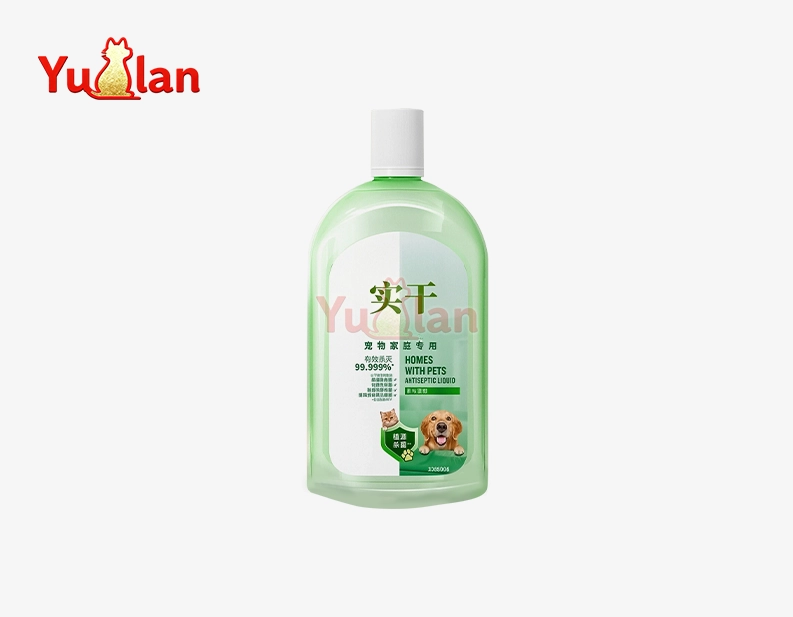
It's very important to choose the right cleaning tools if we want to keep our cat-friendly areas clean. This pet disinfectant is made just for cats. It kills germs, viruses, and pathogens that are harmful to cats while keeping them safe. Traditional cleaners for the home have ingredients that are bad for you. Cleansers that are safe for cats, on the other hand, have mild but effective ingredients that dogs can eat or touch and won't hurt them. People who own cats don't have to worry about their health and safety because these special cleaning products kill germs and let cats explore their surroundings freely.

Understanding the Need for Pet-Safe Disinfectants
Why Standard Disinfectants Pose Risks to Cats
Cats are more likely to come into touch with chemicals than other animals because of the way their bodies are built. Their liver doesn't have enough enzymes to break down many poisons that you find around the house. In other words, poisons such as phenols, ammonia, and chlorine bleach might be bad for them. When cats clean themselves, they might eat chemicals that are still on the surface after they've been cleaned. These things can really hurt your health and make it hard to breathe, itch your skin, or throw up.
The smaller size and different digestive routes of cats make them more sensitive than dogs and people. Fumes from chemicals that don't seem dangerous to people can really hurt a cat's lungs because their airways are more delicate and easily get hurt. And because of this biological difference, you need special cleaners that do their job well and don't put your health at risk.
Health Benefits of Pet-Specific Cleaning Solutions
Using disinfectants that are safe for cats is good for their health in more ways than one. These things make it much less likely for cats with allergies to have bad reactions. They also keep germs and bugs from spreading in dirty areas. Good pet disinfectants have antimicrobial properties that make fleas, mites, and other bugs uncomfortable without adding harmful chemicals to your cat's surroundings.
Regular use of the right disinfectants also gets rid of germs that cause smells, making the area better for pets and their owners. Remember that it's also good for your mental health. Cats feel safer in places that are clean and smell good, which makes them less stressed and better for their health in general.
Regulatory Standards and Compliance Considerations
When they buy disinfectant products for their businesses, B2B buying managers have to deal with a lot of difficult laws. The Environmental Protection Agency (EPA) keeps an eye on what cleaning companies say and makes them follow strict testing methods to show that their products can kill certain diseases. Things that are meant to be used on animals need to follow extra safety rules and have a full list of all their ingredients.
Product claims about how well it works are backed up by certifications from groups like the Association of Official Analytical Chemists (AOAC). These also make sure that the quality stays the same. Businesses that work with pets have to be honest about where their goods come from and how they're made for business reasons. Also, they need to make sure that their goods are easy to use.

Core Components and Safety Principles of Pet-Safe Disinfectants
Essential Ingredients and Formulation Approaches
Disinfectants made today that are safe for cats use many different active ingredients that kill germs without harming living things. One great choice is hypochlorous acid (HOCl). Mammals' immunity systems make it on their own to fight off sickness. After being used, this strong cleaner turns into salt water, which is safe to drink.
Formulations made from plants use essential oils and organic goods that kill germs organically. That being said, cats can still be around pathogens that have been killed by thyme oil, citric acid, and hydrogen peroxide. These natural choices are often liked by people who care about the environment and want long-lasting ways to clean.
One type of cleaner is enzyme-based, which breaks down organic matter that germs and smells live in. These biological catalysts work on certain substrates, like the fats and proteins in pet waste. They get rid of the pollution where it starts, rather than just hiding the evidence.
Substances to Avoid in Cat Environments
A lot of common chemicals used to clean are very bad for cats' health and should never be used. Standard disinfectants contain phenolic compounds, which cats can't break down well. These compounds can hurt their livers in a big way. The lungs and skin of animals that are sensitive to quaternary ammonium compounds can still get hurt by them, even though they are not as dangerous.
The terpenes in tea tree oil and pine oil come from plants, but cats shouldn't be around them. It's possible for even small amounts to harm the gut and nerve systems. Most of the time, alcohol-based products are safer than other chemicals. However, they can hurt the skin if they are used in a dry area.
Mechanisms of Action and Efficacy
People who know how germs are killed by pet disinfectant products can get the most out of them and keep their dogs safe. It's very important to see how long the sanitizer stays on the surface. Most of them need a few minutes to kill everything they say they can. This rule is very important in places with lots of people where cats like to walk or rest.
There is a big link between the pH level and both the efficiency and safety scores. A formulation with a pH of 6.5 to 7.0 generally kills bacteria the best while being gentle on sensitive tissues. These things may kill some germs faster, but using them for a long time can make your skin red and itchy.
Natural and Homemade Alternatives
Many people who own pets want to clean them in natural ways that don't use chemicals. Among these are white vinegar and baking soda. Of these choices, the safer ones are not as good at killing germs as the store-bought ones. A 10% mix of watered-down white vinegar can kill some germs and viruses, but not all of them.
When you steam clean, which is another chemical-free way to clean, high temperatures kill germs. You need special tools to do this method, and it might not work for all surfaces or business uses. It works well on fabrics and furniture, though.

Best Practices for Using Pet Disinfectants Safely and Effectively
Application Techniques and Safety Protocols
You can get the most out of disinfectants and keep cats safe while you clean if you follow the right steps. Always keep cats away from treatment areas, and make sure there is enough air flow to keep smoke from building up. As directed by the maker, give yourself enough rest time. Pathogens are killed less quickly and product is lost when the process is sped up.
When you pre-clean, you get rid of organic matter that can stop disinfectants from doing their job. The surface should be swept or vacuumed before cleaning products are used. This is because dust and hair can harbor germs and make it harder for the chemicals to reach the surface. This first step makes the whole cleaning process much better.
It's best to use cotton cloths or mops with liquid disinfectants because they soak up the cleaners well without making surfaces too wet. When surfaces are too wet, they can become slippery and take longer to dry. This means that cats may be exposed to chemicals that are wet for longer than necessary.
Recommended Cleaning Frequencies for Different Environments
People walk a lot in places where cats spend a lot of time, so those places need to be cleaned every day with pet disinfectant products. To keep germs from spreading, the food and water stations must be very well cleaned after each feeding. You should clean around the litter box every day and really clean it once a week with the right tools.
There are tighter rules for places that are for profit, like boarding schools and medical workplaces. Animal exam rooms need to be cleaned after each visit, and the common areas need to be cleaned several times a day when there are a lot of people there. Because of these tight rules, the things must work well and dry quickly without leaving any residue.
Problems are especially bad in grooming shops because they are often damp places where germs can grow. Clean the tools between clients. To do this, you need disinfectants that work quickly and won't get in the way of other meetings. In sewage areas, extra care needs to be taken because dangerous bugs love to grow in still water.
Case Studies from Professional Settings
A veterinary chain with multiple locations saw a 40% decrease in facility-acquired diseases as a result of standardizing pet disinfectant procedures using hypochlorous acid solutions. The change meant that staff had to be trained and new goods had to be bought at first, but it made customers happy and cut down on the cost of addressing secondary infections.
When a pricey pet boarding facility moved to cleaning with enzymes, the air quality and smell control got a lot better. There were a lot more happy guests, which meant that rental rates went up and costs could be raised. The center also said that staff turnover had gone down since things got better at work.
Conclusion
When picking the right pet disinfectant products for cat areas, you should think about how safe they are, how well they work, and how useful they are. When it comes to cleaning goods, animals like cats need ones that kill germs without adding chemicals that are bad for them. These days, disinfectants that are safe for pets kill germs effectively while still being very safe. They do this by using hypochlorous acid, enzymes, and plant-based ingredients. When B2B procurement workers decide what to buy, they should think about new technology trends, law requirements, and the skills of sellers. The best health benefits for cats can be achieved at home or at work by following the right rules for how to apply and how often.

Partner with Yunlan for Premium Pet Disinfectant Solutions
Yunlan stands as a leading pet disinfectant manufacturer committed to delivering innovative, safe cleaning solutions for businesses serving feline populations. Our comprehensive product portfolio combines cutting-edge research with proven safety profiles, ensuring optimal protection for cats across diverse commercial environments. With over 20 years of specialized supply chain expertise and 97 authorized patents including 19 invention patents, we provide customized formulations meeting the stringent requirements of veterinary clinics, pet retailers, and grooming facilities.
Our advanced manufacturing capabilities include state-of-the-art sterilization technologies and rigorous quality control protocols that guarantee consistent product performance. Contact us at minghuixu6717@gmail.com to discuss bulk purchasing opportunities, custom formulation development, and comprehensive support for your pet disinfectant supplier needs.
FAQ
Q1:Are pet-safe disinfectants effective against common feline pathogens?
A1:Yes, quality pet-safe disinfectants demonstrate proven efficacy against bacteria, viruses, and fungi commonly affecting cats. Hypochlorous acid formulations achieve 99.9% kill rates against pathogens including E. coli, Salmonella, and feline calicivirus while remaining completely safe for animal contact. Independent laboratory testing validates these performance claims through standardized protocols.
Q2:Can these products be used around cats with allergies or sensitivities?
A2:Pet-safe disinfectants specifically designed for sensitive animals minimize allergic reactions through careful ingredient selection and pH optimization. Products avoiding fragrances, dyes, and harsh chemicals significantly reduce trigger exposure for cats with known sensitivities. Veterinary consultation helps identify specific allergens and guide appropriate product selection.
Q3:How do pet disinfectants compare cost-wise to conventional cleaners?
A3:While pet-safe disinfectants typically cost 15-25% more than conventional products, they provide superior value through reduced veterinary bills and improved animal health outcomes. Volume purchasing agreements often minimize price differences, and the elimination of liability risks associated with chemical exposure justifies premium pricing for commercial applications.
Q4:What certifications should buyers look for when selecting products?
A4:EPA registration numbers validate antimicrobial claims and ensure regulatory compliance. Additional certifications from AOAC, Green Seal, or similar organizations demonstrate environmental responsibility and safety standards. Manufacturers providing comprehensive safety data sheets and ingredient transparency offer greater confidence for procurement decisions.
References
- Journal of Feline Medicine and Surgery: "Chemical Sensitivities and Metabolic Differences in Domestic Cats: Implications for Household Product Safety"
- American Veterinary Medical Association Guidelines: "Facility Sanitization Protocols for Small Animal Practice Environments"
- Environmental Protection Agency Technical Bulletin: "Antimicrobial Product Registration and Safety Standards for Animal Care Facilities"
- Applied and Environmental Microbiology Research: "Efficacy of Hypochlorous Acid Solutions Against Common Veterinary Pathogens"
- International Journal of Veterinary Science: "Comparative Analysis of Disinfectant Safety and Performance in Feline Healthcare Settings"
- Pet Industry Market Analysis Report 2024: "Trends in Commercial Pet Care Facility Sanitization and Product Selection Criteria"