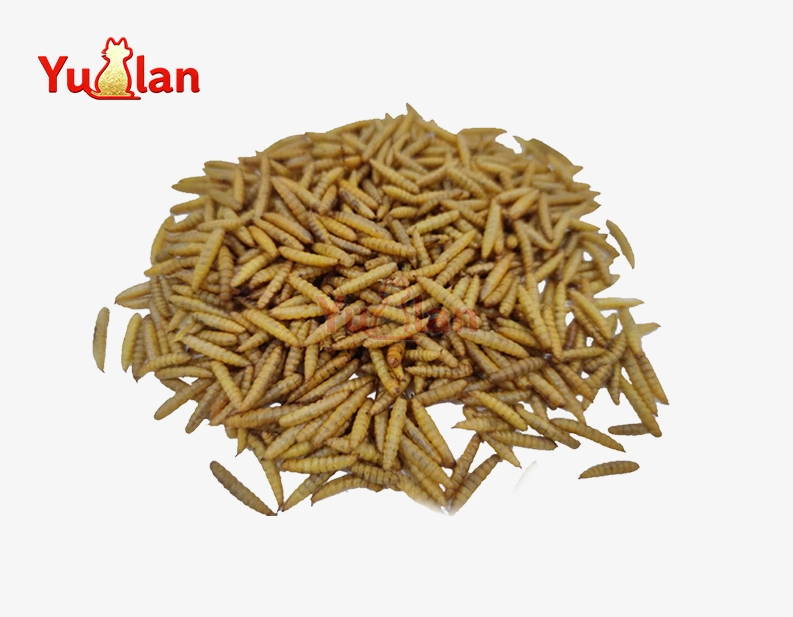
Processing and drying methods for black soldier fly larvae have changed the way we feed hens in a sustainable way. Dried black soldier fly larvae for chickens are now a high-quality source of protein. Controlled drying at the right temperatures, usually about 110 degrees Celsius, is one of these new processing processes. It turns live larvae into nutrient-rich feed ingredients by killing dangerous bacteria while keeping important nutrients. The end result is a food that is high in protein, fat, amino acids, and trace minerals that helps birds develop healthily without any added chemicals or spices.

Introduction to Black Soldier Fly Larvae Processing and Drying
Overview of Black Soldier Fly Larvae in Poultry Nutrition
Black soldier fly larvae are a new and exciting way to feed chickens in a way that is good for the environment. They are a better source of protein than other foods. These larvae naturally turn organic waste into high-quality protein, which makes them a great choice for feed makers that care about the environment. BSFL has a protein level of up to 40%, which makes it a great source of nourishment for chickens and helps them grow and develop properly.
Due to worries about the environment and a lack of resources, the worldwide B2B poultry feed business has seen an unprecedented rise in demand for sustainable protein alternatives. More and more, feed producers, pet stores, veterinary clinics, and distributors see the benefits of adding dried larvae to their product lines. This change is part of a larger trend in the industry toward circular economy concepts, where trash is seen as a useful resource.
Role of Processing and Drying in Quality and Shelf Life
Processing and drying are very important steps in quality control that decide how safe and nutritious the final product is. When done correctly, drying keeps important amino acids, fatty acids, and minerals while getting rid of moisture that might host hazardous germs. The industrial microwave drying process, which takes place at very specific temperatures, makes sure that the food stays as nutritious as possible while still meeting the microbiological safety criteria needed for commercial chicken feed.
To keep their good name and follow the rules, feed producers and OEMs need to follow consistent quality standards. The drying procedure has a direct effect on how long the larvae stay fresh on the shelf. If they are kept correctly, they may keep their nutritional content for 6 to 12 months. This longer shelf life gives wholesalers and distributors that manage complicated supply chains in many different geographic areas a lot of logistical benefits.

Common Processing Techniques for Black Soldier Fly Larvae
Pre-processing: Cleaning, Sorting, and Killing Methods
Good pre-processing is the first step in making high-quality dried larvae products. The first step in cleaning gets rid of substrate materials and debris, making sure that the product is pure and fulfills strict feed safety criteria. Sorting techniques get rid of larvae that are broken or too small, which keeps the final product consistent, which is what feed formulators need for reliable nutritional profiles.
Humane death procedures, such blanching or freezing, get larvae ready for the next step, which is drying, while keeping the tissue intact. These first stages have a direct effect on the quality and safety of the finished feed. This is especially crucial when making dried black soldier fly larvae for chickens and other sensitive animal uses.
Drying Technologies Overview
Modern drying technologies offer diverse approaches to moisture removal, each with distinct advantages for specific applications. The following methods represent the most viable options for commercial BSFL processing:
- Hot air drying utilizes controlled airflow and temperature regulation to gradually remove moisture while preserving nutritional components. This method offers excellent scalability for large-volume production and maintains cost-effectiveness for bulk suppliers.
- Freeze drying employs sublimation to remove moisture under vacuum conditions, resulting in superior nutrient retention and texture preservation. While energy-intensive, this method produces premium-quality products suitable for specialized applications.
- Microwave drying applies electromagnetic energy for rapid moisture removal, combining efficiency with excellent microbial control. The precise temperature control achieves optimal bacterial elimination while maintaining protein bioavailability.
- Solar drying represents an emerging eco-friendly alternative that reduces energy consumption while producing quality dried larvae suitable for sustainable supply chains.
These diverse drying approaches enable suppliers to select optimal methods based on production volume, quality requirements, and sustainability objectives. The choice significantly impacts operational costs and final product characteristics that influence market positioning.

Comparison of Drying Methods: Advantages and Limitations
There are pros and downsides to each drying technique when it comes to keeping nutrients, using energy, and scaling up. Hot air drying is the most common method used in business since it is cheap and can produce a lot of products. This makes it perfect for bulk suppliers that work with pet stores and feed producers. Microwave drying is better at controlling microbes and takes less time to process, which is very useful for making high-quality larvae for veterinary clinics and niche pet uses.
Freeze drying keeps nutrients very well, but it uses a lot of energy, thus it can only be used in high-value markets. Solar drying has many advantages for the environment and is very sustainable, but it can't be used for large-scale operations since it can't handle a lot of work at once. By understanding these trade-offs, procurement managers may choose vendors whose processing techniques meet specified quality and cost goals.
Nutritional Implications of Different Drying Technologies on BSFL for Poultry Feed
Protein Retention and Digestibility Post-Drying
Choosing the right drying process has a big effect on protein bioavailability, which is an important feature that affects how well chicken feed works. When dried correctly, larvae have protein digestibility rates that are similar to those of high-quality fish meal, but they are more environmentally friendly. Microwave drying is a regulated heating procedure that keeps amino acid profiles that are important for chicken development and egg production at their best.
Dried black soldier fly larvae for chickens have much better protein efficiency ratios than other common protein sources like soybean meal and fish meal. Studies reveal that BSFL protein keeps its high biological value even when dried in different ways. Microwave and freeze-dried products, in particular, have very high retention rates. This protein quality advantage leads to better feed conversion ratios and better performance measures for poultry.
Effects on Fatty Acids, Minerals, and Vitamins
The retention of micronutrients during drying has a direct effect on the nutritional content of chicken feed. Under regulated drying conditions, essential fatty acids, especially lauric acid, which is naturally found in BSFL, stay stable. These fatty acids help the immune system and the health of birds in general, giving them benefits that go beyond just adding protein.
The way you dry things and how you regulate the temperature may change how well minerals like calcium, phosphorus, and trace elements are kept. When done correctly, drying keeps these important minerals while also concentrating them by removing moisture. This makes a feed ingredient that is rich in nutrients. Gentle drying methods that reduce heat degradation help keep vitamins stable, especially fat-soluble vitamins.
Safety Considerations and Microbial Control
Microbial safety is a must for all commercial poultry feed ingredients. The drying temperature of 110 degrees Celsius kills dangerous germs like Salmonella and E. coli while keeping nutrients that are good for you. This heat treatment goes above and above the safety criteria set by the industry, which gives feed makers that work with sensitive markets peace of mind.
Proper drying makes things last longer by lowering the amount of water that allows microbes to develop. This consistency makes it easier to keep track of inventories and cuts down on waste all throughout the supply chain. Quality assurance techniques check for microbiological safety at several points, making sure that the product is always safe and fulfills regulatory standards in a wide range of markets.
Decision-Making Factors for Selecting BSFL Processing and Drying Methods
Cost-effectiveness and Operational Efficiency
To find the right balance between energy input, production throughput, and end product cost, you need to carefully look at operational characteristics. Energy-efficient drying processes save production costs while keeping product quality high. This makes it possible to provide competitive prices for bulk purchases. The connection between processing costs and the value of the finished product influences whether a market is viable and how much money providers can make by servicing different types of customers.
Operational efficiency is more than just the price of making things; it also includes the costs of hiring workers, maintaining equipment, and keeping quality control. Automated drying systems cut down on the need for people to do things by hand and make things more consistent. This is especially significant for suppliers that sell to pet stores and e-commerce sites that need standard items. These improvements in efficiency lead to better prices and more reliable delivery, which gives you an edge over your competitors.
Quality Assurance and Certification Requirements
To meet international feed safety requirements, there must be thorough quality assurance processes that check the safety and nutritional consistency of products. Certification systems, including those for organic and conventional products, affect how much it costs to get into a market and how much it costs to get into a market. Suppliers must show that they follow HACCP rules and keep track of everything that happens during processing.
diverse market groups have quite diverse documentation needs. For example, veterinary clinics and high-end pet stores need a lot of quality certificates. Validation of the processing procedure gives credibility to marketing claims regarding the safety and nutritional content of the product. These expenditures in quality assurance help businesses create trust with customers and keep customers for a long time.
Environmental and Sustainability Considerations
As corporations work toward sustainability goals, environmental impact assessments are playing a bigger role in choosing suppliers. Processing technologies that use less energy and carbon help business environmental objectives and save expenses at the same time. When paired with eco-friendly processing technology, BSFL manufacturing becomes even more sustainable.
Customers that care about the environment, especially in high-end markets, are interested in reducing their carbon footprint by optimizing procedures. Solar drying and energy-efficient technology show a dedication to the environment and may be eligible for sustainability certifications that come with higher prices in the market. These factors are having a more and bigger effect on the choices that all consumer groups make when they buy things.
Best Practices and Innovations in BSFL Drying for Poultry Feed Suppliers
Integrating Drying Technologies with Automated Processing Lines
Modern dried black soldier fly larvae for chickens processing plants use modern automated technology to make sure that the quality of the products stays the same and that the danger of contamination is as low as possible. Automated systems keep an eye on important control points like temperature, humidity, and processing time to make sure that the drying cycle goes as smoothly as possible. This incorporation of technology makes it less likely that people will make mistakes and makes it easier to track things for quality control.
Enclosed processing systems keep products protected from contamination while yet fulfilling strict food safety standards. Automated packaging and storage methods maintain the quality of the product from processing to distribution, making sure that consumers always get high-quality dried larvae that satisfy their needs. These investments in automation technologies set out the best suppliers and let them charge more for their goods.
Case Studies of Leading Suppliers and Their Processing Solutions
Industry leaders show that large-scale BSFL manufacturing is possible by using new processing methods that meet quality, economic, and environmental goals. Integrated processing lines that maximize productivity while keeping product uniformity across huge production volumes are used by successful businesses. certain case studies show that certain processing methodologies work for a wide range of commercial uses.
Top suppliers spend money on research and development to improve processing parameters and make goods that are tailored to various types of customers. Their performance shows that BSFL processing can be profitable and sets standards for operational excellence. These examples help firms who are thinking about integrating BSFL make judgments about what to buy and how to rate suppliers.
Trends in Future Processing Technologies
New processing methods are all about making better use of resources while keeping nutrients and product quality high. Advanced sensors and control systems make it possible to optimize processes with great accuracy, which increases yield and lowers energy use. These new ideas put providers that are ahead of the curve in sustainable protein production at the top of the list.
In the future, there will be hybrid drying systems that use more than one technology to get the best results, and smart processing systems that change based on the many types of raw materials they use. These new technologies promise to make products cheaper and better while having less of an effect on the environment. In marketplaces that are changing and putting more importance on sustainability and innovation, early adopters of new technologies have an edge over their competitors.
Conclusion
Processing and drying methods for black soldier fly larvae provide a revolutionary possibility in sustainable poultry feeding. Choosing the right processing procedures carefully has a direct effect on the quality, nutritional content, and economic feasibility of the product. Dried black soldier fly larvae for hens include 40% protein and no artificial chemicals. These goods satisfy the changing needs of ecologically concerned enterprises and customers. At 110 degrees Celsius, the industrial microwave drying process makes sure that the goods are secure from microbes and keeps as much of their nutritional content as possible. This makes them good for a wide range of uses in the pet retail, veterinary, and wholesale industries. In a market that is becoming more competitive, knowing these basic processing principles helps you make smart purchasing choices that balance quality, affordability, and sustainability goals.
Partner with Yunlan for Premium Dried Black Soldier Fly Larvae
Yunlan combines over 20 years of pet supply chain expertise with cutting-edge processing technologies to deliver premium dried black soldier fly larvae for chickens and other applications. Our industrial microwave drying process at 110 degrees Celsius ensures maximum nutritional retention while eliminating harmful bacteria, producing feed ingredients with 40% protein content and no artificial additives. With 97 granted patents and nearly RMB 100 million in R&D investment, we provide world-class customization capabilities for dried black soldier fly larvae for chickens supplier requirements across diverse market segments. Contact us at minghuixu6717@gmail.com to explore bulk supply options and discover how our sustainable protein solutions can enhance your product portfolio while supporting your environmental objectives.
FAQ
Q1: What makes microwave drying superior for black soldier fly larvae processing?
A: Microwave drying at 110 degrees Celsius provides precise temperature control that eliminates harmful bacteria while preserving maximum nutritional value. This method offers superior microbial safety compared to traditional drying methods while maintaining protein bioavailability and essential amino acid profiles critical for poultry nutrition.
Q2: How does the 40% protein content in dried larvae compare to conventional feed ingredients?
A: Dried black soldier fly larvae with 40% protein content equals or exceeds the protein levels found in fish meal and significantly surpasses plant-based alternatives like soybean meal. The complete amino acid profile and high digestibility make it superior to many traditional protein sources while offering environmental sustainability advantages.
Q3: What shelf life can be expected from properly processed dried black soldier fly larvae?
A: Properly processed dried larvae maintain nutritional value and safety for 6-12 months when stored in dry, airtight conditions. The industrial drying process removes moisture to levels that prevent microbial growth while preserving essential nutrients, ensuring product stability throughout distribution and storage.
References
1. Barragan-Fonseca, K.B., Dicke, M., & van Loon, J.J. (2017). Nutritional value of the black soldier fly (Hermetia illucens L.) and its suitability as animal feed. Journal of Insects as Food and Feed, 3(2), 105-120.
2. Spranghers, T., Ottoboni, M., Klootwijk, C., Ovyn, A., Deboosere, S., De Meulenaer, B., & De Smet, S. (2017). Nutritional composition of black soldier fly larvae and impact on immune gene expression in broiler chickens. Journal of Agricultural and Food Chemistry, 65(11), 2529-2536.
3. Wang, Y.S., & Shelomi, M. (2017). Review of black soldier fly processing technologies for protein extraction and nutritional enhancement. Comprehensive Reviews in Food Science and Food Safety, 16(4), 665-679.
4. Diener, S., Studt Solano, N.M., Roa Gutiérrez, F., Zurbrügg, C., & Tockner, K. (2011). Biological treatment of municipal organic waste using black soldier fly larvae. Waste and Biomass Valorization, 2(4), 357-363.
5. Makkar, H.P.S., Tran, G., Heuzé, V., & Ankers, P. (2014). State-of-the-art on use of insects as animal feed. Animal Feed Science and Technology, 197, 1-33.
6. Cullere, M., Tasoniero, G., Giaccone, V., Miotti-Scapin, R., Claeys, E., De Smet, S., & Dalle Zotte, A. (2016). Black soldier fly as dietary protein source for broiler quails: Apparent digestibility, excreta microbial load, feed choice, performance, carcass and meat traits. Animal, 10(12), 1923-1930.