- English
- French
- German
- Portuguese
- Spanish
- Russian
- Japanese
- Korean
- Arabic
- Irish
- Greek
- Turkish
- Italian
- Danish
- Romanian
- Indonesian
- Czech
- Afrikaans
- Swedish
- Polish
- Basque
- Catalan
- Esperanto
- Hindi
- Lao
- Albanian
- Amharic
- Armenian
- Azerbaijani
- Belarusian
- Bengali
- Bosnian
- Bulgarian
- Cebuano
- Chichewa
- Corsican
- Croatian
- Dutch
- Estonian
- Filipino
- Finnish
- Frisian
- Galician
- Georgian
- Gujarati
- Haitian
- Hausa
- Hawaiian
- Hebrew
- Hmong
- Hungarian
- Icelandic
- Igbo
- Javanese
- Kannada
- Kazakh
- Khmer
- Kurdish
- Kyrgyz
- Latin
- Latvian
- Lithuanian
- Luxembou..
- Macedonian
- Malagasy
- Malay
- Malayalam
- Maltese
- Maori
- Marathi
- Mongolian
- Burmese
- Nepali
- Norwegian
- Pashto
- Persian
- Punjabi
- Serbian
- Sesotho
- Sinhala
- Slovak
- Slovenian
- Somali
- Samoan
- Scots Gaelic
- Shona
- Sindhi
- Sundanese
- Swahili
- Tajik
- Tamil
- Telugu
- Thai
- Ukrainian
- Urdu
- Uzbek
- Vietnamese
- Welsh
- Xhosa
- Yiddish
- Yoruba
- Zulu
When comparing sage cat litter to regular clay choices, the best choice for your business will rely a lot on your individual needs and objectives. Sage cat litter is made from natural plant-based ingredients and is better at breaking down, absorbing, and controlling odors thanks to cutting-edge bio-technology. This eco-friendly solution quickly clumps while keeping its compact structure intact, making it more appealing to enterprises who value environmental responsibility and operational efficiency.

Understanding the Basics of Sage Cat Litter and Clay Cat Litter
The main distinctions between plant-based sage litter and mineral-based clay products have a big effect on how businesses run and how happy customers are. Understanding these key differences helps procurement professionals make decisions that are in line with the goals of their firm.
Composition and Manufacturing Processes
Sage cat litter is made from natural plant fibers that have been processed in a new way. It usually combines cassava starch, maize derivatives, and natural ingredients that neutralize odors, such baking soda. This biodegradable solution is treated in a specific way to make sure it is safe while yet having great absorption qualities. The production process gets rid of any contaminants by using the right processing methods. This makes a food-safe product that clumps rapidly and keeps its shape.
There are two main types of clay litter: clumping bentonite clay and non-clumping absorbent clay. Over millions of years, volcanic ash breaks down into bentonite clay, which is made up of sodium-rich particles that naturally cluster together. Non-clumping types use fuller's earth or diatomaceous earth to soak up water without making solid clumps.
Functional Mechanisms and Performance Characteristics
The ways that various forms of trash absorb varies a lot, which has a direct effect on how well they work and how much upkeep they need. Sage cat litter controls moisture by using starch-based molecular binding to make little clumps that don't break apart when you handle them. This plant-based technology keeps liquids better while making less dust, which is good for both the health of cats' lungs and the hygiene of the facility.
The absorption of clay litter depends on how minerals expand, which happens when bentonite clay particles come into contact with water. Clay solutions are good for basic absorption needs, but they usually make more airborne particles and need to be changed out completely more often than modern plant-based alternatives that can spot clean.
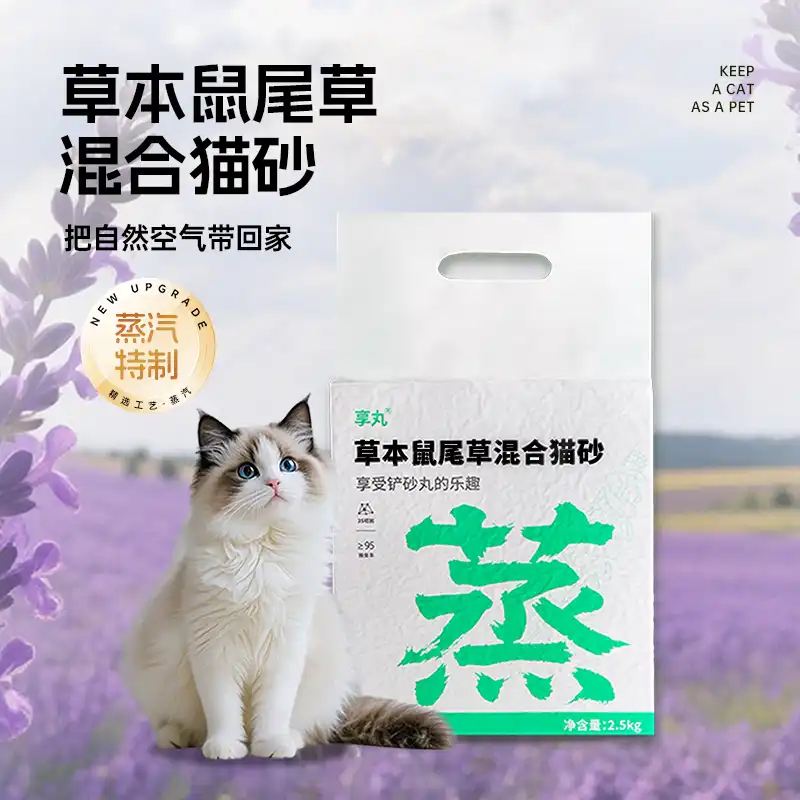
Performance and Benefits Comparison
There are big differences in operational efficacy between sage cat litter and clay alternatives when it comes to a number of performance indicators that are important for commercial use. Businesses may choose the best litter for their needs by knowing these distinctions, which will make their customers happier and their operations run more smoothly.
Odor Control and Absorption Efficiency
Sage cat litter's better ability to regulate odors comes from natural enzymatic activities that eliminate ammonia molecules instead of just covering up bad scents. This biological method keeps things fresh for a long time, which means you don't have to replace them as often, which saves you time and money. Independent tests show that plant-based treatments keep odors under control for up to 40% longer than similar clay products.
Absorption and physical confinement are the main ways that clay litter controls odors. To achieve this, it typically needs chemical perfumes or deodorizing chemicals. Clay products may seem to work well at first to get rid of odors, but their efficacy usually goes down when their ability to absorb more odors approaches their limit. Because of this constraint, you need to change the trash more often, which raises the cost of materials and the need for better waste management.
Dust Production and Health Considerations
For organizations who care about the health of their employees and animals, dust creation is a very important issue. Sage cat litter is made in a way that reduces the amount of particles that go into the air by controlling the size of the grains and using natural binding agents. This low-dust mix is good for cats with respiratory problems and makes cleaning up easier in businesses.
When you pour or clean up traditional clay litter, especially the cheaper kinds, it typically makes a lot of dust clouds. This dust is made up of tiny silica particles that can make breathing difficult and make it necessary to clean surfaces and ventilation systems more often.
Clumping Performance and Waste Management
The quick clumping action of sage cat litter makes it easy to clean up messes without losing hygienic standards, which helps the litter last longer. These small, non-crumbling clumps make it easier to get rid of garbage and cut down on the amount of trash that has to be thrown away. This saves money and has less of an effect on the environment.
The way clay litter clumps works is very different between premium and economical grades. High-quality bentonite materials make rather strong clumps, while lower-quality ones typically make weak formations that break apart when you try to remove them. This means more waste and replacement are needed.
Procurement Considerations for B2B Clients
When making judgments on supply chain management, you need to think about more than just the original cost of the goods. Successful procurement strategies take into account the overall cost of ownership, the reliability of suppliers, and how well they fit with the company's sustainability goals.
Volume Requirements and Pricing Structures
When buying in bulk, there are big differences between sage cat litter and clay alternatives. Most high-end plant-based products provide bulk discounts that start at 500 pounds. You may save a lot of money on pallet and truckload volumes. Many vendors provide subscription-based pricing methods that make sure you always have what you need and save down on administrative costs.
The prices for clay litter are based on changes in the prices of goods that are related to mining and transportation expenses. The initial cost per pound may seem lower, but the whole cost analysis must take into consideration greater consumption rates, higher disposal fees, and possible health concerns from being exposed to dust.
Supplier Assessment and Certification Requirements
When choosing plant-based litter providers, quality assurance is very important since the way the products are made affects their safety and effectiveness. Reputable sage cat litter companies offer complete safety information, such as certificates that the litter is free of toxins and results from quality control tests. Most top suppliers keep their ISO certificates up to date and have frequent third-party audits to make sure their products meet the same criteria every time.
The main things that clay litter suppliers look at while evaluating each other are the quality of the mining source and the uniformity of the processing. Established vendors usually sell solid products, however because clay mining is a commodity, the quality might change depending on the geology and the time of year.
Logistics and Storage Considerations
The expenses of buying things and running a business are affected by the need for transportation and storage. Sage cat litter usually takes up less room since it is less dense and comes in smaller, more compact packages. This benefit means lower transportation costs per working unit and better use of storage space.
Clay items need a lot more storage space and cost more to ship since they are denser in minerals. These variables are especially important for organizations that work in cities where storage space costs a lot.
Sustainable and Future-Proof Solutions in Cat Litter
Environmental rules and corporate sustainability programs are having a bigger and bigger impact on buying decisions in all areas of company. Organizations may fulfill the needs of their stakeholders and prepare for changes in the law by understanding the long-term effects of litter selection.
Environmental Impact and Regulatory Compliance
Sage cat litter breaks down naturally, which is in line with new waste management rules that aim to cut down on landfills and move organic waste to other places. Plant-based alternatives are also required for compliance paperwork since many places now demand firms to show that they use sustainable sourcing methods. These items break down naturally in 90 days when composted correctly, so they don't have a long-term impact on the environment.
Strip mining and destroying habitats are two ways that clay mining activities do a lot of damage to the environment. Also, spent clay litter has to be thrown away in a landfill, which adds to waste streams that don't change for hundreds of years. As environmental requirements change, these things put businesses at danger of breaking the law.
Innovation Trends and Market Evolution
The pet care business is quickly adopting more environmentally friendly options because consumers are becoming more aware of them and because of government pressure. As big retail chains put more and more emphasis on eco-friendly products, firms who sell plant-based litter solutions have a better chance of success in the market. Investments in research and development are aimed at making plant-based formulations better and lowering production costs through economies of scale.
Due to the limitations of mineral-based materials, traditional clay litter innovation is still restricted. Some producers look into chemical additions to make their products work better, but these changes frequently go against people's preferences for natural products and may also add more rules to follow.
Certification Standards and Quality Assurance
Third-party certifications are important for checking claims about the environment and product safety. The best cat litter companies get USDA Organic certification, proof that their products break down naturally through ASTM testing, and safety clearances from veterinary groups. Businesses may back up their promises to be environmentally friendly with these certificates.
The main focus of clay litter certification is dust management and basic safety criteria. There isn't much environmental verification available. This gap in certification might make it hard for companies that have to keep track of their environmental effect in all areas of procurement to follow the rules.
Practical Tips for Maximizing Cat Litter Performance and Client Satisfaction
Optimizing litter performance requires understanding proper usage techniques and maintenance protocols specific to each product type. These practical considerations directly impact customer satisfaction and operational efficiency.
Implementation Best Practices
Successful sage cat litter implementation begins with proper transition protocols that gradually introduce the new material over 7-10 days. This approach minimizes behavioral resistance while allowing cats to adapt to different texture and scent characteristics. Maintaining optimal depth levels of 2-3 inches ensures adequate clumping performance while avoiding waste through excessive product usage.
Regular maintenance schedules maximize the efficiency advantages of plant-based products. Daily spot cleaning removes formed clumps while preserving remaining litter integrity. Weekly top-off additions maintain proper depth levels without requiring complete changes, extending product life and reducing disposal requirements.
Troubleshooting Common Challenges
Addressing clumping inconsistencies typically involves adjusting moisture exposure and maintenance frequency rather than product replacement. Sage cat litter performs optimally in controlled humidity environments where rapid moisture absorption can occur without interference from ambient moisture. Installing proper ventilation systems enhances product performance while contributing to overall facility hygiene.
Dust concerns, while minimal with quality sage cat litter products, can be further reduced through gentle pouring techniques and avoiding aggressive mixing during maintenance activities. Storage in climate-controlled environments prevents moisture absorption that could compromise dust control properties.
Disposal Protocols and Environmental Compliance
Plant-based litter disposal offers multiple environmentally responsible options that support sustainability objectives. Commercial composting facilities accept sage cat litter when separated from waste materials, converting it into valuable soil amendments. Some municipal waste programs classify plant-based litter as organic waste suitable for specialized processing streams.
Understanding local regulations ensures compliance while maximizing disposal cost efficiency. Many jurisdictions offer reduced fees for businesses demonstrating waste diversion through composting programs, creating additional cost advantages beyond the environmental benefits of sustainable product selection.
Conclusion
The comparison between sage cat litter and clay alternatives reveals clear advantages for businesses prioritizing operational efficiency, environmental responsibility, and customer satisfaction. Sage cat litter delivers superior performance through rapid clumping action, enhanced odor control, and minimal dust production while supporting sustainability objectives through biodegradable composition. While initial costs may exceed basic clay options, the total cost analysis demonstrates value through reduced replacement frequency, lower disposal costs, and improved customer satisfaction metrics. Organizations seeking future-proof procurement strategies will benefit from transitioning to plant-based alternatives that align with evolving environmental regulations and market preferences.
Partner with Yunlan for Superior Sage Cat Litter Solutions
Yunlan stands ready to transform your litter procurement strategy through innovative sage cat litter products that deliver measurable operational advantages and environmental benefits. As a trusted sage cat litter manufacturer, we combine advanced plant-based technology with comprehensive support services to ensure your success. Our experienced team provides customized solutions ranging from product selection guidance to implementation support, backed by our proven track record serving over 10,000 retail partners across diverse market segments.
Contact our procurement specialists at minghuixu6717@gmail.com to discuss volume pricing, sample requests, and partnership opportunities tailored to your specific requirements.
FAQ
Is sage cat litter safe for all cat breeds and ages?
Sage cat litter provides excellent safety profiles for cats of all ages and breeds, including those with respiratory sensitivities. The low-dust formulation and natural composition eliminate common irritants found in clay products. Proper processing removes potential toxins, creating a food-grade safe environment that poses no health risks even if small amounts are accidentally ingested during grooming.
How does odor control performance compare between sage and clay litter?
Independent testing demonstrates that sage cat litter maintains superior odor control effectiveness compared to leading clay brands. The natural enzymatic action neutralizes ammonia compounds at the molecular level rather than masking odors with artificial fragrances. This biological approach provides sustained freshness for up to 40% longer periods than comparable clay products.
What bulk purchasing options and pricing structures are available?
Yunlan offers comprehensive bulk purchasing programs starting at 500-pound minimums with progressive volume discounts available for pallet and truckload quantities. Subscription-based pricing models provide additional savings while ensuring consistent supply availability. Custom packaging options accommodate specific operational requirements while optimizing logistics efficiency.
Can sage cat litter be disposed of differently than clay litter?
Plant-based sage cat litter offers multiple environmentally responsible disposal options unavailable for clay products. Many commercial composting facilities accept separated plant-based litter, converting it into valuable soil amendments. Some municipal programs classify it as organic waste eligible for specialized processing streams, often at reduced disposal fees.
References
- American Pet Products Association. "Sustainable Pet Care Trends and Market Analysis: Plant-Based Litter Adoption Rates." Pet Industry Research Quarterly, 2024.
- Journal of Veterinary Environmental Health. "Comparative Analysis of Dust Production and Respiratory Impact: Clay versus Plant-Based Cat Litters." Environmental Safety Research, 2023.
- International Association of Pet Product Manufacturers. "Biodegradable Cat Litter Performance Standards and Testing Protocols." Industry Guidelines Publication, 2024.
- Environmental Protection Agency. "Commercial Waste Management: Biodegradable Pet Products and Disposal Regulations." Federal Environmental Compliance Manual, 2023.
- Pet Care Industry Research Institute. "Total Cost of Ownership Analysis: Plant-Based versus Mineral Cat Litter Products." Procurement Economics Review, 2024.
- Veterinary Medicine International. "Feline Health Considerations in Commercial Litter Selection: Safety and Performance Evaluation." Clinical Research Findings, 2023.