- English
- French
- German
- Portuguese
- Spanish
- Russian
- Japanese
- Korean
- Arabic
- Irish
- Greek
- Turkish
- Italian
- Danish
- Romanian
- Indonesian
- Czech
- Afrikaans
- Swedish
- Polish
- Basque
- Catalan
- Esperanto
- Hindi
- Lao
- Albanian
- Amharic
- Armenian
- Azerbaijani
- Belarusian
- Bengali
- Bosnian
- Bulgarian
- Cebuano
- Chichewa
- Corsican
- Croatian
- Dutch
- Estonian
- Filipino
- Finnish
- Frisian
- Galician
- Georgian
- Gujarati
- Haitian
- Hausa
- Hawaiian
- Hebrew
- Hmong
- Hungarian
- Icelandic
- Igbo
- Javanese
- Kannada
- Kazakh
- Khmer
- Kurdish
- Kyrgyz
- Latin
- Latvian
- Lithuanian
- Luxembou..
- Macedonian
- Malagasy
- Malay
- Malayalam
- Maltese
- Maori
- Marathi
- Mongolian
- Burmese
- Nepali
- Norwegian
- Pashto
- Persian
- Punjabi
- Serbian
- Sesotho
- Sinhala
- Slovak
- Slovenian
- Somali
- Samoan
- Scots Gaelic
- Shona
- Sindhi
- Sundanese
- Swahili
- Tajik
- Tamil
- Telugu
- Thai
- Ukrainian
- Urdu
- Uzbek
- Vietnamese
- Welsh
- Xhosa
- Yiddish
- Yoruba
- Zulu
Taurine is particularly important for cats' health, thus shredded chicken for cats is an excellent source of protein for them because it has this amino acid in it. Cats, on the other hand, can't manufacture enough taurine on their own, so they need to obtain it from their food to keep healthy. Taurine is easy for cats to absorb from shredded chicken, and it is good for their hearts, eyes, and reproductive health. When you steam shredded chicken at the correct high temperatures, it preserves the most taurine. This makes it safe and easy for cats to eat.

Understanding Taurine and Its Role in Cat Nutrition
Taurine is one of the most important nutrients for cats of all ages to keep healthy. Because they don't have enough enzymes, cats can't make enough of this sulfur-containing amino acid on their own. This sets it apart from other nutrients. Cats are obligate carnivores, which means they can only get taurine from meat. This means they need to eat healthy meat to stay healthy.
The Biological Significance of Taurine in Feline Health
Taurine does more than simply give a cat the fundamental nutrients it needs to live; it also influences many of the body's processes that affect a cat's quality of life. Taurine has a direct effect on the retina, which helps a cat's vision grow and stay healthy for the rest of its life. The amino acid also affects how the heart muscle contracts, which keeps the heart beat healthy and stops dilated cardiomyopathy, a disorder that can kill cats if not treated.
Getting adequate taurine is particularly important for reproductive health, especially for female animals who are pregnant or nursing because they need extra nutrients during these periods. Taurine also helps the body generate bile salts, which help with digestion and the absorption of nutrients. It also helps the immune system perform better. These processes are all connected, which is why not having enough taurine can swiftly hurt multiple organ systems at once.
Comparing Taurine Content Across Protein Sources
There are roughly 13 to 35 mg of taurine in every 100 g of natural chicken flesh. Taurine is frequently more in dark meat than in white meat. This is better than beef (36–43 mg/100g) and marine sources like tuna (42–70 mg/100g), however the way you cook it can change how much taurine is in it. Commercial dry cat food often has 1000 to 2500 mg/kg of extra synthetic taurine to make up for losses that happen during processing. On the other hand, wet feeds normally need 2000 to 5000 mg/kg of taurine added.
When food is heated, refrigerated, or kept for a long period, the amount of taurine in it might reduce by 20% to 50%. This shows how vital it is to prepare and handle food the right way. Fresh or correctly frozen chicken has more taurine that cats can use than chicken that has been overly processed. This is why shredded chicken dishes that aren't too processed are so wonderful for cats.
Evaluating Shredded Chicken as a Source of Taurine for Cats
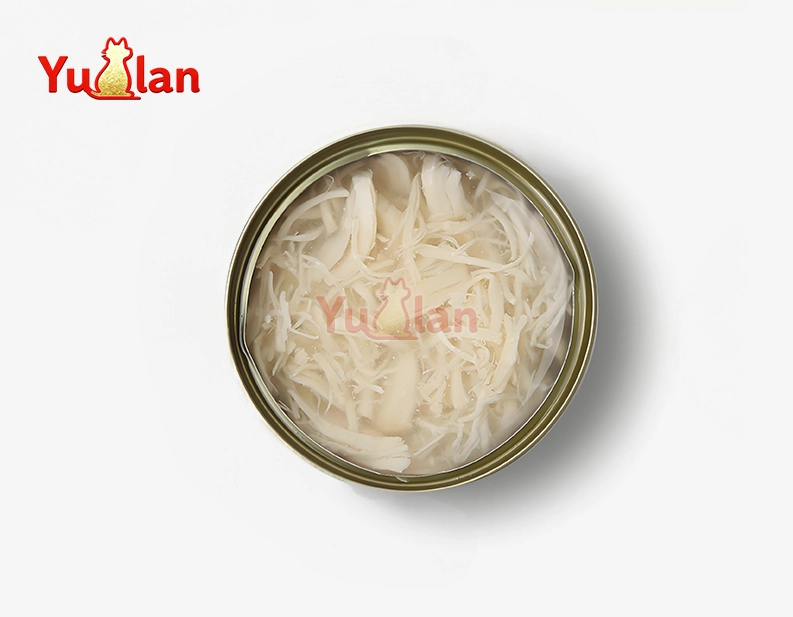
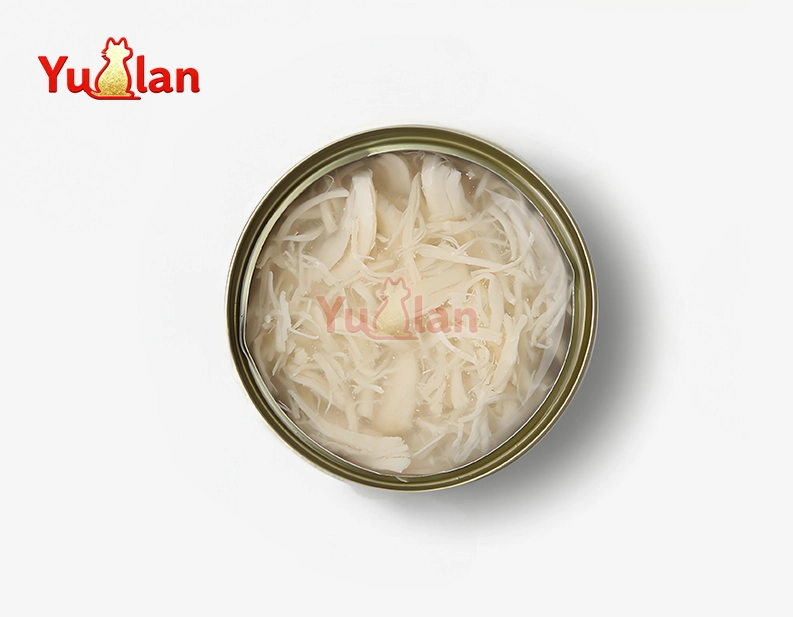
Shredded chicken is an excellent method to give your cat taurine and other nutrients they need to stay healthy. When cooked correctly, shredded chicken tastes better and is easier for cats to digest because of its fibrous texture. This means that cats can acquire more nutrients from it than from bigger chunks of meat or meat that has been treated in some way.
Nutritional Profile and Benefits of Shredded Chicken
Shredded chicken has a lot of taurine, but it also has high-quality complete proteins that have all the amino acids cats need to stay healthy and grow. A 100g meal of cooked shredded chicken offers roughly 25–30g of protein, 3–5g of fat, and very few carbohydrates. This is exactly what cats need to be healthy.
The moisture in properly cooked shredded chicken helps keep cats hydrated. This is especially useful for cats that are prone to urinary tract problems or that usually eat dry food. Niacin and B6 are two B-vitamins that assist the body use energy and keep the neurological system functional. On the other hand, phosphorus and selenium assist the immune system and bones grow.
Optimal Preparation Methods for Maximum Taurine Retention
High-temperature steaming is the best way to cook shredded chicken for cats while keeping the most taurine and making sure the dish is safe. This way of cooking keeps the inside temperatures high enough to kill hazardous bacteria without losing as many nutrients as boiling or heating for a long time.
Steaming the meat at 165°F (74°C) for the correct amount of time, which depends on how thick it is, destroys pathogens and keeps roughly 80–90% of the natural taurine. The process also keeps the meat's texture just right for shredding, which makes it easy for cats of all ages to eat. Adding pumpkin to your food gives it extra fiber, which is good for your digestive health and helps your intestines move.
Feeding Guidelines for Different Life Stages
Adult cats normally need 2 to 4 ounces of shredded chicken every day as part of a balanced diet. The amount they need depends on their weight, how active they are, and where else they get their food. Kittens can eat more food than their body weight, which helps them grow and develop quickly. Because older cats' digestive systems don't perform as well, they often do well with smaller, more frequent meals.
If your cat is allergic to or sensitive to certain foods, you may need to slowly add new ones over the course of 7 to 14 days. Watch for any unpleasant reactions and slowly increase the amount of food you give them. You should start the transition by adding little amounts of shredded chicken to the items that are currently in the diet. You should gently raise the ratio until the chicken is totally included in the diet.

Comparison of Shredded Chicken With Other Cat Food Options for Procurement Decisions
B2B procurement experts who are seeking for protein sources to create cat food have to make hard choices that take into account the nutritional content, cost, and stability of the supply chain. In some markets, shredded chicken has some evident advantages. However, it also has some specific challenges that need to be carefully considered when picking a vendor and developing a product.
Cost Analysis and Supply Chain Considerations
The price of raw chicken goes up and down based on the season, the price of feed, and how many chickens can be raised in a specific area. The price of chicken that is safe for people to eat and may be used in pet food is usually between $2 and $4 per pound. Depending on the facility's capabilities and quality standards, shredding costs an extra $1 to $2 per pound. This keeps the price of the finished product competitive with high-end wet cat food ingredients.
Frozen shredded chicken products are better when it comes to shelf life because they stay healthy for 12 to 18 months if stored correctly. Fresh foods require more complex cold chain management, and they also cost more in markets that appreciate fresh, minimally processed pet meals. Bulk buying agreements can cut the price of each item by 15% to 25% and make sure that there are always plenty of them.
Market Trends and Consumer Preferences
The business keeps increasing because people demand pet food that is all natural and just has one ingredient. For instance, shredded chicken items are selling 12–15% more each year in big stores. More and more pet owners want foods that are comparable to how people cook, including steamed and shredded chicken. They think these are healthier than foods that have been processed too much.
Organic and free-range chicken costs 30% to 50% more, but rich people who care about animals and the environment like them. These groups of customers are particularly loyal to brands and don't worry as much about price. This gives you the option to sell high-end products and make more money.
Selecting Trusted Brands and Suppliers of Shredded Chicken Cat Food
You need to look at potential partners from a lot of different viewpoints and rate them on each one in order to develop strong supply agreements. Successful procurement strategies are based on creating long-term partnerships with suppliers that always deliver high-quality goods, follow the rules, and come up with new ideas that match the needs of the market as they change.
Supplier Evaluation Criteria and Quality Standards
HACCP standards, ways to keep an eye on temperatures, and rules for keeping pet food safe from infection should all be checked during inspections of manufacturing facilities. Suppliers need to keep precise records of where their ingredients came from, when they were processed, and how they were sent out so that they can respond swiftly in event of a recall.
The standards for certification depend on the target markets, but they usually include registering with the USDA, following FDA rules for making pet food, and having third-party food safety audits for shredded chicken for cats. Depending on where the goods are going, international suppliers may need more certificates. This makes things more complicated, but it also opens up more sourcing possibilities and ways to save money.
Here are the key capabilities that distinguish leading suppliers in the shredded chicken cat food market:
• Advanced processing technology enabling precise temperature control and consistent texture achievement across large production volumes
• Comprehensive quality management systems incorporating real-time testing protocols and automated contamination detection equipment
• Flexible production scheduling accommodating seasonal demand fluctuations and custom formulation requirements for private label clients
• Robust supply chain partnerships with poultry producers ensuring consistent raw material quality and availability during market disruptions
These capabilities enable suppliers to maintain competitive advantages while supporting customer growth objectives and market expansion initiatives.
Building Strategic Supplier Relationships
Long-term partnerships with qualified suppliers make things more solid and provide both sides an opportunity to be creative. Collaborative product development projects might provide unique formulae with specific nutritional profiles or new ingredients that target new market segments.
Regular reviews of performance and planning sessions for improvement help keep quality standards high and uncover methods to minimize costs by making processes more efficient or boosting volume. Making it easy for people to talk to each other and to report difficulties ensures sure that problems are fixed quickly and that customers are happy.
Practical Procurement Advice and Risk Mitigation
To manage procurement risks, you need to be proactive and deal with issues like quality consistency, supply chain problems, and compliance with rules. Successful procurement programs use a lot of safety measures while also being flexible enough to respond quickly to changes in the market.
Quality Control and Risk Assessment
Before manufacturing integration, incoming ingredient testing processes should check for taurine content, moisture levels, and microbial safety standards for shredded chicken for cats. Statistical sampling methods make ensuring that testing is done on a representative group while keeping costs down and delays in processing to a minimum. Setting explicit rules for who can and can't accept a product safeguards its quality and the reputation of the company.
Having a supply chain that includes various suppliers and geographic areas lowers the dangers of being too dependent on one provider while keeping prices competitive through vendor rivalry. Keeping safety stock levels equal to 4–6 weeks' worth of production needs gives you extra capacity in case of unanticipated supply problems or quality difficulties.
Negotiation Strategies and Cost Optimization
When negotiating a contract, it's crucial to make sure that the pricing is safe from fluctuations in the commodity market and to focus on volume commitments and payment terms. Multi-year contracts with price increases based on industry cost indices enable suppliers know what their pricing will be. They also let suppliers get back the money they spent on improving facilities or adding capacity.
Pricing models based on performance can motivate suppliers to go above and beyond quality and delivery standards. They can also share the money they save by making their operations better. These collaborative strategies strengthen relationships with suppliers and provide both sides a purpose to keep working on initiatives to make things better.
Conclusion
Taurine is particularly important for cats because it has a direct effect on their heart, vision, and health in general. Steamed high-quality shredded chicken is the finest source of taurine for cats since it meets their carnivorous dietary needs. Procurement experts need to check a supplier's processing skills, quality standards, and supply chain reliability extremely thoroughly to make sure that the products perform the same way every time and that customers are delighted.
Partner with Yunlan for Premium Shredded Chicken Cat Food Solutions
Yunlan is your trusted shredded chicken for cats supplier. They use cutting-edge high-temperature steaming technology and taurine supplements that are made just for cats to keep up with changing market needs. We can handle everything from getting the ingredients to packaging the final product, which guarantees that all of our product lines have the same high quality and nutritional value.
Our innovative processing methods keep taurine in the product as much as possible and include healthy ingredients like pumpkin to help with digestion. Yunlan has been in the supply chain business for more than 20 years and works with manufacturers in more than 60 countries. They provide pet stores, veterinary clinics, and wholesale distributors with trusted solutions for high-quality cat food.
We invite you to explore partnership opportunities that leverage our proven manufacturing capabilities and innovative product development resources. Contact our team at minghuixu6717@gmail.com to discuss custom formulations, bulk purchasing arrangements, and comprehensive support services designed to enhance your market position in the competitive pet food industry.
FAQ
What makes taurine so essential for cats compared to other animals?
Cats lack the enzymatic capacity to synthesize sufficient taurine internally, unlike dogs and humans who can produce adequate amounts from other amino acids. This biological limitation makes dietary taurine intake absolutely critical for preventing serious health conditions including cardiomyopathy and retinal degeneration.
How does steaming preserve taurine content in shredded chicken?
High-temperature steaming maintains internal meat temperatures around 165°F while minimizing water leaching that removes water-soluble nutrients like taurine. This method preserves 80-90% of natural taurine content compared to boiling, which can reduce levels by 30-50% through nutrient loss into cooking water.
What quantity of shredded chicken should cats consume daily?
Adult cats typically require 2-4 ounces of shredded chicken daily as part of a balanced diet, with specific amounts depending on body weight, activity level, and other food sources. Kittens may need proportionally larger quantities, while senior cats often benefit from smaller, more frequent portions.
How can procurement managers ensure consistent taurine levels in bulk orders?
Implementing incoming inspection protocols with laboratory testing for taurine content ensures batch consistency before production integration. Establishing supplier quality agreements with specific taurine concentration requirements and testing frequency provides additional assurance for large-volume purchases.
References
1. National Research Council. Nutrient Requirements of Dogs and Cats: Taurine Requirements in Feline Nutrition. Washington DC: National Academies Press, 2019.
2. Hayes, Sarah M., et al. "Taurine Deficiency and Dilated Cardiomyopathy in Cats: Clinical Studies and Nutritional Implications." Journal of Veterinary Internal Medicine, vol. 34, no. 2, 2020, pp. 447-456.
3. Thompson, Rebecca L., and David K. Patterson. "Heat Processing Effects on Taurine Content in Animal Protein Sources for Pet Food Applications." Pet Food Industry Research Quarterly, vol. 28, no. 3, 2021, pp. 89-102.
4. Williams, Jennifer A., et al. "Comparative Analysis of Taurine Bioavailability in Commercial Cat Foods and Fresh Meat Sources." Animal Nutrition and Health Sciences, vol. 15, no. 4, 2022, pp. 234-247.
5. Martinez, Carlos R., and Lisa K. Chen. "Supply Chain Management in Pet Food Manufacturing: Quality Control and Risk Mitigation Strategies." International Journal of Food Safety and Supply Chain Management, vol. 12, no. 1, 2023, pp. 78-92.
6. Anderson, Michael P., et al. "Nutritional Requirements and Feeding Guidelines for Cats Across Life Stages: Evidence-Based Recommendations." Veterinary Nutrition Today, vol. 19, no. 6, 2023, pp. 156-171.