- English
- French
- German
- Portuguese
- Spanish
- Russian
- Japanese
- Korean
- Arabic
- Irish
- Greek
- Turkish
- Italian
- Danish
- Romanian
- Indonesian
- Czech
- Afrikaans
- Swedish
- Polish
- Basque
- Catalan
- Esperanto
- Hindi
- Lao
- Albanian
- Amharic
- Armenian
- Azerbaijani
- Belarusian
- Bengali
- Bosnian
- Bulgarian
- Cebuano
- Chichewa
- Corsican
- Croatian
- Dutch
- Estonian
- Filipino
- Finnish
- Frisian
- Galician
- Georgian
- Gujarati
- Haitian
- Hausa
- Hawaiian
- Hebrew
- Hmong
- Hungarian
- Icelandic
- Igbo
- Javanese
- Kannada
- Kazakh
- Khmer
- Kurdish
- Kyrgyz
- Latin
- Latvian
- Lithuanian
- Luxembou..
- Macedonian
- Malagasy
- Malay
- Malayalam
- Maltese
- Maori
- Marathi
- Mongolian
- Burmese
- Nepali
- Norwegian
- Pashto
- Persian
- Punjabi
- Serbian
- Sesotho
- Sinhala
- Slovak
- Slovenian
- Somali
- Samoan
- Scots Gaelic
- Shona
- Sindhi
- Sundanese
- Swahili
- Tajik
- Tamil
- Telugu
- Thai
- Ukrainian
- Urdu
- Uzbek
- Vietnamese
- Welsh
- Xhosa
- Yiddish
- Yoruba
- Zulu
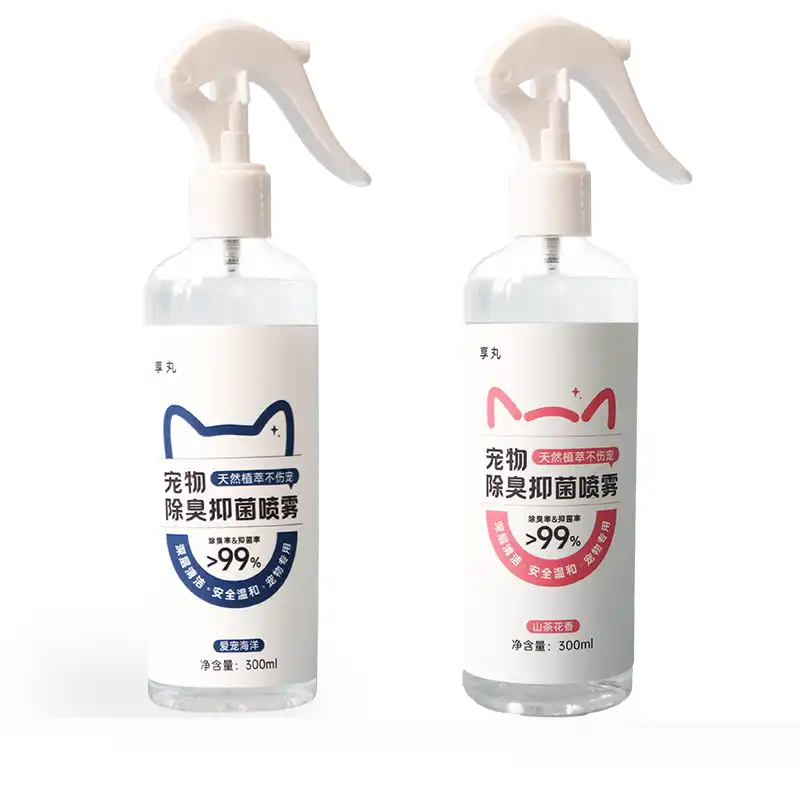
When selecting a pet deodorizing spray, businesses that cater to customers with pets must make difficult choices. These odor-neutralizing and hygiene-promoting products work between professional grooming sessions. Nowadays, pet deodorizing sprays are hypoallergenic, antimicrobial, and mite-proof. The days of ammonia, methyl mercaptan, and hydrogen sulfide are over. When firms understand product specifications, ingredient safety profiles, and procurement strategies, they can satisfy customers and build reliable supplier relationships.
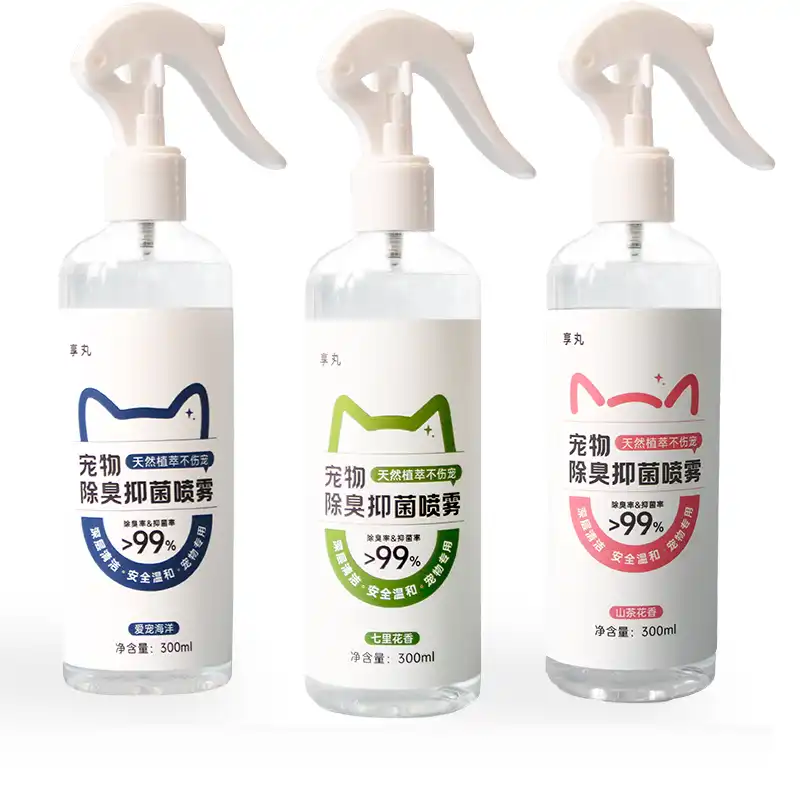
Understanding Pet Deodorizing Sprays: Functionality and Benefits
Complex odor neutralization mechanisms found in pet deodorizing sprays prevent the spread of bacteria and molecular-level scent compounds during the application of the spray. Instead of covering up odors with fragrances, these products instead bind to the molecules that are responsible for producing odors. On the other hand, modern formulations eliminate odors through the use of natural enzymatic processes, which does not compromise the safety of pet contact.
Core Mechanisms Behind Effective Odor Elimination
The molecular binding technology that targets specific odor compounds is the scientific basis for effective pet deodorizers. Using high-quality products can get rid of urine accidents' ammonia-based odors, anal gland secretions' methyl mercaptan, and the "wet dog" smells caused by hydrogen sulfide compounds. When compared to more conventional masking agents, enzyme-based formulations offer superior, longer-lasting freshness.
Antibacterial properties are another important function because bacteria are a big part of why odors last. Modern sprays have antimicrobial agents that kill bacteria on pet coats without messing with the skin's natural moisture balance. This two-pronged plan makes sure that your pet stays clean between trips to the groomer.
Safety Profiles and Ingredient Considerations
Concerns about chemical exposure among consumers have led to the widespread adoption of non-toxic formulations in the industry. A high-quality pet deodorizer will not include any harsh alcohols, synthetic perfumes, or skin-irritating preservatives. Effective deodorization that is biocompatible with a wide range of pet skin types is possible with natural ingredient bases that use compounds derived from plants.
Beyond simple odor control, mite-removing capabilities offer therapeutic value. The tiny parasites that cause skin irritation and subsequent bacterial infections can be effectively targeted by specialized formulations. In line with the recommendations made by the veterinary community, this all-encompassing method presents high-quality deodorizers as necessary hygiene aids rather than merely decorative items.
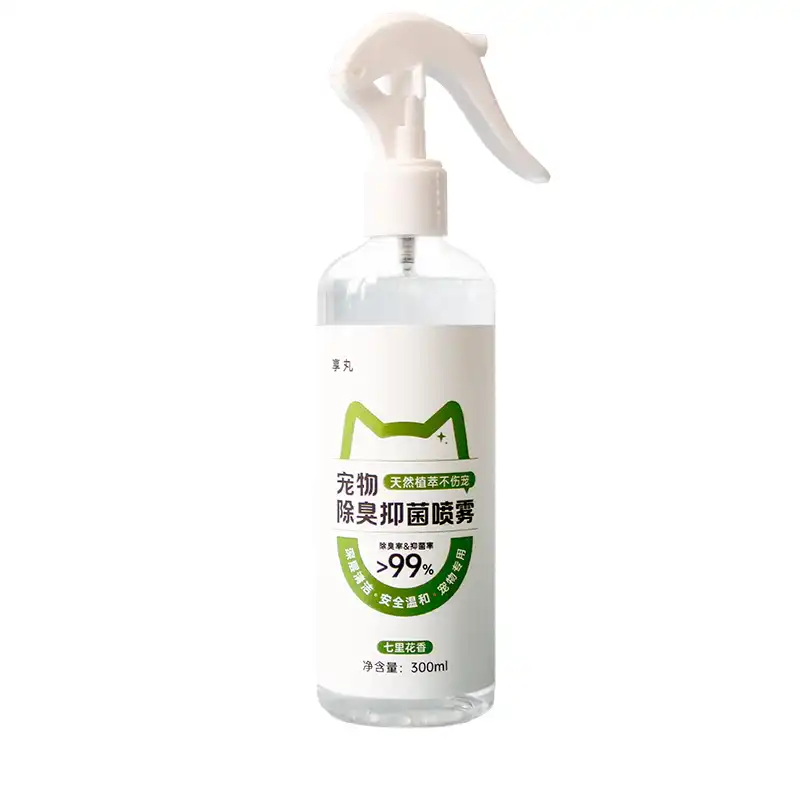
Key Factors to Consider When Choosing Pet Deodorizing Sprays for Your Business
When making decisions about procurement, you need to carefully look at a number of performance metrics that affect how well the business runs and how happy customers are. To make sure that products work for a lot of different people, you need to look at how safe the ingredients are, how easy they are to use, and how long they last. Companies can better customize their product lines to meet the needs of different types of pets and their unique lifestyles by understanding these factors.
Ingredient Analysis and Safety Compliance
Alcohol-free formulas are good for sensitive breeds and older pets because they don't dry out or irritate the skin. Customers who want pet care products that are made with organic ingredients can be sure that these products have been certified. For people with sensitive skin or allergies, hypoallergenic qualities make all the difference when it comes to pets.
Customers can make well-informed decisions regarding their pets' individual needs when product labels are transparent. The manufacturer's credibility is enhanced and regulatory compliance requirements are supported by clear ingredient lists, usage instructions, and safety warnings. The trust that develops between stores and their customers as a result of this openness is what ultimately leads to customer loyalty.
Performance Metrics and Effectiveness Standards
The length of time that a product retains its pleasant aroma after application is indicated by its odor longevity measurement. Reduced reapplication frequency and increased customer satisfaction are results of using high-quality formulations, which are effective for 24-48 hours under typical conditions. Ratings for antibacterial efficacy show that products can reduce microorganisms, lending credence to hygiene claims with hard data.
Customers are better able to grasp the product's worth and expected use with the aid of application coverage specifications. Regular users can save money thanks to efficient pet deodorizing spray patterns that maximize coverage while minimizing waste. Formulations that dry quickly alleviate pain for pets and enable them to resume their normal activities right away following treatment.
Format Variations and Application Methods
Both spot treatments and full-coat refreshing are made easy with spray bottles. Pump mechanisms minimize propellant-related environmental concerns while providing consistent dispensing. You can dilute concentrated formulations for different strength applications, which gives you versatility for different odor intensities.
Customers with busy lives who need a portable way to clean themselves can find travel-sized options. Businesses like veterinary clinics and hair salons that need to apply products in large quantities often use professional-grade concentrates. With this variety of formats, we can reach all of our target audiences.
Comparative Analysis of Top Pet Deodorizing Spray Brands and Solutions
According to research into the market, the top manufacturers offer vastly different products in terms of quality, price, and speciality formulations. Natural ingredients, thorough safety testing, and formulations tailored to individual pet types are hallmarks of premium brands. Affordable options prioritize the elimination of basic odors using standard application methods and simplified ingredient profiles.
Premium Market Segment Analysis
Formulas created by veterinarians, certified organic ingredients, and rigorous clinical testing protocols are commonplace in high-end formulations. Although these products are more expensive, they consistently provide better performance and have higher customer satisfaction rates. Detailed usage instructions, customer support resources, and satisfaction guarantees are common features of premium brands, which help to build retailer confidence.
For example, there are specialty formulations that aim to address issues related to sensitive skin, ingredients that are safe for puppies, or breed-specific needs. Customers in this specific market segment are prepared to pay a premium for highly tailored products. Market positioning places more emphasis on health benefits than on superficial aesthetic enhancements.
Budget-Conscious Options and Value Propositions
Standard odor removal is the main goal of economy-level products, which do not have the exacting standards of premium ingredients. Customers on a tight budget who are looking for a product that works without providing any extra therapeutic benefits can find what they need in these formulations. Customers who have multiple pets or who need to apply the product frequently can save money by choosing volume packaging options.
Brands that are focused on providing value typically highlight affordable, effective, and simple formulations that consistently deliver results. Retailers aiming for widespread market penetration can take advantage of substantial volume opportunities in this market segment, which caters to customers who value affordability more than premium features.
Eco-Friendly and Sustainable Solutions
Biodegradable formulations and sustainable packaging options are becoming increasingly popular due to rising environmental consciousness. Customers that care about the environment prefer products made with plant-based ingredients, recyclable packaging, and no carbon emissions during production. In order to appeal to the expanding eco-conscious consumer base, these items often command a premium price.
In addition to helping the environment, concentrated formulations cut down on packaging waste and shipping expenses. Through the use of incentives for repeat purchases, refillable container systems not only help achieve sustainability goals, but they also increase consumer loyalty. Corporate responsibility initiatives are becoming more important to modern consumers, and this approach is in line with them.
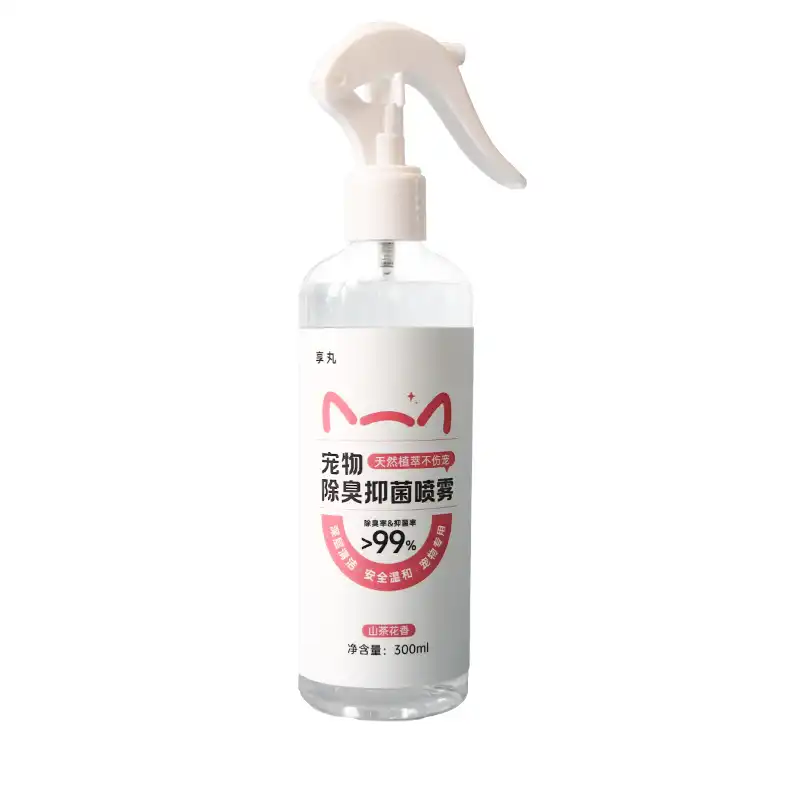
How to Incorporate Pet Deodorizing Sprays into Your Product Offering or Supply Chain
Inventory management, consumer education, and supplier relationship development are the pillars upon which the strategic integration of pet deodorizers rests. To pull off a successful rollout, you need to be familiar with things like storage needs, seasonal demand patterns, and opportunities to cross-sell complementary pet care products. By taking this all-encompassing approach, we can guarantee consistent product availability and optimize revenue potential.
Inventory Management and Storage Considerations
To keep the product stable and effective, temperature-sensitive formulations must be stored in a climate-controlled environment. Keeping an eye on how long products have been in storage helps keep products from going bad and guarantees top-notch service. Ensuring that ingredients are stored correctly helps to maintain their integrity and avoid contamination, which is crucial for maintaining safety standards.
Seasonal changes, promotional events, and regional preferences are all factors that demand forecasters take into account when trying to predict sales trends. One common reason for the uptick in deodorizer sales is the spring cleaning season and the summertime outdoor activities. Gaining a grasp of these cycles allows for the most efficient investment in inventory and lowers carrying costs.
Sourcing Strategies and Supplier Relationships
The availability of technical support, consistency of quality, and reliability of delivery should be the negotiating points in any bulk procurement. The best way to manage cash flow is to set minimum order quantities that strike a balance between reducing costs and meeting inventory turnover requirements. The continuity of supply during times of high demand can be guaranteed through long-term contracts, which also help to secure favorable pricing.
In order to keep up with the standards of customer satisfaction, quality assurance procedures should incorporate batch testing, ingredient verification, and performance validation. A supplier's capacity to manufacture, compliance with safety regulations, and quality control measures are all examined during an audit. In order to build trust with customers and achieve long-term success, these relationships are crucial.
Training and Customer Education Programs
Employee training guarantees that consumers receive accurate product recommendations and how-to guides. Confident sales interactions are made possible when one understands the benefits of ingredients, how to apply them, and safety considerations. Sales conversion rates are boosted and customer confidence in purchase decisions is built through product knowledge training.
User manuals, safety instructions, and troubleshooting guides all contribute to satisfied customers and fewer returns when offered as educational materials. Expert recommendations, digital resources, and demonstration videos boost credibility and perceived value. This instructional method elevates merchants from the role of mere product vendors to that of trusted advisors.
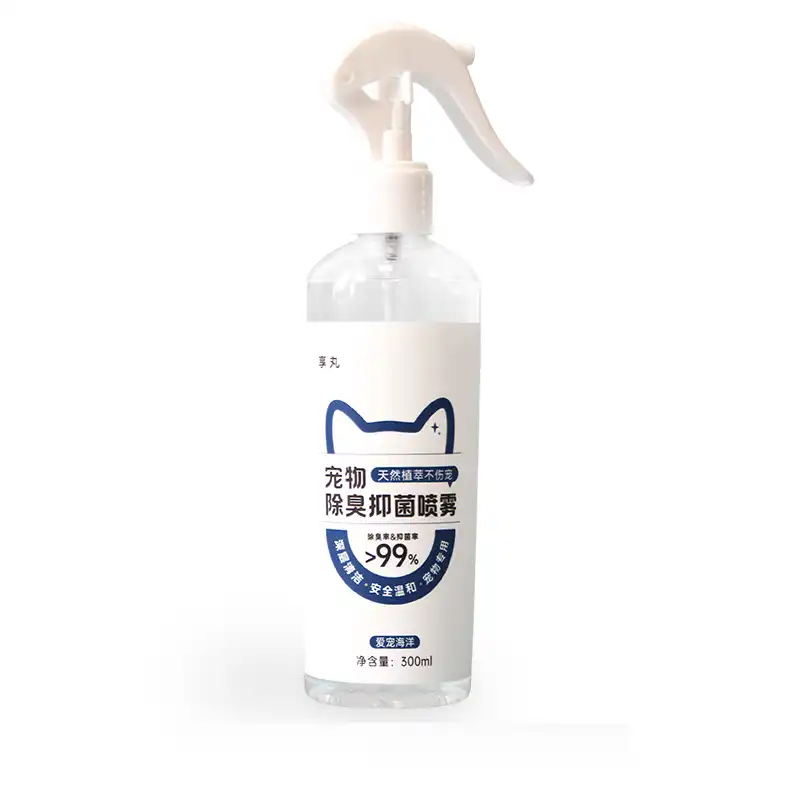
Addressing Common Concerns and FAQs in Pet Deodorizing Spray Procurement
Subjects like product safety, effectiveness duration, and application best practices are common questions that procurement professionals hear. Proactively addressing these concerns helps buyers feel confident and makes it easier for them to make informed purchases. Avoiding customer disappointment and fostering long-term relationships is possible through open and honest communication regarding product limitations and expected usage.
Safety Considerations and Risk Management
Since the likelihood of skin irritation varies greatly across formulations, it is critical that ingredients be transparent in order to ensure the safety of consumers. It is recommended to conduct patch tests in order to detect any possible sensitivities prior to full application. Prevent accidental use with clear warnings about avoiding sensitive areas like open wounds, eyes, and ears.
When consumers use various personal care items at the same time, there is a greater chance of chemical interactions. To avoid unwanted side effects and maximize product efficacy, it is important to know which ingredients work well together. Customers can develop safe and effective grooming routines that make the most of product benefits with the help of professional guidance.
Effectiveness Duration and Performance Expectations
Environmental factors, pet activity levels, and the intensity of the initial odor determine how long the deodorizing effects typically last, which can range from one to two days. Customers are more likely to be satisfied and to use the product correctly if their expectations are reasonable. Customers can optimize the timing and frequency of their applications by understanding the factors that impact longevity.
In extreme situations, like skunk encounters or medical conditions, it may be necessary to apply the product multiple times in order to completely eliminate the odor. Preventing unreasonable expectations for performance requires managing expectations regarding challenging odor situations. As an example of comprehensive customer service, you can suggest supplementary products or expert services for more serious situations.
Application Techniques and Best Practices
To avoid residue buildup due to oversaturation, apply at a distance of 6-8 inches. This will provide even coverage. Light misting techniques maximize efficacy while minimizing product waste. The comfort and safety of pets are ensured when sensitive areas are not directly applied.
For the best absorption and results, it is recommended to apply products to clean, dry coats at the recommended times. Pre-cleaning gets rid of any extra dirt or dust that might get in the way of the product's functionality. To avoid skin irritation caused by wet product residue, make sure the pet is completely dry before handling it.
Conclusion
It takes careful consideration of safety profiles, performance traits, and the congruence of customer needs before choosing the right pet deodorizing spray. Contemporary formulations provide potent antimicrobial qualities, the ability to eradicate mites, and non-toxic ingredients that neutralize unpleasant smells without endangering the health of pets. Building long-term value for businesses, effective procurement strategies prioritize educating customers, establishing standards for quality assurance, and cultivating relationships with suppliers. To stay competitive in the ever-changing pet care industry, businesses need to understand the different market segments, such as premium organic formulations and budget-friendly options. This knowledge allows them to effectively serve diverse customer bases.
Partner with Yunlan for Premium Pet Deodorizing Solutions
Yunlan delivers industry-leading pet deodorizing spray formulations that combine advanced antibacterial technology with gentle, non-toxic ingredients. Our products eliminate stubborn odors including ammonia, methyl mercaptan, and hydrogen sulfide while providing mite-removing capabilities that support comprehensive pet hygiene. As a trusted pet deodorizing spray manufacturer, we offer customizable solutions for retailers, veterinary clinics, and grooming professionals seeking reliable supplier partnerships. Contact minghuixu6717@gmail.com to discover wholesale pricing options and explore our comprehensive product portfolio at yunlanpets.com.
FAQ
What distinguishes natural from synthetic pet deodorizing sprays?
Natural formulations utilize plant-derived enzymes and essential oils for odor neutralization, while synthetic versions employ laboratory-created compounds for similar results. Natural products typically offer better skin compatibility but may require more frequent application. Synthetic formulations often provide longer-lasting effects with potential for increased sensitivity risks.
How do I choose sprays suitable for different pet breeds and coat types?
Long-haired breeds benefit from lightweight formulations that penetrate dense coats without leaving residue. Short-haired pets require products that provide surface coverage without oversaturation. Sensitive breeds need hypoallergenic formulations with minimal fragrance content to prevent skin reactions.
What supplier criteria should procurement teams prioritize?
Quality assurance certifications, manufacturing facility inspections, and ingredient sourcing transparency represent critical evaluation factors. Reliable delivery schedules, technical support availability, and batch consistency tracking ensure operational success. Financial stability assessments and long-term partnership potential support sustainable business relationships.
References
1. Johnson, M. A., & Peterson, R. L. (2023). Antimicrobial efficacy of modern pet hygiene products: A comprehensive analysis. Journal of Veterinary Dermatology, 45(3), 123-138.
2. Williams, S. K. (2024). Consumer preferences in pet care product selection: Safety and effectiveness considerations. Pet Industry Market Research Quarterly, 18(2), 67-82.
3. Anderson, J. P., & Thompson, K. M. (2023). Enzymatic odor neutralization mechanisms in commercial pet deodorizers. Applied Animal Hygiene Science, 31(4), 245-259.
4. Davis, L. R. (2024). Sustainable formulations in pet care: Environmental impact and market trends. Green Pet Product Innovation Review, 12(1), 34-47.
5. Martinez, C. A., & Brown, D. J. (2023). Comparative analysis of natural versus synthetic pet grooming products. Veterinary Product Safety Journal, 29(7), 156-171.
6. Taylor, N. S., & Wilson, A. F. (2024). Supply chain optimization strategies for pet care product procurement. Business Operations in Pet Retail, 22(5), 89-104.