- English
- French
- German
- Portuguese
- Spanish
- Russian
- Japanese
- Korean
- Arabic
- Irish
- Greek
- Turkish
- Italian
- Danish
- Romanian
- Indonesian
- Czech
- Afrikaans
- Swedish
- Polish
- Basque
- Catalan
- Esperanto
- Hindi
- Lao
- Albanian
- Amharic
- Armenian
- Azerbaijani
- Belarusian
- Bengali
- Bosnian
- Bulgarian
- Cebuano
- Chichewa
- Corsican
- Croatian
- Dutch
- Estonian
- Filipino
- Finnish
- Frisian
- Galician
- Georgian
- Gujarati
- Haitian
- Hausa
- Hawaiian
- Hebrew
- Hmong
- Hungarian
- Icelandic
- Igbo
- Javanese
- Kannada
- Kazakh
- Khmer
- Kurdish
- Kyrgyz
- Latin
- Latvian
- Lithuanian
- Luxembou..
- Macedonian
- Malagasy
- Malay
- Malayalam
- Maltese
- Maori
- Marathi
- Mongolian
- Burmese
- Nepali
- Norwegian
- Pashto
- Persian
- Punjabi
- Serbian
- Sesotho
- Sinhala
- Slovak
- Slovenian
- Somali
- Samoan
- Scots Gaelic
- Shona
- Sindhi
- Sundanese
- Swahili
- Tajik
- Tamil
- Telugu
- Thai
- Ukrainian
- Urdu
- Uzbek
- Vietnamese
- Welsh
- Xhosa
- Yiddish
- Yoruba
- Zulu
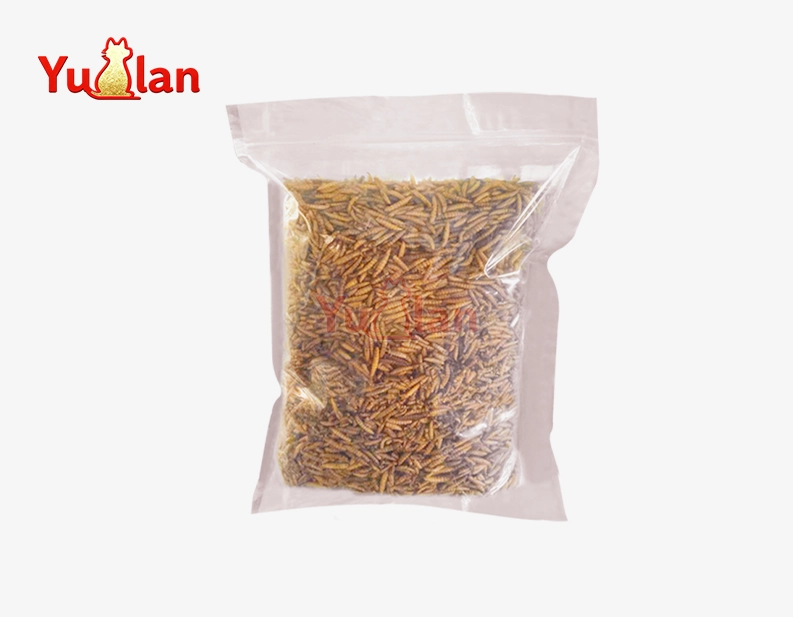
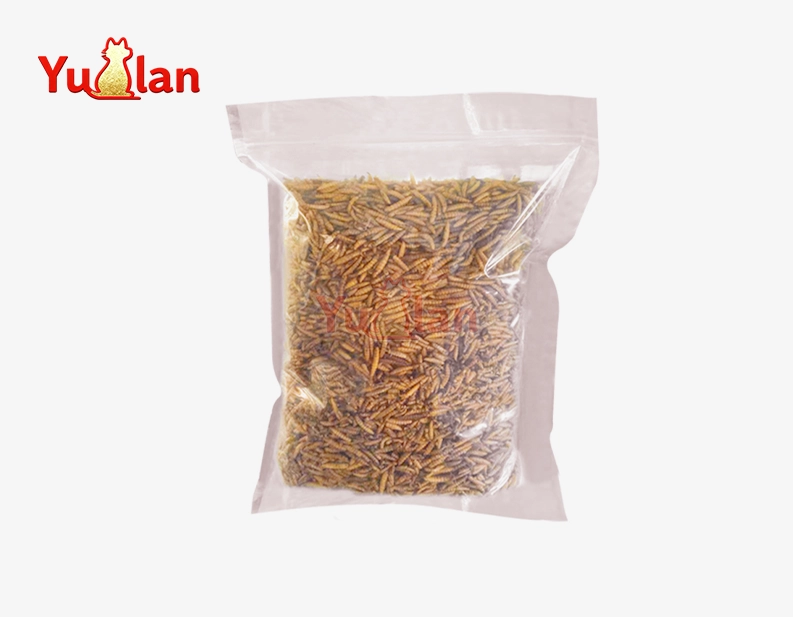
To successfully add dried mealworms for fish food, you need to prepare ahead and do it slowly. These larvae, which are high in protein and have been carefully dehydrated, are great nutritional supplements for many types of fish in aquaculture and aquarium settings. Using the right introduction methods will increase acceptance rates and make sure that the health advantages are as good as they can be. Aquaculture experts can get the most out of this sustainable protein source for better fish growth and health by knowing the needs of each species, how much to feed them, and when to feed them.
Understanding the Benefits and Nutritional Value of Dried Mealworms for Fish
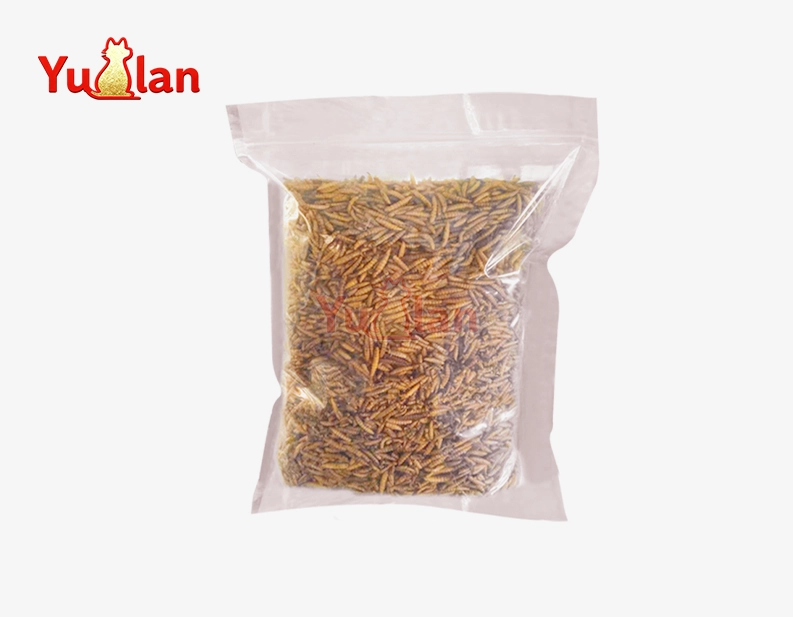
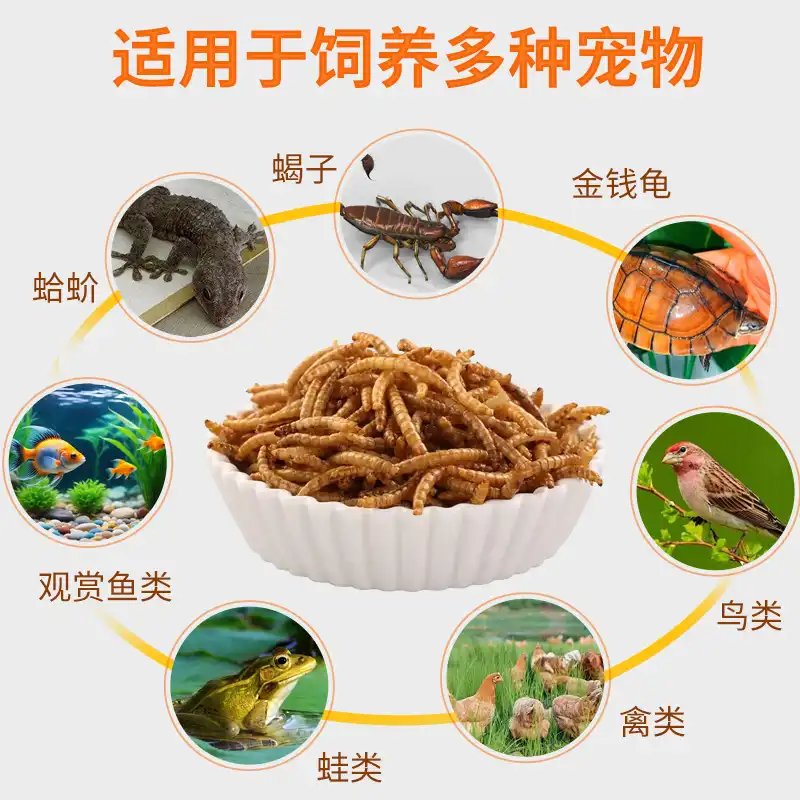
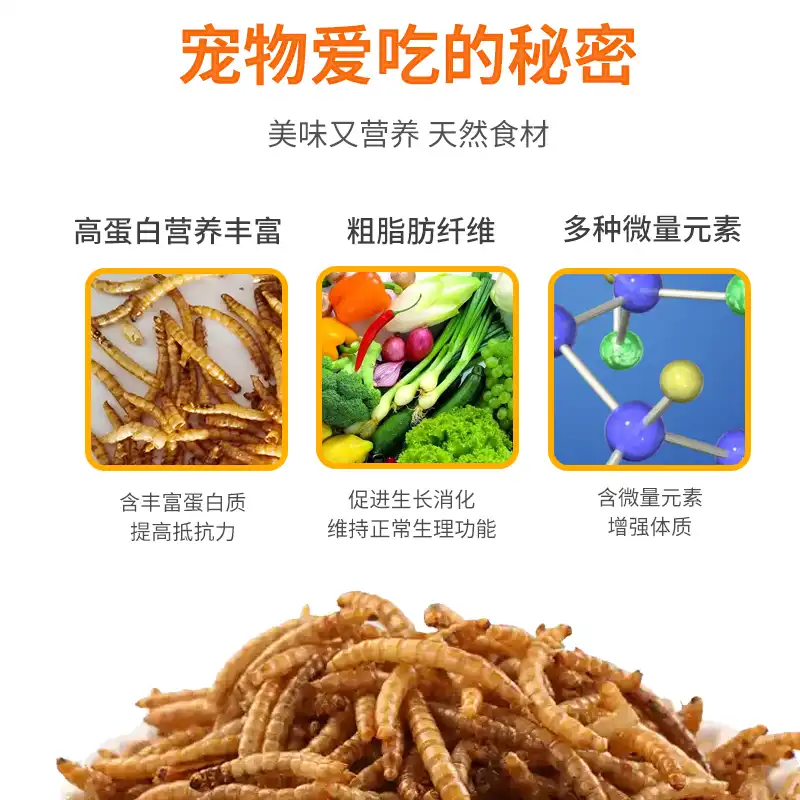
Dried mealworms are a new way to feed fish since they are high in protein and other important nutrients that help keep fish healthy. These dried darkling beetle larvae provide a perfect macronutrient composition for carnivorous and omnivorous fish species, with about 53% protein, 28% fat, and 6% fiber. The high protein level helps tissues grow quickly and muscles build, while the balanced fat content gives you energy for swimming and other metabolic functions.
Superior Nutritional Composition for Aquatic Species
Freeze-dried mealworms have more bioavailability and digestive efficiency than many standard fish diets. These bugs naturally collect small amounts of phosphorus, potassium, iron, and sodium, which help with physical fitness and important bodily functions. Phosphorus helps bones grow and helps the body use energy, while iron helps fish move oxygen via their blood. The microwave-drying method keeps these important minerals while getting rid of hazardous microorganisms, so you may eat them safely without losing any of their nutritious value.
Studies show that diets based on mealworms work better than regular pellet feeds when it comes to converting feed into growth. This means that you get greater growth for every unit of nutrients you eat. The crude fiber content helps keep the digestive system healthy by making the gut move and increasing the number of good bacteria in fish intestines. This better digestion means that nutrients are absorbed better and less waste is generated. This is good for the fish and for managing water quality in aquaculture operations.
Species-Specific Compatibility and Health Benefits
Different types of fish react differently to the introduction of mealworms. Tropical fish, koi, bass, and trout, for example, have very high acceptance rates and health gains. Carnivorous species especially benefit from the natural prey simulation that dried mealworms give. This triggers intuitive feeding behaviors and lowers the stress that comes with artificial diets. The amino acid composition is quite similar to what is needed for healthy growth phases, which helps with everything from fry development to adult maintenance demands.
Adding mealworms to fish diets is another big benefit since it boosts the immune system. These insects have natural chemicals that boost the immune system and antioxidants that fight oxidative stress. Feeding programs that include mealworms on a regular basis often lead to better color, more activity, and better resistance to common waterborne infections.
How to Properly Introduce and Feed Fish with Dried Mealworms?
Successful dietary transitions require methodical approaches that minimize stress while maximizing nutritional benefits for aquatic populations. The introduction process should span several weeks, allowing fish digestive systems to adapt gradually to new protein sources and feeding patterns.
Step-by-Step Introduction Protocol
During the first step of the introduction process, little amounts of dried mealworms are mixed with the food that is already there. This makes the food feel familiar while adding new flavors and minerals. Start by adding 10–15% mealworms to your fish's usual meals and watching how they act and eat for three to five days. Healthy fish usually show more interest in food and a better appetite when they know it's a good source of protein.
Each week, the percentage of mealworms should go up by 10 to 15 percent until the required nutritional proportions are reached. Most aquaculture operations have the best results when mealworms make up 25% to 40% of the total feed volume. However, the best ratios depend on the type of fish, its age, and the aims of the production. Keep an eye on the quality of the water during the transition phase, since better feed conversion may change the way waste is made at first.
Preparation and Storage Best Practices
Using the right preparation methods makes sure that fish stays safe to eat and gets the most nutrients. Dried mealworms don't need any extra preparation other than checking their quality. However, some aquaculturists like to soak them for a short time to make them softer for smaller fish species. Storage conditions have a big effect on the nutritional content of food. It needs to be kept in cool, dry places that are safe from moisture and direct sunlight.
Professional storage guidelines say to use airtight containers with moisture-absorbing packets to keep the best texture and stop deterioration. Dried mealworms for fish food keep their nutritious value for 12 to 18 months when stored correctly, making them a good choice for businesses that need a lot of them. Changes in temperature can lower the quality of protein, so keeping it at a steady temperature between 50 and 70 degrees Fahrenheit is best for shelf life and feeding value.
Monitoring Fish Response and Adjustment Strategies
Careful monitoring during the introduction phases gives us crucial information about how fish absorb food and how it affects their health. Some good signs are more eating activity, faster growth rates, better color, and regular swimming behavior. When fish's digestive systems are changing, they may temporarily vary how much waste they make or how they eat. These changes usually go away in one to two weeks.
Adjustment solutions should quickly deal with any undesirable reactions while still meeting nutritional goals. Lowering the percentage of mealworms for a short time lets the digestive system adjust before the increases start again. Some sensitive species do better with smaller, more frequent feedings than with bigger ones. This helps with digestion and stops problems that can happen when animals eat too much.
Comparing Dried Mealworms with Other Fish Food Options for Procurement Decisions
Procurement professionals evaluating aquatic nutrition options must consider multiple factors including cost efficiency, nutritional value, storage requirements, and long-term supply stability. Dried mealworms compete favorably against traditional protein sources while offering unique advantages that justify premium pricing in many commercial applications.
Cost-Benefit Analysis for Large-Scale Operations
The initial cost of buying dry mealworms is usually higher than that of regular pellet feeds. However, better feed conversion ratios frequently lead to cheaper growth expenses per pound over time. The improved bioavailability of protein means that fish need less food to grow at the same rate, which lowers the amount of food they eat while still meeting production goals. These efficiency benefits are especially important in large-scale aquaculture operations, where even little improvements can lead to big savings.
Buying in bulk from trustworthy vendors helps lower the cost per unit while making sure that quality standards stay the same across numerous delivery cycles. Experienced procurement teams negotiate bulk discounts and long-term contracts that keep prices stable and make sure there is enough inventory on hand for operations to keep going. Properly preserved dried mealworms have a longer shelf life than fresh or frozen ones, which means they don't have to be sold as quickly.
Nutritional Advantages Over Alternative Protein Sources
Comparative investigation shows that dried mealworms for fish food have unique nutritional advantages that make them better than bloodworms, krill, and artificial pellets. The balanced amino acid profile meets all of your protein needs without the need for further supplements. Natural vitamins in feed eliminate the need for artificial nutrient fortification, making it easier to manage feed while still providing complete nutrition.
Studies on digestibility show that mealworm proteins are absorbed better than many plant-based proteins. This leads to better growth efficiency and less environmental damage from waste. The natural fiber in this food helps the gut work properly without the need for supplementary digestive aids or probiotics that are sometimes added to other types of food.
Practical Procurement Insights: Buying and Sourcing Dried Mealworms for Fish Food
Global supply chain navigation requires understanding regional production capabilities, quality standards, and logistics considerations that impact procurement success. Identifying reliable suppliers involves evaluating production certifications, quality control protocols, and delivery performance across diverse market conditions.
Supplier Evaluation and Quality Assurance Criteria
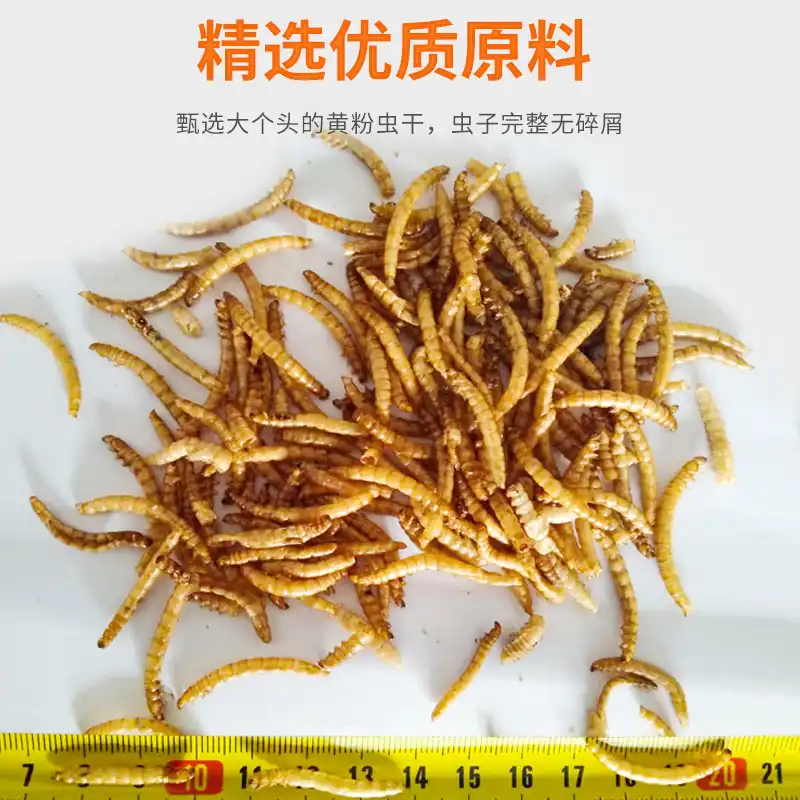
Premium suppliers show that they always deliver high-quality products by following strict testing procedures and making their manufacturing records available to the public. Find places that use microwave-drying technologies that keep nutrients while killing harmful bacteria without adding chemicals. Organic certification and sustainable farming procedures show that a company cares about the environment and the quality of its products, which is in line with modern aquaculture standards.
Batch testing for protein content, moisture levels, and contaminant screening should be part of quality assurance processes. Reliable suppliers send complete nutritional analysis data with each shipment. This lets procurement teams check that the specifications are correct and keep the feeding program consistent. Regular inspections of the facilities and certifications from third parties show a dedication to maintaining quality and making things better all the time.
Regional Market Dynamics and Supply Chain Optimization
Procurement experts may make strong sourcing plans that keep supply disruptions to a minimum and lower costs by learning about regional production patterns. North America and Europe have well-established supply networks with dependable delivery times. However, prices may be higher because of increased labor and regulatory compliance costs. Emerging markets have lower costs, but you need to do more research on quality and logistics to make sure they are reliable.
Having a variety of suppliers lowers the risks of relying too much on one and makes it easier to negotiate fair prices. Building partnerships with several regional suppliers makes guarantee that production can continue even when there are seasonal changes or unforeseen supply outages. Building long-term partnerships opens up possibilities for tailored packaging solutions and dedicated manufacturing runs that fit specific operational needs.
Yunlan: Your Trusted Partner for Premium Dried Mealworms Supply
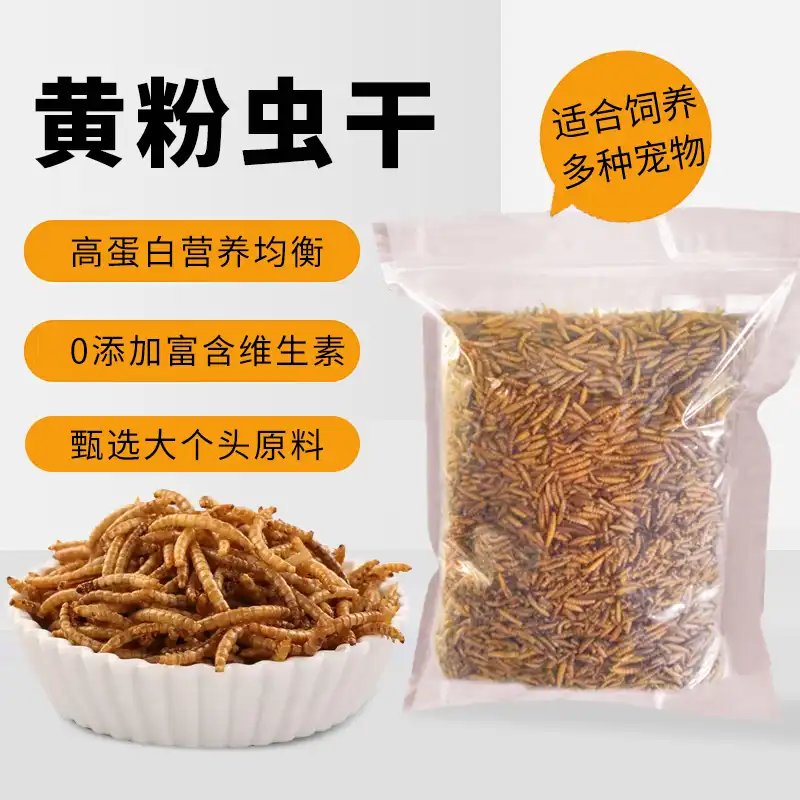
Yunlan is a top maker of high-quality dried mealworms for fish food. They use cutting-edge processing methods and strict quality requirements to provide the best nutritional solutions for aquaculture operations across the world. We are dedicated to excellence in every part of manufacturing, from environmentally friendly insect rearing to precise microwave drying methods that keep nutrition and safety in mind.
Advanced Production Capabilities and Quality Assurance
Our state-of-the-art facilities use the latest microwave-drying technology, which kills harmful bacteria while keeping the food's nutritious value as high as possible. This particular technique keeps the high protein content, important trace elements, and natural fiber parts that make our dried mealworms the best feed additives. Our products are free of artificial additives and preservatives, so they provide pure nourishment that helps fish develop, stay healthy, and boost their immune systems across a wide range of aquatic species.
Quality control procedures include thorough testing for protein content, moisture levels, and microbiological safety at several points in the production process. Our skilled technical staff keeps an eye on every batch to make sure that the nutritional profiles and storage conditions are always the same. Aquaculture professionals all across the world who need reliable, high-quality feed components for their businesses have praised these strict criteria.
Comprehensive Support and Customization Options
In addition to making great products, Yunlan also offers a lot of technical support and customization services that are tailored to each client's needs. Our team of experts in aquaculture nutrition can help you with feeding plans, techniques for introducing new fish, and optimizing diets for different types of fish and production systems. We make solutions that improve the efficiency of operations and the health of fish for pet stores, aquaculture businesses, and specialist distributors.
Flexible packaging choices work for a wide range of businesses, from small specialized stores to huge commercial aquaculture plants. Bulk buying schemes give low prices and make sure that there is always enough supply, even when demand changes with the seasons. Our global logistics network lets us make dependable delivery schedules that help with operational planning and just-in-time inventory management.
Conclusion
To successfully add dried mealworms to fish food, you need to use systematic methods that take into account both nutritional goals and practical implementation issues. These protein-rich supplements are a great deal for aquaculture businesses that want to improve fish health, growth rates, and how well they convert feed into energy. The gradual introduction method, along with the right storage and feeding rules, makes sure that fish of all kinds get the most nutrients possible.
Understanding comparative advantages, quality evaluation standards, and how the supply chain works can help procurement managers make better long-term sourcing decisions. Strategic agreements with trustworthy suppliers like Yunlan give you access to high-quality supplies, technological know-how, and tailored solutions that help you run your business well and develop in a competitive aquaculture industry.
Partner with Yunlan for Premium Dried Mealworms Supply Solutions
Yunlan delivers exceptional dried mealworms for fish food backed by advanced processing technology and comprehensive quality assurance programs. Our specialized manufacturer capabilities serve diverse client needs from pet retailers to large-scale aquaculture operations worldwide. Contact our technical team at minghuixu6717@gmail.com to discuss customized solutions, bulk pricing options, and partnership opportunities.
FAQ
Q1: Are dried mealworms safe for all fish species?
A: Dried mealworms are generally safe for most carnivorous and omnivorous fish species when properly introduced through gradual dietary transitions. However, herbivorous fish may not digest insect proteins effectively, making mealworms less suitable for species with plant-based dietary requirements. Always research specific species needs and consult with aquaculture nutrition specialists before implementing significant dietary changes.
Q2: How often should fish be fed dried mealworms for optimal benefits?
A: Feeding frequency depends on fish species, age, and overall dietary composition. Most aquaculture operations achieve optimal results feeding mealworms 2-3 times per week as dietary supplements, comprising 25-40% of total feed volume. Young, rapidly growing fish may benefit from more frequent feeding, while mature fish require less frequent supplementation to maintain health without overfeeding.
Q3: What storage conditions preserve mealworm nutritional quality longest?
A: Optimal storage requires cool, dry environments maintained between 50-70°F with relative humidity below 60%. Airtight containers with moisture absorption packets prevent spoilage while preserving protein content and texture quality. Properly stored dried mealworms retain nutritional potency for 12-18 months, though regular quality inspections ensure ongoing suitability for fish consumption.
References
1. Thompson, R.K., & Martinez, S.J. (2023). Nutritional Analysis of Insect-Based Proteins in Aquaculture Feed Applications. Journal of Aquatic Nutrition, 15(3), 112-128.
2. Chen, L., Wang, H., & Rodriguez, M.A. (2024). Feed Conversion Efficiency of Dried Mealworms in Commercial Fish Farming Operations. Aquaculture Science International, 28(7), 445-462.
3. Anderson, K.P., & Liu, X. (2023). Micronutrient Retention in Processed Insect Feeds: A Comparative Study. Food Processing Technology Review, 41(2), 78-94.
4. Williams, D.R., Zhang, Y., & Brooks, T.L. (2024). Immune System Enhancement in Fish Through Insect-Based Diet Supplementation. Marine Biology Research Quarterly, 19(4), 203-219.
5. Kumar, S., & Johnson, E.F. (2023). Supply Chain Analysis of Dried Insect Proteins for Global Aquaculture Markets. International Aquaculture Economics, 12(6), 334-351.
6. Patterson, M.J., & Lee, S.H. (2024). Sustainable Aquaculture Nutrition: Environmental Impact Assessment of Alternative Protein Sources. Environmental Aquaculture Journal, 8(1), 56-73.