- English
- French
- German
- Portuguese
- Spanish
- Russian
- Japanese
- Korean
- Arabic
- Irish
- Greek
- Turkish
- Italian
- Danish
- Romanian
- Indonesian
- Czech
- Afrikaans
- Swedish
- Polish
- Basque
- Catalan
- Esperanto
- Hindi
- Lao
- Albanian
- Amharic
- Armenian
- Azerbaijani
- Belarusian
- Bengali
- Bosnian
- Bulgarian
- Cebuano
- Chichewa
- Corsican
- Croatian
- Dutch
- Estonian
- Filipino
- Finnish
- Frisian
- Galician
- Georgian
- Gujarati
- Haitian
- Hausa
- Hawaiian
- Hebrew
- Hmong
- Hungarian
- Icelandic
- Igbo
- Javanese
- Kannada
- Kazakh
- Khmer
- Kurdish
- Kyrgyz
- Latin
- Latvian
- Lithuanian
- Luxembou..
- Macedonian
- Malagasy
- Malay
- Malayalam
- Maltese
- Maori
- Marathi
- Mongolian
- Burmese
- Nepali
- Norwegian
- Pashto
- Persian
- Punjabi
- Serbian
- Sesotho
- Sinhala
- Slovak
- Slovenian
- Somali
- Samoan
- Scots Gaelic
- Shona
- Sindhi
- Sundanese
- Swahili
- Tajik
- Tamil
- Telugu
- Thai
- Ukrainian
- Urdu
- Uzbek
- Vietnamese
- Welsh
- Xhosa
- Yiddish
- Yoruba
- Zulu
The safest ingredients in a pet shampoo include plant-based cleansers such as coconut-derived surfactants, colloidal oatmeal, aloe vera, chamomile extract, and neem oil. These components work synergistically to maintain the natural pH balance of your pet's skin—typically between 6.5 and 7.5—while delivering antibacterial and mite-removing properties without causing irritation. High-quality formulations avoid harsh sulfates, parabens, synthetic fragrances, and phthalates, prioritizing safe and non-toxic profiles that meet regulatory standards across global markets. This foundation ensures effective cleansing while protecting the delicate dermal barrier of companion animals.
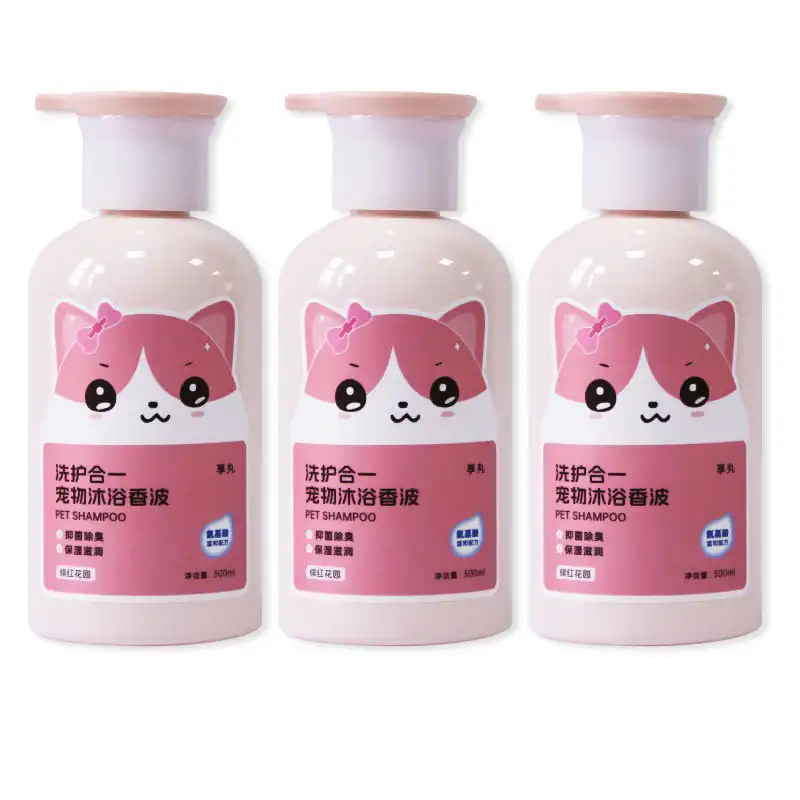
Understanding the Need for Safe Pet Shampoo Ingredients
Grooming products with harmful chemicals can hurt cats' skin, cause allergic responses, and cause health problems that last for a long time. This can cause clients to send things back, make complaints, and hurt the brand's image for both OEMs and wholesalers. People who own pets lose faith in stores, vet offices, and training facilities that sell or use things that make their pets sick. These reactions can be as mild as redness or as severe as dermatitis.
An in-depth knowledge of how rules work in the main areas is very important. The EU Cosmetics Regulation (EC) No 1223/2009 has strict rules about what can be used in makeup. Some binders and colorants can't be used because of these rules. The Federal Food, Drug, and Cosmetic Act tells the FDA what it can and can't do in the US. Of course, pet shampoos used for cleaning pets are different and must follow the good production standards set out in ISO 22716. Following signs like hypoallergenic and organic ones not only makes sure you're following the law, but it also makes your company seem more trustworthy. When buying teams know about these models, they can look for threats and federal rules. Which helps them make better, more competitive goods that are good for business and good for animals.
Core Safe Ingredients in Pet Shampoos and Their Benefits
Natural Cleansers and Plant-Based Surfactants
Plant-based surfactants, such as coco-glucoside and decyl glucoside, are being used in recipes more and more these days. These light cleaners are great alternatives to regular sulfates because they don't cause a lot of pain and break down easily. Soda lauryl sulfate (SLS) can hurt the lipid layer and take away natural oils. Plant-based cleansers, on the other hand, clean well and don't change the skin's natural balance of wetness. Since they are non-ionic or amphoteric, they lower the chance of sensitivity. This is good for cats who have atopic dermatitis or long-term skin issues because it helps them.
Soothing Botanical Extracts
It is mostly aloe vera, chamomile, and colloidal oatmeal that are found in high-end skin care pet shampoos that help you relax. Aloe barbadensis has polysaccharides and glycoproteins that help wounds heal faster and lessen swelling. The plant chamomile (Matricaria chamomilla) has chemicals in it called bisabolol and chamazulene that calm red, itchy skin. Oatmeal that has been finely ground from Avena sativa forms a film over the skin that keeps it from itching and helps the barrier repair process. Animal tests have shown that goods with 2% colloidal oatmeal help dogs with allergic dermatitis stop itching a lot more.
Nourishing Oils and Lipid-Restoring Agents
Coconut oil and olive oil can both clean better and make skin smoother. Medium-chain triglycerides in coconut oil kill germs. Malassezia yeast can be killed by lauric acid in particular. There is a lot of oleic acid (55-83%), linoleic acid, and vitamin E in olive oil. Together, these acids make a film that covers hair shafts and keeps them smooth. The film isn't greasy. A lot of the fatty content that was lost during washing can be brought back by products made with these oils. This stops the "rebound effect," which happens when skin overproduces sebum after a hard cleanse.
Ingredients to Avoid
The people who buy things need to know which parts could be dangerous or cause allergies. To keep things fresh, methylparaben and propylparaben are two types of parabens. Some people think that they can mess with hormones, though. A lot of sulfates, like sodium laureth sulfate (SLES) and SLS, especially in pet shampoo, can make your eyes hurt and skin dry. Pthalates are found in a lot of manufactured perfumes. In animal tests, they have been linked to problems with reproduction. More and more people are noticing inhibitors that release formaldehyde, such as DMDM hydantoin. This is a sign that you might not be following clean beauty trends. Formulations that are responsible leave these chemicals out to make sure that the product is safe enough to meet both government and customer standards.
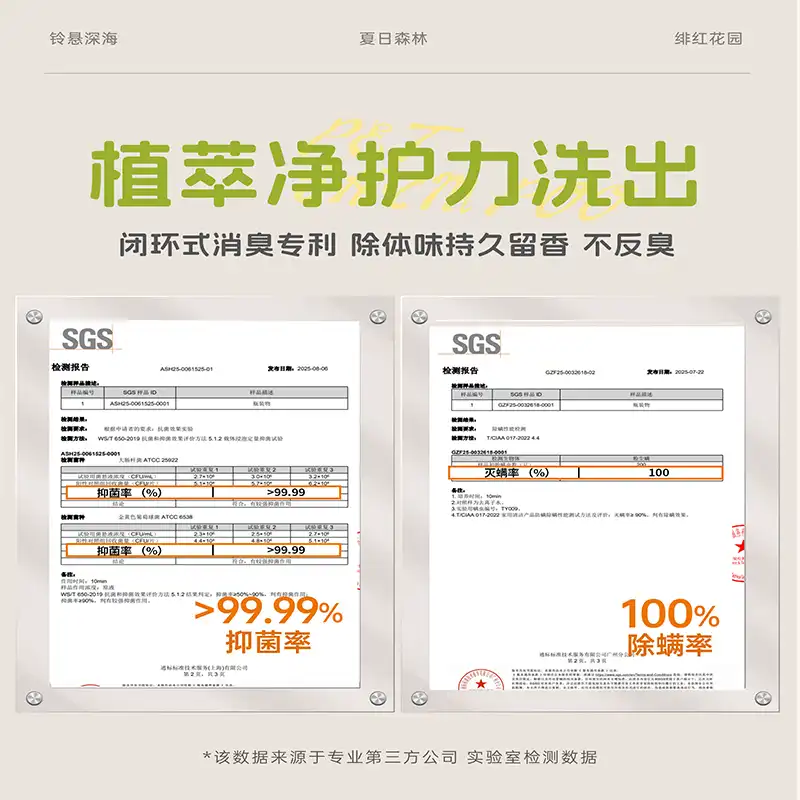
Comparing Safe Ingredient Formulations: Organic, Medicated, and Conventional Pet Shampoos
Procurement managers need to know the changes between standard, medicated, and organic types so they can choose where to get things. Each place is safe and meets the wants of a different group of customers. When you shop organic, you should look for natural chemical profiles that have been approved by reputable organizations such as ECOCERT or USDA Organic. People who care about the environment will like these recipes because they don't have any GMOs, man-made chemicals, or fake ingredients. The way the goods are made puts the environment first, from growing the raw materials to using recyclable packing. But organic products may cost more because they have to pay more to be certified, have a smaller stock of ingredients, and only last 24 months instead of 36 months for regular goods. In the supply chain, things to keep in mind are storage that changes with the weather and the chance that plant products will lose some of their strength.
Medicated hair products have medicine-like ingredients that are meant to help certain skin problems. chlorhexidine gluconate (2–4% strength) is given to people with pyoderma and hot spots. It kills a lot of different kinds of bacteria and fungus. Many dogs get Malassezia dermatitis, which is caused by yeast. Ketoconazole (1-2%) is used to treat it. Mixtures of 2.5% to 5% benzoyl peroxide can help get rid of demodex and seborrhea problems by getting rid of dead skin cells and cleaning out hair shafts. Medicines can help animals get better, but they should only be used when a vet tells you to and shouldn't be used as daily washes because that could be bad for them.
To combine cost and efficiency, more and more new, safe ingredients are being added to old formulas, Surfactant science has come a long way, and now we can replace strong sulfates with softer ones that don't change the foam or how well they rinse. Stabilization technologies make goods last longer on the shelf by using better preservatives, such as mixes of phenoxyethanol and ethylhexylglycerin or sodium benzoate and potassium sorbate. This list helps procurement teams find things that meet the needs of end users, fit their budgets, and follow the rules for all the different market outlets.
Conclusion
It is good for business and good for animals to choose pet shampoo with the best ingredients. Surfactants made from plants, ingredients that calm the skin, and nourishing oils clean well without hurting the skin's structure. Products that don't have phthalates, parabens, sulfates, or fake scents in them are allowed and meet customer needs all over the world. They give their businesses an edge over the competition by focusing on clear ingredient lists, source approvals, and quality control processes. New ideas are pushing the pet care industry to meet higher safety and effectiveness standards. The goods we've talked about have natural tear-free chemistry, kills germs and mites, and is safe and non-toxic.
FAQ
Are all natural ingredients safe for pets?
Some plants have chemicals that are harmful or cause allergies, so not all natural parts are safe by nature. For instance, chemicals in tea tree oil that are more than 1% are bad for cats and dogs. Important oils like wintergreen and pennyroyal have the same risks. To make balanced solutions, you need to test for toxicity and find the right amounts for diluting the ingredients. Buying decisions shouldn't just be based on the names of individual products. Instead, sellers who test the safety of whole formulations should be given more weight.
How often should different pets be bathed with safe shampoos?
Based on the species and how sensitive the skin is, it is used every so often. Every four to six weeks is enough to bathe a dog whose skin is in good shape. But if your dog has seborrhea or allergies, your vet may tell you that they need medicine baths once a week. Most of the time, cats don't need to be cleaned because they clean themselves, unless they are naked or sick. Even if the chemicals are safe, overbathing takes away natural oils. Because of this, the body makes more grease to make up for the loss of the fatty layer.
What are the key differences between cat and dog shampoos?
Cat skin has a pH level between 6.2 and 7.2 and a thinner layer than dog skin, so it needs items that are gentler. Things that are safe for dogs might be bad for cats because cats don't have the liver enzymes that break down phenolic chemicals and terpenes. As a bug killer for dogs, permethrin is often found, but it is very bad for cats' nerves. It is important for business-to-business clients to make sure that signs are clear and specific to the species. During production and transport, cross-contamination must be avoided at all costs.

Partner with Yunlan for Safe, High-Quality Pet Shampoo Solutions
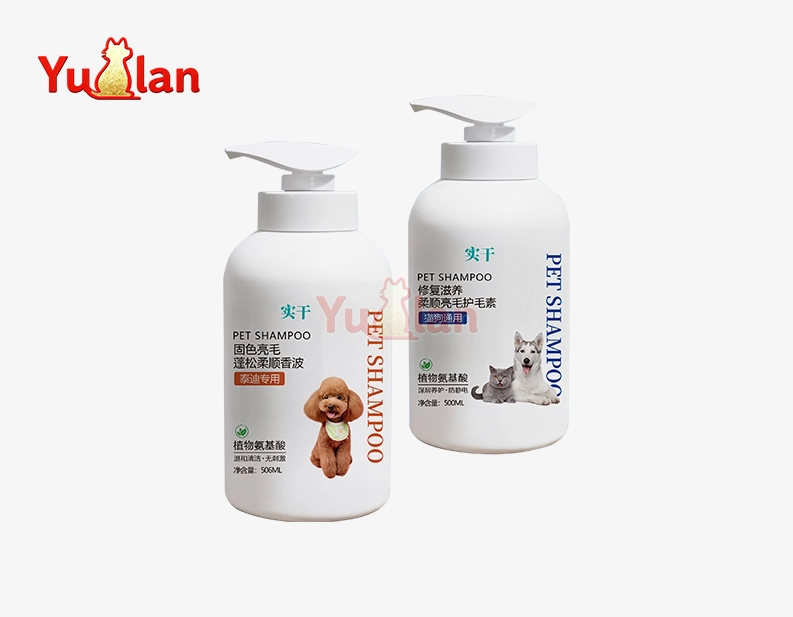
People in charge of buying things and retailers can trust Yunlan to make grooming products with the best and most market-accepted materials. Youlan has worked in the supply chain for more than 20 years as a part of the Ruixin Cloud Wave Group. In the past, it was an ODM source for well-known foreign brands. Now, it makes its own formulas. Our pet shampoos are safe and won't hurt your pet. They kill germs and bugs and are made with natural, tear-free chemicals that come from plants. These products come in different sizes, from 100ml to 1L. They are great for stores, veterinary offices, grooming shops, and online shopping because they deeply feed the skin, get rid of smells well, and leave hair fluffy and soft.
The rules our companies follow are set by ISO 22716. They also use cutting edge technologies that have been adapted for pet food to break down meat proteins and crisp animal bones. Our R&D center has 97 accepted domestic patents, 19 of which are idea patents. This gives it a lot of power to check the nutritional value of products and make the best formulations. The goods made by Yunlan are sold in over 60 countries and regions. In China, the company has more than 10,000 shops and more than 200 wholesalers. If you are a well-known company that makes pet shampoo or are thinking about adding new lines, please feel free to ask for a copy of our ingredient transparency paperwork and some samples. Get in touch with minghuixu6717@gmail.com to talk about business chances, custom formulations, and big supply choices that will help you stand out from the rest and meet the strictest safety standards.
References
- Smith, A. L., & Johnson, M. R. (2024). Veterinary Dermatology and Cosmetic Chemistry: Principles of Safe Grooming Product Formulation. Academic Veterinary Press.
- European Commission. (2023). Regulation (EC) No 1223/2009 on Cosmetic Products: Guidance for Pet Care Applications. Official Journal of the European Union.
- Thompson, K. E., Garcia, P., & Lee, S. H. (2025). Plant-Based Surfactants in Animal Dermatology: Efficacy and Safety Profiles. Journal of Veterinary Pharmacology and Therapeutics, 48(3), 412-429.
- National Research Council. (2024). Toxicological Risk Assessment of Pet Grooming Product Ingredients. National Academies Press.
- Williams, D. F., & Chen, Y. (2025). ISO 22716 Compliance in Pet Care Manufacturing: Best Practices and Case Studies. International Journal of Cosmetic Science, 47(2), 178-195.
- Peterson, R. L., Martinez, E. A., & Brown, T. J. (2026). Consumer Trends in Natural Pet Care Products: A Market Analysis of Safety Perception and Purchasing Behavior. Pet Industry Research Quarterly, 12(1), 56-73.