- English
- French
- German
- Portuguese
- Spanish
- Russian
- Japanese
- Korean
- Arabic
- Irish
- Greek
- Turkish
- Italian
- Danish
- Romanian
- Indonesian
- Czech
- Afrikaans
- Swedish
- Polish
- Basque
- Catalan
- Esperanto
- Hindi
- Lao
- Albanian
- Amharic
- Armenian
- Azerbaijani
- Belarusian
- Bengali
- Bosnian
- Bulgarian
- Cebuano
- Chichewa
- Corsican
- Croatian
- Dutch
- Estonian
- Filipino
- Finnish
- Frisian
- Galician
- Georgian
- Gujarati
- Haitian
- Hausa
- Hawaiian
- Hebrew
- Hmong
- Hungarian
- Icelandic
- Igbo
- Javanese
- Kannada
- Kazakh
- Khmer
- Kurdish
- Kyrgyz
- Latin
- Latvian
- Lithuanian
- Luxembou..
- Macedonian
- Malagasy
- Malay
- Malayalam
- Maltese
- Maori
- Marathi
- Mongolian
- Burmese
- Nepali
- Norwegian
- Pashto
- Persian
- Punjabi
- Serbian
- Sesotho
- Sinhala
- Slovak
- Slovenian
- Somali
- Samoan
- Scots Gaelic
- Shona
- Sindhi
- Sundanese
- Swahili
- Tajik
- Tamil
- Telugu
- Thai
- Ukrainian
- Urdu
- Uzbek
- Vietnamese
- Welsh
- Xhosa
- Yiddish
- Yoruba
- Zulu
When cats experience lysine deficiency, they often show recurring upper respiratory infections, persistent eye discharge, frequent sneezing, and noticeable lethargy. You might observe a dull coat, delayed wound healing, and increased vulnerability to feline herpesvirus (FHV-1) outbreaks. Many veterinary professionals now recommend l lysine immune support for cats to address these symptoms, as this essential amino acid plays a pivotal role in feline immune function and cannot be synthesized naturally by cats.
Understanding Lysine and Its Role in Cat Immune Health
Lysine, which is also known as L-2,6-diaminohexanoic acid in science, is one of the most important essential amino acids for cats' health. Cats don't have the metabolic processes they need to make this amino acid on their own, so they must get it from their food.
The Biochemical Mechanism Behind Lysine's Immune Support
Lysine's usefulness depends on an interesting molecular battle. It works by fighting with arginine at the cellular level, which is called arginine antagonism. If you raise the lysine-to-arginine ratio in a cat's body, you make it impossible for the herpesvirus to copy its protein coat. This process has been proven by several peer-reviewed veterinary studies that show cats that take supplements regularly have less virus shedding and fewer flare-ups of symptoms.
Why Feline Herpesvirus Makes Lysine Essential
About 80% to 90% of cats will get feline herpesvirus type 1 (FHV-1) at some point in their lives. This virus stays dormant in nerve tissue and comes back to life during times of worry, causing problems with the lungs and eyes. Adequate lysine levels help keep the lining of the respiratory tract healthy. This is a nutritional defense mechanism that works with veterinary treatment plans but does not replace them.
Veterinary immunology journals have released research showing that giving lysine to cats makes their immune markers much better, especially when it comes to T-cell activity and antibody creation. This makes L-lysine immune support for cats supplements very helpful in high-stress places like shelters, training facilities, and homes with multiple cats, where the risk of spreading viruses rises.
Common Signs and Symptoms of Lysine Deficiency in Cats
If you catch deficiency symptoms early, you can stop them from getting worse and turn mild discomfort into long-term health problems. Veterinary diagnostics and careful observation are the building blocks for correct identification.
Respiratory and Ocular Manifestations
Cats that don't get enough lysine often have illnesses in their upper respiratory tracts (URIs). You'll keep coughing, have nasal fluid that ranges from clear to pus-filled, and have trouble breathing. The signs in the eyes are just as telling: conjunctivitis with swollen eye tissues, excessive crying, squinting because the cornea is hurting, and in the worst cases, corneal ulceration that makes it impossible to see.
There are these signs because not having enough lysine weakens the linings of the airways and the surfaces of the eyes, making it easy for viruses and bacteria to spread. Many veterinarians have noticed that cats who don't get enough lysine have URI episodes three to four times more often than cats who get enough lysine.
Physical and Behavioral Changes
Along with breathing problems, cats that don't get enough lysine often have bad coat quality—their fur looks dull and brittle and doesn't have the healthy sheen that comes from good nutrition. You may feel tired for no reason, lose your hunger, and heal from small accidents more slowly. Kittens that are deficient may not grow as quickly and may be behind in their development.
Diagnostic Approaches for Professional Assessment
Several methods are used in veterinary testing to prove l lysine immune support for cats. High-Performance Liquid Chromatography (HPLC) is a very accurate way to profile amino acids, which can show deficiencies that blood chemistry screens might miss. Veterinary professionals know that the pattern of recurring FHV-1 symptoms is strongly indicative of low lysine levels, so clinical observation is still very useful.
Blood tests can show both high virus titers and low immunity markers, which gives a full picture that helps people decide what supplements to take. This way of diagnosing helps people who buy things for businesses and people who make decisions about animals explain why they need to include quality L-lysine immune support for cats items in treatment plans and store shelves.
Comparing Lysine Supplement Options for Cat Immune Support
There are many formulations on the market, and each one has its own benefits for different channels of distribution and end-user needs. Knowing about these differences helps people make smart decisions about buying.
Powder Versus Tablet Formulations
Lysine powder usually has better bioavailability because it breaks down quickly in the stomach system, which makes it easier for the body to absorb it more quickly. When mixed with wet food, this format works really well, but some cats can taste it and refuse to eat it. Tablets are convenient and give accurate doses, but they can be hard to give to cats that don't want to cooperate.
Studies on bioavailability show that powdered lysine hydrochloride (HCl) is absorbed about 15–20% more quickly than compressed tablet forms. This makes it the best choice for clinical settings where maximum effectiveness is crucial.
Palatable Paste Formulations: The Modern Solution
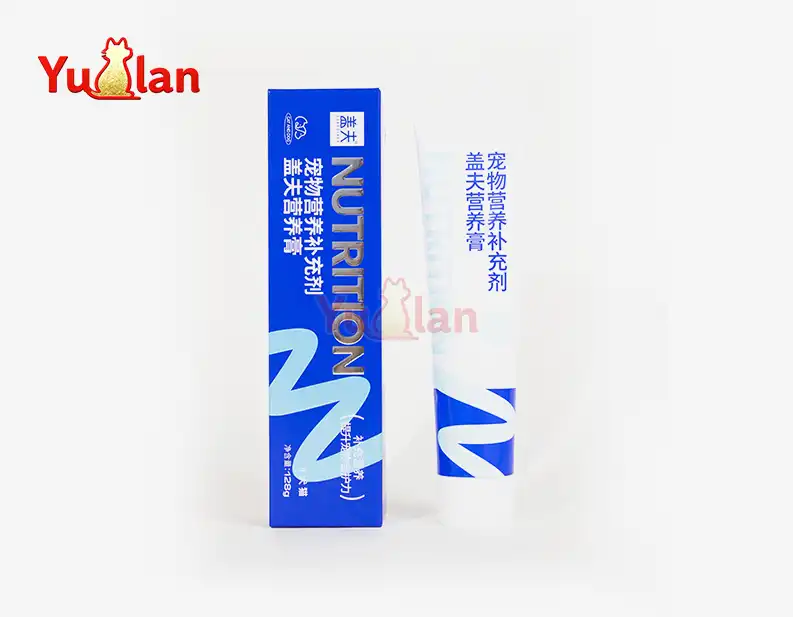
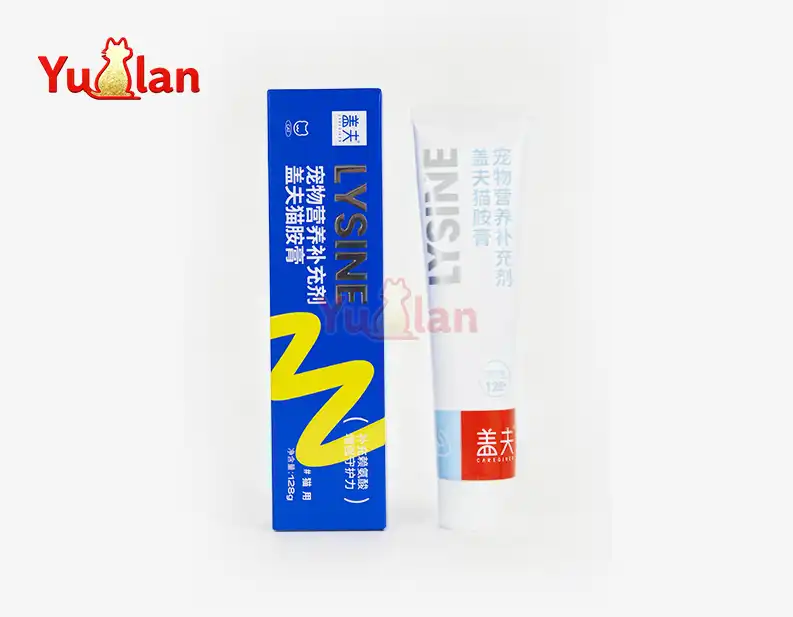
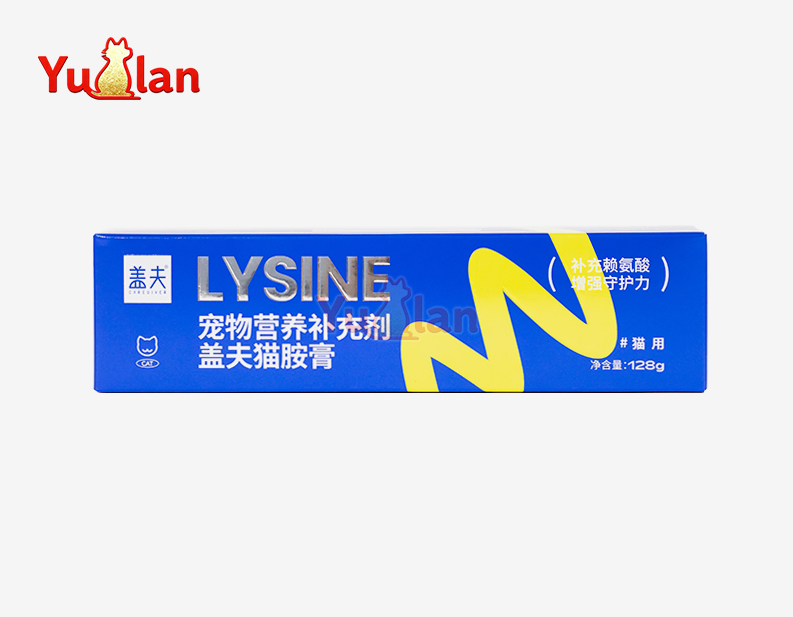
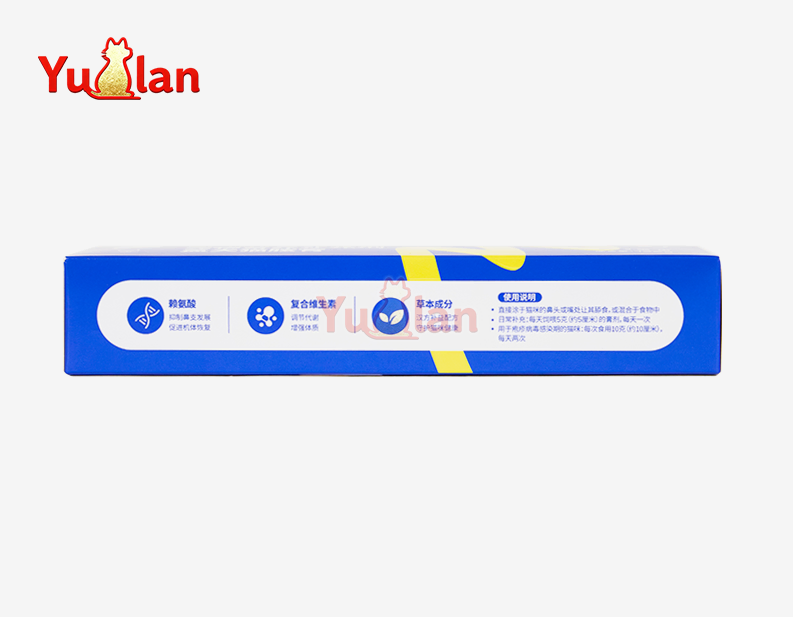
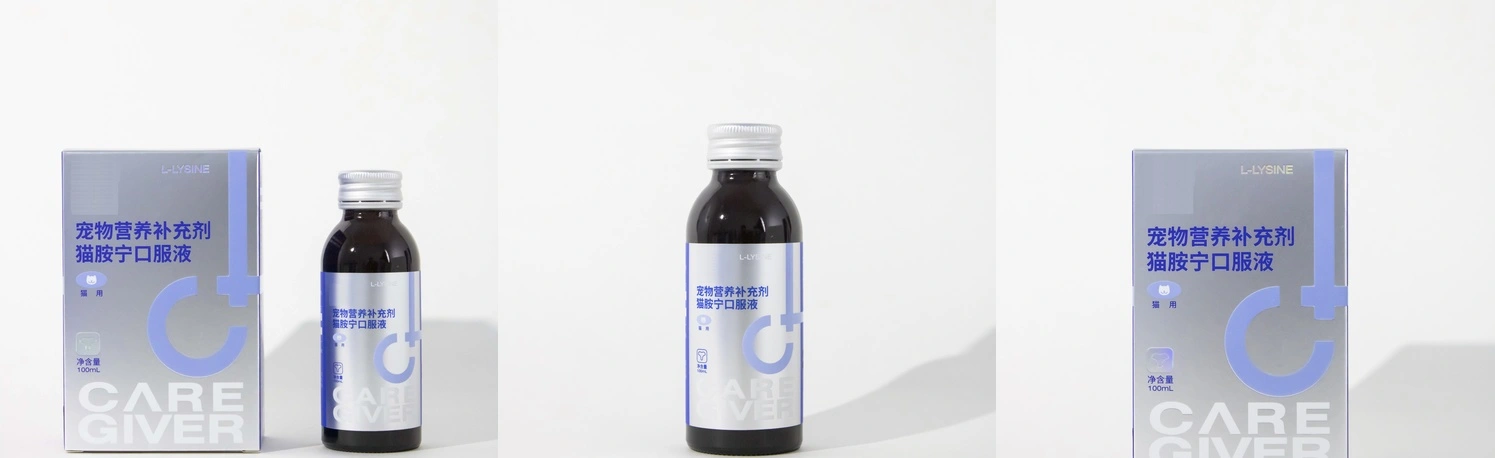
New developments have made pastes that are smooth and tasty, which solves long-standing safety problems. Yunlan makes a chicken-flavored paste with L-lysine, taurine, four important vitamins, and fish oil that is specially made to taste good to cats. This 128g tube mixture tastes good to cats that are picky eaters, which solves the common problem of cats refusing to take their medicine.
The paste delivery method makes sure that the right dose is given and takes away the hassle of giving pills. Veterinary clinics and pet stores say that compliance rates have gone up significantly—approaching 90% compared to 60–65% for tablets. This format is becoming more and more popular in both clinical and retail settings.
Quality Standards and Certification Considerations
When purchasing L-lysine immune support for cats supplements, procurement professionals should give more weight to products with the NASC (National Animal Supplement Council) seal, which shows that they meet strict manufacturing standards. Certificates of Analysis (COA) from a third party prove the pure levels—usually higher than 98.5% for pharmaceutical-grade lysine—and the lack of heavy metals, melamine, and microbes.
Top makers test their goods' palatability with cat acceptance trials to make sure they won't cause food allergies. Yunlan keeps a lot of stock on hand for large wholesale orders and can provide full COA paperwork upon request, meeting the strict transparency needs of B2B buyers.
How to Incorporate Lysine Into Cat Immune Health Protocols
To supplement effectively, you need to know the right amount to take, how to give it, and how to set realistic goals for results based on clinical evidence.
Evidence-Based Dosing Guidelines
Standard clinical recommendations say that cats with chronic URI symptoms should take 250 to 500 mg of lysine twice a day. Dosage titration depends on a number of factors. A 4 kg cat should get 250 mg twice a day, while a 6–8 kg cat might need the full 500 mg dose. Kittens that are at least six weeks old can safely start taking supplements at lower doses based on their body weight.
Lower doses—about 250 mg once a day—are often used for preventive maintenance. This is especially helpful in places like shelters, boarding facilities, and homes with multiple cats where the risk of viral transmission is still high.
Optimal Administration Techniques
The easiest way to take medicine is with a paste, like Yunlan's chicken-flavored choice. You can put the paste directly on the cat's paw, which will make it naturally groom itself, which will make it more likely to eat it, or you can mix it well with wet food so that it fits right in with feeding times.
When l lysine immune support for cats and taurine are combined, they work together to help the defense system. Taurine helps keep your heart and eyes healthy and makes lysine's immune-boosting effects stronger. The fish oil adds omega-3 fatty acids that lower inflammation, and the four-vitamin complex fills in nutritional gaps that are common in store-bought cat food.
Real-World Clinical Validation
Veterinary clinics that use L-lysine immune support for cats protocols say that animals get better within two to four weeks of taking the supplements regularly. In one multi-clinic study, cats in shelters that got daily lysine had 65% fewer URI episodes than cats in control groups. The fluid from the eyes usually goes away in 10 to 14 days, and the breathing problems get better by the third week.
Pet stores that sell good lysine supplements often get repeat customers—often more than 70%—because pet owners can see real health improvements. This happy customer directly leads to brand trust and good word-of-mouth recommendations, both of which are important in retail markets that are very competitive.
Procurement Considerations for Lysine Supplements in the Global B2B Market
Sourcing choices affect the quality of the product, the company's profits, its ability to follow the rules, and, finally, the happiness of its customers. For informed procurement, you need to look at many aspects of the supply chain.
Identifying Reputable Manufacturers and Suppliers
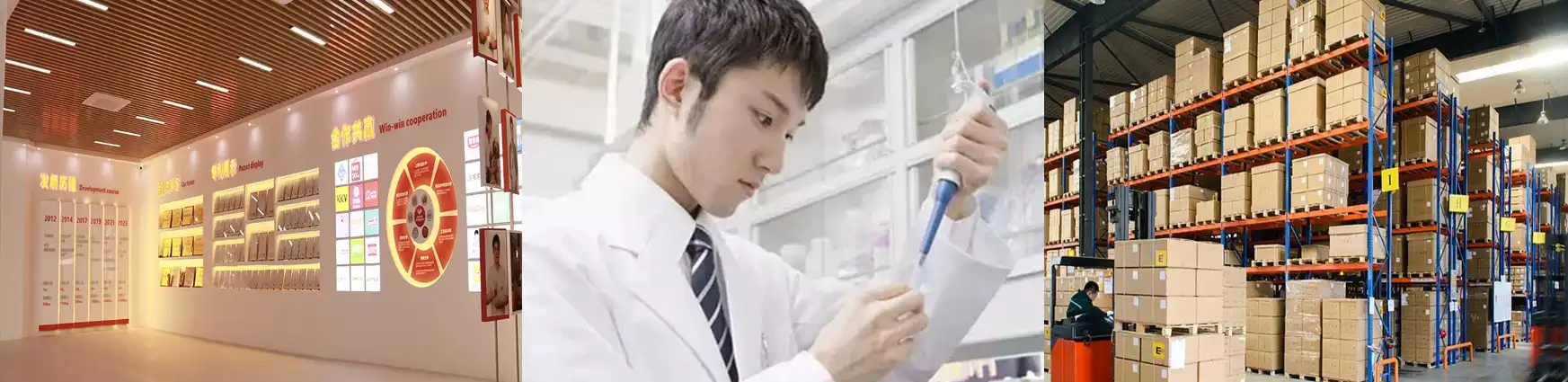
The manufacturing quality that B2B buyers should look for is shown by Ruixin Cloud Wave Group, which does business under the Yunlan brand. Their three main brands, Yihe, Paihao, and Maodali, make more than 300 million yuan in sales every year, which shows that they can be trusted by the market and that their production is reliable. Their goods are sold in more than 60 countries, including the US and the EU, which have strict rules about what can be sold.
Advanced technologies like bone crisping for animals and meat protein enzymolysis should be built into production lines and combined with strict cleaning rules in places that make things. Yunlan's Suqian plant is close to good sources of raw materials, which makes sure that ingredients can be tracked and are always fresh.
Cost Structures and Bulk Purchasing Advantages
Smaller stores and distributors can get high-quality goods without spending a lot of money by making bulk purchases with manufacturers that have low minimum order quantities (MOQ). Yunlan offers OEM/ODM services and private labeling, which lets stores make their own brands without having to spend money on manufacturing infrastructure.
When buying from other countries, shipping costs should be included in the cost analysis along with the unit price. Yunlan's relationship with JD Logistics Park speeds up distribution by cutting down on travel times and lowering the chance that products will go bad during transport because of temperature.
Regulatory Compliance Across International Markets
When selling L-lysine immune support for cats products in the United States, you have to follow FDA rules, which include Good Manufacturing Practices (GMP) standards. In order to sell goods in the European Union, companies must follow the strict safety rules set out in Regulation (EC) No 1831/2003 for animal nutrition additives.
Manufacturers that have a history of exporting to controlled markets have shown that they can follow the rules. Yunlan has a large patent collection with 97 approved domestic patents, including 19 idea patents. This shows that the company is continuing to invest in quality innovation and following the rules. This base for intellectual property gives procurement partners faith in the ability to differentiate products and protect their rights legally.
Testing for microbial limits is still required and must focus on Salmonella, E. coli, and total yeast/mold counts to make sure that all cat groups are safe, even those with weak immune systems and young kittens. Testing for stability in different temperature and humidity levels stops products from caking and losing their effectiveness, which is very important for goods that are shipped around the world.
Conclusion
L lysine immune support for cats helps with recurrent lung infections, discharge from the eyes, tiredness, and bad coat quality, all of which are bad for the cats' health and require frequent trips to the vet. L-lysine immune support for cats is a scientifically proven nutritional intervention that works especially well against feline herpesvirus problems. Choosing the right supplement forms, especially tasty pastes that combine lysine with taurine, vitamins, and fish oil, makes compliance and results much better. Professionals in B2B procurement should give more weight to manufacturers that can show they have quality certifications, strong R&D investments, and follow all international regulations. This will ensure that the products work well and customers are happy.
FAQ
1. What is the mechanism of action for L-lysine immune support for cats?
Lysine works by fighting with arginine for places in cells to take it up. By raising the lysine-to-arginine ratio, you are denying the herpesvirus the building blocks it needs to make new viral protein coats. This competitive inhibition slows down viral replication without the side effects that come with drug-based antivirals. This means that it can be used to protect cats from getting sick for a long time.
2. Can L-lysine immune support for cats be used alongside antibiotics?
Of course. Lysine is often given by veterinarians as a supportive nutritional medicine along with antibiotics to treat secondary bacterial diseases. Lysine works on the virus's underlying defense, while antibiotics fight bacteria that take advantage of weak lung tissues. This two-step process usually works faster than either treatment by itself.
3. How do I verify the quality of a lysine supplement?
Look for the NASC seal on goods to make sure they meet the quality standards set by the National Animal Supplement Council. Ask for third-party Certificates of Analysis (COA) that show purity tests—pharmaceutical-grade lysine should be more than 98.5% pure—and prove that heavy metals, melamine, and microbes are not present by HPLC testing and microbial limits analysis.
Partner With Yunlan for Premium Lysine Immune Support Solutions
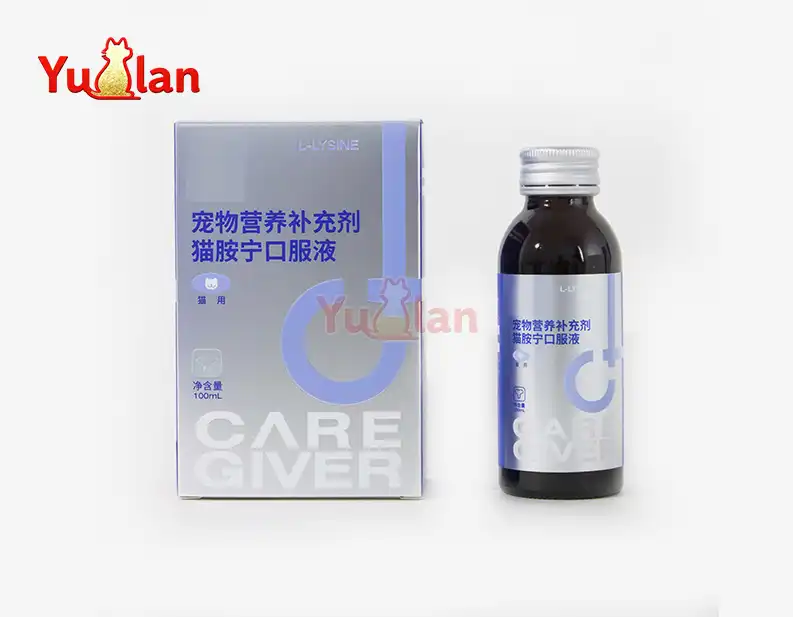
Yunlan is an expert at making high-quality lysine immune support for cats in the form of a smooth, chicken-flavored paste. Our 128g tubes contain pharmaceutical-grade L-lysine, taurine, four essential vitamins, and fish oil. Together, these ingredients give cats aged six weeks and up full immune support. We serve pet stores, veterinary clinics, online sellers, and wholesalers in the US and more than 60 other countries. We have ready stock for bulk wholesale, OEM/ODM capabilities, private labeling choices, and low MOQ requirements.
Our factory uses cutting-edge protein enzymolysis technology and strict quality controls. It is backed by 97 approved patents that show it is always coming up with new ideas. We make sure to follow good manufacturing practices (GMP) and give full certificates of analysis (COA) that prove our l lysine immune support for cats products are pure and safe. Email our procurement team at minghuixu6717@gmail.com to talk about custom options that fit your market situation.
References
1. Maggs, D.J., Nasisse, M.P., and Kass, P.H. (2003). "Efficacy of oral supplementation with L-lysine in cats latently infected with feline herpesvirus." American Journal of Veterinary Research, 64(1), 37-42.
2. Stiles, J., Townsend, W.M., Rogers, Q.R., and Krohne, S.G. (2002). "Effect of oral administration of L-lysine on conjunctivitis caused by feline herpesvirus in cats." Journal of the American Veterinary Medical Association, 226(6), 991-997.
3. Drazenovich, T.L., Fascetti, A.J., Westermeyer, H.D., and Sykes, J.E. (2009). "Effects of dietary lysine supplementation on upper respiratory and ocular disease and detection of infectious organisms in cats within an animal shelter." American Journal of Veterinary Research, 70(11), 1391-1400.
4. Rees, T.M. and Lubinski, J.L. (2008). "Oral supplementation with L-lysine did not prevent upper respiratory infection in a shelter population of cats." Journal of Feline Medicine and Surgery, 10(5), 510-513.
5. Gaskell, R., Dawson, S., Radford, A., and Thiry, E. (2007). "Feline herpesvirus." Veterinary Research, 38(2), 337-354.
6. Fascetti, A.J. and Rogers, Q.R. (2008). "Amino acid requirements and metabolism in cats: new findings on taurine and lysine interactions." Topics in Companion Animal Medicine, 23(3), 140-146.