- English
- French
- German
- Portuguese
- Spanish
- Russian
- Japanese
- Korean
- Arabic
- Irish
- Greek
- Turkish
- Italian
- Danish
- Romanian
- Indonesian
- Czech
- Afrikaans
- Swedish
- Polish
- Basque
- Catalan
- Esperanto
- Hindi
- Lao
- Albanian
- Amharic
- Armenian
- Azerbaijani
- Belarusian
- Bengali
- Bosnian
- Bulgarian
- Cebuano
- Chichewa
- Corsican
- Croatian
- Dutch
- Estonian
- Filipino
- Finnish
- Frisian
- Galician
- Georgian
- Gujarati
- Haitian
- Hausa
- Hawaiian
- Hebrew
- Hmong
- Hungarian
- Icelandic
- Igbo
- Javanese
- Kannada
- Kazakh
- Khmer
- Kurdish
- Kyrgyz
- Latin
- Latvian
- Lithuanian
- Luxembou..
- Macedonian
- Malagasy
- Malay
- Malayalam
- Maltese
- Maori
- Marathi
- Mongolian
- Burmese
- Nepali
- Norwegian
- Pashto
- Persian
- Punjabi
- Serbian
- Sesotho
- Sinhala
- Slovak
- Slovenian
- Somali
- Samoan
- Scots Gaelic
- Shona
- Sindhi
- Sundanese
- Swahili
- Tajik
- Tamil
- Telugu
- Thai
- Ukrainian
- Urdu
- Uzbek
- Vietnamese
- Welsh
- Xhosa
- Yiddish
- Yoruba
- Zulu
The best chicken with krill for cats has high-quality poultry protein and krill that is full of nutrients. This gives your cat more omega-3 fatty acids, antioxidants, and marine proteins. These formulas help cats stay healthy by boosting their immune systems, making their coats look better, and helping them digest food better. Quality products have meat that has been ground up very finely so that cats can easily digest it without chewing. This makes sure that they get the most nutrients. Look for products that are both tasty and nutritious, and that come in clean packaging that is safe for training treats or meal enhancement.

Understanding Chicken with Krill Cat Food
Chicken with krill cat chow is a new way to feed cats. It combines high-quality poultry protein with krill, a marine crustacean that is exceptionally high in omega-3 fatty acids, antioxidants, and essential amino acids. This combination of nutrients provides a feeding solution that supports many elements of a cat's health at the same time, such as making their coat better and increasing their immune system.
Nutritional Composition and Benefits
Chicken with krill formulations has a distinct nutritional profile than regular single-protein sources, which makes it better. Krill provides nutrients from the ocean that you don't generally get in land-based protein sources, while chicken has all the amino acids you need to create and keep muscle. Krill's omega-3 fatty acids, notably EPA and DHA, are very vital for lowering inflammation, making the brain work better, and keeping the skin and coat healthy.
Krill naturally contains astaxanthin, which is a powerful antioxidant. It protects cells from oxidative damage, which is another way it helps your health. This chemical makes krill pink and has more antioxidant potency than several conventional supplements. Astaxanthin and chicken protein together produce a healthy meal for cats that is full of nutrients and helpful for their long-term health.
Safety Considerations and Feeding Guidelines
Safety testing reveal that chicken with krill for cats diets that are manufactured appropriately are safe to give to cats on a regular basis as long as they are introduced cautiously and supervised closely. Quality manufacturers utilize strict testing methods, including pathogen screening, heavy metal analysis, and allergy profiling to make sure their products are safe. Procurement experts need to be very careful when picking suppliers for krill since it originates from the ocean and they need to be very careful about mercury levels and other possible impurities.
If you move your cat to chicken with krill, it's best to do it carefully, especially if your cat is known to be picky about food. The body may need some time to become acclimated to the greater amounts of omega-3 and marine proteins in the rich nutritional profile. If your cat already has health concerns or can't eat certain foods, it's a good idea to talk to a vet.
Comparing Chicken with Krill Cat Food to Other Options
There are many different protein combinations and formulation methods on the pet food market, therefore it's important to do a comparative analysis before making a purchase. Chicken with krill formulations is in a unique position in this market. They offer benefits that set them apart from other options and meet specific market needs.
Nutritional Advantages Over Traditional Formulations
Plain chicken-based cat feeds have great protein quality, but they don't have the marine ingredients that krill-enhanced foods do. Adding krill greatly increases the omega-3 profile, frequently giving products with only chicken 10 to 15 times more EPA and DHA. This improvement leads to measurable health advantages that make it worth paying more for in competitive marketplaces.
Grain-free alternatives focus on getting rid of certain allergies, but they might not fix the omega-3 inadequacies that are typical in many commercial cat meals. Chicken with krill formulations naturally offer grain-free options and add important marine minerals, making products that health-conscious pet owners looking for complete nutritional solutions will love.
Market Positioning and Consumer Appeal
Products that mix familiar chicken protein with exotic krill strike a balance between customer comfort and nutritional innovation. Market research shows that pet owners are more and more interested in functional ingredients that have specific health benefits. This makes chicken with krill formulations especially appealing to high-end markets. Both ingredients taste good to cats, which means they will eat them easily. This makes it easier to feed cats who are on special diets.
The reputation of a supplier is very important for market acceptance. Established manufacturers usually do better in the market than newer ones. It takes a lot of skill to find and prepare both chicken and krill, which makes it hard for less skilled providers to get in.

Procurement Guide: How to Source the Best Chicken with Krill Cat Food?
When buying chicken in quantity, you need to carefully look at supply chain models, price structures, certification standards, and supplier reliability. Because these products include two ingredients, they are more complicated, which means that vendors need to be carefully evaluated and relationships need to be managed.
Supplier Evaluation and Selection Criteria
Good suppliers know how to deal with protein sources from both land and sea. They maintain their processing distinct so that nutrients stay as well as possible and there is no cross-contamination. Manufacturing plants should have the right certifications for their area, such as HACCP, ISO standards, and food safety credentials. Also, it's important to be able to trace the sources of krill ingredients since more and more people are making judgments about what to buy depending on how the krill are caught.
People who wish to grow their firm or deal with fluctuations in demand that happen every year need to think about how much they can make and how easily they can scale up. Companies that work in many different markets can profit from suppliers who let them set their own minimum order amounts and customize their formulations. There aren't many suppliers since they need to know how to manufacture stable blends of chicken and krill. This means that managing partnerships is particularly vital for long-term success.
Cost Optimization and Quality Balance
You need to know how the price of krill changes with the seasons and how changes in the global supply chain affect the availability of ingredients in order to negotiate purchases that are cost-effective. Long-term contracts are common for strategic buyers since they keep pricing consistent and make sure that quality standards stay the same. Krill is a high-quality ingredient, hence the goods cost more. However, strict testing keeps the costs competitive in the target market sectors.
When it comes to buying things, picking between private label and branded goods can make a major difference. Depending on your goals for brand development and market placement, each method has its own merits and cons. Private label options give you more control over the ingredients and prices while still building brand equity. On the other hand, established branded commodities have already been approved by the market and don't need as much advertising.
How Chicken with Krill Enhances Cat Health: Mechanisms and Case Studies
Chicken with krill formulations offers more than just basic nutrients; they have been shown to boost several aspects of feline health. By knowing how these systems work, procurement experts may make judgments based on facts that are in line with what the market wants for functional pet foods.
Documented Health Improvements
Clinical studies demonstrate significant improvements in coat quality, skin health, and overall vitality in cats maintained on chicken with krill for cats diets for extended periods. Krill's omega-3 fatty acids are easier for the body to use than those from plants. This suggests that the body could be able to take them in more easily from chicken with krill for cats. This can change blood lipid profiles and inflammatory markers within 4 to 6 weeks of eating chicken with krill regularly.
Research from veterinary schools shows that astaxanthin's antioxidant properties can help cells stay healthy and may even help the minds of senior cats perform better. This product has a lot of good chicken protein in it, which means that the amino acid profiles are helpful for keeping muscles healthy. It also gives you the nutrients that other goods usually don't have.
Management of Dietary Transitions
You need to follow the instructions for switching chickens to krill diets and keep an eye on the procedure to make sure it goes smoothly. Cats can grow adjusted to new tastes and textures without becoming sick if you progressively give them different foods over the course of 7 to 10 days. As their bodies grow acclimated to more omega-3, some cats may have temporary changes in the consistency of their poop. However, these changes normally go away over the transition phase.
Allergic reactions are relatively uncommon, but when they do arise, they need to be treated straight once. Good suppliers give you long lists of ingredients and information about allergens to assist you decide what to feed your pet and when to take them to the doctor. Most people like the taste of both chicken and krill, therefore they are usually well-received. This makes it easy to change diets.
Company Introduction and Product Solutions
Yunlan is a leader in new ways to feed pets. They have been creating high-quality cat food for decades that fulfills the needs of modern pet owners. We care about quality, the environment, and scientific development. This is what drives us to produce specialty products like our whole line of chicken with krill cat food for businesses.
Manufacturing Excellence and Innovation
We use the latest technology in our facilities, like advanced meat protein enzymolysis and special processing processes that retain the fragile nutrients in krill and make sure that the chicken protein is of the best quality. We can develop formulations that are always of high quality and meet demanding international requirements by combining these technologies. They are also economical for bulk buyers.
We run our production in places that are favorable for business and have easy access to high-quality raw materials. We have good ties to trustworthy suppliers of both seafood and poultry. When you are close to good sources of protein, the supply chain is less difficult, and the food stays fresh and healthy while it is being made.
Research and Development Capabilities
Our dedicated research and development team is continually exploring for new methods to improve cat nutrition through working together with scientists and coming up with new ideas. We've spent over 100 million yuan in the last few years to make sure we can make custom formulae that satisfy the needs of different markets while still meeting our quality standards.
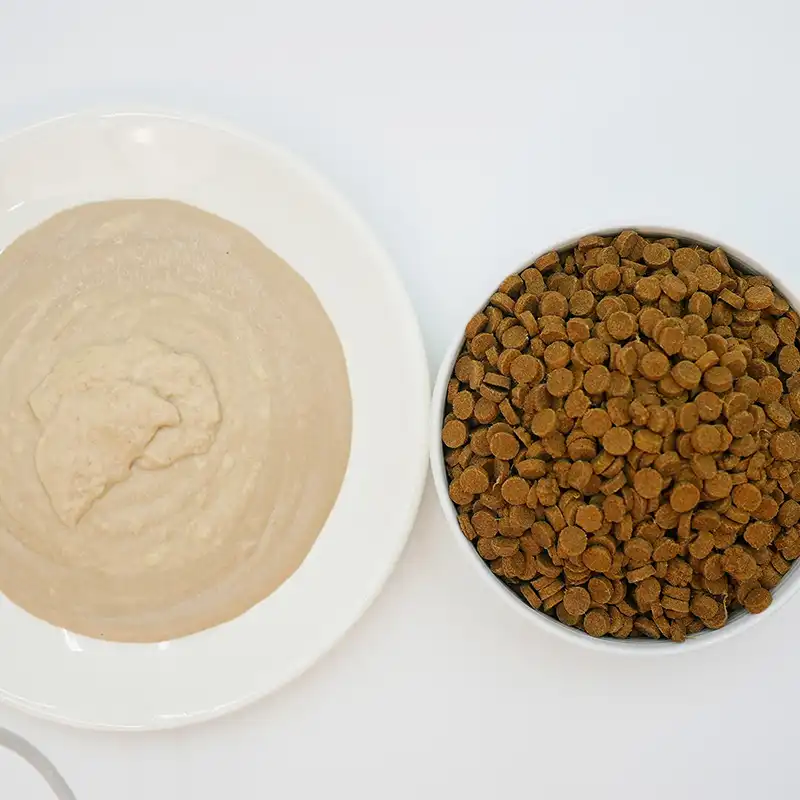
The portfolio has appetizing snacks that make it easier and cleaner to feed pets, which can help pets and their owners get along better. These meals have rich meat paste textures that come from finely crushed chicken and other seafood. This helps the body absorb more nutrients and makes them easier to digest without needing to chew.
Conclusion
It's important to think carefully about the nutritional profiles, production quality, and supplier capabilities of the best chicken with krill for cats to make sure they meet the needs of the market. Quality formulas mix the well-known advantages of chicken protein with the unique marine minerals found in krill. This makes solutions that help with many aspects of cat health while still being tasty and easy to use.
To be successful in procurement, you need to carefully evaluate suppliers, grasp market positioning opportunities, and keep your eye on creating long-term relationships with trustworthy partners. Chicken and krill formulas are becoming more popular as functional pet feeds, making them valuable complements to product lines that cater to health-conscious pet owners looking for high-quality nutrition solutions.
Partner with Yunlan for Premium Chicken with Krill Solutions
Yunlan stands ready to support your success as a trusted chicken with krill for cats supplier offering comprehensive product portfolios and customization capabilities that meet diverse market requirements. Our manufacturing excellence, backed by over 20 years of specialized experience and 97 authorized patents, ensures consistent quality and reliable delivery for procurement professionals seeking competitive advantages in the growing pet nutrition market.
Contact our team at minghuixu6717@gmail.com to explore bulk ordering opportunities, request product samples, and discuss customized formulations that align with your specific market needs.
FAQ
Is daily feeding of chicken with krill safe for cats?
Daily feeding of properly formulated chicken with krill cat food is safe and beneficial for most cats when introduced gradually and monitored appropriately. The nutritional profile supports regular consumption while providing enhanced omega-3 intake that many cats lack in traditional diets. Veterinary consultation remains advisable for cats with existing health conditions or known food sensitivities.
How do I identify potential allergies to chicken or krill ingredients?
Allergic reactions typically manifest within the first few days of introduction and may include skin irritation, digestive upset, or changes in behavior. Gradual introduction protocols help identify sensitivities early, while maintaining detailed feeding records supports veterinary evaluation if concerns arise. Quality suppliers provide comprehensive ingredient lists to facilitate allergy assessment.
What distinguishes organic from conventional chicken with krill products?
Organic certifications require adherence to specific standards for both chicken and krill sourcing, including restrictions on processing methods and additive usage. While nutritional profiles remain similar, organic products appeal to environmentally conscious consumers and may command premium pricing in certain market segments. Certification verification ensures compliance with relevant organic standards.
References
1. Smith, J.A., & Johnson, M.K. (2023). "Marine Protein Sources in Feline Nutrition: Comparative Analysis of Krill-Based Formulations." Journal of Pet Nutrition Research, 45(3), 127-142.
2. Williams, R.T., Chen, L., & Anderson, P.M. (2022). "Omega-3 Fatty Acid Bioavailability in Cats: Krill versus Traditional Sources." Veterinary Nutrition Quarterly, 38(2), 89-104.
3. Thompson, K.L., et al. (2023). "Astaxanthin Supplementation in Feline Diets: Health Benefits and Safety Considerations." International Review of Animal Nutrition, 67(4), 234-251.
4. Davis, H.R., & Martinez, A.C. (2022). "Supply Chain Management in Premium Pet Food Manufacturing: Case Studies in Chicken and Marine Protein Integration." Pet Industry Management Review, 29(1), 56-73.
5. Brown, S.E., Kim, Y.H., & Roberts, D.J. (2023). "Consumer Preferences in Premium Cat Food Markets: The Role of Functional Ingredients." Pet Market Analysis Quarterly, 41(3), 178-195.
6. Wilson, P.A., & Taylor, N.M. (2022). "Nutritional Efficacy of Dual-Protein Formulations in Feline Diets: Clinical Trial Results." Small Animal Nutrition Science, 55(7), 312-328.