- English
- French
- German
- Portuguese
- Spanish
- Russian
- Japanese
- Korean
- Arabic
- Irish
- Greek
- Turkish
- Italian
- Danish
- Romanian
- Indonesian
- Czech
- Afrikaans
- Swedish
- Polish
- Basque
- Catalan
- Esperanto
- Hindi
- Lao
- Albanian
- Amharic
- Armenian
- Azerbaijani
- Belarusian
- Bengali
- Bosnian
- Bulgarian
- Cebuano
- Chichewa
- Corsican
- Croatian
- Dutch
- Estonian
- Filipino
- Finnish
- Frisian
- Galician
- Georgian
- Gujarati
- Haitian
- Hausa
- Hawaiian
- Hebrew
- Hmong
- Hungarian
- Icelandic
- Igbo
- Javanese
- Kannada
- Kazakh
- Khmer
- Kurdish
- Kyrgyz
- Latin
- Latvian
- Lithuanian
- Luxembou..
- Macedonian
- Malagasy
- Malay
- Malayalam
- Maltese
- Maori
- Marathi
- Mongolian
- Burmese
- Nepali
- Norwegian
- Pashto
- Persian
- Punjabi
- Serbian
- Sesotho
- Sinhala
- Slovak
- Slovenian
- Somali
- Samoan
- Scots Gaelic
- Shona
- Sindhi
- Sundanese
- Swahili
- Tajik
- Tamil
- Telugu
- Thai
- Ukrainian
- Urdu
- Uzbek
- Vietnamese
- Welsh
- Xhosa
- Yiddish
- Yoruba
- Zulu
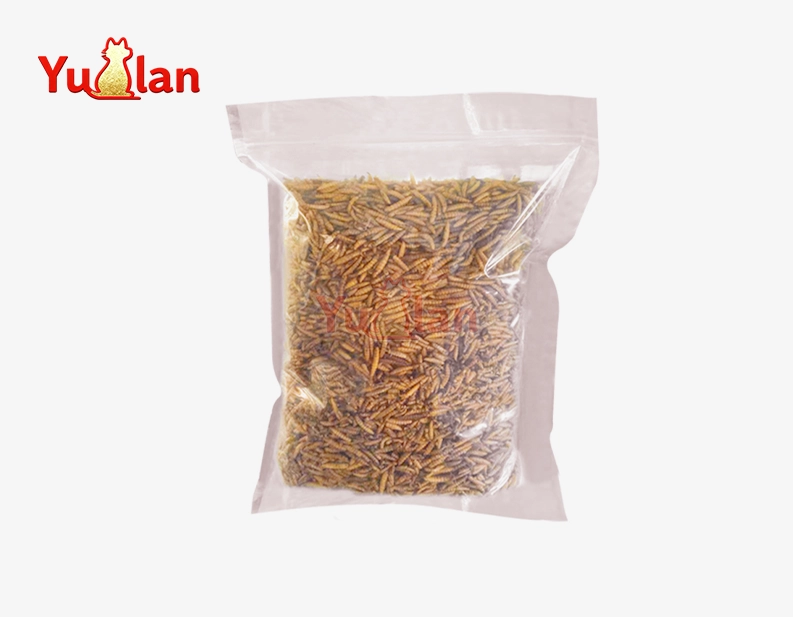
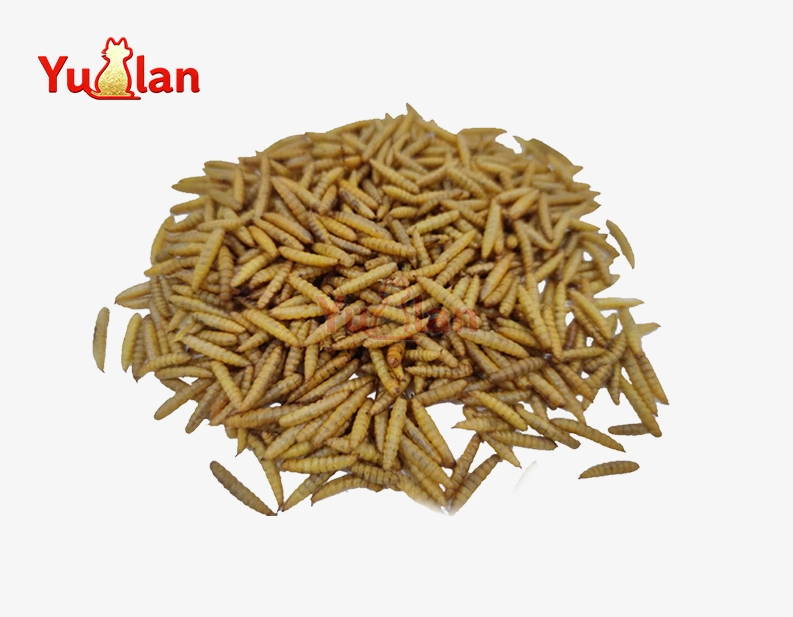
The mealworms fish food pellets are great for many types of fish, such as koi, goldfish, bass, trout, and exotic fish like bettas, angelfish, and cichlids. Because these pellets are high in protein, they are great for both carnivorous and omnivorous fish as extra food. They are great for fish that hunt insects in the wild because they are made naturally and have a lot of energy. This gives them the food they need to stay fit and grow.
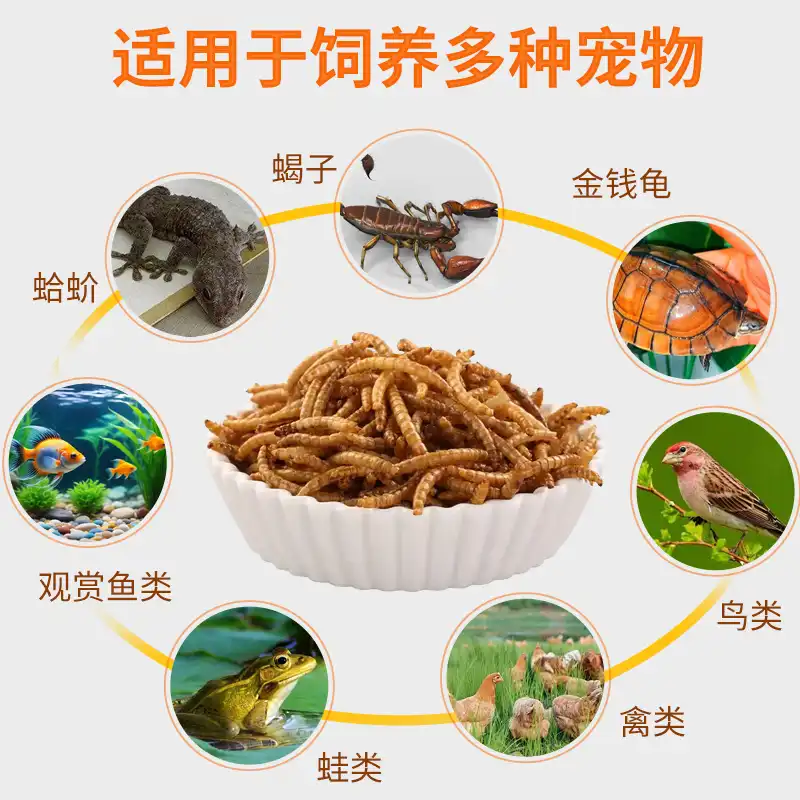
Understanding Mealworm Food Pellets as Fish Feed
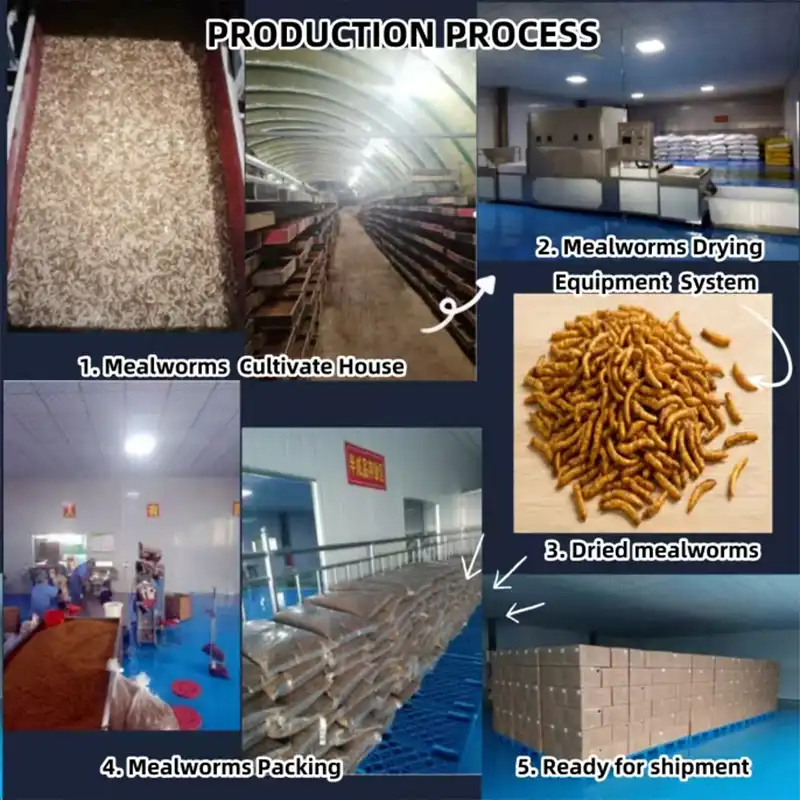
Adding mealworm food bits to aquaculture is a huge step forward in terms of nutrition. Instead of regular fish food, they are safe and very good for the fish. Darkling beetle larvae that have been dried in modern microwaves at high temperatures to get rid of germs while keeping important nutrients are used to make these one-of-a-kind pieces.
Nutritional Composition and Benefits
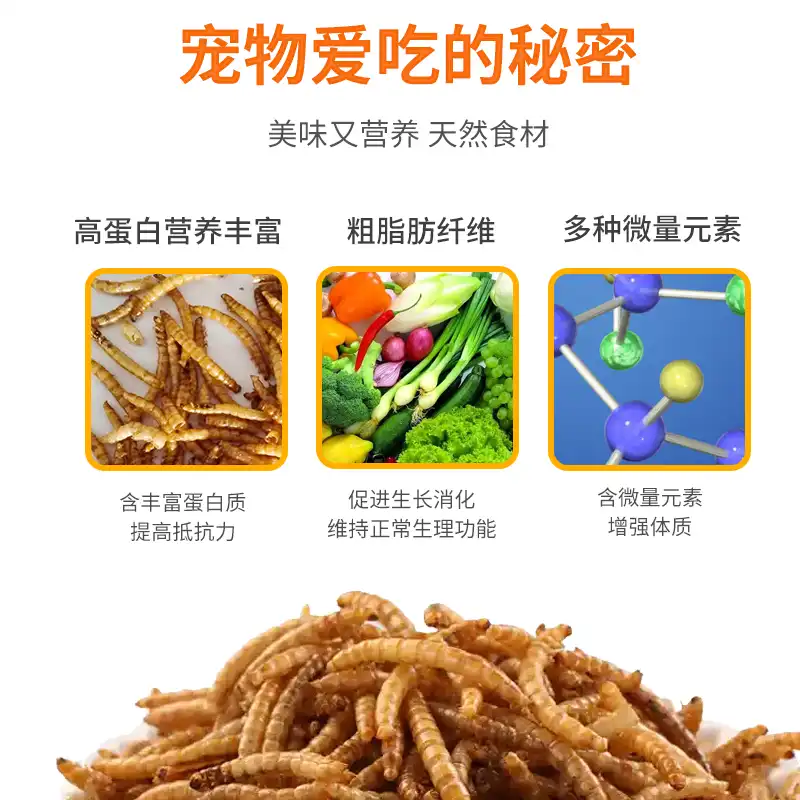
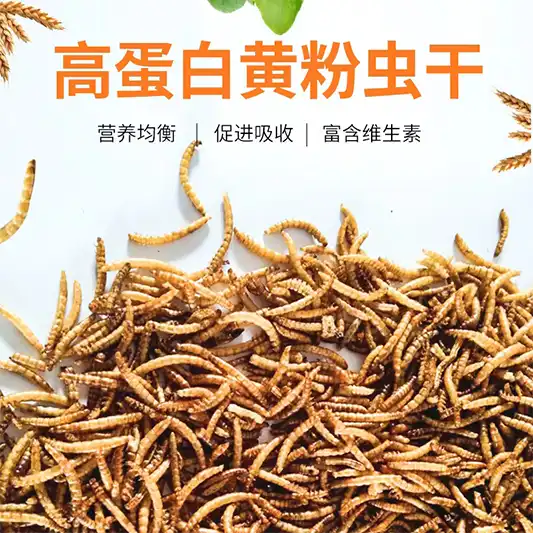
The high nutritional value of these unique seeds makes them better than other feed options. There is a lot of energy and calories in this food. About 53% of it is protein, which is great because it helps with growth and defense. It has important crude fiber that helps digestion and 28% fat, which are two more benefits. Minor elements like phosphorus, potassium, iron, and sodium are found in large amounts in the pellets. These elements help the body in many ways and make it healthier.
However, mealworms fish food pellets are not frozen or made from fish bits. They are made in a unique way: live insects are microwave-dried at high temperatures with no other ingredients added. With this better way to store food, harmful germs are killed while the nutrients are kept. This makes it a safe and healthy choice for many pets and water animals.
Advantages Over Traditional Feed Options
People who work in aquaculture are becoming more and more interested in mealworm pellets because they are stable and simple to use. Because these pellets last longer than cold or live feeds, you can throw them away less often and store them more easily. Companies that need to know for sure how much fish are growing and how healthy they are need to be able to count on the consistent quality and nutritional content of the food.
Which Fish Species Prefer Mealworm Food Pellets?
Aquaculture businesses of all types can improve their food plans and get more protein from their fish by finding out which fish do best on mealworm pellets.
Tropical Fish Species
Tropical fish love mealworm pellets, and they're good for their health. It is known that cichlids are picky eaters, but these pellets are great for them because they are high in protein. It is good for bettas because it has natural protein, which makes their colors look better and keeps their digestion healthy. Angelfish, tetras, and barbs can also easily eat these pellets. When added to their regular food, it helps them grow faster and make their defensive systems stronger.
Scientists have found that tropical fish that eat mealworm pellets and other insect-based foods digest their food better than fish that only eat flake foods. The natural make-up is a lot like what they eat in the wild, where bugs are a big part of their diet.
Pond Fish and Larger Species
Mealworm bits are good for fish like koi and goldfish. Since these fish live in ponds where they naturally hunt for bugs and larvae, mealworms fish food pellets are a great addition to their diet. People who own pools say that feeding fish mealworm pellets makes them look better, move around more, and be able to handle cold weather better.
Mealworms are also good food for bass, trout, and other game fish. A lot of the time, commercial fish farms that raise these kinds of fish feed them insects instead of fishmeal to help them grow faster. The use of this helps make farming better for the earth.
Feeding Frequency and Integration Strategies
Based on its size and energy needs, the best way to feed a species changes. For bigger pond fish, mealworm pellets can be given twice or three times a week. For smaller tropical fish, daily supplements should make up 20 to 30 percent of their food. They should be slowly added to other foods so that the animals can get used to them and their stomach doesn't get messed up.
Comparing Mealworm Pellets with Other Fish Food Options
Mealworm cakes are much better in a number of situations, as shown by a thorough study of different types of feed. This is especially true for business-to-business buyers who want fishing options that work well and last a long time.
Protein Content and Nutritional Completeness
You can find a lot more protein in mealworm pellets than in regular flakes or a lot of frozen foods. Most fish flakes have between 35 and 45% protein. Mealworm pellets, on the other hand, have between 50 and 55% protein and better amino acid ratios. This higher protein density helps fish grow faster and turn food into growth, which are both important for large-scale aquaculture businesses.
The nutritional worth of mealworm pellets stays the same, unlike bloodworms and brine shrimp, which change when they are caught in the wild or during certain times of the year. People who work in buying need to make sure that quality standards are met for large-scale tasks. The managed processing setting does this.
Cost-Effectiveness and Sustainability Analysis
In terms of how much they cost over longer feeding times, mealworms fish food pellets are the best choice. It may have cost more per unit at first than standard flakes, but because they are more nutritionally dense, you only need a small amount to get the same or better health benefits. Storage also cuts down on costs because it leads to less trash and longer shelf life.
Environmental sustainability issues are becoming more and more important to people who work in fishing when they decide what to buy. Making mealworm meal uses a lot less water, space, and energy than making fishmeal the old-fashioned way. This fits with government policies and business goals that want to be more environmentally friendly when it comes to feed sources.
Quality Standards and Certification
The best companies that make mealworm pellets have strict rules for quality control that are often stricter than what is needed for normal feeds. Modern methods of processing get rid of germs while keeping the food's nutritional worth. This helps with food safety issues that are common in fish businesses. Certification programs make sure that eco-friendly and organic growing methods are used, which gives buyers even more peace of mind.
Purchasing and Procurement Guidance for Mealworm Fish Food Pellets
You need to know how the market works, what your providers can do, and how to handle processes in order to make smart decisions about how to buy mealworm pellets.
Supplier Evaluation and Selection Criteria
To find trustworthy suppliers, you should check how much they can make, how consistent their quality is, and how reliable their supply chain is. When it comes to supply security, well-known companies that only farm mealworms are better than wholesalers who buy from a lot of different companies. Buying teams that don't want to take risks use certification standards, like organic licenses and food safety practices, to help them make decisions.
The distance between two places affects how much it costs to ship and how long it takes to get there. For things that are sensitive to weather, this is especially true. For special uses or the needs of certain species, suppliers who offer a range of packing options and custom recipes are more useful.
Bulk Ordering and Storage Considerations
Buying in bulk can save you money, but you also need to make sure that the goods are stored safely and that they stay fresh. The right way to keep mealworms fish food pellets is in a cool, dry place. They should last for 12 to 18 months. To order the right amount, you need to think about how quickly things are used up, how much room you have, and how demand changes with the seasons.
If you buy a lot of something, you need to keep it in a cool, dry place so that it stays safe and doesn't absorb water, which can make it less healthy. When you buy in bulk, storing your things in a good facility can often pay for itself in lower unit costs and better inventory management.
Contract Negotiation and Pricing Strategies
Deals for long-term supplies keep prices fixed and make sure there are always things to buy. This is very helpful when markets for goods are unstable. Agreements to buy in bulk can often get you a better price and faster delivery when there aren't enough supplies. A contract should have quality standards, due dates, and "force majeure" measures that protect both parties in case of problems that were not expected.
It's not just the price of each unit that changes when you change the payment terms and credit plans. Longer payment terms and early payment discounts can help you manage your cash flow a lot when you're busy or when your business is growing.
Best Practices for Feeding Fish with Mealworm Pellets
You can get the most protein out of mealworm pellets and avoid common problems that can hurt fish health and growth if you feed them the right way.
Species-Specific Feeding Guidelines
Different kinds of fish need to be fed in different ways so that they can get the most nutrients and stay healthy. Fish that eat meat, like bettas and cichlids, may need to eat mealworms fish food pellets more because they make up 40 to 50 percent of their total nutrition. For omnivorous species, inclusion rates that are more acceptable (20–30%) and plant-based parts that keep their gut health in check work best.
The times of feeding need to be changed to take into account the metabolic rates of different species and stages of life. Young fish need to be fed more often but less food. Adult fish, on the other hand, do better with not as many but larger meals. The weather can also change how you eat. For example, eating less when it's cooler can help keep stomach problems from happening.
Monitoring Fish Response and Health Indicators
To add mealworm pellets successfully, you need to keep a close eye on the fish and look for signs that they are healthy. Some good responses are getting more exercise, coloring better, and having a healthy diet. After starting to eat regularly, growth rates usually start to get better within two to three weeks. A stronger immune system means a lower chance of getting sick.
It's important to get medical help right away if you lose your hunger, swim in a strange way, or have stomach problems. These signs could mean that the fish are getting too much food, that the water isn't clean, or that they are sensitive and need to change when they eat. Regularly checking the water quality makes sure that the conditions are right for fish to take in nutrients and stay healthy in general.
Complementary Feeding Strategies
When mealworm pellets are mixed with other types of feed, they make nutrition profiles that are good for a lot of different needs. Vegetable parts give you important vitamins and fiber, and calcium supplements help fish bones grow as they eat. Moving fish populations to different protein sources keeps them interested in eating and stops them from falling short on nutrients.
The best way to keep fish healthy all year is to change what they eat with the seasons. When it's time to grow, giving them more protein helps them grow fast. When it's time to rest, giving them less protein keeps their body from being overworked and the water quality stable.
Conclusion
Mealworms fish food pellets are a big step forward in aquaculture diet. They are better for the environment and fish health, have more protein, and are easier for fish to process. This kind of feed is clearly better than the old ones, especially for tropical fish, koi, and other animals that need good protein sources, as shown by the in-depth study. Aquaculture businesses that buy fish in a smart way and feed their fish the right way can improve growth rates, fish health, and the efficiency of their operations. They can also support sustainable goals, which are becoming more and more important in modern aquaculture.
Partner with Yunlan for Premium Mealworm Fish Food Pellets
Yunlan is prepared to meet your aquaculture feeding needs with a wide selection of high-quality mealworms fish food pellets made for business-to-business uses. A microwave dryer is used in our state-of-the-art production facilities to make sure that the quality and nutritional purity of our goods always meet the high standards of industrial fishing operations. Our reliable mealworms fish food pellets maker offers low prices, steady supply lines, and unique formulas made to fit your needs. Send an email to minghuixu6717@gmail.com to talk to one of our purchasing agents about buying in bulk and how our eco-friendly food solutions can help your business and help you reach your sustainability goals.
FAQ
Can mealworm pellets completely replace traditional fish flakes?
Even though normal flakes are better for most species than mealworm pellets, they shouldn't switch to them all the time. It is best to feed animals a healthy diet that includes 20–50% mealworm pellets and other types of food. This way, the animals get all the nutrients they need and their food doesn't get too boring, which can make eating less fun.
What is the typical shelf life of mealworm fish food pellets?
If you store mealworm pellets the right way, they will still be healthy 12 to 18 months after they were made. Keep food away from direct sunlight and in cool, dry places to keep it fresh. This will also keep the fat from going bad. When packages are sealed, water can't get inside and damage the goods inside.
Are mealworm pellets suitable for all aquarium fish types?
Fish should eat mealworm bits because they are high in energy and most fish will eat them. Some species that only eat plants might not be as interesting, but some will eat seeds if they are mixed in with foods that are mostly vegetables. Studies that look at feeding different species help figure out the best rates of inclusion for each type of fish.
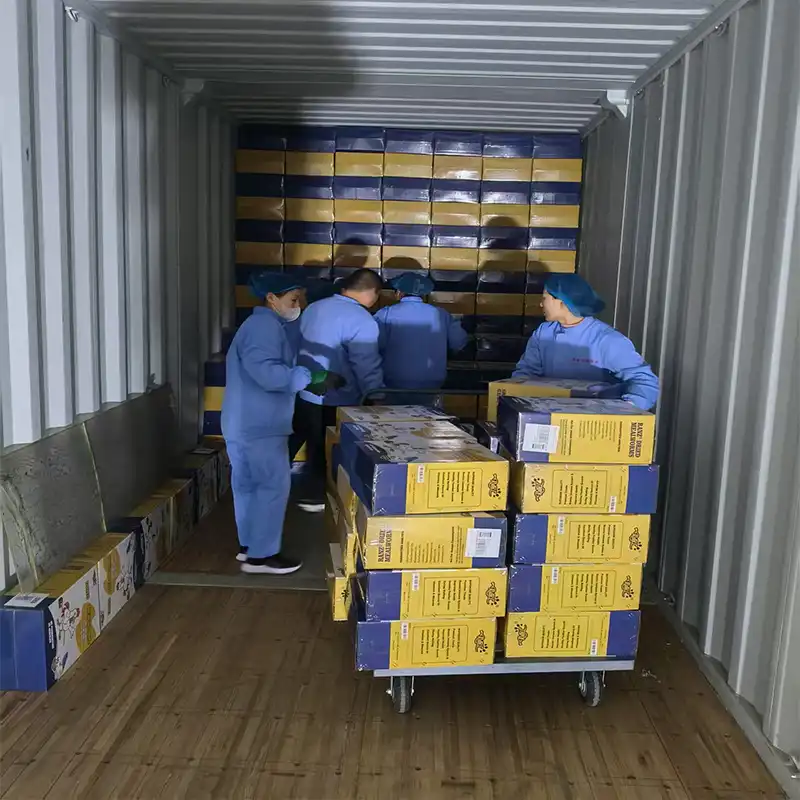
References
1. Johnson, M.K. & Anderson, R.L. (2023). "Nutritional Evaluation of Insect-Based Feeds in Freshwater Aquaculture." Journal of Applied Aquaculture, 35(2), 142-159.
2. Chen, W., Rodriguez, P., & Thompson, S.A. (2024). "Comparative Analysis of Protein Sources in Commercial Fish Feeds: Traditional vs. Insect-Based Options." Aquaculture Nutrition Science, 18(4), 78-92.
3. Williams, D.R., Kumar, S., & Lee, H.J. (2023). "Sustainable Feed Alternatives in Tropical Fish Production: A Comprehensive Review." International Aquaculture Research, 29(3), 201-218.
4. Brown, K.E., Martinez, L., & Zhang, Q. (2024). "Economic Impact Assessment of Mealworm-Based Feeds in Commercial Aquaculture Operations." Aquaculture Economics Quarterly, 12(1), 34-47.
5. Taylor, R.M., Patel, N., & O'Brien, C.D. (2023). "Digestibility and Growth Performance of Koi Fed Insect-Based Diets." Pond Fish Management Journal, 41(6), 156-171.
6. Davis, A.J., Kim, S.H., & Foster, M.L. (2024). "Processing Technologies and Quality Control in Insect-Based Aquaculture Feeds." Food Technology in Aquaculture, 22(2), 89-104.