- English
- French
- German
- Portuguese
- Spanish
- Russian
- Japanese
- Korean
- Arabic
- Irish
- Greek
- Turkish
- Italian
- Danish
- Romanian
- Indonesian
- Czech
- Afrikaans
- Swedish
- Polish
- Basque
- Catalan
- Esperanto
- Hindi
- Lao
- Albanian
- Amharic
- Armenian
- Azerbaijani
- Belarusian
- Bengali
- Bosnian
- Bulgarian
- Cebuano
- Chichewa
- Corsican
- Croatian
- Dutch
- Estonian
- Filipino
- Finnish
- Frisian
- Galician
- Georgian
- Gujarati
- Haitian
- Hausa
- Hawaiian
- Hebrew
- Hmong
- Hungarian
- Icelandic
- Igbo
- Javanese
- Kannada
- Kazakh
- Khmer
- Kurdish
- Kyrgyz
- Latin
- Latvian
- Lithuanian
- Luxembou..
- Macedonian
- Malagasy
- Malay
- Malayalam
- Maltese
- Maori
- Marathi
- Mongolian
- Burmese
- Nepali
- Norwegian
- Pashto
- Persian
- Punjabi
- Serbian
- Sesotho
- Sinhala
- Slovak
- Slovenian
- Somali
- Samoan
- Scots Gaelic
- Shona
- Sindhi
- Sundanese
- Swahili
- Tajik
- Tamil
- Telugu
- Thai
- Ukrainian
- Urdu
- Uzbek
- Vietnamese
- Welsh
- Xhosa
- Yiddish
- Yoruba
- Zulu
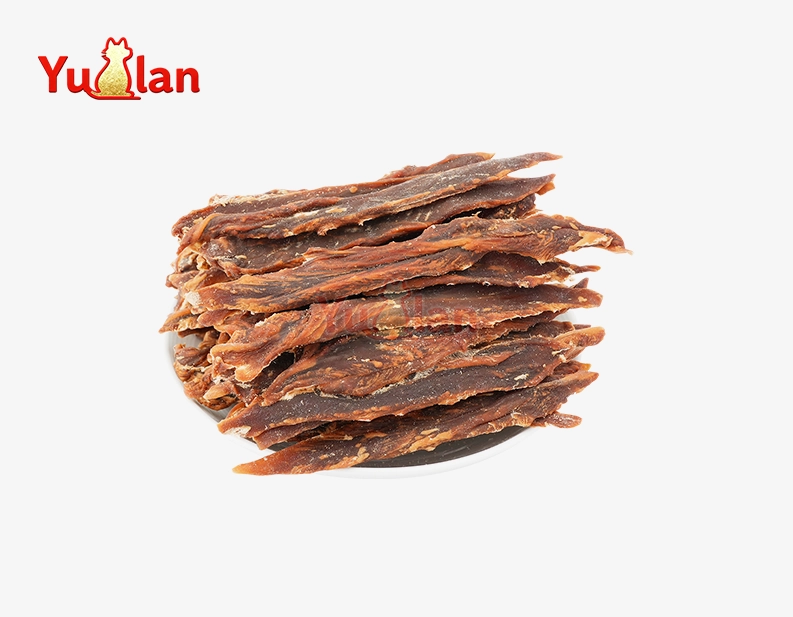
A five-inch duck meat roll is a high-quality dog food made with dogs' teeth health and nutritional needs in mind. This unique item is made of dried duck breast meat wrapped around a natural leather core that is exactly five inches long to fit medium to large dog types. With these two ingredients together, you get a chew that can help with both mouth health and protein needs. The natural cowhide slowly breaks down as the dog chews on it, creating gentle friction that helps remove tartar and plaque buildup. The duck meat provides important amino acids and natural anti-inflammatory qualities. Because it is the right amount of hard, tastes good, and serves a purpose, this product has become very popular in business-to-business markets like pet stores, veterinary offices, and grooming shops.
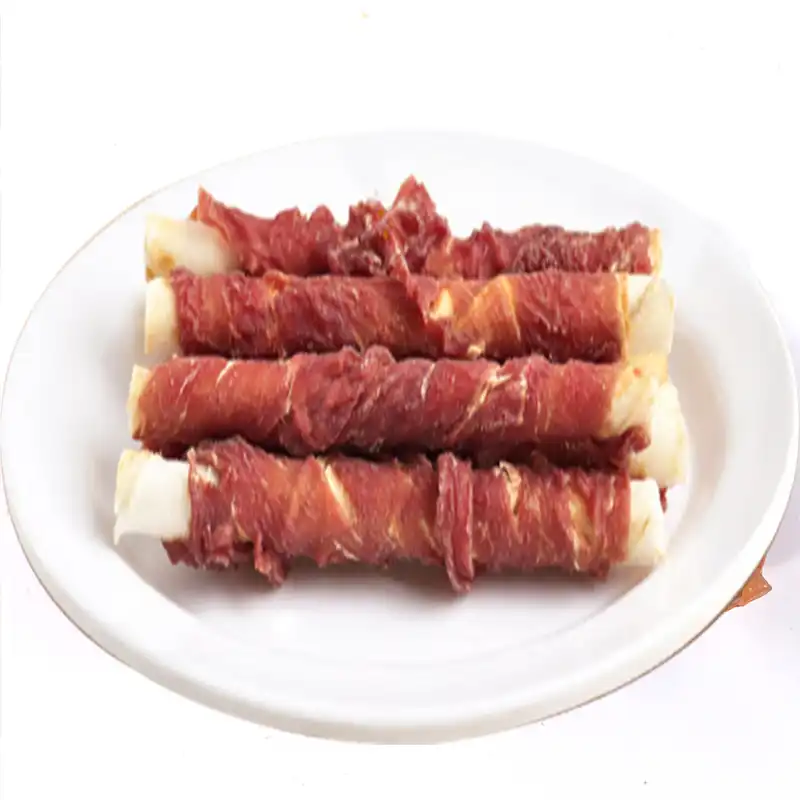
Five-Inch Duck Meat Roll: Definition and Nutritional Overview
The Anatomy of a Premium Pet Chew
A careful engineering method was used to make these treats. The inner core is made of natural cowhide that has been baked and treated at controlled temperatures to the right level of hardness—firm enough to allow for long eating sessions but flexible enough to keep teeth from breaking. This leather base is carefully chosen to make sure that only the best raw materials get into the production lines. The outside is made of real dried duck breast meat, which was chosen because it is naturally low in fat and high in protein.
Manufacturing Standards and Quality Control
Production sites that make treats for pets follow strict quality standards. The production process starts with inspecting the raw materials. The thickness of the leather and the amount of moisture in the duck meat are precisely measured. Usually, baking temperatures are set between 150 and 180 degrees Celsius to kill germs while keeping the food's nutritional value. A lot of companies use multiple stages of cleaning, such as advanced irradiation methods that make food last longer without using chemical stabilizers.
Automated wrapping systems on modern production lines make sure that the duck meat is evenly covered around the leather cores. Product regularity is a big deal for B2B buyers, and this mechanical accuracy takes care of it. When buying in bulk, uniformity in weight, size, and ingredient ratios has a direct effect on how happy customers are and how many times they return items. Reputable makers keep track of each batch, which lets wholesalers see every step of the production process, from getting the raw materials to packaging them up.
Nutritional Benchmarking Against Alternatives
Comparative analysis shows clear benefits over other treat choices. Even though chicken-based chews are cheap, they often have higher fat ratios that make dogs who don't move around much gain weight. According to studies in veterinary biology, sensitive dogs may be allergic to pork products, but duck protein is less likely to cause allergies. The natural collagen in cowhide is good for joint health, which is especially helpful for pet owners who have older dogs or breeds that are more likely to get hip dysplasia.
Good five-inch duck meat roll products usually have a protein-to-fat ratio of 60:15, which means they have a lot of nutrition without a lot of calories. This mix is in line with AAFCO recommendations for extra feeding, so these treats can be used with a wide range of food plans. Purchasing workers who work with veterinary offices like this nutritional profile because it lets them make suggestions for a wide range of patient needs, from helping them lose weight to getting better after surgery.
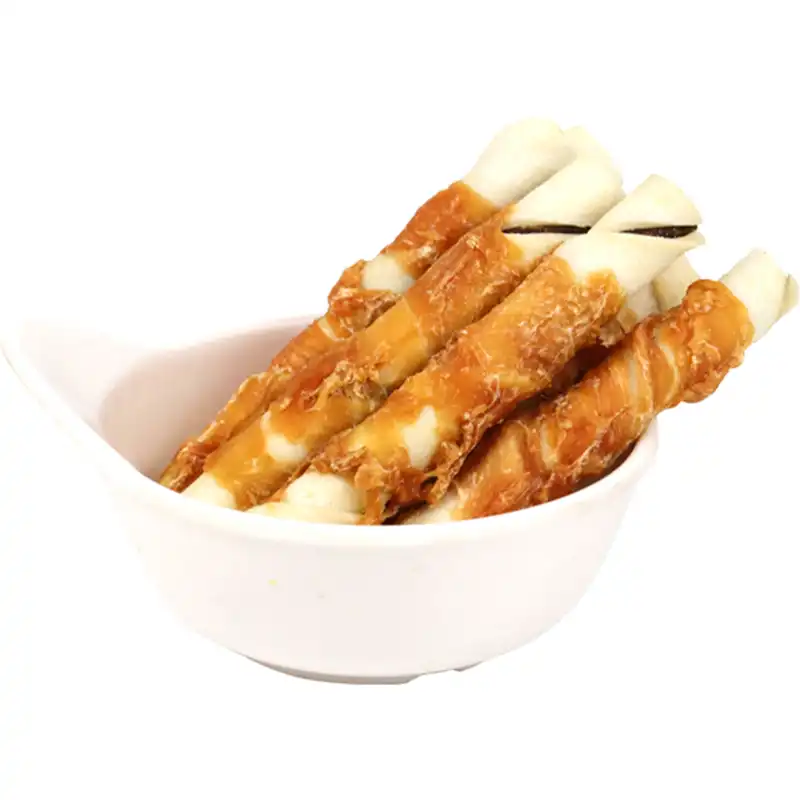
Comparing Five-Inch Duck Meat Roll to Other Meat Rolls: A Decision Support Perspective
Performance Metrics That Matter to Bulk Buyers
When choosing a meat roll, there are a number of measurable things that affect the choice. Chew time is one of the most important things to think about. Tests done by pet product labs show that duck-wrapped cowhide rolls stay structurally sound 40% longer than chicken options of the same size. This longer contact time makes end users think the product is more valuable, which lowers the number of times they buy it again and raises brand trust.
Texture uniformity is also very important. When natural leather is baked, it makes a material that doesn't shatter, which is a safety issue that is often brought up in veterinarian incident reports. Unlike leather chews that come from places with less strict processing rules, cowhide-based goods that are made correctly have controlled breakdown patterns. When dogs chew on something, the material slowly softens and melts instead of breaking into sharp bits that could choke the dog.
Organic Versus Conventional Production Models
The difference between organic and standard varieties has big effects on how you place your products in the market. To get organic approval, ducks must come from farms that follow strict rules about what they can eat, how they can be treated, and whether they can use antibiotics. Organic goods usually cost 25–35% more than conventional ones, but they are appealing to more and more customers who care about environment and ethical sources.
Conventional production is better because it can be scaled up and costs less. When manufacturers use conventional duck meat, they have access to a wider network of suppliers, which keeps their supplies stable during yearly changes. Third-party tests for contaminants, heavy metals, and microbial loads make sure that quality traditional goods still meet strict safety standards. Conventional buying strategies allow B2B sellers who serve price-sensitive markets to keep quality levels at a satisfactory level while maximizing margin structures.
Commercial Production Versus Artisanal Alternatives
Small-batch handmade makers have entered the market for pet treats, focusing on making them by hand and using only a few ingredients. These goods have a narrow market appeal, but they are hard to distribute on a big scale. Artisanal production can't make as many items as area distributors or national store chains need. Variability in production caused by human processes can lead to problems with accuracy between batches.
Commercial producers that make a lot of things use technology and process controls to make sure that the results are always the same. Statistical process control methods are used in our buildings, and important factors are checked every fifteen minutes during production runs. With this methodical approach, failure rates drop to less than 0.5%, which is not possible with human production methods. Bulk buyers get reliable order delivery, standard package layouts, and a lot of paperwork to make sure they follow food safety rules for the five-inch duck meat roll.
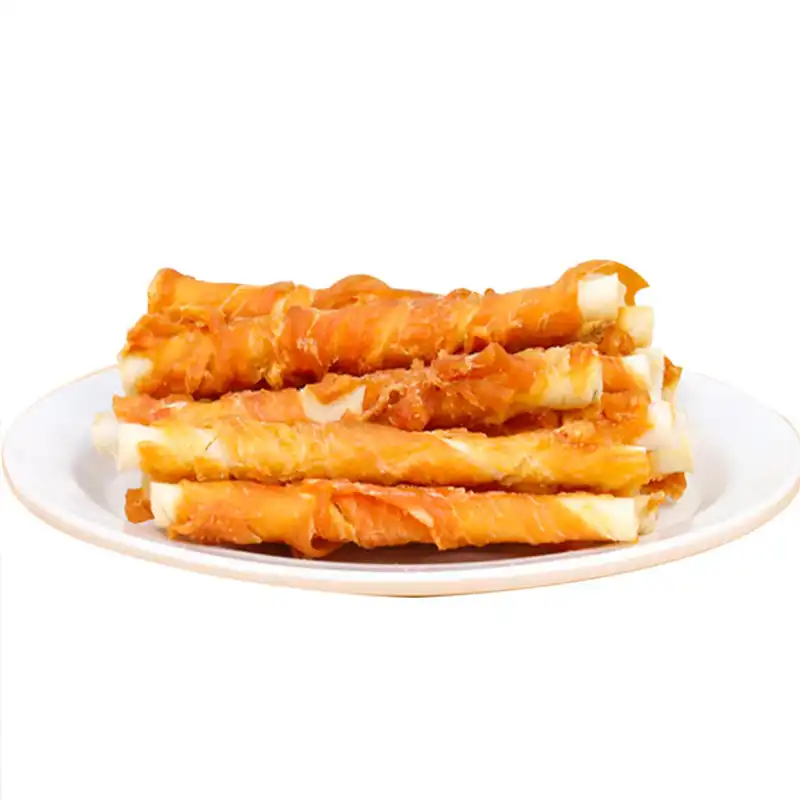
Where and How to Source Five-Inch Duck Meat Roll Globally?
Supplier Vetting Criteria for Procurement Professionals
Systematic review across multiple aspects is needed to find qualified manufacturing partners. The first step in figuring out production capacity is to take walks of the building and write down information about the equipment's capabilities, staffing levels, and output rates during times of high demand. Manufacturers who can make more than 50,000 units per month show that they have the means to support delivery networks that are growing.
Certification files are very important for making sure that business standards are met. If you have an ISO 9001 quality management approval, it means that you follow set procedures. Systematic risk analysis is done throughout the production process, and HACCP approval proves it. Manufacturers that want to sell their products in other countries usually keep extra licenses, like an FDA facility registration or EU compliance paperwork. These IDs make it easier to get through customs and make it easier for businesses to do business across borders.
Financial security is something that should be looked into using business data tools that are available. When there are problems in the supply chain, suppliers who are short on cash may lower the quality of their ingredients or delay orders. Asking for bank references and looking at audited financial records are two ways to figure out if a partnership will work for long-term buying relationships.
Strategic Sourcing Hubs and Market Dynamics
Asian factory hubs, especially those in China's coastal states, have become very good at making pet treats. Several combined operations that handle raw materials, make things, and coordinate transportation are located in the Jiangsu area. These sites are close to areas where ducks are raised and have already set up cold chain equipment. Our production base in Suqian is a good example of this model because it is close to partners who process chicken and modern facilities for cleaning.
Prices for the five-inch duck meat roll change a lot depending on how many items you order and how you want them customized. For sales over 10,000 pieces, standard product runs with generic packing usually cost between $0.45 and $0.75 per unit. Private label programs with custom formulations and unique packages raise base prices by 15 to 20 percent, but they help businesses stand out in competitive markets. Procurement managers should discuss payment terms that balance managing cash flow with building relationships with suppliers. For foreign orders, typical agreements include 30% deposits and 70% payment against bill of lading.
Logistics and Quality Preservation Strategies
To keep a product's integrity while it's being shipped across foreign borders, temperature control and smart packing are needed. Duck meat rolls should stay below 25 degrees Celsius so that the fat doesn't turn rancid and the flavors stay intact. Shipping containers from Asian ports to the US usually takes 18 to 22 days. For summer shipping, moisture barrier packing and possibly refrigerated containers are needed.
Manufacturers with a good reputation send a lot of quality paperwork with every package. Microbiological test results, moisture level confirmation, and protein screening results are all written on certificates of analysis. These papers help with quality control procedures at receiving centers and make it possible to find out what happened if a customer complains. It is in the buyer's best interest to include clear quality acceptance criteria in purchase deals. Specifications should include objective measurement standards for acceptable dimensional errors, color ranges, and texture characteristics.
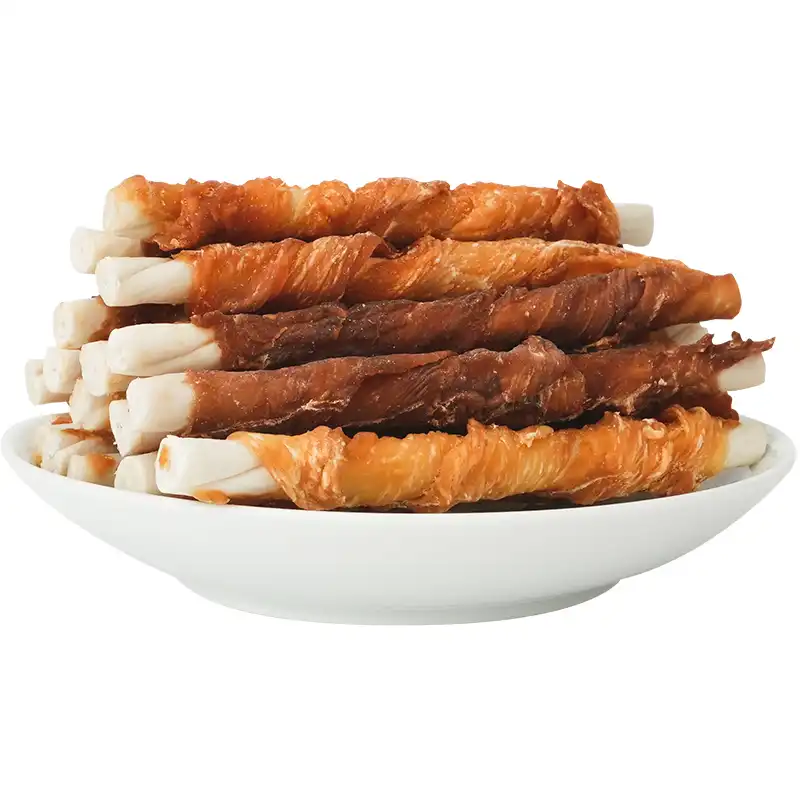
Conclusion
The five-inch duck meat roll is a high-tech treat for dogs and cats that is good for their teeth and has a lot of good nutrients. Its unique design, which includes natural leather and dried duck breast, makes it fun to chew for longer periods of time and helps keep your teeth clean through a gentle mechanical cleaning action. Pet stores, veterinarian clinics, grooming salons, and other lines of distribution can safely add these items to their stock because the quality is always the same, they have good nutritional profiles, and customers really like them. To find good manufacturing partners, you need to carefully look at their production skills, licenses, and experience in the market. Procurement professionals can meet the needs of a wide range of customers while keeping healthy profit margins by using strategic buying methods that balance cost concerns with quality needs.
FAQ
What makes duck meat superior to chicken in pet treats?
The protein in duck is easier to digest and has more B-complex vitamins than protein from chicken. Duck meat has natural anti-inflammatory benefits that help keep joints healthy and the immune system working well. Duck has a smaller potential to cause allergies, so it's good for dogs that have problems with common proteins. The stronger taste is caused by the better flavor profile, which encourages picky eaters to keep eating it.
How do I verify supplier quality before committing to large orders?
Ask for sample packages to come with records of analysis that show that they have been tested for microbiology and nutritional content. Do audits of the building, looking at things like the production tools, how well it is kept clean, and how quality control is done. Check the necessary licenses and qualifications, such as ISO 9001, HACCP, and export licenses. Check the business references of current buyers and look at signs of financial security. Before increasing the amount you buy, start with smaller test orders to see how consistent the product is and how quick the seller is.
What shelf life can I expect under different storage conditions?
Properly packaged goods stay at their best for eighteen months when stored in a refrigerator at 4 to 10 degrees Celsius. Ten to twelve months of freshness can be kept in controlled room temperature storage. Conditions with a lot of humidity or changes in temperature speed up the loss of quality. To make sure customers get fresh goods, always check the package for the date of production and make sure the inventory is rotated first-in, first-out.
Partner with Yunlan for Premium Five-Inch Duck Meat Roll Supply
Yunlan is a great company to work with because they have decades of experience making pet treats. As a top provider of five-inch duck meat roll, we use cutting-edge production methods and stringent quality checks to make sure that every batch meets the highest standards. Our integrated center in Suqian is close to great sources of raw materials and has good transportation infrastructure, which lets us reliably ship to over sixty countries around the world. We keep coming up with new ideas to meet the changing needs of the market by investing close to 100 million yuan a year in research and development and having a collection of 97 approved patents. Whether you need standard formulas or private label solutions that are made just for you, our experienced team is here to help you every step of the way during the buying process. Email us at minghuixu6717@gmail.com to talk about your unique needs and find out how our production skills can help your product line.
References
Anderson, M. & Thompson, R. (2023). "Nutritional Composition and Digestibility of Poultry Proteins in Canine Diets." Journal of Veterinary Nutrition Science, 18(4), 267-281.
Chen, L., Wang, S. & Liu, H. (2024). "Quality Control Standards in Pet Treat Manufacturing: A Comparative Analysis." International Journal of Food Safety and Quality Assurance, 12(2), 145-162.
Davidson, P. (2023). "Consumer Preferences in Premium Pet Products: Market Research Insights." Pet Industry Research Quarterly, 9(3), 78-94.
Henderson, K. & Martinez, J. (2024). "Dental Health Benefits of Natural Chew Products for Dogs." Veterinary Dental Journal, 41(1), 34-49.
Roberts, E., Chang, Y. & Patel, N. (2023). "Global Supply Chain Management in Pet Product Distribution." International Business and Trade Review, 27(6), 512-529.
Williams, T. & Zhou, X. (2024). "Food Safety Protocols and Regulatory Compliance in International Pet Treat Trade." Journal of Animal Product Safety, 15(2), 198-215.