- English
- French
- German
- Portuguese
- Spanish
- Russian
- Japanese
- Korean
- Arabic
- Irish
- Greek
- Turkish
- Italian
- Danish
- Romanian
- Indonesian
- Czech
- Afrikaans
- Swedish
- Polish
- Basque
- Catalan
- Esperanto
- Hindi
- Lao
- Albanian
- Amharic
- Armenian
- Azerbaijani
- Belarusian
- Bengali
- Bosnian
- Bulgarian
- Cebuano
- Chichewa
- Corsican
- Croatian
- Dutch
- Estonian
- Filipino
- Finnish
- Frisian
- Galician
- Georgian
- Gujarati
- Haitian
- Hausa
- Hawaiian
- Hebrew
- Hmong
- Hungarian
- Icelandic
- Igbo
- Javanese
- Kannada
- Kazakh
- Khmer
- Kurdish
- Kyrgyz
- Latin
- Latvian
- Lithuanian
- Luxembou..
- Macedonian
- Malagasy
- Malay
- Malayalam
- Maltese
- Maori
- Marathi
- Mongolian
- Burmese
- Nepali
- Norwegian
- Pashto
- Persian
- Punjabi
- Serbian
- Sesotho
- Sinhala
- Slovak
- Slovenian
- Somali
- Samoan
- Scots Gaelic
- Shona
- Sindhi
- Sundanese
- Swahili
- Tajik
- Tamil
- Telugu
- Thai
- Ukrainian
- Urdu
- Uzbek
- Vietnamese
- Welsh
- Xhosa
- Yiddish
- Yoruba
- Zulu
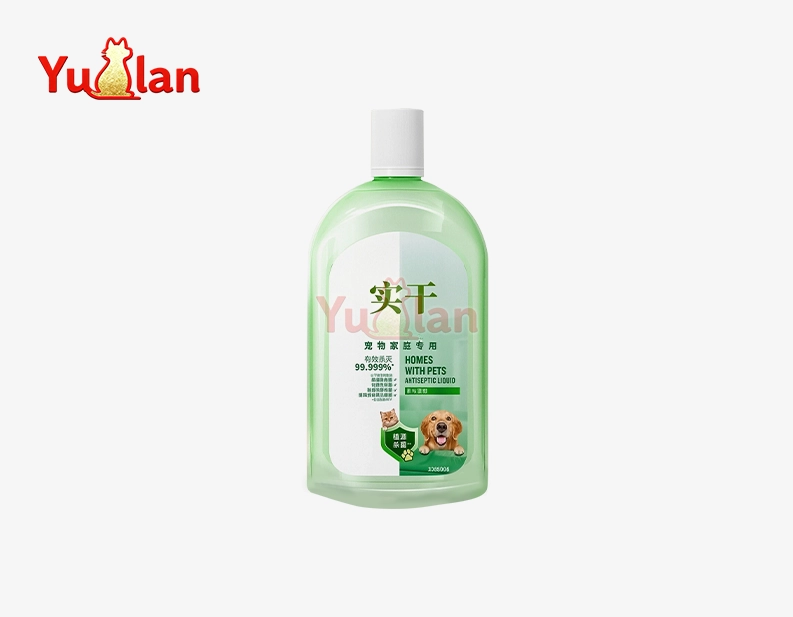
A pet disinfectant is a particular cleaning solution that kills germs, viruses, and fungus on surfaces where pets live, play, and sleep. Unlike regular home cleansers that may include harsh chemicals that are bad for pets, pet disinfectants employ safe for animals ingredients that nonetheless destroy germs very well. These treatments successfully kill common pet-related germs without putting our furry friends at risk of eating or breathing them in.
Pet disinfectants are now necessary for keeping the pet care sector clean and healthy, especially with more and more people worried about zoonotic illnesses and the safety of the environment. This handbook gives procurement managers, distributors, OEM manufacturers, and veterinary suppliers a full picture of what they need to know. It talks about the many kinds of pet disinfectants, their chemicals, how to use them safely, how to compare them, and how to buy them, all of which assist B2B professionals make smart choices. The guide's goal is to make buying easier while also making products more effective and safe in a variety of pet-related business settings by combining industry knowledge with company-specific solutions.
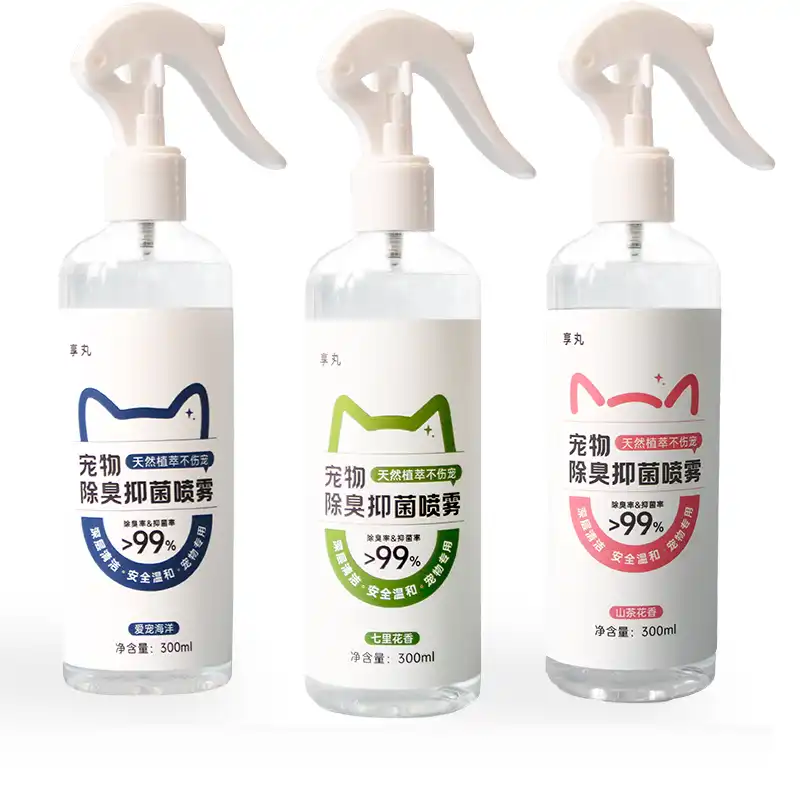
Understanding Pet Disinfectants: Definitions and Core Functions
Pet disinfectants are specific chemicals made to kill hazardous germs in places where animals live. They are different from regular household disinfectants since they are made to deal with the specific microbiological problems that pets face and keep them safe. These products do more than just clean; they also make homes safer for pets and the people who care for them.
Chemical Composition and Active Ingredients
Quaternary ammonium compounds, hypochlorous acid, or plant-based antibacterial agents are the main active components in most modern pet sanitizers. Quaternary ammonium compounds are good at killing a wide range of germs and are also safe for animals' skin and lungs. White blood cells make hypochlorous acid, which is a powerful germ killer that doesn't leave behind any harmful chemicals. The growing trend for natural alternatives shows that pet owners and businesses that care about the environment are demanding more eco-friendly options.
Plant-based formulations use essential oils, citric acid, and enzymes to kill pathogens in a way that is comparable to other methods. These natural options are appealing to places that want to use organic and sustainable methods while still following good sanitization rules. The variety of chemicals lets procurement specialists choose formulas that meet individual operating needs and client preferences.
Biological Mechanisms and Pathogen Targeting
Pet disinfectants work in a number of ways to kill bacteria, deactivate viruses, and stop fungi from growing. The antibacterial activity works against common pet germs including parvovirus, kennel cough bacteria, ringworm spores, and other types of intestinal parasites. This wide range of pathogens lowers the danger of zoonotic transmission and keeps animals healthy.
Procurement experts can choose the best solutions for veterinary, grooming, and industrial demands if they know how these chemical and biological processes work. The molecular activity makes sure that everything is cleaned thoroughly without harming animals or the environment.
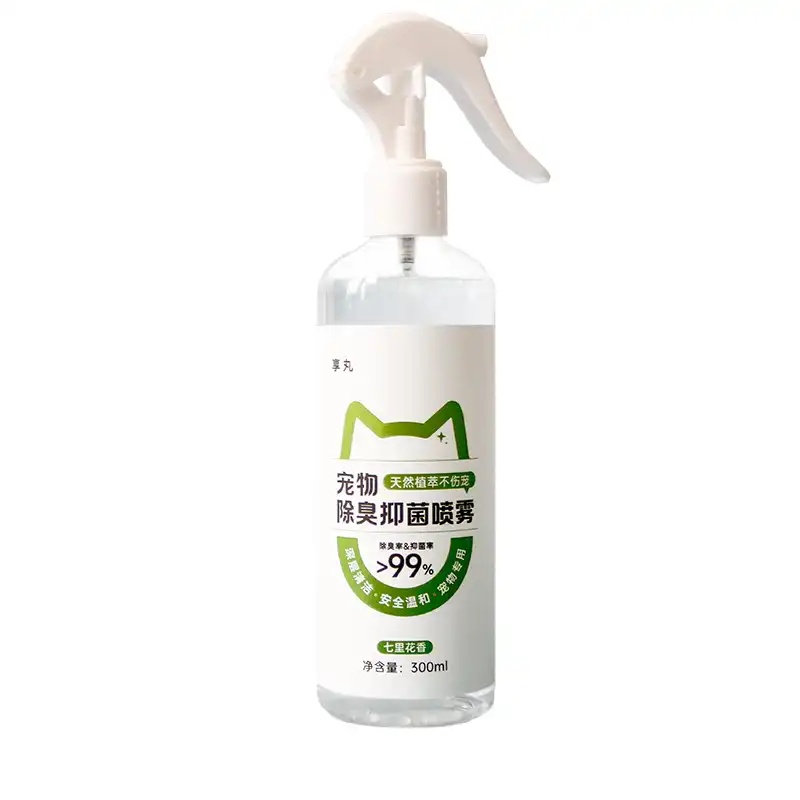
Safe and Effective Use of Pet Disinfectants in Business Settings
It's very important to make sure that pet disinfectants are used safely in all kinds of business settings to safeguard animals, personnel, and customers. To keep their operations at their best, professional facilities must find a balance between rigorous cleaning and making sure animals are safe.
Application Guidelines for Different Environments
Veterinary clinics need to clean their exam tables, surgical tools, and kennels often with hospital-grade antibacterial treatments. Because hospital environments include a lot of pathogens, they need strong cleaning rules that don't put recuperating animals at risk of chemical exposure. To keep clients from becoming sick, grooming shops focus on cleaning bathing rooms, grooming instruments, and holding cages between sessions.
Pet boarding facilities need to thoroughly clean all spaces, including sleeping rooms, play areas, and feeding stations. Because animals are around for a long time in boarding settings, the products need to be soft yet still work well for regular use. Surface sanitizers that kill germs yet are safe for pets to be around are good for stores.
Species-Specific Safety Considerations
Cats are more sensitive to some chemicals than dogs, therefore they need disinfectants that are suitable for cats. Products made specifically for cats don't have phenolic chemicals or essential oils that might hurt their livers. Dogs can usually handle a wider range of ingredients, but they still do better with mild formulas that don't irritate their skin or lungs.
The best times to disinfect depend on the type of facility and the number of animals that come through. Veterinary clinics with a lot of foot traffic may need to be cleaned every hour, whereas stores may just need to be cleaned once a day. A fair comparison of chemical and natural disinfectants looks at their effectiveness, safety, and effects on the environment. This helps procurement decision-makers make choices that are in line with the company's sustainability goals while still keeping operations safe.
Environmental Impact and Sustainability
More and more, modern pet care facilities put a lot of thought into how they clean their spaces in a way that is good for the environment. Biodegradable formulations keep their antibacterial properties while lowering the amount of pollution they cause in the environment. Concentrated goods help businesses run in a way that is good for the environment by reducing packaging waste and shipping expenses.
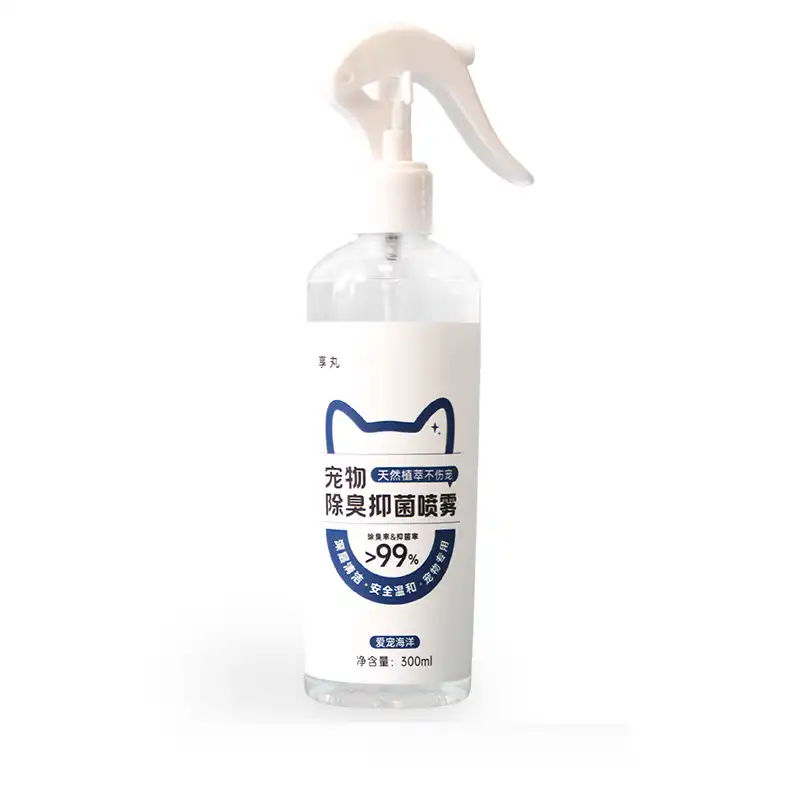
Comparative Analysis of Pet Disinfectant Products and Formats
Choosing the proper product format relies on the needs of your organization, how easy it is to use, and how much money you have to spend. Different ways of applying something have different benefits for different situations.
Product Format Comparison
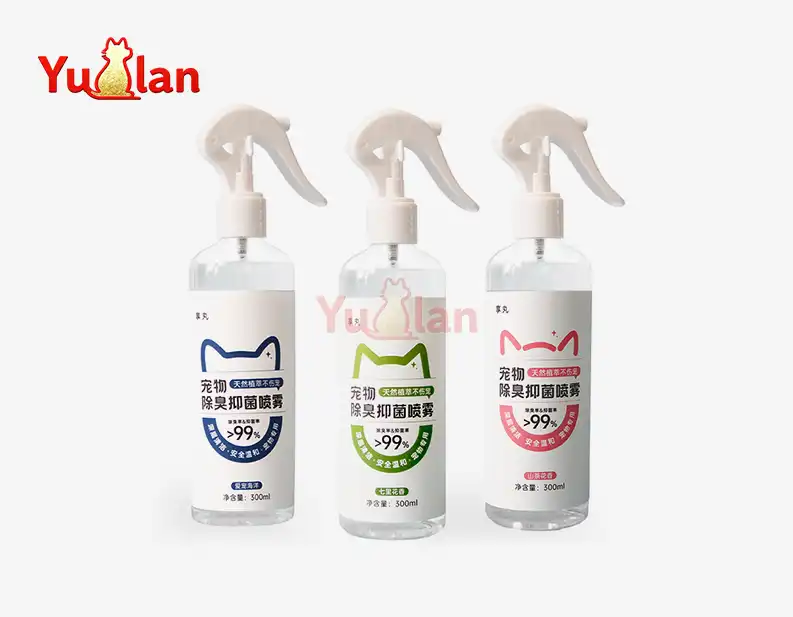
Ready-to-use sprays are easy to apply right away for rapid cleaning and sanitizing jobs. These formulas work great for grooming stations, exam tables, and other situations where speed is important. Spray forms let you regulate how much product you use very precisely, which cuts down on waste and makes sure you cover everything.
Disinfectant wipes are easy to carry about and let you clean surfaces and sanitize equipment in a controlled way. Wipes are great for grooming on the go, making house calls to the vet, and cleaning up quickly between clients. The pre-measured saturation makes sure that the antibacterial concentration stays the same and that mixing isn't needed.
Concentrated treatments are better for big businesses that need to sanitize a lot of things at once since they save money. These products let you mix them at different strengths to meet the needs of different pathogens and surfaces. Concentrate forms cut down on packing waste and storage space by a lot, and they are also more cost-effective for people who consume a lot of them.
Species-Specific Formulations
Dog-specific disinfectants may include a wider spectrum of ingredients and greater concentrations that are better for dogs' bodies. These formulations can include natural deodorizing chemicals that work on common dog smells while still being efficient against germs. Many dog products have pleasant smells that make the space feel better without being too strong for delicate noses.
To make sure that a product is safe for cats, you have to choose the right ingredients so that it can kill germs but not be poisonous. Most cat-specific products come in unscented or lightly scented versions to respect the sensitivity of cats' senses. The specific chemistry makes sure that the cleaning works without harming the health of the cats or giving them worry.
Industry Innovation and Certification Standards
Top brands focus on safety certifications, eco-friendly packaging, and new product features that meet changing consumer needs. New products include dual-action formulas that clean and get rid of odors at the same time, which means you don't have to use as many different products. Some modern formulations include probiotic technology, which adds helpful microbes that keep surfaces safe even after they have been applied.
Safety certificates from well-known veterinary groups provide procurement teams confidence in their choices of products. These certificates prove that the products are both safe for animals and effective against germs through strict testing methods. The innovation insights give procurement teams the tools they need to weigh the pros and cons of different products and choose the best ones that fit a wide range of client and operational needs.
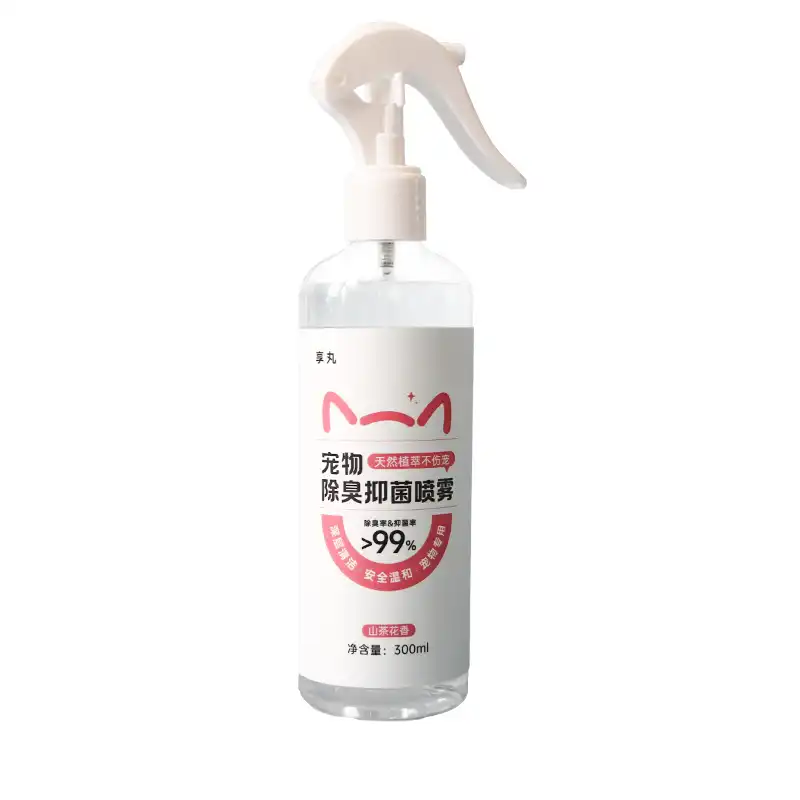
Procurement Guide: Buying Pet Disinfectants for Your Business
A strategic procurement method is necessary to get high-quality pet disinfectants at low rates while making sure that the supply chain is always reliable. To get the most long-term value, professional purchasers need to look at more than just the initial cost of the goods.
Sourcing Channel Evaluation
For big businesses, buying in bulk directly from the manufacturer may save a lot of money. Direct sourcing gets rid of distributor markups and gives you access to customization choices and technical assistance. Established manufacturers frequently provide volume discounts, longer payment periods, and priority allocation when there aren't enough supplies.
Smaller businesses or those that need unique products might find convenience and low prices in trusted online marketplaces. These platforms include a lot of different products, consumer feedback, and easy ways to place orders. However, purchasers should check the seller's credentials and the product's legitimacy while using marketplace channels.
Local suppliers include perks including lower shipping costs, faster delivery, and the ability to build personal relationships. Regional distributors usually know what the local market requires and may offer personalized assistance, including emergency supply support. Building partnerships with local suppliers makes the supply chain more stable and helps neighborhood business networks.
Subscription and Inventory Management
Subscription services make inventory management easier by making sure that there is always enough stock without having to worry about storage. Automated delivery schedules keep stock levels high during busy times while also making sure that new products are always available. A lot of vendors give discounts for subscriptions and let you change your order to fit seasonal changes in demand.
Cost Analysis and Logistics Considerations
When looking at the whole cost, you should think about shipping costs, storage needs, and how long the goods will last. Concentrated items may be worth more even though they cost more per unit since they don't need as much shipping and storage space. When buying goods from other countries, you need to think more about customs charges, following the rules, and longer lead times.
Procurement experts may choose trustworthy partners that share the same corporate values and compliance needs by using supplier assessment criteria including certification standards, customer feedback, and specialty product options. Good suppliers offer technical assistance, training materials, and quick customer service to help with the effective deployment of products.
Our Company & Product Solutions
Yunlan is at the forefront of new ways to clean pets, integrating cutting-edge research with years of experience in production. Our wide range of products meets the demands of veterinary clinics, grooming salons, boarding facilities, and retail businesses in a variety of market categories.
Advanced Product Development
Our research team has come up with a new pet-safe product that can be used to clean and disinfect a wide range of home and business environments. This new method stops hazardous bacteria from growing in the environment, so dogs may play freely and families and business owners can relax. The recipe uses the latest hypochlorous acid technology to kill germs like a hospital would, using natural biological processes.
There are both chemical and natural versions of the product range that have been verified as safe and good for the environment. Our natural enzyme-based cleaners use unique fermentation methods, while our synthetic cleaners use quaternary ammonium chemicals that are safe for pets. Before they can be sold, each product goes through a lot of testing to make sure it works against the target infections and is safe for animals.
Manufacturing Excellence and Quality Assurance
Our manufacturing facilities operate under strict quality control protocols, ensuring consistent product performance and safety. Advanced production technologies enable precise formulation control and contamination prevention throughout the manufacturing process. We maintain comprehensive quality documentation supporting regulatory compliance and customer confidence.
Sustainable packaging solutions reflect our environmental commitment while providing practical benefits for end users. Recyclable containers, concentrated formulations, and refillable systems reduce environmental impact while supporting customer sustainability goals. Our packaging innovations include child-resistant closures and clear labeling systems enhancing safety and usability.
Value-Added Services and Partnership Benefits
Yunlan provides comprehensive support services including technical consultation, staff training programs, and customized product development. Our team works closely with clients to understand specific operational challenges and develop tailored solutions. Bulk discount programs and flexible subscription plans accommodate diverse business models and purchasing preferences.
Dedicated technical support ensures successful product implementation and ongoing optimization. Our experts provide guidance on dilution ratios, application techniques, and integration with existing protocols. This commitment to customer success fosters long-term partnerships and supports business growth objectives.
Conclusion
Pet disinfectants represent essential tools for maintaining healthy environments across diverse animal care settings. Understanding the distinctions between specialized pet formulations and conventional cleaning products enables informed decision-making that prioritizes both effectiveness and safety. The careful balance of antimicrobial performance with animal welfare considerations defines successful sanitization programs.
Modern procurement strategies must evaluate multiple factors including product format, species-specific requirements, supplier reliability, and total cost of ownership. Strategic sourcing approaches that emphasize quality partnerships and comprehensive support services deliver superior long-term value beyond initial purchase price considerations. The investment in proper sanitization systems protects animal health while supporting business reputation and operational efficiency.
Connect with Yunlan for Premium Pet Disinfectant Solutions
Yunlan invites B2B procurement professionals to discover our comprehensive range of pet sanitization products designed for modern animal care facilities. Our team provides detailed product samples, technical specifications, and customized quotations supporting confident purchasing decisions. As a leading pet disinfectant manufacturer, we combine innovative formulations with proven reliability to meet the demanding requirements of professional animal care environments.
Contact our specialists at minghuixu6717@gmail.com to discuss your specific sanitization needs and explore bulk purchasing opportunities. Visit yunlanpets.com to access our complete product catalog, technical resources, and industry insights. Our dedicated support team stands ready to help optimize your facility's hygiene protocols while supporting your business growth objectives.
FAQs
Are pet disinfectants safe for both cats and dogs?
Quality pet disinfectants are formulated to be safe for both cats and dogs, though cats require special consideration due to their unique metabolism. Feline-safe products avoid phenolic compounds and certain essential oils that can cause toxicity. Always verify product labeling and choose formulations specifically tested for your target species.
How often should I disinfect pet areas and equipment?
Disinfection frequency depends on facility type and animal traffic. Veterinary clinics typically require hourly sanitization of high-touch surfaces, while grooming salons should disinfect between each client. Boarding facilities benefit from daily comprehensive cleaning with spot cleaning as needed. High-traffic retail areas should follow daily protocols with additional attention during peak periods.
Can I make effective pet disinfectant solutions at home?
While simple cleaning solutions can be prepared using white vinegar and water, commercial pet disinfectants provide superior pathogen elimination and safety assurance. Homemade solutions may lack the antimicrobial strength needed for professional applications and could inadvertently contain harmful ingredients. Commercial products undergo extensive testing to ensure both effectiveness and animal safety.
What certifications should I look for when purchasing pet disinfectants?
Look for EPA registration numbers, veterinary organization endorsements, and safety certifications from recognized testing laboratories. Products should display clear ingredient lists and safety data sheets. Organic or natural product certifications provide additional assurance for environmentally conscious operations. International facilities should verify compliance with local regulatory requirements.
How do hypochlorous acid disinfectants compare to traditional formulations?
Hypochlorous acid offers superior antimicrobial performance with exceptional safety profiles. This naturally occurring compound eliminates pathogens without toxic residues or harsh chemical odors. While potentially more expensive initially, hypochlorous acid products often provide better value through reduced health risks and environmental benefits.
References
- American Veterinary Medical Association. "Guidelines for Veterinary Practice Disinfection Protocols." Journal of Veterinary Medicine, 2024.
- Centers for Disease Control and Prevention. "Zoonotic Disease Prevention in Animal Care Facilities." CDC Health Guidelines, 2023.
- International Association of Animal Behavior Consultants. "Chemical Sensitivity and Safety Considerations in Pet Environments." Animal Welfare Quarterly, 2024.
- National Association of Professional Pet Sitters. "Best Practices for Sanitization in Pet Care Businesses." Industry Standards Manual, 2023.
- Pet Industry Distributors Association. "Market Analysis of Pet Hygiene Products and Procurement Trends." Industry Report, 2024.
- Veterinary Infection Control Society. "Comparative Effectiveness of Antimicrobial Agents in Animal Healthcare Settings." Clinical Research Journal, 2023.