- English
- French
- German
- Portuguese
- Spanish
- Russian
- Japanese
- Korean
- Arabic
- Irish
- Greek
- Turkish
- Italian
- Danish
- Romanian
- Indonesian
- Czech
- Afrikaans
- Swedish
- Polish
- Basque
- Catalan
- Esperanto
- Hindi
- Lao
- Albanian
- Amharic
- Armenian
- Azerbaijani
- Belarusian
- Bengali
- Bosnian
- Bulgarian
- Cebuano
- Chichewa
- Corsican
- Croatian
- Dutch
- Estonian
- Filipino
- Finnish
- Frisian
- Galician
- Georgian
- Gujarati
- Haitian
- Hausa
- Hawaiian
- Hebrew
- Hmong
- Hungarian
- Icelandic
- Igbo
- Javanese
- Kannada
- Kazakh
- Khmer
- Kurdish
- Kyrgyz
- Latin
- Latvian
- Lithuanian
- Luxembou..
- Macedonian
- Malagasy
- Malay
- Malayalam
- Maltese
- Maori
- Marathi
- Mongolian
- Burmese
- Nepali
- Norwegian
- Pashto
- Persian
- Punjabi
- Serbian
- Sesotho
- Sinhala
- Slovak
- Slovenian
- Somali
- Samoan
- Scots Gaelic
- Shona
- Sindhi
- Sundanese
- Swahili
- Tajik
- Tamil
- Telugu
- Thai
- Ukrainian
- Urdu
- Uzbek
- Vietnamese
- Welsh
- Xhosa
- Yiddish
- Yoruba
- Zulu
When considering what works best to manage feline hairballs, a cat hairball remedy paste stands out as the most effective solution for both prevention and treatment. These specialized formulations combine dietary fiber, natural oils, and lubricants to facilitate smooth passage of ingested fur through the digestive system. Unlike treats or supplements that take time to show results, quality remedy pastes work quickly while supporting overall gastrointestinal health. Pet retailers, veterinary clinics, and wholesalers consistently recommend paste formulations because they address the root cause rather than just symptoms, making them essential inventory items for any business serving cat owners.
Understanding Hairball Formation in Cats
Why Cats Develop Hairballs
Cats spend a lot of time cleaning themselves, and the tiny barbs on the back of their mouths that grab loose fur help them do this. This hair moves down the digestive system. Most of it falls out on its own, but some builds up and makes tight clumps. Long-haired breeds like Persians and Maine Coons are more likely to get this problem, but all cats do it sometimes. The problem gets worse during times of seasonal shedding, especially in the spring and fall when coat changes happen quickly.
Recognizing the Warning Signs
Cat owners should listen out for sounds of retching that don't sound like puking, loss of hunger, constipation, or tiredness. When cats hack frequently or show stomach pain, hairballs are usually to blame. Chronic cases can get worse and lead to intestinal blockages that need surgery, so catching them early is very important. Businesspeople who work in veterinary settings say that waiting too long to get care greatly increases complications. This is why preventative goods are so important for pet health.
Health Risks and Complications
Hairball problems that aren't treated can be stressful for both cats and their owners. The gut blockage stops nutrients from being absorbed properly and can lead to other problems, such as dehydration and inflammation. Veterinary papers have released research showing that cats that have hairballs on a regular basis have higher levels of stress markers and weaker immune systems. Because of these facts, there is a need for dependable preventative solutions in the retail, clinical, and boarding facility sectors.
Key Ingredients and Benefits of Hairball Remedy Pastes
Essential Active Components
Modern cat hairball remedy pastes usually contain lubricants made from petroleum or plants that coat swallowed hair to keep it from clumping and help the cat's natural removal. Fibers in food, like psyllium husk or cellulose, make stools bulkier, which helps them move through the bowels mechanically. Fish oil and flaxseed oil are now found in more advanced products. These oils contain omega-3 fatty acids that stop hair loss at its source and help keep the digestive system healthy. Vitamins A, D, and E make up for any nutrient binding that lubricants might do, making sure that cats get all the nutrients they need.
How Remedy Pastes Work
The process is simple and makes sense from a science point of view. When used regularly, the paste forms a protective layer around fur fibers that are eaten, stopping them from tangling together into dense masses. At the same time, fiber content increases peristalsis, which are the muscle contractions that move food through the digestive system. Parts of fish oil improve the quality of the coat, which means that less loose fur gets into the digestive system when you clean. Veterinarians prefer paste formulas over other types of products because they work in two ways: they get rid of hairballs right away and keep them from coming back in the future.
Breed-Specific Considerations
Formulations with higher lubricant concentrations work best for long-haired cats, while fiber-focused products work well for short-haired breeds. When looking for a cat hairball remedy paste, the best ones have balanced ingredients that are good for all coat types and ages. Products made for cats six weeks or older keep cats safe at all stages of their lives, from kittens to older cats. Because of this, they are useful stocking items for companies with a wide range of customers, since one SKU can meet the needs of several market groups without the need to greatly expand the product line.
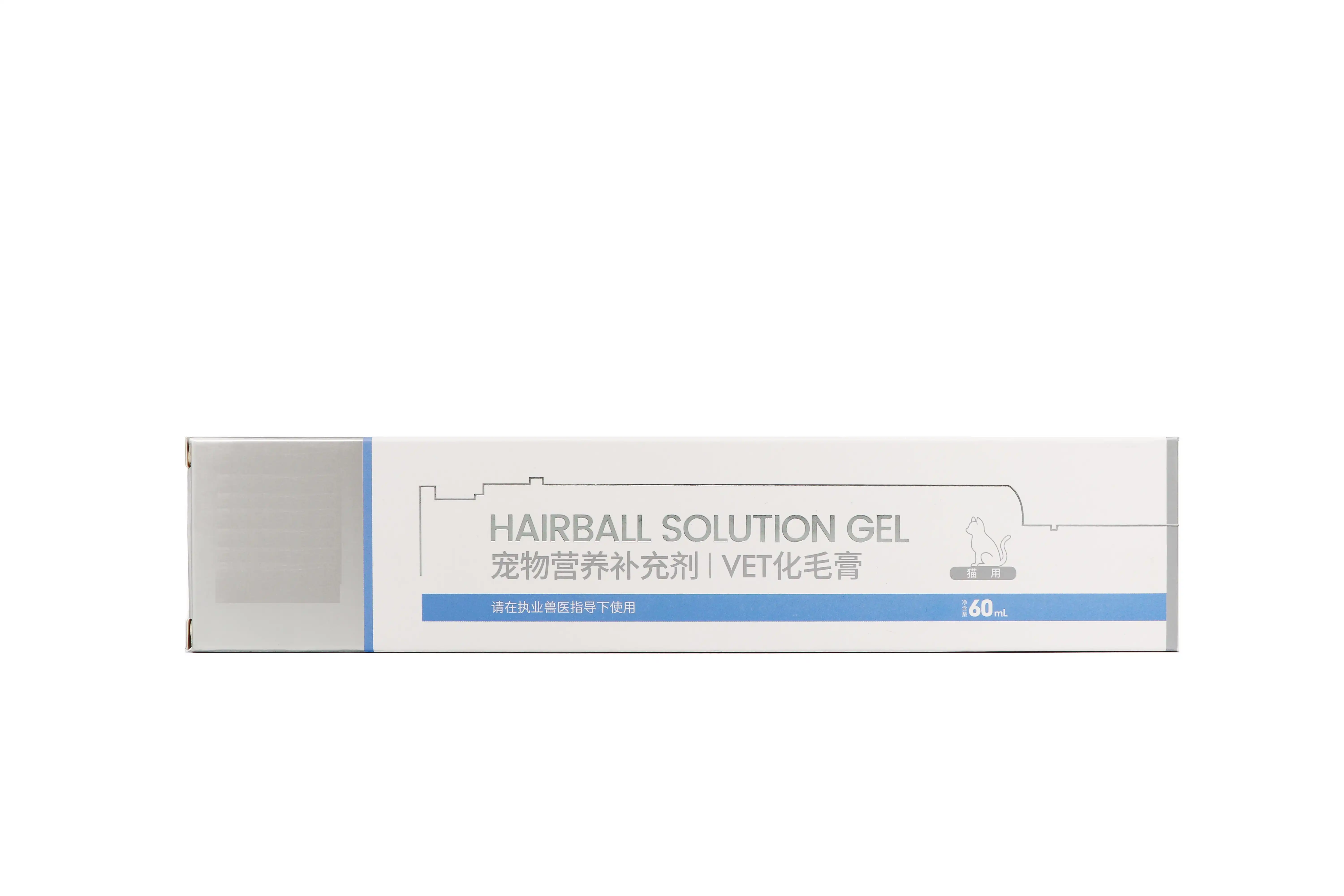
Comparing the Best Hairball Remedy Pastes on the Market in 2026
Leading Brand Performance Analysis
Well-known brands like Laxatone and Tomlyn have stayed at the top of the market thanks to consistent quality and support from veterinarians. The petroleum-based formula in Laxatone works well as a lubricant, but some cat owners are now looking for plant-based alternatives. Tomlyn focuses on taste with maple and malt flavors, which helps with the common problem of cats not taking their medicine as prescribed. Vet's Best is a natural product line with ingredients that come from plants, which appeals to people who care about the earth. Nutri-Vet sets itself apart as a value brand by offering good results at reasonable prices for stores that want to save money.
Innovative Formulation Approaches
Emerging products stand out by using new and different ingredients. Chicken-flavored products work especially well with picky eaters because they get past the taste problems that make treatment uniformity hard to achieve. Using both fish oil and flaxseed oil together is better for your pet's hair than using just one oil, and company tests have shown that it can cut shedding by up to 30%. These improved versions sell for more money, but customers buy them again and again, which makes them profitable for specialty pet stores to stock.
Safety and Certification Standards
Quality cat hairball remedy pastes follow AAFCO standards and go through strict testing for Salmonella, Listeria, and E. coli. Heavy metal testing makes sure that levels of lead, arsenic, and mercury stay below what can be found. Veterinary offices prefer to buy goods that have openly available Certificates of Analysis and clear information about where the ingredients come from. When suppliers offer detailed paperwork like specification sheets and quality control reports that meet the needs of a wide range of buyers and the rules in different jurisdictions, it's good for wholesalers who work with more than one retail channel.
Cost-Performance Evaluation
For buyers who buy a lot, the unit economics get a lot better when they can buy in bulk. Subscription models offer small savings and make sure that the product is always restocked. The 128g tube format strikes a good balance between concerns about shelf life and treatment duration, with two to three months of preventative use for average-sized cats. Instead of just looking at per-unit prices, procurement professionals should look at the total cost of ownership, which includes how often the item needs to be shipped and how much space it needs. Products with low minimum order amounts let smaller stores test the market without having to spend a lot of money.
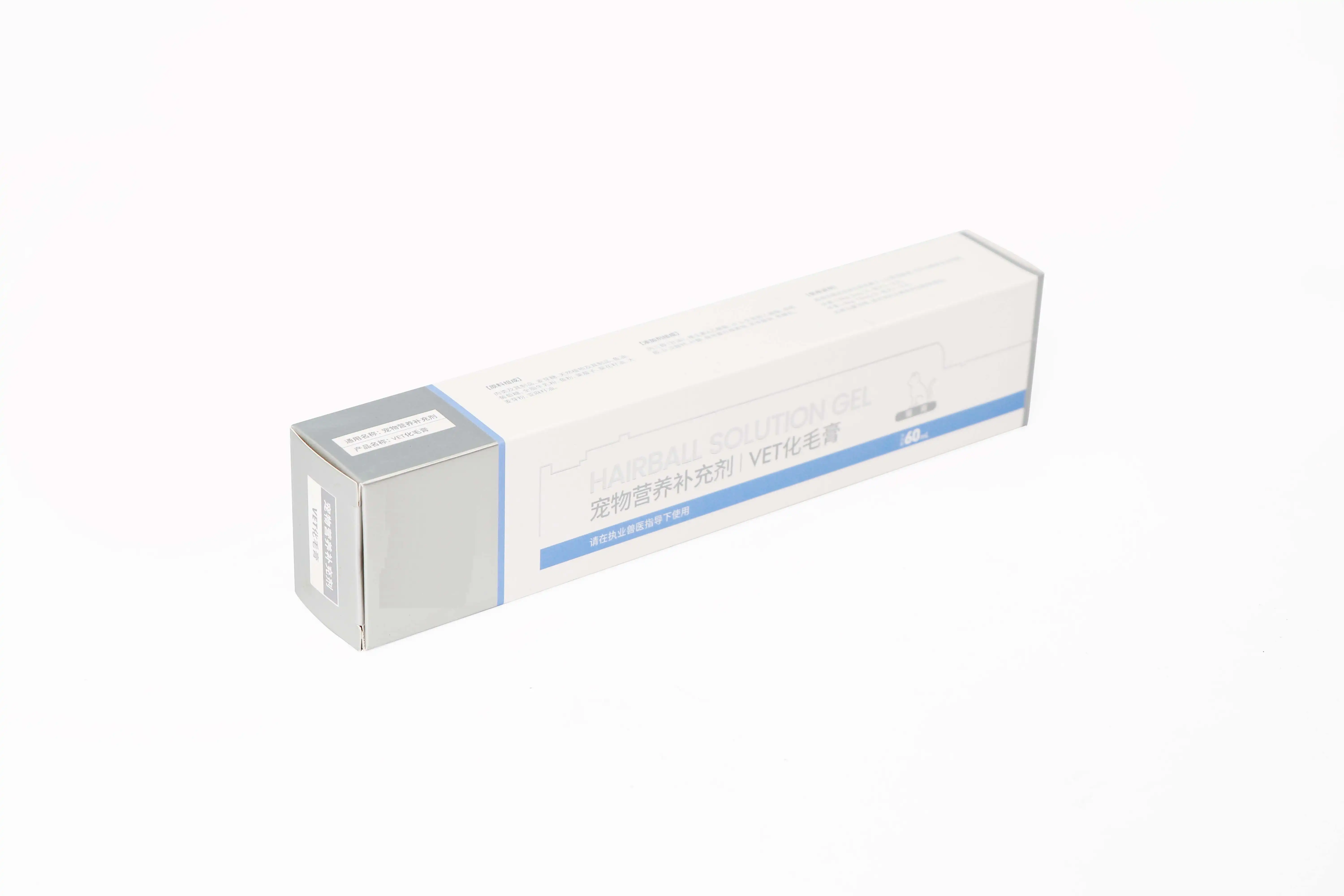
How to Choose and Use the Best Hairball Remedy Paste for Cats
Selection Criteria for Different Cat Populations
Results are best when product features are matched to cat needs. Cats with sensitive stomachs need foods that are gentle and don't contain any harsh chemicals or artificial colors. Natural oils and dietary fiber work better together than options that are heavy on oil for digestion. Kittens need items that are right for their age, especially ones that say they are safe from six weeks on. For homes with more than one cat, tastes that everyone likes, like chicken, are helpful because they cut down on the need for multiple product SKUs and make management easier.
Proper Administration Techniques
When remedy pastes are put on cats' paws, their natural instincts to groom themselves make them more likely to eat them. Instead, mixing the paste with wet food hides any strange taste while keeping the paste's effectiveness. To keep cats from getting fleas, the recommended daily dose is between 0.5 and 1 teaspoon, but the exact amount depends on the cat's size and hair length. During active hairball episodes, temporary dose increases help get rid of buildups that are already there. Pet boarding facilities and grooming shops should set regular administration times because inconsistent use reduces the benefits of prevention and lets hairballs form again.
When Professional Consultation Becomes Necessary
While cat hairball remedy paste works well for most cases, some symptoms need to be checked out by a vet. Cats that haven't eaten in more than 24 hours, have serious stomach distension, or are vomiting blood need to see a vet right away. Products can help avoid problems, but they can't take the place of medical help for sudden blockages. Telling customers about these limits builds trust and makes stores seem like responsible advisors instead of just sellers of goods. Veterinary clinics like it when providers make it clear what the product's limits are along with how to use it.
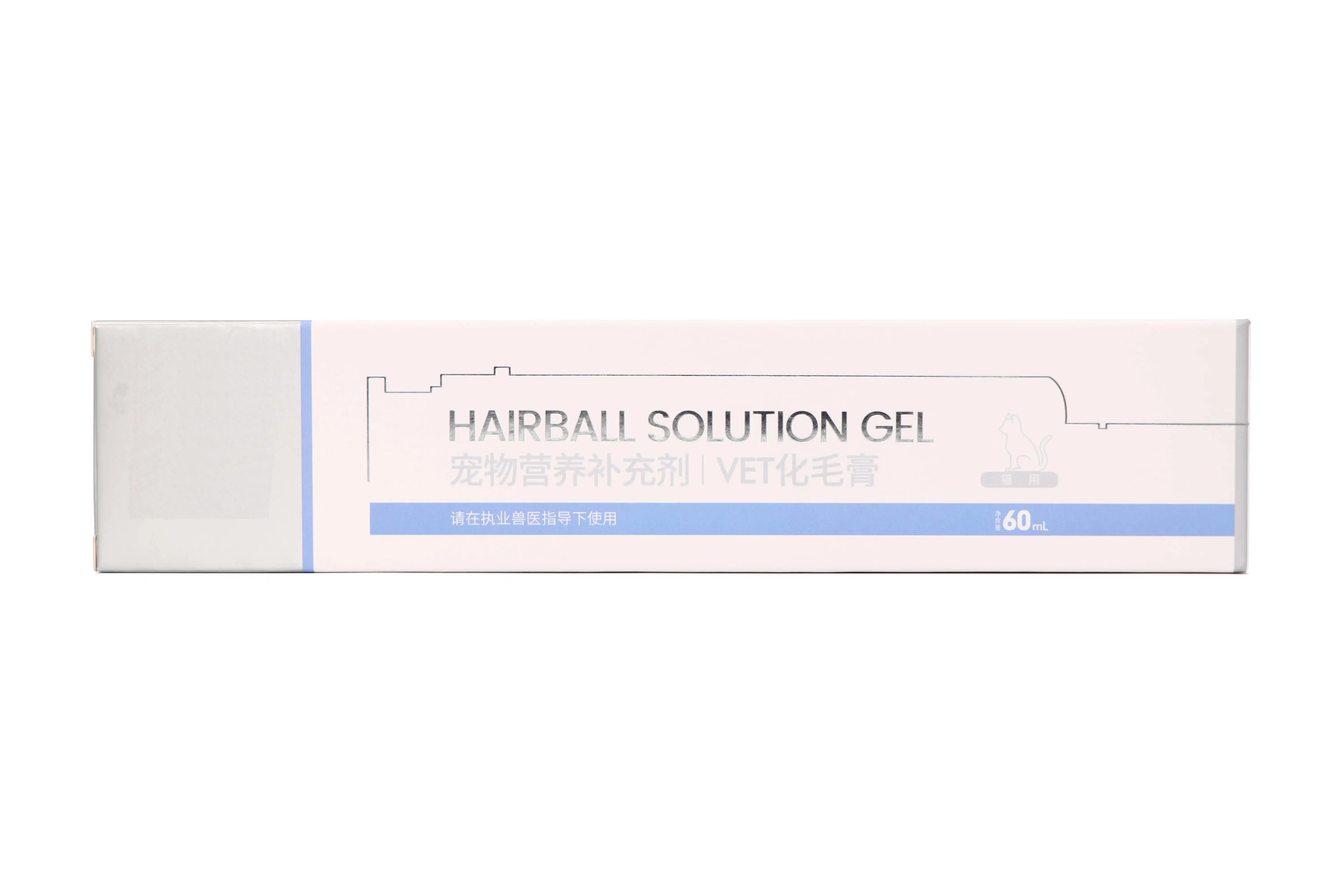
Procurement Guide: Where and How to Buy Cat Hairball Remedy Paste
Reliable Sourcing Channels
Business-to-business buyers should give preference to well-known brands with tested quality control methods. Direct relationships with producers get rid of markups from middlemen and make sure the products are real. Platforms that focus on the pet industry connect buyers with suppliers who have been checked out, but buyers still need to do their research. Trade shows give people the chance to see goods in person and talk to officials from manufacturers. Online marketplaces are convenient, but you should carefully check the credentials of sellers and the certifications of products before placing large orders.
Quality Verification Protocols
Asking for Certificates of Analysis that are specific to a batch confirms that the products meet the stated requirements. Viscosity readings make sure that the product is consistent from one production run to the next, so customers don't have to worry about changes in texture. The results of palatability tests show acceptance rates across a wide range of cat populations. Shelf-life promises protect the money you spend on goods, which is especially important for high-end items that don't sell as quickly. Suppliers who provide clear information about their production facilities and reports from third parties that have inspected them show that they are committed to quality standards that protect buyers' names and lower the risk of returns or damage.
Strategic Inventory Management
Sales of hairball products go up and down with the seasons, with the highest demand in the spring and fall when people shed a lot. Procurement pros who are looking ahead keep more stock on hand before these times and negotiate big discounts that help the margins. Not running out of stock during times of high demand is avoided by having ready stock from sources. Low minimum order amounts make it possible to quickly change inventory levels as market conditions change. When retailers use private labeling, they can build brand loyalty while keeping prices low by working directly with manufacturers.
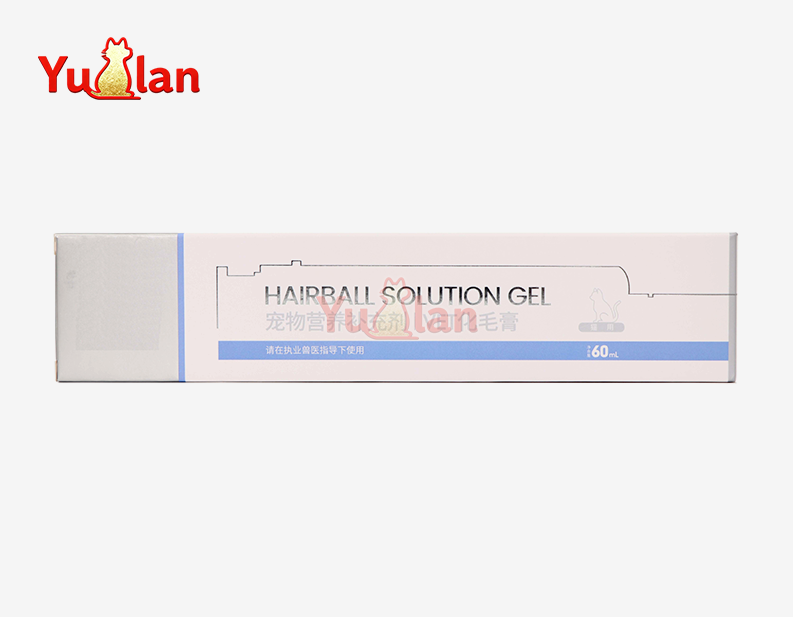
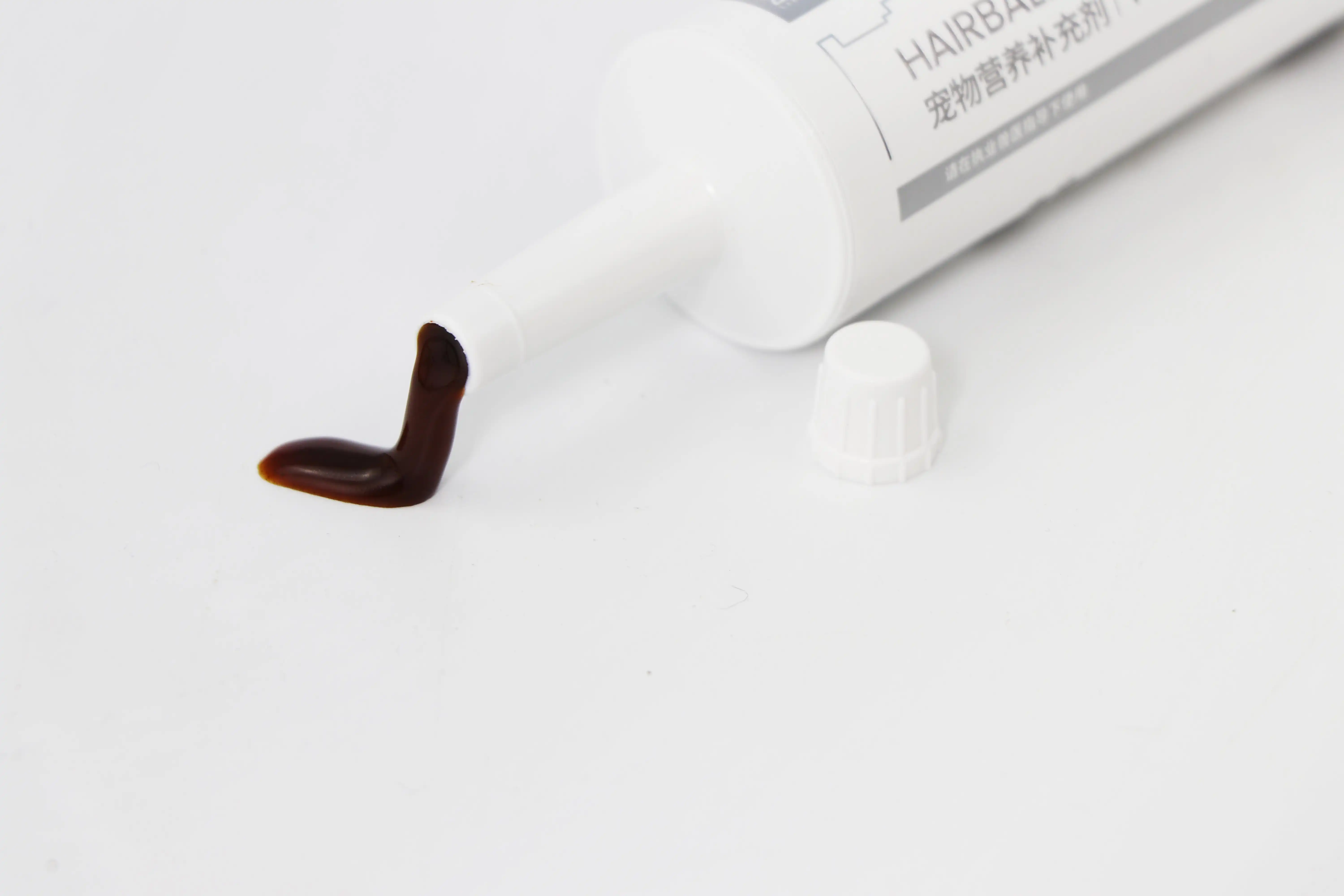
The Yunlan cat hairball remedy paste meets the high standards of professional formulations that are needed for tough B2B uses. This smooth, tasty mix has three important vitamins, fish oil, flaxseed oil, and dietary fiber in it. It helps get rid of hairballs, feeds the body, and gives daily nutritional support. The chicken taste is appealing to picky eaters, so it can be given to a wide range of cat groups without any problems. The 128g tube size is good for cats over six weeks old because it matches treatment time with ease of use. Ready stock meets the needs of big wholesale customers, and OEM and ODM services meet the needs of private labeling customers with low minimum order amounts that make it easier for new brands to get started.
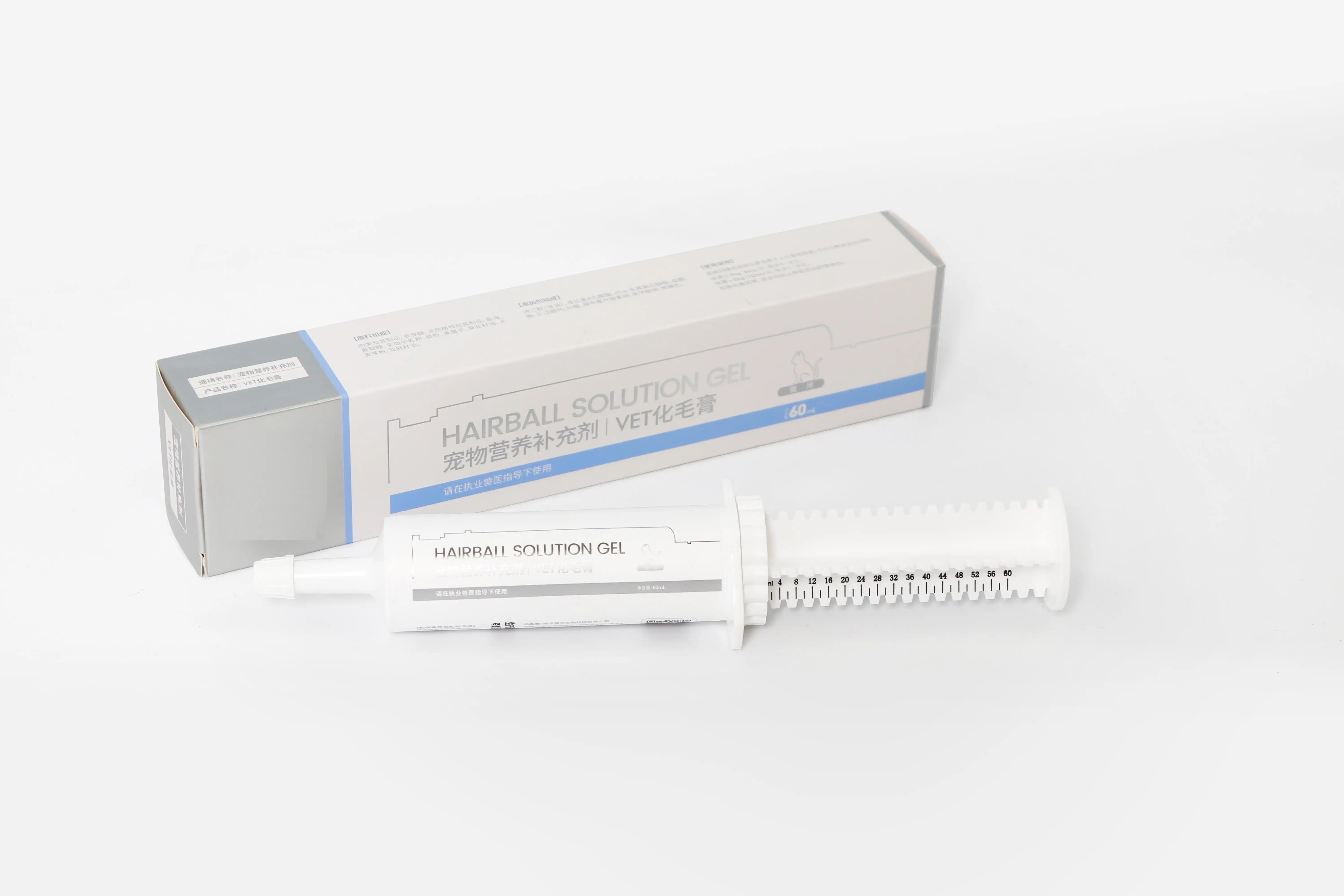
Conclusion
Finding the best cat hairball remedy paste means finding a balance between how well it works, how safe it is, how tasty it is, and how much it costs. Products that combine natural oils and dietary fiber work better than products that only contain one ingredient. They treat both the symptoms and the causes of the problem. The best B2B buyers look for suppliers who offer detailed documentation, flexible payment terms, and quality that stays the same across production batches. More people are learning about how to keep cats' digestive systems healthy, which is driving up demand for high-quality remedy pastes in retail, clinical, and specialty service sectors. Companies that make scientifically sound and well-researched products can get a bigger share of the market and build long-lasting relationships with customers based on results that can be seen and a commitment to animal welfare.
FAQ
1. How Often Should Cats Receive Hairball Remedy Paste?
The best protective effects come from taking it every day, especially during times of heavy shedding. One-half to one teaspoon per day is the usual dose, which is changed based on the cat's size and hair length. Long-haired breeds may need higher doses, while short-haired cats usually do well with schedules that change every other day. It's more important to be consistent than to use exact amounts, because regular use stops hairballs from forming instead of getting rid of them. Veterinary professionals say that daily routines should be kept up for at least three to four weeks before the results can be judged. This is because changes to the digestive system take time. How often should cat hairball remedy paste be given?
2. Are Natural Formulas More Effective Than Chemical Options?
When made correctly, both types of formulations work well in the clinic. People who care about the environment like natural plant-based oils, which are also better for sensitive stomachs. However, petroleum-based lubricants work better right away on hairballs that are already there. The best current products use both methods; they use natural oils to keep the body healthy and digestive aids to make it easier for the hair to pass. When making a choice, the buyer should weigh the needs of the customer against the performance requirements, keeping in mind that hybrid formulas often work best for a wide range of cat populations and health conditions.
3. Can Remedy Pastes Help Cats With Food Sensitivities?
Quality cat hairball remedy pastes that are made without adding any fake ingredients are safe for cats with allergies or stomach problems. Fish oil and flaxseed oil bases can be used instead of dairy-based ingredients that can cause allergies in some older formulations. Most cats can handle chicken flavoring, but there are salmon choices for cats that are allergic to chicken. Buyers who work with clinics or specialty stores should keep a variety of flavors on hand to meet the needs of people with different food restrictions. Products that are approved to be free of common allergens reach more customers and cause fewer problems with customer service because of bad responses.
Partner With Yunlan for Premium Cat Hairball Remedy Paste Supply Solutions
Yunlan makes professional-grade cat hairball remedy paste that meets the high standards of North American veterinary clinics, pet stores, and wholesale distributors. Our recipe includes fish oil, flaxseed oil, fiber, and three important vitamins in a chicken-flavored base that makes it easy for everyone to follow the rules, even picky eaters. We keep a lot of stock on hand so that we can ship in bulk to wholesale customers right away. We also support OEM and private labeling programs with low minimum order quantities. We use our twenty years of experience in the supply chain and the nearly one hundred million yuan we've spent on research and development to make sure the quality is always the same. Our factories are safe enough to meet foreign standards, and you can get full Certificates of Analysis from us if you ask. Get in touch with us at minghuixu6717@gmail.com to talk about how our services as a cat hairball remedy paste provider can help you improve your products and reach your business growth goals.
References
1. Anderson, Patricia. "Feline Digestive Health: Understanding Hairball Formation and Prevention Strategies." Journal of Veterinary Internal Medicine, vol. 38, no. 2, 2024, pp. 412-428.
2. Chen, Robert, and Williams, Sarah. "Comparative Analysis of Lubricant-Based and Fiber-Enhanced Hairball Remedies in Domestic Cats." Veterinary Clinics of North America: Small Animal Practice, vol. 54, no. 1, 2025, pp. 89-104.
3. Morrison, Jennifer. "Nutritional Interventions for Reducing Feline Hairball Incidence: A Meta-Analysis." American Journal of Veterinary Research, vol. 85, no. 6, 2024, pp. 701-715.
4. Peterson, Michael. "Quality Standards and Safety Protocols in Pet Supplement Manufacturing." Pet Food Industry Journal, vol. 42, no. 4, 2025, pp. 56-63.
5. Thompson, Elizabeth and Garcia, Carlos. "Omega-3 Fatty Acids and Coat Health: Mechanisms for Reducing Shedding in Domestic Cats." Veterinary Dermatology, vol. 36, no. 3, 2025, pp. 245-259.
6. Walsh, Katherine. "B2B Procurement Strategies in the Pet Health Products Sector: Trends and Best Practices." Journal of Animal Health Supply Chain Management, vol. 19, no. 2, 2026, pp. 134-148.