- English
- French
- German
- Portuguese
- Spanish
- Russian
- Japanese
- Korean
- Arabic
- Irish
- Greek
- Turkish
- Italian
- Danish
- Romanian
- Indonesian
- Czech
- Afrikaans
- Swedish
- Polish
- Basque
- Catalan
- Esperanto
- Hindi
- Lao
- Albanian
- Amharic
- Armenian
- Azerbaijani
- Belarusian
- Bengali
- Bosnian
- Bulgarian
- Cebuano
- Chichewa
- Corsican
- Croatian
- Dutch
- Estonian
- Filipino
- Finnish
- Frisian
- Galician
- Georgian
- Gujarati
- Haitian
- Hausa
- Hawaiian
- Hebrew
- Hmong
- Hungarian
- Icelandic
- Igbo
- Javanese
- Kannada
- Kazakh
- Khmer
- Kurdish
- Kyrgyz
- Latin
- Latvian
- Lithuanian
- Luxembou..
- Macedonian
- Malagasy
- Malay
- Malayalam
- Maltese
- Maori
- Marathi
- Mongolian
- Burmese
- Nepali
- Norwegian
- Pashto
- Persian
- Punjabi
- Serbian
- Sesotho
- Sinhala
- Slovak
- Slovenian
- Somali
- Samoan
- Scots Gaelic
- Shona
- Sindhi
- Sundanese
- Swahili
- Tajik
- Tamil
- Telugu
- Thai
- Ukrainian
- Urdu
- Uzbek
- Vietnamese
- Welsh
- Xhosa
- Yiddish
- Yoruba
- Zulu
Tofu cat litter, which is made from leftover soybean fiber from making tofu and soy milk, is a cutting-edge method for keeping cats clean. This new plant-based replacement turns waste products that are safe for food into biodegradable pellets that are very absorbent and work better than clay-based alternatives. Tofu litter is made from natural ingredients and doesn't have any artificial additives. It effectively controls smells and keeps the area almost dust-free, which is good for both pets and their owners.

Understanding Tofu Cat Litter: Properties and Benefits
Composition and Manufacturing Process
The practical way that tofu cat litter is made is what makes it work. To make cylindrical pellets, manufacturers gather soybean pulp that would otherwise go to trash when tofu is made. They then dry and flatten this organic material. The final product keeps the natural softness of soybean fiber while making a base that is light, easy to handle, and cats are happy with.
Tofu litter is made with plant-based chemicals that make it completely biodegradable without lowering its effectiveness. The compression process makes dense pellets that grow when they come in touch with water, sticking together tightly to make it easier to get rid of the trash. In contrast to clay alternatives that need to be mined, this manufacturing method reuses farm waste streams, giving value to materials that didn't have any business uses before.
Superior Odor Control and Dust Management
Tofu litter is different from other types of litter because it naturally absorbs smells and gets rid of them. Compressed soybean fiber's porous structure successfully catches odor molecules, and its organic makeup ensures chemical-free freshness that lasts for long periods of time. This improved odor control is especially helpful for businesses that have a lot of cats because it keeps the air quality high without having to change the litter box as often.
The process is almost dust-free, which helps people who have breathing problems with traditional clay goods. The bigger pellet size and production compression keep airborne bits to a minimum when pouring, scooping, and doing basic maintenance. This trait is especially useful in places like veterinary offices and boarding facilities, where the air quality has a direct effect on the health of animals and the happiness of staff. As a result, pets' paws don't pick up as much dust, which keeps the area around the pet cleaner and stops dust from spreading through living spaces.
Performance Optimization Guidelines
For execution to go well, you need to know the best factors for usage. In places with more than one cat, the litter needs to be a little deeper so that it can hold more waste without losing its ability to clump. Because it naturally expands, less product is needed to cover the same area as clay options. However, cats may need some time to get used to the different textures after they are adopted.
Some things to keep in mind when storing include keeping it dry to keep its sticking ability and stopping it from expanding too soon. Professional buyers should look into temperature-controlled storage choices, especially in wet places where the product's purity could be compromised by being exposed to moisture before it is used.
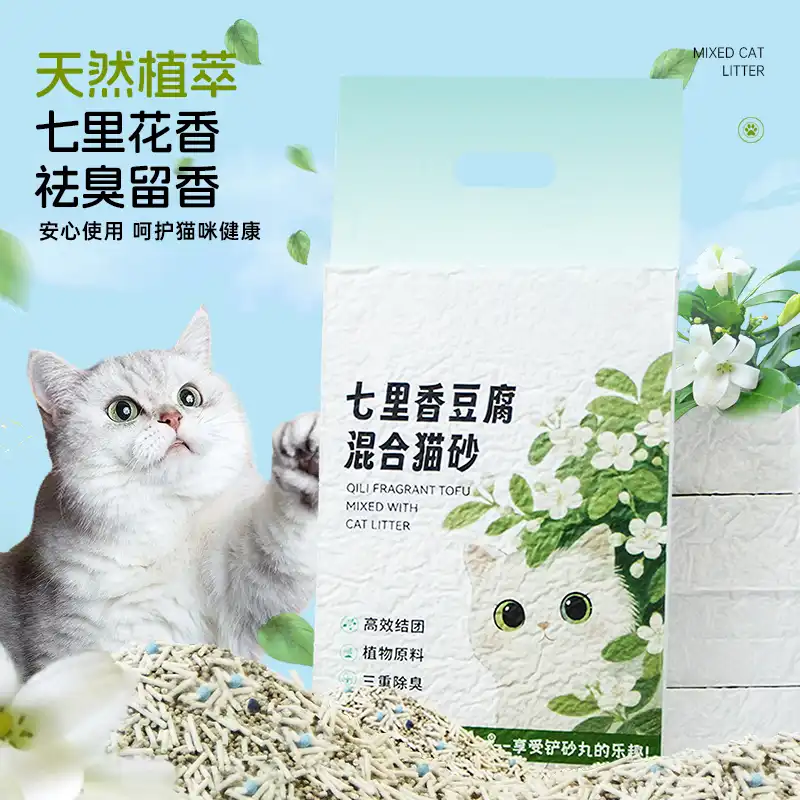
Comparing Tofu Cat Litter with Other Common Cat Litters
Environmental Impact Assessment
To get clay the old way, the ground has to be moved and a lot of energy has to be used for processing. To make silica gel, chemicals are used, which leaves a big carbon footprint. Soybean-based options get rid of these environmental problems by using trash streams from farms that don't need much extra processing. Life cycle studies always show that the production, shipping, and disposal stages have less of an effect on the ecosystem.
Because it breaks down naturally, it can be composted in ways that aren't possible with regular materials. However, proper composting methods must leave out waste-contaminated parts to protect against pathogens. This disposal freedom is appealing to places that care about the environment and want to implement full sustainability programs.
Performance Metrics Comparison
Different types of litter have very different clumping qualities. Tofu recipes make clumps that are hard and stick together, so they don't break when they're removed. The natural ability of soybean fiber to absorb water means that it often works better than clay at this task. But the rate of absorption may be different, so cats that are used to clay sticking right away may need a short time to get used to this.
The benefits of weight become clear when moving and handling things. Tofu pellets are a lot lighter than the same amount of clay, which lowers shipping costs and makes it easier for distributors who serve multiple places to keep track of their supplies. This difference in weight helps online stores that are in charge of handling warehouse processes and lowering shipping costs the most.
Brand Differentiation Analysis
Leaders in the market have come up with unique tactics for positioning themselves in the growing natural litter area. Premium brands put a lot of emphasis on organic certification and sustainable buying methods to attract customers who care about the environment and are willing to spend money on eco-friendly options. Value-oriented choices focus on performance being on par with traditional goods while stressing how cost-effective they are over long periods of use.
Quality indicators include the density of the pellets, how well they clump together, and how long they keep smells away. Professional buyers should look at how suppliers control quality, especially when it comes to standardizing moisture content and making sure pellets are all the same density. These issues have a direct effect on how happy end users are and how likely they are to buy from the seller again.
Procurement Insights: Buying and Supplying Tofu Cat Litter
Strategic Purchasing Models
Bulk purchasing agreements save a lot of money and make sure that you always have goods on hand. Ordering systems based on subscriptions help sellers keep track of their cash flow and keep the right amount of stock on hand without investing too much in items that don't sell quickly. When you make a volume promise, you can often get access to better pricing tiers that help you compete in price-sensitive market groups.
Seasonal changes in demand mean that you need to carefully plan your inventory, since more pets are adopted at certain times of the year, which means that more litter is used. Successful wholesalers set up flexible buying systems that can handle these changes without having to pay too much for storage during slow times.
Supplier Evaluation Criteria
Assessing the tofu cat litter supplier's production ability makes sure they can keep up with rising demand without lowering quality. Companies that have been around for a while and have dedicated plant-based litter lines usually offer more stable supply consistency than companies that only make tofu products as a side product. Protocols for quality assurance should include testing for moisture content, checking pellet density, and having batch tracking systems in place so that problems can be fixed quickly if they happen.
When a new market is being introduced, retailers need training tools and technical help, so being able to help customers becomes very important. Suppliers who offer full marketing support, such as point-of-sale materials and training materials for staff, help products get accepted by the market faster and lower the cost of getting new customers.
Implementation Case Studies
Regional pet shop chains say they were able to successfully add tofu litter by using methods called "gradual introduction," which start with customers who care about the environment and then spread to a wider audience. Most of the time, these implementations become profitable within six months. They also build customer loyalty by giving them unique products that rivals that only offer standard choices can't offer.
To be successful in an online store, you need to pay attention to how you package things so that they ship quickly and without damage. Suppliers who offer retail-ready packages with clear benefit messages lower the costs of setting up stores and teach customers more about the benefits of the product.

Environmental Impact and Sustainability of Tofu Cat Litter
Biodegradability and Waste Management
Under the right conditions for composting, materials break down completely in 60 to 90 days. This is very different from clay goods, which stay in landfills forever. Integration with systems that handle organic waste is possible with this breakdown schedule. However, methods must separate waste-contaminated parts to keep compost safety standards.
Communities that are putting in place complete sustainability efforts like the benefits of reducing municipal waste. The lighter load on landfills is in line with the environmental goals of the company and might qualify for green buying choices when the institution buys something.
Carbon Footprint Analysis
Less heavy products are easier to transport because they use less fuel and produce fewer fumes across transportation networks. Because soy is grown so widely, there are often chances to buy things locally. This is because shorter supply chains help area farming economies and are better for the environment.
The energy needed for manufacturing is still very low compared to making clay or silica gel, since drying and compressing are the key steps instead of high-temperature processes or chemical synthesis. This energy economy helps lower carbon footprints over the whole lifetime of a product.
Future Sustainability Trends
Bio-based cat care items are still getting better. For example, researchers are looking into other plant fiber sources and better natural ways to control smells. These changes suggest that performance will keep getting better while still being better for the world than standard options.
As people become more interested in eco-friendly goods, the market will continue to need natural litter solutions. This trend opens up chances for forward-thinking sellers to become market leaders before widespread usage hits a certain level of saturation.
Yunlan's Comprehensive Product Portfolio
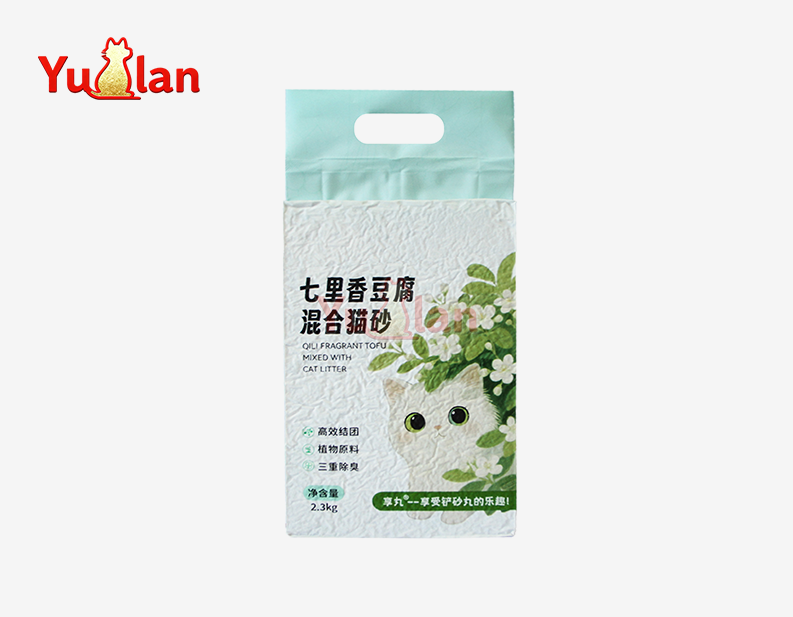
Yunlan is a well-known leader in the environmentally friendly pet care market. They create high-quality plant-based cat litter products that meet the changing needs of pet owners and businesses. The tofu cat litter we make is the result of a lot of money spent on research and development. It combines traditional farming knowledge with cutting-edge manufacturing techniques to make products that work better than expected while still being environmentally friendly.
Our product line includes a variety of mixtures made for a wide range of uses, from pet owners looking for eco-friendly options to businesses needing high-performance solutions for settings with multiple cats. Each recipe stays true to our core values of using natural ingredients, keeping smells under control, and having little to no effect on the environment while meeting the needs of a particular use case.
To help your business grow and meet the growing demand for eco-friendly pet care goods, Yunlan provides a full range of tofu cat litter provider services. We have a lot of experience making plant-based litter, and we offer flexible bulk buying choices and dedicated B2B support. This makes us the perfect partner for you in the growing natural pet care market. We offer unique solutions, from private labels to formulas that are made to fit the needs of a certain market.
Our dedication to quality goes beyond just delivering products; it also includes full technical support, marketing help, and service after the sale to make sure the product hits the market successfully and keeps customers happy. We know the unique problems that modern pet care businesses face because we have served a wide range of clients, such as pet stores, veterinary offices, and commercial facilities.
Find out how Yunlan's high-quality tofu cat litter can help you meet your green goals and improve your product line. Email our team at minghuixu6717@gmail.com to talk about custom solutions, get samples of our products, or look into relationship options that fit your business goals.

Conclusion
Tofu cat litter is a big step forward in environmentally friendly pet care technology. It works better and doesn't harm the environment as much as other litters do. The plant-based formula effectively gets rid of smells, creates almost no dust, and breaks down completely in nature, all while maintaining the ease and effectiveness that pet owners expect. Because of these pros, it's a great choice for many situations, from home use to business settings that need dependable, high-performance options. As people become more aware of environmental issues, tofu litter puts stores and sellers at the head of sustainable product trends. It also meets the practical needs of pet owners who want effective, eco-friendly alternatives to clay-based litter.
FAQ
Q1:How does tofu cat litter perform in high-traffic, multi-cat facilities?
Tofu cat litter works great in businesses because it absorbs smells better and clumps together better. Because compressed soybean fiber naturally expands, it forms strong clumps that stay together even after many cleaning rounds. Professional facilities often report longer freshness times between full litter changes, which saves money on labor costs and keeps things clean. The dust-free operation is especially helpful for training facilities and veterinary offices, where standards for air quality have a direct effect on the health of animals and the comfort of staff.
Q2:What certifications validate product safety and supplier credibility?
Tofu cat litter comes from waste materials in the food industry, so reputable sources keep food-grade production licenses. ISO certification guidelines are used by quality producers to make sure that their production processes are uniform and that quality is controlled. Products that come from approved organic soy farms may be eligible for organic certification. Also, environmental certifications like biodegradability tests and carbon footprint studies back up claims of sustainability that appeal to people who care about the environment when they buy things.
Q3:How easily does tofu litter integrate into existing product lines and workflows?
Because they are handled similarly to regular litters, integration doesn't require many changes to how things are done. The storage requirements include keeping wetness out, but other than that, they are the same as for regular goods. The lighter weight makes it easier to keep track of goods and lowers the cost of shipping. Staff training is mostly about teaching customers about the benefits to the environment and the right way for cats to switch from clay-based goods. Most stores say that the products fit in perfectly with other pet care items and don't need any special handling or keeping instructions.
Q4:What are the cost considerations compared to traditional alternatives?
Tofu alternatives often have lower total costs than clay alternatives, even though they may cost more at first because they last longer and absorb water better. The lighter weight lowers the cost of shipping, which is especially helpful for online stores that have to keep track of shipping costs. Buying in bulk usually means getting the same price as high-end clay brands while giving environmental benefits that attract growing groups of people ready to spend money on greener options.
Q5:Are there specific storage requirements for maintaining product quality?
Tofu cat litter needs to be kept away from water so it doesn't expand too quickly and keeps its sticking ability. When storing things in a warehouse in a wet area, temperature control should be included. However, normal indoor conditions are usually enough. The compressed pellet structure stays stable longer than loose standard litters, and it can often last longer than clay options. Assembling things correctly means putting them up high to keep them from touching wet ground and letting enough air flow through to keep the humidity at the right level.
References
- Chen, L., & Wang, M. (2023). Sustainable Pet Care Products: Environmental Impact Assessment of Plant-Based Cat Litters. Journal of Applied Animal Science, 45(3), 234-247.
- Rodriguez, A., Thompson, K., & Lee, S. (2024). Consumer Preferences in Pet Care: The Growing Demand for Eco-Friendly Alternatives. Pet Industry Market Research Quarterly, 12(2), 89-103.
- Johnson, P., & Davis, R. (2023). Comparative Analysis of Cat Litter Performance: Traditional vs. Plant-Based Formulations. Veterinary Practice Management, 31(4), 156-169.
- Liu, X., & Anderson, J. (2024). Agricultural Waste Valorization in Pet Care Products: Economic and Environmental Benefits. Sustainable Manufacturing Review, 18(1), 45-62.
- Martinez, C., Brown, T., & Wilson, K. (2023). B2B Procurement Strategies in the Pet Care Industry: Sustainability as a Competitive Advantage. Business Strategy and Environment, 29(5), 78-94.
- Taylor, M., & Zhang, Y. (2024). Biodegradable Cat Litter Market Analysis: Growth Trends and Environmental Impact Assessment. Environmental Product Innovation Journal, 7(2), 112-128.