- English
- French
- German
- Portuguese
- Spanish
- Russian
- Japanese
- Korean
- Arabic
- Irish
- Greek
- Turkish
- Italian
- Danish
- Romanian
- Indonesian
- Czech
- Afrikaans
- Swedish
- Polish
- Basque
- Catalan
- Esperanto
- Hindi
- Lao
- Albanian
- Amharic
- Armenian
- Azerbaijani
- Belarusian
- Bengali
- Bosnian
- Bulgarian
- Cebuano
- Chichewa
- Corsican
- Croatian
- Dutch
- Estonian
- Filipino
- Finnish
- Frisian
- Galician
- Georgian
- Gujarati
- Haitian
- Hausa
- Hawaiian
- Hebrew
- Hmong
- Hungarian
- Icelandic
- Igbo
- Javanese
- Kannada
- Kazakh
- Khmer
- Kurdish
- Kyrgyz
- Latin
- Latvian
- Lithuanian
- Luxembou..
- Macedonian
- Malagasy
- Malay
- Malayalam
- Maltese
- Maori
- Marathi
- Mongolian
- Burmese
- Nepali
- Norwegian
- Pashto
- Persian
- Punjabi
- Serbian
- Sesotho
- Sinhala
- Slovak
- Slovenian
- Somali
- Samoan
- Scots Gaelic
- Shona
- Sindhi
- Sundanese
- Swahili
- Tajik
- Tamil
- Telugu
- Thai
- Ukrainian
- Urdu
- Uzbek
- Vietnamese
- Welsh
- Xhosa
- Yiddish
- Yoruba
- Zulu
Through their irresistible blend of flavor, nutrition, and utility, beef stick dog treats have quickly become a staple in the pet treat market. Made from premium beef ingredients like real cowhide and featuring creative beef sandwich designs, these protein-rich chews give dogs a satisfying chewing experience while also offering vital dental health benefits. Their distinctive manufacturing method, which uses low-temperature slow processing to stimulate original flavors and create treats where the beef-wrapped core can be consumed entirely, is the reason for their popularity. For B2B procurement professionals looking to satisfy a variety of market demands, the beef stick dog treat line is a necessity due to its all-encompassing appeal.

Overview of Beef Stick Dog Treats: Why the Popularity?
One of the most important indicators of a fundamental shift in the preferences of pet owners for premium treats that can be used for a variety of purposes is the rise in popularity of beef sticks. Procurement professionals are able to identify products that meet the expectations of customers and increase sales when they have a comprehensive understanding of the dynamics of the market.
Definition and Core Characteristics of Beef Sticks
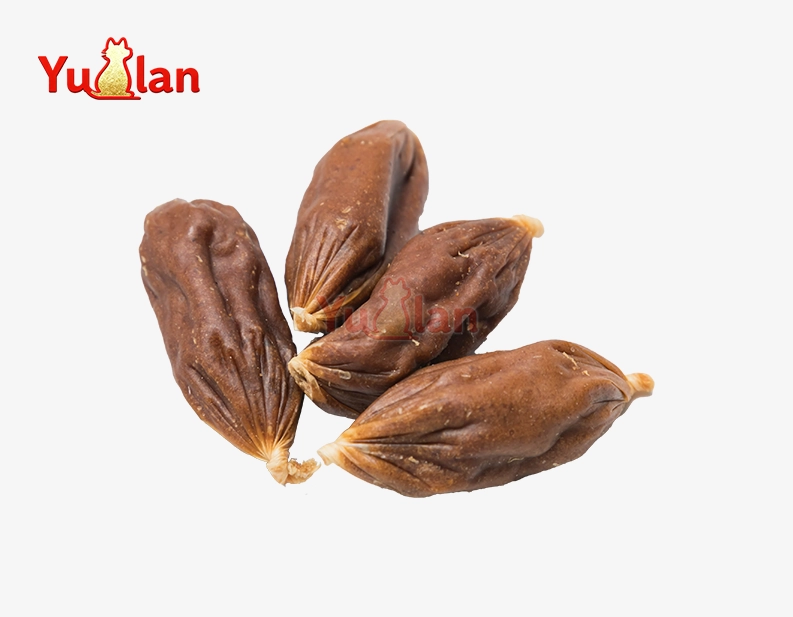
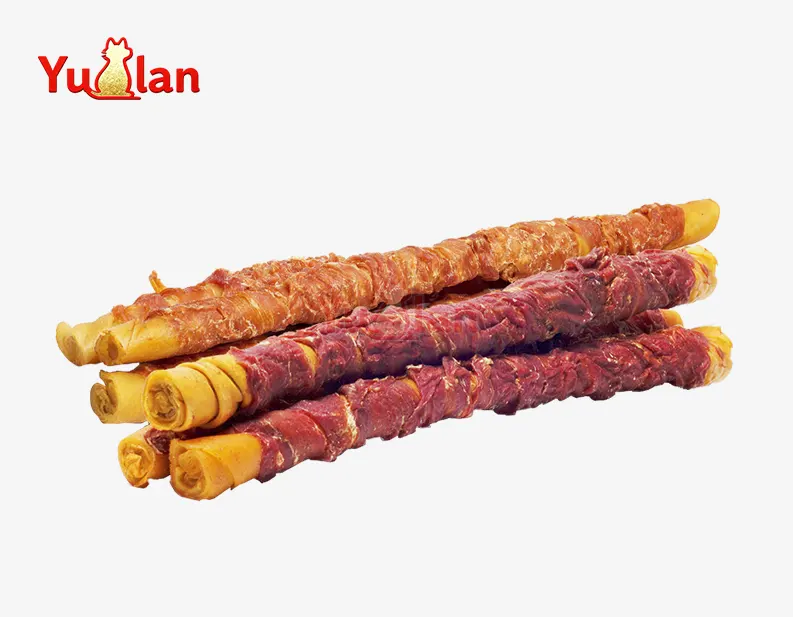
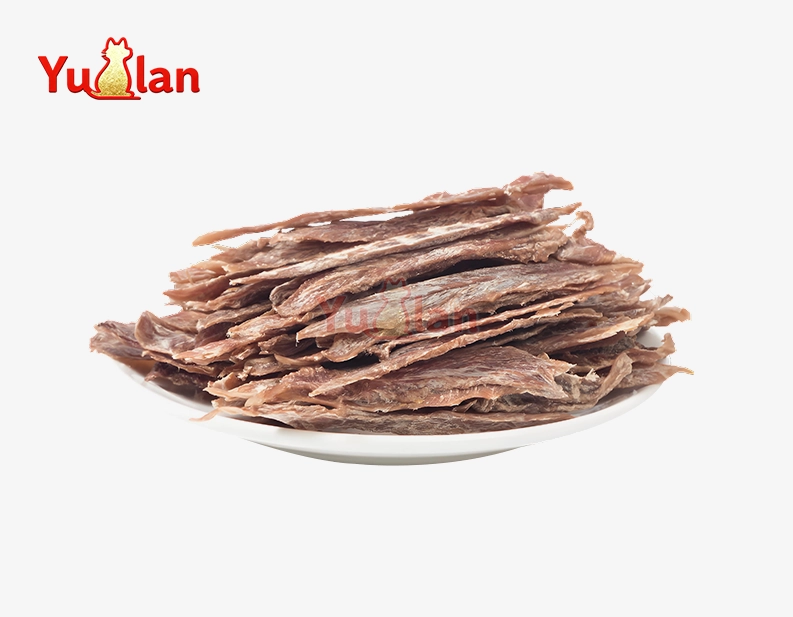
Traditional rawhide chews have evolved into sophisticated beef stick dog treats. Single-ingredient formulations of dried beef components, such as cheek meat, esophagus, and specially processed cowhide, are commonly used in these products. Controlled dehydration lowers the moisture content below 10% during the manufacturing process, producing chews that are long-lasting and gradually soften with saliva while retaining their structural integrity.
In contrast to processed treats that contain artificial additives and fillers, high-quality beef sticks have a protein concentration of up to 80 percent by weight, making them more nutrient-dense than processed treats. When it comes to these treats, active dogs are especially enthusiastic about them because of their high protein density, which encourages the growth of muscles and provides your dog with sustained energy. Dogs are captivated for extended periods of time by the inherent texture variation of each stick, which offers them the opportunity to satisfy their behavioral requirements while also providing them with nutritional benefits.
Nutritional Benefits Driving Market Demand
Premium beef stick dog treats' nutritional profile concurrently addresses several facets of canine health. In addition to their remarkable protein content, these treats include vital amino acids that promote immune system performance, muscle maintenance, and coat health. The chewing action necessary to eat these treats encourages dental hygiene by stimulating the gums and removing plaque, while the natural enzymes in minimally processed beef support digestive health.
Buyers of goods and services for businesses are becoming more aware of the fact that consumers place a higher value on treats that offer genuine health benefits as opposed to those that are devoid of nutritional value. Natural alternatives to highly processed beef sticks are appealing to pet owners who are looking for healthy alternatives to beef sticks. High-quality beef sticks are appealing options. This is because they do not contain any artificial preservatives, coloring agents, or flavor enhancers. This is the reason why they are popular. Procurement professionals have the ability to leverage the sustained market demand that is generated by this alignment with wellness trends in order to achieve consistent sales performance.

Quality and Safety Considerations for Beef Stick Dog Treats
Strategies for the procurement of beef sticks that are effective are built on the foundation of safety and quality standards. It is possible for business-to-business buyers to select products that maximize customer satisfaction and minimize liabilities if they are aware of these crucial variables and take them into consideration.
Industry Safety Standards and Certifications
Beef sticks are manufactured in accordance with stringent safety regulations throughout the entire manufacturing process by reputable manufacturers. The slow-baking method typically lasts for more than twenty hours and reaches temperatures that are high enough to eliminate pathogens without compromising the nutritional value of the food. By using this method of controlled dehydration, the natural flavors that dogs enjoy are maintained, while at the same time the environment is rendered unsuitable for the growth of bacteria.
It is important for procurement teams to give priority to suppliers who have relevant certifications, such as FDA registration, USDA compliance, and third-party quality audits. These certifications provide assurance regarding the consistency of the manufacturing process and demonstrate a commitment to the regulations governing food safety compliance. As an additional benefit, suppliers who implement Hazard Analysis Critical Control Points (HACCP) systems improve both quality control and traceability throughout the entire production chain.
Storage and Shelf-Life Management
Storage procedures that are appropriate have a direct impact on both the quality of the product and the satisfaction of the customer. High-quality beef sticks are able to keep their texture and subtle flavor over time if they are stored in conditions that are cool and dry, and they are also kept out of direct sunlight. Products that have soft spots or odors of ammonia should be removed from stock as soon as possible because these indications point to the possibility of spoilage, which could put the safety of those who consume them in jeopardy.
Rotation techniques that guarantee older stock moves first and stop deterioration that can harm a brand's reputation are essential to effective inventory management. Retailers can preserve product integrity and give end users transparency about handling requirements and freshness by clearly labeling products with production dates and storage instructions.

Choosing the Best Beef Stick Dog Treats for Different Client Needs
Procurement strategies that take into account different customer preferences and particular use cases are necessary due to market diversity. B2B buyers can create extensive product portfolios that efficiently serve various market segments by being aware of these differences.
Specialized Formulations for Sensitive Dogs
As more people become aware of the fact that dogs can have food sensitivities, there has been an increase in the demand for hypoallergenic beef stick dog treats. Single-ingredient formulations, which also eliminate common allergens, offer clean protein sources that are suitable for dogs that have dietary restrictions. These formulations also eliminate common allergens. In addition to being expensive, these specialized products are aimed at a market segment that has been neglected and has specific dietary requirements.
Organic and preservative-free varieties are appealing to consumers who are looking for natural alternatives to traditional sweets. In order to satisfy particular consumer preferences and to justify higher retail prices, these products are subjected to additional certification processes that verify the origin of the ingredients and the manufacturing techniques that are used. The market for these high-end options continues to expand as an increasing number of pet owners recognize their animals as members of the family who are entitled to receive high-quality nourishment.
Size and Texture Variations for Different Breeds
A successful beef stick purchase takes into account the various physical traits of dog breeds as well as their differing chewing capacities. While smaller, softer versions are suitable for puppies and older dogs with weaker jaws, jumbo braided versions are best suited for large breeds and aggressive chewers. Retailers can serve wide customer bases thanks to this product diversity without needing to maintain multiple supplier relationships.
Formulations that are age-appropriate are designed to meet the requirements of specific stages of life. Joint-supporting additives may be included in senior dog formulations in addition to the typical beef ingredients. On the other hand, puppy-appropriate versions typically have softer textures that are designed to accommodate growing teeth. These targeted strategies demonstrate the sophistication of product development, which is appealing to pet owners who are experts in the field and are looking for feeding options that are suitable for their pets' ages.

Procurement Strategies for Beef Stick Dog Treats in B2B Markets
Through the implementation of efficient procurement strategies that strike a balance between cost optimization and quality assurance, supply chain performance that is reliable can be ensured. In light of the fact that beef-based products are perishable and that maintaining the trust of customers is of the utmost importance, these aspects become even more important.
Bulk Purchasing and Logistics Optimization
Consistent product availability and substantial cost savings are provided by volume purchasing agreements. Procurement teams must, however, weigh storage constraints and product shelf life against bulk savings. While optimizing purchasing power with suppliers, inventory obsolescence can be avoided by setting minimum order quantities that correspond with sales velocity.
Effective distribution networks that preserve product quality while in transit are made possible by strategic alliances with logistics providers. In some climates, temperature-controlled transportation becomes crucial, and innovations in packaging help maintain product integrity all the way through the supply chain. Customer satisfaction and product quality are directly impacted by these operational factors.
Supplier Evaluation and Relationship Management
A thorough evaluation of a supplier includes assessments of their financial stability, manufacturing capabilities, and quality control systems. Procurement teams can confirm adherence to quality standards by contacting suppliers who exhibit confidence in their operations through open and honest manufacturing practices and a willingness to give facility tours. Long-term alliances with dependable suppliers facilitate cooperative product development projects while lowering procurement risks.
Frequent performance evaluations evaluate customer service responsiveness, quality consistency, and delivery dependability. These assessments offer information for ongoing improvement projects and assist in spotting possible problems before they affect client relationships. Keeping up relationships with backup suppliers guarantees business continuity in the event of unplanned supply interruptions.

Manufacturing Trends and Future Outlook for Beef Stick Dog Treats
The market for beef stick dog treats is constantly changing due to advancements in manufacturing techniques and ingredient sourcing. Procurement professionals can predict changes in the market and set up their companies for long-term success by being aware of these trends.
Technological Advances in Processing Methods
An important technological development that improves digestibility while maintaining nutritional value is advanced meat protein enzymolysis. By breaking down proteins into easier-to-assimilate components, this process increases each treat's nutritional value while preserving the delightful chewing experience that dogs love. These developments show the industry's dedication to fusing cutting-edge nutritional science with classic appeal.
Low-temperature processing methods maintain nutrients that are sensitive to heat while meeting safety requirements. Compared to high-temperature alternatives, these techniques produce better nutritional profiles but necessitate longer processing times. The final products satisfy the strict safety standards required by regulatory bodies while retaining the natural flavors and textures that dogs enjoy.
Sustainability and Ethical Sourcing Initiatives
Across all consumer segments, environmental consciousness is becoming a bigger factor in purchasing decisions. Suppliers who adopt waste reduction programs and sustainable sourcing techniques appeal to customers who care about the environment while also supporting corporate social responsibility objectives. Although premium pricing strategies that increase profit margins are made possible by these practices, they frequently result in higher product costs.
Transparency that appeals to knowledgeable consumers is provided by traceability systems that follow the origins of beef from farm to final product. Retailers can confidently respond to consumer questions about the origins of ingredients thanks to this visibility, which also shows their dedication to ethical sourcing methods. As customers call for accountability across the supply chain, this kind of transparency becomes more and more crucial.

Conclusion
Because of their exceptional capacity to meet several canine needs at once through superior nutrition, dental health advantages, and behavioral enrichment, beef stick dog treats have endured in popularity. The market is expanding due to high-quality products with genuine cowhide construction, teeth-cleaning qualities, and creative beef sandwich designs, as pet owners place a greater value on practical treats than on frivolous pleasures. The manufacturing industry's dedication to excellence is demonstrated by advancements in low-temperature processing that maintain original flavors while guaranteeing safety standards. B2B procurement specialists will continue to succeed in this growing market segment if they comprehend these market dynamics and place a high value on supplier relationships founded on quality, safety, and innovation.
Partner with Yunlan for Premium Beef Stick Dog Treat Solutions
Yunlan stands as your trusted beef stick dog treat manufacturer, combining over 20 years of specialized pet industry experience with cutting-edge production capabilities. Our comprehensive portfolio includes premium beef stick formulations featuring real cowhide construction, innovative beef sandwich designs, and low-temperature processing that preserves natural flavors while ensuring optimal safety standards. With manufacturing facilities equipped with advanced meat protein enzymolysis technology and serving over 60 countries worldwide, Yunlan delivers consistent quality that meets the stringent requirements of global pet industry leaders. Contact our procurement specialists at minghuixu6717@gmail.com to explore our bulk wholesale options and discover how our proven supply chain advantages can enhance your product portfolio.
FAQ
①What is the typical shelf life of beef stick dog treats under proper storage?
Quality beef stick dog treats maintain optimal freshness for 18-24 months when stored in cool, dry conditions away from direct sunlight. The low moisture content achieved through proper dehydration processes creates an environment that naturally resists spoilage while preserving nutritional integrity. Products should be discarded if they develop unusual odors or texture changes indicating potential deterioration.
②How can retailers mitigate allergy risks for dogs with sensitivities?
Single-ingredient beef stick formulations eliminate common allergens present in multi-component treats, reducing sensitivity risks for affected dogs. Retailers should recommend gradual introduction protocols starting with quarter-stick portions while monitoring for adverse reactions over 48-hour periods. Clear labeling regarding ingredient sources and potential cross-contamination risks helps customers make informed decisions.
③What certifications ensure beef stick product reliability for B2B buyers?
Essential certifications include FDA registration, USDA compliance verification, and third-party quality audits demonstrating adherence to food safety standards. HACCP system implementation provides additional assurance regarding contamination prevention and traceability throughout manufacturing processes. These credentials indicate supplier commitment to quality control and regulatory compliance essential for maintaining customer trust.
References
1. Association of American Feed Control Officials. "Pet Food Ingredient Definitions and Nutritional Guidelines for Canine Treats." Journal of Animal Nutrition Standards, 2023.
2. Chen, M. et al. "Protein Digestibility and Nutritional Value Assessment in Processed Beef-Based Canine Treats." International Journal of Pet Food Science, 2022.
3. Johnson, R. and Martinez, L. "Safety Standards and Quality Control in Pet Treat Manufacturing: Industry Best Practices." Pet Food Industry Review, 2023.
4. National Pet Products Association. "Market Analysis: Growth Trends in Premium Dog Treat Categories." Annual Pet Industry Report, 2023.
5. Thompson, K. "Dehydration Processes and Shelf-Life Extension in Meat-Based Pet Products." Food Processing Technology Quarterly, 2022.
6. Williams, S. et al. "Consumer Preferences and Market Dynamics in the Premium Pet Treat Segment." Pet Business Research Journal, 2023.