- English
- French
- German
- Portuguese
- Spanish
- Russian
- Japanese
- Korean
- Arabic
- Irish
- Greek
- Turkish
- Italian
- Danish
- Romanian
- Indonesian
- Czech
- Afrikaans
- Swedish
- Polish
- Basque
- Catalan
- Esperanto
- Hindi
- Lao
- Albanian
- Amharic
- Armenian
- Azerbaijani
- Belarusian
- Bengali
- Bosnian
- Bulgarian
- Cebuano
- Chichewa
- Corsican
- Croatian
- Dutch
- Estonian
- Filipino
- Finnish
- Frisian
- Galician
- Georgian
- Gujarati
- Haitian
- Hausa
- Hawaiian
- Hebrew
- Hmong
- Hungarian
- Icelandic
- Igbo
- Javanese
- Kannada
- Kazakh
- Khmer
- Kurdish
- Kyrgyz
- Latin
- Latvian
- Lithuanian
- Luxembou..
- Macedonian
- Malagasy
- Malay
- Malayalam
- Maltese
- Maori
- Marathi
- Mongolian
- Burmese
- Nepali
- Norwegian
- Pashto
- Persian
- Punjabi
- Serbian
- Sesotho
- Sinhala
- Slovak
- Slovenian
- Somali
- Samoan
- Scots Gaelic
- Shona
- Sindhi
- Sundanese
- Swahili
- Tajik
- Tamil
- Telugu
- Thai
- Ukrainian
- Urdu
- Uzbek
- Vietnamese
- Welsh
- Xhosa
- Yiddish
- Yoruba
- Zulu
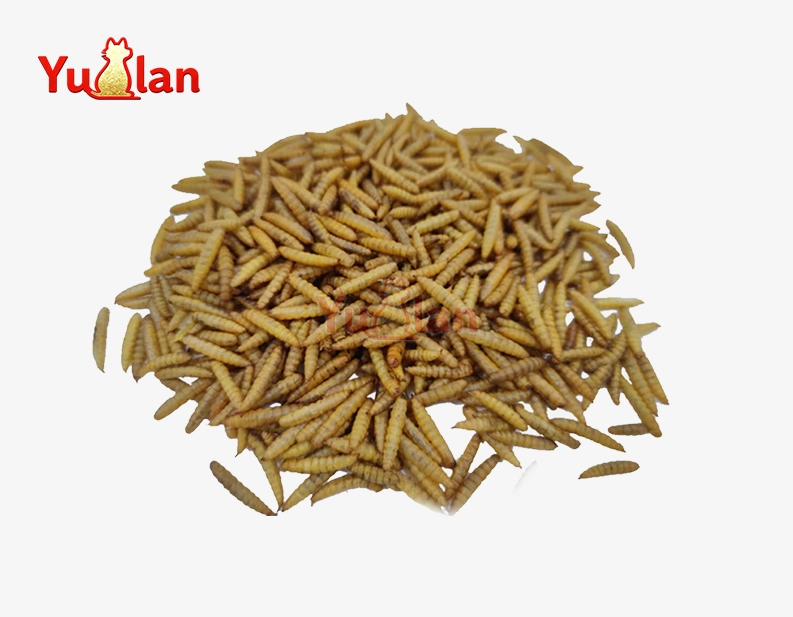
Black soldier fly larvae do well on a wide range of organic materials, such as food processing waste, farming by-products, soil, brewery waste, and kitchen scraps. These flexible feeders turn low-value organic matter into high-quality protein very quickly and effectively, which makes them perfect for industrial insect farming. Because they are so flexible, they can eat anything from veggie garbage to biogas residue, turning waste streams into useful ingredients for animal feed. Because they can naturally change into other forms of life, black soldier fly larvae are a key part of circular economy solutions for the world animal protein supply chain.
Understanding the Nutritional Needs of Black Soldier Fly Larvae
The history of these bugs shows that they have specific dietary needs that change as they get older. In the early stages of development, black soldier fly larvae need a lot of protein—usually between 15-20% total protein in their food—to keep up with their fast tissue and cell growth. During this phase, the gathered product's protein density is set. In grown specimens, it can reach 40–45% of its dry weight.
Protein Requirements Throughout Development
For young black soldier fly larvae, nitrogen-rich surfaces that speed up growth and make feed processing more efficient are best. Researchers have found that substrates with balanced amino acid levels, especially lysine (22.6-25.7 g/kg) and methionine (7.1-8.7 g/kg), make black soldier fly larvae that are better nourished. When industrial companies are trying to reach high-end markets, they choose feedstock that naturally provides these necessary amino acids. This cuts down on the need for synthetic supplements and keeps the clean-label draw for final products.
Energy Storage in Prepupal Stages
As black soldier fly larvae get closer to the prepupal stage, their metabolism changes so that they can store more fat. During this phase, foods that are high in energy and have a lot of carbs and fat help the black soldier fly larvae's natural fat storage systems work better. Because of this organic change, the lipid content rises to 23–36% of the dry weight, with lauric acid making up 40–60% of all fatty acids. When business operators understand this metabolic shift, they can time substrate changes in a way that maximizes both yield and nutritional value for animal feed uses.
Micronutrient Considerations for Commercial Production
Trace minerals and vitamins are also very important for the health and growth of black soldier fly larvae. For the calcium-rich shell to work, the food needs to have enough calcium, with a calcium-to-phosphorus ratio of about 2.6:1. Natural substrates that are high in B vitamins and choline (about 1100 mg/kg in adult larvae) help the nervous system grow properly and keep the metabolism running smoothly. More and more, commercial producers are keeping an eye on these micronutrient profiles to make sure that the quality standards set by pet food makers, aquaculture operations, and chicken operators are met across all production runs.
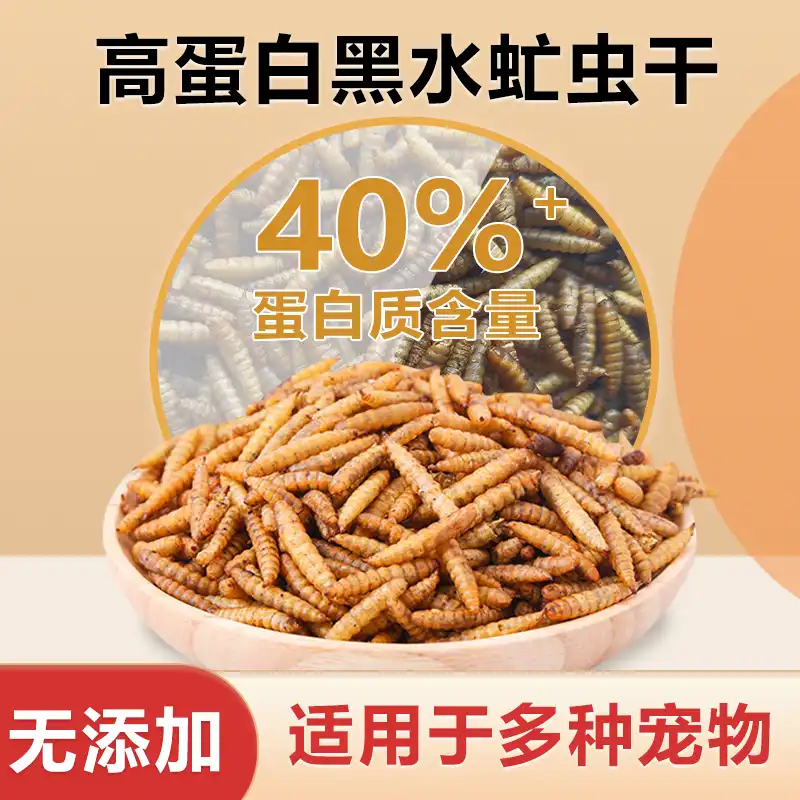
What Can Black Soldier Fly Larvae Eat?
Because these insects are so flexible, black soldier fly larvae can turn a wide range of trash streams into profit centers. Every year, food processing plants make millions of tons of organic waste, like wasted grain from breweries, fruit and vegetable trimmings, baking waste, and dairy by-products. All of these can be bioconverted by black soldier fly larvae. This flexibility has two benefits: it lowers the cost of managing trash and makes it possible to make useful protein ingredients.
Food Processing Waste as Primary Feedstock
Processing machines for vegetables make steady amounts of organic matter that are perfect for large-scale activities. Carrot peels, cabbage ribs, and other food scraps provide balanced nutrition and keep the wetness level fixed between 60 and 70%, which is ideal for larval growth. Coarsely grinding these materials increases their surface area, which speeds up the rate at which black soldier fly larvae eat them and shortens the time that substrates stay in production systems. When facilities handle 10 to 50 tons of organic trash every day, they can use economies of scale to get much lower production costs per kilogram than with traditional protein sources.
Agricultural By-Products for Cost-Effective Feeding
Poultry dung, pig waste, and cow manure are all easy to find and don't cost much. They are especially useful for businesses that are close to animal feeding sites with a lot of animals. These substrates naturally have nutrients and proteins that haven't been processed yet that black soldier fly larvae can easily remove and concentrate. Modern biosecurity procedures address the original worries about the spread of pathogens. For example, controlled feeding schedules and properly pasteurizing the substrate produce safe, high-quality insect protein that meets international feed safety standards. Businesses that use farm trash say their production costs are 30–40% lower than businesses that only use food processing streams.
Brewery and Distillery Residues
The spent grain from making beer and drinks is a reliable source of protein- and fiber-rich fodder all year long. The amino acid profile of beer trash meets the nutritional needs of black soldier fly larvae, giving the insects they produce better protein quality. When insect farmers work with beverage makers, they can build sustainable closed-loop systems where garbage is used as feedstock. This saves brewers money on disposal costs and gives insect farms a steady source of substrate. These partnerships show how the circle economy works, which is something that sustainability-focused buying teams value more and more.
No matter where the fuel comes from, quality control methods are still very important. Screening for heavy metals, herbicide residues, and mycotoxins during contamination saves the health of the black soldier fly larvae and the safety of the final product. Suppliers with a good reputation use batch testing and traceability methods to make sure they follow the rules for animal feed ingredients on all foreign markets.
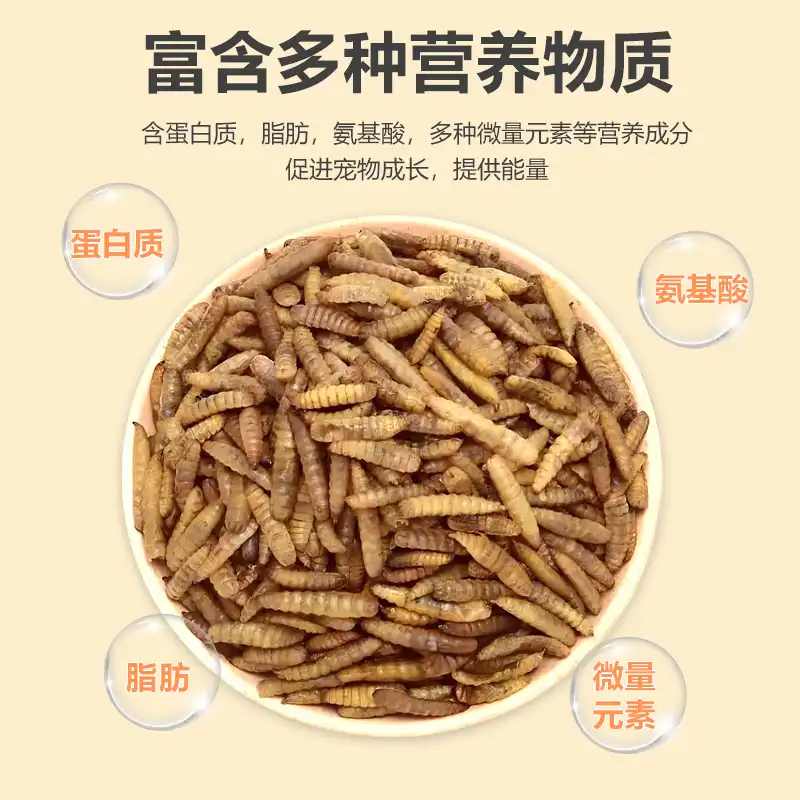
Procurement Guide: Sourcing Quality Feedstock and BSFL Supplies
To build reliable supply lines for insect farming inputs, you need to carefully evaluate suppliers and handle your relationships with them. Buying substrate materials or black soldier fly larvae to be processed further is an example of a buying choice that affects the stability of operations and the uniqueness of the result.
Supplier Certification and Compliance Verification
Suppliers who are qualified keep the right licenses that show they follow the feed safety rules that apply in target markets. In the US, basic guarantee comes from following the rules of the Food Safety Modernization Act and being registered with the FDA. Suppliers in the European Union should show that they follow the rules about animal by-products and have the right permissions to make bug protein. International buyers profit when sellers have ISO 22000 or FSSC 22000 certifications, which show that their food safety management systems are strong.
In addition to checking for certifications, site checks make sure that facilities follow written quality control methods, keep things clean, and have enough space to meet scheduled volumes. Before giving out big supply contracts, buying teams with a lot of experience do pre-qualification checks that look at things like production capabilities, quality systems, and financial security.
Sustainability and Traceability Commitments
Leading suppliers keep records of where their material comes from and how it is processed. This lets buyers check the accuracy of sustainability claims and answer questions from customers about how the supply chain works. Traceability systems that keep track of where substrates come from help find and stop materials that come from areas that are bad for the environment or factories that use questionable labor practices. These due diligence steps meet the requirements for business responsibility and protect the image of the company.
Suppliers who show measures for reducing trash, improving energy efficiency, and following the principles of the circular economy are in line with buying strategies that stress environmental responsibility. Long-term relationships with suppliers that care about sustainability improve a company's ESG performance and help it stand out in markets where customers want more responsible and open sourcing.
Conclusion
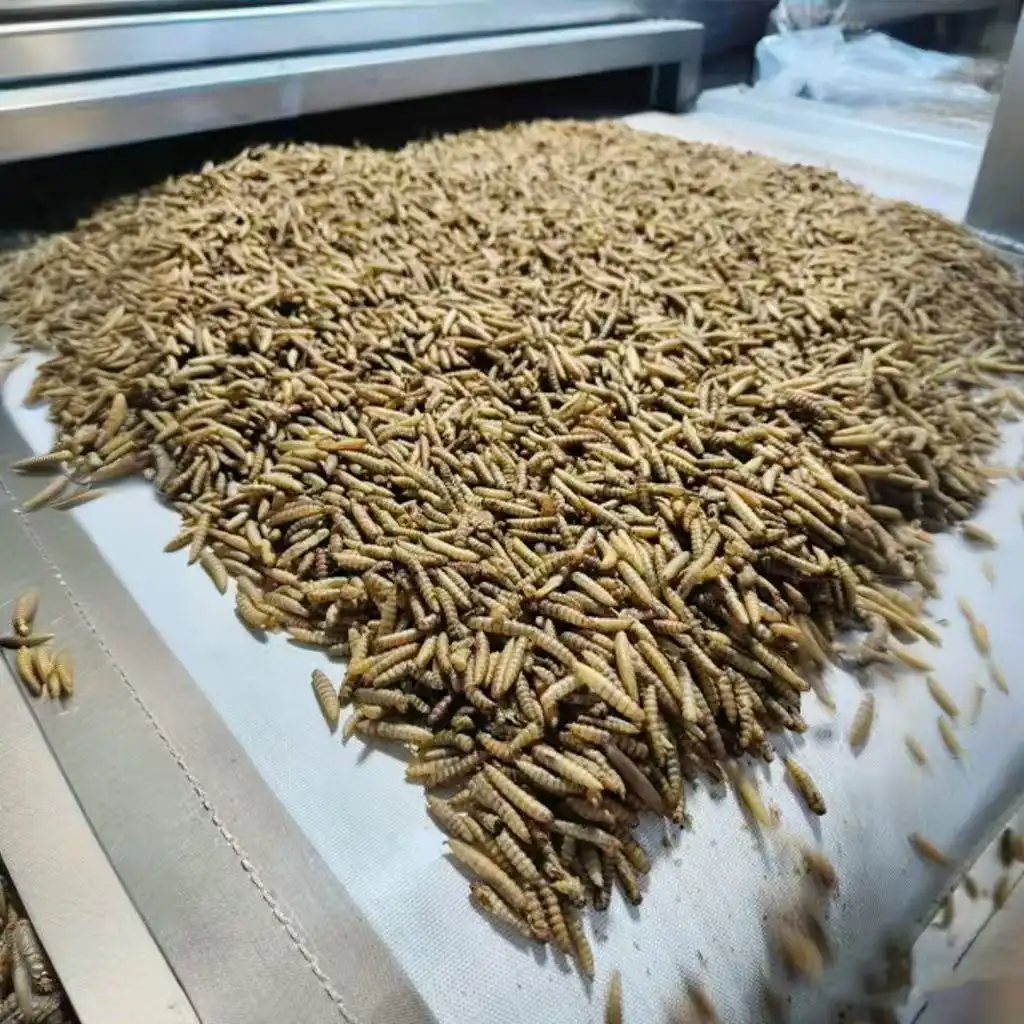
As the world moves toward more sustainable protein sources, black soldier fly larvae are at the center of new ideas for dealing with trash and better diet for animals. Their ability to turn different types of organic garbage into high-quality feed ingredients helps solve some of the biggest problems that modern agriculture faces, like rising protein costs, environmental issues, and the need for a cycle economy. Businesses that choose the best feedstock, use best management practices, and work with qualified suppliers can gain a competitive edge in markets that value sustainability along with standard quality and cost measures. As production methods improve and rules change, insect protein will gradually replace traditional ingredients in aquaculture, poultry, livestock, and companion animal feeding. This will completely change the way feed is supplied around the world.
FAQ
What substrates should you not give larvae that are being raised for business purposes?
Materials with a lot of salt, chemical stabilizers, or poisonous ingredients make it harder for black soldier fly larvae to stay healthy and live. Citrus trash needs to be handled carefully because it contains limonene, which may slow the growth of black soldier fly larvae. Pesticide, heavy metal, or drug residue-contaminated substrates must be left out so that bioaccumulation doesn't happen and finished black soldier fly larvae can't be used as food. Responsible testing procedures and substrate sources make sure that products are safe and follow the rules.
How does feedstock quality affect the nutritional value of harvested larvae?
The nutrients in the substrate have a direct effect on the amount of protein, amino acids, and fatty acids in the black soldier fly larvae. High-protein feedstocks make black soldier fly larvae that have a lot of protein, while carbohydrate-rich substrates make black soldier fly larvae that have a lot of fat. This transfer of nutrients from substrate to product lets makers tailor the make-up of black soldier fly larvae to specific end-use uses by carefully choosing and mixing feedstocks.
Can larvae be fed exclusively on single-substrate types?
Even though it is possible, feeding only one substrate usually doesn't work as well as giving a variety of substrates. When you mix materials that are compatible, the nutritional balance gets better. For example, putting nitrogen-rich parts together with energy-dense substrates makes for more full nutrition that helps black soldier fly larvae grow strong. Substrate variety also lowers costs and lowers supply chain risks by letting you buy fuel when it's cheap.
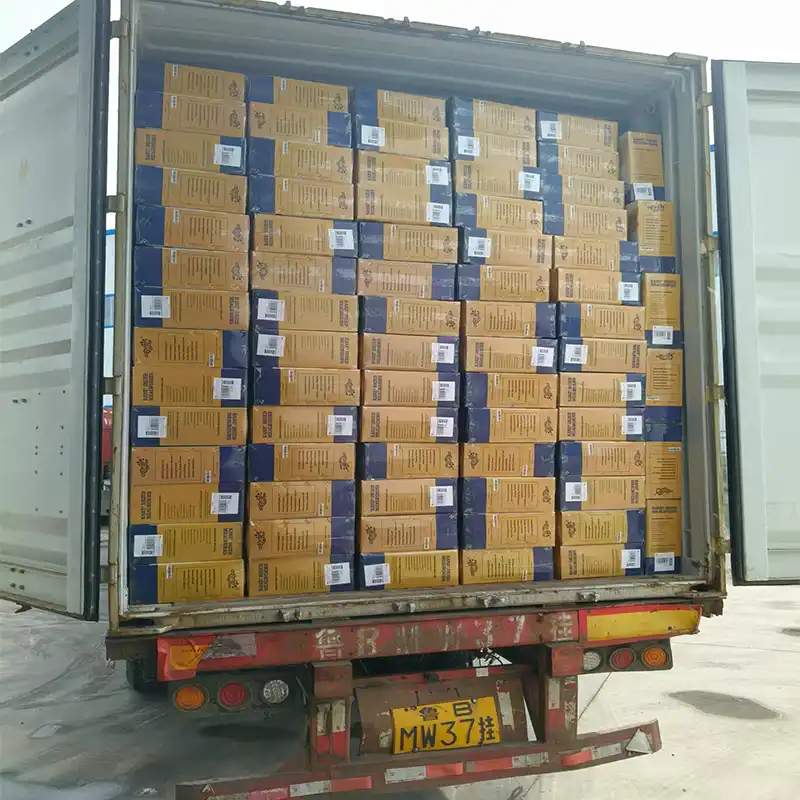
Partner with Yunlan for Premium Black Soldier Fly Larvae Supply Solutions
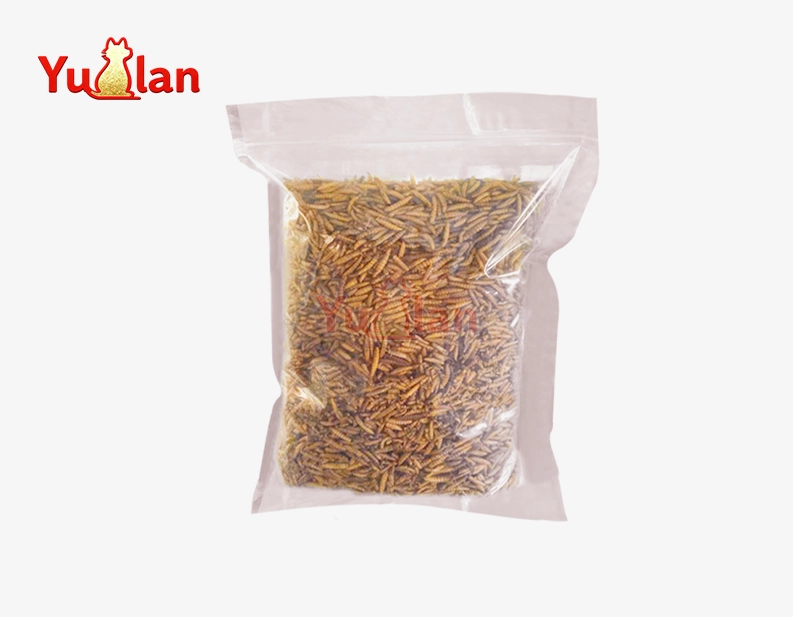
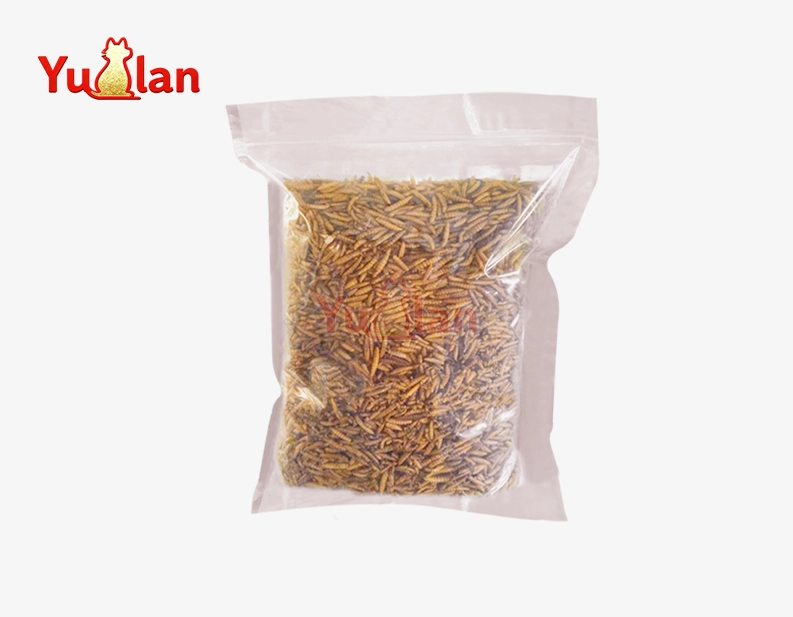
To help procurement workers, pet stores, veterinarian clinics, and wholesale wholesalers who need reliable black soldier fly larvae supplier, Yunlan has decades of experience in sustainable protein production. We can control the processing of substrates, follow strict biosecurity practices, and test every batch for quality to make sure it meets the strict nutritional requirements for animal feed uses. With factories that use only the best organic feedstocks and automatic systems that keep the environment at its best, we can consistently provide you with high-quality black soldier fly larvae that meet your production needs and help you reach your sustainability goals.
Our committed research and development (R&D) efforts, which have cost us a total of about 100 million yuan, have led to new ways of feeding and processing insects, as well as 97 approved patents that cover specialized developments in natural attractant formulations that can be used for insect-based pet foods. If you need bulk dried black soldier fly larvae for making feed, customized protein meal specifications, or technical advice on how to add insect ingredients to existing recipes, Yunlan can help. Their turnkey solutions are backed by responsive technical teams and flexible logistics that can reach markets around the world.
Get in touch with our purchasing agents at minghuixu6717@gmail.com to find out how our black soldier fly larvae for sale can help your product stand out, make you less reliant on traditional protein sources, and support your company's efforts to be more environmentally friendly. Visit yunlanpets.com to see our full range of products that meet the changing needs of the animal feeding market today.
References
- Wang, Y.S. & Shelomi, M. (2017). Review of Black Soldier Fly (Hermetia illucens) as Animal Feed and Human Food. Foods, 6(10), 91.
- Makkar, H.P.S., Tran, G., Heuzé, V. & Ankers, P. (2014). State-of-the-art on use of insects as animal feed. Animal Feed Science and Technology, 197, 1-33.
- Diener, S., Studt Solano, N.M., Roa Gutiérrez, F., Zurbrügg, C. & Tockner, K. (2011). Biological Treatment of Municipal Organic Waste using Black Soldier Fly Larvae. Waste and Biomass Valorization, 2(4), 357-363.
- Schiavone, A., De Marco, M., Martínez, S., Dabbou, S., Renna, M., Madrid, J., Hernandez, F., Rotolo, L., Costa, P., Gai, F. & Gasco, L. (2017). Nutritional value of a partially defatted and a highly defatted black soldier fly larvae (Hermetia illucens L.) meal for broiler chickens. Journal of Animal Science and Biotechnology, 8, 51.
- Barragan-Fonseca, K.B., Dicke, M. & van Loon, J.J.A. (2017). Nutritional value of the black soldier fly (Hermetia illucens L.) and its suitability as animal feed. Journal of Insects as Food and Feed, 3(2), 105-120.
- Gold, M., Tomberlin, J.K., Diener, S., Zurbrügg, C. & Mathys, A. (2018). Decomposition of biowaste macronutrients, microbes, and chemicals in black soldier fly larval treatment. Journal of Cleaner Production, 197, 1503-1514.