- English
- French
- German
- Portuguese
- Spanish
- Russian
- Japanese
- Korean
- Arabic
- Irish
- Greek
- Turkish
- Italian
- Danish
- Romanian
- Indonesian
- Czech
- Afrikaans
- Swedish
- Polish
- Basque
- Catalan
- Esperanto
- Hindi
- Lao
- Albanian
- Amharic
- Armenian
- Azerbaijani
- Belarusian
- Bengali
- Bosnian
- Bulgarian
- Cebuano
- Chichewa
- Corsican
- Croatian
- Dutch
- Estonian
- Filipino
- Finnish
- Frisian
- Galician
- Georgian
- Gujarati
- Haitian
- Hausa
- Hawaiian
- Hebrew
- Hmong
- Hungarian
- Icelandic
- Igbo
- Javanese
- Kannada
- Kazakh
- Khmer
- Kurdish
- Kyrgyz
- Latin
- Latvian
- Lithuanian
- Luxembou..
- Macedonian
- Malagasy
- Malay
- Malayalam
- Maltese
- Maori
- Marathi
- Mongolian
- Burmese
- Nepali
- Norwegian
- Pashto
- Persian
- Punjabi
- Serbian
- Sesotho
- Sinhala
- Slovak
- Slovenian
- Somali
- Samoan
- Scots Gaelic
- Shona
- Sindhi
- Sundanese
- Swahili
- Tajik
- Tamil
- Telugu
- Thai
- Ukrainian
- Urdu
- Uzbek
- Vietnamese
- Welsh
- Xhosa
- Yiddish
- Yoruba
- Zulu
Plan ahead and research the industry to identify reliable chicken food providers. Wholesale wholesalers, agricultural cooperatives, specialty feed producers, and bulk-buying e-commerce sites provide chicken food to businesses. Working directly with well-known suppliers like Yunlan gives you low wholesale costs, dependable quality control, and formulae that can be customized for your production needs. Checking supplier qualifications, transportation infrastructure, and product certifications ensures that purchase decisions satisfy practical goals and nutritional criteria for flock health and productivity.
Understanding Your Chicken Food Procurement Needs
Procurement experts must manage nutrition, cost, and feed quality throughout supply cycles. Find out what sort of chicken is offered initially.
Differentiating Feed Requirements by Poultry Type
Different fowl require different feeds. Layer chickens need calcium-rich diets to produce eggs, whereas broiler feeds emphasize protein and weight gain. Chicken starting meals include smaller particles and more nutrients for early development. Knowing these distinctions helps you prevent nutritional blunders that limit development and productivity.
Evaluating Specialty and Organic Feed Options
Market demand is rising for organic and specialist formulae including probiotic and high-protein options. These pricey items attract health-conscious buyers who are prepared to spend extra. Procurement managers must consider market placement benefits against cost. Suppliers must fulfill USDA requirements for organic clearance, making vendor selection harder.
Assessing Quality Through Ingredient Transparency
Reputable manufacturers list ingredients and nutritional analysis. Buyers should prioritize vendors with third-party testing and traceability. Open supply channels lessen environmental and compliance issues for brands. This preserves their consumer connections and purchase investments.
Where to Buy Chicken Food: Online vs Offline Channels
Purchase efficiency, cost, and supply chain flexibility depend on channel selection. Business-to-business buyers increasingly combine digital comfort with relationship-based buying.
Advantages of Online Procurement Platforms
Digital networks allow purchasers to locate cheap chicken food from around the world, not just local vendors. Online platforms generally offer transparent pricing systems that help you compare costs from several merchants. Many suppliers offer massive delivery services at low shipping prices, simplifying logistics. Digital procurement systems simplify supply management and budgeting by making it easy to replace and monitor things.
Benefits of Traditional Supplier Relationships
Local distributors make items available immediately when supplies run out or demand rises during specific seasons. Face-to-face contacts simplify tailored service plans with open payment terms and delivery schedules. Regional dealers give professional guidance on picking and nutritionally optimizing feed in addition to selling commodities. Long-term agreements with local wholesalers duplicate supply chains. This reduces single-source hazards.
Optimizing Channel Selection Strategy
Online speed and offline dependability must be matched for purchase to operate. Large-quantity standard formulas work well with digital buying. Unique commodities and urgent demands benefit from local supplier partnerships. Look at lead times, minimum order amounts, and total landed pricing across all platforms to get the best deals. Combining the two creates robust supply networks that can adapt to market and operational changes.
Comparing Popular Chicken Food Brands for B2B Buyers
Brand selection influences nutritional content, feed conversion, and supplier support. Established brands have reliable track records, whereas new brands may offer competitive formulae or costs.
Evaluating Performance Metrics
Feed conversion rates indicate how well birds convert food into body mass or eggs, affecting business profitability. Business-to-business purchasers should request comparison research on weight increase, mortality rates, and output growth. These indicators enable data-driven brand decisions. They compare objective outcomes.
Considering Supplier Reliability and Support
When products are constantly accessible, feed shortages don't stop industry. Check how suppliers handle inventories, how much extra production they can undertake, and how they plan for problems. Technical support after the sale, like as nutritional guidance and problem-solving, is important for introducing new formulas or treating flock health issues. Customer reviews and industry references might indicate a provider's responsiveness and problem-solving skills.
Strategic Considerations When Buying Chicken Food in Bulk
Buy in bulk to save money, but it makes storage, supply management, and supplier negotiations difficult. Strategic planning may convert issues into wins.
Managing Storage and Feed Integrity
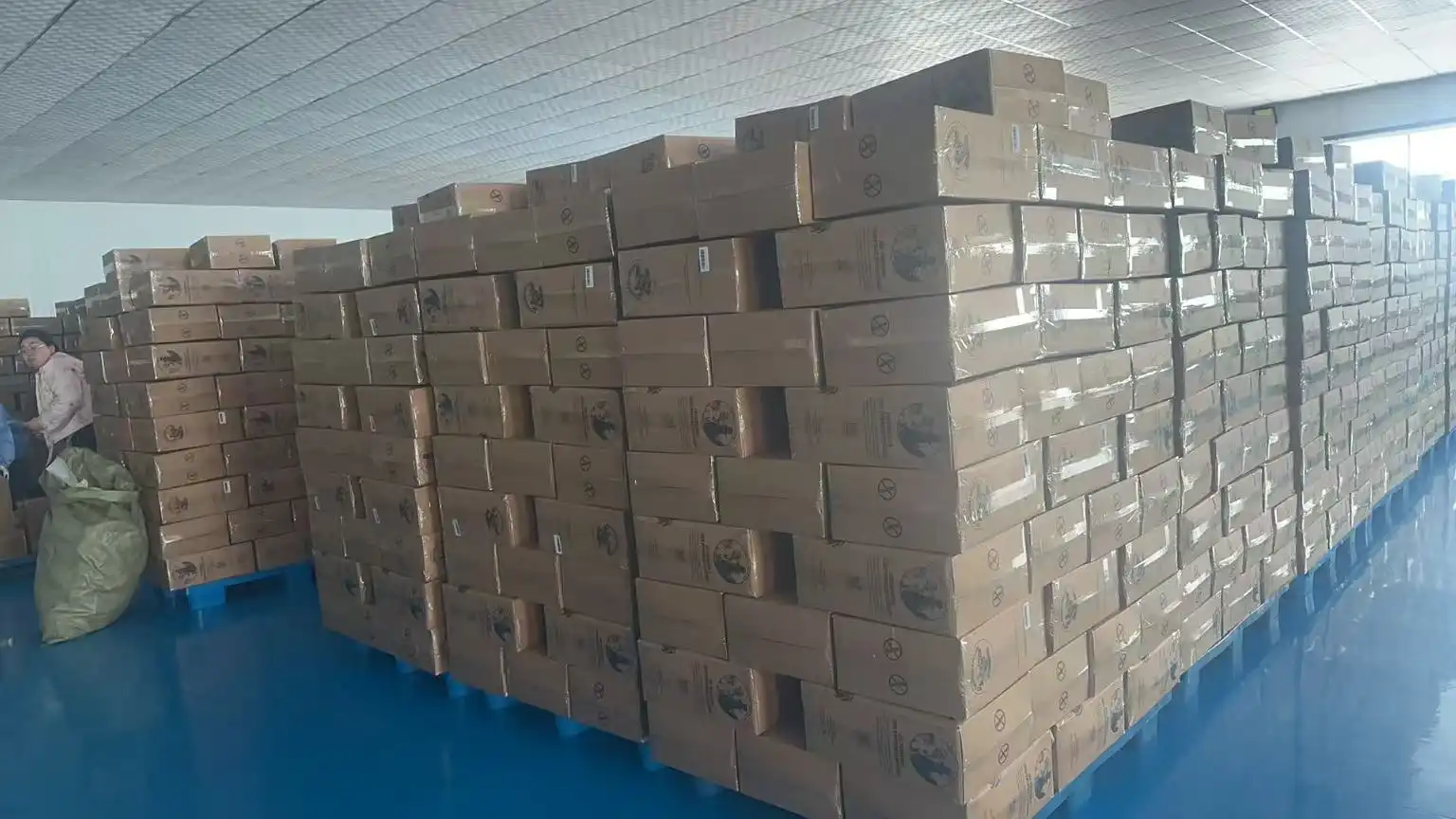
The correct storage facilities prevent nutrients from degrading, keeping feed useful throughout inventory rounds. Climate-controlled buildings prevent dampness and weather variations that accelerate rotting. First-in, first-out turnover ensures older stock is utilized before losing quality. Buyers must compare substantial savings against storage costs and product shelf life to determine the appropriate order amount.
Coordinating Supply Chain Timing
Timing chicken food orders with production plans prevents shortages that halt operations and overstocking that fills storage space. Regular buying procedures assist vendors optimize manufacturing schedules and logistical planning, resulting in better prices and faster delivery. Having a backup stock prevents supply issues and wasteful raw material purchases.
Negotiating Favorable Contract Terms
Promises to buy in bulk allow you to negotiate better pricing, delivery timeframes, and payment arrangements. Long-term arrangements stabilize costs and manage supplies during market gaps. The contract should provide quality standards, testing, and dispute resolution that protects the customer. Smart procurement managers create relationships with suppliers to renegotiate contracts as market and company changes occur.
Organic and Specialty Chicken Food Procurement Trends
Growing numbers of individuals seek environmentally friendly poultry. This allows B2B buyers to adapt their buying habits to new markets.
Understanding Organic Certification Requirements
USDA organic requirements require feed components from authorized organic crops farmed without synthetic fertilizers or pesticides. Paper trails from the field to the feed mill are needed for verification. This complicates administration. Due of their harder-to-find components and special processing, organic feeds cost 30–50% more. Buyers entering organic marketplaces must price their goods to entice clients prepared to pay more.
Evaluating Specialty Formulation Benefits
Probiotic-rich feeds keep your gut healthy, reducing the need for antibiotics and illness. Protein-rich formulas accelerate growth and reduce output. People who prefer natural preservation over chemicals. In competitive markets, these specialist items help products stand out. Buyers should determine if superior ingredients' higher costs provide consumer benefits worth the higher sale prices.
Integrating Sustainable Sourcing Practices
Environmental responsibility influences purchase decisions as more organizations develop corporate responsibility initiatives. Buying from green energy, water-efficient, and carbon-efficient enterprises supports environmental aims. Tracking supply chain environmental behaviors supports eco-friendly marketing promises. Yunlan creates innovative natural and plant-based pet food spices to demonstrate this passion. They demonstrate that conventional production can fulfill product performance criteria and green development concepts.
Innovative Protein Sources for Poultry Nutrition
Traditional feed formulations are using increasingly alternative protein sources to address environmental and nutritional optimization concerns. Chicken food can now be improved with insect-based proteins.
Benefits of Black Soldier Fly Larvae
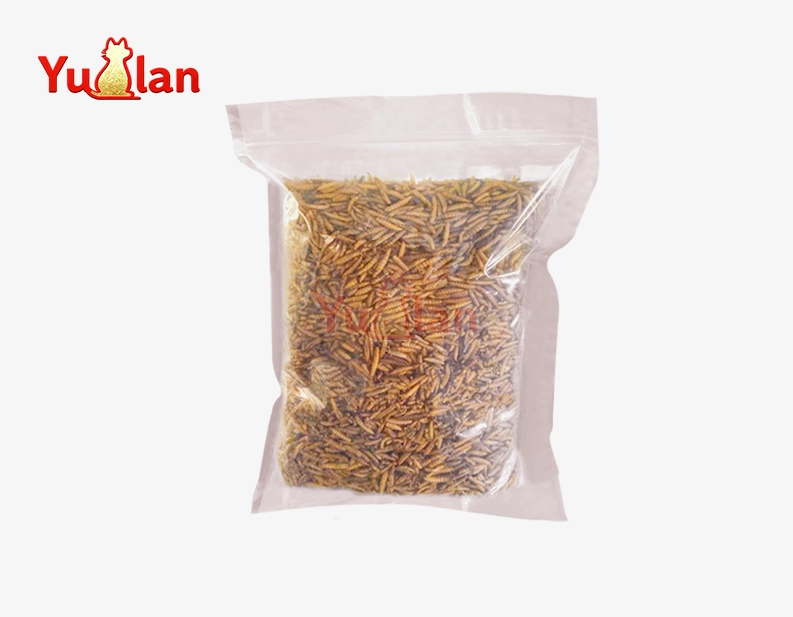
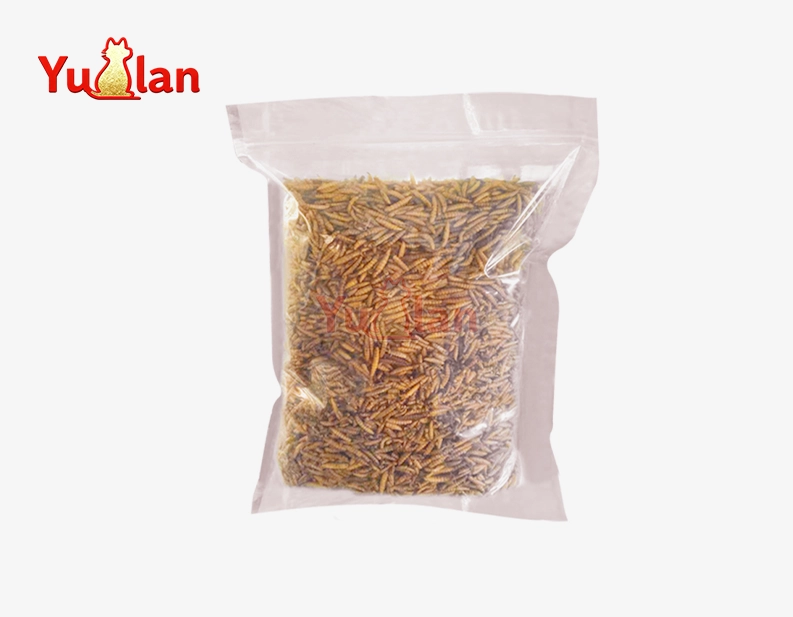
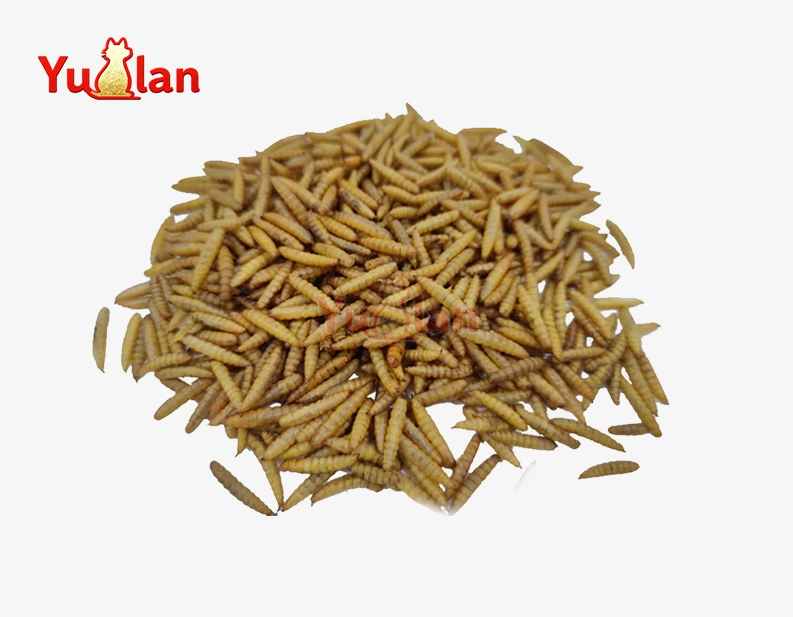
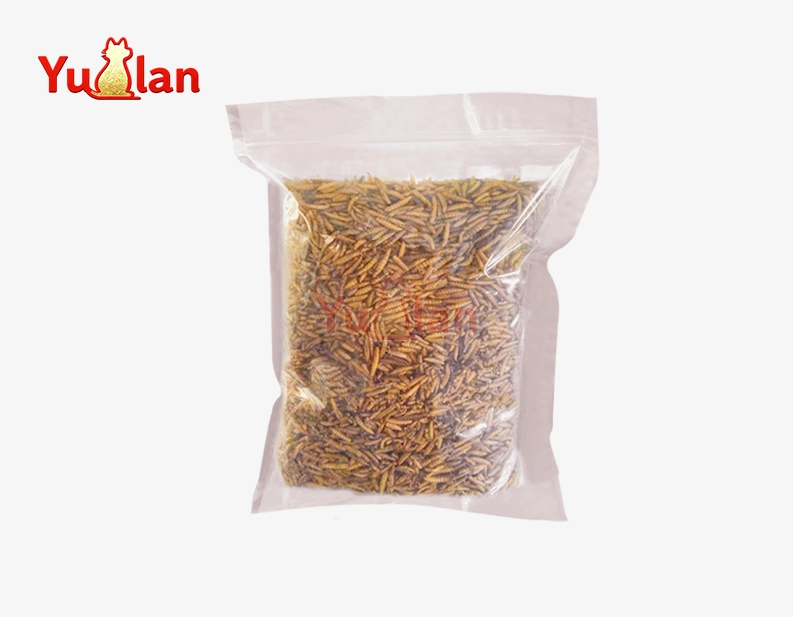
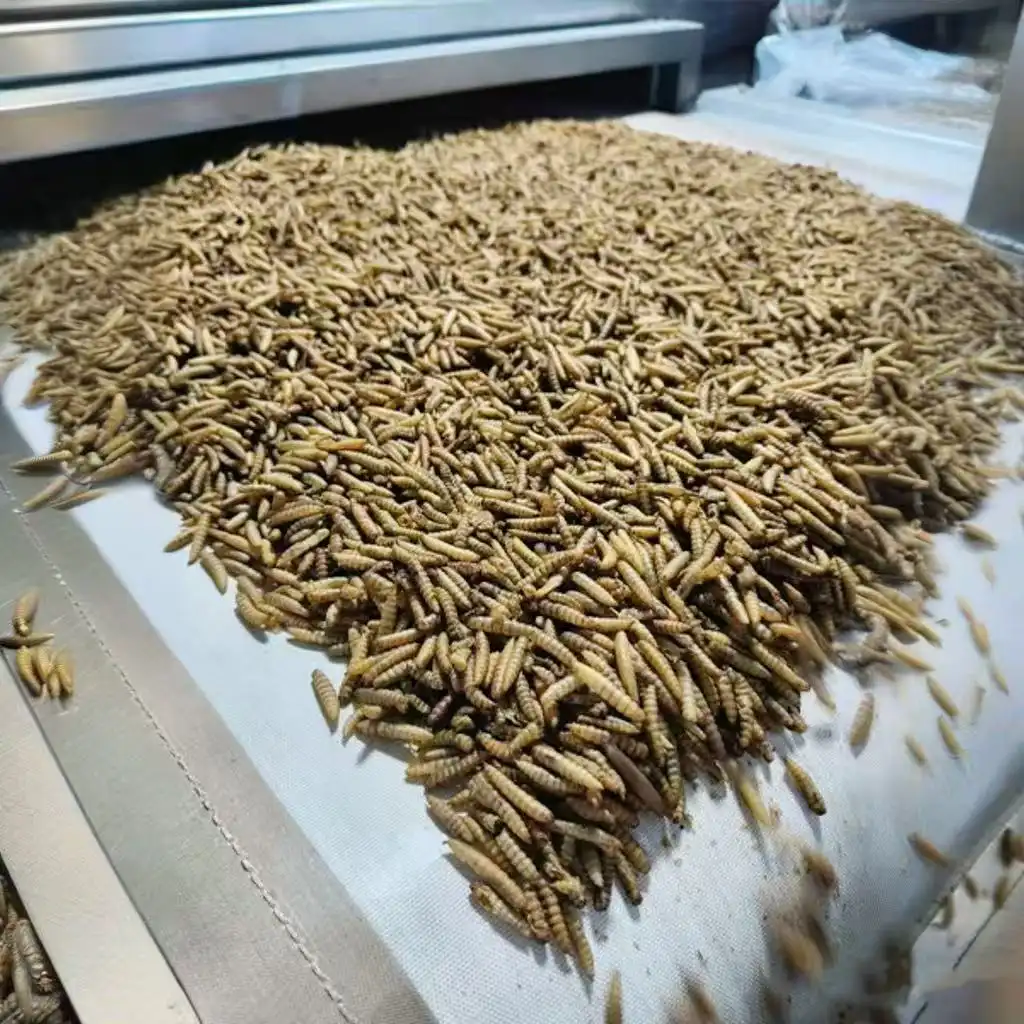
Chickens can eat dried black soldier fly larvae, which have high protein and amino acid profiles to develop and produce eggs. These bugs convert organic waste into high-quality protein, benefiting the cycle economy. Black soldier fly larvae improve feed conversion and immunity, according to research. Green buyers should search for companies who guarantee quality and production.
Incorporating Mealworms into Feed Programs
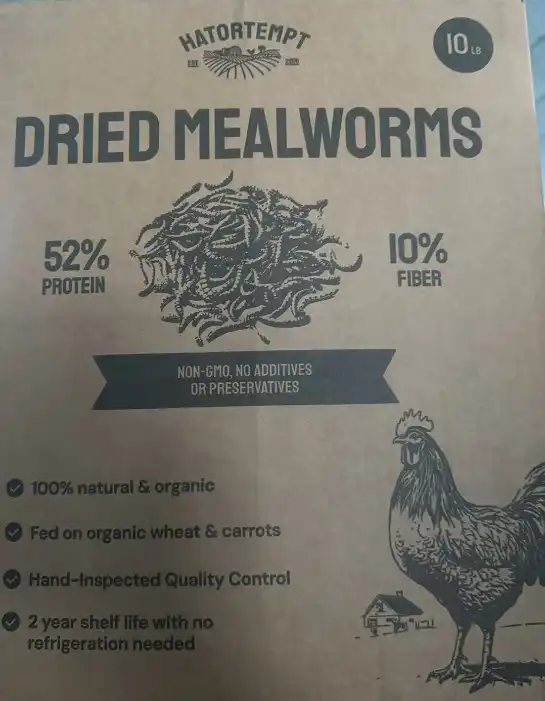
Chickens get energy and variety from dried mealworms. Mealworms can be added to chicken food as treats or protein-boosting mixes. In feeding programs using mealworms, birds travel more due to their natural foraging tendencies. Purchasing managers should evaluate the cost-per-protein-unit to traditional sources and consider taste and digestibility when evaluating protein sources.
Conclusion
When buying chicken food, you must balance nutritional demands, affordability, and supply reliability across many channels. Best outcomes for B2B buyers mix online platform benefits with conventional supply connections. They choose brands based on performance measures, not marketing promises, and negotiate significant buy agreements that offer them fair pricing while maintaining feed purity. New trends toward organic and distinctive formulas allow firms that can spend more on higher-quality ingredients to stand out. Sustainability is increasingly crucial in purchase decisions. Long-term success is best achieved by working with creative, eco-friendly sellers.
Partner with Yunlan for Your Chicken Food Supply Needs
Yunlan offers a variety of manufacturing choices and B2B service models to satisfy your chicken food demands. Our chicken food recipes are innovative and affordable wholesale bulk, backed by decades of supply chain knowledge. Every batch has the same nutritional profile since our facilities employ cutting-edge protein enzymolysis technology and thorough quality control.
Yunlan operates globally and locally. They deal with major e-commerce sites and sell in over 60 countries. New natural ingredients include dried black soldier fly larvae and mealworms for hens. Our mealworm chicken food formulations help poultry businesses be greener. Our 97 patents and approximately 100 million yuan in research demonstrate our commitment to industry advancement.
Our staff can tailor solutions to your retail chain, e-commerce site, veterinarian clinic, grooming shop, or distribution network's size and client demands. Get specific quotations at minghuixu6717@gmail.com to see how Yunlan's great manufacturing can stabilize your supply chain and cut prices.
FAQ
What distinguishes chicken feed from chicken food in procurement contexts?
These words are commonly interchangeable in business. However, "feed" normally means whole nutritional compositions, whereas "chicken food" might describe supplements or treats. B2B purchasers should know what the product is and how to utilize it, not its name. Instead of names, they should emphasize nutritional value, intended usage, and legal categories.
How can buyers verify nutritional compliance of purchased products?
Asking merchants for certificates of analysis provides lab-checked nutritional value data. Independent third-party testing protects you from dishonest sources. Buyers can ensure their purchases fit their demands by comparing stated analytical statements to manufacturing standards and recommendations. Reputable suppliers offer quality documentation and explain their testing methodology.
Where can procurement managers find trustworthy wholesale suppliers?
Agricultural development services, professional networks, and industry trade associations can assist you identify a seller and check their reputation. Online B2B platforms let you compare pricing from various sellers. Asking current clients for samples might reveal a supplier's historical performance. Visiting manufacturing facilities helps you trust your supplier agreements by seeing how well they create goods and regulate quality.
References
1. Smith, J.A. & Thompson, R.L. (2023). Modern Poultry Nutrition: Feed Formulation Strategies for Commercial Operations. Agricultural Sciences Press.
2. National Poultry Federation. (2024). B2B Procurement Best Practices in the Feed Industry. Industry Standards Publication.
3. Williams, M.K. (2023). "Comparative Analysis of Organic versus Conventional Poultry Feed Systems." Journal of Applied Poultry Research, 32(4), 287-301.
4. Chen, L. & Rodriguez, P. (2024). Supply Chain Management for Agricultural Feed Products. International Business Publishing.
5. United States Department of Agriculture. (2023). Organic Certification Standards for Livestock Feed. USDA Agricultural Marketing Service.
6. Patterson, D.R. (2024). "Emerging Protein Sources in Poultry Nutrition: Insect-based Feed Alternatives." Poultry Science Journal, 103(2), 156-172.